
Best Home Health Aide Training Programs & Trade Schools - Top Home Health Aide Schools in Washington for 2026

Co-Founder and Chief Data Scientist
Choosing the right home health aide trade school in Washington can shape a rewarding career in healthcare. This article introduces a carefully crafted ranking of home health aide trade school programs, developed by the Research.com team of data scientists to guide you in making an informed decision.
By exploring these top programs, you’ll discover valuable opportunities to earn a diploma or certification that opens doors to meaningful work helping others. Whether you’re starting fresh or changing paths, this guide supports your journey toward a fulfilling future.
Key benefits of finishing home health aide trade school in Washington
- Graduates of home health aide trade schools in Washington can expect an average salary around $37,000 annually, with hourly wages near $17.79, offering a solid income to start a rewarding career.
- A graduate from a popular Washington trade school often finds diverse career paths, including roles in private care, healthcare facilities, or government programs, providing flexibility and growth opportunities.
- Completing a home health aide program online allows students to balance learning with personal commitments, as seen with online graduates from well-known Washington schools who appreciate the convenience and faster entry into the workforce.
What can I expect from home health aide trade schools in Washington?
Step into a home health aide trade school in Washington, and you'll quickly find yourself immersed in a blend of hands-on practice and real-world scenarios that prepare you for the job's emotional and practical demands. Graduates from popular schools often share how early safety training made them feel confident rather than overwhelmed when facing emergencies or caring for vulnerable clients. Expect to spend about 75 hours mastering everything from infection control to client rights, split between engaging classroom lessons, interactive online modules, and lively skills labs where you practice personal care techniques under the watchful eye of certified instructors.
Picture yourself navigating a mock patient's home, honing communication skills that will make trust blossom. You'll also meet the state's rigorous prerequisites head-on: passing background checks, proving immunization, and gearing up for the state competency exam. Many students appreciate the flexible schedules some schools offer, blending self-paced online learning with in-person workshops that bring lessons vividly to life. Beyond the basics, you'll discover the importance of ongoing education to keep your certification current-turning your training into a career path that evolves with you.
Where can I work after finishing home health aide trade schools in Washington?
After finishing a home health aide trade school program in Washington, graduates often step into vibrant roles that blend meaningful care with real-world impact. Imagine working in a cozy private home, helping an elderly client with daily routines like dressing or cooking, where every smile feels earned and every day brings a new story. Many graduates from popular Washington trade schools find this direct path rewarding and flexible, shaping schedules around life's demands.
Others dive into bustling home care agencies scattered across King, Pierce, or Snohomish counties. Here, graduates join teams supporting dozens of clients, gaining experience and earning competitive wages-some agencies offer $21 to $24 an hour plus benefits, making the job financially attractive early on. Stories from recent grads often highlight the joy of matching clients close to home, reducing commute times while building lasting bonds.
Assisted living facilities and adult family homes also welcome new aides, where graduates become part of care teams ensuring residents' comfort and dignity. Whether urban or rural, the job market in Washington pulses with opportunity, and many trainees start working even before certification, sometimes with their training costs covered.
How much can I make after finishing home health aide trade schools in Washington?
After finishing a home health aide trade school program in Washington, many graduates find themselves stepping into jobs that pay an average of $24.87 per hour. Imagine clocking in at a bustling Bellevue agency or a cozy Redmond care home, earning between $24.50 and $33.00 hourly, sometimes with overtime adding up to an extra $4,000 annually. It's not just numbers on a page-graduates from popular trade schools in Seattle and Tacoma often share stories of how their new wages allowed them to upgrade their apartments or support their families without stress.
Starting out, some aides earn around $17.15 per hour, but with experience and certifications gained through Washington's accredited programs, it's common to see pay climb well into the $40,000 to $48,000 annual range. Working in cities like Everett or Kennewick, aides report a rewarding mix of steady income and meaningful work, making the investment in trade school feel like a smart, life-changing move.
Best Home Health Aide Training Programs & Trade Schools - Top Home Health Aide Schools in Washington for 2026
# 1 position
Highline College - Home Health Aide/Home Attendant.
associateHighline College offers a Home Health Aide/Home Attendant program designed to prepare individuals to provide routine care and support for homebound disabled, recovering, or elderly people. The hybrid program includes instruction in nutrition, home sanitation, infection control, first aid, vital signs, personal hygiene, communication skills, home management, emergency recognition, geriatric care, and legal and ethical responsibilities. Annual in-state tuition is $4,623. The program is accredited by the Northwest Commission on Colleges and Universities.
# 2 position
Highline College - Home Health Aide/Home Attendant.
certificate or diplomaThe Home Health Aide/Home Attendant program at Highline College offers a hybrid format with some distance-education options. It prepares students to provide routine care and support for homebound disabled, recovering, or elderly individuals. Instruction covers nutrition, home sanitation, infection control, first aid, vital signs, personal hygiene, communication skills, home management, emergency recognition, geriatric care, and legal and ethical responsibilities. The annual in-state tuition is $4,623. The program is accredited by the Northwest Commission on Colleges and Universities.
# 3 position
Edmonds College - Home Health Aide/Home Attendant.
certificate or diplomaEdmonds College offers a Hybrid Home Health Aide/Home Attendant program designed to prepare students to provide routine care and support for homebound disabled, recovering, or elderly individuals. The curriculum covers basic nutrition, home sanitation, infection control, first aid, vital signs, personal hygiene, communication skills, supervised home management, emergency response, geriatric care, and legal and ethical responsibilities. The program's annual in-state tuition is $4,669 and it is accredited by the Northwest Commission on Colleges and Universities.
Key Findings
- Applicants must be at least 18 years old with a high school diploma or GED, and pass a criminal background check.
- Training requires a minimum of 85 hours classroom instruction and 75 hours of supervised practical training for certification.
- Certification involves passing a state-administered written and skills exam to be listed on the Washington State Nurse Aide Registry.
- Program costs generally range from $500 to $1,500, with some programs offering financial aid or covering testing fees.
- The average starting salary for new home health aides in Washington is about $36,000 per year, increasing to $40,000 or more with experience.
How long does it take to complete home health aide trade schools in Washington?
In Washington, completing a home health aide trade school program typically takes about 4 to 12 weeks, depending on the school and the pace you choose. Many graduates from popular trade schools in Seattle and Spokane share how this swift timeline allowed them to jump into caregiving jobs almost immediately, lending a helping hand to families in need.
One graduate described the experience as an empowering sprint-intense but rewarding. The hands-on training in these programs often feels like real-life practice, where you learn to assist elderly clients with daily tasks, medication reminders, and emotional support. It's like stepping into a new role overnight, ready to make a difference.
Some trade schools offer flexible schedules, letting students balance studies with work or family. Imagine finishing your certification before the next season changes, then starting your career energized and confident. The short, focused training means you're not stuck in classrooms forever but quickly gaining the skills Washington employers value.
What's the difference between online and on-campus home health aide trade school programs?
Online home health aide programs in Washington feel like having a classroom in your pocket. Graduates from schools such as Cornerstone Healthcare Training rave about the freedom to learn on their own time-whether it's catching a video lecture between shifts or reviewing interactive modules during a quiet evening. Yet, they still roll up their sleeves for in-person skills labs or clinical sessions, making sure their hands-on abilities match state standards.
On-campus programs, like those offered through community colleges partnered with the Washington State Department of Social and Health Services, deliver a different vibe. Students describe the energy of live classes, immediate feedback from instructors, and the camaraderie built during face-to-face practicals. The 90-hour in-person training blends classroom learning with real-world practice, making the experience feel tangible and immersive.
Both paths lead to the same certification, but the choice depends on whether you thrive in a structured environment or prefer flexible, tech-driven study-each with its own unique pulse in Washington's home health aide training landscape.
What is the average cost of home health aide trade schools in Washington?
Wondering about the average cost home health aide training Washington offers? Picture this: a motivated graduate shares how the initial $300 to $500 fee for mandatory training felt like a manageable investment toward a rewarding career. These figures reflect basic programs endorsed by the Washington State Department of Social and Health Services, setting the stage for many eager trainees. It's an inviting gateway, especially for those balancing work and study.
Diving deeper, graduates from popular trade schools like Bates Technical College reveal more substantial tuition fees for comprehensive CNA certification programs. These programs, with tuition fees home health aide programs Washington hovering between $500 and $2,000-or even up to $7,669 for in-state students including books-often come with intense hands-on training that builds confidence and skills. One graduate described the experience as a "transformative journey," where the investment felt worthwhile for the career jumpstart it provided.
Financial worries? Many find relief knowing employers or unions may cover training costs if you work directly with home care agencies. Plus, financial assistance options abound if you check at your local WorkSource Center. Taking these routes can significantly lighten the burden, making the path to becoming a home health aide more accessible and less daunting.
For folks actively exploring their options, reading about how to become a hha offers practical insights grounded in real experiences, helping you visualize your own successful future in this field.
What financial aid is available for home health aide trade schools in Washington?
Imagine starting your home health aide training at a popular Washington trade school, where financial worries melt away thanks to Washington Apple Health (Medicaid). Many graduates recall how this program's income and asset limits-like a $914 monthly income cap for singles-felt like a lifeline, opening doors to affordable education they once thought unreachable.
Others found unexpected allies in the Home and Community-Based Services (HCBS) Medicaid Waivers. These waivers don't just support in-home care; some graduates describe how they creatively used their care budgets to cover training expenses, making the path to certification smoother.
There's also the often-overlooked Charity Care Law. Graduates from various trade schools discovered that hospitals' charity programs offered more than medical help-they helped ease financial stress indirectly supporting their educational journey.
For those outside Medicaid's reach, limited state-funded programs and federal student aid, like Pell Grants, often fill gaps. Many graduates emphasize contacting their school's financial aid office or the Department of Social and Health Services early; personalized guidance turned confusion into confidence on their path to becoming home health aides.
What are the prerequisites for enrolling in home health aide trade schools in Washington?
To step into a home health aide trade school program in Washington, you'll need a few essentials that set you up for success-think of them as your training wheels before you hit the caregiving road. Most trade schools in the state expect you to be at least 18 years old, reflecting a readiness to handle real-life responsibilities. A high school diploma or GED is usually the golden ticket, proving you've got the foundational skills to absorb the hands-on training ahead.
Graduates often recall the relief of meeting these prerequisites, opening the door to programs at popular Washington schools where compassion meets skill-building.
Here's what you typically need before enrolling:
- Proof of age (18+ years)
- High school diploma or GED certificate
- Background check clearance (to ensure safety for vulnerable clients)
- Basic health screenings and immunizations (because your health is key to others' well-being)
One graduate shared how clearing the background check was a breeze once they understood it's about protecting clients, not just paperwork. Another emphasized how having a diploma boosted their confidence to dive into the caregiving curriculum at one of Washington's top trade schools, blending empathy with practical skills. These prerequisites create a sturdy foundation, so you can focus on what truly matters-making a difference in your community through skilled, heartfelt care.
What are the typical courses in home health aide trade schools in Washington?
In Washington's home health aide trade schools, the heart of your journey is a state-mandated 75-hour training-think of it as your caregiving boot camp. Graduates often recall the mix of excitement and challenge as they dive into these core courses:
- Orientation and Safety Training (5 hours): Imagine stepping into a new role with confidence, learning to protect yourself and your clients through emergency drills and infection control.
- Core Basic Training (54 hours): This is where hands-on skills come alive-bathing, dressing, feeding, and mastering communication. Graduates describe it as the "aha" moment when textbook knowledge meets real-life compassion.
- Population-Specific Training (16 hours): Here, you explore specialized care for elders or clients with dementia, gaining empathy and strategies that transform daily tasks into meaningful support.
Popular programs like those at S&H Training Center blend online lessons with live virtual sessions and hands-on labs, letting students practice skills under watchful eyes before stepping into clients' homes. Many grads say these labs were where theory clicked into reality, boosting their confidence and readiness.
What are the available specializations in home health aide trade schools in Washington?
Home health aide trade school programs in Washington offer a variety of specialized tracks that graduates rave about for boosting their confidence and job prospects. Take the Advanced Home Care Aide Specialist (AHCAS) training: a rigorous 70-hour course designed by DSHS and SEIU 775 that teaches advanced skills like medication management, motivational interviewing, and person-centered care. Graduates often share how this specialization empowered them to handle complex client needs with empathy and precision, along with a notable $0.75 per hour pay bump for each client.
High school students in Washington can jumpstart their careers in home care through a 90-hour training program created by DSHS and the Office of Superintendent of Public Instruction, blending essential health science skills with hands-on training-perfect for those balancing school and career dreams.
Popular trade schools such as Washington Care Academy provide dynamic specializations, including Dementia and Mental Health training, Nurse Delegation focusing on diabetes, and over 24 continuing education courses. Many graduates testify that these programs prepare them to confidently support clients with unique healthcare challenges.
Exploring these home care aide training programs Washington opens doors to fulfilling roles rooted in compassion and expertise, making the journey not just a career but a calling. For those curious about broader pathways, learning how to get cna license can be a great next step.
How do you choose the best home health aide trade school program in Washington?
Choosing the best home health aide trade school program in Washington means zoning in on state-approved training that ticks all the boxes: at least 75 hours of hands-on instruction, covering everything from safety to population-specific care. Graduates from local community colleges rave about the practical sessions that build empathy and resilience-skills that textbooks can't teach. One graduate shared how flexible evening classes allowed them to juggle work and school, making the dream of certification achievable. When you compare home health aide schools in Washington, look for those offering a 90-hour course or extra prep for the Home Care Aide certification exam, which really boosts your chances of landing a job in state healthcare settings.
Location matters, but so does support-career counseling and exam prep can be game changers. Some programs even blend online learning with in-person labs, perfect for busy adults. Remember to check prerequisites like your age and background checks, so nothing slows you down. For a smart career move, consider exploring quick highest paying medical certifications that pay well in healthcare, which many home health aides use to level up their skills and income.
What career paths are available for home health aide trade school graduates in Washington?
Graduates from home health aide trade schools in Washington often find themselves stepping into a range of fulfilling roles-sometimes as comforting in-home caregivers and other times as skilled aides in bustling agencies spanning Seattle to rural towns. Many share stories of how their training quickly propelled them into jobs paying $17 to $21 an hour, with weekend or overnight shifts boosting those wages. This growing landscape means home health aide job opportunities in Washington are abundant and diverse.
Career advancement for home health aides in Washington is a tangible dream rather than a distant one. Graduates frequently build on their foundation by obtaining Certified Nursing Assistant credentials through short bridge programs, opening doors to nursing and specialized healthcare roles. Some move toward becoming radiation therapists or surgical techs, with each path enriching their hands-on experience.
Popular trade schools in the state pride themselves on flexible training that fits students' busy lives, allowing many to continue earning while learning. For those curious, exploring the cheapest online cna to rn bridge programs offers a smart, budget-friendly stepping stone to enhanced healthcare careers.
- Immediate entry-level roles like in-home caregiver or hospice aide
- Progression to Certified Nursing Assistant following bridge training
- Further specialization into therapy or technical healthcare positions
- Supervisory or nursing leadership roles after gaining experience
What is the job market for home health aide trade school graduates in Washington?
Graduates from home health aide trade schools in Washington step into a job market that hums with steady opportunity. Hundreds of listings across King, Pierce, and Snohomish counties mean new aides rarely wait long before landing a position. Many grads share how flexible schedules fit perfectly around their personal lives, with employers offering part-time or full-time roles to meet diverse needs.
Earning potential for home health aides in Washington is a bright spot, with wages usually between $15.77 and $20.43 per hour, often topping out above the national average. Larger care providers sometimes start new hires at $21.44 to $24.59-making the road from trade school a path to competitive pay. Benefits like health insurance and mileage reimbursement sweeten the deal.
Real-life graduates report career growth options too, citing opportunities to move into specialized roles with pay boosts. For those wondering what pays more a cna or lpn, Washington's environment offers versatile avenues-from private homes to assisted living facilities. Job seekers appreciate working close to home while helping family members, bolstered by Medicaid pathways that turn caregiving into paid employment.
- Consistent openings statewide
- Competitive wages above national averages
- Flexible part-time and full-time schedules
- Career advancement through certifications and experience
Frequently Asked Questions about home health aide
After completing a home health aide trade school in Washington, preparing for the job market involves several key steps. First, obtaining certification through the Washington State Department of Health is essential to work legally as a home health aide. This certification verifies your training meets state standards and increases employability.
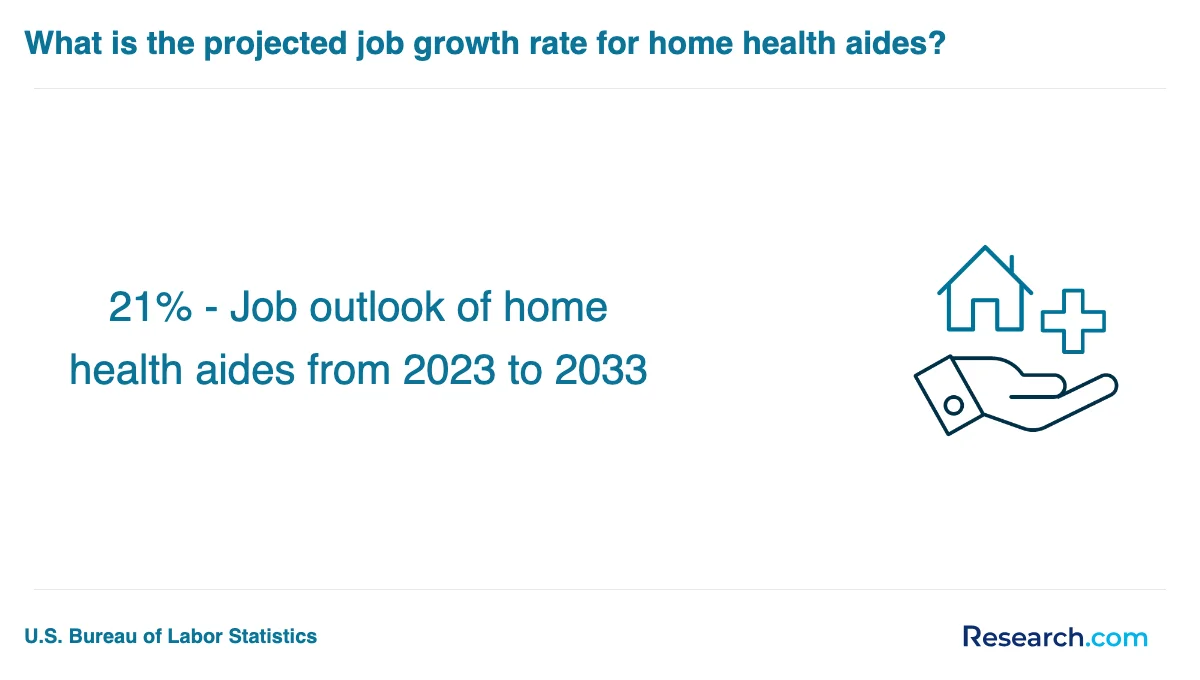
Networking with local healthcare providers and agencies can also improve job prospects. Washington's aging population has driven a 22% growth in home health aide jobs from 2020 to 2030, according to the U.S. Bureau of Labor Statistics, highlighting strong demand.
Additionally, maintaining up-to-date CPR and first aid certifications enhances your qualifications. Finally, preparing a professional resume and practicing interview skills tailored to healthcare roles will help secure employment more effectively.
Employers in Washington seek home health aide graduates with strong practical and interpersonal skills. Key abilities include patient care techniques, such as assisting with daily living activities and monitoring vital signs, which align with state certification requirements. Communication skills are essential, as aides must clearly interact with patients, families, and healthcare teams.
Knowledge of infection control and safety protocols is highly valued, especially following updated standards by the Washington State Department of Health. According to the U.S. Bureau of Labor Statistics, Washington's home health aide jobs demand adaptability and emotional resilience due to the nature of in-home care.
Additionally, employers look for aides proficient in basic medical documentation and time management to ensure efficient, quality care delivery.
Finding internships relevant to a home health aide trade school program in Washington involves several practical steps. Start by contacting your trade school's career services, as many have partnerships with local healthcare providers and can connect students with internship opportunities. The Washington State Department of Health also provides resources and listings for certified home health agencies that frequently offer internships or externships.
Additionally, explore local hospitals, nursing homes, and assisted living facilities, as they often seek home health aide interns to support patient care. According to the Washington State Employment Security Department, healthcare support occupations, including home health aides, are projected to grow by 23% through 2030, increasing internship availability.
Networking through professional organizations like the Washington Home Care Association can also provide leads on internships. Lastly, use online job boards specific to healthcare internships in Washington for updated openings.
In Washington, earning a diploma from a home health aide trade school significantly enhances career mobility for individuals entering the healthcare sector. The state requires home health aides to complete state-approved training programs, which ensure graduates meet essential skills and certification standards. According to the Washington State Department of Health, this diploma is often a prerequisite for employment with licensed home care agencies.
The diploma also opens pathways for advancement into roles such as certified nursing assistant (CNA) or medical assistant, with many programs offering credit toward further certifications. The Washington Employment Security Department projects a 15% growth in home health aide jobs through 2030, signaling strong demand and opportunity for diploma holders.
Moreover, graduates typically experience improved earning potential; the median wage for home health aides in Washington was approximately $16.50 per hour as of 2023, higher than the national average. This reflects how formal training positively impacts social and economic mobility within the state's healthcare workforce.
In Washington, part-time job opportunities that complement home health aide trade school education include roles such as personal care assistants, caregiver aides, and medical assistants. These positions provide valuable hands-on experience with patient care, essential for building practical skills. According to the Washington State Employment Security Department, home health aide roles are projected to grow by 26% through 2030, increasing the availability of part-time work in healthcare settings.
Working in assisted living facilities or adult day care centers part-time allows students to apply classroom knowledge in real-world environments. This experience enhances employability and networking within the healthcare community. Additionally, some agencies offer flexible schedules suited for students balancing education and work.
To choose the best Home Health Aide degree program near you, particularly near Washington, consider factors such as program accreditation, course content, and graduation rate. Research.com can be a helpful resource to compare various programs and identify which universities offer specialized training that aligns with your career goals. Additionally, visiting local campuses and speaking with current students or faculty can provide insights into the quality of training and job placement opportunities available near me.
Related Home Health Aide Rankings for Nearby States
- Best Home Health Aide Training Programs & Trade Schools - Top Home Health Aide Schools in California for 2026
- Best Home Health Aide Training Programs & Trade Schools - Top Home Health Aide Schools in New Mexico for 2026
- Best Home Health Aide Training Programs & Trade Schools - Top Home Health Aide Schools in Oklahoma for 2026
- Best Home Health Aide Training Programs & Trade Schools - Top Home Health Aide Schools in Michigan for 2026
- Best Home Health Aide Training Programs & Trade Schools - Top Home Health Aide Schools in South Carolina for 2026
Top Trending Rankings
References
- Home Health Aide Training / HHA – Immaculate School of Allied Health – Home Health Aide Training – Washington, DC https://www.immaculateschoolofalliedhealth.com/healthcare-training-home-health-aide-training-hha
- High School Home Care Aide Training Program | DSHS https://www.dshs.wa.gov/altsa/training/high-school-home-care-aide-training-program
- How to Become a Home Health Aide in Washington (2024) | Dreambound https://dreambound.com/blog/how-to-become-a-home-health-aide-in-washington
- Washington Home Health Aide Programs https://www.trade-school.com/programs/Home-Health-Aide/WA
- Associate Degree in Occupational Development: Home Health Aide | Blue Ridge CTC - Apply Now! https://www.blueridgectc.edu/academic-programs/associates-degree-programs/health-sciences/occupationaldevelopmentho/
- - Washington Care Academy https://washingtoncareacademy.com/home/
- Program - Home Health Aide - AdventHealth University https://workforce.ahu.edu/program-home-health-aide/
- How to Become a Home Health Care Aide in Washington: Complete Guide - Proactive Healthcare Staffing https://www.proactivehealthcarestaffing.co/how-to-become-home-health-care-aide-washington/
- How to Become a Home Health Aide | Requirements & Salaries https://www.eaglegatecollege.edu/blog/how-to-become-a-home-health-aide/
- Home Health Aide Training in Washington DC https://medassisting.org/home-health-aide/dc/


