
Best Home Health Aide Training Programs & Trade Schools - Top Home Health Aide Schools in Midwest for 2026

Co-Founder and Chief Data Scientist
Choosing the right home health aide trade school in the Midwest can shape your future career and open doors to rewarding opportunities. This article presents a carefully crafted home health aide trade school programs ranking created by the Research.com team of data scientists to help you make an informed decision.
Whether you’re starting fresh or seeking new skills, earning a diploma or certification in this field offers stability and personal fulfillment. Reading this guide will give you clear insights into top programs worth considering for 2026, empowering you to take confident steps toward a meaningful profession.
Key benefits of finishing home health aide trade school in Midwest
- Graduates can expect an average hourly wage around $16 to $19 in the Midwest, with opportunities for overtime and mileage reimbursement boosting overall earnings.
- Career paths include working as a home health aide, personal care aide, or advancing to supervisory roles, as seen with graduates from popular Midwest trade schools.
- Completing an online home health aide program offers flexibility and faster entry into the workforce, helping graduates balance learning with personal commitments effectively.
What can I expect from home health aide trade schools in Midwest?
When you enroll in a home health aide trade school program in the Midwest, expect a balanced mix of classroom learning and hands-on clinical experience. Graduates from popular programs like those at Anoka Technical College often share how the curriculum covers essential skills such as personal care techniques, infection control, and communication with clients. You'll spend time in supervised labs and real clinical settings, which builds confidence in providing care to elderly or disabled individuals.
Most programs, especially in Illinois, require at least 120 hours of coursework and 40 hours of clinical practice, so you'll be well-prepared for the realities of the job. Many students appreciate the flexibility offered, with options for day or evening classes, making it easier to balance work or family commitments. Instructional materials and uniforms are typically provided, easing your preparation process.
Graduates often highlight the supportive environment that guides them through certification exams and state registry processes, helping them transition smoothly into rewarding careers with median wages around $20.79 per hour in places like Minnesota. This practical, compassionate training equips you to make a real difference in people's lives.
Where can I work after finishing home health aide trade schools in Midwest?
After finishing a home health aide trade school program in the Midwest, you'll find many rewarding career paths open to you. Graduates often start working in private homes, assisting elderly or disabled clients with daily tasks like dressing, meal prep, and medication reminders. Many share how rewarding it feels to help someone maintain their independence right where they feel most comfortable-their own home.
Others find roles with home healthcare agencies, which offer flexible schedules and benefits such as paid holidays and health insurance. Agencies in cities like Chicago and Minneapolis frequently hire new grads, providing steady work and opportunities to grow. Some graduates mention how these agencies helped them build confidence while gaining real-world experience.
There are also chances to work in assisted living facilities or adult day care centers, especially if you pursue additional certifications. Trade schools like those in Illinois and Indiana prepare students well for these environments, making the transition smooth and exciting.
Overall, the Midwest's growing demand for in-home care means your training will open doors to meaningful work where you can truly make a difference.
How much can I make after finishing home health aide trade schools in Midwest?
After finishing a home health aide trade school program in the Midwest, you can expect to start earning between $12.50 and $15 per hour. Many graduates from popular Midwest trade schools share how their first jobs paid around this range, which feels rewarding as they begin gaining hands-on experience. For example, one graduate found a position in a local healthcare facility in Michigan earning about $13.42 per hour, close to the state average, which helped cover living expenses while building valuable skills.
Most new HHAs in the region earn slightly below or near the national average hourly wage of about $16.05. As you grow more confident and complete additional certifications, your pay can increase significantly. Graduates often mention feeling proud when overtime shifts or specialized care roles boost their earnings beyond entry level.
The demand for home health aides is rising, so steady work and potential wage growth are promising. Many find fulfillment knowing their work supports families and communities while earning a competitive wage right after trade school.
Best Home Health Aide Training Programs & Trade Schools - Top Home Health Aide Schools in Midwest for 2026
# 1 position
Sinte Gleska University - Home Health Aide/Home Attendant.
associateSinte Gleska University offers a Home Health Aide/Home Attendant program with a hybrid format that includes some distance-education options. The program prepares students to provide routine care and support to homebound disabled, recovering, or elderly individuals. Coursework covers nutrition, home sanitation, infection control, first aid, vital signs, personal hygiene, communication, emergency recognition, geriatric care, and legal responsibilities. Annual in-state tuition is $4,714. The program is accredited by the Higher Learning Commission.
# 2 position
Washtenaw Community College - Home Health Aide/Home Attendant.
certificate or diplomaWashtenaw Community College offers a Home Health Aide/Home Attendant program designed to prepare students for providing care and support to homebound disabled, recovering, or elderly individuals. This hybrid program includes instruction in nutrition, home sanitation, infection control, first aid, vital signs, personal hygiene, communication, home management, emergency recognition, geriatric care, and legal responsibilities. Annual in-state tuition is $2,736. The program is accredited by the Higher Learning Commission. Median earnings one year after completion are $29,696.45.
# 3 position
Wayne County Community College District - Home Health Aide/Home Attendant.
certificate or diplomaThe Home Health Aide/Home Attendant program at Wayne County Community College District prepares individuals to provide routine care and support for homebound disabled, recovering, or elderly people. Instruction covers nutrition, home sanitation, infection control, first aid, vital signs, personal hygiene, communication skills, home management, emergency recognition, geriatric care, and legal and ethical responsibilities. Annual in-state tuition is $3,112. The program is accredited by the Higher Learning Commission.
# 4 position
Central Ohio Technical College - Home Health Aide/Home Attendant.
certificate or diplomaCentral Ohio Technical College offers a Home Health Aide/Home Attendant program designed to prepare students to provide routine care and support for homebound disabled, recovering, or elderly individuals. The curriculum covers basic nutrition, home sanitation, infection control, first aid, vital signs, personal hygiene, communication skills, home management, emergency recognition, geriatric care, and legal and ethical responsibilities. The program is accredited by the Higher Learning Commission, and annual in-state tuition is $5,136.
# 5 position
Rend Lake College - Home Health Aide/Home Attendant.
certificate or diplomaRend Lake College offers a Home Health Aide/Home Attendant program designed to prepare individuals to provide routine care and support for homebound disabled, recovering, or elderly people. The hybrid program includes instruction in nutrition, home sanitation, infection control, first aid, vital signs, personal hygiene, communication skills, home management, emergency referral, geriatric care, and legal and ethical responsibilities. Annual in-state tuition is $4,500. The program is accredited by the Higher Learning Commission.
# 6 position
Northcentral Technical College - Home Health Aide/Home Attendant.
certificate or diplomaNorthcentral Technical College offers a Home Health Aide/Home Attendant program designed to prepare students to provide care and support for homebound disabled, recovering, or elderly individuals. The hybrid program includes training in nutrition, home sanitation, infection control, first aid, vital signs, personal hygiene, communication, home management, emergency recognition, geriatric care, and legal and ethical responsibilities. The program is accredited by the Higher Learning Commission. Annual in-state tuition is $3,861.
Key Findings
- Most programs require students to be at least 18 years old and have a high school diploma or GED.
- Training includes at least 75 hours, typically with 59 hours of classroom instruction and 16 hours of supervised hands-on practice.
- Tuition costs range from $1,900 to $2,000, with some schools charging additional fees for materials.
- Certification usually requires completing an accredited program and passing written and practical tests, with 12 annual hours of professional development needed to maintain it.
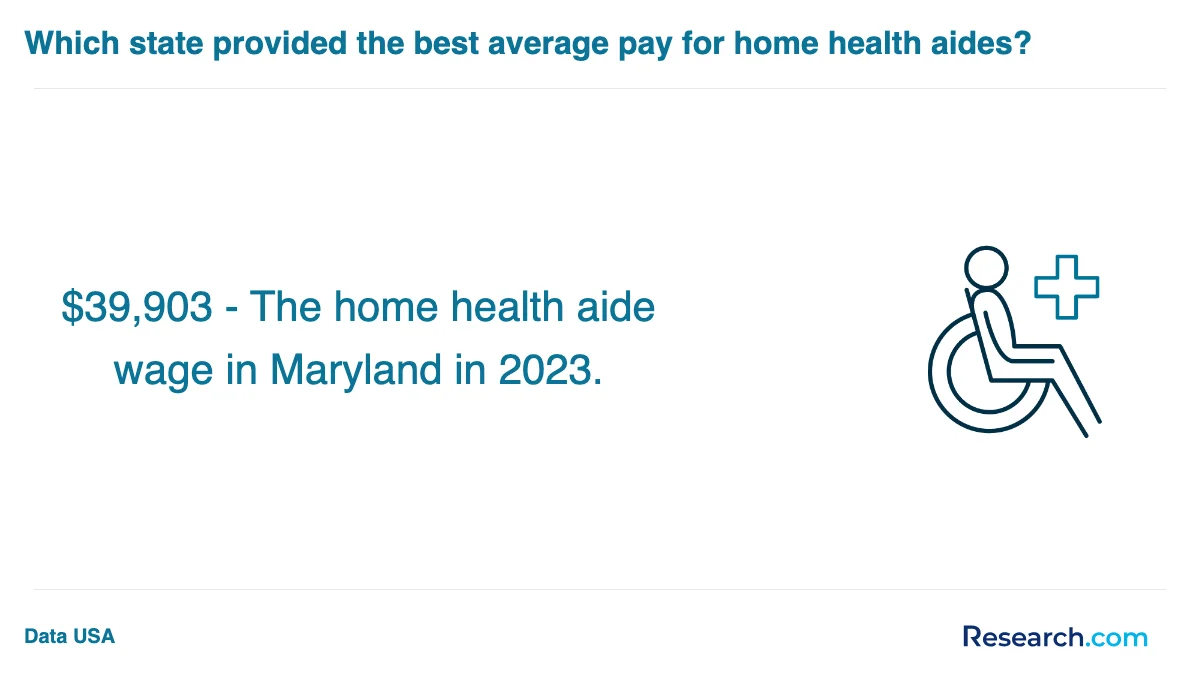
- Entry-level salaries average between $25,000 and $30,000 annually, with potential to earn up to $40,000 with experience or specialization.
- The job market for home health aides is strong and expected to grow through 2030 due to increasing demand in healthcare.
How long does it take to complete home health aide trade schools in Midwest?
Completing a home health aide trade school program in the Midwest typically takes between 4 to 12 weeks, depending on the school and whether you attend full-time or part-time. Many students at popular Midwest schools find that an 8-week program strikes a good balance-it's long enough to cover essential skills but short enough to jumpstart a new career quickly.
Graduates often share how the compact timeline helped them stay motivated and focused, making it easier to manage alongside family or part-time work. For example, students from well-known trade schools in cities like Chicago or Indianapolis appreciate how practical training and classroom learning blend efficiently within this period.
Imagine starting your mornings learning vital caregiving techniques and afternoons practicing them hands-on in real-world settings-this immersive approach helps build confidence fast. The relatively short completion time allows you to enter the workforce quickly, bringing a sense of accomplishment and excitement as you begin helping others in your community.
What's the difference between online and on-campus home health aide trade school programs?
The key difference between online and on-campus home health aide programs in the Midwest centers on how the coursework and hands-on training are delivered. Graduates from online programs often appreciate the flexibility to study at their own pace, fitting lessons around jobs or family. For example, students at Chicago State University mention how accessing lectures and materials online helped them manage their busy lives without daily commutes.
However, both online and on-campus students must complete required in-person clinical hours-usually around 16 hours-to gain vital hands-on experience. Many online learners share that arranging local practicums gave them real-world confidence in personal care skills.
On-campus programs, such as those at community colleges, offer structured schedules with face-to-face interaction and immediate feedback during labs and practice sessions. Graduates often highlight the benefit of learning directly alongside instructors and peers, fostering a supportive environment.
Blended programs blend the best of both worlds, combining online coursework with weekly on-campus labs, providing flexibility while ensuring essential hands-on training.
What is the average cost of home health aide trade schools in Midwest?
The average cost home health aide trade school Midwest typically runs around $900 to $1,727 depending on the program's duration and location. For instance, graduates from popular trade schools in St. Louis, Missouri, often report paying about $900 for classes lasting about four weeks. These shorter, focused programs allow students to quickly enter the workforce and start gaining valuable experience. Other vocational programs across the country can cost upwards of $1,700, so finding a quality program within your budget in the Midwest is definitely possible.
Many students appreciate how these tuition fees cover comprehensive training that includes approximately 204 contact hours, which helps build confidence and competence in practical caregiving skills. Beyond tuition fees home health aide programs Midwest might also require you to budget for extra expenses such as background checks, drug screenings, uniforms, and supplies. These additional costs vary but are necessary investments to complete the certification and prepare for real-world scenarios.
Graduates often share a sense of accomplishment from completing their training, especially knowing they are stepping into a meaningful career. If finances are a concern, some trade schools offer financial assistance or employer-sponsored training, making it accessible to many prospective students. Exploring options and understanding the full scope of costs will empower you to make informed decisions about your future.
For those curious about related career paths, learning the cna job description can offer additional insight into opportunities beyond home health aide roles.
What financial aid is available for home health aide trade schools in Midwest?
Many home health aide students in the Midwest find that scholarships make a real difference in managing costs. Graduates from popular trade schools often share how scholarships like those from Florry Creative Care, offering up to $300, helped ease the burden of tuition and fees. Some programs also require small deposits but reward students with benefits such as job placement assistance, which adds valuable peace of mind after graduation.
Funding from WIOA-approved programs, such as the Home Health Aide ONLINE training through KansasWorks, is another vital resource. Qualifying students can receive support covering tuition and exam fees, a relief especially for those juggling work and family commitments. Many graduates recall how this funding allowed them to focus on learning without the stress of financial strain.
State and federal aid may be limited, but some states provide need-based help tailored for short-term healthcare training. With tuition often as low as $349 for complete in-state programs, many students find that combining scholarships and workforce grants makes pursuing their goals more accessible than they initially imagined.
What are the prerequisites for enrolling in home health aide trade schools in Midwest?
To enroll in a home health aide trade school program in the Midwest, you generally need to meet a few straightforward prerequisites that set you up for success. Most programs expect you to have a high school diploma or a GED, which serves as a foundation for the practical and theoretical skills you'll gain.
Many graduates from well-known Midwest trade schools share how these initial requirements helped them focus on the hands-on training without struggling with basic academic skills. Beyond the diploma, schools often require:
- Proof of residency or citizenship, ensuring you meet local enrollment standards
- A background check, because working with vulnerable populations demands trust and safety
- Basic health screenings or immunizations, to protect both you and your future clients
- Sometimes, a personal interview or orientation session, which helps assess your commitment and readiness
For example, graduates recall that completing the background check smoothly gave them peace of mind before starting clinical hours. Others mention that having immunizations up to date was a simple step that made entering patient homes more comfortable. These prerequisites are designed to prepare you for a rewarding career helping others, and meeting them is a positive first milestone on your journey through a Midwest trade school.
What are the typical courses in home health aide trade schools in Midwest?
In Midwest home health aide trade schools, you'll dive right into courses that prepare you for real-world care. Graduates from popular programs often share how the orientation to home care helped them understand the unique challenges of working in clients' homes versus hospitals. This foundation is essential for feeling confident on day one.
Core courses include:
- Safety and infection control: Learning to safely lift clients, prevent infections, and maintain cleanliness keeps both you and your clients safe.
- Personal care skills: You'll practice assisting with bathing, dressing, and grooming, adapting techniques to various home environments.
- Nutrition and meal preparation: Preparing meals that meet dietary needs while ensuring food safety is a skill many graduates find rewarding and practical.
- Medication observation: Although you won't administer meds, you'll learn to monitor and report clients' medication routines accurately.
Hands-on training at schools like Fort Scott Community College pairs classroom lessons with supervised practical experience, making the learning process engaging and deeply relevant. Many students feel empowered by modules in emergency procedures, documentation, and communication, which prepare them to respond confidently and effectively in everyday situations.
What are the available specializations in home health aide trade schools in Midwest?
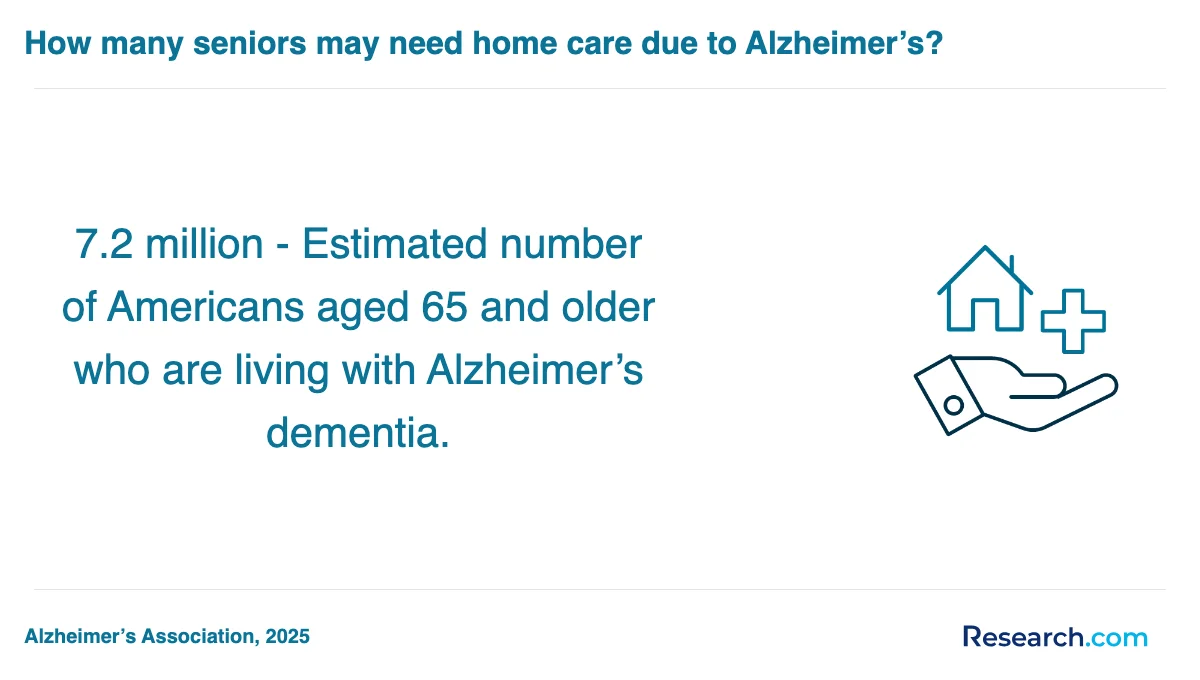
Home health aide trade school programs in the Midwest offer valuable specializations that prepare students for meaningful careers. Graduates often find themselves confident in areas such as dementia care and end-of-life care. For example, programs like those at the Career Training Center of Chicago train students to handle the unique challenges faced by clients with cognitive impairments, ensuring compassionate support through Dementia Care Training in Midwest Home Health Aide Programs.
Beyond dementia, students also develop skills in End-of-Life Care Training in Midwest Home Health Aide Programs, which equips them to provide comfort and dignity during clients' final stages of life. These specialized courses go beyond basic personal care, emphasizing emotional support and clinical knowledge.
Many graduates appreciate how programs in Illinois and Michigan integrate hands-on training with theoretical lessons, including medical terminology, nutrition, and infection prevention. If you're wondering what education do you need to be a nursing assistant, these Midwest trade schools offer both thorough curricula and practical experience to prepare you for success.
How do you choose the best home health aide trade school program in Midwest?
When choosing the best Midwest home health aide schools, start by verifying that the program is approved by your state's health department, ensuring it meets all required training hours. Graduates from popular trade schools like Washtenaw Community College often emphasize how a balanced curriculum of theory and hands-on clinical practice helped build their confidence in real-world caregiving.
Look closely at the student-to-teacher ratio, as smaller classes provide more personalized instruction. Schools in the Midwest vary widely, with some larger colleges having ratios up to 187:1, which can make it harder to receive individual attention. Many graduates appreciate programs that maintain lower ratios because they felt better supported learning practical skills.
Another key aspect in choosing a home health aide program in Midwest is to consider the school's career support and job placement services. Graduates frequently mention how externships and connections with local healthcare providers made transitioning to employment smoother. For detailed guidance on hha certification requirements, be sure to review resources tailored to your state's regulations.
What career paths are available for home health aide trade school graduates in Midwest?
Graduates of home health aide trade school programs in the Midwest often find a variety of rewarding job opportunities Midwest that fit their goals and lifestyle. Many begin as home health aides providing essential daily care, but the most driven graduates from popular Midwest trade schools quickly use this role as a launchpad for career advancement for home health aides in Midwest. For example, some pursue certification as Certified Nursing Assistants (CNAs), enabling them to work in hospitals or nursing homes with expanded responsibilities.
Others choose to advance clinically by becoming Licensed Practical Nurses (LPNs) or Registered Nurses (RNs), opening up higher-paying roles with duties like medication management and wound care. Graduates often mention the encouragement they receive from instructors to explore these paths, sometimes using resources like the cheapest online cna to rn bridge programs to continue their education efficiently.
Beyond nursing, many graduates transition into roles such as:
- Patient care coordinators who manage care plans and communicate with healthcare teams
- Healthcare administration positions within agencies or long-term care facilities
- Specialist assistants like medical, occupational therapy, or physical therapy assistants
- Social work, applying their caregiving experience to advocate for patients and families
This range of paths empowers Midwest home health aide graduates to build meaningful careers tailored to their strengths and ambitions.
What is the job market for home health aide trade school graduates in Midwest?
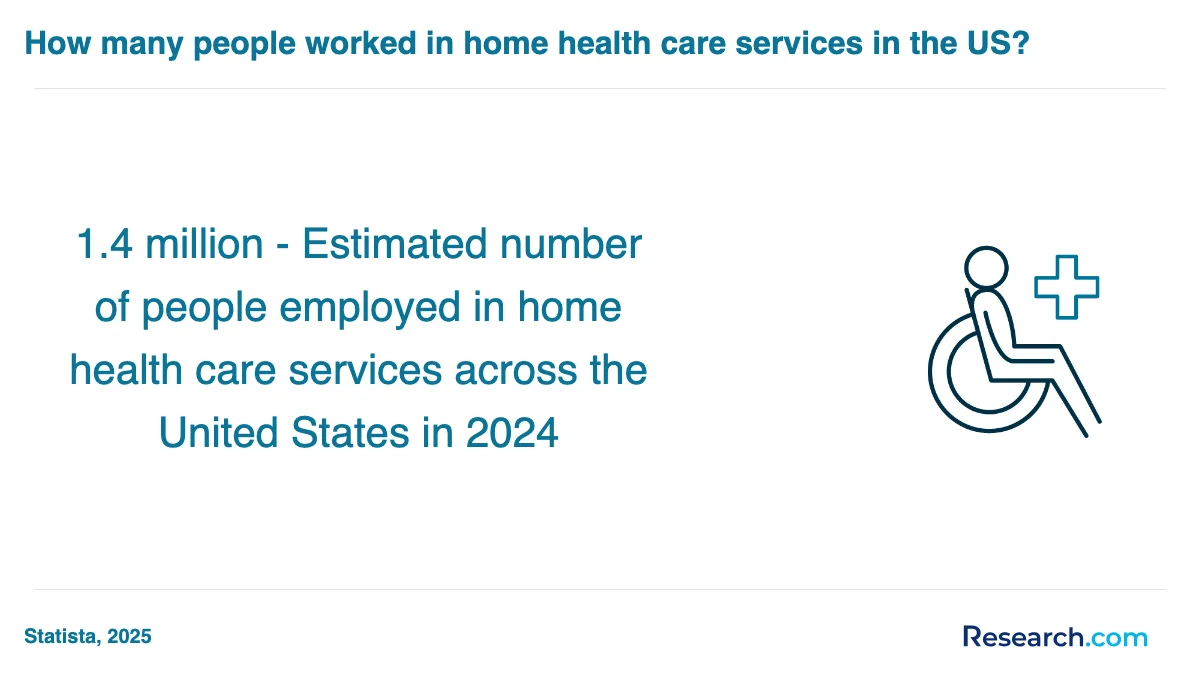
The home health aide job outlook Midwest is incredibly positive, especially for recent graduates of trade school programs in states like Ohio, Illinois, Michigan, and Minnesota. Graduates from well-regarded Midwest schools often share how quickly they secured positions, thanks to a strong regional demand driven by an aging population and a healthcare shift toward in-home care. Many find themselves employed within weeks, supported by states that employ tens of thousands, such as Ohio with over 59,000 home health aides.
Demand for home health aides in Midwest is fueled by:
- A persistent shortage of workers creating amplified job security
- Employers offering competitive pay averaging around $33,530 annually or $16.12 per hour
- Innovations like same-day pay, appealing to new workers eager for financial flexibility
Many graduates describe rewarding experiences where they immediately contributed to patient care, feeling valued and confident in their roles. Trade schools also emphasize practical skills to match these job needs, making the transition smooth. For students curious about fast highest paid medical certifications in healthcare, becoming a home health aide in the Midwest is a proven path with solid prospects.
Frequently Asked Questions about home health aide
After completing a home health aide trade school in the Midwest, preparing for the job market involves several key steps. First, obtaining certification such as the Certified Nursing Assistant (CNA) credential can improve employment prospects. Many states in the Midwest require this certification, which validates your skills to employers.
Next, building a professional resume highlighting both clinical training and any hands-on experience gained during school is crucial. Networking with local healthcare providers and agencies can open doors to job opportunities. According to the Bureau of Labor Statistics, job growth for home health aides in the Midwest is expected to rise by 12% through 2030, signaling strong demand.
Finally, consider continuing education or specialized training in areas like dementia care or chronic disease management to stand out in a competitive market.
Employers in the Midwest seeking home health aide graduates prioritize strong communication skills, as aides must effectively interact with patients and healthcare teams. According to the U.S. Bureau of Labor Statistics, interpersonal skills rank among the top attributes for job success in this field. Practical knowledge of basic patient care, including mobility assistance, hygiene support, and vital sign monitoring, is essential. Trade schools often emphasize these hands-on skills to meet employer expectations. Additionally, reliability and time management are critical, with many Midwest agencies valuing aides who can maintain consistent schedules and adapt to changing patient needs efficiently.
Safety awareness is another key skill, as aides must follow strict health protocols to protect vulnerable populations. The Illinois Department of Public Health highlights that infection control training is a significant requirement for home health aides in the region. Finally, basic medical knowledge, such as understanding medication schedules and recognizing signs of patient distress, enhances employability. These combined skills prepare graduates to meet the demands of a growing home health care market in the Midwest, which is projected to expand by over 20% through 2030.
Finding internships relevant to a home health aide trade school program in the Midwest involves several key steps. Start by contacting your trade school's career services, as many have established partnerships with local healthcare providers. According to the U.S. Bureau of Labor Statistics, internships and clinical placements are often required components of training programs for home health aides.
Next, explore opportunities with community health centers, nursing homes, and home care agencies, which frequently offer internships to students. Websites like the Midwest Healthcare Internship Network provide listings tailored to this field. Networking through local healthcare job fairs can also connect you with employers seeking interns.
Finally, check state health department resources, as some Midwestern states, including Illinois and Ohio, maintain internship databases specifically for healthcare students.
Obtaining a home health aide trade school diploma in the Midwest significantly enhances career mobility by providing essential skills and certification recognized by employers across the region. According to the U.S. Bureau of Labor Statistics, home health aide roles in Midwest states are expected to grow by over 20% through 2030, reflecting strong demand for certified professionals.
The diploma often serves as a gateway to advanced healthcare roles, such as certified nursing assistant or patient care technician, improving job prospects and wage potential. Data from the Midwest Healthcare Workforce Report (2023) shows that diploma holders earn on average 15% more than uncertified aides.
Moreover, Midwest trade schools frequently offer networking opportunities and job placement assistance, which further supports upward mobility within healthcare settings.
Part-time job opportunities in the Midwest that complement home health aide trade school education include roles such as caregiver assistants, personal support workers, and medical transport aides. These positions provide practical experience in patient care, essential for reinforcing classroom learning. According to the U.S. Bureau of Labor Statistics, the Midwest saw a 12% growth in home health aide jobs between 2020 and 2030, indicating strong demand. Working part-time in assisted living facilities or hospice care can help students develop critical skills like patient communication and daily living assistance. Employers often offer flexible hours, accommodating school schedules for trade students.
To choose the best Home Health Aide degree program near me in the Midwest, start by identifying local universities and institutions that offer programs in health services or personal care support, as these are typically associated with home health aide education. It's beneficial to consider factors such as curriculum comprehensiveness, accreditation, and the availability of practical training or internships, which can provide hands-on experience essential for the role. Research.com can be a helpful resource to find ranked programs near Midwest that align with your career goals and location preferences.
Top Trending Rankings
References
- Home Health Aide Salary: Figures & Salaries by State | IntelyCare https://www.intelycare.com/career-advice/home-health-aide-salary-facts-figures-and-salaries-by-state/
- Home Health and Personal Care Aides : Occupational Outlook Handbook: : U.S. Bureau of Labor Statistics https://www.bls.gov/ooh/healthcare/home-health-aides-and-personal-care-aides.htm
- Home Health Aide Salary at Midwest Home Care Ltd | Salary.com | Salary.com https://www.salary.com/research/company/midwest-home-care-ltd/home-health-aide-salary
- Home Health Aide | New York State Education Department https://www.nysed.gov/career-technical-education/home-health-aide
- 40 Hour Home Health Aide Training Program Applicants https://www.cdph.ca.gov/Programs/CHCQ/LCP/Pages/40-Hour-Home-Health-Aide-Training-Program-Applicants.aspx
- Home Health Aides | Home Health Aide Training Program https://www.providencevocationalschool.com/vocational-training-programs/home-health-aide-training-program
- Home Health Aide Training- Program Overview | Penn Foster https://www.pennfoster.edu/programs/healthcare/home-health-aide-career-diploma
- Home Health Aide Training | Online HHA Classes https://www.ashworthcollege.edu/career-diplomas/home-health-aide/
- Online Home Health Aide (HHA) Training Program - CareAcademy https://careacademy.com/training/hha-training/
- Home Care Aide Training (PHCAST) https://mahomecaretraining.org/


