
Best Electrical Technician Training Programs & Trade Schools - Top Electrical Tech Schools in South Dakota for 2026

Co-Founder and Chief Data Scientist
Choosing the right electrician trade school in South Dakota can shape your future career and open doors to great opportunities. This article presents a carefully crafted electrician trade school programs ranking created by the Research.com team of data scientists to help you make an informed decision.
By exploring these top programs, you’ll discover options that fit your goals and budget. Earning a diploma or certification in this field offers stability, skill growth, and rewarding work. Take the first step toward a bright future with confidence and clarity.
Key benefits of finishing electrician trade school in South Dakota
- Graduates of electrician trade schools in South Dakota can expect an average salary around $48,370 per year, with experienced journeymen earning up to $68,000 or more annually, offering strong financial stability.
- Completing a trade program opens doors to various career paths such as journeyman electrician, electrical technician, or maintenance electrician, providing diverse job opportunities across the state.
- Finishing an electrician trade school online offers flexible scheduling and faster completion times compared to traditional degrees, helping graduates start their careers sooner while balancing other commitments.
- Best Electrical Technician Training Programs & Trade Schools - Top Electrical Tech Schools in South Dakota for 2026
- What can I expect from electrician trade schools in South Dakota?
- Where can I work after finishing electrician trade schools in South Dakota?
What can I expect from electrician trade schools in South Dakota?
Students enrolling in electrician trade school programs in South Dakota should anticipate a balanced mix of classroom learning and hands-on training. For instance, graduates from Mitchell Technical Institute recall intensive lessons on circuitry, electrical codes, and safety protocols that laid a strong foundation for their careers. Programs often last between six months and two years, depending on whether a certificate or associate degree is pursued, with schools like Western Dakota Technical Institute emphasizing real-world lab work requiring students to bring their own tools and laptops.
Apprenticeship pathways, such as those offered by the Dakotas Area Electrical Apprenticeship and Training Fund (JATC), extend over five years, combining about 8,000 hours of paid on-the-job experience with weekly evening classes. Graduates frequently mention the challenge but also the rewarding nature of juggling work and study, highlighting the practical skills gained from safety tests and rigorous state licensing preparation.
Admission standards vary; Southeast Technical College, for example, expects a minimum GPA or standardized test scores, ensuring students are well-prepared for the program's demands. Overall, students can look forward to immersive training that readies them thoroughly for South Dakota's journeyman licensing exam and the realities of an electrician's career.
Where can I work after finishing electrician trade schools in South Dakota?
After finishing an electrician trade school program in South Dakota, graduates often find themselves stepping into promising roles quickly. Many begin as apprentice electricians, gaining hands-on experience while working under seasoned professionals at electrical contractors or utility companies. For instance, graduates from well-known trade schools in Sioux Falls often share how starting as apprentices with local cooperatives, like FEM Electric Cooperative in Ipswich, gave them practical skills and confidence in real-world settings.
As apprentices master their craft, they typically advance to journeyman electrician roles, where they independently handle installations and repairs. Employment opportunities exist with companies such as SV Electric, Inc. or Sioux Falls Electric, especially in urban hubs like Sioux Falls or smaller towns like Tea and Watertown. Graduates appreciate the mix of commercial, residential, and industrial projects that keep daily work engaging.
Beyond traditional electrician roles, many find fulfilling careers in maintenance teams, manufacturing, construction, or public utilities. The variety of paths reflects the broad demand for skilled electricians statewide and the positive, rewarding experiences reported by recent trade school alumni.
After finishing an electrician trade school program in South Dakota, graduates typically start as apprentice electricians earning between $36,000 and $39,873 annually. Many from popular trade schools in Sioux Falls and Rapid City share how this starting wage provides a manageable income while gaining hands-on experience. One graduate described feeling motivated knowing that the average starting salary statewide is about $36,870 per year, which aligns closely with their first job offer.
With experience and a journeyman license, earnings improve significantly. Journeymen electricians often make around $61,697 annually, translating to an hourly wage near $32.72. Graduates recall how reaching this level felt rewarding, reflecting their increased skills and responsibility. In cities like Sioux Falls, salaries can be even higher, averaging about $56,000 annually, which helps offset living costs.
Overall, electrician salaries in South Dakota range from $36,870 to $72,750 yearly, depending on experience, location, and specialization. Many graduates emphasize that the steady income combined with career growth opportunities makes completing an electrician program a positive and practical choice.
- Applicants must have a high school diploma or GED and be at least 18 years old, with some programs requiring algebra and a valid driver's license.
- Electrician training combines classroom learning with hands-on experience, typically requiring 8,000 hours of apprenticeship or 6,000 hours with a two-year associate degree.
- Graduates from programs like Mitchell Technical College can earn up to 2,000 hours of credit toward their journeyman license.
- Tuition and fees at South Dakota technical colleges range from $6,000 to $8,000 annually, with additional costs for books, tools, and a laptop.
- Starting salaries for electricians in South Dakota range from $45,000 to $52,000 per year, with experienced workers earning $60,000 to $70,000 or more.
- Electricians must complete 16 hours of continuing education every two years, with half focused on National Electrical Code updates.
Completing an electrician trade school program in South Dakota typically takes between 9 months and 2 years, depending on whether you enroll full-time or part-time. Many graduates from popular South Dakota trade schools find that a focused, full-time schedule lets them enter the workforce quickly, often within a year. For example, students attending schools in Sioux Falls and Rapid City frequently share how an intensive 12-month program allowed them to gain hands-on skills alongside classroom instruction, which boosted their confidence on the job.
Others who balance work or family commitments opt for part-time programs, extending their studies to about 18 to 24 months. One graduate described how spreading out the course load made learning more manageable and less stressful, letting them absorb complex electrical concepts at their own pace. Both approaches emphasize practical training, such as wiring and safety protocols, which helps students feel ready for real-world challenges.
Choosing the right program length in South Dakota often means weighing immediate employment goals against personal schedules, but either path offers a clear route to becoming a skilled electrician.
The main difference between online and on-campus electrician trade school programs in South Dakota lies in how hands-on skills are taught. Graduates from Southeast Technical College and Western Dakota Technical Institute often praise their on-campus experience for the direct access to real tools and equipment, like voltmeters and cable testers. Being in the lab allows them to build confidence and muscle memory essential for safe electrical work, which can't be fully replicated online.
Online programs, while offering flexibility through videos and virtual labs, focus mostly on theory-covering electrical code, safety, and blueprint reading. Students appreciate this convenience but quickly realize that state licensure requires practical, supervised hours that online-only formats can't provide. Many find hybrid models helpful, blending online theory with local in-person training to meet South Dakota's apprenticeship requirements.
This balance lets students tailor their education while ensuring they develop the physical skills employers expect, making the hands-on component at schools like Western Dakota Tech invaluable despite the appeal of remote learning.
The average tuition fees for electrician programs in South Dakota vary widely depending on the type of program and institution. Most trade schools and community colleges offer technical certificates or diplomas that range from 6 months to 2 years, with costs typically between $4,000 and $10,000. Graduates from schools such as Lake Area Technical Institute or Mitchell Technical Institute often report annual tuition around $8,000 to $10,000, which aligns with the state's average cost of electrician training in South Dakota. These programs balance affordability with hands-on experience, making them attractive to students eager to enter the workforce quickly.
There are also associate degree programs in electrical technology available, which tend to be more costly but offer a deeper curriculum. For instance, Southeast Technical College in Sioux Falls charges about $124 per credit hour, pushing total tuition near $18,830 for the full program. Graduates appreciate the comprehensive knowledge gained, though the initial investment is higher. When weighing costs, it's important to factor in necessary expenses such as tools and equipment, which can add between $500 to $1,200. Some students find this extra cost manageable considering the long-term benefits of their training.
Financial aid options can soften these expenses significantly. Many students pursuing electrician training explore federal Pell Grants and state-specific scholarships. Additionally, South Dakota offers workforce grants that help reduce the financial burden associated with electrician trade programs. Those seeking a more technical path can also consider an online electrical engineering degree as a complement or alternative, which might expand long-term career opportunities.
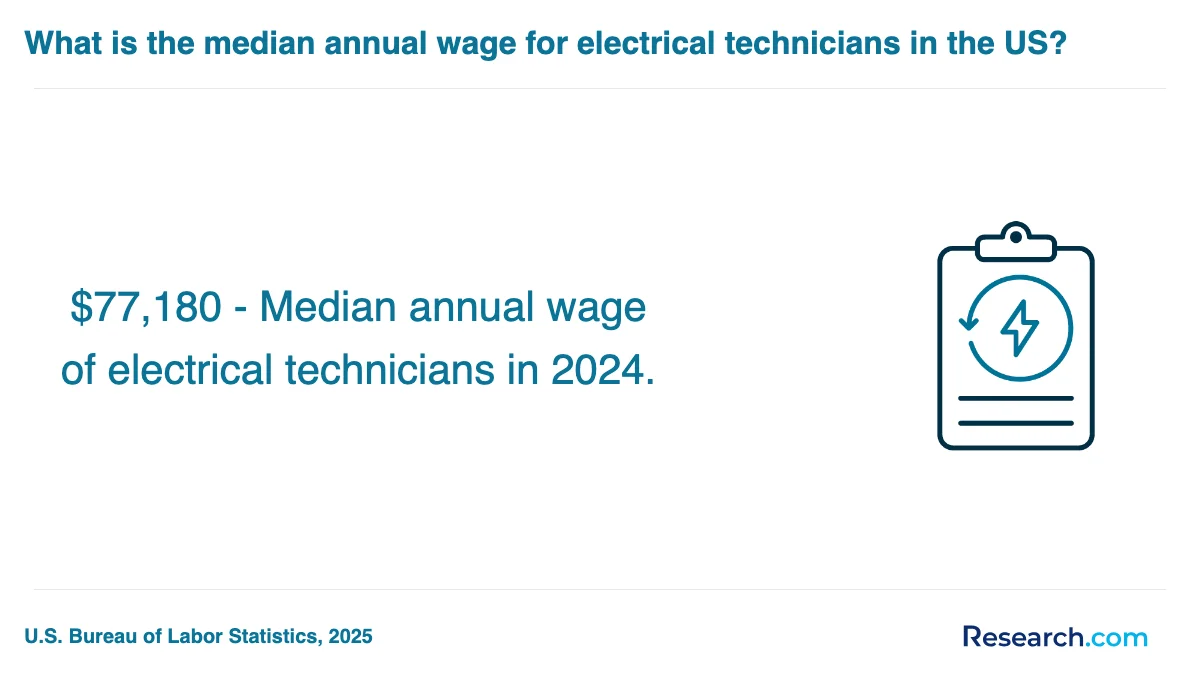
Electrician trade school students in South Dakota find financial aid options that significantly ease the cost of their education. Graduates from Southeast Technical College and Western Dakota Technical College often highlight how completing the FAFSA unlocked access to federal grants like the Pell Grant, which can cover thousands annually based on need. This grant alone transformed the college experience for many, allowing them to focus more on hands-on training than financial stress.
Beyond federal support, programs such as the Federal Supplemental Educational Opportunity Grant offer additional funds to those with exceptional need, though these are limited and require prompt application. Work-study opportunities at schools like Mitchell Technical College provide practical campus jobs, blending income with skill-building.
Scholarships tailored to South Dakota's building trades, such as the Build Dakota Scholarship and AGC of South Dakota Scholarship, have been game-changers, fully covering tuition and fees for dedicated students. Native American students at Lake Area Technical College benefit from full-ride scholarships covering all costs, including books and materials, which graduates describe as invaluable.
Apprenticeship tuition reimbursements and private scholarships like the AmericanTrucks Student Scholarship further reduce financial barriers, making electrician training in South Dakota both affordable and attainable.
Enrolling in an electrician trade school program in South Dakota usually requires meeting a few clear prerequisites that ensure readiness and commitment. Most programs expect applicants to have a high school diploma or GED, which provides the essential foundation in math and science needed for the coursework. Graduates often recall that brushing up on algebra and basic physics before starting was a huge confidence booster.
Beyond academics, schools like those popular in Sioux Falls and Rapid City emphasize the importance of physical fitness and manual dexterity, as the trade demands working in varied environments. Applicants may be asked to demonstrate these skills through practical assessments or interviews.
Common prerequisites include:
- High school diploma or GED
- Proof of age (usually 18+)
- Basic math proficiency
- Physical ability to handle tools and equipment
- Ability to pass drug screenings and background checks
Many graduates share that meeting these prerequisites not only opened doors but also helped them feel prepared and motivated once classes began, making their hands-on learning experiences more rewarding and engaging.
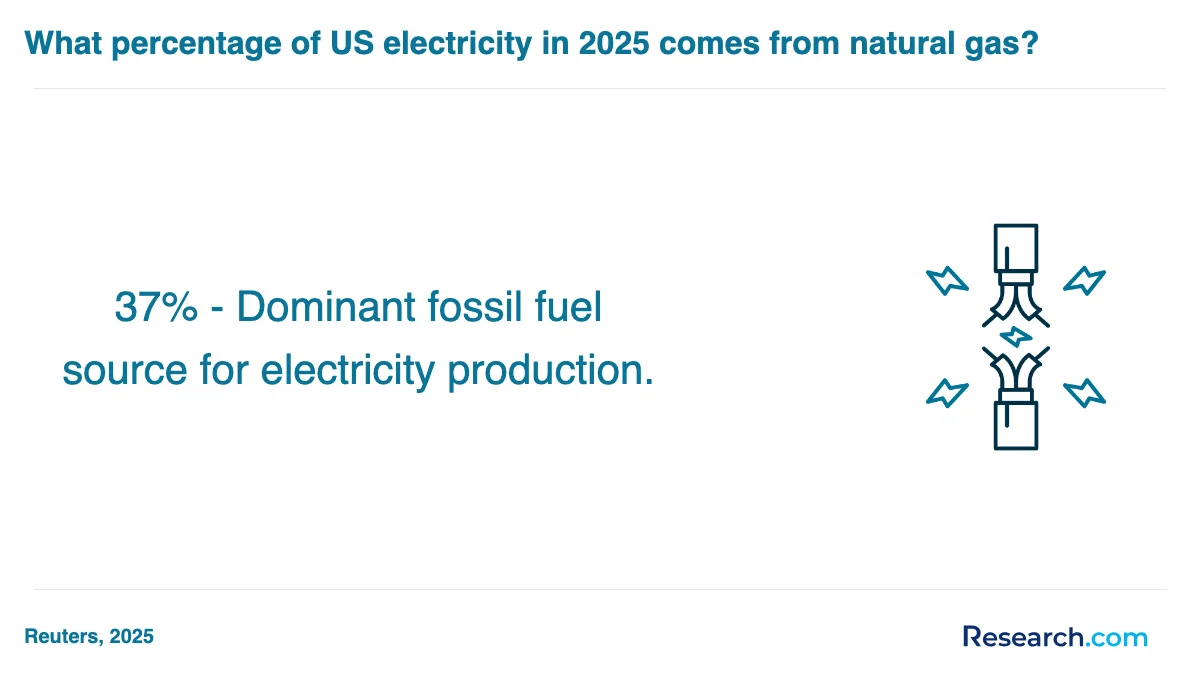
Electrician trade school programs in South Dakota, such as those at Mitchell Technical College and Southeast Technical College, offer courses grounded in both theory and practical skills essential for a successful electrical career. Graduates often recall starting with foundational subjects like basic math computations and an introduction to electrical theory, which provide the critical thinking framework needed for complex tasks.
Students quickly move to hands-on skills, mastering:
- Blueprint reading to confidently interpret wiring layouts in homes and businesses
- Hand tools and materials handling, building muscle memory for daily tasks
- Safety protocols including OSHA regulations and National Electrical Code, instilling a strong safety mindset
More advanced courses cover motor controls, logic circuits, and programmable controllers, reflecting the evolving technology in South Dakota's electrical industry. Graduates from Western Dakota Technical Institute often highlight how fiber optic and telecom cabling classes prepare them for modern communication system installations, making them feel job-ready and confident entering the workforce.
Electrician trade school programs in South Dakota offer a range of practical specializations tailored to prepare students for specific industry needs. Graduates frequently highlight pathways such as residential wiring, where they master installing safe electrical systems in homes aligned with local codes, a staple for many starting their careers. Others pursue commercial electrical systems, handling complex voltage and power distribution in schools and offices, essential for urban and suburban infrastructure.
Notably, industrial electrical work remains a robust specialization, with programs like Mitchell Technical College equipping students with advanced skills in motor controls and PLCs, preparing them for manufacturing and factory environments. Southeast Technical College students also benefit from hands-on training in fiber optic and data cabling, reflecting growing demand within telecommunications projects.
Students report that opportunities in electrical estimating and project management boost their confidence to take on supervisory roles. South Dakota electrical apprenticeship programs integrate these specializations, enabling apprentices to gain valuable field experience and career flexibility.
Many programs now include foundational modules in renewable energy and efficiency technologies, signifying the evolving nature of electrician specializations in South Dakota trade schools. For those considering cost-effective pathways, exploring the most affordable online maintenance technician programs can also be a strategic move within the trades.
Choosing the best electrician trade schools in South Dakota requires focusing on accreditation, curriculum quality, and hands-on training opportunities. Graduates from Southeast Technical College often highlight the confidence gained through extensive lab work and real-world projects, which align well with industry demands. The program's strong emphasis on electrical theory, blueprint reading, and National Electrical Code helps students build practical skills necessary for success.
Consider job placement rates as a vital indicator-some top electrician programs in South Dakota, like Southeast Tech, boast nearly 100% employment for graduates, reflecting excellent employer connections. Apprenticeships further enhance your prospects by providing real-world experience and fulfilling certification requirements; graduates appreciate the 2,000 apprenticeship hours integrated into their curriculum.
Finally, affordable costs and financial aid, such as the Build Dakota Scholarship, reduce stress and enable students to focus on their training. When exploring options, review these factors critically to find a program that truly prepares you for an electrician career. Additional insights on the best electrician trade schools and programs can guide you towards an informed choice.
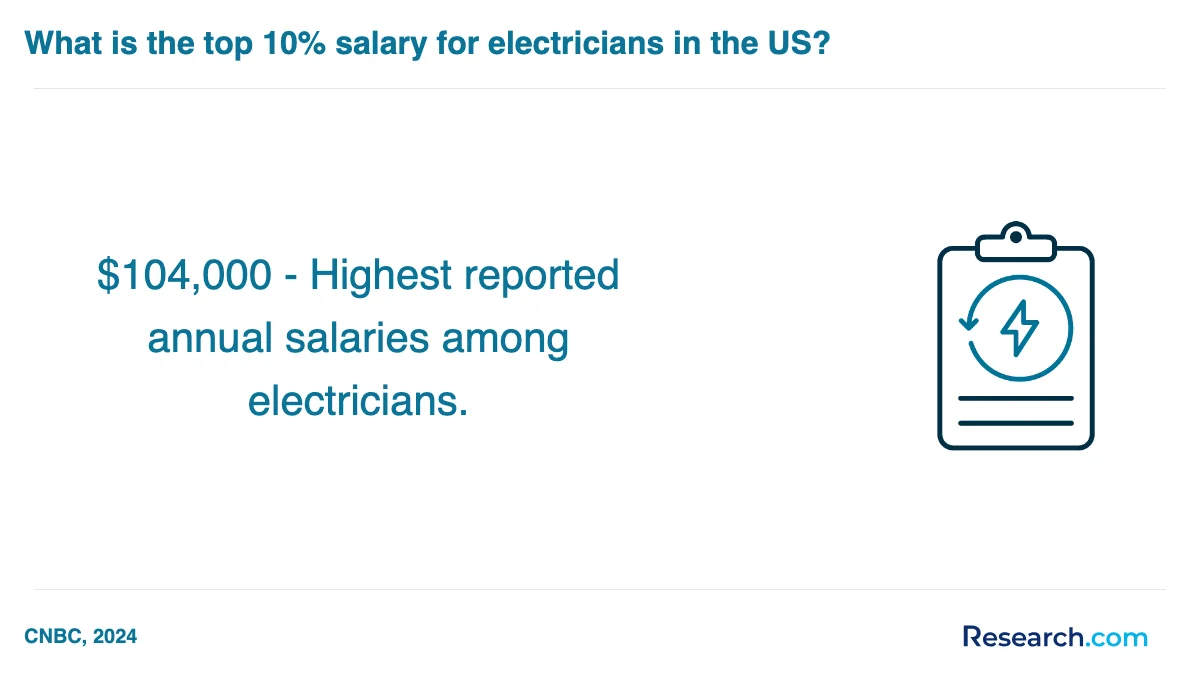
Graduates of electrician trade school programs in South Dakota have access to diverse electrician career opportunities in South Dakota, leveraging both classroom learning and hands-on training. Many begin as electrical apprentices, gaining invaluable field experience as required by the state-typically 6,000 to 8,000 hours depending on their education level. These apprenticeship jobs in South Dakota offer foundational work in residential, commercial, and industrial settings, facilitating skill development and licensing readiness.
South Dakota's popular trade schools, like Southeast Technical College, equip students to work in roles including:
- Residential electricians installing and repairing home electrical systems
- Commercial electricians servicing office and retail electrical needs
- Industrial electricians managing complex machinery wiring in manufacturing
- Maintenance electricians maintaining ongoing electrical system performance in hospitals and public facilities
Graduates often report positive employment outcomes with local firms such as Al Sutton Electric and Muth Electric, Inc. Such employers value the practical preparation trade schools provide, enhancing graduates' confidence and career mobility. Moreover, those seeking further advancement can pursue contractor licenses, reflecting a pathway from apprentice through professional independence. For students interested in expanding their skillset quickly and affordably, exploring fast affordable wind turbine technician certification programs online might complement their electrical expertise, broadening future job prospects.
The electrician job outlook South Dakota 2026 remains strong, with trade school graduates finding abundant opportunities across the state. For those attending popular trade schools in Sioux Falls or Rapid City, graduates often share positive experiences about securing apprenticeships or full-time roles shortly after completing their programs. The local demand is notably high in both urban and rural settings, where employers consistently look for skilled individuals with hands-on training.
Electrician demand and salaries in South Dakota reflect ongoing growth fueled by infrastructure projects and residential expansions. While wage specifics can vary, graduates benefit from a lower cost of living compared to national averages, supporting a comfortable lifestyle even at entry-level pay.
Common factors contributing to success among graduates include:
- Completion of accredited programs that emphasize practical skills
- Participation in apprenticeship programs counting toward certification
- Possession of valid driver's licenses and willingness to work in diverse electrical sectors
Students interested in broadening their skills may explore top wind turbine technician training, which complements electrician expertise and matches the expanding green energy market in South Dakota.
Best Electrical Technician Training Programs & Trade Schools - Top Electrical Tech Schools in South Dakota for 2026
# 1 position
Mitchell Technical College - Electrical and Power Transmission Installation/Installer, General.
associateMitchell Technical College offers a hybrid Electrical and Power Transmission Installation/Installer, General program that prepares students to install residential, commercial, and industrial electrical systems and power transmission lines. The curriculum covers electricity, safety, wiring, insulation, grounding, blueprint reading, equipment operation, and relevant codes. In-state tuition is $7,524 annually. Graduates earn a median salary of $49,794 one year after completing the program. The program is accredited by the Higher Learning Commission.
# 2 position
Mitchell Technical College - Electrician.
associateThe Electrician program at Mitchell Technical College prepares students to install, operate, maintain, and repair electrical systems in residential, commercial, and industrial settings. This hybrid program covers electronics, wiring, power transmission, safety, job estimation, electrical testing, and applicable codes. Annual in-state tuition is $7,524. Graduates earn a median salary of $49,794 one year after completion. The program is accredited by the Higher Learning Commission.
# 3 position
Oglala Lakota College - Electrician.
associateThe Electrician program at Oglala Lakota College offers a hybrid format with some distance-education options. It prepares students to install, operate, maintain, and repair electric apparatus and systems including residential, commercial, and industrial wiring. The curriculum covers electronics principles, power transmission, safety, job estimation, electrical testing, and applicable codes. Annual in-state tuition is $2,684. The program is accredited by the Higher Learning Commission.
# 4 position
Sinte Gleska University - Electrician.
certificate or diplomaThe Electrician program at Sinte Gleska University is a hybrid course that prepares students to install, operate, maintain, and repair electrical systems in residential, commercial, and industrial settings. The curriculum covers electronics, wiring, power transmission, safety, and electrical codes. Annual in-state tuition costs $4,714. The program is accredited by the Higher Learning Commission.
# 5 position
Western Dakota Technical College - Electrician.
associateWestern Dakota Technical College offers a hybrid Electrician program that prepares students to install, operate, maintain, and repair electric systems, including residential, commercial, and industrial wiring. The curriculum covers electronics principles, power transmission, safety, electrical testing, and applicable codes. Annual in-state tuition is $8,008. Graduates earn a median salary of $41,303 one year after completion. The program is accredited by the Higher Learning Commission.
# 6 position
Southeast Technical College - Electrician.
associateThe Electrician program at Southeast Technical College offers a hybrid format combining in-person and distance education. It trains students to install, operate, maintain, and repair electrical systems in residential, commercial, and industrial settings. Instruction covers electronics, wiring, power transmission, safety, and electrical codes. Annual in-state tuition is $7,650. Graduates earn a median salary of $33,265 one year after completion. The program is accredited by the Higher Learning Commission.
Frequently Asked Questions about electrician
After completing an electrician trade school in South Dakota, preparing for the job market involves several key steps. First, obtaining an apprenticeship is crucial, as South Dakota requires electricians to complete a four-year apprenticeship before becoming fully licensed. These programs combine on-the-job training with classroom instruction.
Networking with local electrical contractors and trade unions can help graduates find apprenticeship opportunities. The South Dakota Department of Labor reports steady demand for electricians, with a projected 8% job growth from 2020 to 2030, higher than the national average.
Additionally, acquiring licenses and certifications, such as the South Dakota electrician license, is necessary to work legally in the field. Continuing education and staying current with electrical codes will improve employability.
Employers in South Dakota seek electrician trade school graduates with strong technical skills, including knowledge of electrical systems, wiring, and safety protocols. According to the U.S. Bureau of Labor Statistics, practical experience with National Electrical Code (NEC) standards is essential for compliance and job safety. Graduates must also demonstrate problem-solving abilities to troubleshoot complex electrical issues efficiently.
Communication skills are valued, as electricians often work with clients and team members. Attention to detail and physical stamina are important due to the hands-on nature of the work. The South Dakota Department of Labor highlights that candidates with up-to-date training in renewable energy technologies may have an advantage in the evolving job market.
Finding internships in South Dakota related to electrician trade school programs involves a few key steps. Start by contacting your school's career services or internship coordinator, as many schools maintain relationships with local electrical contractors. The South Dakota Department of Labor and Regulation provides resources and listings for apprenticeships and internships in skilled trades, including electrical work.
Local unions, such as the International Brotherhood of Electrical Workers (IBEW) Local 426, often offer registered apprenticeship programs that combine paid work experience with classroom instruction. These programs are among the most common pathways for gaining hands-on experience.
Networking with employers through job fairs and industry events in cities like Sioux Falls and Rapid City can also open doors to internship opportunities. According to the U.S. Bureau of Labor Statistics, South Dakota's construction sector, which employs many electricians, is expected to grow modestly, indicating steady internship availability.
Obtaining an electrician trade school diploma in South Dakota significantly enhances career mobility and advancement opportunities. Graduates gain essential technical skills and knowledge recognized by local employers, increasing their eligibility for apprenticeships and journeyman licenses. According to the U.S. Bureau of Labor Statistics, electricians in South Dakota earn a median annual wage of around $56,000, with higher earnings linked to formal training credentials.
Completion of a diploma program also facilitates meeting state licensing requirements, a crucial step for career progression. Trade schools often provide connections to industry networks, internships, and job placement services, further aiding graduates in securing skilled positions.
These factors combined improve long-term job stability and potential for higher responsibility roles within the electrical field in South Dakota.
Students enrolled in electrician trade schools in South Dakota can benefit from part-time jobs that provide practical experience alongside classroom learning. Common opportunities include working as electrical helpers or apprentices under licensed electricians. These roles allow students to practice wiring, installation, and maintenance skills in real work settings.
South Dakota's growing construction sector, driven by infrastructure projects and renewable energy installations, offers increasing demand for such roles. According to the U.S. Bureau of Labor Statistics, the state's electrician employment is expected to grow 5% from 2022 to 2032, which supports availability of entry-level positions.
Additionally, retail jobs in hardware stores or electrical supply companies can enhance technical knowledge and customer service skills. These jobs complement formal education by exposing students to tools, materials, and industry trends while earning income.
To choose the best Electrician degree program near you in South Dakota, consider factors such as curriculum content, program length, and potential hands-on training opportunities. Research.com can be a helpful resource to explore available programs, including both universities and community colleges that offer electrician training. When searching for options near South Dakota, attending local college open houses and speaking with current students or graduates can provide insight into the program's reputation and job placement success.
- Best Electrical Technician Training Programs & Trade Schools - Top Electrical Tech Schools in Montana for 2026
- Best Electrical Technician Training Programs & Trade Schools - Top Electrical Tech Schools in Wisconsin for 2026
- Best Electrical Technician Training Programs & Trade Schools - Top Electrical Tech Schools in Missouri for 2026
- Best Electrical Technician Training Programs & Trade Schools - Top Electrical Tech Schools in Illinois for 2026
- Best Electrical Technician Training Programs & Trade Schools - Top Electrical Tech Schools in Indiana for 2026
- Best Electrical Technician Training Programs & Trade Schools - Top Electrical Tech Schools in Michigan for 2026
- Best Electrical Technician Training Programs & Trade Schools - Top Electrical Tech Schools in Texas for 2026
- Best Electrical Technician Training Programs & Trade Schools - Top Electrical Tech Schools in Kentucky for 2026
- Best Electrical Technician Training Programs & Trade Schools - Top Electrical Tech Schools in Ohio for 2026
- Best Electrical Technician Training Programs & Trade Schools - Top Electrical Tech Schools in Tennessee for 2026
- A Guide to Skilled Trades Apprenticeships and Internships | BestColleges https://www.bestcolleges.com/trades/guide-to-skilled-trades-apprenticeships-internships/
- Your Guide to Electrical Engineering Internships | Handshake https://joinhandshake.com/blog/students/electrical-engineering-internships/
- Electrical Apprenticeships Near You | IECI https://ieci.org/apprenticeship/
- Should You Choose a Trade School or an Apprenticeship? Exploring the Electrical Training Path - InterCoast Colleges https://intercoast.edu/articles/trade-school-apprenticeship/
- Apprenticeship Finder | Apprenticeship.gov https://www.apprenticeship.gov/apprenticeship-job-finder
- Alternative Careers for Electricians | Goodwin University https://www.goodwin.edu/enews/electrician-similar-professions/
- How To Become An Electrician (Career Path) https://www.goconstruct.org/construction-careers/what-jobs-are-right-for-me/electrician
- Electrician Education & Training Requirements + Costs | Faraday https://faradaycareers.com/careers/electrician-education
- Is Trade School Necessary If You Want to Be an Electrician? https://www.getservicebox.com/post/is-trade-school-necessary-if-you-want-to-be-an-electrician
- Electrician Degree, Training Programs, School - South Dakota https://www.southeasttech.edu/programs/industrial/electrician/index.php


