Best Electrical Technician Training Programs & Trade Schools - Top Electrical Tech Schools in Miami for 2026

Co-Founder and Chief Data Scientist
If you’re considering a career as an electrician in Miami, choosing the right trade school is a crucial first step. This article introduces the best electrician trade school programs in Miami for 2026, based on a detailed ranking created by the Research.com team of data scientists.
By exploring this guide, you’ll gain valuable insights to help you make an informed decision about which programs offer the best training and opportunities. Earning a diploma or certification can open doors to a rewarding and stable career, and this article is here to support you on that journey.
Key benefits of finishing electrician trade school in Miami
- Graduates from electrician trade schools in Miami can expect an average annual salary around $57,386, with starting pay near $37,000 and potential to earn over $100,000 as experience grows.
- Career paths include roles like Electrician I, specialized technician, or project lead, offering diverse opportunities in residential, commercial, and industrial settings.
- Completing an electrician trade school online provides flexibility and often faster completion times, helping graduates balance work and study while entering the workforce sooner.
- Best Electrical Technician Training Programs & Trade Schools - Top Electrical Tech Schools in Miami for 2026
- What can I expect from electrician trade schools in Miami?
- Where can I work after finishing electrician trade schools in Miami?
What can I expect from electrician trade schools in Miami?
Enrolling in an electrician trade school program in Miami means diving into around 1,200 hours of hands-on and classroom training tailored for real-world electrical work. Graduates often recall balancing day or evening classes that fit their busy lives, whether they worked during the day or managed family commitments. Programs at popular schools like Miami Dade College offer a blend of learning the National Electrical Code, blueprint reading, and practical skills like measuring and bending conduit, which students find immediately applicable on job sites.
Many students appreciate the focus on safety, especially when working with fire protection and electrical disconnects. The experience of using real tools and materials builds confidence, making complex concepts like Ohm's Law and AC theory feel tangible rather than abstract. Some programs even include paid on-the-job training and free textbooks, which graduates say eased financial stress and accelerated their career start.
Beyond technical skills, mentoring and employability training prepare students for the workforce, boosting their communication and leadership abilities. Graduates leave not just ready to work but feeling empowered to succeed in Miami's thriving electrical industry.
Where can I work after finishing electrician trade schools in Miami?
Graduates from Miami's electrician trade schools often find themselves stepping into a vibrant job market filled with diverse opportunities. Many begin their careers as apprentices, gaining hands-on experience alongside seasoned electricians in residential or commercial construction sites scattered throughout the Miami metropolitan area. One graduate shared how starting as a helper on a bustling downtown Miami project gave them confidence and a clear sense of purpose early on.
From there, career paths naturally expand. Some move into roles like Journeyman Electrician or Electrical Technician, handling complex wiring in industrial plants or maintaining electrical systems in large buildings. Others discover specialized niches, such as marine electrical work or powerplant systems, reflecting Miami's unique economic landscape. Graduates from popular programs appreciate that these opportunities often come with competitive wages and benefits, making their hard work feel truly rewarding.
Working for electrical contractors, utility companies, or government agencies, many graduates find pride in contributing to Miami's growth while steadily advancing toward supervisory roles like Electrical Foreman or Project Manager. The journey is challenging but filled with tangible milestones that keep motivation high.
After completing an electrician trade school program in Miami, many graduates find themselves stepping into a career with promising earnings. For example, recent graduates from well-known Miami trade schools often share how they started with an annual salary near $37,000, which felt rewarding as they began applying their hands-on skills on job sites around the city.
With a bit more experience, these electricians report their pay rising significantly, sometimes reaching upwards of $100,000 annually, especially when working on commercial projects or earning additional certifications. One graduate described the satisfaction of moving from entry-level roles to specialized positions where hourly rates climbed to nearly $39, making overtime shifts more lucrative and providing a real sense of progress.
Hourly wages in Miami generally average around $28, but many find that union memberships or specialized skills can push this higher. The active job market means new electricians often secure employment quickly, turning their training into steady income and a growing career.
- Most electrician trade programs in Miami require a high school diploma or GED, applicants to be at least 18 years old, and physical capability for electrical work; some accept students as young as 16 if not currently attending high school.
- Program lengths vary from about 12 months (1,200 hours) for full-time courses to 20 months (1,800 hours) for more comprehensive options, while apprenticeships typically last four years with 8,000 hours of on-the-job training.
- The total cost of completing a program ranges from $3,000 to $15,000, including tuition, fees, supplies, and textbooks, though apprenticeships may allow earning while learning.
- Starting salaries for electricians in Miami average between $45,000 and $52,000 annually, with experienced or master electricians earning $60,000 to $75,000 or more depending on specialization.
- The job outlook shows 6 percent growth from 2022 to 2032, with about 73,500 new job openings annually due to industry expansion and retirements.
- Career progression typically moves from apprentice to journeyman to master electrician, leading to supervisory roles or business ownership opportunities.
Completing an electrician trade school program in Miami typically takes about 9 to 12 months, depending on the specific school and whether you opt for full-time or part-time study. Many graduates from well-known Miami trade schools share how this timeframe felt just right-long enough to gain solid hands-on experience but short enough to jump quickly into the workforce.
For example, students often describe their training as a blend of classroom theory and real-world electrical system practice. One graduate recalled how working on simulated residential wiring projects at a popular Miami trade school built both confidence and skill within months, making the completion timeline feel rewarding rather than rushed.
Others highlight that the immersive schedules, common in Miami's leading programs, allow them to balance life responsibilities while steadily progressing. This pacing often helps maintain motivation, as each completed module feels like a tangible step toward becoming a licensed electrician.
Choosing a trade school in Miami means embracing a learning path designed to equip you efficiently for the local job market-where skilled electricians are in demand and hands-on expertise is treasured.
The core difference between online and on-campus electrician trade school programs in Miami lies in how students engage with the material and develop hands-on skills. Graduates from popular Miami trade schools often reflect on how on-campus programs gave them invaluable experience working directly with electrical tools and equipment under expert supervision. This practical exposure, found in classrooms and labs, builds confidence and skill in real-world installations and troubleshooting.
Online programs, meanwhile, appeal to those needing flexibility. Miami students balancing work or family commitments appreciate being able to study electrical theory, wiring, and safety procedures at their own pace through interactive virtual simulations and 3D models. However, these graduates often mention missing the tactile experience of handling actual materials, which is crucial for licensing requirements in Florida.
Many online learners find success when supplementing their coursework with in-person apprenticeships or lab sessions offered by local trade schools like Miami Dade College, blending convenience with essential hands-on practice.
The average cost electrician trade school Miami 2026 students face varies considerably depending on the program and institution chosen. For example, graduates from Lindsey Hopkins Technical College often reflect positively on having completed their training with tuition and fees totaling about $3,880, which conveniently included books and supplies. Meanwhile, those who attended the South Florida Institute of Technology usually report tuition and fees around $10,250, with an additional expected $540 spent on books and materials. These figures reveal a broad spectrum in electric trade school tuition fees Miami 2026 students must prepare for.
Beyond tuition, many students describe the challenge of budgeting for supplementary costs like books, supplies, and living expenses. On average, books and supplies can add approximately $1,705 to the overall expense. Living costs such as housing, food, and transportation also impact the total cost heavily, producing a wide variation in overall spending experiences. Some trade school graduates found that attending a longer program, such as the 20-month Associate Degree in Electrical Technology at CBT Technology Institute, tested their financial planning but also deepened their practical skills and confidence in the field.
Financial aid options can ease these burdens, as graduates often share encouragement for prospective students to complete the FAFSA and explore scholarships or employer sponsorships. For those wanting to understand how training fits within wider professional expectations, exploring the electrical engineering education requirements offers valuable insight into long-term career pathways and advancement.
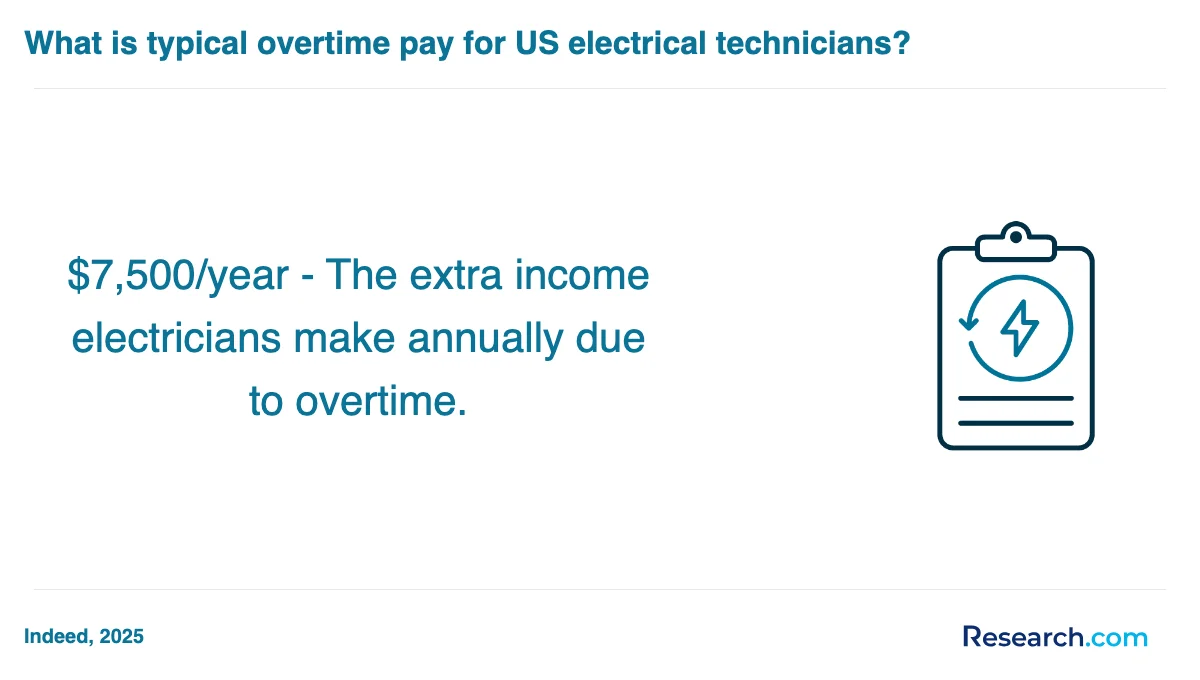
Electrician trade school students in Miami often find relief through a variety of financial aid options that make their training more affordable and manageable. Many graduates recall how state and local grants, especially those facilitated by schools like FITI Schools, significantly lowered their tuition burden, allowing them to focus on hands-on learning instead of financial stress.
Scholarships also play a crucial role. For instance, students at the CBT Technology Institute have shared how the Career Source Scholarship, offering up to $5,000 for associate degree programs, helped them cover not just tuition but also essential supplies. These awards often combine with other aid, creating a safety net for students striving to achieve their goals.
Others highlight the unique advantage of pre-apprenticeship programs at Miami Dade College, where they earned $15 per hour, received free tuition and books, and even health insurance. This blend of income and education helped many avoid debt while gaining valuable experience.
Flexible payment plans without credit checks also made programs accessible to those who might otherwise struggle, proving that Miami's electrician trade schools genuinely support their students' success.
Enrolling in an electrician trade school program in Miami typically requires a few straightforward yet essential prerequisites that set the stage for a successful learning experience. Most popular Miami trade schools expect students to have a high school diploma or a GED, ensuring a solid foundation in basic math and reading skills. Graduates often recall how this baseline knowledge helped them grasp electrical concepts more confidently and move smoothly through hands-on training.
Applicants should also be prepared to demonstrate:
- Basic understanding of algebra and geometry, since much of the work involves measurements and calculations.
- Ability to pass a placement test or entrance exam, which some schools use to tailor the curriculum to students' needs.
- Proof of residency or eligibility to study in the U.S., a standard administrative requirement.
Many students from Miami's well-known trade schools share how these prerequisites helped them feel ready and excited to dive into practical labs and real-world electrical scenarios, turning initial nerves into confidence and pride as they progressed.
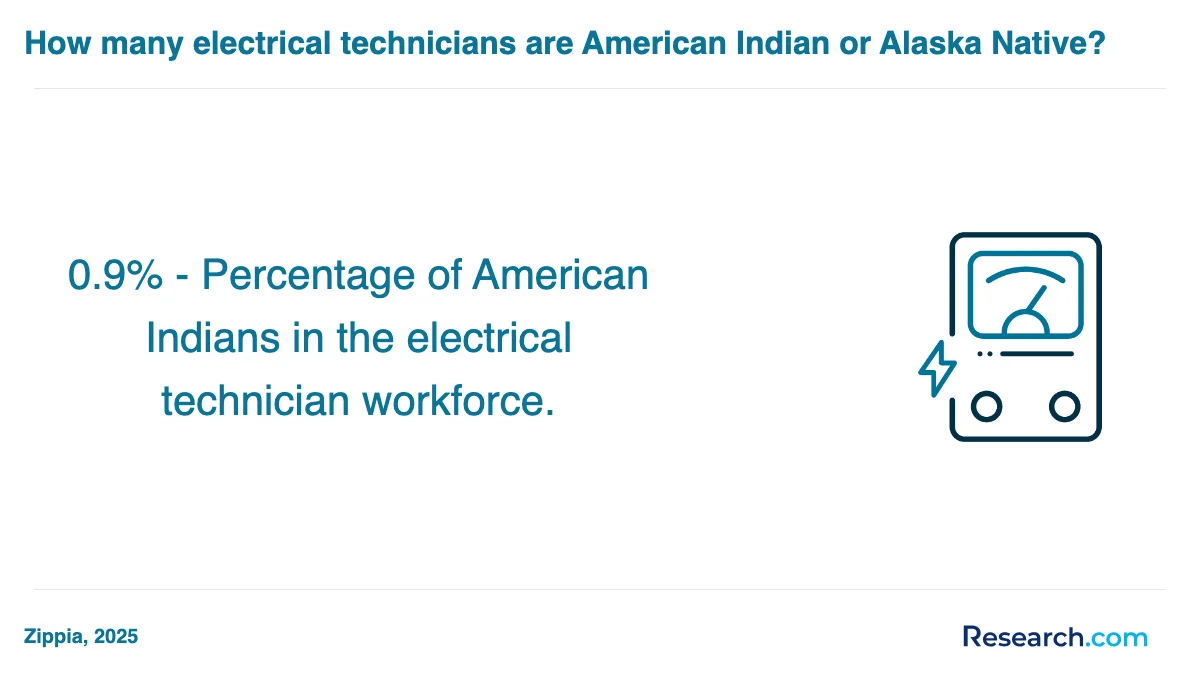
Electrician trade school programs in Miami typically immerse students in a variety of crucial courses that build both confidence and competence. Graduates often recall how foundational classes like Fundamentals of Electricity clarified complex concepts by connecting theory directly to wiring projects they tackled in well-equipped Miami labs.
Safety is never taken lightly, with courses on Electrical Safety and OSHA Standards emphasizing real-world precautions. Students appreciate how instructors share stories from Miami job sites, reinforcing the importance of safe practices.
Many express pride in mastering Blueprint Reading, as this skill transforms confusing schematics into clear plans for installing residential or commercial systems. Hands-on practice with Wiring Methods helps students visualize the exact steps needed to measure, cut, and route wiring in Miami homes or businesses.
- Low Voltage and Alarm Systems offer insight into modern security needs.
- Motors, Controls, and Industrial PLCs prepare students for Miami's industrial sector.
- Photovoltaic Systems courses inspire many with the promise of green energy careers in the region.
These combined experiences prepare students not just for exams, but for real Miami electrical work, blending classroom learning with the satisfaction of mastering practical skills.
Electrician trade school programs in Miami offer a range of focused paths that cater to different career aspirations. A core area attracting many students is residential, commercial, and industrial electrical training Miami, where graduates learn hands-on skills in installing and maintaining wiring systems for homes, businesses, and factories. Popular institutions like CBT Technology Institute provide a gradual learning curve from foundational courses to intricate industrial wiring and programmable logic controllers, helping students feel confident and prepared for real-world challenges.
Beyond basic wiring, many students pursue electrician specializations in Miami trade schools such as:
- Renewable energy and photovoltaic (solar) systems, combining Miami's sunny climate with cutting-edge green technology courses.
- Electrical service, maintenance, and repair, where emphasis on safety standards and troubleshooting equips graduates for technician roles.
- Electrical project estimating, blueprint reading, and business administration, ideal for those aiming to manage projects or start their own contracting business.
Graduates often highlight how these specializations, reinforced by certifications like OSHA 10 and NCCER Electrical Levels, open doors to diverse opportunities. For students seeking flexibility, exploring the cheapest online maintenance technician certification programs can also complement their local hands-on training with affordable credentials.
Selecting from the best electrician trade schools in Miami involves more than just curriculum; it requires a thoughtful look at what past graduates value most. Many share that accreditation is essential-it guarantees your training meets rigorous industry standards and opens doors with employers. For example, students from programs like CBT Technology Institute feel confident pursuing careers knowing their education is recognized. Practical experience also ranks high; graduates from FITI Schools appreciate hands-on labs where they practiced real electrical system troubleshooting, an approach that made the transition to the workforce smoother and less stressful.
When considering how to choose electrician trade school Miami, think about program structure and support services. Schools like Miami Dade College that integrate internships and job placement assistance allow students to earn while they learn, easing financial burdens and boosting motivation. Financial aid availability and program reputation round out the picture, helping future electricians make informed decisions grounded in real-world success stories. For a comprehensive overview, explore detailed listings of trade schools for electrician to find your best match.
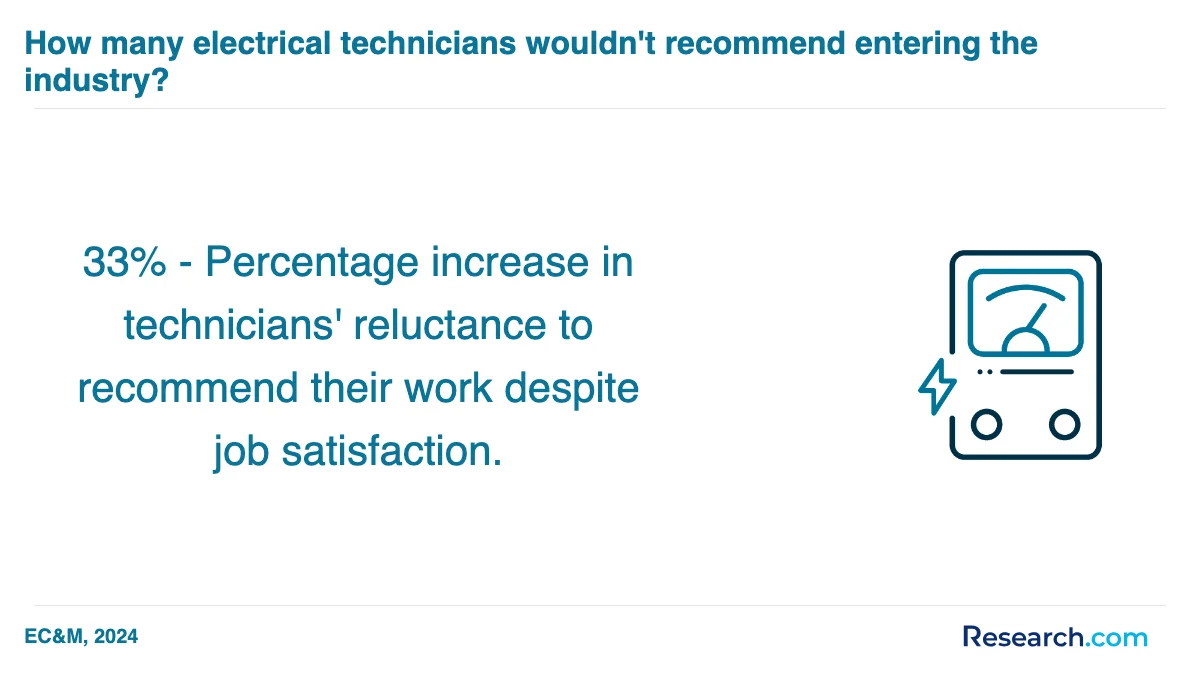
Graduates of electrician trade school programs in Miami find a diverse range of electrician career opportunities in Miami that suit various interests and skill levels. Many alumni step directly into residential and commercial electrical installation roles, handling wiring, lighting, and panel work in Miami's rapidly expanding neighborhoods and growing business districts. Strong practical training from Miami trade schools prepares these graduates well for hands-on challenges, from wiring new apartment complexes to upgrading electrical systems in retail centers.
Others gravitate toward building maintenance positions, providing reliable upkeep in hospitals, hotels, and schools where consistent electrical safety is crucial. This career path often offers stability and satisfaction in contributing to essential Miami institutions. Many graduates also pursue specialization in renewable energy systems, reflecting Miami's push toward sustainability. Installing and maintaining solar photovoltaic (PV) systems has become a popular focus, enhanced by coursework that emphasizes green technology applications.
In addition, experienced graduates leverage their skills to advance into roles such as Journeyman Electricians or Electrical Foremen, overseeing projects and mentoring apprentices. The city's strong job market for electrician jobs and salary outlook Miami attracts those seeking long-term career growth and leadership.
Graduates often highlight apprenticeships that combine paid, on-the-job training with classroom learning, a path supported by the excellent programs available locally. For those wanting to deepen their technical expertise further, pursuing an affordable electrical engineering online degree can open doors to specialized and high-level positions within Miami's evolving electrical industry.
The electrician job outlook in Miami 2026 is highly promising for graduates of local trade schools. Many find that completing programs in Miami's well-established electrical training centers opens doors to a variety of rewarding opportunities. Graduates regularly share how hands-on experience gained during apprenticeships in bustling construction sites or maintenance roles helped them build confidence and secure jobs quickly.
Miami electrician employment opportunities are fueled by the city's booming construction industry and a statewide shortage of skilled tradespeople. For example, graduates often enter roles with competitive wages starting around $25.96 per hour, with potential to earn up to $49.20 as they gain experience and certifications. Employers in Miami actively seek out candidates who combine formal education with practical apprenticeship hours, reflecting the city's dynamic demand.
Day-to-day realities for these graduates include:
- Working alongside seasoned electricians on new residential and commercial projects
- Handling electrical installations that support Miami's rapid urban development
- Leveraging skills learned in school to adapt to new technologies and workplace safety standards
For those considering expanding their skill set beyond electric work, it's worth exploring related paths like how to become a wind turbine technician, which can complement their expertise and open further career doors.
Best Electrical Technician Training Programs & Trade Schools - Top Electrical Tech Schools in Miami for 2026
# 1 position
Lindsey Hopkins Technical College - Electrician.
certificate or diplomaThe Electrician program at Lindsey Hopkins Technical College is a hybrid trade school course designed to develop skills in installing, operating, and repairing electrical systems in residential, commercial, and industrial settings. Instruction covers electronics, wiring, power transmission, safety, and electrical codes. Graduates have median earnings of $26,041 one year after completion. The program is accredited by the Council on Occupational Education.
# 2 position
Florida International Training Institute - Electrician.
certificate or diplomaThe Electrician program at Florida International Training Institute offers hybrid education focusing on installing, operating, maintaining, and repairing electrical systems in residential, commercial, and industrial settings. It covers electronics principles, wiring, power transmission, safety, electrical testing, inspection, and relevant codes. The program is accredited by the Accrediting Council for Continuing Education & Training, ensuring recognized training for technical skills in the electrical trade.
Frequently Asked Questions about electrician
After completing electrician trade school in Miami, preparing for the job market involves several key steps. First, obtaining the required Florida electrical license is essential. The state requires passing the Florida Certified Electrical Contractor exam or an equivalent journeyman electrician exam, which validates your skills to employers.
Networking is also crucial. Joining local trade organizations like the Miami Chapter of the National Electrical Contractors Association (NECA) can provide connections to employers and apprenticeships.
Additionally, gaining hands-on experience through internships or entry-level positions enhances employability. According to the U.S. Bureau of Labor Statistics, Miami's electrician employment is projected to grow by 8% from 2022 to 2032, indicating steady demand.
Continuing education and staying updated on the National Electrical Code (NEC) ensures your skills remain relevant in this evolving field.
Employers in Miami seek electrician trade school graduates who demonstrate strong technical skills, including knowledge of electrical systems, wiring, and safety protocols. According to the U.S. Bureau of Labor Statistics, practical experience with National Electrical Code (NEC) compliance is essential for job readiness.
Problem-solving abilities and the capacity to interpret blueprints accurately are highly valued. Miami's construction growth has increased demand for electricians skilled in both residential and commercial wiring techniques.
Soft skills such as communication and teamwork are also important, as electricians often collaborate with contractors and clients. Additionally, a focus on continuing education to keep up with evolving technology is preferred by employers.
Finding internships in Miami relevant to electrician trade school programs involves several practical steps. Start by contacting the career services office at your trade school, as many maintain partnerships with local electrical contractors and businesses. According to the U.S. Bureau of Labor Statistics, internships and apprenticeships are crucial for electricians to gain hands-on experience.
Utilize Miami's local trade unions, such as the International Brotherhood of Electrical Workers (IBEW) Local 349, which often offer apprenticeship programs that serve as paid internships. Additionally, online job boards like Indeed and the Florida Department of Education's career resources list internship opportunities specifically in the electrical field.
Networking through local industry events and trade shows in Miami can also connect students with employers actively seeking interns.
Obtaining a diploma from an electrician trade school in Miami significantly enhances career mobility and advancement opportunities. The diploma serves as proof of specialized skills and compliance with Florida's licensing requirements, which is crucial for employment. According to the U.S. Bureau of Labor Statistics, electricians in Miami earn a median annual wage of around $52,000, with those holding formal certifications often accessing higher-paying roles.
Trade school graduates benefit from hands-on training and apprenticeships, making them more competitive for roles ranging from residential wiring to commercial electrical projects. The Miami-Dade Economic Advocacy Trust highlights that skilled trades, including electricians, are among the fastest-growing job sectors locally.
Moreover, a diploma facilitates eligibility for state licensure exams, a mandatory step to legally work and advance professionally in Florida. This certification enables electricians to pursue supervisory or specialized positions, increasing their earning potential and job security.
Students attending electrician trade schools in Miami can benefit from part-time jobs that provide practical experience alongside their studies. Common opportunities include apprenticeships with licensed electricians, which combine paid work with on-the-job training. According to the U.S. Bureau of Labor Statistics, Miami's construction and electrical sectors are growing, offering about 3,000 electrician jobs with an average hourly wage of $23.50 as of 2023.
Other suitable roles include electrical helpers or maintenance assistants in commercial buildings, which help students develop relevant skills while earning income. These positions often have flexible hours compatible with trade school schedules.
Retail positions in hardware stores specializing in electrical supplies also allow students to deepen their knowledge of tools and materials frequently used in the trade.
To choose the best electrician degree program near you in Miami, FL, consider factors such as accreditation, curriculum, hands-on training opportunities, and industry connections. Research.com can be a helpful resource to compare different programs and universities available near Miami, FL, ensuring that they meet professional standards and have suitable facilities for practical learning. Additionally, it's beneficial to contact local trade schools or community colleges near me to gather detailed information about their electrician programs and potential career outcomes.
- Meter Electrician A Job Details | NextEra Energy https://jobs.nexteraenergy.com/job/Oakland-Park-Meter-Electrician-A-FL-33311/1306557500/
- The Risks and Rewards of Being an Electrician https://intercoast.edu/articles/sitting-on-the-electric-fence-the-risks-and-rewards-of-being-an-electrician/
- The Top Challenges for Electricians and How to Overcome Them https://discovernats.ca/Home/NewsArticle/3-challenges-to-expect-after-electrician-college-and-how-to-tackle-them/
- ATC Electrician Trade School in South Florida https://www.atlantictechnicalcollege.edu/electricity/
- The Five Best Places for Electrician Training in Miami https://electricalschool.org/the-five-best-places-for-electrician-training-in-miami/
- Best Electrical Apprenticeship Miami: Is It Right for You? https://fitischools.edu/best-electrical-apprenticeship-miami-is-it-right-for-you/
- School of Continuing Education and Professional Development | Miami Dade College https://ce.mdc.edu/public/category/programStream.do
- Electrician School in Miami | Miami Electricians Degrees | CBT Technology Institute https://www.cbt.edu/academics/school-of-construction/electrical-technology/
- Electricity | Lindsey Hopkins Technical College https://www.lindseyhopkins.edu/electricity/
- Online Residential Electrician from FIU Online Learner Marketplace https://careertraining.fiu.edu/training-programs/residential-electrician/