
Best Electrical Technician Training Programs & Trade Schools - Top Electrical Tech Schools in Oklahoma for 2026

Co-Founder and Chief Data Scientist
Choosing the right electrician trade school in Oklahoma can shape your future career and open doors to rewarding opportunities. This article introduces the best programs for 2026, featuring a ranking created by the Research.com team of data scientists to help you make an informed decision.
By exploring these top schools, you’ll discover options that offer quality training and valuable certifications. Earning a diploma or certification in this field can boost your confidence and job prospects, setting you on a path to success in a growing industry.
Key benefits of finishing electrician trade school in Oklahoma
- Graduates of electrician trade schools in Oklahoma can expect an average starting salary of around $29,860 per year, with experienced electricians earning up to $78,880 annually, making it a rewarding career choice.
- Career paths include becoming a journeyman electrician, which can lead to higher earnings around $65,200 per year, or specializing in areas like industrial or residential electrical work, offering diverse job opportunities.
- Completing an electrician trade school online provides flexibility and often costs less than a traditional degree, allowing graduates to balance work and study while entering the workforce faster and with confidence.
- Best Electrical Technician Training Programs & Trade Schools - Top Electrical Tech Schools in Oklahoma for 2026
- What can I expect from electrician trade schools in Oklahoma?
- Where can I work after finishing electrician trade schools in Oklahoma?
What can I expect from electrician trade schools in Oklahoma?
Students enrolling in electrician trade school programs in Oklahoma quickly realize the perfect balance between hands-on training and classroom learning. Graduates often describe the satisfaction of working directly with real electrical systems, diagnosing and repairing issues in well-equipped labs. This practical experience, combined with lessons on electrical theory, wiring, and motor controls, builds confidence for entry-level work in residential, commercial, and industrial settings.
Many students appreciate how the curriculum includes reading blueprints and designing circuits, skills they find invaluable when starting their careers. Popular trade schools in Oklahoma emphasize safety and compliance with the National Electrical Code, which graduates say makes them feel prepared and professional on day one.
Beyond technical skills, programs often incorporate virtual simulations and scenario-based learning, helping students develop problem-solving abilities and customer service skills. Graduates reflect on how these experiences created a supportive learning environment, making the journey both challenging and rewarding.
Most programs align well with Oklahoma's licensing requirements, giving students a clear pathway toward journeyman status. This practical focus and structured guidance are what many find most encouraging about studying electrician trades in the state.
Where can I work after finishing electrician trade schools in Oklahoma?
After finishing an electrician trade school program in Oklahoma, graduates often find themselves stepping into a world filled with diverse and rewarding job opportunities. Many begin as apprentice electricians, gaining hands-on experience under seasoned journeypersons at construction sites or with electrical contractors. This real-world training, emphasized by popular Oklahoma trade schools, builds confidence and practical skills.
Graduates frequently secure roles in residential settings, handling home electrical systems, or move into industrial environments, maintaining complex machinery in manufacturing plants. For example, some report excitement working in Tulsa's industrial sector, where starting wages can be notably higher and schedules more predictable. Others join utility companies as meter electricians or work for municipal employers maintaining public buildings, enjoying steady work and community impact.
Students from Oklahoma trade schools often share how their education opened doors to emerging fields like solar energy and modular construction, reflecting Oklahoma's evolving economy. These career paths offer both job security and personal fulfillment, making the transition from classroom to career a proud milestone for many.
After completing an electrician trade school program in Oklahoma, many graduates find themselves pleasantly surprised by the earning potential that opens up. Fresh out of schools like Oklahoma Technology Center or Tulsa Technology Center, starting salaries typically begin around $14.21 per hour, which can feel encouraging when stepping into the workforce. As experience grows, so does the paycheck-most electricians in Oklahoma earn an average of $27.25 per hour, or roughly $56,680 annually, based on a full-time schedule.
Graduates who advance to journeyman status often witness a noticeable boost, with salaries averaging around $65,200 per year. This progression matches stories from former students who shared how their income increased steadily after completing apprenticeships and gaining certifications. With overtime and specialized skills, some electricians in Oklahoma reach upwards of $81,000 annually, reflecting not just financial reward but the pride of mastering a valuable trade.
Many find that their hard work and dedication pay off in ways beyond just numbers-offering stability, respect, and a clear career path that grows with them through the years.
- Applicants must be at least 18 years old by program start, have a high school diploma or GED, and a valid driver's license.
- Completion of 4,000 hours of supervised on-the-job training is required for a residential journeyman license, while 8,000 hours are needed for an unlimited license.
- Programs typically include about 950 hours of classroom instruction covering electrical theory, blueprint reading, math, safety, and the National Electrical Code.
- Average tuition at Oklahoma community colleges is around $3,475 per year for in-state students, with some union apprenticeships offering paid or scholarship-based training.
- Entry-level electricians earn between $36,000 and $42,000 annually, while experienced journeymen can make $55,000 to $65,000 or more depending on specialization and location.
Completing an electrician trade school program in Oklahoma typically takes between 9 months to 2 years, depending on the depth and format of the curriculum. Many graduates from well-known Oklahoma trade schools share how the hands-on approach accelerates their learning experience, making the time invested feel both productive and rewarding.
For instance, some students who enrolled in accelerated programs finished in under a year, juggling intense practical labs with classroom theory. They often describe the journey as challenging but deeply satisfying, as they quickly gained the skills needed to start apprenticeships.
Others chose more comprehensive programs lasting up to two years, appreciating the steady pace that allowed them to absorb complex electrical concepts thoroughly. These graduates speak about the confidence they developed, knowing they had a solid foundation before entering the workforce.
Whether you prefer a fast-track option or a more gradual learning path, Oklahoma's trade schools offer flexible schedules designed to fit different lifestyles, making the goal of becoming a licensed electrician feel within reach.
The difference between online and on-campus electrician trade school programs in Oklahoma is most noticeable in how students engage with their training. Graduates of online programs, like those from Oklahoma State University-Oklahoma City, often appreciate the flexibility to study theory from home, using interactive modules and virtual simulations. They describe practicing wiring techniques through 3D models and multimedia resources, which fits well for those balancing work or family commitments. However, these students sometimes express concern about whether their online hours fully satisfy the state's licensing requirements.
On the other hand, graduates from on-campus programs such as Tulsa Technology Center or Moore Norman Technology Center recall the immersive hands-on experience of working directly with tools and wiring systems in workshops. They value the face-to-face mentorship and the chance to develop real-world skills through registered apprenticeships, combining classroom learning with thousands of hours on the job. This approach builds confidence not only in technical abilities but also in teamwork and communication, which many find deeply rewarding in their electrician careers.
The average tuition fees for electrician programs in Oklahoma typically run around $1,920, as seen in popular institutions like the Great Plains Technology Center in Lawton and the Northwest Technology Center in Alva. Graduates often share that while the upfront cost may appear significant, these programs provide a solid pathway into well-paying careers, making the investment worthwhile. Many students recount the balancing act of managing tuition alongside additional expenses, which can shape their financial planning and study experience.
Beyond basic tuition, the cost of electrician trade school in Oklahoma includes books and supplies, averaging approximately $1,400. This expense is essential to consider because practical tools and materials significantly enhance hands-on learning, a key component of electrical training. Graduates reflect positively on how access to quality supplies during their programs contributed to their confidence and readiness to work in real-world settings.
Living expenses also impact overall affordability. For example, off-campus housing and daily living costs in Oklahoma can total around $21,054, a factor many students carefully weigh when choosing where to study. To ensure finances stretch further, some students explore financial aid options or seek out cheap maintenance technician training programs online that can supplement their education budget while still preparing them effectively for electrician careers.
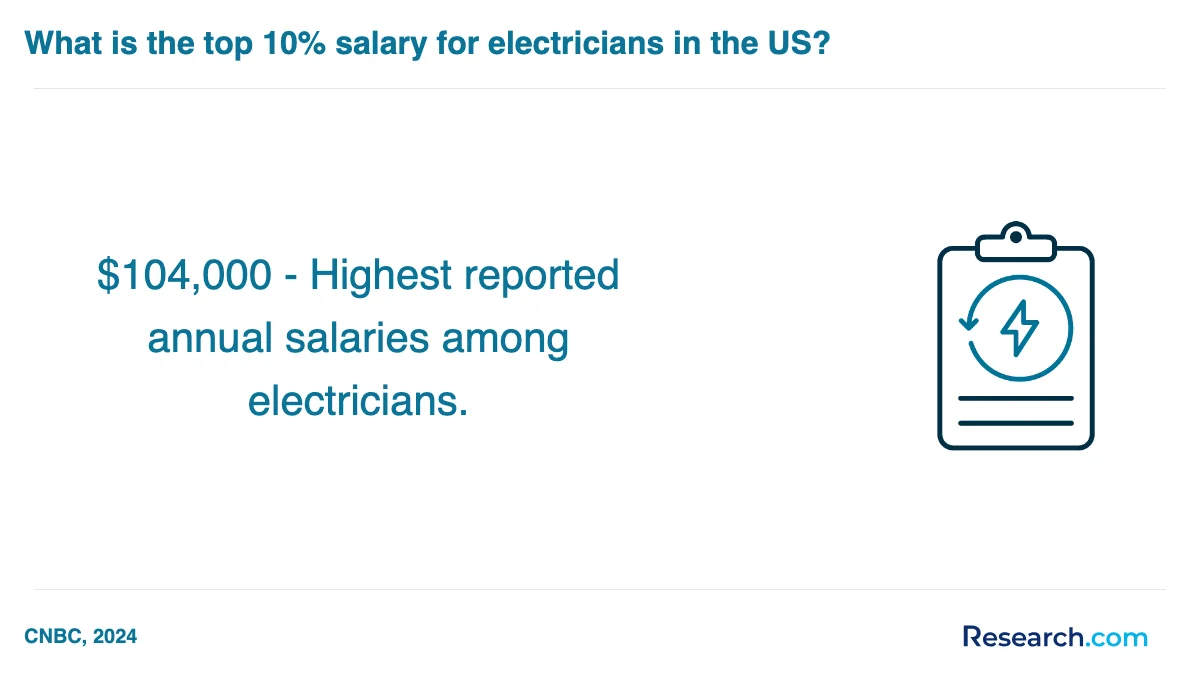
Electrician trade school students in Oklahoma often find financial aid that genuinely eases the burden of tuition and related costs. Many rely on the Federal Pell Grant, which is awarded based on financial need and requires no repayment. Completing the FAFSA each year is a crucial step, as graduates from schools like Tulsa Technology Center recall how this opened doors to essential funding.
State-specific programs such as Oklahoma's Promise also play a major role, covering tuition for eligible students enrolled in approved programs at public technology centers or colleges. Graduates frequently share how this scholarship made pursuing their electrician training less stressful, even though it doesn't cover fees or supplies.
At Tulsa Tech, scholarships like the Accelerating Independence Scholarship have transformed the experience for adult students under 23 by fully covering tuition. Needs-based awards and CTSO recognitions further support those striving to excel. Veterans, Native American students, and those with disabilities also benefit from dedicated grants and vocational rehabilitation funding, ensuring diverse pathways to success.
Additionally, paid internships at institutions like Oklahoma State University Institute of Technology provide hands-on experience while helping students earn income, making the journey toward becoming a skilled electrician both practical and rewarding.
To enroll in an electrician trade school program in Oklahoma, candidates generally need to meet a few clear prerequisites that set the stage for success. Most schools emphasize a high school diploma or GED as a baseline, ensuring students have foundational skills in math and reading - essentials for understanding electrical codes and blueprints. Graduates often reflect on how these basics helped them grasp complex concepts more easily once classes started.
Applicants should also be prepared to demonstrate physical fitness and manual dexterity, as practical work requires stamina and precision. For example, many students recall hands-on labs where steady hands and attention to detail made a big difference in mastering wiring techniques.
Common prerequisites include:
- High school diploma or GED
- Basic math proficiency
- Proof of physical capability
- Age requirement (usually 18 or older)
- Passing an entrance exam or placement test at some schools
Many successful graduates from Oklahoma trade schools describe how meeting these prerequisites gave them confidence, knowing they were prepared both mentally and physically for the demands of the program. This readiness often translates directly into a smoother learning experience and greater satisfaction as they progress toward becoming licensed electricians.

Electrician trade school programs in Oklahoma include a carefully structured set of courses that blend theory with hands-on practice, ensuring students feel confident stepping into real-world roles. Graduates from well-known Oklahoma programs often recall how foundational courses like Electrical Theory clarified complex concepts such as voltage and circuitry, making it easier to troubleshoot on job sites.
Students also emphasize the importance of Safety and Regulations, where learning OSHA standards and lockout/tagout protocols wasn't just about passing tests but about protecting themselves and coworkers daily. Many programs even provide OSHA 10 or OSHA 8 Arc-Flash NFPA 70E certifications, which graduates find invaluable.
- National Electrical Code (NEC): Mastering the NEC is crucial for navigating Oklahoma's licensing exams and ensures proper compliance on any project.
- Wiring and Installation: Practical training in conduit bending and cable management prepares students for residential and commercial jobs.
- Blueprint Reading: Interpreting schematics helps students visualize complex electrical layouts before work begins.
- Motor Controls and PLCs: Advanced courses give insight into industrial automation, a skill highly valued by employers.
- Customer Service and Soft Skills: Learning communication techniques helps electricians build trust with clients.
- Hands-on Labs and Simulations: Realistic scenarios in labs make the material come alive and build problem-solving confidence.
These courses together create a balanced education that graduates often describe as challenging but deeply rewarding, equipping them to succeed both on the job and when taking the Oklahoma state licensing exams.
Electrician trade school specializations in Oklahoma typically center around practical and theoretical training that prepares students for a variety of career paths within the electrical industry. Graduates from Oklahoma Technical College often praise the Electrical Technology Program, which blends hands-on work with classroom learning, enabling them to confidently handle installations and repairs in residential, commercial, industrial, and oil field environments.
Similarly, many students who pursue an Electrical Apprenticeship Program find themselves gaining invaluable on-the-job experience alongside classroom instruction. The Electrical Training Alliance of Western Oklahoma, for example, offers a rigorous curriculum with 8,000 hours of fieldwork that helps apprentices develop a deep understanding of electrical systems and safety.
Oklahoma electrician program specializations also include paths such as the Electrician's Assistant Program at Metro Technology Centers, which equips students to support electrical projects with practical wiring and safety skills. At Meridian Technology Center, specialized apprenticeships in residential and commercial electrical work provide targeted knowledge in wiring, system testing, and project layouts.
For those seeking flexible learning options, exploring the most affordable online electrical lineworker training programs can be a wise decision, supplementing in-state hands-on experiences.
- Electrical Technology Program: design, repair, installation
- Electrical Apprenticeship Program: extensive job training & classrooms
- Electrician's Assistant Program: supportive wiring and diagnostics
- Residential and Commercial Apprenticeship: specialized installation and testing
Choosing the best electrician training programs in Oklahoma means prioritizing accreditation to ensure your education is respected by employers and licensing boards. Graduates from schools like Moore Norman Technology Center often share how hands-on training and comprehensive curricula-covering electrical theory and safety-gave them the confidence to excel on the job. The path to licensure here usually combines classroom hours with apprenticeships, so selecting a program that offers integrated field experience is vital for real-world readiness.
Cost is also a major factor, and students recommend comparing electrician trade school costs Oklahoma carefully. Many accredited programs provide financial aid, making quality education more attainable. Additionally, flexible scheduling at centers like Indian Capital Technology Center allows students balancing work and study to succeed without stress.
For those exploring affordable options, checking out most affordable online electrical engineering degree programs can offer valuable insights into managing expenses while pursuing a rewarding career.
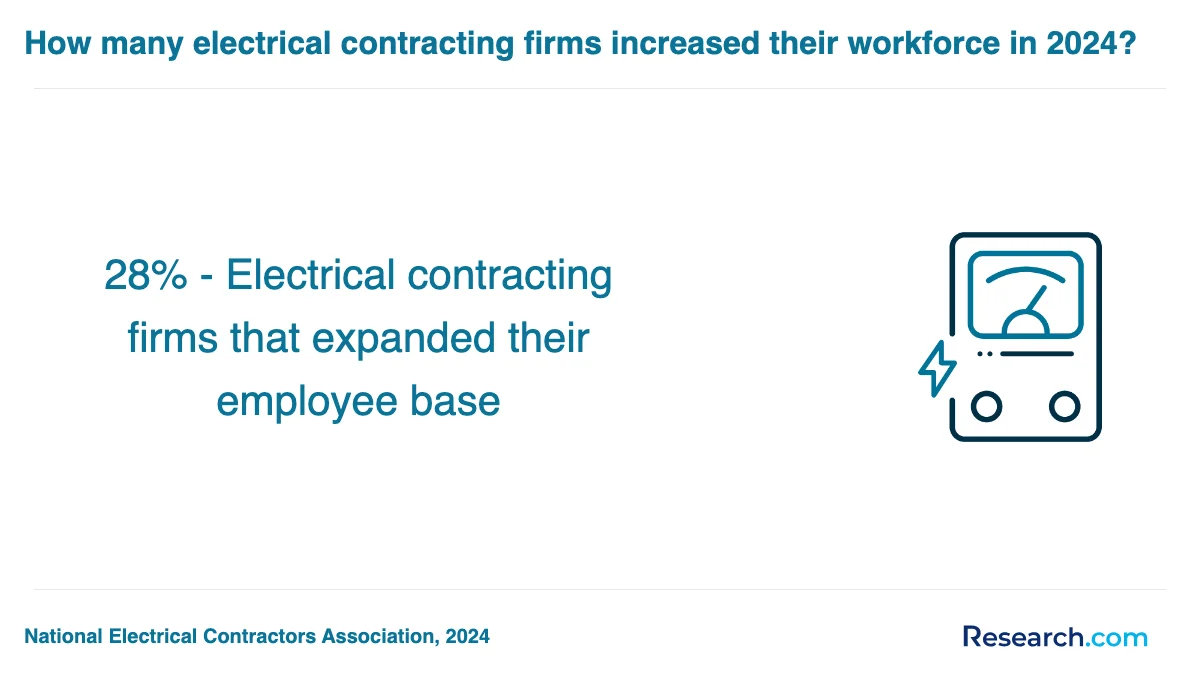
Electrician trade school graduates in Oklahoma immediately step into a variety of rewarding career paths tailored to the state's expanding electrical industry. Most begin as apprentice electricians, honing their skills through hands-on work under seasoned professionals-a necessary stage for licensing by Oklahoma's Construction and Industries Board. Graduates from institutions like Oklahoma State University Institute of Technology often share how internships seamlessly connect them to residential, commercial, or industrial electrician jobs in Oklahoma, providing invaluable real-world experience.
After accumulating thousands of work hours, many advance to journeyman electrician roles, opening doors to exciting opportunities in sectors such as oilfields, manufacturing, and automation. Career options naturally diversify:
- Industrial electrical work and automation systems
- Specialized roles in PLC programming and renewable energy systems
- Technical positions like lighting technician and motor control troubleshooting
For those seeking further growth, becoming a master electrician unlocks options to operate independent contracting businesses, blending professional skill with entrepreneurial freedom. Graduates often express pride in this path, which leads to higher earnings and leadership roles in Oklahoma electrician career opportunities. Additionally, those interested in emerging fields may explore cheapest and fastest wind turbine tech certificate programs online, complementing their electrical foundations with renewable energy expertise-a thriving sector in Oklahoma's economy.
The electrician job outlook in Oklahoma is remarkably promising for graduates of local trade schools. Many who have completed their training at well-known programs in Tulsa and Oklahoma City share stories of quick employment and rewarding work environments. With ongoing massive projects like data center construction and upgrades to the electric grid, graduates find themselves in high demand across the state.
Several factors highlight this positive trend:
- Starting pay for new electricians averages $27.25 per hour, competitive when factoring in Oklahoma's lower cost of living.
- Job opportunities are growing especially fast in counties with booming development like Tulsa and Oklahoma County.
- Statewide initiatives are driving a need for skilled workers to support both traditional electrical work and emerging technologies.
Behind these numbers, graduates often describe a sense of pride in contributing to infrastructure upgrades and renewable energy projects. For those curious about how long it takes to be an electrical engineer or to advance beyond trade school, exploring paths through specialized research can bring clarity and open doors to higher earning potential. This can be discovered through resources like how long does it take to be an electrical engineer, which many students consult to plan their futures effectively.
The demand for electricians in Oklahoma reflects both a stable present and a growing future, encouraging new trade school enrollees to feel confident stepping into this field.
Best Electrical Technician Training Programs & Trade Schools - Top Electrical Tech Schools in Oklahoma for 2026
# 1 position
Indian Capital Technology Center-Muskogee - Electrician.
certificate or diplomaThe Electrician program at Indian Capital Technology Center-Muskogee offers hybrid instruction designed to prepare students for installing, operating, maintaining, and repairing electrical systems in residential, commercial, and industrial settings. The curriculum covers electronics principles, wiring, power transmission, safety, testing, inspection, and relevant codes. This program is accredited by the Oklahoma State Board of Career and Technology Education.
# 2 position
Mid-America Technology Center - Electrician.
certificate or diplomaThe Electrician program at Mid-America Technology Center offers a hybrid format with some distance-education options. It prepares students to install, operate, maintain, and repair electric systems, including residential, commercial, and industrial wiring. Instruction covers electronics principles, electrical systems, safety, job estimation, testing, inspection, and relevant codes. The program is accredited by the Oklahoma State Board of Career and Technology Education.
# 3 position
Northwest Technology Center-Alva - Electrician.
certificate or diplomaThe Electrician program at Northwest Technology Center-Alva is a hybrid trade school course that trains students to install, operate, maintain, and repair electrical systems including residential, commercial, and industrial wiring. The curriculum covers electronics principles, electrical systems, safety, job estimation, and applicable codes. This program is accredited by the Oklahoma State Board of Career and Technology Education, providing technical knowledge essential for careers in electrical work.
# 4 position
Eastern Oklahoma County Technology Center - Electrician.
certificate or diplomaThe Electrician program at Eastern Oklahoma County Technology Center offers hybrid learning with some distance education options. It prepares students to install, operate, maintain, and repair electrical systems, including residential, commercial, and industrial wiring. Instruction covers electronics principles, power transmission, safety, testing, inspection, and applicable codes. The program is accredited by the Oklahoma State Board of Career and Technology Education.
# 5 position
Gordon Cooper Technology Center - Electrician.
certificate or diplomaThe Electrician program at Gordon Cooper Technology Center offers hybrid instruction to develop skills in installing, operating, maintaining, and repairing electrical systems, including wiring, motors, controls, and distribution panels. The curriculum covers electronics principles, power transmission, safety, testing, inspection, and relevant codes. The program is accredited by the Oklahoma State Board of Career and Technology Education, ensuring adherence to industry standards and quality training.
# 6 position
Moore Norman Technology Center - Electrician.
certificate or diplomaMoore Norman Technology Center offers a hybrid Electrician program that trains students to install, operate, maintain, and repair electric apparatus and systems in residential, commercial, and industrial settings. The curriculum includes electronics principles, wiring, power transmission, safety, electrical testing, inspection, and applicable codes. The program is accredited by the Oklahoma State Board of Career and Technology Education, ensuring recognized standards and quality.
# 7 position
Northeast Technology Center - Electrician.
certificate or diplomaThe Electrician program at Northeast Technology Center offers hybrid learning to develop skills in installing, operating, maintaining, and repairing electrical systems in various settings. Instruction covers electronics principles, wiring, power transmission, safety, electrical testing, and applicable codes. The program is accredited by the Oklahoma State Board of Career and Technology Education, preparing students for technical roles involving residential, commercial, and industrial electric-power systems.
# 8 position
Wes Watkins Technology Center - Electrician.
certificate or diplomaThe Electrician program at Wes Watkins Technology Center offers a hybrid learning format combining in-person and distance education. It prepares students with technical skills to install, operate, and repair electrical systems, including residential, commercial, and industrial wiring. Instruction covers electronics principles, safety, electrical testing, and applicable codes. The program is accredited by the Oklahoma State Board of Career and Technology Education.
# 9 position
Central Technology Center - Electrician.
certificate or diplomaThe Electrician program at Central Technology Center offers hybrid learning to develop skills in installing, operating, and repairing electrical systems, including residential, commercial, and industrial wiring. The curriculum covers electronics principles, power transmission, safety, electrical testing, and relevant codes. The program is accredited by the Oklahoma State Board of Career and Technology Education.
# 10 position
Oklahoma State University Institute of Technology - Electrician.
associateThe Electrician program at Oklahoma State University Institute of Technology offers a hybrid format with some distance-education options. It prepares students to install, operate, maintain, and repair electrical systems in residential, commercial, and industrial settings. Instruction covers electronics principles, wiring, power transmission, safety, and applicable codes. The program is accredited by the Higher Learning Commission. Annual in-state tuition is $5,774.
Frequently Asked Questions about electrician
After completing an electrician trade school in Oklahoma, preparing for the job market involves several key steps. First, obtaining the required state license is essential; Oklahoma requires electricians to pass the journeyman or master electrician exam administered by the Oklahoma Construction Industries Board. Gaining hands-on experience through apprenticeships, which typically last four to five years, significantly improves job prospects.
Networking within local trade unions and attending job fairs can connect graduates with employers. According to the U.S. Bureau of Labor Statistics, Oklahoma's electrician employment is projected to grow by 10% from 2022 to 2032, indicating strong demand.
Continuing education and staying updated on electrical codes also help graduates maintain competitiveness in the field.
Employers in Oklahoma prioritize both technical and soft skills when hiring electrician trade school graduates. According to the Oklahoma Department of Labor, proficiency in electrical code compliance and safety standards is critical, as these ensure workplace safety and adherence to legal requirements.
Hands-on experience with wiring, circuitry, and troubleshooting electrical systems is highly valued. Graduates who can read blueprints and use modern diagnostic tools gain a competitive edge. Additionally, communication skills and the ability to work in teams are essential, as electricians often collaborate with contractors and clients.
Problem-solving abilities and attention to detail also rank high among employer expectations in Oklahoma's electrical sector.
Finding internships relevant to electrician trade school programs in Oklahoma involves several practical steps. Start by contacting your trade school's career services office, as many Oklahoma programs maintain partnerships with local electrical contractors and unions. The Oklahoma Department of Labor also provides resources and listings for registered apprenticeship programs, which often include paid internships.
The International Brotherhood of Electrical Workers (IBEW) Local 584 in Oklahoma City is a notable source of apprenticeship opportunities, combining classroom instruction with on-the-job training. According to the Oklahoma Employment Security Commission, the construction sector, including electrical work, is projected to grow 5% over the next decade, increasing internship availability.
Networking through trade associations and attending local job fairs dedicated to skilled trades can further connect students with internship openings. Online platforms like the OklahomaWorks website also list electrician apprenticeships and internships statewide.
Obtaining a diploma from an electrician trade school in Oklahoma significantly enhances career mobility and advancement opportunities. The state's construction and energy sectors are growing, increasing demand for skilled electricians. According to the U.S. Bureau of Labor Statistics, Oklahoma expects a 7% job growth for electricians through 2031, higher than the national average.
A diploma demonstrates foundational knowledge and hands-on skills, often required to qualify for apprenticeships and state licensing exams. Licensed electricians in Oklahoma earn a median annual wage of around $52,000, with potential increases as experience and certifications grow.
Trade school graduates can advance into supervisory roles, specialized electrical work, or start their own contracting businesses. The Oklahoma Department of Career and Technology Education highlights that diploma holders have better job placement rates and career stability in this field.
Students attending electrician trade schools in Oklahoma can benefit from part-time jobs that provide hands-on experience and strengthen their technical skills. Common opportunities include working as electrical helpers, assisting licensed electricians on residential or commercial projects. These roles often involve tasks like wiring, tool preparation, and safety compliance.
Retail positions at hardware or electrical supply stores also offer valuable exposure to electrical components and customer service skills. According to the U.S. Bureau of Labor Statistics, Oklahoma's electrician employment is projected to grow by 7% from 2021 to 2031, highlighting demand for trained workers.
Additionally, apprenticeships or internships through local unions or contractors provide structured training and can be combined with trade school schedules.
To choose the best Electrician degree program near me, you should first consider the accreditation and reputation of local community colleges or technical schools in your area. Research.com can be a helpful resource for understanding program rankings and comparing various options for universities near Oklahoma. Additionally, visiting campuses and speaking with faculty can provide insight into the quality of instruction and facilities available.
- Best Electrical Technician Training Programs & Trade Schools - Top Electrical Tech Schools in Texas for 2026
- Best Electrical Technician Training Programs & Trade Schools - Top Electrical Tech Schools in Missouri for 2026
- Best Electrical Technician Training Programs & Trade Schools - Top Electrical Tech Schools in New Mexico for 2026
- Best Electrical Technician Training Programs & Trade Schools - Top Electrical Tech Schools in Louisiana for 2026
- Best Electrical Technician Training Programs & Trade Schools - Top Electrical Tech Schools in Mississippi for 2026
- Best Electrical Technician Training Programs & Trade Schools - Top Electrical Tech Schools in Tennessee for 2026
- Best Electrical Technician Training Programs & Trade Schools - Top Electrical Tech Schools in Alabama for 2026
- Best Electrical Technician Training Programs & Trade Schools - Top Electrical Tech Schools in Illinois for 2026
- Best Electrical Technician Training Programs & Trade Schools - Top Electrical Tech Schools in Kentucky for 2026
- Best Electrical Technician Training Programs & Trade Schools - Top Electrical Tech Schools in Georgia for 2026
- A Guide to Skilled Trades Apprenticeships and Internships | BestColleges https://www.bestcolleges.com/trades/guide-to-skilled-trades-apprenticeships-internships/
- Should You Choose a Trade School or an Apprenticeship? Exploring the Electrical Training Path - InterCoast Colleges https://intercoast.edu/articles/trade-school-apprenticeship/
- Electrical Apprenticeships Near You | IECI https://ieci.org/apprenticeship/
- Technical Trades Work and Learning Program for Students | MassCEC https://www.masscec.com/technical-trades-students
- Apprenticeship Finder | Apprenticeship.gov https://www.apprenticeship.gov/apprenticeship-job-finder
- Do Employers Offer Internships or Apprenticeships for Trade School Graduates? https://www.euskalcurriculuma.net/do-most-employers-offer-internships-or-apprenticeships-for-employees-who-attend-accredited-trade-schools
- Electrician Trade School | Edvisors https://www.edvisors.com/plan-for-college/careers/electrician-trade-school/
- 11 Best Electrician Trade Schools: Training, Cost, and Career Outlook - Podium https://www.podium.com/article/electrician-trade-school
- Want to Become an Electrician in 2025? Here’s What You NEED to Know! https://www.youtube.com/watch
- How to Become an Electrician: The 6 Basic Steps https://www.trade-schools.net/trades/how-to-become-an-electrician


