
Best Electrical Technician Training Programs & Trade Schools - Top Electrical Tech Schools in Asheboro for 2026

Co-Founder and Chief Data Scientist
Choosing the right electrician trade school in Asheboro can shape your future career. This article introduces a carefully crafted ranking of electrician trade school programs created by the Research.com team of data scientists.
Our goal is to help you make an informed decision by highlighting programs that offer quality training and real opportunities. Earning a diploma or certification in this field opens doors to well-paying jobs and personal growth.
Explore the options with confidence and take the first step toward a rewarding career in electrical work.
Key benefits of finishing electrician trade school in Asheboro
- Graduates from electrician trade schools in Asheboro can expect to earn an average salary around $56,688 per year, with hourly wages ranging from $20 to over $42 depending on experience and specialization.
- Career paths include becoming industrial electricians, residential specialists, or maintenance technicians, offering diverse opportunities to grow and find rewarding work in various industries.
- Completing an electrician trade school online offers flexibility and faster completion times, allowing students to balance work or family while gaining practical skills just like traditional programs.
- Best Electrical Technician Training Programs & Trade Schools - Top Electrical Tech Schools in Asheboro for 2026
- What can I expect from electrician trade schools in Asheboro?
- Where can I work after finishing electrician trade schools in Asheboro?
What can I expect from electrician trade schools in Asheboro?
Students enrolling in electrician trade school programs in Asheboro can expect a carefully balanced mix of classroom theory and hands-on practice. Graduates often recall working directly with residential and commercial wiring setups, gaining confidence as they navigate real electrical systems under expert supervision, especially at well-regarded schools like Randolph Community College.
Many find themselves immersed in core subjects such as circuit analysis, the National Electrical Code, and industrial safety, which are not just academic topics but vital skills applied daily on the job. The practical training includes tabletop simulations and use of industry-standard tools, making the learning experience tangible and rewarding.
Programs range from quick certificate options lasting around 7 to 12 months to more comprehensive associate degrees that take up to two years. Apprenticeships add a valuable paid training dimension, blending classroom hours with thousands of on-the-job hours, which graduates say deeply enhances their readiness for real-world challenges.
Beyond technical skills, students appreciate the emphasis on safety, professional communication, and preparation for North Carolina's licensing exams, helping them feel both capable and confident stepping into the workforce.
Where can I work after finishing electrician trade schools in Asheboro?
After completing an electrician trade school program in Asheboro, many graduates find themselves stepping confidently into a range of rewarding job opportunities. Local employers-from electrical contracting companies to manufacturers and construction firms-actively seek skilled electricians who can handle wiring installations, maintenance, and equipment repairs. Graduates often recall how their hands-on training at popular Asheboro trade schools prepared them for roles like residential or industrial electrician and field service technician, allowing them to contribute immediately on job sites.
Many graduates appreciate the steady availability of positions, with over 170 electrician jobs and nearly 500 electrical-related openings in Asheboro's job market. This steady demand offers a reassuring sense of security and growth potential. Some alumni have shared how starting as assemblers or chemical technicians in industrial settings helped them build valuable experience.
Others have gone on to work for municipal agencies or launch their own contracting businesses after gaining licensure. The path from entry-level jobs to supervisory roles such as electrical superintendent or project manager feels attainable, especially with additional certifications and experience earned in the vibrant Asheboro community.
After finishing an electrician trade school program in Asheboro, many graduates find themselves stepping into a career with promising earnings. For example, starting electricians often report hourly wages near $26.71, which is a solid entry point reflecting the skills they've gained. Graduates from well-known local schools share how this initial pay quickly grows as they build experience and earn certifications. One common story is moving from entry-level work to licensed electrician roles, where wages jump to an average of $30.84 per hour, sometimes reaching as high as $46.55. This progression not only brings financial rewards but also a strong sense of pride and accomplishment.
Industrial electrician positions, often sought after by graduates from Asheboro's top trade schools, offer even higher pay, averaging about $31.99 per hour. Many find the technical challenges and safety demands in these roles meaningful and rewarding. Additionally, overtime opportunities can add thousands to annual earnings, with some electricians earning an extra $9,438 annually. This steady income growth helps graduates feel confident about their decision to pursue electrician training locally and encourages them to continue advancing in their careers.
- Electrician trade school programs in Asheboro typically last 7 to 12 months for certificates or about two years for an associate degree requiring 68 semester hours.
- Admission usually requires a high school diploma or GED, with some programs offering rolling enrollment and placement assessments in math and reading.
- The cost ranges from about $186 per course to $2,000-$5,000 for a two-year associate degree, excluding books and fees.
- Graduates must obtain a state electrician license through the North Carolina State Board and can prepare for licensing exams and NCCER certifications during the program.
- Starting salaries range from $38,000 to $42,000 annually, with experienced electricians earning $55,000 to $65,000 per year.
- Programs often include up to 2,000 hours of paid, supervised apprenticeships annually, providing hands-on experience and improving job placement chances.
Completing an electrician trade school program in Asheboro typically takes about 9 to 12 months, depending on whether you choose a full-time or part-time schedule. Many graduates from local trade schools remember the intensity but also the rewarding feeling of mastering hands-on skills quickly. One recalls how the fast-paced classes at a popular Asheboro trade school allowed them to confidently handle real electrical systems within a year, turning theory into practical expertise.
Others have shared how balancing part-time study with work extended their program to nearly a year, but the steady progress made each evening worthwhile. The structured curriculum, focusing on both safety and technical knowledge, helps students build confidence step by step. For those eager to jump into the workforce, the relatively short completion time makes Asheboro's electrician programs a promising path toward a fulfilling career.
With supportive instructors and modern training facilities, students often feel motivated and prepared to tackle real-world electrical challenges soon after graduating. This blend of efficiency and hands-on experience is what makes electrician trade schools in Asheboro stand out.
In Asheboro, the difference between online and on-campus electrician trade school programs often comes down to how students experience learning and hands-on practice. Graduates from local trade schools frequently recall the value of on-campus programs where they could work directly with instructors in electrical labs, gaining immediate feedback while wiring circuits or troubleshooting equipment. This face-to-face setting not only builds confidence but also fosters a supportive community of peers navigating the same challenges.
On the other hand, many who chose online programs appreciated the flexibility to study after work or during family time, especially when commuting to Asheboro's campuses wasn't feasible. They often described juggling video lessons and reading materials at their own pace, which helped maintain motivation despite a busy schedule. However, these students sometimes felt the absence of hands-on training, realizing that practical experience required by North Carolina licensing often meant seeking apprenticeships beyond the virtual classroom.
Ultimately, in Asheboro, the decision shapes how students balance convenience, interaction, and the essential tactile skills electricians need every day.
The average cost of electrician trade school programs in Asheboro NC can vary widely depending on the type of credential pursued. At Randolph Community College, a popular choice for many local students, the tuition fees for the 2022-2023 academic year were approximately $2,396 for in-state students. Graduates often reflect on the value of this investment, noting how affordable tuition combined with practical hands-on training helped them launch their careers confidently. These tuition fees for electrician programs in Asheboro NC are often supplemented by additional expenses such as textbooks, supplies, and essential tools, which can add to the overall cost but are manageable with proper planning.
Many who chose apprenticeship routes through local employers in Asheboro found this pathway equally rewarding. Apprenticeship programs offer real-world experience and a paycheck while learning, which many find more accessible and integral to long-term success. A graduate's story from such a program often includes the initial challenge of balancing work and study but highlights the motivation gained from immediate industry exposure.
For students exploring all options, researching affordable online electrical lineman programs can provide flexibility and alternative cost structures without sacrificing quality. These programs complement local schooling opportunities and broaden access beyond Asheboro.
Regardless of the route, understanding the average cost of electrician trade school programs in Asheboro NC is vital for making informed decisions about your education and future career.
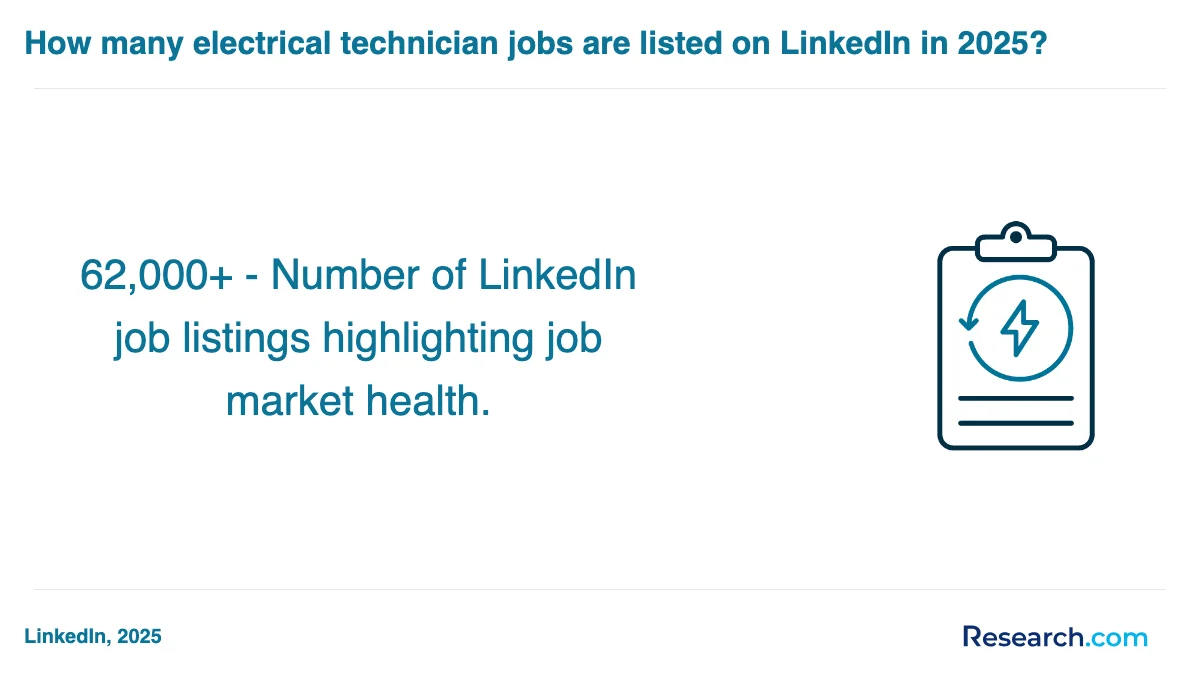
Electrician trade school students in Asheboro often find financial aid options that truly ease the burden of pursuing their training. Many graduates recall the relief of receiving federal and state grants like the Pell Grant, which requires only the FAFSA application and doesn't need to be repaid. This support can transform a student's experience, making the path forward feel achievable rather than overwhelming.
For those enrolled in apprenticeship programs such as Apprenticeship Randolph, the experience is even more encouraging. These students earn a paycheck while learning on the job, with all tuition, books, and fees covered-allowing them to graduate debt-free from Randolph Community College. One graduate described feeling empowered knowing they were gaining valuable work experience without accumulating debt.
Others attending Randolph Community College's Electrical Systems Technology program benefit from scholarships, work-study opportunities, and low-interest federal loans. Some programs also collaborate with local unions or employers who help cover tuition costs if students commit to working after graduation. Many students express gratitude for this support, as it turns a challenging financial situation into an attainable goal.
Consulting with the college's financial aid office early is a common piece of advice from successful graduates, ensuring students maximize their eligibility and avoid missing out on aid distributed on a first-come, first-served basis.
To enroll in an electrician trade school program in Asheboro, students typically need to meet a few clear prerequisites that set the foundation for success. Graduates often recall how having a solid high school diploma or GED was the first step, providing essential math and reading skills crucial for understanding electrical concepts.
Most programs expect applicants to demonstrate:
- Basic proficiency in algebra and geometry, since measurements and calculations are everyday tasks in the trade.
- A genuine interest in hands-on work, often reflected through prior experience with tools or mechanical projects.
- Physical fitness to handle the demands of climbing ladders, lifting equipment, and working in varied environments.
Many students remember how completing a brief aptitude test helped clarify their readiness, boosting confidence before starting classes. Trade schools in Asheboro often encourage applicants to attend info sessions or speak with instructors, helping them feel welcomed and prepared for the journey ahead. This thoughtful approach makes the process feel less intimidating and more like a shared commitment toward a rewarding career.
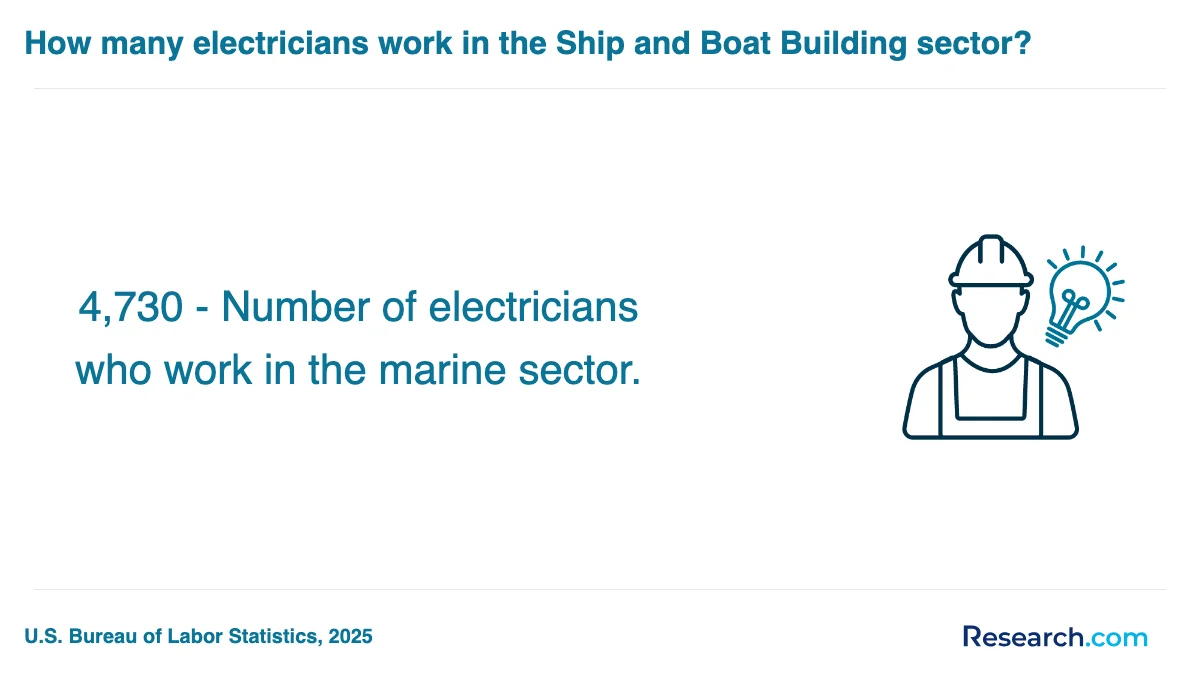
Electrician trade school programs in Asheboro, such as those at Randolph Community College, offer a thoughtfully designed curriculum that balances theory and hands-on practice. Graduates often recall starting with foundational courses like Introduction to Wiring and Residential Wiring, where they gained confidence working safely with tools and mastering basic electrical installation in homes.
Key technical courses include:
- AC/DC Electricity and Circuit Analysis, which build a solid understanding of electrical principles essential for troubleshooting real-world systems.
- National Electrical Code (NEC) classes, helping students navigate the vital safety standards required for legal work in North Carolina.
- Advanced topics like Industrial Wiring, Motors and Controls, and Programmable Logic Controllers (PLCs) prepare students to confidently handle complex commercial and industrial projects.
Many graduates describe feeling prepared to step into apprenticeship roles, appreciating how the curriculum's mix of practical skills and code knowledge mirrors the challenges they face on job sites in Asheboro and beyond.
Electrician trade school programs in Asheboro typically offer a range of specializations tailored to equip students with practical, job-ready skills. Graduates often reflect on how focusing on residential wiring early in their studies made hands-on tasks like installing and troubleshooting home electrical systems feel second nature. Popular trade schools in Asheboro also emphasize commercial and industrial wiring, preparing students for complex settings such as factories or office buildings, which expands career possibilities significantly.
In addition, many programs provide courses in motor controls and programmable logic controllers (PLCs), vital for those drawn to automation and modern manufacturing environments. This aspect of electrical systems technology courses Asheboro graduates find particularly engaging because it connects theory with real-world industrial challenges.
Other specializations include telecommunications cabling, where students master the installation of low-voltage systems supporting data and phone networks-a growing sector reflecting today's digital needs. Electrical maintenance and estimating courses develop skills in system upkeep and project planning, empowering students to confidently tackle supervisory roles. In these programs, safety and code compliance remain central, ensuring students are well-prepared for licensing and workplace regulations.
Many students also pursue continuing education to become inspectors or earn OSHA 30 certification, enhancing their credentials for specialized roles. For those exploring advanced paths or seeking the most affordable online electrical engineering programs, Asheboro's electrician program specializations in Asheboro NC provide a solid foundation and promising career outlook.
Choosing among the best electrician trade schools in Asheboro means focusing on programs that blend strong theoretical foundations with hands-on experience. Graduates often praise how local schools provide real-world simulations and lab work that mirror daily electrician tasks, making the learning process engaging and practical. Many find the supportive faculty essential, as experienced instructors share insights from industry work that deepen understanding and build confidence.
When deciding how to choose electrician trade school in Asheboro, consider factors such as accreditation and alignment with North Carolina licensing requirements. Schools with modern facilities and career services help ease the transition from study to employment. Flexible scheduling options support students who balance work and studies.
Graduates also highlight the advantage of programs close to Asheboro's job market, where networks with local employers enhance placement rates. Exploring financial aid options can make investing in your education manageable. Additionally, for those interested in specialized career paths, it's helpful to review training that meets specific needs, such as wind turbine technician training requirements.
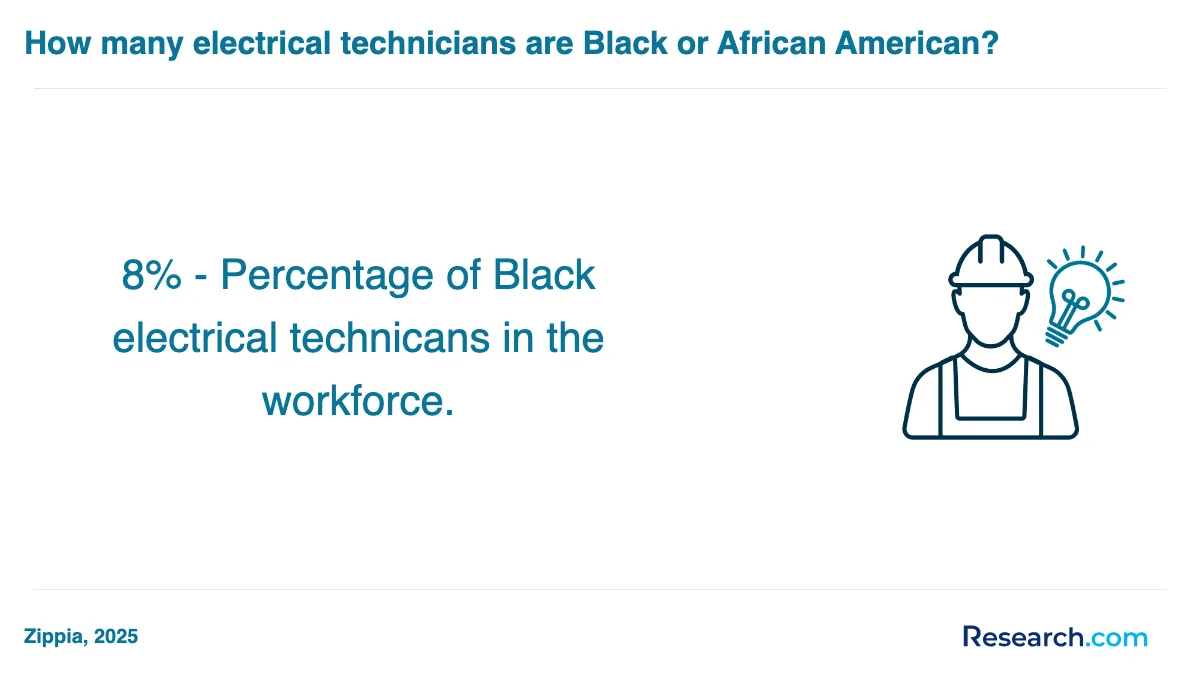
Graduates of electrician trade school programs in Asheboro find themselves well-prepared for a variety of rewarding roles within the local workforce. Many start out as residential electricians, industrial electricians, or electrical maintenance technicians, developing practical skills through hands-on apprenticeships often facilitated by popular Asheboro institutions like Randolph Community College. These foundational positions provide invaluable experience working with wiring, lighting, and control systems.
For those exploring electrical technician career options in Asheboro, opportunities extend beyond basic installation work. Some graduates expand into specialized fields such as programmable logic controllers or telecommunications cabling, carving niches in sectors like automation, data cabling, and electrical estimating. The strong demand for electrician jobs in Asheboro NC ensures steady local employment, with roles including field service technician, commercial electrician, and superintendent available across residential and commercial projects.
Many graduates choose to advance by gaining licensure and on-the-job experience, moving toward becoming journeyman electricians or electrical contractors. Achieving these milestones enables them to supervise teams, manage complex projects, and even launch their own businesses. For those interested in career diversification, exploring related routes such as electrical lineman careers offers additional pathways with robust growth potential.
The electrician job market in Asheboro NC is thriving, offering promising employment opportunities for trade school graduates. Many graduates from popular local trade schools find steady work with a variety of employers, ranging from commercial construction firms to manufacturing plants. Entry-level positions are especially accessible, often involving apprenticeships that allow new electricians to build practical skills while earning a living.
Graduates typically report hourly wages between $21 and $36, reflecting skills gained in school and on the job. Employers value familiarity with local building codes and safety standards, which Asheboro programs emphasize. Graduates describe diverse schedules that sometimes include night and weekend hours but appreciate the hands-on experience these opportunities provide.
- About 178 electrician job openings are currently available, showing strong demand.
- Positions include general electricians, commercial electricians, and foremen roles.
- Many employers look for candidates with specialized electrical skills.
Beyond immediate electrician roles, some graduates branch into related fields like automation and robotics. Those unsure about the duration and depth of electrical education may explore how many years is electrical engineering to understand further academic paths. Overall, the electrician employment opportunities Asheboro offers are extensive and rewarding for committed trade school graduates.
Best Electrical Technician Training Programs & Trade Schools - Top Electrical Tech Schools in Asheboro for 2026
# 1 position
Randolph Community College - Electrician.
associateRandolph Community College offers a hybrid Electrician program that prepares students to install, operate, maintain, and repair electrical systems including residential, commercial, and industrial wiring. The curriculum covers electronics principles, electrical systems, wiring, safety, job estimation, testing, inspection, and applicable codes. Annual in-state tuition is $2,416. The program is accredited by the Southern Association of Colleges and Schools Commission on Colleges.
# 2 position
Randolph Community College - Electrician.
certificate or diplomaRandolph Community College offers a hybrid Electrician program that prepares students to install, operate, maintain, and repair electric apparatus and systems, including residential, commercial, and industrial wiring. The curriculum covers electronics, electrical systems, safety, job estimation, testing, inspection, and relevant codes. Annual in-state tuition is $2,416. The program is accredited by the Southern Association of Colleges and Schools Commission on Colleges.
Frequently Asked Questions about electrician
After completing electrician trade school in Asheboro, preparing for the job market involves several key steps. First, gaining hands-on experience through apprenticeships or internships is essential. North Carolina requires electricians to complete an apprenticeship of about 8,000 hours before becoming licensed, which typically takes four to five years.
Networking with local contractors and joining trade organizations like the National Electrical Contractors Association (NECA) can improve job prospects. Asheboro's growing construction industry offers opportunities, but staying updated with the latest electrical codes and safety standards is crucial. According to the U.S. Bureau of Labor Statistics, employment for electricians in North Carolina is projected to grow 8% from 2022 to 2032, reflecting steady demand.
Employers in Asheboro prioritize several key skills when hiring electrician trade school graduates. Technical proficiency in wiring, circuitry, and electrical code compliance is essential. According to the U.S. Bureau of Labor Statistics, practical knowledge of the National Electrical Code (NEC) is a critical factor for entry-level electricians.
Problem-solving abilities rank highly, as electricians must diagnose electrical issues accurately and efficiently. Communication skills are also important since electricians often work with clients and team members.
Safety awareness is vital due to the risks involved in electrical work. Employers expect graduates to follow OSHA regulations strictly. Additionally, adaptability to new technologies and tools is increasingly valued in Asheboro's evolving electrical industry.
Finding internships in Asheboro relevant to electrician trade school programs involves several practical steps. Start by contacting local trade schools, as many have partnerships with area electrical contractors and businesses offering hands-on training opportunities. Organizations such as the North Carolina Department of Commerce provide resources for apprenticeship programs, which are common pathways for electricians to gain experience.
Networking through local trade unions like the International Brotherhood of Electrical Workers (IBEW) can also open internship opportunities. Asheboro's growing construction sector supports numerous electrical projects, increasing demand for interns. According to the U.S. Bureau of Labor Statistics, North Carolina expects a 10% growth in electrician jobs by 2030, highlighting the availability of practical training roles. Checking job boards specific to Asheboro and using career services at trade schools further helps locate suitable internships.
An electrician trade school diploma in Asheboro significantly enhances career mobility and advancement opportunities. Graduates gain practical skills and certifications recognized by local employers, which is crucial in a competitive job market. According to the North Carolina Department of Commerce, certified electricians in the region earn a median wage 15-20% higher than non-certified workers, reflecting the value of formal training.
Trade schools also prepare students for state licensing exams, a mandatory step to work independently or start a business in Asheboro. This credential boosts employability and opens doors to supervisory roles and specialized fields like industrial or residential wiring.
Moreover, local apprenticeship programs often prefer candidates with a diploma, accelerating on-the-job training and long-term career growth. The U.S. Bureau of Labor Statistics projects a 7% growth in electrician jobs statewide through 2031, underscoring strong demand for qualified professionals in Asheboro's expanding construction and manufacturing sectors.
Students attending electrician trade schools in Asheboro can benefit from part-time jobs that provide practical experience alongside their studies. Common opportunities include assisting licensed electricians as apprentices or helpers. These roles allow students to apply classroom knowledge in real-world settings, improving skills in wiring, troubleshooting, and safety practices.
Retail positions at local hardware stores also help, as they familiarize students with electrical tools and materials. According to the U.S. Bureau of Labor Statistics, Asheboro's demand for electricians is expected to grow by 8% over the next decade, making hands-on experience valuable for future employment.
To find the best Electrician degree program near me, including options near Asheboro, NC, you can start by exploring local community colleges and trade schools that offer electrical technology or similar programs. You might also consider using resources like Research.com, which can help compare and evaluate different programs based on factors like curriculum, facilities, and post-graduation job placement. Additionally, visiting campuses and speaking with instructors or current students can provide valuable insights into the quality and suitability of the program for your career goals.
- A Guide to Skilled Trades Apprenticeships and Internships | BestColleges https://www.bestcolleges.com/trades/guide-to-skilled-trades-apprenticeships-internships/
- Electrical Apprenticeships Near You | IECI https://ieci.org/apprenticeship/
- Opportunities For Students - O’Connell Electric https://www.oconnellelectric.com/careers/students/
- Should You Choose a Trade School or an Apprenticeship? Exploring the Electrical Training Path - InterCoast Colleges https://intercoast.edu/articles/trade-school-apprenticeship/
- Apprenticeship Finder | Apprenticeship.gov https://www.apprenticeship.gov/apprenticeship-job-finder
- Technical Trades Work and Learning Program for Students | MassCEC https://www.masscec.com/technical-trades-students
- Students and young professionals | Schneider Electric Global https://www.se.com/ww/en/about-us/careers/students-young-professionals.jsp
- How Much Do Electricians Make: Electrician Salary Guide 2025 https://www.getjobber.com/academy/electrical/how-much-do-electricians-make/
- Electrician | Explore Careers | National Careers Service https://nationalcareers.service.gov.uk/job-profiles/electrician
- Electrician Salary Guide: How Much Do Electricians Earn? https://www.lincolntech.edu/news/skilled-trades/electrical/electrician-salary-guide-how-much-do-electricians-earn





