Best CNC Machinist Training Programs & Trade Schools - Top CNC Schools in Smithfield for 2026

Co-Founder and Chief Data Scientist
Choosing the right CNC machinist trade school in Smithfield can be a game-changer for your career. This article introduces a carefully crafted ranking of CNC machinist trade school programs, developed by the Research.com team of data scientists to guide you toward the best options available.
By exploring this ranking, you’ll gain valuable insights to make an informed decision that suits your goals. Earning a diploma or certification in CNC machining opens doors to rewarding job opportunities and skill growth. Take a confident step toward your future today.
Key benefits of finishing CNC machinist trade school in Smithfield
- Graduates from CNC machinist trade schools in Smithfield can expect an average salary around $41,729 per year, with top earners making over $52,000, offering strong financial rewards early in their careers.
- Many graduates find diverse career paths in local companies like Dover Corporation or Smithfield Foods, gaining valuable hands-on experience and opportunities for growth in manufacturing and precision machining.
- Completing a CNC machinist trade school online allows flexible learning schedules and faster entry into the workforce, ideal for those balancing work or family, as shown by successful online graduates from popular Smithfield programs.
- Best CNC Machinist Training Programs & Trade Schools - Top CNC Schools in Smithfield for 2026
- What can I expect from CNC machinist trade schools in Smithfield?
- Where can I work after finishing CNC machinist trade schools in Smithfield?
What can I expect from CNC machinist trade schools in Smithfield?
Students enrolling in CNC machinist trade school programs in Smithfield can expect a hands-on learning experience that balances classroom instruction with practical training. At local schools like Johnston Community College, graduates often describe a supportive environment with small class sizes, allowing for personalized guidance as they learn essential skills such as blueprint reading, machine setup, and troubleshooting.
The curriculum typically covers key topics including CNC machining processes, industrial safety, and basic CAD, all designed to prepare students to confidently operate CNC equipment. Many students appreciate the opportunity to work directly with machines in lab sessions, practicing real-world tasks like measuring materials and handling equipment safely.
Graduates often highlight the value of industry-recognized certifications like NIMS, which boost job readiness and employer appeal in Smithfield's manufacturing sector. The programs' practical focus helps students transition quickly into roles such as CNC operators or machinists, making the training both accessible and rewarding for those eager to start a skilled career locally.
Where can I work after finishing CNC machinist trade schools in Smithfield?
After finishing a CNC machinist trade school program in Smithfield, graduates find strong demand for their skills in local manufacturing facilities. Many start as CNC operators or machinists, working hands-on with metal fabrication, automotive parts, plastics, or custom component shops. For example, recent graduates from popular Smithfield trade schools quickly secured roles setting up machines, interpreting blueprints, and performing quality checks, gaining confidence as they contribute to real production lines.
Beyond entry-level machinist positions, some graduates advance to CNC programmer or machine technician roles, especially after earning certifications like those from the National Institute for Metalworking Skills (NIMS). Employers in Smithfield range from large manufacturing plants to smaller shops, offering diverse environments to match different career goals and work styles.
Graduates often share how satisfying it is to see their work directly impact product quality and meet tight deadlines. With about 37 local openings as of mid-2025, trade school students feel optimistic about finding stable, well-paying jobs-earning between $20 and $27.25 per hour-that align with their hands-on training and skills development.
After finishing a CNC machinist trade school program in Smithfield, graduates typically start with an average hourly wage of about $21.49. Many find this pay competitive and encouraging as they begin their careers, especially when attending popular local schools known for hands-on training and strong industry connections. For example, graduates from well-regarded Smithfield trade schools often secure entry-level roles paying between $17.93 and $24.47 per hour, making it possible to cover living expenses while gaining valuable experience.
Some new machinists working at companies like Tarheel Tooling & Precision Machining report earning around $22.81 per hour, which feels rewarding for those fresh out of school. Others aiming higher see opportunities to reach up to $30.15 per hour as they build skills and certifications.
Many graduates feel optimistic knowing that with time, experience, and additional certifications, their salary can grow significantly, sometimes reaching annual salaries near $81,000 in specialized roles. This progression motivates students to keep learning and advancing within Smithfield's manufacturing community.
- CNC machinist programs in Smithfield offer certificates and associate's degrees, with curricula covering blueprint reading, machining math, CNC milling, and CAD.
- Most programs require a high school diploma or GED, and certification from NIMS can improve job prospects.
- Associate's degrees typically take two years and about 69 credit hours, with tuition costs ranging from $1,200 to $19,600 depending on the program.
- Entry-level CNC machinists in North Carolina earn between $35,000 and $40,000 annually, while experienced workers can make $55,000 to $60,000 or more.
- Graduates benefit from job placement support and access to a strong manufacturing job market due to Smithfield's location near major industry hubs.
Completing a CNC machinist trade school program in Smithfield typically takes between 6 to 12 months, depending on the school and the intensity of the curriculum. Many popular trade schools in Smithfield offer flexible schedules, allowing students to choose full-time or part-time options that fit their personal lives.
Graduates often share how their focused training helped them quickly gain hands-on skills with CNC machinery, preparing them for entry-level positions in less than a year. For example, students at well-known Smithfield programs describe spending mornings in the classroom learning blueprint reading and afternoons operating real CNC equipment, which boosted their confidence and practical knowledge.
This relatively short timeframe is ideal for those eager to start a new career without a lengthy educational commitment. Trade schools in Smithfield also provide career services that assist graduates in transitioning swiftly into the workforce, making the completion period feel rewarding and well worth the effort.
The main difference between online and on-campus CNC machinist trade school programs in Smithfield lies in the hands-on experience and instructional format. Graduates from Johnston Community College's on-campus program often recall the value of working directly with real CNC machines in well-equipped labs. These students benefit from immediate feedback and collaboration with instructors and peers, which builds confidence and sharpens practical skills essential for the trade.
Online programs, like those offered partially through South Piedmont College's hybrid model, provide flexibility by delivering theory courses digitally. Students juggling work or family appreciate learning blueprint reading and CAD design from home. However, many students find that the lack of regular, supervised machine time can make mastering safety protocols and troubleshooting more challenging.
Graduates emphasize that while online classes cover vital concepts, the on-campus experience at Smithfield trade schools remains the best way to develop real-world competency and employer-ready skills in CNC machining.
The average cost CNC machinist program Smithfield students encounter is centered around the offerings at Johnston Community College, where the overall tuition and fees for 2024 total approximately $8,801. Many graduates from this program recall balancing their budgets carefully, aware that tuition fees CNC machinist trade school Smithfield programs include additional costs such as books, materials, and certification fees. Those who have completed training at Johnston Community College often speak positively about the investment, highlighting how the comprehensive hands-on experience significantly boosts their employment opportunities.
Nearby community colleges like Pitt Community College in Winterville provide alternative perspectives on program costs, averaging $4,469 for CNC machinist technology. Some local students share how choosing programs with lower tuition fees helped them manage finances better while benefiting from skilled instructors and practical training. These real-life experiences illustrate that tuition fees can vary based on residency status and program length, making it crucial to verify current rates directly with schools.
Financial support options further ease the financial burden. Many students successfully apply for federal grants, scholarships, and aid, which help reduce out-of-pocket expenses. Exploring scholarships or grants is a smart move, especially when aiming to pursue one of the best-paid associate degree fields, like those shown in what associates degrees pay the most.
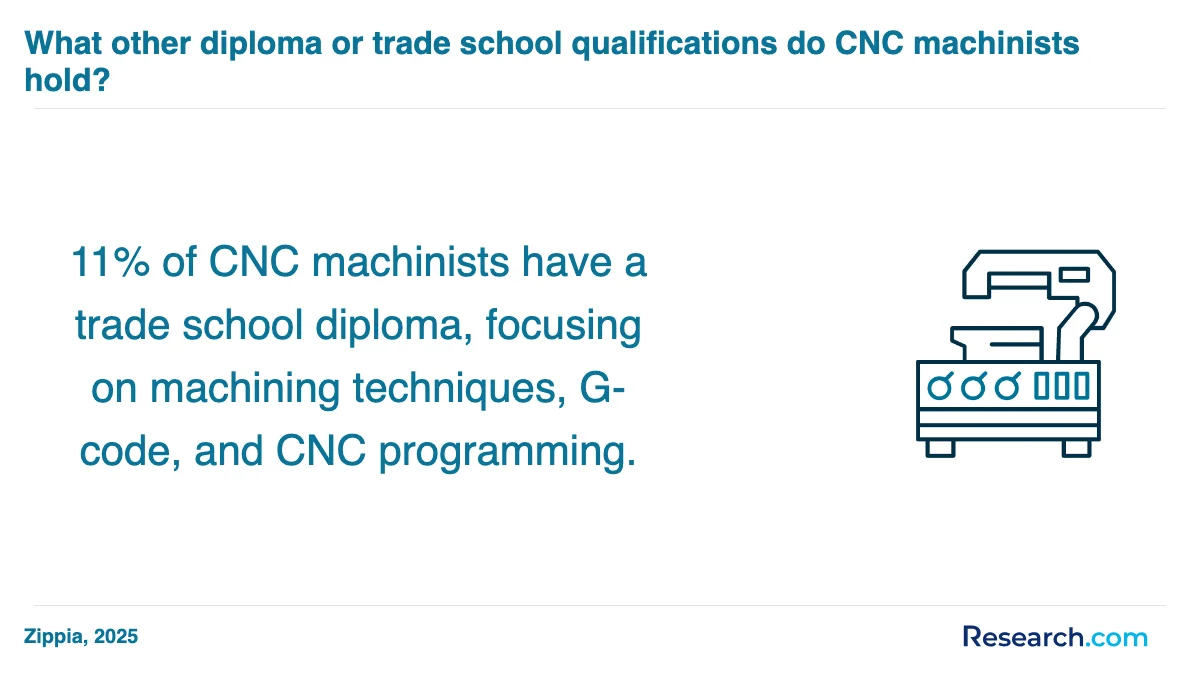
Many CNC machinist students in Smithfield rely on federal financial aid to make their training affordable. By submitting the FAFSA, they become eligible for Pell Grants, which provide up to $7,395 for the 2025-2026 school year without needing repayment. Graduates from Johnston Community College often share how this grant significantly eased their tuition burden, which typically runs around $12,500 for a full certificate or associate degree program.
Federal Direct Loans are another common resource, helping cover remaining costs like fees and materials. Students appreciate having this safety net to focus on learning rather than finances.
Beyond federal aid, scholarships like those from the Gene Haas Foundation offer targeted support for CNC machine technology students. Many Smithfield trainees have combined these scholarships with federal aid, allowing them to graduate with less debt and more confidence entering the workforce.
Workforce development programs and state grants also play a role, especially for non-credit certificate seekers who may not qualify for federal aid. These programs often collaborate with local schools to provide tuition assistance, making CNC machinist training even more accessible.
To enroll in a CNC machinist trade school program in Smithfield, applicants typically need to meet several key prerequisites that ensure readiness for hands-on technical training. Most trade schools require a high school diploma or GED, confirming foundational skills in math and reading. Graduates from popular Smithfield programs often mention how brushing up on basic algebra and blueprint reading before classes helped them feel confident from day one.
Other common prerequisites include:
- Passing an entrance assessment focused on mechanical reasoning and spatial awareness
- Demonstrating basic computer skills, since CNC machining involves programming software
- Physical ability to handle tools and stand for extended periods, as shared by successful students who balanced school with active lifestyles
Some trade schools in Smithfield also encourage applicants to have prior experience in manufacturing or related fields, but this is not mandatory. Graduates often highlight how the practical training and supportive instructors helped them quickly overcome any initial skill gaps, making the programs accessible and motivating for newcomers.

In Smithfield, CNC machinist trade school programs, such as those at Johnston Community College, focus on practical courses that prepare students for real-world manufacturing jobs. Graduates often mention how foundational classes in CNC machining processes gave them clear insights into setting up and operating CNC machines effectively.
Key courses include:
- Blueprint or print reading: Vital for understanding technical drawings, enabling students to produce precise parts.
- Measurement, materials, and safety: Hands-on training with precision tools and safety protocols to work confidently around heavy machinery.
- CNC milling and turning operations: Core classes where students gain experience programming and running both milling machines and lathes.
- Basic computer-aided design (CAD): Equips students to create and adjust digital part designs, a skill praised by recent graduates for its relevance in modern manufacturing.
Students also appreciate optional advanced courses in industrial safety and CNC programming troubleshooting, which build job-ready expertise. Most programs wrap up within a year, making it easier for Smithfield students to jumpstart their careers swiftly.
CNC machinist trade school programs in Smithfield provide targeted specializations designed to build job-ready skills quickly. Graduates often highlight the value of CNC machinist specializations in Smithfield NC, citing hands-on training at local schools where they master the key areas employers demand.
Common practical tracks include:
- CNC Programming: Students learn to write and troubleshoot G-code and M-code, essential for controlling machinery. This path prepares learners for Smithfield CNC programming and lathe training roles highly advertised in the area.
- CNC Machine Operation: Focused on setup, calibration, and operating lathes and mills, this specialization equips students with skills to maintain quality and efficiency on shop floors.
- Blueprint Reading and Precision Measurement: Training here emphasizes interpreting technical drawings and using precision tools like calipers, critical for quality assurance tasks in manufacturing.
- Advanced Manufacturing Technology: Covers multi-axis machining and robotics integration, ideal for students aiming at cutting-edge industry roles.
Graduates often share that the blend of classroom concepts with real-world scenarios from popular Smithfield trade schools gives them confidence entering the workforce. For students considering certifications, exploring the easiest certifications to get that pay well can help boost career prospects promptly.
When selecting the best CNC machinist programs in Smithfield, accreditation is essential. Graduates from top programs often praise how recognized accreditation ensured their skills met industry standards, giving them confidence as they entered the workforce. Look for schools with hands-on training that uses current CNC machinery, since many successful students highlight real-world practice as key to mastering programming and precision measurement.
Another important factor is instructor expertise. Smithfield graduates frequently mention how industry-experienced teachers provided valuable mentorship, helping them understand complex setups and troubleshoot effectively. Facilities also matter; those attending schools with up-to-date equipment felt better prepared for actual job demands in manufacturing environments.
Choosing programs with strong industry partnerships improves internship and job placement opportunities. Alumni from such programs often report quick employment after graduation, which makes these among the top CNC machinist training in Smithfield. Financial considerations are also practical; many students benefit from scholarships or payment plans available in the area. Exploring accelerated online associate degree programs that pay well can also be a strategic step if affordability and speed are priorities.
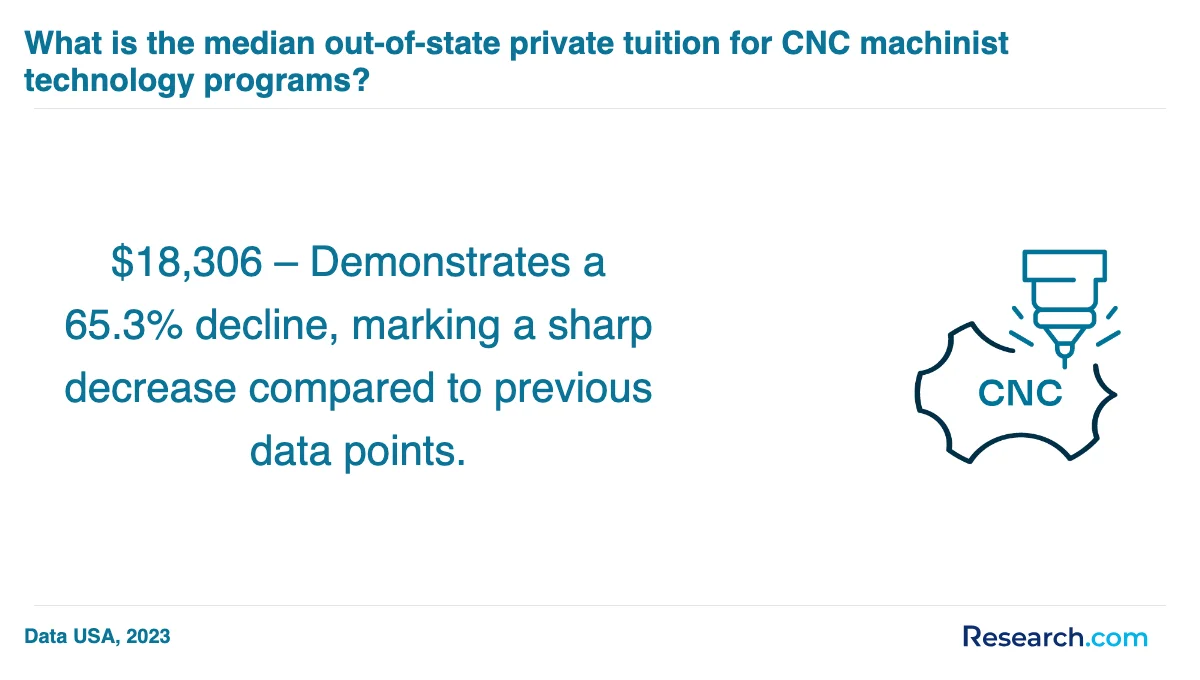
Graduates from CNC machinist trade school programs in Smithfield quickly find opportunities across several hands-on roles, such as CNC Machinist, CNC Operator, and CNC Setup Operator. These positions allow them to operate and maintain computer numerical control machines to craft precise parts, with many local employers actively hiring-reflected in the abundance of CNC machinist jobs in Smithfield NC. Many graduates share their satisfaction working in well-equipped shops, gaining real-world skills that boost confidence and job readiness.
For career growth, graduates often transition into CNC Programmer roles, using advanced software like Mastercam to develop complex machine codes. Others move toward specialized positions like Tool and Die Machinist or CNC Lathe Machinist, which offer engaging challenges and higher responsibility. Popular trade schools in Smithfield emphasize this progression through practical training and support.
Besides day-to-day trades, Smithfield NC manufacturing career opportunities include contract-to-hire offers, providing a pathway to permanent employment with benefits. Those considering further specialization or growth benefit from certifications like those from NIMS.
Students exploring options might also find value in most affordable online woodworking classes, which complement CNC skills and expand their craftsmanship scope.
The CNC machinist job outlook Smithfield NC is steady, with frequent openings for roles like CNC Programmer and CNC Operator. Graduates from popular trade schools in Smithfield often share that hands-on training with real machines and CAM software boosts their confidence and employability. Local employers such as Dover Corporation and Smithfield Foods actively seek skilled machinists, offering a variety of career paths.
Salary prospects are motivating for those completing CNC machinist trade school. The average salary in Smithfield is about $41,729 annually, with potential to reach $52,000 for experienced workers. Entry-level wages start near $36,000, making this a practical choice for stable income without a four-year degree.
Graduates frequently report that mastering technical drawings and precision instruments proved essential when applying for jobs locally. Familiarity with popular CAM programs learned in trade school gives applicants a competitive edge.
For those considering study options, affordable online cnc machining courses complement in-person Smithfield programs, offering flexible learning while tapping into this vibrant job market.
Best CNC Machinist Training Programs & Trade Schools - Top CNC Schools in Smithfield for 2026
# 1 position
Johnston Community College - Computer Numerically Controlled (CNC) Machinist Technology/CNC Machinist.
associateJohnston Community College offers a hybrid Computer Numerically Controlled (CNC) Machinist Technology program that trains students to operate CNC machine tools and perform machining tasks such as cutting, drilling, and shaping. The curriculum includes CNC programming, blueprint reading, CAD/CAM systems, and safety practices. Annual in-state tuition is $2,657. Graduates earn a median salary of $34,171 one year after completing the program. The program is accredited by the Southern Association of Colleges and Schools Commission on Colleges.
# 2 position
Johnston Community College - Computer Numerically Controlled (CNC) Machinist Technology/CNC Machinist.
certificate or diplomaJohnston Community College offers a hybrid Computer Numerically Controlled (CNC) Machinist Technology program that prepares students to operate CNC machine tools, including lathes and mills. The curriculum covers CNC programming, setup, troubleshooting, blueprint reading, machining, technical math, CAD/CAM systems, and safety practices. The program's annual in-state tuition is $2,657. Graduates earn a median income of $34,171 one year after completion. It is accredited by the Southern Association of Colleges and Schools Commission on Colleges.
Frequently Asked Questions about CNC machinist
After completing a CNC machinist trade school in Smithfield, preparing for the job market involves several key steps. First, graduates should obtain relevant certifications, such as the National Institute for Metalworking Skills (NIMS) credentials, which are highly valued by local employers. According to the U.S. Bureau of Labor Statistics, CNC machinists in Rhode Island have a median annual wage above the national average, signaling strong demand in the area.
Networking is also crucial; joining local trade associations or attending job fairs can connect graduates with manufacturers in Smithfield. Additionally, creating a detailed résumé that highlights hands-on experience and completed projects will improve job prospects.
Continuous learning through online courses or workshops helps maintain skills and adapt to new CNC technologies widely used in the region's manufacturing sector.
Employers in Smithfield highly value CNC machinist trade school graduates who demonstrate strong technical skills and hands-on experience with modern CNC machinery. Proficiency in computer-aided manufacturing (CAM) software and the ability to read detailed blueprints are essential. According to the U.S. Bureau of Labor Statistics, attention to detail and problem-solving skills significantly increase job placement rates for machinists nationwide.
Local manufacturers in Smithfield also emphasize the importance of knowledge in quality control and safety standards. Graduates with effective communication skills and a willingness to adapt to evolving technology tend to be more competitive. Industry reports suggest that practical training combined with theoretical knowledge enhances employability in the current job market.
Finding internships in Smithfield relevant to CNC machinist trade school programs involves several practical steps. Start by contacting local trade schools directly, as many maintain partnerships with manufacturing companies offering internship opportunities. According to the U.S. Bureau of Labor Statistics, internships provide crucial hands-on experience that can improve job placement rates after graduation.
Networking at job fairs and industry events in Smithfield can connect students with employers seeking CNC machinists. Additionally, websites like the Smithfield Chamber of Commerce list local manufacturing businesses, some of which may offer internships.
Students should also explore apprenticeship programs registered with the U.S. Department of Labor, which often combine paid work with classroom instruction.
Using these resources increases the chances of securing a relevant internship in Smithfield's growing manufacturing sector.
Obtaining a CNC machinist trade school diploma in Smithfield significantly enhances career mobility and advancement opportunities. This credential demonstrates practical skills in operating computer-controlled machinery, which are in high demand within the manufacturing sector. According to the U.S. Bureau of Labor Statistics, CNC machinists with formal training typically earn 10-15% higher wages compared to untrained workers.
Locally, Smithfield's growing manufacturing industry offers multiple entry-level and supervisory roles for diploma holders. Trade schools often provide connections to internships and apprenticeships, which improve job placement rates. Additionally, the diploma serves as a foundation for further certifications, enabling machinists to advance into specialized or management positions.
Students enrolled in CNC machinist trade schools in Smithfield can benefit from various part-time job opportunities that enhance their practical skills. Local manufacturing firms and machine shops frequently offer positions such as machine operator assistants or quality control aides. These roles provide hands-on experience with CNC equipment and help students understand production workflows.
Additionally, internships or cooperative education programs with companies in the Smithfield industrial sector can complement classroom learning. According to the U.S. Bureau of Labor Statistics, machinist positions in Rhode Island, including Smithfield, are expected to grow by 5% through 2030, reflecting steady demand for skilled workers.
Retail positions at industrial supply stores also allow students to familiarize themselves with tools and materials essential for machining, broadening their technical knowledge while earning income.
To choose the best CNC Machinist degree program near Smithfield, NC, you should consider factors such as program curriculum, hands-on training opportunities, and the availability of experienced instructors. Additionally, seeking recommendations from local industry professionals and reviewing resources like Research.com can be helpful in assessing the quality of programs near you. Be sure to investigate local community colleges and technical schools that often offer specialized CNC Machinist programs suited to students near Smithfield, NC.
- How to Become a CNC Machinist https://www.uti.edu/blog/cnc/how-to-become-a-cnc-machinist
- How to Become a CNC Machinist: A Comprehensive Guide https://www.amtec.us.com/blog/how-to-become-a-cnc-machinist-a-comprehensive-guide
- CNC Machinist | Minneapolis Community & Technical College https://minneapolis.edu/academics/school-trade-technologies/cnc-machinist
- How to Become a CNC Machinist https://www.datron.com/resources/blog/how-to-become-a-cnc-machinist/
- CNC Machinist Technician | NAIT https://www.nait.ca/programs/cnc-machinist
- How to Become a CNC Machinist in CT | Goodwin College https://www.goodwin.edu/enews/how-to-become-a-cnc-machinist/
- CNC Machinist Technician | Ogden-Weber Technical College https://www.otech.edu/cnc-machinist-technician/
- CNC Machinist: Great Career for High School Students & Recent Grads https://www.steckermachine.com/blog/cnc-machinist-career-for-students-and-grads
- CNC Machinists: A Career Path for School Leavers - Stonehill Engineering https://stonehillengineering.com/cnc-machinists-a-career-path-for-school-leavers/
- CNC Design & Manufacturing Technology | Anoka Technical College https://www.anokatech.edu/programs/cnc-design-manufacturing-technology/