Most Affordable CNC Machinist Schools & Training - Budget-Friendly CNC Trade Programs in Florida for 2026

Co-Founder and Chief Data Scientist
Exploring a career as a CNC machinist in Florida can open doors to rewarding job opportunities and solid earning potential. Choosing the right trade school is an important first step to getting started on this path.
This article introduces a carefully crafted ranking of the most affordable CNC machinist trade school programs in Florida for 2026, developed by the Research.com team of data scientists. It’s designed to help you make an informed decision about the best programs worth considering.
By reading, you’ll gain valuable insights to confidently pursue a diploma or certification that can enhance your skills and future career.
Key benefits of finishing CNC machinist trade school in Florida
- Graduates from CNC machinist trade schools in Florida can expect starting hourly wages around $17.67, with potential to earn up to $25 or more with experience and specialization.
- A CNC machinist graduate from a popular Florida trade school often finds diverse career paths, including roles as CNC operators, programmers, or specialized machine operators.
- Completing a CNC machinist program online offers flexibility and faster completion, as shared by graduates of well-known Florida online schools, making it easier to balance work and study.
- Most Affordable CNC Machinist Schools & Training - Budget-Friendly CNC Trade Programs in Florida for 2026
- What can I expect from CNC machinist trade schools in Florida?
- Where can I work after finishing CNC machinist trade schools in Florida?
What can I expect from CNC machinist trade schools in Florida?
Students enrolled in CNC machinist trade school programs in Florida can expect a balanced combination of classroom learning and extensive hands-on training. For example, graduates from Eastern Florida State College and Gulf Coast State College describe gaining practical experience operating CNC mills and lathes, which builds confidence in real manufacturing settings.
The coursework often includes machine tool operation, CNC programming, blueprint reading, and precision measurement skills. Many programs, such as the technical certificate at Pensacola State College, offer condensed schedules that can be completed in a semester, while others like Atlantic Technical College provide more in-depth training over 14 months. This flexibility allows students to choose a path that fits their career goals and personal commitments.
Students train on industry-standard equipment like the HAAS VF-2 Mill, preparing them to meet current employer expectations. Programs also emphasize safety, requiring students to handle color-coded wires and lift moderate weights, mirroring real job demands. Many graduates feel empowered by cooperative work experiences or internships that provide valuable industry exposure during their studies.
Where can I work after finishing CNC machinist trade schools in Florida?
After completing a CNC machinist trade school program in Florida, graduates find diverse employment opportunities across the state's robust manufacturing sectors. Many secure positions as CNC machinists in aerospace, automotive, and medical device manufacturing companies located in cities like Orlando, Tampa, and Naples. These roles involve operating 4- and 5-axis CNC machines to create precision parts, a skill emphasized in Florida's top trade schools.
Graduates often share how hands-on training at respected Florida institutions prepared them to confidently handle complex machinery and adapt quickly on the job. Beyond entry-level machining, career paths extend to roles such as CNC Programmer, Senior CNC Machinist, or Tool Maker, reflecting the industry's need for experienced professionals.
Some graduates transition into quality control or supervisory positions, while others join specialty machine shops focused on custom fabrication. The steady demand for skilled CNC operators in Florida offers graduates a rewarding career with wages ranging broadly based on experience and specialization, making the investment in trade school training both practical and promising.
After finishing a CNC machinist trade school program in Florida, graduates typically start with an annual salary ranging from about $39,567 to $56,820. Many find this encouraging, especially when attending well-regarded programs in cities like Orlando or Tampa, where local employers value hands-on skills gained during training. Entry-level CNC Machinist I positions offer an average salary around $51,030, providing a solid foundation for new professionals entering the workforce.
Hourly wages usually start near $17.67, but in urban centers such as Orlando, graduates report earning closer to $26.42 per hour, reflecting the demand and cost of living. This means many can comfortably support themselves while gaining valuable experience. As machinists gain expertise and certifications, advancing to roles like CNC Machinist III or supervisory positions in CNC manufacturing can increase salaries to averages above $60,000 annually, with top earners exceeding $75,000.
Graduates often express satisfaction seeing their skills translate directly into competitive pay, reinforcing the practical benefits of their Florida trade school education.
- Most CNC machinist programs in Florida focus on hands-on training with modern equipment and typically require a high school diploma or GED.
- Program lengths vary, with many certificates completed in one semester and requiring around 12 credit hours, often counting toward an associate degree.
- Tuition costs range from approximately $2,365 to $9,475, depending on residency and institution, with limited access to federal financial aid.
- Applicants should have basic math skills and meet physical requirements like lifting 50 pounds and distinguishing wire colors.
- Entry-level CNC machinists in Florida earn about $42,500 annually, with strong job prospects and opportunities for internships or cooperative education.
Completing a CNC machinist trade school program in Florida typically takes between 9 months to 12 months, depending on the school and course intensity. Many trade schools in Florida, known for their hands-on approach, design their curricula to fit busy schedules, allowing students to balance work or personal commitments while training.
Graduates from these programs often share how the compact timeline helped them quickly transition into the workforce. For instance, at popular Florida trade schools, students engage in practical projects early on, which builds confidence and skill rapidly. This immersive experience makes the learning process both efficient and rewarding.
Students commonly highlight that finishing the program within a year felt achievable and motivating, especially knowing they were gaining industry-ready skills in CNC machining. The focused timeframe also allows for quicker entry into well-paying machining roles in Florida's manufacturing sector, reinforcing the program's value and appeal.
Online and on-campus CNC machinist trade school programs in Florida differ mainly in delivery, hands-on access, and support. Graduates from on-campus programs like Lake Tech College in Eustis or Eastern Florida State College often recall the confidence gained from working directly with CNC machines, mastering setup, fixturing, and safety under instructor supervision. This immersive experience builds technical skills essential for local manufacturing jobs.
Conversely, online programs, such as those offered by Florida Gulf Coast University, provide flexibility through web-based lessons and VR simulations. Students juggling work or family appreciate learning at their own pace, though they sometimes miss the tactile engagement of physical machines. Some online learners find VR training innovative but note it can't fully replace hands-on practice.
Support also varies: on-campus students benefit from face-to-face mentoring and peer collaboration, fostering a community that helps with networking and job placement. Online students rely on digital communication, which may feel less immediate but suits self-motivated learners comfortable with technology.
The average tuition for CNC machinist programs in Florida generally falls between $5,000 and $15,000, depending on the trade school's length and scope of curriculum. Graduates from popular institutions often recall choosing shorter certificate programs when seeking a quicker, more affordable entry into the field, while those pursuing associate degrees accepted higher tuition costs for more comprehensive training. This cost of CNC machinist training in Florida accounts for varying levels of hands-on experience, with some schools including fees for materials, equipment usage, and specialized labs.
Students attending renowned trade schools in Florida share positive experiences, emphasizing that the investment is worthwhile because it opens doors to stable, well-paying careers. Many have found that financial aid options, such as scholarships and grants, helped alleviate the burden. Others appreciated employer-sponsored tuition reimbursement programs they accessed during or after their studies, making educational expenses more manageable.
Those aiming to maximize their return often research programs carefully, considering not only cost but also job placement assistance included in tuition. In fact, graduates regularly note that the overall expenditure for CNC machinist trade school aligns favorably with opportunities in manufacturing industries, which are supported by Florida's growing economy. For prospective students, understanding the average tuition for CNC machinist programs in Florida and exploring financial aid enables better planning to enter one of the best paying associate degree jobs.

Students pursuing CNC machinist programs in Florida often face limited access to federal financial aid, especially in shorter certificate courses like the 12-credit CNC Machinist Certificate at Eastern Florida State College (EFSC), which does not qualify for Pell Grants or federal loans. However, many graduates find relief through state-based scholarships such as the Florida Bright Futures Scholarships and the Florida Prepaid College Program, which directly reduce tuition costs at schools like EFSC.
Institutions including Gulf Coast State College and Manatee Technical College actively promote institutional scholarships and encourage applicants to complete the FAFSA to uncover additional grant opportunities. For example, graduates from Manatee Technical College appreciate the affordability of programs priced at $2.92 per hour for Florida residents, combined with accessible financial aid counseling to navigate scholarships and work-study options.
Veterans benefit from educational benefits if eligible, and many schools offer manageable payment plans like Nelnet, allowing students to spread out tuition expenses. Dual enrollment opportunities also enable high school students to begin training early, often at reduced or no cost, easing the financial burden while gaining valuable skills.
Enrolling in a CNC machinist trade school program in Florida typically requires meeting several key prerequisites that ensure students are prepared for the technical and practical demands of the coursework. Most trade schools expect applicants to have a high school diploma or GED, reflecting a basic proficiency in math and reading skills essential for understanding CNC machine operations.
Additionally, schools often ask for:
- Basic knowledge of algebra and geometry, which are crucial for interpreting blueprints and programming machines.
- Good hand-eye coordination and mechanical aptitude, traits that graduates often highlight as instrumental in their success during hands-on training.
- Passing a placement test or completing a pre-admission assessment to gauge readiness for technical instruction.
- A strong work ethic and willingness to engage in intensive practice, qualities emphasized by former students who found these programs both challenging and rewarding.
For example, graduates from well-known Florida trade schools frequently share how having a solid foundation in math helped them quickly grasp CNC programming concepts, boosting their confidence as they transitioned from theory to practical applications. These prerequisites ensure that students entering CNC machinist programs are equipped not only to learn but to thrive in a fast-paced technical environment.
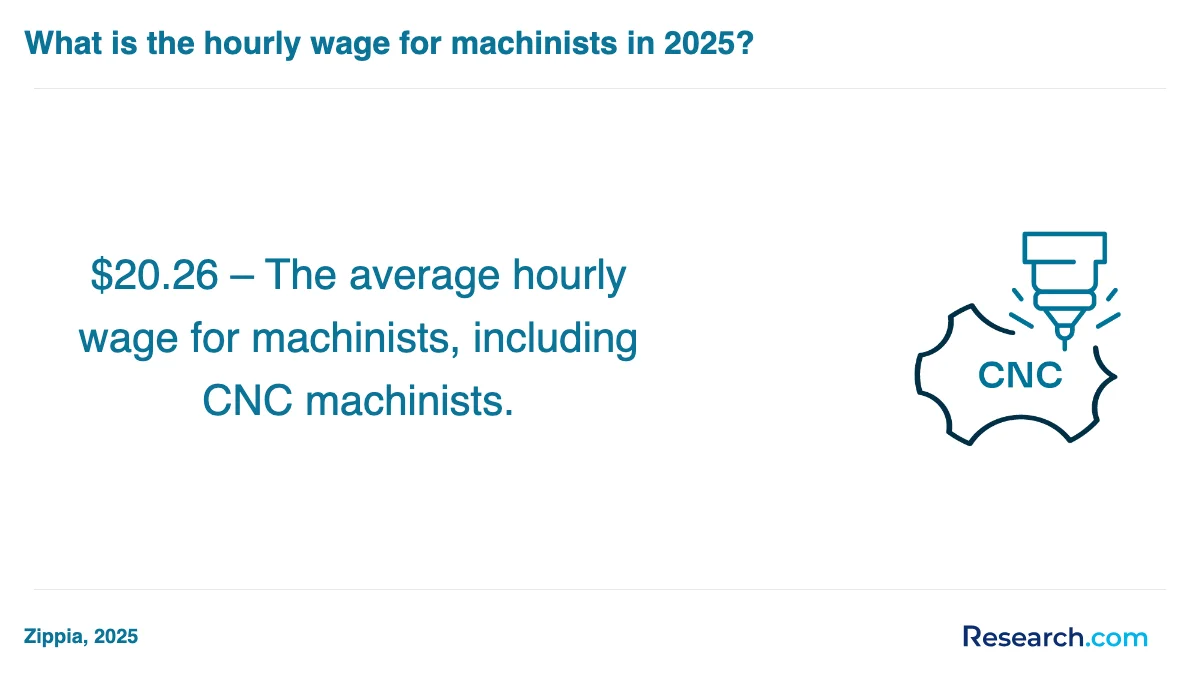
CNC machinist trade school programs in Florida typically include a mix of hands-on and theoretical courses designed to prepare students for real-world manufacturing roles. Graduates from schools like Eastern Florida State College and Manatee Technical College often highlight how fundamental machining courses gave them confidence in operating mills, lathes, grinders, and drill presses, forming a strong foundation for CNC technology.
Key courses include:
- Fundamental machining: mastering setup and operation of traditional machines
- CNC programming and operations: learning G-code, M-code, and CNC controller use to automate tasks
- CAD/CAM programming: designing parts digitally and translating designs for CNC machines, often using software like SolidWorks
- Multi-axis CNC training: hands-on experience with advanced 3, 4, and 5-axis machines, common in programs like Manatee Technical College's CNC Production Specialist
- Safety, precision measurement, and blueprint reading: essential skills for quality control and workplace safety
- Optional metal fabrication and welding: offered at places like Pensacola State College to broaden industry readiness
These courses, typically offered in certificate or diploma formats ranging from one semester to 600 hours, help students quickly gain practical skills that employers in Florida's manufacturing sector highly value.
CNC machining specializations in Florida trade schools commonly include multi-axis machining, CNC programming and CAD/CAM, and fabrication with welding. Graduates from Manatee Technical College often describe hands-on training with 3-, 4-, and 5-axis machines, equipping them to tackle complex aerospace or automotive components with confidence. Daytona State College and Eastern Florida State College emphasize mastering advanced CNC programming and industry-standard CAD/CAM software, preparing students to bridge digital designs and physical production seamlessly.
Other programs, such as those at Pensacola State College, blend CNC machining skills with fabrication techniques like MIG, TIG, and gas welding, expanding opportunities in metalworking industries. Many Florida CNC machinist certification options are integrated into curricula, including preparation for recognized credentials like the NIMS Level 1 and Autodesk CAM certifications, which enhance employability significantly.
Students may also opt for electives aligned with certifications such as CSWA and CSWP, common at Eastern Florida State College, fostering expertise that combines CNC machining with engineering design. For those pursuing the fastest online associates degree that pay well, these programs offer career-focused training that matches industry demands.
Choosing the best CNC machinist trade school program in Florida starts with examining the curriculum to ensure it covers essential skills like blueprint reading, CAD/CAM software, and hands-on machine operation. Graduates from Broward College praise its comprehensive course structure that thoroughly prepares them for real-world machining tasks. Affordability also plays a critical role-Eastern Florida State College's CNC Machinist College Credit Certificate offers in-state tuition around $1,250, making it a viable option among affordable CNC machinist programs Florida. Many students appreciate the blend of quality training and cost-effectiveness, particularly when financial aid opportunities are available.
Next, consider delivery method and certification outcomes. Atlantic Technical College's combination of classroom and hands-on training leads to certifications recognized statewide, which graduates often cite as pivotal to landing jobs. Additionally, Lake Technical College boasts strong industry connections, with alumni securing positions at companies like Lockheed Martin, enhancing graduates' confidence and motivation. Researching job placement rates and program reputation among best CNC machinist trade schools Florida is crucial.
For those balancing work and studies, looking into flexible learning formats and financial options can help. Exploring cheap online wooodworking trade school programs can also offer insights into managing costs and class schedules effectively.
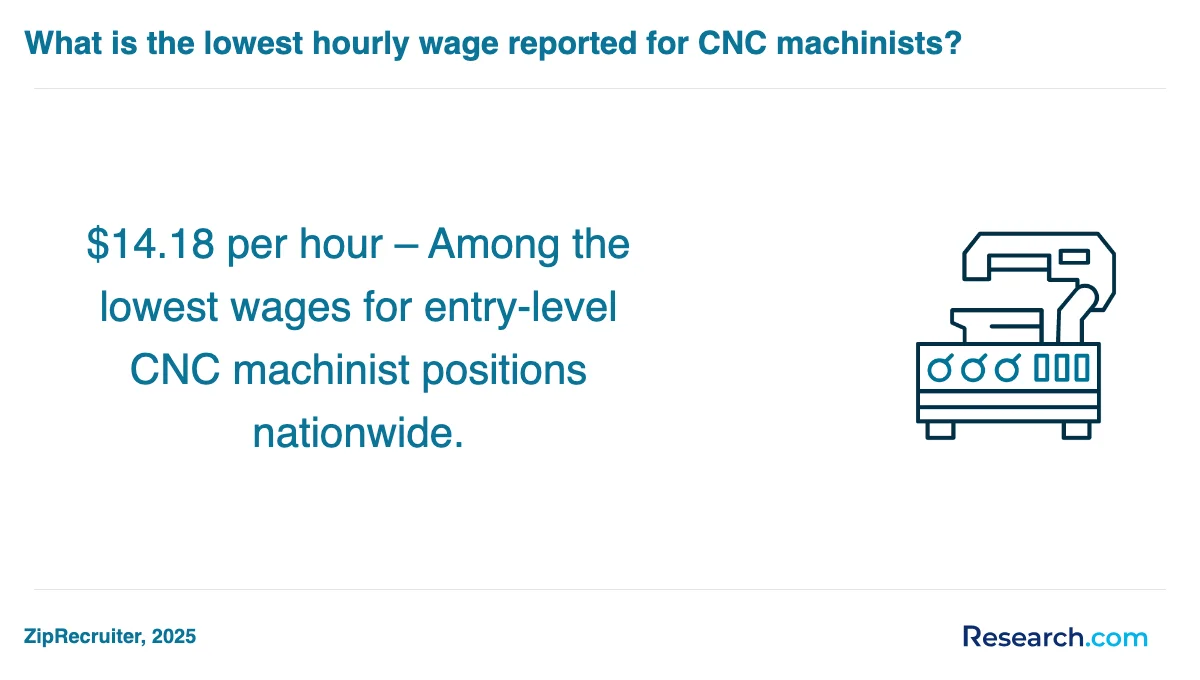
Graduates of CNC machinist trade school programs in Florida commonly start their careers as entry-level machinists, honing their skills by operating computer numerical control equipment to produce precision parts for diverse industries. Many find rewarding opportunities advancing into CNC programmer career opportunities Florida offers, where they develop and optimize the complex code that drives manufacturing machinery. This role demands a solid grasp of mathematics, CAD software, and blueprint reading, often taught hands-on at well-known trade schools across the state.
Some CNC machinist jobs in Florida lead to supervisory or management positions, where graduates oversee production teams and maintain quality control standards. Those with an inclination toward education often become technical instructors at vocational schools or community colleges, passing on knowledge to new students. Additionally, independent consulting is an appealing path for experienced professionals seeking flexibility by advising companies on manufacturing efficiency.
Graduates frequently report how hands-on training at Florida's trade schools empowered their transition into these dynamic roles, fueling excitement for the thriving job market. Those curious about certifications may explore which certification is easy to get that pay well to enhance their credentials further.
The job market for CNC machinist trade school graduates in Florida is currently modest, with hourly wages averaging $17.67 and annual salaries around $34,035-significantly lower than the national median. Graduates from popular Florida trade schools often describe the market as competitive due to limited openings, reflecting a state ranked lowest for CNC machinist wages. However, many find motivation in the opportunities for advancement, as roles such as CNC production engineers can offer salaries up to 160% higher with additional education or experience.
Despite hiring activity being described as "not very active," graduates appreciate the stable demand for skilled machinists nationally, which suggests future opportunities as experienced workers retire. Success often depends on pursuing further certifications or specializing, which Florida graduates find essential to stand out.
Students exploring options for CNC training may consider the most affordable cnc machinist training courses online to supplement hands-on experiences in Florida. Key points include:
- Average Florida CNC machinist salary is $17.67/hour, below the national average
- Career growth possible with advanced roles paying much more
- Job market characterized by limited but stable demand and increasing competition
Most Affordable CNC Machinist Schools & Training - Budget-Friendly CNC Trade Programs in Florida for 2026
# 1 position
Hillsborough Community College - Computer Numerically Controlled (CNC) Machinist Technology/CNC Machinist.
certificate or diplomaHillsborough Community College offers a hybrid Computer Numerically Controlled (CNC) Machinist Technology program that prepares students to operate CNC machine tools and perform machining functions. The curriculum covers CNC programming, setup, troubleshooting, blueprint reading, lathe and mill operations, technical math, CAD/CAM systems, and safety practices. Annual in-state tuition is $2,506. The program is accredited by the Southern Association of Colleges and Schools Commission on Colleges. Median earnings one year after completion are $24,327.
# 2 position
Pensacola State College - Computer Numerically Controlled (CNC) Machinist Technology/CNC Machinist.
certificate or diplomaPensacola State College offers a hybrid Computer Numerically Controlled (CNC) Machinist Technology program that trains students to operate CNC machine tools, including lathes and mills. The curriculum covers CNC programming, setup, operations, troubleshooting, blueprint reading, technical math, CAD/CAM systems, and safety practices. Annual in-state tuition is $2,348. The program is accredited by the Southern Association of Colleges and Schools Commission on Colleges.
# 3 position
Gulf Coast State College - Computer Numerically Controlled (CNC) Machinist Technology/CNC Machinist.
certificate or diplomaThe Computer Numerically Controlled (CNC) Machinist Technology program at Gulf Coast State College offers a hybrid format with some distance education options. It trains students to operate CNC machine tools, including lathes and mills, and covers setup, programming, troubleshooting, and blueprint reading. The curriculum includes technical mathematics, CAD/CAM systems, and safety practices. Annual in-state tuition is $2,370. The program is accredited by the Southern Association of Colleges and Schools Commission on Colleges.
# 4 position
Northwest Florida State College - Computer Numerically Controlled (CNC) Machinist Technology/CNC Machinist.
certificate or diplomaNorthwest Florida State College offers a hybrid Computer Numerically Controlled (CNC) Machinist Technology program that trains students to operate CNC machine tools including lathes and mills. The curriculum covers CNC setup, programming, blueprint reading, machining, CAD/CAM, and safety practices. The annual in-state tuition is $3,246. Graduates earn a median salary of $37,052 one year after completion. The program is accredited by the Southern Association of Colleges and Schools Commission on Colleges.
# 5 position
South Florida State College - Computer Numerically Controlled (CNC) Machinist Technology/CNC Machinist.
certificate or diplomaSouth Florida State College offers a hybrid Computer Numerically Controlled (CNC) Machinist Technology program that trains students to operate CNC machine tools, including lathes and mills. The curriculum covers CNC programming, setup, troubleshooting, blueprint reading, machining, CAD/CAM systems, and safety practices. The program’s annual in-state tuition is $3,165 and it is accredited by the Southern Association of Colleges and Schools Commission on Colleges.
# 6 position
Eastern Florida State College - Computer Numerically Controlled (CNC) Machinist Technology/CNC Machinist.
certificate or diplomaEastern Florida State College offers a hybrid Computer Numerically Controlled (CNC) Machinist Technology program that trains students to operate CNC machine tools, including lathes and mills. The curriculum covers CNC terminology, setup, programming, blueprint reading, machining, technical mathematics, CAD/CAM systems, and safety practices. The program’s in-state tuition is $2,496 annually and it is accredited by the Southern Association of Colleges and Schools Commission on Colleges.
# 7 position
Florida State College at Jacksonville - Computer Numerically Controlled (CNC) Machinist Technology/CNC Machinist.
certificate or diplomaFlorida State College at Jacksonville offers a hybrid Computer Numerically Controlled (CNC) Machinist Technology program that trains students to operate CNC machine tools for cutting, drilling, shaping, and finishing products. The curriculum covers CNC programming, setup, troubleshooting, blueprint reading, machining operations, technical math, CAD/CAM systems, and safety practices. Annual in-state tuition is $2,878. The program is accredited by the Southern Association of Colleges and Schools Commission on Colleges.
Frequently Asked Questions about CNC machinist
After finishing a CNC machinist trade school in Florida, preparing for the job market involves several important steps. First, graduates should obtain industry-recognized certifications such as those offered by the National Institute for Metalworking Skills (NIMS). These certifications improve employability and demonstrate practical skills to employers.
Networking is also crucial. Joining local trade associations or attending job fairs in Florida's manufacturing hubs can connect graduates with potential employers. According to the Florida Department of Economic Opportunity, CNC machinist jobs in the state are expected to grow by 6% through 2030, highlighting steady demand.
Additionally, creating a strong resume showcasing hands-on training and internship experiences gained during school can help graduates stand out.
Employers in Florida highly value CNC machinist graduates who demonstrate strong technical skills and precision. Proficiency in operating CNC machines, including programming with G-code and using CAD/CAM software, ranks among the top requirements.
In addition, graduates must show a solid understanding of blueprint reading and measurement tools to ensure accuracy in manufacturing processes. According to the Florida Department of Economic Opportunity, attention to detail and problem-solving abilities are critical for success in local manufacturing roles.
Communication skills and teamwork are also emphasized, as machinists often collaborate with engineers and supervisors.
Overall, combining technical expertise with practical experience gives graduates a competitive edge in Florida's growing CNC machining industry.
Finding internships in Florida relevant to CNC machinist trade school programs involves several strategic steps. Start by contacting your trade school's career services, as many schools maintain partnerships with local manufacturers and shops. According to the Florida Department of Education, schools often facilitate internships or apprenticeship placements, which can provide hands-on experience.
Additionally, explore industry-specific job boards such as the National Tooling and Machining Association's Florida chapter listings. Local manufacturing hubs, like those in Orlando and Tampa, frequently seek interns.
Networking through trade associations and attending job fairs dedicated to manufacturing careers can increase your chances of securing an internship. Many Florida companies value candidates with formal CNC training and offer paid internships that can lead to full-time employment.
Obtaining a CNC machinist diploma from a Florida trade school can significantly enhance career mobility and advancement opportunities. According to the Florida Department of Economic Opportunity, CNC machining jobs are projected to grow by 7% through 2030, reflecting steady demand in manufacturing sectors. A diploma validates practical skills and knowledge, making graduates more attractive to employers seeking qualified technicians.
Many Florida employers prefer candidates with formal training, as it reduces on-the-job training time. Graduates often qualify for higher entry-level wages compared to those without credentials, with average CNC machinist salaries in Florida exceeding $45,000 annually, per the U.S. Bureau of Labor Statistics.
Furthermore, a diploma can open pathways to supervisory roles or specialized positions involving programming and quality control, supporting upward career movement within the state's industrial landscape.
Part-time job opportunities in Florida that complement CNC machinist trade school education often include roles such as machine operator assistants, quality control inspectors, and tool maintenance helpers. These positions provide hands-on experience with manufacturing equipment and help students apply classroom knowledge in real-world settings.
According to the Florida Department of Economic Opportunity, the manufacturing sector employs over 350,000 workers statewide, with a growing demand for skilled machinists. Many local manufacturers offer part-time roles that align with CNC skills, which can improve employability after graduation.
Additionally, internships or apprenticeships with engineering firms or production shops offer valuable industry exposure while studying. These opportunities can enhance technical skills and build professional networks within Florida's manufacturing industry.
To choose the most affordable CNC Machinist degree program near you in Florida, start by researching community colleges and technical schools, as these institutions often offer cost-effective programs. Look for programs that provide hands-on training and certifications like the National Institute for Metalworking Skills (NIMS) credentials, as these can enhance employability. Consider utilizing resources like Research.com to explore reviews and compare tuition costs of various options near Florida to identify the best financial fit for your needs.
- Most Affordable CNC Machinist Schools & Training - Budget-Friendly CNC Trade Programs in Georgia for 2026
- Most Affordable CNC Machinist Schools & Training - Budget-Friendly CNC Trade Programs in Alabama for 2026
- Most Affordable CNC Machinist Schools & Training - Budget-Friendly CNC Trade Programs in North Carolina for 2026
- Most Affordable CNC Machinist Schools & Training - Budget-Friendly CNC Trade Programs in Arkansas for 2026
- Most Affordable CNC Machinist Schools & Training - Budget-Friendly CNC Trade Programs in Indiana for 2026
- Most Affordable CNC Machinist Schools & Training - Budget-Friendly CNC Trade Programs in Ohio for 2026
- Most Affordable CNC Machinist Schools & Training - Budget-Friendly CNC Trade Programs in Illinois for 2026
- Most Affordable CNC Machinist Schools & Training - Budget-Friendly CNC Trade Programs in Iowa for 2026
- Most Affordable CNC Machinist Schools & Training - Budget-Friendly CNC Trade Programs in Minnesota for 2026
- Most Affordable CNC Machinist Schools & Training - Budget-Friendly CNC Trade Programs in Michigan for 2026
- Everything You Want to Know About CNC Machining Training and Careers | UTI https://www.uti.edu/blog/cnc/everything-you-want-to-know-about-cnc-machining-training-and-careers
- How to Prepare for a Career as a CNC Production Specialist | OTC Blog https://blog.orangetechcollege.net/how-to-prepare-for-a-career-as-a-cnc-production-specialist/
- The Ultimate CNC Machinist Career Guide https://www.4cornerresources.com/career-guides/cnc-machinist/
- MACHINIST | So a question for you guys, I was told that a guy should be trained enough in a month to make money on jobs as a trainee CNC machinist | Facebook https://www.facebook.com/groups/769782850345135/posts/1616437482346330/
- Vocational training in Poland CNC operator bricklayer https://thinkeurope.de/blog/vocational-training-in-poland-cnc-machine-operator-bricklayer
- CNC Machining | Machinist looking to advance career | Practical Machinist - Largest Manufacturing Technology Forum on the Web https://www.practicalmachinist.com/forum/threads/machinist-looking-to-advance-career.358741/
- So You Want to be a CNC Machinist https://www.sme.org/sme-blog/posts/so-you-want-to-be-a-cnc-machinist/
- Best CNC Machinist Schools in Florida | Learn How to Become https://toptradeschools.com/near-you/cnc-machinist/florida/
- CNC Machinist Certificate Training | EFSC https://www.easternflorida.edu/academics/cnc-machinist/index.php
- Online CNC Machinist from College of Central Florida https://corporatetraining.cf.edu/training-programs/cnc-machinist/