Best CNC Machinist Training Programs & Trade Schools - Top CNC Schools in Tacoma for 2026

Co-Founder and Chief Data Scientist
Choosing the right CNC machinist trade school in Tacoma can feel overwhelming, but you’re not alone. This article introduces a carefully crafted CNC machinist trade school programs ranking developed by the Research.com team of data scientists to guide you through your options.
By exploring these top programs, you’ll discover opportunities that align with your goals and interests. Earning a diploma or certification in CNC machining opens doors to rewarding careers with hands-on skills and job stability.
Take this step confidently-your future in manufacturing starts here.
Key benefits of finishing CNC machinist trade school in Tacoma
- Graduates from CNC machinist trade schools in Tacoma can expect starting salaries around $40,000 annually, with the potential to earn up to $90,000 as they gain experience and skills.
- A recent graduate from a popular Tacoma trade school quickly secured a role at a local manufacturer, showing strong career growth opportunities in machining and advanced manufacturing fields.
- Completing a CNC machinist program online offers flexible scheduling and faster completion times, as experienced by an online graduate who balanced work and study while gaining valuable hands-on skills.
- Best CNC Machinist Training Programs & Trade Schools - Top CNC Schools in Tacoma for 2026
- What can I expect from CNC machinist trade schools in Tacoma?
- Where can I work after finishing CNC machinist trade schools in Tacoma?
What can I expect from CNC machinist trade schools in Tacoma?
Expect a hands-on, immersive experience when enrolling in a CNC machinist trade school program in Tacoma. Graduates from schools like Bates Technical College describe spending countless hours in modern labs, operating CNC mills and lathes, and mastering blueprint reading and precision measurement. The balance of classroom theory with real-world machine operation helps students build confidence in troubleshooting and programming CNC equipment.
Many students appreciate the supportive environment at Tacoma schools, where instructors provide personalized guidance and practical advice. Coursework often includes applied math, geometric dimensioning, and Lean manufacturing principles, preparing students for the realities of advanced manufacturing jobs.
Programs vary in length, from short certificates to associate degrees, allowing flexibility based on career goals. Graduates often highlight the value of industry-recognized certifications and the strong job placement support linked to local manufacturers. The sense of accomplishment from completing these rigorous programs encourages many to feel optimistic about their future in Tacoma's growing manufacturing sector.
Where can I work after finishing CNC machinist trade schools in Tacoma?
Graduates from CNC machinist trade schools in Tacoma often find themselves stepping confidently into roles at well-known local manufacturers like Demgy Pacific LLC and General Plastics Manufacturing Company. Many share how the hands-on training they received made the transition into full-time roles smooth and rewarding, with starting wages between $28 and $40 per hour. This real-world preparation opens doors to jobs not only in plastics manufacturing but also aerospace firms and precision machining businesses.
Some graduates describe moving on to larger employers such as Boeing or Precision Castparts Corp., where wages range from $33 to $55.65 per hour and include benefits like health insurance and retirement plans. The diversity of opportunities means you could be programming CNC machines one day and supporting production lines the next, gaining valuable experience to advance your career.
Many Tacoma trade school alumni highlight that entry-level positions offer on-the-job training, helping them quickly build confidence. Over time, they progress into programming or supervisory roles, enjoying a clear career path within the city's thriving manufacturing and engineering sectors.
After completing a CNC machinist trade school program in Tacoma, many graduates find themselves stepping into the workforce with confidence, earning starting salaries ranging from about $49,000 to $58,000 annually. For instance, graduates from popular Tacoma trade schools often share how landing a role as a CNC operator or assistant machinist translates to roughly $24 per hour, which adds up to nearly $49,461 a year. This initial pay allows new machinists to support themselves comfortably while building valuable skills.
Others who secure positions labeled simply as "CNC machinist" tend to see slightly higher wages, averaging around $25.46 per hour. Graduates who pursue additional certifications or specialize as CNC programmers can expect even better compensation, with hourly rates reaching approximately $28.51. Many recall feeling proud when their first paychecks reflected these rates, reinforcing their choice to study CNC machining in Tacoma.
Real-life experiences from local trade school alumni highlight how starting salaries are just the beginning. As skills sharpen and responsibilities increase, earnings naturally rise, making this field a promising path for those eager to grow in Tacoma's manufacturing sector.
- Tacoma offers CNC machinist programs at Bates Technical College and Clover Park Technical College, featuring hands-on training with both conventional and CNC machines.
- Program lengths vary from one quarter for certificates to about 18 months (six quarters) for associate degrees.
- Admission requires a high school diploma or GED and applicants must be at least 18 years old; some programs like the AJAC Manufacturing Academy have no-cost enrollment for eligible Washington State residents.
- Tuition ranges from approximately $5,361 to $11,110 depending on the program and residency, with some short-term programs available at no cost for qualified students.
- Employment rates are high, with a 96% placement rate reported for Bates' Advanced Machining graduates and starting salaries between $40,000 and $50,000 annually.
- Experienced CNC machinists in Tacoma can earn $60,000 or more, supported by strong local manufacturing demand and job placement assistance.
Completing a CNC machinist trade school program in Tacoma typically takes between 9 months to 1 year, depending on the school and the intensity of the curriculum. Many graduates from well-known Tacoma trade schools share that this timeframe balances hands-on training with essential theory, allowing them to quickly gain confidence operating CNC machines.
For instance, students often describe their experience as immersive yet manageable, with daily lab work simulating real manufacturing settings. This practical approach helps learners feel prepared to step directly into entry-level CNC machinist roles upon graduation.
Some Tacoma programs offer accelerated tracks where motivated students can finish in as little as 6 months, which appeals to those eager to enter the workforce swiftly. Meanwhile, others appreciate the more paced, comprehensive year-long programs that solidify foundational skills and industry knowledge.
Overall, the flexible completion times reflect Tacoma's commitment to supporting diverse student goals, whether that's rapid employment or thorough mastery of CNC machining concepts.
The main difference between online and on-campus CNC machinist programs in Tacoma lies in how students engage with the machinery. Graduates from Bates Technical College often share how the hands-on experience of working directly with CNC machines in a real shop builds confidence and deep understanding. They recall the satisfaction of mastering setup and troubleshooting under instructor guidance, which feels essential for real-world readiness.
In contrast, those who take Clover Park Technical College's online course appreciate the flexibility and innovative VR simulations that let them practice machining virtually. This approach suits students balancing work or family but leaves some wishing for more tactile skills. Many online learners see their program as a stepping stone, eager to combine it with in-person labs or apprenticeships to boost employability.
Ultimately, Tacoma students recognize that on-campus training often leads to stronger job placement and a more immersive, industry-aligned experience, fueling both skill and enthusiasm for a machinist career.
The average cost of CNC machinist programs in Tacoma varies but generally falls around $2,500 for comprehensive courses like the one offered by Tacoma Community College. Graduates from this program have shared how the tuition fee felt like a worthwhile investment given the hands-on experience in workholding, safety, and metal cutting, which prepared them well for entry-level positions. Students appreciate the balance between affordability and quality, especially when considering the detailed curriculum.
Tuition fees for CNC machinist schools in Tacoma can fluctuate depending on the program length and format. For example, apprenticeship programs such as those at the Machinists Institute combine classroom instruction with on-the-job training and often offer reduced tuition rates. Many apprentices in Tacoma find these options especially practical because they allow earning while learning, thus easing financial pressure and creating a real-world connection to their studies.
Aerospace-related apprenticeships also reduce college tuition by half, making programs more accessible. One graduate mentioned that attending an apprenticeship through the Aerospace Joint Apprenticeship Committee (AJAC) cut costs significantly, paying roughly $275 per quarter instead of full tuition and still gaining impressive skills in CNC programming.
Prospective students curious about tuition details sometimes explore various paths, including online opportunities or local options like Clover Park Technical College. For those interested, finding an online woodworking school nearby might offer insights into comparable costs and flexible scheduling, helping them tailor their education to both budget and career goals.

Many CNC machinist students in Tacoma find financial aid essential for pursuing their training, especially at well-known schools like Bates Technical College and Tacoma Community College. Graduates often recall applying for federal aid, such as Pell Grants and student loans, which require completing the FAFSA. This support can cover a significant portion of tuition, making it easier to focus on mastering CNC skills without overwhelming debt.
For those enrolled in non-credit courses, federal aid may not be available, but alternative options often come through state workforce programs or vocational rehabilitation, particularly for students facing employment challenges. Some students have shared how financing plans offered by schools or third-party providers helped bridge funding gaps when grants weren't enough.
Scholarships also play a key role; Bates Technical students frequently benefit from foundation scholarships, while many explore local or industry-sponsored awards aimed at expanding Tacoma's skilled manufacturing workforce. Programs like the AJAC Manufacturing Academy even offer no-cost training for eligible residents, amplifying opportunities for underrepresented groups.
Enrolling in a CNC machinist trade school program in Tacoma typically requires a few key prerequisites designed to ensure students are ready for the hands-on, technical nature of the training. Most programs expect applicants to have a high school diploma or GED, which guarantees foundational skills in math and reading-essential for interpreting blueprints and precision measurements.
Graduates from popular Tacoma trade schools often recall that basic computer literacy was invaluable, as CNC machinery relies heavily on computer programming. Some schools also encourage prior experience or coursework in shop classes or mechanical drawing to give students a confident head start.
Common prerequisites include:
- High school diploma or GED
- Basic math skills, especially in geometry and algebra
- Computer familiarity, particularly with CAD/CAM software
- Strong attention to detail and manual dexterity
- Ability to commit to hands-on learning and safety protocols
One graduate shared how having taken a local community college's introductory machining class made the transition smoother, sparking excitement rather than intimidation. Being prepared means feeling motivated and capable from day one, making the Tacoma CNC machinist programs a rewarding path for those ready to dive into this skilled trade.

Students in Tacoma's CNC machinist trade schools, like those at Bates Technical College, dive right into hands-on and technical learning designed to prepare them for real manufacturing roles. Graduates often recall the excitement of mastering fundamental courses such as:
- CNC Programming: Creating and troubleshooting G-code and M-code, the languages controlling machines, offers an immediate sense of accomplishment as students see their code bring parts to life.
- CNC Mill & Lathe Operations: Operating milling machines and lathes helps learners build confidence by physically setting up and running essential equipment.
- Measurement Applications: Using calipers and micrometers to ensure precision makes students appreciate the importance of accuracy in production.
More advanced courses push students further, such as diagnosing machine issues through CNC Troubleshooting or exploring software like CAM II that turns digital designs into real parts. Many students enjoy the challenge of multi-axis machining in Advanced CNC Machining classes, where complex parts come to life.
Electives such as Blueprint Reading and Manufacturing Math connect classroom theory to shop floor realities, helping students feel prepared and capable. Virtual reality simulations add a futuristic touch, letting students practice machining in a safe, immersive environment, a favorite among those balancing school with work.
These programs consistently emphasize industry readiness through projects and internships with local manufacturers, making education feel practical and rewarding every step of the way.
In Tacoma, CNC machinist trade school programs often include specializations that equip students with cutting-edge skills aimed at thriving in today's manufacturing environment. Graduates from popular institutions like Bates Technical College and Clover Park Technical College frequently highlight their training in advanced CNC programming and operations as essential in securing roles that demand precision and efficiency.
Key specializations available in Tacoma programs include:
- Advanced CNC Programming and Operations in Tacoma
- Precision Machining Techniques in Tacoma
These specializations involve mastering complex machine control languages and honing meticulous measurement skills, which connect directly to real-life scenarios like programming aerospace component parts or fabricating custom automotive pieces.
Students often describe their hands-on experiences at facilities that simulate real-world production floors, fostering confidence and readiness for manufacturing sectors that rely heavily on technical expertise and quick problem-solving. Such practical exposure enhances not only mechanical aptitude but also teamwork and critical thinking.
For those looking to quickly advance their career prospects while studying, exploring the fastest online associate degrees that lead to high paying jobs could complement the technical training received in these Tacoma-based CNC machinist programs.
When deciding among the best CNC machinist schools in Tacoma, graduates often emphasize the value of programs that combine strong hands-on training with modern industry practices. For example, students from Bates Technical College feel confident entering the workforce thanks to its extensive CNC mill and lathe experience, paired with coursework on automation and lean manufacturing. This practical approach ensures familiarity with current equipment like Fanuc and Haas machines, which employers seek.
Another key factor in how to compare CNC trade programs Tacoma is the student-to-faculty ratio. Graduates from Renton Technical College appreciate the personalized attention they received thanks to the 10:1 ratio, which made mastering technical skills less intimidating and more engaging. Flexibility in program length is also crucial; some opt for shorter certificate courses to quickly launch their careers, while others pursue associate degrees for deeper expertise.
Exploring options for cheap cnc machine training online can supplement local learning, offering further affordability and convenience. Considering job placement rates, curriculum relevance, and program adaptability will guide you toward the best fit in Tacoma's competitive machining education landscape.
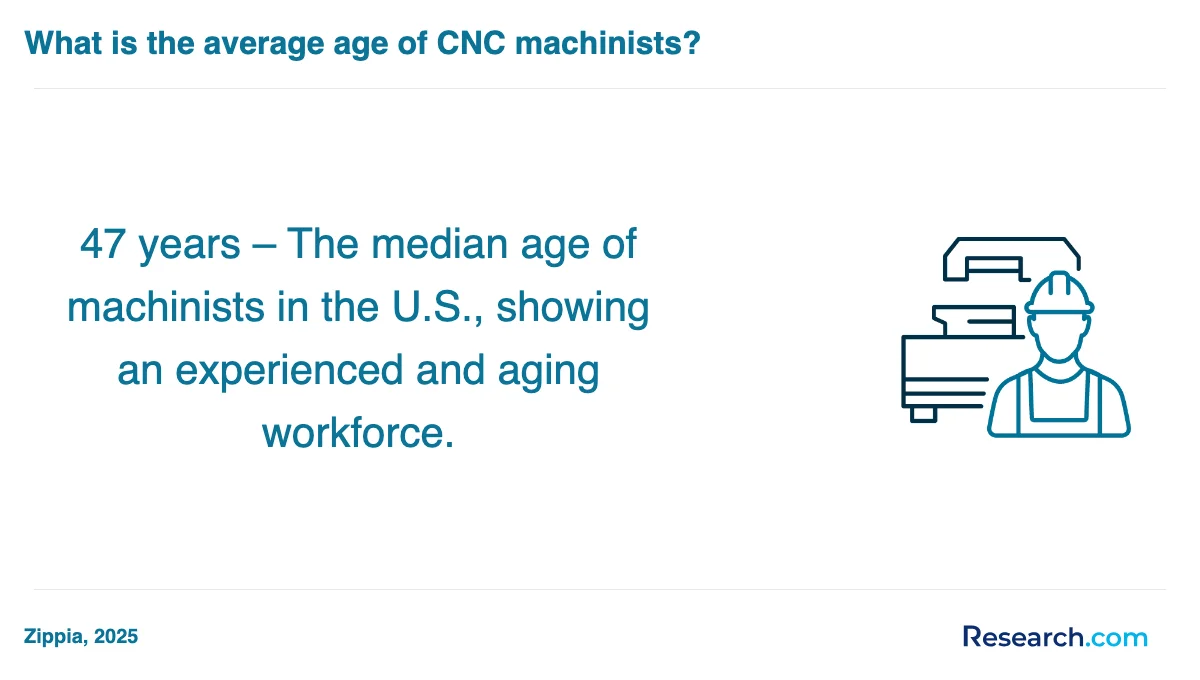
Graduates of CNC machinist trade schools in Tacoma often find a variety of promising career paths waiting for them. Many begin their journey as CNC operators or machinists, roles that provide hands-on experience with advanced manufacturing equipment. Popular Tacoma trade schools emphasize practical skills, enabling students to confidently enter the local job market where demand for roles like CNC machinist jobs in Tacoma WA is consistently high.
As experience grows, opportunities open toward more specialized positions such as CNC programmers, with career advancement reflecting both skill and certification. Graduates report feeling motivated stepping into CNC programmer career opportunities Tacoma thanks to competitive wages and supportive employers like Boeing and Precision Castparts Corp.
- Hands-on machinist or operator roles offering essential foundational experience
- Advanced CNC programming roles blending technical and creative problem-solving
- Supervisory or management positions in manufacturing settings
- Related fields including quality assurance or industrial maintenance
Graduates often highlight the value of comprehensive benefits and on-the-job training matched with solid pay, creating rewarding career trajectories. For those considering further education, exploring what is the highest paying associate degree can help amplify these options, making Tacoma a smart choice for CNC machinist training and career development.
The job market for CNC machinist trade school graduates in Tacoma is thriving, offering robust CNC machinist job opportunities in Tacoma WA that appeal to both recent graduates and seasoned professionals. Graduates from popular Tacoma trade schools often share how hands-on training and programming skills learned in their programs translate directly into competitive job offers from local leaders like Boeing and General Plastics Manufacturing Company. Entry-level hourly wages start near $21-$28, while skilled programmers can command $30-$55 per hour, reflecting the strong Tacoma WA CNC machinist salary and employment trends.
Recent graduates highlight benefits beyond pay, including bonuses, healthcare, and retirement packages. Many find themselves quickly employed due to demand fueled by automation growth and advanced manufacturing adoption. Key factors shaping this positive outlook include:
- Consistent job postings with 100+ openings in Tacoma and nearby cities
- Employers valuing up-to-date CNC programming knowledge
- Multiple pathways for career advancement within manufacturing sectors
For students in Tacoma considering CNC machinist training, these trends underscore a promising career path. Graduates often remark on the confidence gained by mastering skills that align perfectly with regional industry needs, making long-term employment prospects very encouraging. Exploring high paying trades can broaden understanding of how your CNC skills could fit into the local job market's dynamic landscape.
Best CNC Machinist Training Programs & Trade Schools - Top CNC Schools in Tacoma for 2026
# 1 position
Bates Technical College - Computer Numerically Controlled (CNC) Machinist Technology/CNC Machinist.
associateBates Technical College offers a hybrid Computer Numerically Controlled (CNC) Machinist Technology program that trains students to operate CNC machine tools like lathes and mills. The curriculum covers CNC terminology, setup, programming, blueprint reading, machining, and safety practices. Tuition for in-state students is $5,569 annually. The program is accredited by the Northwest Commission on Colleges and Universities, ensuring quality education and industry relevance.
# 2 position
Bates Technical College - Computer Numerically Controlled (CNC) Machinist Technology/CNC Machinist.
certificate or diplomaBates Technical College offers a hybrid Computer Numerically Controlled (CNC) Machinist Technology program that trains students to operate CNC machine tools, including lathes and mills. The curriculum covers CNC setup, programming, blueprint reading, machining, CAD/CAM systems, and safety practices. The program’s annual in-state tuition is $5,569. It is accredited by the Northwest Commission on Colleges and Universities and includes instruction on equipment capabilities and regulations.
Frequently Asked Questions about CNC machinist
After completing a CNC machinist trade program in Tacoma, preparing for the job market involves building practical experience and industry connections. Many graduates benefit from internships or apprenticeships, which help develop hands-on skills employers seek. According to the U.S. Bureau of Labor Statistics, CNC machining jobs in Washington state are expected to grow by 6% through 2032, indicating steady demand.
Networking with local manufacturers and attending job fairs in Tacoma can increase employment opportunities. Additionally, obtaining certifications like the National Institute for Metalworking Skills (NIMS) credential can enhance a resume and validate your expertise.
Continuing education and staying current with evolving CNC technologies also improve job prospects in this competitive field.
Employers in Tacoma highly value CNC machinist graduates who demonstrate strong technical skills, including proficiency in computer-aided manufacturing (CAM) software and precision measurement tools. According to the Washington State Employment Security Department, attention to detail and the ability to read complex blueprints are essential for success in this trade.
Problem-solving skills and adaptability also rank high, as machinists often need to adjust programming to accommodate material variances or machine limitations. Additionally, knowledge of safety protocols is critical, given the physical nature of the work environment.
Soft skills like teamwork and communication are increasingly important, enabling machinists to collaborate effectively on production lines. These combined skills improve job prospects in Tacoma's competitive manufacturing sector.
Finding internships relevant to a CNC machinist trade school program in Tacoma involves a combination of research and networking. Start by contacting local trade schools and community colleges, as many have established partnerships with manufacturers and machine shops that offer internships. Tacoma's manufacturing sector employs over 10,000 workers, creating opportunities for hands-on experience.
Utilize resources like the Washington State Department of Labor & Industries and the Tacoma-Pierce County Workforce Development Council. These organizations provide job listings and sometimes specific internship programs for skilled trades.
Additionally, attending local trade fairs and industry events in Tacoma can connect students directly with employers seeking CNC machinist interns. Online platforms like Indeed and LinkedIn also list internships but focus on positions located in the Tacoma area to find relevant opportunities.
Obtaining a CNC machinist trade school diploma in Tacoma significantly enhances career mobility and advancement opportunities. According to the Washington State Employment Security Department, skilled machinists with formal training experience higher employment rates and can access better-paying roles in Tacoma's manufacturing sector. Employers often prioritize candidates with diplomas because these programs cover essential skills like blueprint reading, CNC programming, and machine operation.
The diploma serves as proof of technical competence, making graduates eligible for positions such as CNC operator, programmer, or maintenance technician. Additionally, many Tacoma-based manufacturers offer internal promotions to diploma holders, linking education to wage growth and job stability.
Trade schools in Tacoma also build connections with local industries, increasing internship and apprenticeship prospects that directly impact career advancement. As CNC technology evolves, ongoing diploma-based education ensures machinists remain competitive in Tacoma's dynamic job market.
Part-time job opportunities in Tacoma that complement CNC machinist trade school education often involve roles in manufacturing and fabrication. Positions such as machine operators, tool setters, and production assistants provide practical experience alongside classroom learning. According to the Washington State Employment Security Department, Tacoma's manufacturing sector employs over 10,000 workers, showing a strong demand for skilled labor.
Internships or apprenticeships at local machine shops offer valuable hands-on training with CNC equipment. Additionally, roles in quality control or assembly lines help students understand product specifications and precision requirements. These jobs reinforce technical skills and improve employability after graduation.
Many employers in Tacoma prefer candidates familiar with industry software like CAD/CAM, which students can often practice during these part-time roles. This practical exposure bridges the gap between theory and application, enhancing career readiness.
To choose the best CNC Machinist degree program near Tacoma, WA, consider factors like curriculum, accreditation, and job placement rates, which ensure you receive quality education and valuable industry connections. Research.com can be a helpful resource to explore programs and universities offering CNC Machinist training both near Tacoma, WA, and in your broader geographic area. Visiting programs near me is also beneficial to get a firsthand look at their facilities and speak with faculty or current students about their experiences.
- Online CNC Machinist from Tacoma Community College https://careertraining.ed2go.com/tacomacc/training-programs/cnc-machinist/
- Advanced Machining - BatesTech - BatesTech https://www.batestech.edu/programs/advanced-machining/
- Tacoma, Washington CNC Machinist Programs https://www.trade-school.com/programs/CNC-Machinist/WA/Tacoma
- School of Advanced Manufacturing | Clover Park Technical College https://www.cptc.edu/programs/school-of-manufacturing
- How to Become a CNC Machinist: A Guide https://www.optistaffing.com/2022/05/01/how-to-become-a-cnc-machinist/
- The Computer Numerically Controlled (CNC) Machinist Tech Major at Bates Technical College - Trade College https://tradecollege.org/colleges/bates-technical-college/precision-production/precision-metal-working/cnc-machinist/
- Online CNC Machinist with VR Training (VR Headset v3 Included) from Clover Park Technical College https://careertraining.cptc.edu/training-programs/cnc-machinist-with-vr-training-vr-headset-v3-included/
- Most Focused Colleges for Computer Numerically Controlled (CNC) Machinist Technology/CNC Machinist in Washington https://www.collegefactual.com/majors/production-product-development/precision-metal-working/computer-numerically-controlled-cnc-machinist-technology-cnc-machinist/rankings/most-focused/far-western-us/washington/
- CNC Machinist | Minneapolis Community & Technical College https://minneapolis.edu/academics/school-trade-technologies/cnc-machinist
- CNC Machinist Technician | NAIT https://www.nait.ca/programs/cnc-machinist