Best CNC Machinist Training Programs & Trade Schools - Top CNC Schools in Minnesota for 2026

Co-Founder and Chief Data Scientist
Choosing the right CNC machinist trade school in Minnesota can shape your future career in manufacturing and precision machining. This article introduces a carefully researched ranking of CNC machinist trade school programs, developed by the Research.com team of data scientists.
By exploring this ranking, you’ll gain valuable insights into programs that stand out for quality and outcomes. Whether you’re starting fresh or advancing your skills, earning a diploma or certification in this field opens doors to rewarding job opportunities.
Take a confident step toward your goals with guidance designed to help you make an informed decision.
Key benefits of finishing CNC machinist trade school in Minnesota
- Graduates can expect an average hourly wage around $23.16 in Minnesota, with experienced machinists earning up to $32.49 per hour, leading to strong earning potential soon after completing trade school.
- CNC machinist graduates often find diverse career paths, including setup specialist and precision machinist roles, offering opportunities to grow skills and increase pay in Minnesota's manufacturing hubs.
- Completing a CNC machinist trade school online offers flexibility and accessibility, allowing students to balance learning with life commitments while gaining practical skills valued by local employers.
- Best CNC Machinist Training Programs & Trade Schools - Top CNC Schools in Minnesota for 2026
- What can I expect from CNC machinist trade schools in Minnesota?
- Where can I work after finishing CNC machinist trade schools in Minnesota?
What can I expect from CNC machinist trade schools in Minnesota?
Enrolling in a CNC machinist trade school program in Minnesota means engaging in hands-on training with state-of-the-art equipment, such as the 5-axis mills found at Minnesota State College Southeast. Graduates commonly describe spending most of their time in well-equipped machine shops, operating manual and CNC machines including mills, lathes, and EDMs, which closely simulate real manufacturing environments.
Students can expect a comprehensive curriculum covering CNC programming, blueprint reading, precision measuring, and industry-standard software like SolidWorks and Mastercam. Many programs emphasize creating 3D CAD models and converting them into CNC code to produce actual parts, making learning highly practical and rewarding.
Programs vary in length, from accelerated one-year diplomas to two-year associate degrees. Many students appreciate the opportunity to gain internships or part-time work with local manufacturers, providing valuable real-world experience and strong industry connections before graduation.
Overall, students feel confident and well-prepared to enter the workforce, often motivated by the competitive wages and career growth opportunities available in Minnesota's precision manufacturing sector.
Where can I work after finishing CNC machinist trade schools in Minnesota?
After completing a CNC machinist trade school program in Minnesota, graduates find a wide range of employment opportunities across the state's robust manufacturing sector. Many begin their careers at local manufacturing facilities, including precision machine shops and metal fabrication plants, where they contribute to producing custom components for industries like aerospace, automotive, and medical devices. Graduates from popular Minnesota trade schools often share how hands-on training prepared them to excel in roles such as CNC operator, programmer, or setup technician, making them valuable assets to employers.
Jobs are concentrated in urban hubs like Minneapolis, St. Paul, and Eagan, where over 400 CNC-related positions are available statewide. Success stories from recent graduates highlight rapid advancement into supervisory roles or specialized CNC programming positions, reflecting strong demand for skilled machinists. With pay rates ranging from $19 to $38 per hour, many enjoy benefits like health insurance and retirement plans. This career path offers both entry-level opportunities and growth potential within Minnesota's diverse manufacturing landscape.
After finishing a CNC machinist trade school program in Minnesota, graduates typically start with an hourly wage around $23.16, which translates to an annual income near $48,000. Many who trained at well-known Minnesota trade schools share experiences of quickly securing jobs with starting salaries between $45,000 and $57,000 per year. These figures reflect the practical skills and hands-on training that employers in cities like Minneapolis highly value.
Entry-level machinists often find themselves earning close to the median salary of about $50,347, with opportunities to increase pay as they gain experience and certifications. Some graduates mention receiving offers with hourly rates ranging from $20.38 up to $35.72, especially when their training included advanced CNC programming or precision machining techniques.
Working in manufacturing hubs around the Twin Cities, many find that overtime and seasonal demand can boost earnings further. For dedicated machinists starting at Minnesota trade schools, the path from trainee to skilled professional comes with clear financial rewards and steady career growth.
- Applicants must be at least 18 years old, and most programs prefer a high school diploma or GED, though some accept students without these credentials under specific conditions.
- Diploma programs typically last one to two years, with some accelerated options completing in as little as three semesters.
- Tuition ranges from $189 to $213 per credit hour, with total costs around $11,500 to $13,000 for a full 61-credit diploma; shorter courses may cost about $2,500.
- Curriculum includes hands-on training with manual and CNC machines, blueprint reading, CAD/CAM software, and precision measuring.
- The median wage for CNC machinists in Minnesota is approximately $34.85 per hour, with top earners making up to $41.78 per hour.
Completing a CNC machinist trade school program in Minnesota typically takes between 9 months and 12 months, depending on the school and the intensity of the curriculum. Popular trade schools in the state offer hands-on training that blends classroom instruction with real-world machining experience, allowing students to quickly gain the skills needed to enter the workforce.
Graduates from these programs often share how the compact timeframe allowed them to transition swiftly into CNC machining jobs, balancing their studies with personal commitments. For example, many appreciate how accelerated programs in Minnesota's top trade schools focus on practical application, which helps maintain motivation and fosters a sense of accomplishment early on.
The structured yet immersive environment at these schools creates a supportive atmosphere where students feel confident mastering complex CNC equipment. By the end of their program, they frequently describe feeling ready and excited to start their careers, thanks to the efficient pacing and hands-on learning tailored to Minnesota's manufacturing industry needs.
The key difference between online and on-campus CNC machinist trade school programs in Minnesota centers on hands-on training. Graduates from on-campus programs at schools like Minnesota State College Southeast and Saint Paul College often emphasize how invaluable it was to work directly on CNC mills and lathes daily. These programs immerse students in real machine shops, providing immediate instructor feedback and practical experience that builds confidence and skill rapidly.
In contrast, online CNC programs in Minnesota typically cover theoretical topics such as blueprint reading and safety but cannot fully replicate the tactile learning of machining. Students enrolled in hybrid models still need to complete substantial in-person lab hours-often 40 or more-to gain the critical physical skills required for success. Many find the hands-on sessions energizing and essential for mastering CNC operation, reinforcing that direct interaction with equipment is crucial for employability in Minnesota's manufacturing sector.
The average cost of CNC machinist trade school programs in Minnesota typically ranges between $3,000 and $3,500 per semester, depending on the school and credential type. For example, graduates from Minneapolis College's CNC Machinist Diploma program, which requires 45 credits total, highlight a tuition rate of about $3,080 per semester for 15 credits, excluding additional expenses like books and supplies. These costs represent common tuition fees for CNC machinist trade schools in Minnesota, balancing accessibility with quality education.
Students completing certificate programs, such as those offered by Minnesota State College Southeast, often face a slightly lower total tuition cost, around $3,000 for a 13-credit semester that emphasizes 70% hands-on training. Graduates often express satisfaction with the practical experience gained, which is crucial for successfully entering the workforce with confidence. Many appreciate how such programs integrate theoretical knowledge with real-world machine operation, which makes the expense feel worthwhile.
Financial aid can play a significant role in managing costs, with options including federal grants, scholarships specific to Minnesota State Colleges and Universities, and employer tuition assistance programs. Prospective students keen on pursuing this field should also research the highest paying associate degrees to make informed decisions that align with their career goals.

CNC machinist students in Minnesota benefit from multiple financial aid options that make training affordable and accessible. Graduates from schools like Anoka Technical College and Minnesota State College Southeast often recall how federal aid, especially Federal Pell Grants, provided crucial support without the burden of repayment. These grants, awarded based on financial need through the FAFSA, can cover thousands of dollars annually-up to about $7,395 for 2025-2026-helping students focus on mastering their skills rather than financial stress.
Many students also rely on federal student loans, such as Direct Subsidized and Unsubsidized Loans, which offer lower interest rates and manageable repayment plans compared to private loans. For Minnesota residents, the Minnesota State Grant further reduces costs, rewarding in-state students attending participating trade schools.
At Saint Paul College, graduates often highlight additional opportunities like industry-sponsored scholarships and paid internships, which provide both financial relief and valuable hands-on experience. Institutional scholarships and tuition-free initiatives at Minnesota State College Southeast also brighten the path for many, creating a supportive environment that encourages success in this high-demand field.
To enroll in a CNC machinist trade school program in Minnesota, candidates typically need a high school diploma or GED. This basic educational foundation ensures students are prepared for technical coursework. Graduates from well-known Minnesota trade schools often recall that strong math skills, especially in algebra and geometry, were essential from day one, helping them grasp CNC programming and blueprint reading more confidently.
Many programs also expect applicants to have:
- Basic mechanical aptitude or prior experience with tools, which boosts hands-on learning engagement
- Good hand-eye coordination and attention to detail, crucial for precision machining tasks
- Ability to pass a placement test or skills assessment, which some schools use to tailor instruction
- Strong commitment and a positive attitude, as students often balance intensive lab work and theory
One graduate shared how entering a Minnesota trade school with these prerequisites made adapting to the fast-paced environment easier, fueling their excitement to master CNC technology and secure a rewarding manufacturing career.

CNC machinist trade school programs in Minnesota typically begin with foundational courses that equip students with essential skills. Graduates often recall mastering manual machining operations on lathes, mills, and drills, gaining confidence by interpreting blueprints and technical drawings crucial for precise part fabrication. Safety training is emphasized early, ensuring students adopt proper workplace practices aligned with OSHA standards.
As training advances, students dive into CNC-specific courses where they operate and maintain industry-standard machines, including CNC mills, lathes, and specialized equipment like wire and sinker EDMs. Many find hands-on fixture design and tool selection exercises particularly rewarding, as these directly translate to real manufacturing challenges.
Programming classes teach the use of G-code and popular CAD/CAM software such as SolidWorks and Mastercam. Graduates from Minnesota's trade schools express pride in handling complex 4- and 5-axis CNC machines, a skill that significantly boosts employability.
Additional coursework often covers:
- Precision measurement techniques using coordinate measuring machines (CMM) and optical comparators
- Quality control processes ensuring parts meet strict industry specifications
- Troubleshooting and process optimization to improve production efficiency
Many students appreciate the blend of theory and extensive hands-on training found at top Minnesota programs, which prepares them for immediate success in the manufacturing sector.
In Minnesota, CNC machinist trade school programs include a range of specializations tailored to prepare students for versatile roles in manufacturing. Popular CNC machining specializations in Minnesota consist of:
- CNC Machine Tool Technology
- CNC Design and Manufacturing Technology
- CNC Service Technician
- CNC Toolmaking
- Advanced CNC Machine Technology
- Precision Machining
- Engineering and CNC
Graduates from programs like the CNC Service Technician diploma at Anoka Technical College share how this unique curriculum prepares them for hands-on maintenance and repair roles, making them confident and highly employable. Similarly, those who completed the CNC Toolmaking specialization at Saint Paul College emphasize the value of working directly with precision parts often used in aerospace and automotive industries. These examples highlight the effectiveness of advanced CNC training programs Minnesota offer in building specialized skills through immersive, practical learning environments.
Students considering a career in machining can leverage these targeted programs to acquire expertise that aligns well with industry demands. For those seeking accelerated paths, exploring options like the fastest associate degree online that pays well can complement specialized CNC training.
Choosing the best CNC machinist programs in Minnesota involves evaluating the program curriculum to ensure coverage of CNC programming, advanced machine setups, and CAD skills. Graduates from Minneapolis Community and Technical College often highlight how hands-on training with modern equipment boosted their confidence and job readiness in real manufacturing environments.
Flexibility is another critical factor. Schools like Anoka Technical College offer both online and in-person classes, which suits students balancing work or family commitments. Many graduates appreciate this adaptability, noting it made completing their education less stressful.
To compare Minnesota CNC trade school costs, consider tuition rates typically ranging from $175 to $260 per credit. Also, investigate financial aid options such as scholarships or grants to reduce expenses. For those seeking affordable alternatives, exploring a cheap online woodworking school can provide useful insights into cost-effective technical training.
Lastly, assess class sizes and job placement rates. Smaller ratios like the 34:1 at Anoka Technical College allow for personalized instruction, which many graduates say made complex concepts easier to grasp and increased their success in the field.
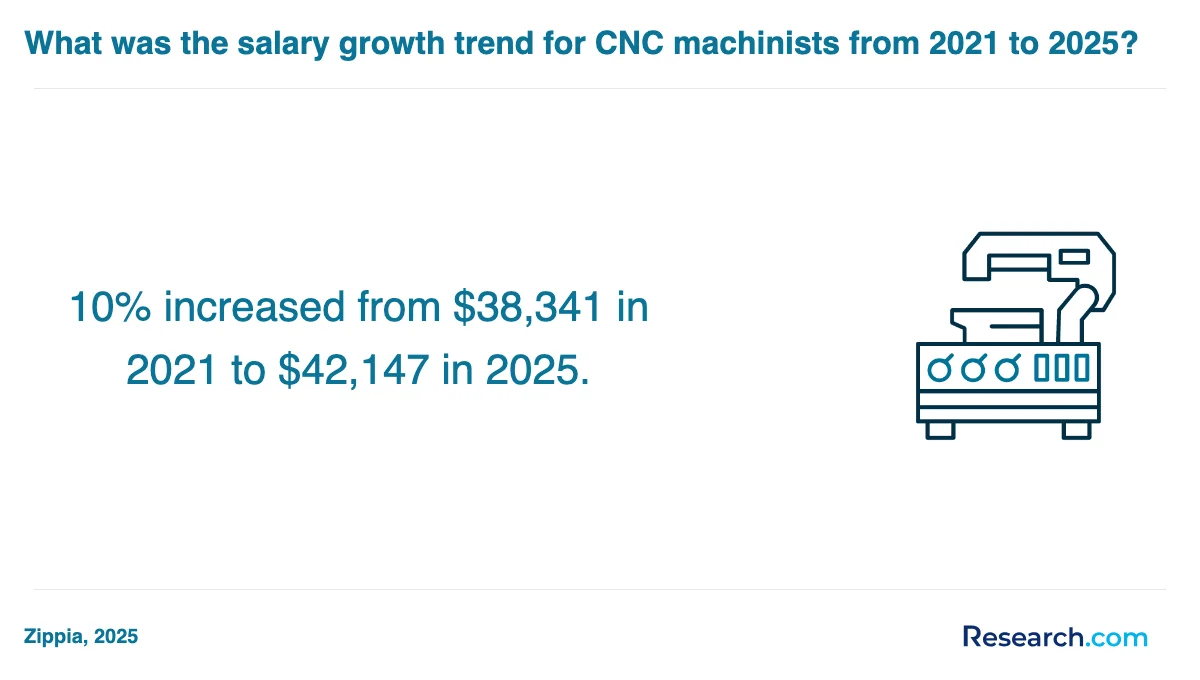
Graduates of CNC machinist trade school programs in Minnesota unlock a variety of career paths that reflect the state's thriving manufacturing industry. Popular entry points include roles like CNC machinist, machine operator, and production machinist, with opportunities across aerospace, automotive, and medical device sectors. Schools such as Anoka Technical College and Minnesota State College Southeast consistently prepare students for specialized positions, including CNC programmer and medical machinist, by offering hands-on training with industry-standard equipment.
Many graduates appreciate the clear advancement routes available. Career paths for CNC machinists in Minneapolis MN often lead to supervisory roles like lead machinist or manufacturing supervisor. Others explore process improvement, quality control, or technical sales, highlighting the versatility of skills gained in Minnesota trade schools.
For further credentialing, certifications such as CNC Machining Level 1 or Mastercam Certified Professional boost employability and earnings. Prospects seeking easy certification high paying jobs can benefit from such targeted upskilling in this competitive field.
The CNC machinist job market in Minnesota remains robust, with over 400 positions available statewide as of August 2025. Graduates from local trade schools often find opportunities spanning industries like medical device manufacturing, aerospace, and automotive sectors, which actively seek skilled machinists for roles in CNC programming and specialized Swiss CNC machining. Employers value technical training from established Minnesota schools, where students gain practical experience that translates into competitive offers ranging from $19 to $38 per hour, depending on expertise.
Graduates report positive employment experiences thanks to the state's stable manufacturing economy. Many share stories of quick placement in roles offering flexible hours and clear advancement paths, including leadership opportunities. Popular programs in Minnesota emphasize hands-on skills and industry-relevant curriculum, preparing students for immediate contribution in high-demand environments.
Key aspects of the CNC machinist employment outlook Minnesota include:
- A wide range of entry-level and experienced positions available statewide
- Competitive wages, with some niche roles paying up to $35 per hour
- Supportive employers eager to hire recent trade school graduates
- Strong career progression potential within respected local companies
For those exploring training options beyond in-person programs, the most affordable cnc machine training online offers flexible pathways to build essential skills recognized by Minnesota employers, enhancing both job prospects and earning potential in this thriving market.
Best CNC Machinist Training Programs & Trade Schools - Top CNC Schools in Minnesota for 2026
# 1 position
Hennepin Technical College - Computer Numerically Controlled (CNC) Machinist Technology/CNC Machinist.
associateHennepin Technical College offers a hybrid Computer Numerically Controlled (CNC) Machinist Technology program that trains students to operate CNC machine tools for cutting, drilling, shaping, and finishing parts. The curriculum covers CNC programming, setup, blueprint reading, machining operations, CAD/CAM systems, and safety practices. The program is accredited by the Higher Learning Commission. Annual in-state tuition is $5,881, and median earnings one year after completion are $59,829.
# 2 position
Hennepin Technical College - Computer Numerically Controlled (CNC) Machinist Technology/CNC Machinist.
certificate or diplomaHennepin Technical College offers a hybrid Computer Numerically Controlled (CNC) Machinist program that trains students to operate CNC machine tools, including lathes and mills. The curriculum covers CNC programming, setup, blueprint reading, CAD/CAM systems, and safety practices. Annual in-state tuition is $5,881. Graduates earn a median salary of $59,829 one year after completion. The program is accredited by the Higher Learning Commission.
# 3 position
Anoka Technical College - Computer Numerically Controlled (CNC) Machinist Technology/CNC Machinist.
associateAnoka Technical College offers a hybrid Computer Numerically Controlled (CNC) Machinist Technology program that trains students to operate CNC machine tools, including lathes and mills. The curriculum covers CNC terminology, programming, setup, troubleshooting, blueprint reading, machining, technical mathematics, CAD/CAM systems, and shop safety. Annual in-state tuition is $6,267. Graduates earn a median income of $51,747 one year after completion. The program is accredited by the Higher Learning Commission.
# 4 position
Anoka Technical College - Computer Numerically Controlled (CNC) Machinist Technology/CNC Machinist.
certificate or diplomaAnoka Technical College offers a hybrid Computer Numerically Controlled (CNC) Machinist Technology program that trains students to operate CNC machine tools, including lathes and mills. The curriculum covers CNC programming, setup, blueprint reading, machining, CAD/CAM systems, and safety practices. The program prepares students for technical roles with median earnings of $51,747 one year after completion and annual in-state tuition of $6,267. It is accredited by the Higher Learning Commission.
# 5 position
St Cloud Technical and Community College - Computer Numerically Controlled (CNC) Machinist Technology/CNC Machinist.
associateSt Cloud Technical and Community College offers a hybrid Computer Numerically Controlled (CNC) Machinist Technology program that prepares students to operate CNC machine tools like lathes and mills. The curriculum covers CNC programming, setup, troubleshooting, blueprint reading, technical math, CAD/CAM, and safety. The annual in-state tuition is $4,957. Graduates earn a median salary of $49,636 one year after completing the program. The program is accredited by the Higher Learning Commission.
# 6 position
St Cloud Technical and Community College - Computer Numerically Controlled (CNC) Machinist Technology/CNC Machinist.
certificate or diplomaSt Cloud Technical and Community College offers a hybrid Computer Numerically Controlled (CNC) Machinist Technology program that trains students to operate CNC machine tools, including lathes and mills. The curriculum covers CNC setup, programming, troubleshooting, blueprint reading, machining, CAD/CAM systems, and safety practices. Accredited by the Higher Learning Commission, the program's annual in-state tuition is $4,957, with median earnings of $49,636 one year after completion.
# 7 position
Ridgewater College - Computer Numerically Controlled (CNC) Machinist Technology/CNC Machinist.
associateRidgewater College offers a hybrid Computer Numerically Controlled (CNC) Machinist Technology program that trains students to operate CNC machine tools, including lathes and mills. The curriculum covers CNC programming, setup, operations, troubleshooting, blueprint reading, technical mathematics, CAD/CAM systems, and safety practices. In-state tuition is $6,109 annually. Graduates earn a median salary of $44,421 one year after completion. The program is accredited by the Higher Learning Commission.
# 8 position
Ridgewater College - Computer Numerically Controlled (CNC) Machinist Technology/CNC Machinist.
certificate or diplomaRidgewater College offers a hybrid Computer Numerically Controlled (CNC) Machinist Technology program that trains students to operate CNC machine tools for cutting, drilling, shaping, and finishing parts. The curriculum includes CNC programming, blueprint reading, technical mathematics, CAD/CAM, and shop safety. In-state tuition is $6,109 annually. Graduates earn a median income of $44,421 one year after completion. The program is accredited by the Higher Learning Commission.
# 9 position
Minnesota State College Southeast - Computer Numerically Controlled (CNC) Machinist Technology/CNC Machinist.
certificate or diplomaMinnesota State College Southeast offers a hybrid Computer Numerically Controlled (CNC) Machinist Technology program designed to teach operation and programming of CNC machine tools. The curriculum covers blueprint reading, lathe and mill operations, CAD/CAM systems, and shop safety. Accredited by the Higher Learning Commission, the program’s annual in-state tuition is $7,820. Graduates earn a median income of $49,342 one year after completion.
# 10 position
South Central College - Computer Numerically Controlled (CNC) Machinist Technology/CNC Machinist.
associateSouth Central College offers a hybrid Computer Numerically Controlled (CNC) Machinist Technology program that trains students to operate CNC machine tools including lathes and mills. The curriculum covers programming, setup, troubleshooting, blueprint reading, CAD/CAM systems, and safety practices. Annual in-state tuition is $6,146. Graduates earn a median salary of $41,527 one year after completion. The program is accredited by the Higher Learning Commission.
Frequently Asked Questions about CNC machinist
After completing a CNC machinist trade school in Minnesota, preparing for the job market involves several important steps. First, gaining hands-on experience through internships or apprenticeships can significantly improve employability. Many Minnesota manufacturers value practical skills demonstrated in real work environments. Additionally, obtaining industry-recognized certifications, such as those from the National Institute for Metalworking Skills (NIMS), can enhance a graduate's credentials.
Networking is also crucial. Joining local trade organizations or attending job fairs in Minnesota's manufacturing hubs helps connect with potential employers. According to the Minnesota Department of Employment and Economic Development, CNC machinist jobs are expected to grow steadily, reflecting a demand for skilled workers in the state.
Employers in Minnesota highly value CNC machinist graduates who demonstrate strong technical skills and practical experience. Proficiency in operating CNC machinery, including programming and troubleshooting, is essential. According to the Minnesota Department of Employment and Economic Development, 75% of local manufacturing employers prioritize candidates with hands-on training and the ability to read complex blueprints accurately.
In addition to technical expertise, employers seek graduates with good problem-solving skills and attention to detail to ensure precision in production. Familiarity with CAD/CAM software is increasingly important as Minnesota's manufacturing sector modernizes. Soft skills like teamwork and communication also play a critical role in workplace efficiency and safety.
Finding internships relevant to CNC machinist trade school programs in Minnesota involves several strategic steps. Start by contacting the career services offices at trade schools and community colleges, such as Hennepin Technical College or Dakota County Technical College, which often maintain relationships with local manufacturers.
Additionally, the Minnesota Department of Employment and Economic Development (DEED) provides resources and job listings tailored to manufacturing internships, including CNC machining roles. According to DEED, manufacturing remains a strong sector in Minnesota, employing over 300,000 workers, which increases internship opportunities.
Networking through industry associations like the Minnesota Tooling and Machining Association can also connect students with employers offering hands-on training. Finally, online platforms like MinnesotaWorks.net list apprenticeships and internships specific to CNC machining, helping students secure practical experience aligned with their trade school curriculum.
Obtaining a CNC machinist trade school diploma in Minnesota significantly enhances career mobility and advancement opportunities. Graduates gain hands-on experience with computer numerical control technology, a skill highly sought after by Minnesota's manufacturing sector, which employs over 300,000 workers statewide (Minnesota Department of Employment and Economic Development, 2023).
Diploma holders often qualify for entry-level positions that lead to higher-paying roles such as CNC programmer or supervisor. According to the U.S. Bureau of Labor Statistics, CNC machinists in Minnesota earn a median annual wage of approximately $50,000, with potential increases as skills and certifications grow.
Trade schools also provide networking opportunities and industry connections, which can facilitate job placement and career progression. Employers in Minnesota prioritize candidates with formal CNC training, making diplomas a valuable credential for long-term career growth.
Part-time job opportunities that complement CNC machinist trade school education in Minnesota often include positions in manufacturing facilities, machine shops, and fabrication companies. These roles allow students to gain practical experience with tools and equipment relevant to their studies.
According to the Minnesota Department of Employment and Economic Development, manufacturing jobs in the state are expected to grow by 2.3% annually through 2028, highlighting the demand for skilled workers. Part-time roles such as machine operator assistants or quality control technicians provide hands-on learning while supporting classroom instruction.
Additionally, internships or cooperative education programs offered through some trade schools can connect students with employers, enhancing both skills and employment prospects.
Yes, there are several CNC Machinist degree programs available near Minnesota that offer comprehensive training in computer numerical control (CNC) machine operations and related skills. Many community colleges and technical schools provide these programs, and prospective students can explore options such as diplomas, certificates, or associate degrees to find one "near me" that aligns with their career goals. Research.com can be a helpful resource in identifying programs that best match your preferences and location needs.
- Best CNC Machinist Training Programs & Trade Schools - Top CNC Schools in Wisconsin for 2026
- Best CNC Machinist Training Programs & Trade Schools - Top CNC Schools in Iowa for 2026
- Best CNC Machinist Training Programs & Trade Schools - Top CNC Schools in Michigan for 2026
- Best CNC Machinist Training Programs & Trade Schools - Top CNC Schools in Indiana for 2026
- Best CNC Machinist Training Programs & Trade Schools - Top CNC Schools in Ohio for 2026
- Best CNC Machinist Training Programs & Trade Schools - Top CNC Schools in Colorado for 2026
- Best CNC Machinist Training Programs & Trade Schools - Top CNC Schools in Oklahoma for 2026
- Best CNC Machinist Training Programs & Trade Schools - Top CNC Schools in Tennessee for 2026
- Best CNC Machinist Training Programs & Trade Schools - Top CNC Schools in Alabama for 2026
- Best CNC Machinist Training Programs & Trade Schools - Top CNC Schools in Georgia for 2026
- Machinist/CNC Technology - MCTC https://www.mctc.edu/programs/machinist-cnc-technology-2/
- CNC Machinist Technician : RRC Polytech: Program Explorer https://www.rrc.ca/explore/program/cnc-machinist-technician/
- Machinist-CNC Operator Certificate of Completion - Montgomery County Community College https://www.mc3.edu/degrees-and-programs/non-credit/industrial-and-manufacturing-training/machinist-cnc-operator-certificate
- CNC Machining - Machinist Career College https://www.mcc4me.org/advanced-programs/cnc-machining/
- CNC Machinist Technician | NAIT https://www.nait.ca/programs/cnc-machinist
- CNC Machinist | Minneapolis Community & Technical College https://minneapolis.edu/academics/school-trade-technologies/cnc-machinist
- Online CNC Machinist from Minnesota State College Southeast https://careertraining.southeastmn.edu/training-programs/cnc-machinist/
- CNC Design & Manufacturing Technology | Anoka Technical College https://www.anokatech.edu/programs/cnc-design-manufacturing-technology/
- Online CNC Machinist from St. Cloud State University https://careerbuilding.stcloudstate.edu/training-programs/cnc-machinist/
- Computerized Numerical Control (CNC classes) | CareerForce https://careerforce.mn.gov/training-programs/computerized-numerical-control-cnc-classes