Most Affordable CNC Machinist Schools & Training - Budget-Friendly CNC Trade Programs in South for 2026

Co-Founder and Chief Data Scientist
Choosing the right CNC machinist trade school can shape your future career and open doors to rewarding opportunities in the South. This article presents a carefully crafted ranking of CNC machinist trade school programs created by the Research.com team of data scientists to help you make an informed decision.
Whether you’re seeking a diploma or certification, gaining skills in CNC machining can lead to stable employment and personal growth. Explore the options and find the program that fits your goals and lifestyle.
Start your journey toward a promising career today with confidence and clarity.
Key benefits of finishing CNC machinist trade school in South
- Graduates can expect an average salary around $21.94 per hour in South Carolina, with experienced CNC machinists earning up to $25 or more, providing a strong financial foundation.
- Many graduates from popular South trade schools quickly find roles in manufacturing, aerospace, or automotive sectors, offering diverse and stable career opportunities.
- Completing a CNC machinist program online allows flexibility and faster completion, as shown by graduates who balance work and study while gaining practical skills without a traditional campus commitment.
- Most Affordable CNC Machinist Schools & Training - Budget-Friendly CNC Trade Programs in South for 2026
- What can I expect from CNC machinist trade schools in South?
- Where can I work after finishing CNC machinist trade schools in South?
What can I expect from CNC machinist trade schools in South?
Enrolling in a CNC machinist trade school program in the South means immersing yourself in a blend of hands-on training and classroom learning tailored to modern manufacturing demands. Graduates from schools like Pensacola State College in Florida describe the practical experience of operating CNC mills and lathes as both challenging and rewarding, giving them confidence to handle real-world tasks.
Expect to study blueprint reading, shop math, and safety protocols alongside CNC programming, often using industry-standard machines such as Haas equipment. Programs typically last from one semester to a year, accommodating both full- and part-time students. Tuition varies but is generally affordable at community colleges, making the investment manageable.
Many students appreciate the emphasis on earning recognized certifications like those from NIMS, which boost job prospects. Trade schools in South Carolina often provide strong job placement support, connecting learners with local manufacturers eager to hire skilled CNC operators. Financial aid options can ease the financial burden, allowing students to focus on mastering their craft.
While transfer options to associate degrees exist, the core experience is an intensive, skill-focused journey that prepares students for careers in a technology-driven industry with high demand and promising opportunities.
Where can I work after finishing CNC machinist trade schools in South?
Graduates of CNC machinist trade school programs in the South often find themselves welcomed by a diverse range of employers, from small metal fabrication shops to major aerospace and automotive manufacturers. Those attending popular trade schools in states like South Carolina and Alabama report quick transitions into roles such as CNC Machinist, Programmer, or Tool and Die Maker. One graduate shared how their hands-on training helped them confidently set up machines on day one at a local aerospace supplier.
Job openings are abundant, with South Carolina alone listing over 250 available positions. Many graduates appreciate the tangible career growth-starting in entry-level operator roles, then advancing into specialized programming or supervisory jobs. Employers value the practical skills taught in trade schools, which directly apply to tasks like machine programming and precision metal cutting.
Beyond traditional manufacturing plants, graduates find opportunities in medical device production and automotive parts companies, often with benefits like health insurance and 401(k) plans. Part-time and shift work options also give flexibility, which many new machinists find valuable while balancing family or further education.
Graduates from CNC machinist trade schools in the South often see starting salaries that are competitive with national averages, making the investment in their education worthwhile. For example, many graduates from well-known Southern trade schools report beginning hourly wages around $19 to $25, with some quickly moving up to $30 or more as they gain experience. One graduate shared how, just months after finishing a program in South Carolina, they landed a full-time role paying approximately $25.73 per hour, which translates to about $53,500 annually.
Entry-level earnings typically start near $36,650 per year, but this can rise rapidly with additional skills and certifications. Urban centers in states like Georgia and Texas tend to offer higher pay, sometimes pushing wages up to $40 per hour for seasoned machinists. Graduates often find that bonuses and overtime opportunities significantly increase their take-home pay, sometimes exceeding $80,000 annually. This real-world progression encourages many new machinists to feel optimistic about their financial future after completing a Southern CNC trade program.
- CNC machinist programs in the South typically last between 14 weeks and 18 months, depending on whether you pursue a certificate or an associate degree.
- Many programs include hands-on training with manual and computer-controlled machines, plus instruction in programming, blueprint reading, and precision measurement.
- Tuition costs range from $2,000 to $10,000, with trade schools generally charging $5,000 to $10,000 and community colleges offering lower prices.
- Entry requirements usually include a minimum age of 16 and often a high school diploma or GED, but some schools allow enrollment without one.
- Job prospects are strong with over 7,000 CNC machinists employed regionally and a median starting wage of $18.78 per hour, about $39,000 annually.
Completing a CNC machinist trade school program in the South typically takes between 9 to 18 months, depending on the depth of the curriculum and whether you attend full-time or part-time. Graduates from well-known Southern trade schools often share how this timeframe allowed them to balance hands-on training with the theory needed to excel in real workshops. For example, many students appreciate that in about a year, they can move from basic machine operation to programming complex CNC equipment confidently.
The intensity of these programs means students quickly see progress, which builds motivation and excitement. One graduate described the first months as an eye-opening experience, where mastering manual skills transitions into using advanced software-turning abstract concepts into tangible results. This rapid progression is common in Southern trade schools, where instructors emphasize practical application alongside foundational knowledge.
Because these programs are designed to meet local industry demands, the relatively short completion time helps students enter the workforce swiftly, often leading to rewarding job offers soon after graduation.
The core difference between online and on-campus CNC machinist trade school programs in the South centers on hands-on experience and flexibility. Graduates from on-campus programs at schools like Lake Area Technical College often describe the value of working directly with 23 CNC machines in fully equipped labs. This real-world practice builds confidence and skill through immediate instructor feedback and peer collaboration, which many find motivating and essential for mastering complex machining tasks.
Conversely, online students appreciate the ability to study at their own pace, fitting coursework around jobs and family life. Programs use virtual simulations and interactive modules to teach key concepts such as blueprint reading and CNC programming. However, these students sometimes express frustration over limited access to physical machines, which can hinder practical skill development.
Some South-based programs offer hybrid options, blending online theory with on-campus labs, allowing students to enjoy flexibility while gaining crucial hands-on training. Graduates often highlight this balance as ideal for real-world readiness and certification success.
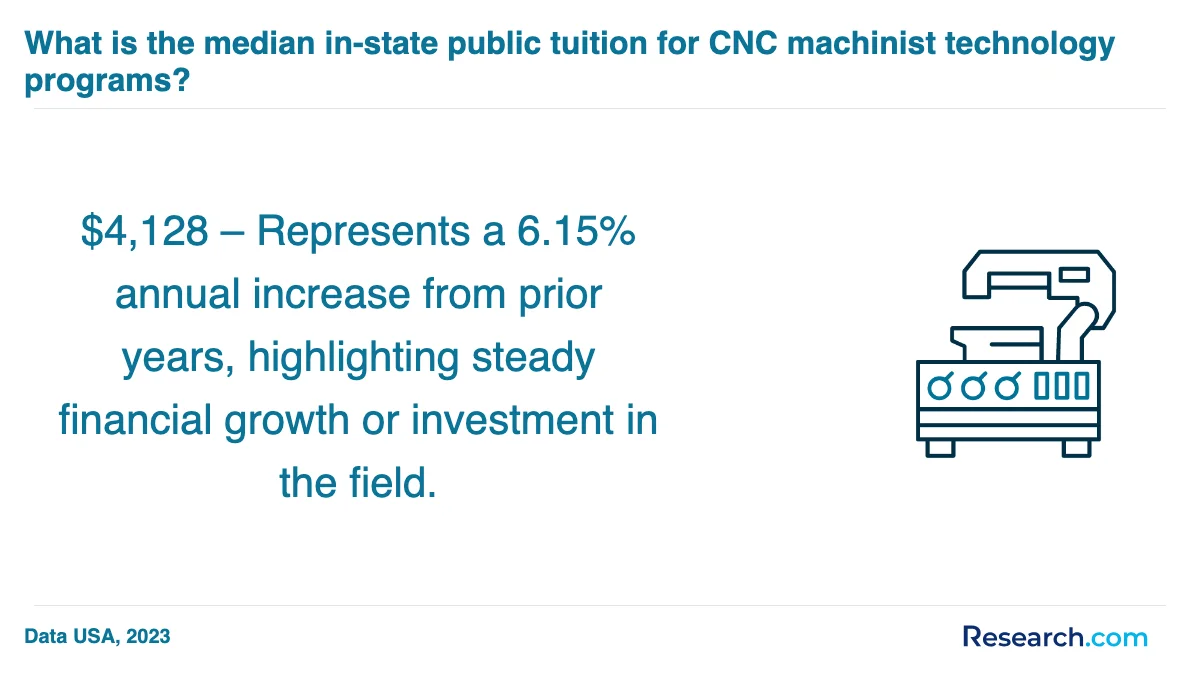
In the Southern United States, the average cost of a CNC machinist trade school program varies significantly depending on the program type and institution. Online certificate programs typically range between $2,245 and $2,445 for a 12-month curriculum, making them an attractive option for those seeking affordability and flexibility. Graduates from these programs often express satisfaction with how the courses cover essential skills such as workholding, inspection, metal cutting, and safety, all while balancing other responsibilities.
Associate degree programs, however, offer a broader educational experience and tend to cost more, between $6,629 and $8,440 annually. For example, Pitt Community College in North Carolina provides a CNC Machinist Technology program averaging $6,629 in net price per year. These graduates highlight the value of the more comprehensive training, which equips them with deeper knowledge and strengthens their job prospects in competitive Southern markets.
Vocational programs in this region show even wider cost variation, with averages around $15,407, reflecting differences in program length and institutional reputation. Prospective students focused on balancing cost and educational depth will find benefits in reviewing individual program details. For those interested in aligning cost with career outcomes, exploring options through the cheapest online associates degree programs can offer viable pathways to increasing qualification without excessive debt.
Students pursuing CNC machinist trade school programs in the South often find federal aid options limited, especially since many popular programs, like those at the University of South Alabama, are short-term and non-credit, thus ineligible for FAFSA or Pell Grants. Graduates frequently share how this reality prompted them to explore alternative funding routes rather than relying on traditional federal aid.
For many, workforce development boards and vocational rehabilitation programs become lifelines, offering tuition assistance when unemployment or career shifts create financial pressure. For instance, South Louisiana Community College's Precision Machining program encourages students to connect directly with workforce departments, where past enrollees have successfully secured partial or full tuition support, easing the burden significantly.
Scholarships, such as the Premier Equipment CNC Scholarship providing $2,000 annually, also play a crucial role. Graduates often express gratitude for these funds that helped cover books and living costs, making the training feel more attainable. Some schools enhance accessibility by offering in-house payment plans, allowing students to manage tuition in installments, a flexibility that many find reassuring during uncertain financial times.
Enrolling in a CNC machinist trade school program in the South typically requires a few key prerequisites that ensure students are prepared for the technical and hands-on nature of the training. Most schools expect applicants to have a high school diploma or GED, as foundational skills in math and reading comprehension are crucial. Graduates often recall that their basic algebra knowledge made understanding CNC programming much smoother.
Additionally, some programs ask for:
- Basic computer literacy, since CNC machines rely heavily on computer-aided design (CAD) and manufacturing (CAM) software
- A demonstrated interest in mechanical or technical fields, sometimes evidenced by prior experience or coursework in shop classes
- Physical ability to handle precise manual tasks and stand for extended periods
For instance, graduates from popular Southern trade schools often highlight how meeting these prerequisites helped them quickly adapt during practical labs, boosting their confidence and enthusiasm. These requirements aren't meant to intimidate but to set students up for success in a competitive, skill-driven environment.
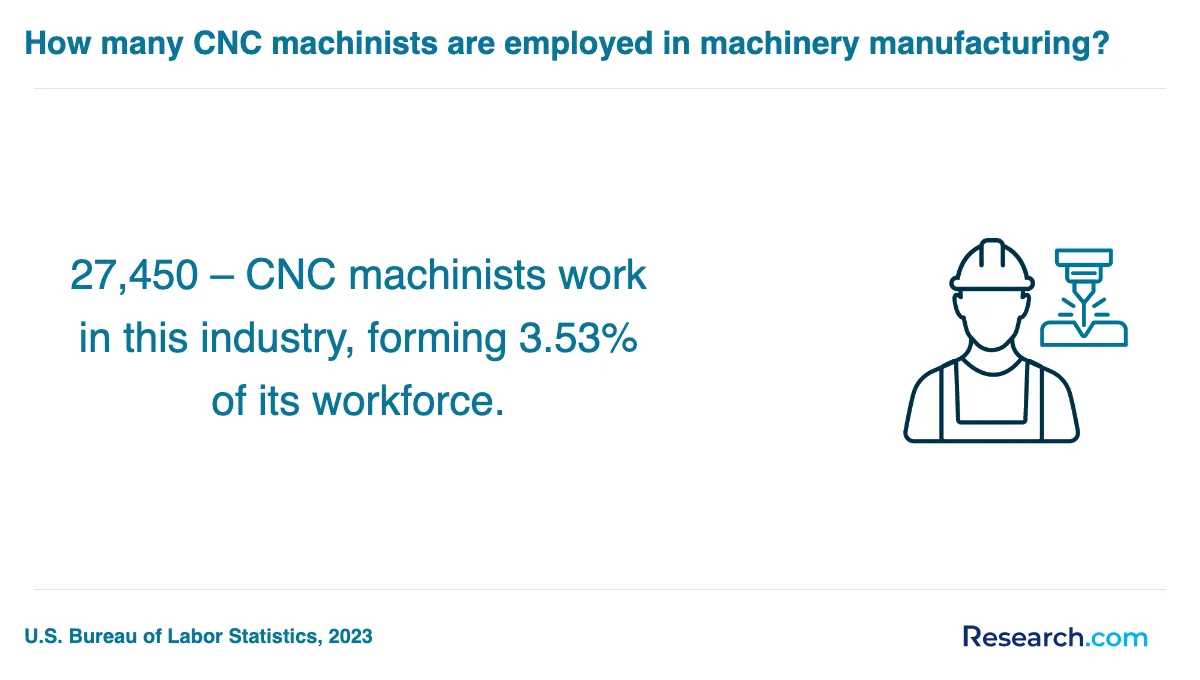
CNC machinist trade school programs in the South focus on hands-on, practical skills essential for modern manufacturing roles. Graduates often recall the balance between classroom theory and lab time as key to their confidence in operating CNC machines safely and efficiently.
Core courses typically include:
- Fundamentals of CNC operation, emphasizing machine setup and safety protocols, which ensure students can navigate real shop floors without hesitation.
- Technical mathematics, covering decimals, fractions, and geometric tolerances, crucial for precision work that graduates describe as "the backbone of accuracy."
- Use of precision measurement tools like micrometers and calipers, taught through real parts inspection exercises.
- Materials science and metal cutting, where students learn how different metals respond to cutting and finishing processes, often practicing with actual metal stock to understand workholding techniques.
- CNC programming, including G-code and M-code, supported by simulated and real-world machine operations that help students troubleshoot and refine programs confidently.
- Quality assurance and inspection techniques, reinforcing the importance of maintaining exacting standards in production.
These courses reflect the experiences of many Southern trade school graduates who feel well-prepared to enter the workforce with skills that meet industry expectations and certification requirements like NIMS CNC Operator Certification.
Students enrolling in CNC machinist trade school programs in South often find a variety of distinct specializations tailored to meet regional industry requirements. The focus on CNC machinist specializations in Southern trade schools typically includes CNC programming, which equips students with the skills to write and troubleshoot machine code-a must-have for graduates aiming for advanced technical roles. Graduates frequently share stories of hands-on experience programming complex parts using state-of-the-art equipment at popular Southern trade schools.
Other common South CNC machining program focus areas include:
- Precision machining, where students gain mastery over both manual and automated machine tools, earning certifications like NIMS Level 1.
- Quality control and inspection, training to use precise measuring instruments and uphold strict tolerance standards in manufacturing.
- Tool and die or mold making, focusing on blueprint reading, metallurgy, and CAD/CAM software for specialized fabrication tasks.
- Stackable credentials for roles in machine maintenance and production operations, allowing flexible and quick entry into the manufacturing workforce.
Graduates from Southern programs often highlight how these tailored tracks helped them adapt quickly to local industry demands, boosting their confidence and employability. For those seeking to accelerate their career with valued credentials, programs frequently incorporate short-term certificates that align well with high paying accelerated associates degrees online. This blend of targeted training and real-world application makes Southern CNC machinist programs uniquely relevant for students aiming to thrive in competitive manufacturing sectors.
Choosing the best CNC machinist trade school program in South involves assessing accreditation, curriculum rigor, and hands-on training opportunities. Graduates from Louisiana State University - Shreveport praise its SACSCOC accreditation, which assured them their qualifications held regional respect. Meanwhile, students from Broward College emphasize the value of practical CNC Manufacturing programs that integrate real machine operation with programming lessons, making their transition to the workplace smoother.
Cost is another crucial factor. Affordable CNC machinist programs in Southern states like Greenville Technical College offer competitive pricing without sacrificing quality, often coupled with financial aid, easing the burden for many. Accessibility also matters; Lawson State Community College's location in Birmingham allows local students to avoid costly commutes, improving attendance and focus.
Flexibility is vital for those balancing work and study. North Carolina Central University's fully online, self-paced course has empowered students to learn at their own speed, fitting education around busy lives. Additionally, strong job placement links, such as those maintained by Atlanta Technical College, give graduates confidence in finding employment quickly. If you're considering this path, exploring quick-to-learn trade jobs that lead to well-paying careers may offer valuable insight into your future prospects.

Graduates from CNC machinist trade school programs in South often find themselves stepping directly into in-demand roles such as CNC operators and machinists, where they set up and run precision equipment critical to industries like aerospace and healthcare. These roles offer competitive starting wages, especially in regions like South Florida and South Carolina, where entry-level pay ranges from $14 to $19 hourly. Many graduates share how hands-on training at prominent trade schools in South equipped them with practical skills that boosted their confidence entering the workforce.
Career progression is well-defined, allowing graduates to move into specialized or supervisory positions. Common advancement options include:
- CNC programmer
- Quality assurance (QA) technician
- Tool maker
- Shop foreman
Some graduates in South Louisiana embrace roles focusing on quality control inspection or machine maintenance, while others pursue leadership opportunities such as production supervisor or plant manager. These diverse paths align perfectly with manufacturing career opportunities in South Louisiana, where hands-on expertise is highly valued.
The trade-off for many is entering the workforce quickly without the burden of a four-year degree, supported by strong regional demand. For those exploring alternative routes to financial success, easy certifications for high paying jobs in CNC machining can be a rewarding choice.
The CNC machinist job outlook in the South presents a balanced picture of opportunity and challenge. Graduates from popular trade schools in Southern states often find steady employment, yet wages are generally lower than the national average, with places like South Dakota reporting hourly pay around $23.65. Many Southern machinists face salaries beneath the national median, which reflects local manufacturing hubs and cost of living. Still, graduates share positive feedback about hands-on learning that boosts confidence for entry-level positions.
Industry slowdowns tied to automation affect growth nationwide, but Southern states benefit somewhat from reshoring efforts that may increase demand. Graduates report that employers offer perks such as shift differentials and clear advancement paths, especially for skilled and adaptable machinists.
Key factors for those eyeing CNC machining employment trends Southern states include:
- Regional wage limitations balanced by affordability of living
- Employment stability with modest growth projections
- Benefits and upward mobility linked to experience and skill mastery
For prospective students in the South, carefully selecting training programs matters. Many explore affordable cnc machining online trade school programs that combine cost-effectiveness with practical skill development to maximize job readiness in this regional market.
Most Affordable CNC Machinist Schools & Training - Budget-Friendly CNC Trade Programs in South for 2026
# 1 position
Wiregrass Georgia Technical College - Computer Numerically Controlled (CNC) Machinist Technology/CNC Machinist.
associateWiregrass Georgia Technical College offers a hybrid Computer Numerically Controlled (CNC) Machinist Technology program that trains students to operate CNC machine tools for machining tasks like cutting, drilling, and shaping. The curriculum includes CNC programming, blueprint reading, CAD/CAM systems, and safety practices. Annual in-state tuition is $3,212. Graduates have median earnings of $26,147 one year after completion. The program is accredited by the Southern Association of Colleges and Schools Commission on Colleges.
# 2 position
Wiregrass Georgia Technical College - Computer Numerically Controlled (CNC) Machinist Technology/CNC Machinist.
certificate or diplomaWiregrass Georgia Technical College offers a hybrid Computer Numerically Controlled (CNC) Machinist Technology program that trains students to operate CNC machines, including lathes and mills. The curriculum covers CNC programming, setup, troubleshooting, blueprint reading, machining, CAD/CAM systems, and safety practices. The program’s annual in-state tuition is $3,212. Graduates earn a median salary of $26,147 one year after completion. The college is accredited by the Southern Association of Colleges and Schools Commission on Colleges.
# 3 position
Georgia Northwestern Technical College - Computer Numerically Controlled (CNC) Machinist Technology/CNC Machinist.
associateGeorgia Northwestern Technical College offers a hybrid Computer Numerically Controlled (CNC) Machinist Technology program that trains students to operate CNC machine tools for machining tasks like cutting, drilling, and shaping. The curriculum covers CNC programming, setup, operations, blueprint reading, technical math, CAD/CAM systems, and safety practices. Annual in-state tuition is $3,132. The program is accredited by the Southern Association of Colleges and Schools Commission on Colleges, with median earnings of $38,002 one year after completion.
# 4 position
Georgia Northwestern Technical College - Computer Numerically Controlled (CNC) Machinist Technology/CNC Machinist.
certificate or diplomaGeorgia Northwestern Technical College offers a hybrid Computer Numerically Controlled (CNC) Machinist Technology program that trains students to operate CNC machine tools like lathes and mills. The curriculum covers CNC programming, setup, troubleshooting, blueprint reading, technical math, CAD/CAM, and shop safety. The program’s annual in-state tuition is $3,132. Graduates have median earnings of $38,002 one year after completion. It is accredited by the Southern Association of Colleges and Schools Commission on Colleges.
# 5 position
Savannah Technical College - Computer Numerically Controlled (CNC) Machinist Technology/CNC Machinist.
certificate or diplomaThe Computer Numerically Controlled (CNC) Machinist Technology program at Savannah Technical College is a hybrid program preparing students to operate CNC machine tools, including lathes and mills. It covers CNC programming, setup, operations, troubleshooting, blueprint reading, technical math, and CAD/CAM systems. The program’s annual in-state tuition is $3,072. Graduates have median earnings of $41,604 one year after completion. It is accredited by the Southern Association of Colleges and Schools Commission on Colleges.
# 6 position
Oconee Fall Line Technical College - Computer Numerically Controlled (CNC) Machinist Technology/CNC Machinist.
associateOconee Fall Line Technical College offers a hybrid Computer Numerically Controlled (CNC) Machinist Technology program preparing students to operate CNC machine tools and perform machining functions. Instruction covers CNC terminology, setup, programming, blueprint reading, machining, lathe and mill operations, technical math, CAD/CAM systems, and safety practices. The annual in-state tuition is $3,201, and median earnings one year after completion are $38,673. The program is accredited by the Southern Association of Colleges and Schools Commission on Colleges.
# 7 position
Oconee Fall Line Technical College - Computer Numerically Controlled (CNC) Machinist Technology/CNC Machinist.
certificate or diplomaOconee Fall Line Technical College offers a hybrid Computer Numerically Controlled (CNC) Machinist Technology program that trains students to operate CNC machine tools for cutting, drilling, shaping, and finishing parts. The curriculum covers CNC programming, setup, troubleshooting, blueprint reading, technical math, CAD/CAM systems, and shop safety. The program’s annual in-state tuition is $3,201. It is accredited by the Southern Association of Colleges and Schools Commission on Colleges. Median earnings one year after completion are $38,673.
# 8 position
West Georgia Technical College - Computer Numerically Controlled (CNC) Machinist Technology/CNC Machinist.
certificate or diplomaWest Georgia Technical College offers a hybrid Computer Numerically Controlled (CNC) Machinist Technology program that trains students to operate CNC machine tools, including lathes and mills. The curriculum covers CNC programming, setup, operations, blueprint reading, CAD/CAM systems, and safety practices. The annual in-state tuition is $3,122. Graduates typically earn a median salary of $26,814 one year after completion. The program is accredited by the Southern Association of Colleges and Schools Commission on Colleges.
# 9 position
El Paso Community College - Computer Numerically Controlled (CNC) Machinist Technology/CNC Machinist.
certificate or diplomaEl Paso Community College offers a hybrid Computer Numerically Controlled (CNC) Machinist Technology program that trains students to operate CNC machine tools for cutting, drilling, shaping, and finishing products. Instruction covers CNC programming, setup, blueprint reading, machining, technical math, CAD/CAM systems, and safety practices. The program is accredited by the Southern Association of Colleges and Schools Commission on Colleges. Annual in-state tuition is $3,274, with median earnings of $25,419 one year after completion.
# 10 position
Hillsborough Community College - Computer Numerically Controlled (CNC) Machinist Technology/CNC Machinist.
certificate or diplomaHillsborough Community College offers a hybrid Computer Numerically Controlled (CNC) Machinist Technology program that prepares students to operate CNC machine tools and perform machining functions. The curriculum covers CNC programming, setup, troubleshooting, blueprint reading, lathe and mill operations, technical math, CAD/CAM systems, and safety practices. Annual in-state tuition is $2,506. The program is accredited by the Southern Association of Colleges and Schools Commission on Colleges. Median earnings one year after completion are $24,327.
Frequently Asked Questions about CNC machinist
After completing a CNC machinist trade school in South, preparing for the job market involves several key steps. First, graduates should obtain relevant certifications such as the National Institute for Metalworking Skills (NIMS) credentials, which are highly valued by employers in the manufacturing sector. According to the U.S. Bureau of Labor Statistics, CNC machinists in Southern states see steady job growth, making certification an important differentiator.
Next, building a strong resume showcasing hands-on experience gained during training is crucial. Many schools offer internship or apprenticeship opportunities with local manufacturers, providing practical exposure and networking.
Finally, students should utilize job placement services offered by their trade schools and attend local industry job fairs to connect directly with employers.
Employers in the South value CNC machinist graduates who demonstrate strong technical skills, including precision in operating CNC machinery and interpreting complex blueprints. Proficiency in computer-aided manufacturing (CAM) software is increasingly essential, as many shops rely on digital programming to optimize production.
Attention to detail and problem-solving abilities are critical, given the precision required in manufacturing parts to exact specifications. According to the U.S. Bureau of Labor Statistics, CNC machinist roles in Southern states like Texas and Georgia often demand familiarity with quality control processes and measurement tools.
Soft skills such as teamwork and communication also rank highly, as machinists frequently collaborate with engineers and supervisors to ensure efficient workflow. Overall, a blend of hands-on technical expertise and interpersonal skills enhances employability in this competitive field.
Finding internships relevant to CNC machinist trade school programs in South involves targeted research and networking. Start by consulting your trade school's career services, as many schools maintain partnerships with local manufacturers and machine shops. According to the National Association of Manufacturers, South hosts over 10,000 manufacturing firms, many offering internships for CNC machining students.
Additionally, explore local workforce development boards and state labor departments, which often list apprenticeship and internship opportunities. Websites like Apprenticeship.gov provide information on registered programs in the South that combine on-the-job training with classroom instruction.
Networking through industry events, trade associations such as the Precision Machined Products Association (PMPA), and online platforms like LinkedIn can also uncover hidden internship openings. Early application and demonstrating familiarity with CNC software increase your chances of placement.
Obtaining a CNC machinist trade school diploma in South significantly enhances career mobility and advancement opportunities. According to the U.S. Bureau of Labor Statistics, CNC machinists with formal training earn a median wage 15% higher than those without specialized education. Trade schools in South equip students with hands-on skills and industry certifications, which local manufacturers highly value. This practical experience often leads to quicker job placement and eligibility for higher-level positions such as CNC programmer or production supervisor.
Data from the National Center for Education Statistics show that diploma holders in technical fields in South have a 20% higher employment rate within six months after graduation compared to non-certified workers. Additionally, the region's growing manufacturing sector, supported by state workforce initiatives, actively recruits graduates from accredited CNC programs, fostering upward mobility.
Part-time job opportunities in South that complement CNC machinist trade school education often include positions in manufacturing facilities, machine shops, and maintenance departments. These roles provide hands-on experience with CNC machinery, tooling, and quality control processes. According to the U.S. Bureau of Labor Statistics, South has a growing manufacturing sector, employing thousands of CNC operators and machinists.
Students may find part-time work as machine operators, tool setters, or production assistants, allowing them to apply classroom knowledge in real-world settings. This practical experience enhances technical skills and improves job prospects after graduation. Local job boards and community college career centers are useful resources for finding such positions.
To find the most affordable CNC Machinist degree program near you in the South, consider visiting community colleges and technical institutions that are known for offering vocational training programs. Utilize online resources such as Research.com to compare tuition costs and curriculums for programs near South to see what options are available in your region. Additionally, reaching out to local industry professionals for recommendations on programs near me can be a practical approach to identifying cost-effective educational opportunities.
- Machinist/CNC Technology - MCTC https://www.mctc.edu/programs/machinist-cnc-technology-2/
- CNC Machinist Technician : RRC Polytech: Program Explorer https://www.rrc.ca/explore/program/cnc-machinist-technician/
- Machinist-CNC Operator Certificate of Completion - Montgomery County Community College https://www.mc3.edu/degrees-and-programs/non-credit/industrial-and-manufacturing-training/machinist-cnc-operator-certificate
- CNC Machining - Machinist Career College https://www.mcc4me.org/advanced-programs/cnc-machining/
- Machining CNC Certificate Program in South Florida https://www.atlantictechnicalcollege.edu/machining-technologies/
- Online CNC Machinist from South Plains College https://careertraining.southplainscollege.edu/training-programs/cnc-machinist/
- Online CNC Machinist from South Central College https://careertraining.southcentral.edu/training-programs/cnc-machinist/
- Top CNC Machinist Programs in South Dakota | How to Become https://toptradeschools.com/near-you/cnc-machinist/south-dakota/
- Machining Technology https://www.sait.ca/programs-and-courses/diplomas/machining-technology
- CNC Machinist https://www.broward.edu/academics/imct/engineering-technology/cnc-machinist.html