Best CNC Machinist Training Programs & Trade Schools - Top CNC Schools in South Carolina for 2026

Co-Founder and Chief Data Scientist
Choosing the right CNC machinist trade school in South Carolina can shape your future career and open doors to exciting opportunities. This article presents a carefully crafted ranking of CNC machinist trade school programs created by the Research.com team of data scientists.
By exploring these top programs, you’ll gain insight into which schools offer valuable training and certifications that employers respect. Earning a diploma or certification in CNC machining can boost your skills, confidence, and job prospects in a growing industry.
Read on to find the best options tailored to your goals and start building a rewarding career.
Key benefits of finishing CNC machinist trade school in South Carolina
- Graduates can expect competitive salaries, with entry-level CNC machinists in South Carolina earning between $41,820 and $51,090 annually, and experienced machinists making up to $30-$40 per hour in top cities.
- Career paths include roles like CNC setup specialist or Swiss machinist, offering growth and specialization opportunities, as shown by successful alumni from popular trade schools in South Carolina.
- Completing a CNC machinist program online offers flexibility and quicker entry into the workforce, with graduates praising the balance it provides compared to traditional degrees.
- Best CNC Machinist Training Programs & Trade Schools - Top CNC Schools in South Carolina for 2026
- What can I expect from CNC machinist trade schools in South Carolina?
- Where can I work after finishing CNC machinist trade schools in South Carolina?
What can I expect from CNC machinist trade schools in South Carolina?
Enrolling in a CNC machinist trade school program in South Carolina means immersing yourself in both hands-on training and classroom learning, often in state-of-the-art labs found at schools like Greenville Technical College or York Technical College. Graduates recall spending time mastering blueprint reading and precision measurement, skills that transform abstract designs into tangible parts.
Expect to operate and program CNC machines, using industry-standard CAD/CAM software alongside traditional tools such as milling machines and lathes. Many students highlight how CMM training sharpened their attention to detail, essential for maintaining quality in fast-paced manufacturing environments.
Students appreciate that these programs, accredited by the National Institute for Metalworking Skills, align with real-world demands. Graduates often share how earning NIMS certifications boosted their confidence and employability, opening doors to roles as CNC operators or programmers in South Carolina's thriving manufacturing sector.
Financially, the investment feels worthwhile as job placement rates are high and wages competitive, making the journey both practical and rewarding for those passionate about precision machining.
Where can I work after finishing CNC machinist trade schools in South Carolina?
Graduates of CNC machinist trade schools in South Carolina often find themselves stepping directly into vibrant manufacturing environments across the state. Many recall the excitement of their first job offers from companies in Columbia or Summerville, where they operate sophisticated CNC machines producing automotive or aerospace parts. The hands-on training at well-known trade schools prepares them to confidently set up lathes and mills, making the transition to roles like CNC Operator or Tool and Die Maker seamless and rewarding.
Others share how their skills landed them positions in tool and die shops or medical device manufacturers, where precision and attention to detail are valued every day. The ability to meet tight tolerances and maintain advanced machinery opens doors to careers with competitive wages and benefits, often exceeding initial expectations. For those eager to grow, options expand into maintenance technician or process engineer roles, reflecting a career path shaped by both experience and ambition within South Carolina's thriving manufacturing sector.
After finishing a CNC machinist trade school program in South Carolina, many graduates find themselves stepping into jobs that offer solid starting wages. For example, a typical entry-level machinist earns around $21.94 per hour, which translates to about $45,600 annually if working full time. Graduates from well-known trade schools in the state often share how this initial pay provides a real sense of accomplishment and financial independence shortly after completing their training.
New machinists frequently start near $18 to $22 per hour, gradually moving up as they gain hands-on experience and certifications. One graduate described feeling encouraged when, after just a year, their hourly wage increased to nearly $25, reflecting their growing skills and confidence. Some with several years of experience or specialized training even report earning $30 to $40 per hour, showing the potential for continued growth.
Though South Carolina ranks last nationally for machinist pay, many find the lower cost of living balances this out, making CNC machinist careers both attainable and rewarding.
- Admission requirements vary by school, with most programs accepting high school graduates or GED holders; some require placement tests or basic math skills.
- Program lengths range from certificates under one year to associate degrees taking about two years, covering skills like blueprint reading, machine setup, and CAD/CAM software.
- Tuition costs for in-state students range from approximately $4,778 to $9,410 per year, with financial aid options including federal aid, state grants, scholarships, and work-study programs.
- Many programs are accredited by industry bodies like the National Institute for Metalworking Skills (NIMS), ensuring training meets manufacturing standards.
- Starting salaries for CNC machinists in South Carolina range from $35,000 to $45,000 annually, with experienced workers earning over $60,000 depending on specialization and employer.
- Job placement rates are high due to partnerships with local employers, offering roles such as CNC operator, machinist apprentice, tool and die maker, and quality control specialist.
Completing a CNC machinist trade school program in South Carolina typically takes between 9 months to 12 months, depending on the intensity and structure of the course. Many trade schools in the state offer flexible schedules that allow students to balance work or family commitments while gaining hands-on experience. Graduates often share how this timeframe feels just right-not too rushed, yet focused enough to build confidence on CNC machines.
For example, students at well-known South Carolina trade schools find themselves immersed in real-world projects soon after starting, which accelerates learning. They describe the journey as both challenging and rewarding, with each week bringing new skills and a growing sense of achievement. The compact duration means you can start working in the field relatively quickly, which motivates many to push through the more demanding parts of the program.
In essence, the typical completion time offers a balance between thorough training and practical readiness, allowing students to step into CNC machining roles with confidence and pride.
The difference between online and on-campus CNC machinist trade school programs in South Carolina lies mainly in how students experience their learning journey. Graduates from online programs like the University of South Carolina Upstate often appreciate the flexibility to study around work or family commitments, accessing lessons on machining math, blueprint reading, and safety at their own pace. They describe the convenience of virtual classes but admit that relying on simulation software sometimes leaves them wishing for more hands-on practice.
In contrast, students at Greenville Technical College or Trident Technical College frequently share stories of working directly on multi-axis CNC machines in well-equipped campus shops. This immersive environment, combined with instructor guidance, helps them build confidence and real-world skills. Many recall the excitement of completing projects under supervision and connecting with local employers, which often leads to apprenticeships. The tactile experience and industry networking available on campus create a sense of readiness and pride that many find invaluable.
The average cost CNC machinist trade school South Carolina reflects a range that often surprises prospective students. Most tuition fees hover between $4,000 and $12,000, with Greenville Technical College offering a program costing between $4,778 and $9,410, while Trident Technical College charges from $5,143 to $8,690. Graduates often recall the decision process vividly, emphasizing how understanding these CNC machinist program tuition fees South Carolina helped them budget realistically for their education journey.
Beyond tuition, students must anticipate expenses like books and materials, which can add $500 to $1,000 to the total. Additionally, program-specific equipment costs may range from $500 up to $5,000, reflecting the hands-on nature of CNC machining training. Many graduates recount the satisfaction of investing in quality tools that boosted their confidence and skill mastery during the program.
Financial aid opportunities also play a vital role. The South Carolina Higher Education Tuition Grants program, for example, offers up to $3,600 for those attending accredited trade schools, which can significantly alleviate financial pressure. Students who carefully researched aid options often found this support crucial to realizing their dreams.
Choosing between public, nonprofit, and for-profit schools influences costs, with public and nonprofit options typically more affordable. For prospective students seeking even more affordable pathways, various low cost online cnc machining courses provide flexible alternatives that fit different lifestyles and budgets, allowing aspiring machinists to pursue their goals without compromising financial stability.
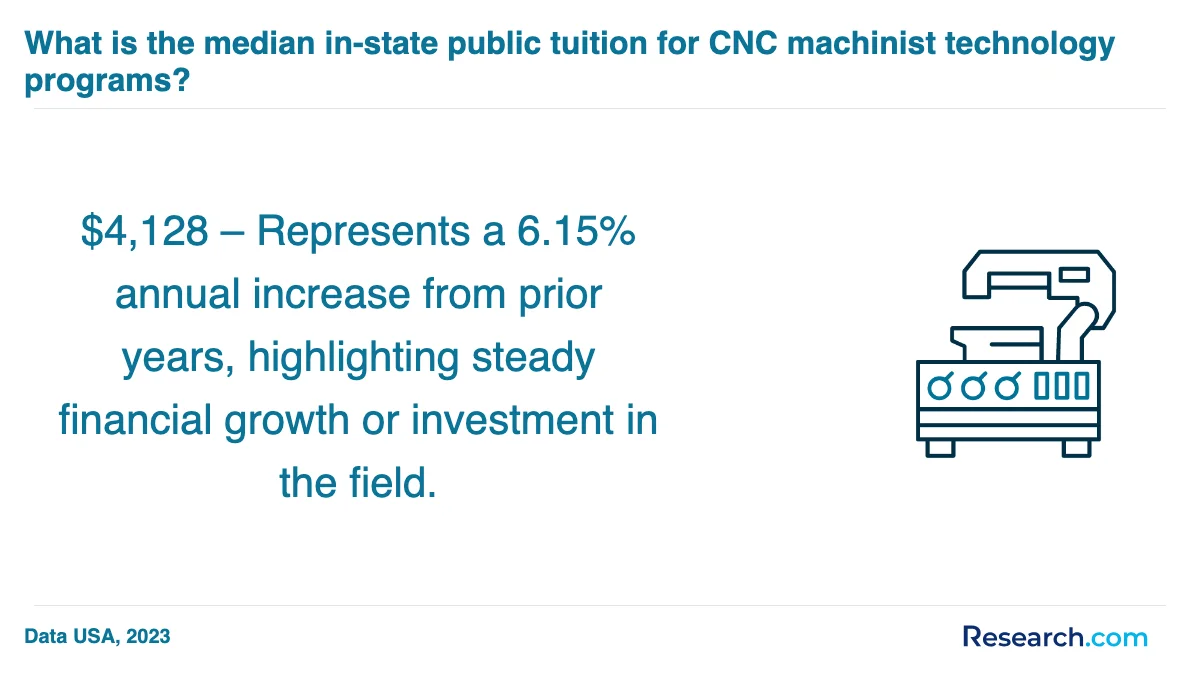
Students pursuing CNC machinist programs in South Carolina often find financial aid crucial to turning their ambitions into reality. Graduates from Greenville Technical College frequently share how the Career Pathways Scholarship (CPS) lifted the burden of tuition, fees, and books, allowing them to focus entirely on mastering CNC Machining Technology without constant financial stress.
Others recount the added support from the SC Workforce Industry Needs Scholarship (SC WINS), which supplemented Lottery Tuition Assistance, making the path through critical workforce programs more accessible. These state-funded aids reflect a community invested in the growth of skilled machinists.
Federal aid, including Pell Grants and Direct Loans accessed via FAFSA, also plays a vital role, especially for those balancing work and study. One graduate described how the Pell Grant eased expenses during difficult times, enabling steady progress.
Additionally, programs like the BMW Scholars Program at Greenville Technical College create unique opportunities, blending part-time work with tuition help, offering both financial relief and valuable industry experience.
While required toolkits, sometimes costing around $800 per semester, add to expenses, many students find these costs softened by scholarships or employer partnerships, making the investment in their future feel worthwhile.
Enrolling in a CNC machinist trade school program in South Carolina typically requires a few key prerequisites that set students on the right path. Most programs expect applicants to have a high school diploma or GED, ensuring they possess foundational skills in math and reading. Graduates from popular trade schools in South Carolina often recall how this basic educational background helped them quickly grasp complex machining concepts.
Applicants may also need to demonstrate practical skills or a strong interest in mechanical work, sometimes through an entrance assessment or interview. For example, students who enjoy hands-on projects or have tinkered with machines before tend to thrive, feeling confident as they dive deeper into CNC programming and operation.
Many programs emphasize these prerequisites:
- A high school diploma or GED
- Basic understanding of math, especially geometry and algebra
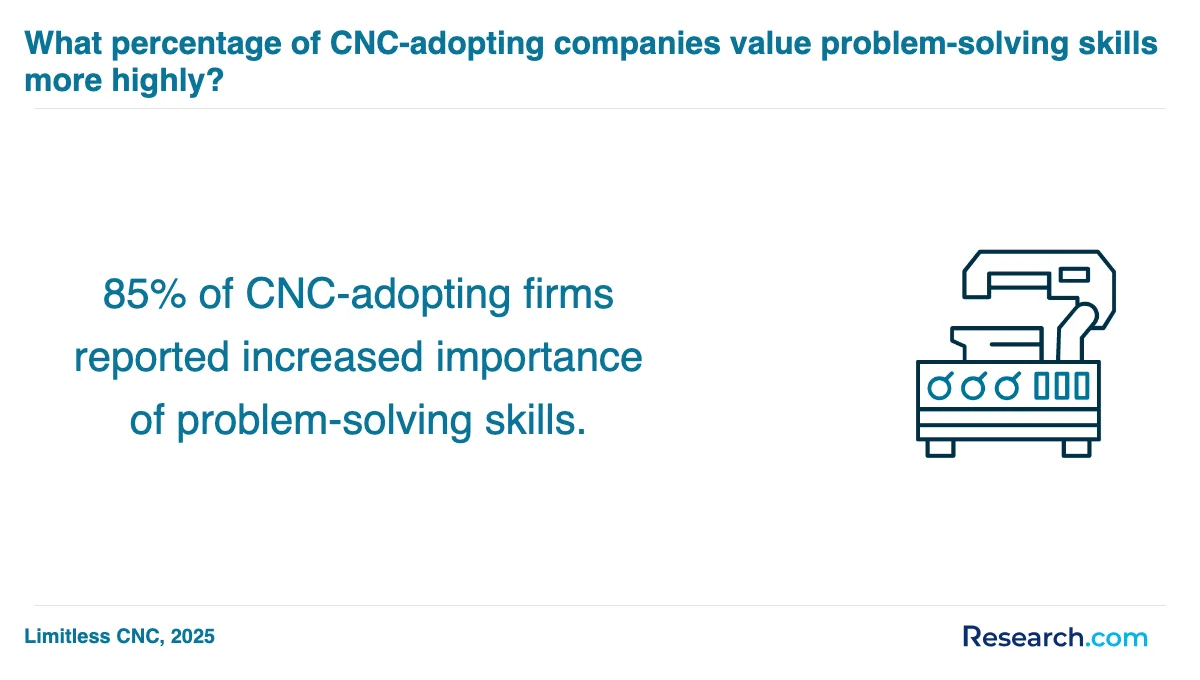
- Manual dexterity and problem-solving skills
- Motivation for technical learning and precision work
Graduates often mention how these requirements prepared them for the rigorous yet rewarding journey ahead. Envision yourself confidently programming machinery in a bustling South Carolina workshop, knowing your foundational skills are solid and your enthusiasm is your driving force.

Students enrolled in CNC machinist trade school programs in South Carolina typically engage with a carefully structured curriculum that balances theory and hands-on practice. At schools like Trident Technical College and Spartanburg Community College, graduates often recall the foundational courses in basic machining principles as pivotal. These classes teach essential skills such as cutting, drilling, and shaping metals-skills that feel immediately rewarding when applied in the workshop.
Core courses include:
- Machine tool operation: mastering lathes, mills, grinders, and drill presses with precision
- CNC programming and operation: learning to manually code CNC machines and use computer software for programming
- CAD/CAM software usage: designing parts digitally and translating those designs into machine instructions
- Blueprint reading and precision measurement: interpreting technical drawings and using calipers or micrometers for exact measurements
- Applied mathematics: focusing on geometry and trigonometry to understand machining tolerances
At Greenville Technical College, students often describe the thrill of seeing their CAD designs come to life on the shop floor, bridging digital concepts with tangible results. Meanwhile, Central Carolina Technical College's emphasis on National Institute for Metalworking Skills (NIMS) accreditation assures graduates their skills meet nationally recognized standards, boosting confidence and job readiness in a competitive local market.
Students pursuing CNC machinist specializations in South Carolina often find that programs at Greenville Technical College and Piedmont Technical College offer concentrated tracks in CNC programming, machine operation, and precision metrology. Graduates from these schools describe the value of hands-on training with state-of-the-art CNC machines and software that simulate real manufacturing environments. This practical approach builds confidence and industry-ready skills.
In South Carolina CNC machinist training programs like those at Trident Technical College and Midlands Technical College, students focus on essential skills such as tool setting, blueprint reading, and programming for milling and turning centers. Many appreciate how these programs balance classroom theory with shop floor experience, allowing them to master machining operations and prepare for diverse career paths in manufacturing.
Typical specializations include:
- CNC programming and troubleshooting
- Machine operation and setup
- Computer-aided design (CAD) integration
- Quality control and precision measurement
These focused areas help students adapt to evolving industry demands and feel motivated by their tangible progress throughout training. For those seeking affordable options, exploring the cheapest associates degree opportunities can further support their educational goals in this field.
When choosing the best CNC machinist programs South Carolina offers, focus first on accreditation and hands-on training. Graduates from Greenville Technical College often praise the balance between classroom theory and practical lab work, which makes learning both engaging and effective. Smaller class sizes at York Technical College allow for personalized attention, a critical factor in mastering complex CNC equipment.
Understanding the curriculum's scope is essential-look for programs combining blueprint reading, shop math, and CNC programming with real machine operation. Many students find that schools covering both manual and computer programming provide a well-rounded skill set highly sought by employers in the local manufacturing sector.
Cost is another major consideration. Comparing CNC trade school costs South Carolina-wide reveals options like Piedmont Technical College, where affordable tuition meets solid financial aid. Some students benefit from unique partnerships, such as Greenville Technical College's BMW Scholars Program, blending paid work experience with education to ease expenses.
Finally, strong job placement support and industry connections can shape your career path. Many graduates emphasize how career services and local employer ties helped them transition smoothly to the workforce. For those exploring alternatives, consider checking out easy courses that pay well to broaden your options.
Graduates of CNC machinist trade school programs in South Carolina often step into a variety of fulfilling roles that mirror the state's thriving industrial landscape. Many find themselves beginning as CNC operators or programmers in well-known local employers such as BMW or Michelin, where the hands-on skills learned in trade schools become invaluable. Others quickly transition into quality control inspection, mechanical assembly, or maintenance positions, gaining deeper insight into manufacturing processes along the way.
Advancing beyond entry-level, graduates frequently pursue certifications such as those offered by the National Institute for Metalworking Skills, enabling paths toward senior machinist or tool and die maker roles. Supervisory opportunities also emerge as machinists develop leadership capabilities, sometimes growing into production manager positions that shape entire manufacturing teams.
The demand for CNC machinist jobs in South Carolina is a source of optimism for many students from popular programs across the state, who often cite strong employment prospects and competitive wages as motivating factors. These manufacturing careers for CNC graduates in South Carolina illustrate the rewarding blend of technical skill and career growth that the field offers.
For those balancing work and study, exploring a quick online associates degree that pay well can further enhance career momentum.
The job market for CNC machinist trade school graduates in South Carolina offers a stable yet modestly active landscape, where skilled workers remain in demand despite fewer companies hiring compared to other states. Graduates from popular local trade schools often share how their training prepared them well for the steady stream of approximately 813 projected annual job openings in machining roles across the state. While South Carolina ranks 50th nationwide in machinist salaries, those who complete quality programs find they can negotiate wages typically ranging from $18.27 to $25.00 per hour, with top earners reaching up to $30.78.
Many graduates describe gaining hands-on experience that directly translates to job readiness, making them valuable in manufacturing hubs like North Charleston and Summerville where employers sometimes offer $30-$40 hourly for experienced machinists. Key factors contributing to demand include:
- Automotive, aerospace, and medical device manufacturing sectors relying on precision machining
- Retirement of experienced workers creating openings
- Opportunities for specialization and advancement for those with strong skills
Some prospective students explore a low cost online certificate in woodworking as a complementary skill, blending traditional craftsmanship with modern CNC expertise to better adapt in South Carolina's evolving job market.
Understanding this job market helps graduates approach their careers with confidence, knowing their specialized training aligns with steady opportunities and competitive wages in their home state.
Best CNC Machinist Training Programs & Trade Schools - Top CNC Schools in South Carolina for 2026
# 1 position
York Technical College - Computer Numerically Controlled (CNC) Machinist Technology/CNC Machinist.
certificate or diplomaYork Technical College offers a hybrid Computer Numerically Controlled (CNC) Machinist Technology program that trains students to operate CNC machine tools, including lathes and mills. The curriculum covers CNC terminology, programming, blueprint reading, machining, CAD/CAM systems, and safety practices. Annual in-state tuition is $5,512. Graduates have median earnings of $50,309 one year after completion. The program is accredited by the Southern Association of Colleges and Schools Commission on Colleges.
# 2 position
Tri-County Technical College - Computer Numerically Controlled (CNC) Machinist Technology/CNC Machinist.
associateTri-County Technical College offers a hybrid Computer Numerically Controlled (CNC) Machinist Technology program that trains students to operate CNC machine tools for cutting, drilling, shaping, and finishing parts. The curriculum covers CNC programming, setup, operations, blueprint reading, technical math, CAD/CAM systems, and safety practices. The program is accredited by the Southern Association of Colleges and Schools Commission on Colleges. Annual in-state tuition is $4,448.
# 3 position
Tri-County Technical College - Computer Numerically Controlled (CNC) Machinist Technology/CNC Machinist.
certificate or diplomaTri-County Technical College offers a hybrid Computer Numerically Controlled (CNC) Machinist Technology/CNC Machinist program that trains students to operate CNC machine tools including lathes and mills. The curriculum covers CNC programming, setup, troubleshooting, blueprint reading, machining, CAD/CAM systems, and safety practices. Annual in-state tuition is $4,448. The program is accredited by the Southern Association of Colleges and Schools Commission on Colleges.
# 4 position
Trident Technical College - Computer Numerically Controlled (CNC) Machinist Technology/CNC Machinist.
certificate or diplomaThe Computer Numerically Controlled (CNC) Machinist Technology program at Trident Technical College prepares students to operate CNC machine tools through instruction in setup, programming, operations, troubleshooting, and blueprint reading. The hybrid program covers technical mathematics, computer literacy, CAD/CAM systems, shop safety, and relevant regulations. Annual in-state tuition is $4,564. The program is accredited by the Southern Association of Colleges and Schools Commission on Colleges.
# 5 position
Northeastern Technical College - Computer Numerically Controlled (CNC) Machinist Technology/CNC Machinist.
certificate or diplomaNortheastern Technical College offers a hybrid Computer Numerically Controlled (CNC) Machinist Technology/CNC Machinist program. The curriculum includes CNC machine tool operation, programming, troubleshooting, blueprint reading, machining, lathe and mill operations, technical math, computer literacy, CAD/CAM systems, and safety practices. The program prepares students for machining functions such as cutting, drilling, shaping, and finishing parts. Annual in-state tuition is $5,664. The program is accredited by the Southern Association of Colleges and Schools Commission on Colleges.
# 6 position
Greenville Technical College - Computer Numerically Controlled (CNC) Machinist Technology/CNC Machinist.
associateGreenville Technical College offers a hybrid Computer Numerically Controlled (CNC) Machinist Technology program that trains students to operate CNC machine tools including lathes and mills. The curriculum covers CNC programming, setup, operations, troubleshooting, blueprint reading, technical mathematics, CAD/CAM systems, safety, and equipment regulations. The annual in-state tuition is $5,639. Graduates earn a median salary of $40,637 one year after completion. The program is accredited by the Southern Association of Colleges and Schools Commission on Colleges.
# 7 position
Florence-Darlington Technical College - Computer Numerically Controlled (CNC) Machinist Technology/CNC Machinist.
certificate or diplomaThe Computer Numerically Controlled (CNC) Machinist Technology program at Florence-Darlington Technical College prepares students to operate CNC machine tools, including lathes and mills. The hybrid program covers CNC terminology, setup, programming, troubleshooting, blueprint reading, machining, technical mathematics, CAD/CAM systems, and safety practices. Annual in-state tuition is $4,636. Graduates earn a median income of $34,948 one year after completion. The program is accredited by the Southern Association of Colleges and Schools Commission on Colleges.
Frequently Asked Questions about CNC machinist
After completing a CNC machinist trade school in South Carolina, preparing for the job market involves several key steps. First, obtaining industry-recognized certifications like the National Institute for Metalworking Skills (NIMS) can improve employability. South Carolina's manufacturing sector employs over 250,000 workers, with CNC machinists in demand, according to the South Carolina Department of Commerce.
Networking is crucial; attending local trade shows and joining professional groups can connect graduates with employers. Additionally, gaining hands-on experience through internships or apprenticeships offered by schools or manufacturers enhances practical skills. Finally, tailoring resumes to highlight technical skills and certifications helps graduates stand out in this competitive field.
Employers in South Carolina prioritize several key skills when hiring CNC machinist trade school graduates. Strong technical proficiency in operating CNC machinery and programming using G-code is essential. Graduates must demonstrate the ability to read and interpret blueprints and technical drawings accurately. Problem-solving skills and attention to detail are crucial for maintaining precision in manufacturing processes.
Additionally, knowledge of safety protocols and quality control standards is highly valued. According to the South Carolina Department of Commerce, candidates with hands-on experience and familiarity with industry-standard software, such as Mastercam or Fusion 360, have better job prospects. Communication skills and teamwork also play a significant role in factory environments.
Finding internships in South Carolina relevant to CNC machinist trade school programs involves multiple strategies. Start by contacting the career services offices of local technical colleges such as Greenville Technical College or Trident Technical College, which often have established partnerships with manufacturing businesses.
Many CNC machinist internships are available through the South Carolina Manufacturing Extension Partnership (SCMEP), which connects students with regional manufacturers. Additionally, using job platforms like the South Carolina Department of Employment and Workforce's SC Works website can help locate internship opportunities specific to CNC machining.
Networking at industry events and joining professional associations like the National Institute for Metalworking Skills (NIMS) also increases chances of finding internships. According to the U.S. Bureau of Labor Statistics, hands-on experience through internships can significantly improve employment prospects in CNC machining fields.
Obtaining a CNC machinist trade school diploma in South Carolina significantly enhances career mobility and advancement opportunities. According to the South Carolina Department of Employment and Workforce, CNC machinists with formal training earn on average 15-20% more than those without credentials. Diploma holders gain hands-on skills in precision machining, CAD/CAM software, and safety protocols, which are highly valued by local manufacturing employers.
The diploma also opens pathways to supervisory roles and specialized machining positions. South Carolina's growing manufacturing sector, supported by companies like BMW and Boeing, increasingly prefers candidates with accredited trade credentials. This preference improves job stability and potential for wage growth, as reflected in recent industry reports by the National Association of Manufacturers.
Moreover, some trade schools offer apprenticeships or direct connections with local businesses, further aiding graduates in career advancement by building relevant experience and professional networks.
Part-time job opportunities in South Carolina that complement CNC machinist trade school education often include roles in manufacturing, machine operation, and quality control. Many students find positions as machine assistants or production workers in local factories, gaining hands-on experience with tools and materials. According to the South Carolina Department of Commerce, manufacturing remains a strong sector, employing over 250,000 workers statewide, which supports available entry-level positions.
Additionally, internships or part-time roles in maintenance or assembly can enhance technical skills. These jobs reinforce classroom learning by providing practical knowledge of machining processes and safety standards. Students typically earn between $12 to $18 per hour, depending on their skills and location, which helps finance their education.
To find the best CNC Machinist degree programs near you in South Carolina, you can research local colleges and technical schools offering relevant courses. Research.com is a helpful resource to locate programs that fit your needs and could help identify those near South Carolina with a good reputation. These programs equip students with skills in computer numerical control machining, providing a solid foundation for a career in manufacturing technology.
- Best CNC Machinist Training Programs & Trade Schools - Top CNC Schools in Georgia for 2026
- Best CNC Machinist Training Programs & Trade Schools - Top CNC Schools in North Carolina for 2026
- Best CNC Machinist Training Programs & Trade Schools - Top CNC Schools in Florida for 2026
- Best CNC Machinist Training Programs & Trade Schools - Top CNC Schools in Tennessee for 2026
- Best CNC Machinist Training Programs & Trade Schools - Top CNC Schools in Alabama for 2026
- Best CNC Machinist Training Programs & Trade Schools - Top CNC Schools in Ohio for 2026
- Best CNC Machinist Training Programs & Trade Schools - Top CNC Schools in Indiana for 2026
- Best CNC Machinist Training Programs & Trade Schools - Top CNC Schools in Pennsylvania for 2026
- Best CNC Machinist Training Programs & Trade Schools - Top CNC Schools in Texas for 2026
- Best CNC Machinist Training Programs & Trade Schools - Top CNC Schools in Connecticut for 2026
- Machinist/CNC Technology - MCTC https://www.mctc.edu/programs/machinist-cnc-technology-2/
- CNC Machinist Technician : RRC Polytech: Program Explorer https://www.rrc.ca/explore/program/cnc-machinist-technician/
- Machinist-CNC Operator Certificate of Completion - Montgomery County Community College https://www.mc3.edu/degrees-and-programs/non-credit/industrial-and-manufacturing-training/machinist-cnc-operator-certificate
- CNC Machining - Machinist Career College https://www.mcc4me.org/advanced-programs/cnc-machining/
- CNC Machinist Technician | NAIT https://www.nait.ca/programs/cnc-machinist
- CNC Operator - What Do They Do and How Much Do They Earn? https://en.antal.pl/insights/article/cnc-operator-what-do-they-do-and-how-much-do-they-earn
- CNC machinist | Explore Careers | National Careers Service https://nationalcareers.service.gov.uk/job-profiles/cnc-machinist
- CNC Machinist Salary in CT | Goodwin University https://www.goodwin.edu/enews/cnc-machinist-salary-information/
- How to become a CNC machinist | Spherion https://www.spherion.com/job-profiles/cnc-machinist/
- CNC Machinists: A Career Path for School Leavers - Stonehill Engineering https://stonehillengineering.com/cnc-machinists-a-career-path-for-school-leavers/