Best CNC Machinist Training Programs & Trade Schools - Top CNC Schools in North Carolina for 2026

Co-Founder and Chief Data Scientist
Choosing the right CNC machinist trade school in North Carolina can shape your future career in manufacturing and precision engineering. This article introduces a carefully crafted CNC machinist trade school programs ranking, developed by the Research.com team of data scientists to help you make an informed decision.
Discover programs that align with your goals and unlock opportunities for hands-on training, certification, and solid job prospects. Whether you’re starting fresh or advancing skills, earning a diploma or certification in CNC machining can open doors to a rewarding and stable career.
Key benefits of finishing CNC machinist trade school in North Carolina
- Graduates from CNC machinist trade schools in North Carolina can expect an average hourly wage around $21.49, with top earners making up to $30.15, providing a strong start for a rewarding career.
- Career paths include roles in manufacturing, quality control, and machine setup, as seen with graduates from Central Carolina Community College who quickly find steady work in local industries.
- Finishing CNC machinist training online offers flexibility and faster completion, allowing students like those from Pitt Community College's online program to balance work and study effectively while gaining valuable skills.
- Best CNC Machinist Training Programs & Trade Schools - Top CNC Schools in North Carolina for 2026
- What can I expect from CNC machinist trade schools in North Carolina?
- Where can I work after finishing CNC machinist trade schools in North Carolina?
What can I expect from CNC machinist trade schools in North Carolina?
When you enroll in a CNC machinist trade school program in North Carolina, expect a balanced mix of hands-on training and classroom learning that builds your confidence and skills. Graduates from popular schools like Universal Technical Institute in Mooresville often share how mastering CNC mill and lathe operation felt empowering, especially when they moved from theory to running actual machines in the shop.
You'll dive into essential topics such as blueprint reading, CAD/CAM software, and machine setup, which might seem challenging at first but become rewarding once you start creating precise parts. Many students appreciate the structured levels at schools like South Piedmont College, where starting with foundational machining technology helps build a solid base before advancing.
Programs typically last from a few months up to a year, allowing you to quickly gain skills that local industries value. Expect to practice troubleshooting, safety protocols, and math relevant to machining, making you job-ready. Most students find the hands-on labs especially motivating-it's where classroom lessons truly come alive and prepare you for real-world work.
Finally, many programs include preparation for certifications like those from NIMS, which graduates say boosted their confidence and opened doors to entry-level positions in machine shops and manufacturing plants across the state.
Where can I work after finishing CNC machinist trade schools in North Carolina?
After finishing a CNC machinist trade school program in North Carolina, graduates often find a variety of job opportunities in cities like Charlotte, Raleigh, Greensboro, and Winston-Salem, as well as smaller towns with strong manufacturing bases. Many alumni from well-known trade schools share how they quickly secured roles as CNC operators, programmers, or tool & die makers in local aerospace and automotive companies. One graduate recalled feeling excited starting on a day shift at a bustling machine shop in Charlotte, where hands-on skills learned in school translated directly to real-world projects.
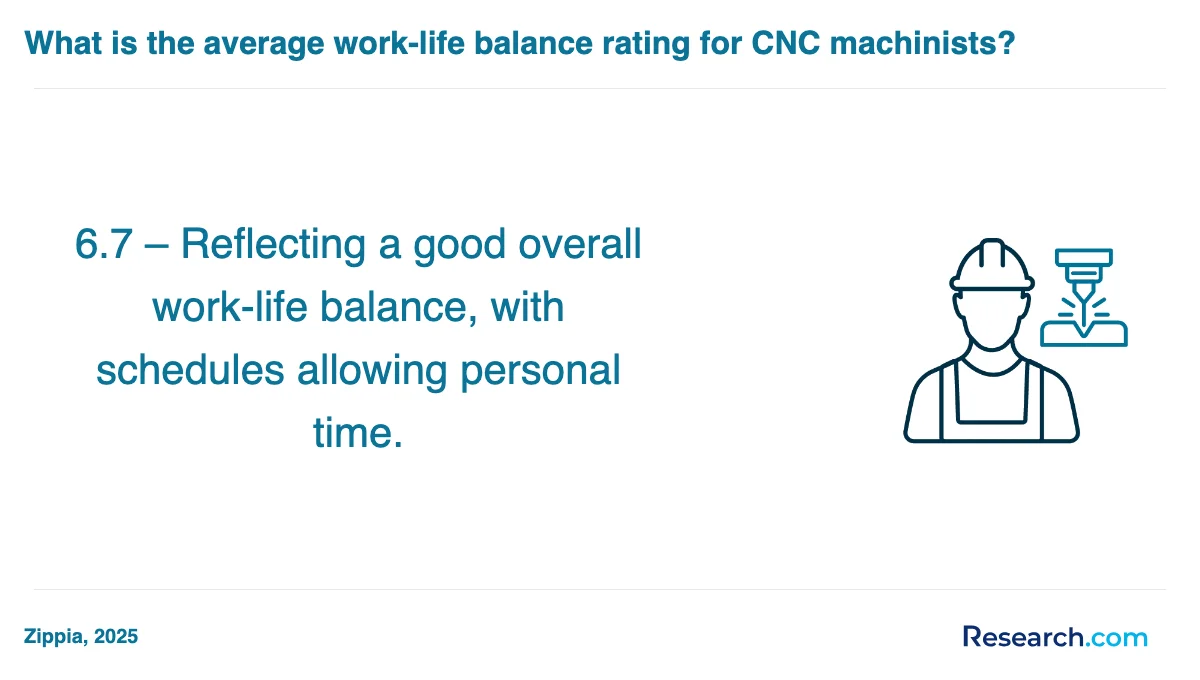
Many employers value the practical training from North Carolina trade programs, which prepares students for diverse career paths in industries like medical device manufacturing or precision engineering. Graduates appreciate the flexibility of jobs offering multiple shifts, allowing them to balance work and personal life. The positive feedback from former students shows that completing a CNC machinist program here can lead to rewarding, well-paid positions with benefits like health insurance and tuition reimbursement for continuing education.
After completing a CNC machinist trade school program in North Carolina, you can expect to start earning around $21.49 per hour on average. Many graduates from well-known trade schools in the state share how this entry-level wage gave them the confidence to support themselves while gaining valuable hands-on experience. Some even found that their first jobs paid between $17.93 and $24.47 per hour, depending on the employer and location.
For example, graduates who landed positions in Charlotte often reported higher wages, close to $25.21 per hour, with some employers offering up to $30 per hour as machinists proved their skills and reliability. Imagine starting your career in a bustling city like Charlotte, where the demand for skilled CNC machinists can quickly boost your paycheck.
Others who pursued opportunities in smaller towns like Holly Springs noted that with experience, hourly wages could reach about $30, translating to annual salaries near $61,736. These stories show that while North Carolina ranks lower nationally for pay, there is real potential to grow your income as you gain experience and certifications after trade school.
- A high school diploma or GED is usually required to enter CNC machinist trade school programs in North Carolina.
- Program lengths vary from 36 weeks to one year, combining classroom learning with hands-on training on CNC machines.
- Tuition and fees typically range from $5,569 to $19,635, with additional costs for books and supplies around $1,475.
- Many programs offer certification opportunities through organizations like the National Institute for Metalworking Skills (NIMS).
- Entry-level salaries for CNC machinists in North Carolina range from $35,000 to $45,000 annually, increasing to $50,000 or more with experience.
Completing a CNC machinist trade school program in North Carolina typically takes about 6 to 12 months, depending on the school and the intensity of the course. Many graduates from well-known trade schools in the state share how the focused, hands-on learning helped them quickly build the skills needed to enter the workforce.
For instance, students at popular North Carolina trade schools often balance classroom instruction with practical shop experience, which accelerates their readiness for real-world machining challenges. One graduate mentioned how, after just a few months, they felt confident programming CNC machines and interpreting blueprints, turning their initial nervousness into excitement about their career prospects.
The shorter completion times mean you can start earning sooner, making it a smart choice if you're eager to jump into a skilled trade. The immersive environment at these schools, combined with supportive instructors, often leaves students feeling motivated and prepared to succeed in North Carolina's manufacturing industry.
The main difference between online and on-campus CNC machinist trade school programs in North Carolina lies in hands-on experience versus flexibility. Graduates from on-campus programs at places like Universal Technical Institute in Mooresville often share how invaluable it was to work directly with mills and lathes every day, feeling the machines hum beneath their hands. This tactile learning builds confidence in real-world settings, making troubleshooting and setup second nature.
Meanwhile, students completing online or hybrid programs, such as those offered by South Piedmont College, appreciate the freedom to learn CNC programming and blueprint reading at their own pace. They enjoy video lectures and interactive simulations but sometimes mention missing the buzz of a workshop environment. Many online learners choose to attend short in-person sessions or apprenticeships to gain that essential physical practice, recognizing it's crucial for mastering the craft and meeting North Carolina employers' expectations.
Both paths lead to certification, but the feel of turning theory into actual parts often makes on-campus training a more immersive and rewarding journey.
The average tuition for CNC machinist programs in North Carolina varies depending on the institution, program length, and course format, but prospective students typically budget around $1,200 to $2,700 for comprehensive training. For example, graduates from Asheville-Buncombe Technical Community College often share how the $1,356 per semester cost-covering both tuition and fees-felt manageable and worth the hands-on experience in their Basic Machining and CNC Programming Certificate. This program's balance of affordability and practical skill-building makes it a favorite for many locally based students eager to enter the machining field quickly.
Other students recall their experiences at Greensboro College, where the CNC Machining Center Production Technician Certificate costs $2,672 for a 10-week program requiring 20 hours per week. The intense schedule and higher cost feel justified because of the focused, fast-paced training that prepares them well for immediate work. The variety among trade schools offers flexibility for learners balancing education with other commitments, especially when considering the cost of CNC machinist training in North Carolina.
South Piedmont Community College attracts trainees with tiered tuition levels-Level I at $768.85, with subsequent levels priced lower-making it easier for students to spread costs over time while developing skills in stages. For those seeking online options, North Carolina Central University offers a self-paced CNC Machinist course for $1,995, bringing convenience and affordability together.
It's worth mentioning that the expenses listed usually exclude books, tools, and certification fees, so budgeting a little extra is wise. If you seek flexible online options or want to explore other skilled trades, visiting the most affordable online woodworking school might also spark ideas for complementary skills or alternative paths.
When pursuing CNC machinist trade school programs in North Carolina, many students find relief through a mix of financial aid options tailored to their needs. Graduates from popular schools like Forsyth Tech often share how federal aid, such as Pell Grants and student loans accessed via FAFSA, played a crucial role in making their education affordable. State grants like the North Carolina Community College Grant also provide significant support, especially for residents meeting income criteria.
Some schools offer institutional scholarships or tuition waivers, which can feel like a weight lifted off your shoulders. For instance, Forsyth Tech's Learn and Earn Apprenticeship Program (LEAP) not only offers paid internships but sometimes even pays students while they attend classes, allowing them to earn while they learn without piling up debt.
For those in non-credit certificate programs, alternatives like workforce development boards may cover tuition, especially if you're unemployed or retraining. Many students appreciate the flexibility of installment plans when traditional aid isn't available, making the dream of becoming a CNC machinist achievable.
To enroll in a CNC machinist trade school program in North Carolina, you typically need a high school diploma or GED. Many graduates from well-known trade schools in the state recall how this basic educational foundation made grasping technical concepts much smoother. If you struggled with math or science in high school, don't worry-schools often offer refresher courses or tutoring to help you catch up.
Some programs may also require:
- Basic math skills, especially in geometry and algebra, since you'll calculate measurements and dimensions daily.
- Good manual dexterity and mechanical aptitude, which students often discover through hands-on projects in introductory classes.
- A willingness to learn computer-aided design (CAD) software, as it's essential for programming CNC machines.
Many students share that being proactive and asking questions during early training at popular North Carolina trade schools helped them build confidence quickly. If you're motivated and ready to work with your hands and technology, these prerequisites are just stepping stones on your path to a rewarding career.

In North Carolina, CNC machinist trade school programs focus on practical skills and technical knowledge that prepare you to excel in real shop environments. Graduates from popular schools like Stanly Community College often share how starting with basic machine shop skills-such as safely handling tools and mastering manual lathes and mills-gave them confidence before moving to computer-controlled machines.
Key courses you'll encounter include:
- Blueprint reading and job layout: Interpreting technical drawings is essential for producing precise parts, a skill graduates say made their work smoother and less stressful.
- Mathematics for machinists: Geometry and trigonometry help with accurate measurements and calculations during machining tasks.
- CNC Basics: Learning machine setup, operation, and safety builds a strong foundation before tackling programming.
- Advanced CNC Turning and Milling: These courses cover programming and running 2-axis and 3-axis machines, preparing students for complex manufacturing roles.
- CAD/CAM: Designing parts digitally and converting designs into machine instructions lets you bring ideas to life efficiently.
Some programs also include specialized topics like production tooling and machine maintenance, helping graduates feel ready to handle real-world challenges. Many students find that combining hands-on training with classroom lessons at North Carolina's trade schools makes the learning experience both engaging and rewarding.
When exploring CNC machinist training programs in North Carolina, you'll find specializations designed to build both practical skills and technical knowledge. Graduates from Cape Fear Community College's Computer Integrated Machining program, for instance, often highlight their confidence in handling CAD and CAM software alongside manual machining. This blend prepares you to operate mills and lathes efficiently.
Many students at Universal Technical Institute in Mooresville appreciate the focus on CNC lathe and milling operations, gaining hands-on experience interpreting geometric dimensioning and tolerancing, which are critical for precision manufacturing. Their 36-week intensive program reflects industry demands, making the learning process both challenging and rewarding.
Specialized CNC machining courses in North Carolina also include shorter certificate options like the CNC Machining Center Production Technician Certificate at Greensboro College. Graduates often share how training to produce complex parts, such as titanium bone screws, builds confidence in high-tech manufacturing environments.
Some programs offer certificates focused solely on lathe operations, allowing students to master detailed setups and product testing. These experiences make pursuing top paying trade jobs in the sector more attainable and fulfilling.
Start by focusing on program accreditation and industry recognition to choose the best CNC machinist programs in North Carolina. Graduates from schools with National Institute for Metalworking Skills (NIMS) certification often share how this credential opened doors and boosted their confidence in job interviews. Hands-on training is just as crucial-programs at South Piedmont College and North Carolina Central University are praised for blending theory with practical machine work, helping students transition smoothly into manufacturing roles.
When you compare CNC trade schools in North Carolina, consider location and facilities. Many students appreciate Central Piedmont Community College's modern equipment and easy access to Charlotte's industrial network, which makes internships and job placements easier. Reputation matters too-graduates from Fayetteville Technical Community College often talk about strong support in finding employment and a sense of community that kept them motivated.
Finally, keep tuition and financial aid in mind to avoid stress. Public colleges offer competitive rates, and exploring options like low cost cnc machine training online can also help balance your budget while gaining valuable skills.

Graduates of CNC machinist trade school programs in North Carolina find diverse career opportunities immediately upon entering the workforce. Many begin as CNC machinists, gaining hands-on experience setting up and operating precision machines in industries like aerospace and automotive. From there, a common path is advancing to CNC programmers, who write and optimize the computer code driving the machines. Employers often seek candidates skilled in these areas, reflecting strong CNC programmer jobs in North Carolina.
Some graduates from top North Carolina trade schools have shared how additional training opened doors to machining manufacturing engineering roles, focusing on improving processes and diagnostics with an average salary near $86,900 annually. Others enjoy specialized roles such as tool and die maker or CNC systems engineer, creating the essential tools or integrating software with hardware.
Career growth is supported by apprenticeships and certifications, often provided by employers locally. Many graduates appreciate the chance to advance into maintenance, quality control, or supervisory roles-all from the strong foundation their CNC machinist programs provided. For those curious about expanding their education further, exploring a quick associate degree online that pays well can be a rewarding option too.
Graduates from CNC machinist trade schools in North Carolina find a robust job market with many opportunities across various industries like aerospace, automotive, and electronics. Entry-level positions typically offer wages between $15 and $38 per hour, reflecting the strong demand for skilled operators and programmers of CNC machines. For students finishing programs at well-known trade schools, hearing about classmates quickly landing jobs with competitive pay is common and encouraging.
Beyond initial roles, there is growth potential. Experienced machinists, especially those moving into CNC programming or specialized tooling, can earn above $35 per hour, while advanced positions such as CNC and Machining Manufacturing Engineers offer annual salaries around $86,906. Graduates pursuing further training see this as a clear pathway to stable, well-paying careers.
Many graduates recall apprenticeships and hands-on experiences during their programs as key to their success. Employers in North Carolina value practical skills gained from trade schools, often prioritizing these candidates for immediate hire. Trade schools are also a starting point for exploring a cheapest online associate degree that can enhance skills without heavy financial burden.
- The job market is strong with hundreds of open positions statewide.
- Entry-level wages range from $15 to $38 per hour.
- Experienced machinists and engineers command higher salaries.
Best CNC Machinist Training Programs & Trade Schools - Top CNC Schools in North Carolina for 2026
# 1 position
Wayne Community College - Computer Numerically Controlled (CNC) Machinist Technology/CNC Machinist.
associateWayne Community College offers a hybrid Computer Numerically Controlled (CNC) Machinist Technology program that trains students to operate CNC machine tools, including lathes and mills. The curriculum covers CNC programming, setup, troubleshooting, blueprint reading, machining, CAD/CAM systems, and safety practices. The annual in-state tuition is $2,524. The program is accredited by the Southern Association of Colleges and Schools Commission on Colleges.
# 2 position
Wayne Community College - Computer Numerically Controlled (CNC) Machinist Technology/CNC Machinist.
certificate or diplomaWayne Community College offers a hybrid Computer Numerically Controlled (CNC) Machinist Technology program that prepares students to operate CNC machine tools for cutting, drilling, shaping, and finishing products. The curriculum covers CNC setup, programming, blueprint reading, lathe and mill operations, technical math, CAD/CAM, safety, and regulations. The in-state tuition is $2,524 annually. The program is accredited by the Southern Association of Colleges and Schools Commission on Colleges.
# 3 position
McDowell Technical Community College - Computer Numerically Controlled (CNC) Machinist Technology/CNC Machinist.
associateMcDowell Technical Community College offers a hybrid Computer Numerically Controlled (CNC) Machinist Technology program that trains students to operate CNC machine tools, including lathes and mills. The curriculum covers CNC terminology, setup, programming, operations, and troubleshooting, along with blueprint reading, machining, CAD/CAM, and safety practices. The program’s annual in-state tuition is $1,958. It is accredited by the Southern Association of Colleges and Schools Commission on Colleges.
# 4 position
McDowell Technical Community College - Computer Numerically Controlled (CNC) Machinist Technology/CNC Machinist.
certificate or diplomaMcDowell Technical Community College offers a hybrid Computer Numerically Controlled (CNC) Machinist Technology program, preparing students to operate CNC machine tools like lathes and mills. The curriculum includes CNC programming, setup, operations, blueprint reading, technical math, CAD/CAM systems, and shop safety. The annual in-state tuition is $1,958. The program is accredited by the Southern Association of Colleges and Schools Commission on Colleges.
# 5 position
Central Piedmont Community College - Computer Numerically Controlled (CNC) Machinist Technology/CNC Machinist.
associateCentral Piedmont Community College offers a hybrid Computer Numerically Controlled (CNC) Machinist Technology program that trains students to operate CNC machine tools for cutting, drilling, shaping, and finishing parts. The curriculum includes CNC programming, blueprint reading, machining operations, technical math, CAD/CAM systems, and safety practices. Annual in-state tuition is $2,792. The program is accredited by the Southern Association of Colleges and Schools Commission on Colleges. Median earnings one year after completion are $40,149.
# 6 position
Central Piedmont Community College - Computer Numerically Controlled (CNC) Machinist Technology/CNC Machinist.
certificate or diplomaCentral Piedmont Community College offers a hybrid Computer Numerically Controlled (CNC) Machinist Technology program that trains students to operate CNC machine tools, including lathes and mills. The curriculum covers CNC programming, setup, troubleshooting, blueprint reading, machining, technical math, CAD/CAM systems, and safety practices. Annual in-state tuition is $2,792. Graduates earn a median salary of $40,149 one year after completion. The program is accredited by the Southern Association of Colleges and Schools Commission on Colleges.
# 7 position
Davidson-Davie Community College - Computer Numerically Controlled (CNC) Machinist Technology/CNC Machinist.
associateDavidson-Davie Community College offers a hybrid Computer Numerically Controlled (CNC) Machinist Technology program that trains students to operate CNC machine tools, including lathes and mills. The curriculum covers CNC setup, programming, troubleshooting, blueprint reading, machining, CAD/CAM systems, and safety practices. Annual in-state tuition is $1,978. Graduates have median earnings of $39,990 one year after completion. The program is accredited by the Southern Association of Colleges and Schools Commission on Colleges.
# 8 position
Davidson-Davie Community College - Computer Numerically Controlled (CNC) Machinist Technology/CNC Machinist.
certificate or diplomaDavidson-Davie Community College offers a hybrid Computer Numerically Controlled (CNC) Machinist Technology program that trains students to operate CNC machine tools, including lathes and mills. The curriculum covers programming, setup, blueprint reading, CAD/CAM systems, and safety practices. The program’s annual in-state tuition is $1,978. Graduates earn a median salary of $39,990 one year after completion. The program is accredited by the Southern Association of Colleges and Schools Commission on Colleges.
# 9 position
Randolph Community College - Computer Numerically Controlled (CNC) Machinist Technology/CNC Machinist.
associateRandolph Community College offers a hybrid Computer Numerically Controlled (CNC) Machinist Technology program that trains students to operate CNC machine tools, including lathes and mills. The curriculum covers CNC terminology, setup, programming, troubleshooting, blueprint reading, machining operations, technical mathematics, CAD/CAM systems, and safety practices. The program’s annual in-state tuition is $2,416 and is accredited by the Southern Association of Colleges and Schools Commission on Colleges.
# 10 position
Randolph Community College - Computer Numerically Controlled (CNC) Machinist Technology/CNC Machinist.
certificate or diplomaRandolph Community College offers a hybrid program in Computer Numerically Controlled (CNC) Machinist Technology/CNC Machinist. The program prepares students to operate CNC machine tools, including lathes and mills, and covers setup, programming, operations, troubleshooting, blueprint reading, CAD/CAM systems, and safety practices. Annual in-state tuition is $2,416. It is accredited by the Southern Association of Colleges and Schools Commission on Colleges.
Frequently Asked Questions about CNC machinist
After completing a CNC machinist trade school in North Carolina, preparing for the job market involves several key steps. Graduates should focus on obtaining industry-recognized certifications, such as those from the National Institute for Metalworking Skills (NIMS), which are highly valued by local employers. North Carolina's manufacturing sector is robust, with a demand for skilled CNC machinists expected to grow by 5% through 2030, according to the U.S. Bureau of Labor Statistics.
Networking is essential; attending local job fairs and connecting with manufacturers in regions like Charlotte and the Research Triangle can increase job prospects. Practical experience through internships or apprenticeships obtained during training also significantly improves employability.
Additionally, maintaining proficiency in CNC programming languages and staying updated on new technologies enhances competitiveness in this evolving field.
Employers in North Carolina prioritize several key skills when hiring CNC machinist trade school graduates. Precision and attention to detail are essential, as CNC machining requires exact measurements to produce quality parts. Graduates must also be proficient in reading and interpreting blueprints and technical drawings, a skill emphasized in accredited trade programs.
Technical knowledge of CNC programming languages, such as G-code, is highly valued. According to the North Carolina Department of Commerce, employers increasingly seek machinists with experience in computer-aided manufacturing (CAM) software and modern machining technology. Strong problem-solving abilities and mechanical aptitude are also crucial for troubleshooting equipment and optimizing production processes.
Additionally, good communication skills and the ability to work well within a team environment enhance employability. Safety awareness and adherence to industry standards remain fundamental across all North Carolina manufacturing sectors.
Finding internships relevant to CNC machinist trade school programs in North Carolina involves several practical steps. Start by connecting with the career services offices of trade schools, as they often maintain relationships with local manufacturers and machine shops offering internships. The North Carolina Department of Commerce provides resources and job postings that include internship opportunities in advanced manufacturing sectors.
Additionally, platforms like NCWorks Online list internships and entry-level positions specifically in manufacturing and CNC machining. Networking through industry associations such as the North Carolina Manufacturing Extension Partnership can also lead to internship openings. According to the U.S. Bureau of Labor Statistics, North Carolina's manufacturing employment is growing, increasing internship availability in this field.
Direct outreach to regional companies, including aerospace and automotive manufacturers, is another effective strategy. Many firms in the Research Triangle and Charlotte areas actively recruit CNC interns to support their production needs.
A CNC machinist trade school diploma in North Carolina significantly enhances career mobility and advancement opportunities. Graduates gain hands-on skills in computer numerical control technology, which is highly valued in the state's manufacturing sector. According to the North Carolina Department of Commerce, manufacturing jobs employing CNC machinists are projected to grow by 6% through 2030, reflecting steady demand.
Holding a diploma often leads to higher starting wages; the U.S. Bureau of Labor Statistics reports that CNC machinists in North Carolina earn a median annual wage around $46,000, with skilled diploma holders positioned for faster promotion to supervisory or programming roles.
Additionally, many local employers prioritize candidates with formal trade education, making diplomas a key credential for career advancement within regional industries.
Part-time job opportunities in North Carolina that complement CNC machinist trade school education often include roles such as machine operator assistant, quality control technician, and maintenance helper. These positions allow students to gain hands-on experience with manufacturing equipment and understand shop floor operations.
According to the North Carolina Department of Commerce, manufacturing remains a strong sector in the state, employing over 400,000 workers as of 2023. Part-time roles in local factories or workshops provide practical skills that align with CNC training.
Additionally, internships or apprenticeships with companies in the aerospace, automotive, and defense industries can enhance learning and improve job prospects after graduation.
To find the best CNC Machinist degree program near me in North Carolina, consider researching local community colleges and technical schools, which often offer programs tailored to this field. Universities near North Carolina also provide advanced manufacturing and machining programs, focusing on CNC technology, through their engineering and technology departments. Utilizing platforms like Research.com can help compare program curricula and faculty expertise to determine the best fit for your educational and career goals.
- Best CNC Machinist Training Programs & Trade Schools - Top CNC Schools in Georgia for 2026
- Best CNC Machinist Training Programs & Trade Schools - Top CNC Schools in Tennessee for 2026
- Best CNC Machinist Training Programs & Trade Schools - Top CNC Schools in Florida for 2026
- Best CNC Machinist Training Programs & Trade Schools - Top CNC Schools in Alabama for 2026
- Best CNC Machinist Training Programs & Trade Schools - Top CNC Schools in Pennsylvania for 2026
- Best CNC Machinist Training Programs & Trade Schools - Top CNC Schools in Ohio for 2026
- Best CNC Machinist Training Programs & Trade Schools - Top CNC Schools in Indiana for 2026
- Best CNC Machinist Training Programs & Trade Schools - Top CNC Schools in New York for 2026
- Best CNC Machinist Training Programs & Trade Schools - Top CNC Schools in Connecticut for 2026
- Best CNC Machinist Training Programs & Trade Schools - Top CNC Schools in Massachusetts for 2026
- Vocational training - Borkomet https://borkomet.com/en/career/vocational-training/
- Manufacturing Internships Made Easy: A Playbook to Building a Successful Program - Manufacturing Skills Institute https://manufacturingskillsinstitute.org/manufacturing-internships-made-easy-a-playbook-to-building-a-successful-program/
- Internship - HMC Gears https://www.hmcgears.com/careers/internship/
- Navigating the Path to Becoming a CNC Operator: From Entry-Level to Professional | Qualified Staffing https://www.q-staffing.com/blog/navigating-the-path-to-cnc-operator/
- WoodGreen https://www.woodgreen.org/programs/cnc-precision-machining-skills-training-program
- CNC Machinist | Minneapolis Community & Technical College https://minneapolis.edu/academics/school-trade-technologies/cnc-machinist
- CNC Machinist Technician | NAIT https://www.nait.ca/programs/cnc-machinist
- CNC Operator/Programmer - Numerika Wrocław https://numerika.pl/cnc-operator-programmer
- Free CNC Training Courses | Titans of CNC https://academy.titansofcnc.com/
- Online CNC Machinist from University of New Hampshire https://careertraining.unh.edu/training-programs/cnc-machinist/