Best CNC Machinist Training Programs & Trade Schools - Top CNC Schools in Connecticut for 2026

Co-Founder and Chief Data Scientist
Choosing the right CNC machinist trade school in Connecticut can be a game-changer for your career. This article introduces a carefully crafted ranking of CNC machinist trade school programs, created by the Research.com team of data scientists. It’s designed to help you make an informed decision about which programs truly stand out.
By exploring this guide, you’ll discover valuable insights that highlight the benefits of earning a diploma or certification in CNC machining. Whether you’re starting fresh or upgrading your skills, this information supports your journey toward a rewarding future in manufacturing and technology.
Key benefits of finishing CNC machinist trade school in Connecticut
- Graduates of CNC machinist trade schools in Connecticut can expect an average salary around $60,424 per year, with opportunities to earn up to $78,864 or more as they gain experience and specialize.
- Career paths include roles like CNC Machinist I and CNC Set Up Machinist, offering clear growth opportunities in manufacturing and engineering sectors popular among successful trade school alumni.
- Completing a CNC machinist program online offers flexibility and convenience, allowing students to balance work and study, as experienced by many graduates who appreciate earning credentials without relocating or pausing their careers.
- Best CNC Machinist Training Programs & Trade Schools - Top CNC Schools in Connecticut for 2026
- What can I expect from CNC machinist trade schools in Connecticut?
- Where can I work after finishing CNC machinist trade schools in Connecticut?
What can I expect from CNC machinist trade schools in Connecticut?
Enrolling in a CNC machinist trade school program in Connecticut means engaging in a balanced mix of classroom theory and hands-on machine operation. Graduates from institutions like Naugatuck Valley Community College and Goodwin University describe how early lessons in computer numerical control (CNC) programming quickly evolve into operating actual milling and turning machines, making abstract concepts tangible.
Expect to spend significant time mastering blueprint reading, shop safety, and material properties. For example, students at the Connecticut Technical Education and Career System (CTECS) benefit from up to 540 hours of annual instruction that includes real production floor experience, which many say builds confidence and job readiness.
Beginners gain foundational skills in CAD/CAM software and manufacturing math, while more advanced learners delve into multi-axis machining and precision inspection. Many appreciate how flexible program formats allow credit transfers and offer work-based learning options, making the path to employment smoother and more practical.
Overall, the blend of rigorous technical training and applied experience prepares students emotionally and skill-wise for entry-level CNC roles or further apprenticeships in Connecticut's manufacturing sector.
Where can I work after finishing CNC machinist trade schools in Connecticut?
Graduates of CNC machinist trade schools in Connecticut often find themselves stepping directly into high-demand roles such as CNC machine operators or machinists. Popular trade schools in the state prepare students with hands-on skills that align closely with the needs of precision machining companies and aerospace manufacturers concentrated around Hartford and New Haven. Many graduates share how their training made them confident to operate advanced machinery on day one, leading to job offers from firms like Budney Aerospace or local tool and die shops.
Entry-level positions typically involve running and setting up computer-controlled equipment to produce parts for industries ranging from aerospace to medical devices. With multiple shifts available and supportive work environments, new machinists enjoy steady income and benefits, which many find deeply rewarding after completing their programs.
As graduates gain experience, career paths often expand toward CNC programming, tool making, or senior machinist roles. This progression reflects real stories from trade school alumni who began on the shop floor and advanced through dedication and the practical foundation gained through Connecticut's trade schools.
After finishing a CNC machinist trade school program in Connecticut, graduates often find promising earning opportunities. For example, many who trained at popular schools in Hartford or New Haven report starting salaries around $50,770 to $64,060 annually, aligning well with the state's average of $57,540 for entry-level CNC Machinist I positions. This means you can realistically expect to earn a solid income right out of school, enough to cover living expenses and build financial security.
Hourly pay is equally encouraging, with averages near $29.05 per hour, according to recent data. Graduates often share how gaining hands-on skills during their program helped them quickly secure jobs paying above $25 per hour. In cities like Hamden, experienced machinists can earn around $34 per hour, showing clear growth potential as you gain experience.
For those advancing to specialized roles like CNC Set Up Machinist, salaries jump significantly, with averages approaching $78,864 annually. Graduates from well-regarded Connecticut trade schools often express excitement about these prospects, seeing their training as a smart investment in a stable, well-paying career.
- Admission usually requires a high school diploma or equivalent, with no prior technical experience needed.
- Certificate programs can be completed in one semester, while associate degrees take about two years.
- Tuition ranges from around $1,999 to $14,140 depending on the program and institution.
- Coursework includes CNC machining, blueprint reading, shop math, CAD, and CAM, with hands-on training and apprenticeships.
- Entry-level CNC machinists in Connecticut earn between $40,000 and $50,000 annually, with experienced workers making $60,000 or more.
Completing a CNC machinist trade school program in Connecticut typically takes between 9 to 18 months, depending on whether the student opts for full-time or part-time study. Graduates from popular institutions like Lincoln Tech and Porter and Chester Institute often share that an intensive 12-month program strikes the right balance, allowing them to dive deeply into both theory and hands-on machine operation without feeling rushed.
Many students appreciate that these programs are designed to simulate real workshop environments, where mastering CNC programming, setup, and maintenance occurs alongside experienced instructors. One graduate described the experience as "challenging but rewarding," noting that the steady pace gave them confidence to transition directly into entry-level machinist roles.
For those balancing work or family commitments, part-time options extend the timeline to around 18 months but offer flexibility without sacrificing the quality of training. This adaptability makes Connecticut's CNC machinist programs accessible and appealing, fostering a sense of accomplishment and readiness among graduates.
The primary difference between online and on-campus CNC machinist trade school programs in Connecticut centers on hands-on training and access to equipment. Graduates from on-campus programs at schools like Goodwin University and CT State Housatonic Community College often describe the value of direct interaction with CNC machines, which builds confidence in machine setup, programming, and troubleshooting. These students benefit from real-time guidance and the chance to practice in environments that mirror actual manufacturing floors, helping them feel ready for the demands of local employers.
Meanwhile, students enrolled in online or hybrid programs, such as those at Naugatuck Valley Community College, appreciate the flexibility to study theory at their own pace from home. However, many find that virtual simulations and video lessons, while useful, cannot replace the tactile experience of physically operating CNC equipment. This difference can impact how prepared they feel when entering the workforce.
Overall, the choice in Connecticut often hinges on whether students prioritize flexible scheduling or immersive, hands-on skill development under direct supervision.
The average tuition for CNC machinist programs in Connecticut varies significantly depending on the type of institution chosen. Public community colleges offer some of the most affordable options, with tuition ranging from around $1,999 to $14,140. For example, graduates from Naugatuck Valley Community College often praise its 19-credit program for providing solid foundational skills without a hefty cost, making the cost of CNC machinist training in Connecticut more accessible for many students. Similarly, Housatonic Community College's CNC Precision Machining Technology program attracts those seeking a cost-effective, yet practical education.
In contrast, private trade schools such as Lincoln Technical Institute present a higher financial commitment, with annual tuition around $24,442. Graduates from this program value the hands-on experience with advanced CNC milling and turning machines, recognizing the investment as worthwhile for comprehensive industry preparation. Meanwhile, online courses, like those offered by Southern Connecticut State University at $2,245, appeal to students requiring flexibility, blending affordability with convenience.
It is important to note that tuition is only part of the total cost, as students must also budget for books, materials, and fees. Fortunately, financial assistance like the Roberta B. Willis Scholarship Program - which can cover up to $4,650 - helps reduce the effective expense. Prospective students seeking the cheapest cnc machine training online will find useful options by exploring varied program formats and financial aid opportunities to fit their personal circumstances.

Students pursuing CNC machinist programs at Connecticut trade schools like Naugatuck Valley Community College and Goodwin University often find federal financial aid to be a crucial resource. By completing the FAFSA, many qualify for Pell Grants, federal loans, and work-study options, easing the burden of tuition. Graduates frequently share relief at how this aid made their education affordable and accessible, especially since up to 92% of students at some local trade colleges receive some form of financial support.
For those enrolled in non-credit or certificate CNC programs, federal aid is usually unavailable, which can feel discouraging initially. However, alternative funding through Workforce Innovation and Opportunity Act (WIOA) programs and SNAP Employment and Training funds often bridge the gap, particularly for unemployed or underemployed adults. Some students have found these resources invaluable when transitioning careers.
Veterans attending schools like Goodwin University benefit from veteran-friendly policies and access to GI Bill® funds, providing both financial relief and a sense of community support as they train for new careers.
Each student's experience varies, so contacting a school's financial aid office is essential to uncover all available options and feel confident in managing educational costs.
Enrolling in a CNC machinist trade school program in Connecticut typically requires a few straightforward but essential prerequisites that ensure students are prepared for the technical and hands-on nature of the training. Most schools expect applicants to have a high school diploma or GED, which serves as a baseline for understanding fundamental math and reading skills necessary for interpreting blueprints and operating machinery.
Beyond formal education, several trade schools in Connecticut emphasize practical readiness. Graduates often recall that a basic familiarity with tools or prior experience in mechanical work, even at an amateur level, significantly eased their transition into the program. For example, schools like those in Hartford and New Haven commonly report that students with some exposure to shop classes or hobbyist CNC projects feel more confident and motivated.
Other typical prerequisites include:
- Passing an entrance assessment focused on math and spatial reasoning.
- Demonstrating manual dexterity and attention to detail during interviews or practical tests.
- Being physically capable of standing for extended periods and handling machinery safely.
These requirements are designed to align students' skills and mindset with the demands of CNC machining, creating a supportive learning environment. Many graduates express satisfaction with how these prerequisites helped them avoid frustration and build momentum from day one, making their experience at Connecticut trade schools both rewarding and confidence-building.
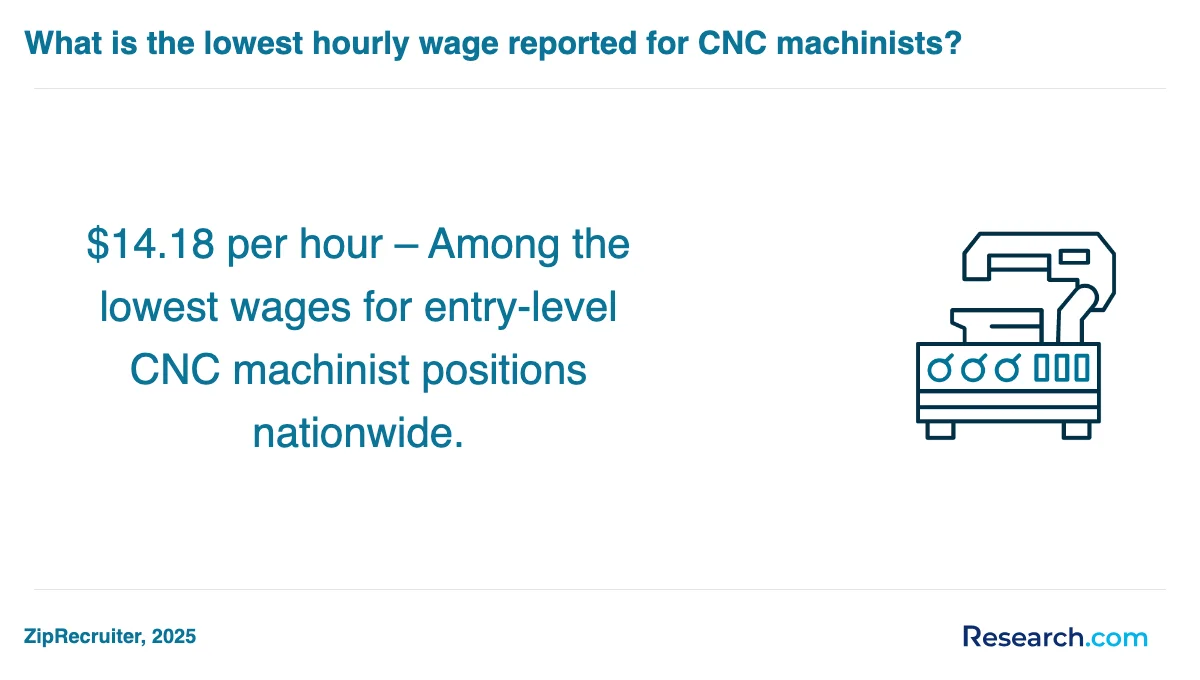
CNC machinist trade school programs in Connecticut typically include a blend of classroom theory and hands-on practice, designed to prepare students for real-world manufacturing roles. Graduates often reflect positively on the structured approach that begins with foundational courses such as:
- Introduction to machine technology, covering manual machine operations and shop safety
- Basic milling and lathe operations, essential before advancing to CNC systems
Students quickly move into CNC-specific training, gaining proficiency in operating mills and lathes controlled by computer programs. They learn programming languages like G-code and M-code and use software such as Mastercam to create precise tool paths. Popular Connecticut trade schools emphasize practical application, where students simulate actual production environments, making the learning experience engaging and relevant.
Core courses also include shop mathematics, blueprint reading, and Geometric Dimensioning & Tolerancing (GD&T), which are crucial for interpreting engineering drawings accurately. Many graduates report feeling confident when applying these skills directly on the shop floor.
Additional training in metrology, precision inspection, material science, and manufacturing processes rounds out the curriculum, ensuring students understand quality control and material behavior. Advanced programs often offer multi-level instruction and certifications like OSHA 10, which students find motivating and career-enhancing.
CNC machining specializations in Connecticut often focus on precise skill sets aligned with local industry demands, evident in popular trade schools like H.C. Wilcox in Meriden and A.I. Prince in Hartford. Graduates from these programs report confidence gained through hands-on experience with manual milling machines, lathes, and CNC programming that reflect real manufacturing environments.
Students typically choose from specializations such as:
- Aerospace Component Manufacturing Technology, combining traditional machining with advanced technologies like 3D printing and robotic programming at A.I. Prince Technical High School
- Precision Machining Technology, taught at multiple schools including Windham and Howel Cheney, focusing on fundamentals like machine safety, measuring tools, and manual machine operation
These Connecticut CNC machinist program options provide apprenticeships and work-based learning opportunities, reinforcing technical skills with on-the-job training. Graduates describe a rewarding learning process, embracing both modern computerized methods and hands-on craftsmanship.
Prospective students looking for affordable options can explore flexible choices such as an associate degree online cheap, combining convenience with career-focused education.
Choosing from the best CNC machinist trade schools in Connecticut requires careful evaluation of accreditation, curriculum, and industry connections. Graduates often stress the value of attending programs like those at Goodwin College, which is accredited and emphasizes hands-on training with advanced CNC milling and turning machines, making theoretical lessons come alive in practical settings. This immersive experience builds both confidence and skill efficiently.
Another critical factor is job placement. Top CNC machinist programs in Connecticut often have strong partnerships with local manufacturers, enhancing opportunities for internships and immediate employment after graduation. Students from these schools frequently share positive stories about how these connections helped launch their careers smoothly.
Flexibility and cost also weigh significantly. Many choose programs like those in community colleges where tuition might range between affordable brackets, balancing budget and schedule demands well. For those prioritizing swift entry into the workforce, exploring the quickest online associate degree programs that pay well can complement their goals.
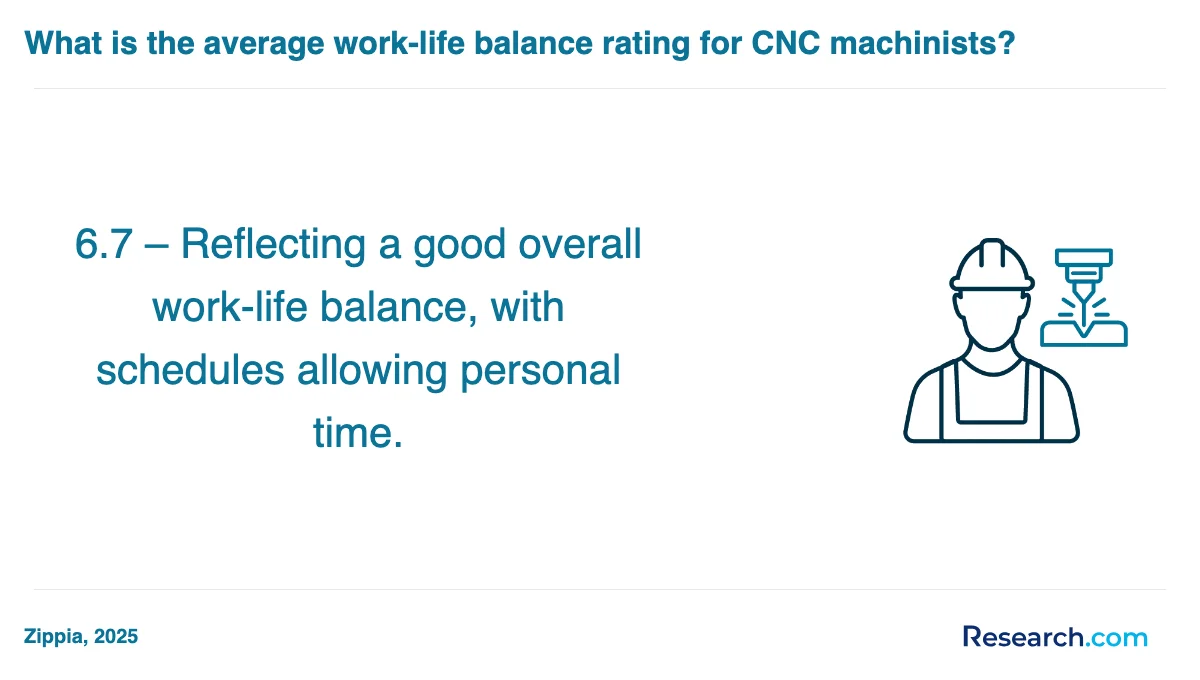
Graduates of CNC machinist trade school programs in Connecticut often find diverse career paths immediately available in the state's vibrant manufacturing sector. Entry-level CNC machine operator careers Connecticut include positions such as lathe machinist and milling machinist, where graduates apply hands-on skills gained at well-regarded trade schools. These roles frequently offer full-time employment with benefits, allowing new machinists to build stability while mastering precision equipment.
As graduates gain experience, they can progress toward specialized roles like CNC programmer or tool and die maker. These positions demand higher technical knowledge and problem-solving abilities, reflecting the confidence and competence forged through practical training.
Many also transition into supervisory, quality control, or even engineering support roles within manufacturing firms. Local companies value machinists who understand both machine operation and process automation, sometimes promoting those with a few years of experience to lead teams or develop efficient workflows.
One graduate shared how studying CNC machining opened doors beyond the shop floor, encouraging them to explore the easiest certifications to get that pay well in related areas such as industrial maintenance and manufacturing engineering.
Overall, CNC machinist jobs in Connecticut offer rich opportunities for career growth, driven by steady statewide demand and advanced manufacturing investments.
The job market for CNC machinist trade school graduates in Connecticut is notably strong, with growth projections of 23 percent by 2024 reflecting robust demand. Graduates from well-regarded Connecticut trade schools frequently find opportunities in aerospace manufacturing, machine shops, and engineering services. For instance, many report securing roles in major companies like Pratt & Whitney shortly after completing hands-on training. This demand translates into approximately 141 new CNC machinist job openings each year, creating an encouraging environment for entering this field.
When considering CNC machinist job openings in Connecticut, graduates often highlight:
- High employer interest in CNC programming skills
- Value placed on certifications such as Lean Manufacturing and Six Sigma
- Strong local hiring activity, with Hartford alone listing over 230 jobs
Salaries reflect this demand, with an average CNC machinist salary and employment outlook Connecticut showing annual pay around $111,716, and experienced professionals earning well above $150,000. Many graduates emphasize that technical expertise gained through low cost online certificate in woodworking programs complements their machinist training, boosting their competitive edge in this thriving job market.
Best CNC Machinist Training Programs & Trade Schools - Top CNC Schools in Connecticut for 2026
# 1 position
Connecticut State Community College - Computer Numerically Controlled (CNC) Machinist Technology/CNC Machinist.
certificate or diplomaConnecticut State Community College offers an on-campus Computer Numerically Controlled (CNC) Machinist Technology program. It trains students to operate CNC machine tools, including programming, setup, and troubleshooting. The curriculum covers blueprint reading, machining, lathe and mill operations, CAD/CAM systems, and safety practices. The program is accredited by the New England Commission on Higher Education. Annual in-state tuition is $5,092, with median earnings of graduates one year after completion at $41,378.
# 2 position
Lincoln Technical Institute-East Windsor - Computer Numerically Controlled (CNC) Machinist Technology/CNC Machinist.
certificate or diplomaThe Computer Numerically Controlled (CNC) Machinist Technology program at Lincoln Technical Institute-East Windsor is a hybrid offering that trains students to operate CNC machine tools, including lathes and mills. The curriculum covers CNC programming, setup, operations, troubleshooting, blueprint reading, machining, CAD/CAM systems, technical math, and safety practices. Graduates have median earnings of $39,408 one year after completion. The program is accredited by the Accrediting Commission of Career Schools and Colleges.
Frequently Asked Questions about CNC machinist
After completing a CNC machinist trade school in Connecticut, preparing for the job market involves several key steps. First, graduates should pursue relevant certifications, such as the National Institute for Metalworking Skills (NIMS) credentials, which are highly valued by local employers. According to the Connecticut Department of Labor, CNC machinists earn a median wage of about $25 to $30 per hour, emphasizing the importance of strong technical skills.
Networking is essential; attending industry events and joining local manufacturing associations can open job opportunities. Additionally, creating a detailed resume highlighting practical experience gained during training helps employers recognize job readiness. Connecticut's manufacturing sector continues to grow, so staying informed about local job openings through state job boards is beneficial.
Employers in Connecticut value CNC machinist trade school graduates who demonstrate strong technical skills in computer numerical control programming and machine operation. Proficiency with CAD/CAM software and the ability to read complex blueprints are essential. According to the Connecticut Department of Labor, precision and attention to detail rank high among desired traits.
Problem-solving skills and adaptability to advanced manufacturing technologies are increasingly important due to the rise of automation in the state's manufacturing sector. Safety awareness and adherence to industry standards also remain critical.
Effective communication and teamwork are sought after, as machinists often collaborate closely with engineers and production teams.
Finding internships relevant to CNC machinist trade school programs in Connecticut involves multiple strategic steps. Start by contacting local community colleges and technical schools, as they often have established partnerships with manufacturing companies offering internships.
Additionally, the Connecticut Department of Labor provides resources and job listings that include internship opportunities in advanced manufacturing fields. According to their latest reports, manufacturing internships in Connecticut have grown by 8% over the past three years, reflecting the industry's demand for skilled CNC machinists.
Networking through industry associations such as the Connecticut Business & Industry Association can also connect students with employers seeking interns. Visiting job fairs focused on manufacturing or skilled trades is another effective method. Lastly, directly reaching out to CNC machining companies in Connecticut can uncover unadvertised internship openings.
Obtaining a CNC machinist trade school diploma in Connecticut significantly enhances career mobility and advancement opportunities. Graduates gain practical skills recognized by local manufacturers, which is crucial in Connecticut's advanced manufacturing sector. According to the Connecticut Department of Labor, CNC machinists with formal training have a 15% higher employment rate compared to those without specialized education.
The diploma often serves as a stepping stone to higher-paying roles, such as CNC programmer or manufacturing supervisor. Many employers in Connecticut prefer candidates with accredited trade school credentials, valuing both technical competence and safety knowledge. Additionally, certified machinists tend to experience faster wage growth, with median annual salaries exceeding $55,000 as reported by the Bureau of Labor Statistics for the region.
Trade schools also provide networking opportunities and apprenticeships, further facilitating career advancement within Connecticut's manufacturing hubs. This structured education helps graduates adapt to evolving technologies, ensuring long-term employability in a competitive job market.
Part-time job opportunities in Connecticut can effectively complement CNC machinist trade school education by providing practical experience and industry exposure. Positions such as machine operator assistants, tool room clerks, and quality control inspectors are common entry-level roles that allow students to apply classroom knowledge in real manufacturing settings.
According to the Connecticut Department of Labor, the manufacturing sector employed over 180,000 workers in 2023, many of whom started in part-time or apprenticeship roles. These jobs help students develop hands-on skills with CNC equipment, improve their understanding of production workflows, and build professional networks.
Additionally, internships with local factories or precision machining shops offer valuable experience aligned with the state's growing aerospace and defense industries.
To find the best CNC Machinist degree programs near me in Connecticut, consider exploring local community colleges and technical schools that often offer specialized training in CNC technology. Research resources such as Research.com provide insights into program rankings and reputations to help identify top programs in the region. Additionally, contacting nearby educational institutions directly can provide detailed information about the curricula, facilities, and hands-on training opportunities available for aspiring CNC machinists near Connecticut.
- Best CNC Machinist Training Programs & Trade Schools - Top CNC Schools in New York for 2026
- Best CNC Machinist Training Programs & Trade Schools - Top CNC Schools in Massachusetts for 2026
- Best CNC Machinist Training Programs & Trade Schools - Top CNC Schools in Pennsylvania for 2026
- Best CNC Machinist Training Programs & Trade Schools - Top CNC Schools in New Hampshire for 2026
- Best CNC Machinist Training Programs & Trade Schools - Top CNC Schools in Maine for 2026
- Best CNC Machinist Training Programs & Trade Schools - Top CNC Schools in Ohio for 2026
- Best CNC Machinist Training Programs & Trade Schools - Top CNC Schools in North Carolina for 2026
- Best CNC Machinist Training Programs & Trade Schools - Top CNC Schools in Tennessee for 2026
- Best CNC Machinist Training Programs & Trade Schools - Top CNC Schools in Indiana for 2026
- Best CNC Machinist Training Programs & Trade Schools - Top CNC Schools in Michigan for 2026
- How to Prepare for a Career as a CNC Production Specialist | OTC Blog https://blog.orangetechcollege.net/how-to-prepare-for-a-career-as-a-cnc-production-specialist/
- Everything You Want to Know About CNC Machining Training and Careers | UTI https://www.uti.edu/blog/cnc/everything-you-want-to-know-about-cnc-machining-training-and-careers
- MACHINIST | So a question for you guys, I was told that a guy should be trained enough in a month to make money on jobs as a trainee CNC machinist | Facebook https://www.facebook.com/groups/769782850345135/posts/1616437482346330/
- What Is a CNC Machinist? Your Guide to a High-Pay Skilled Trade - Timpl https://www.timpl.com/blog/what-is-a-cnc-machinist-your-guide-to-a-high-pay-skilled-trade
- The Ultimate CNC Machinist Career Guide https://www.4cornerresources.com/career-guides/cnc-machinist/
- Top 3 CNC Machinist Careers In-Demand | Goodwin University https://www.goodwin.edu/enews/in-demand-cnc-machining-careers/
- With manufacturing jobs on the rise, CNC operator certificate gives you the tools to get hired | TCC.edu https://www.tcc.edu/with-manufacturing-jobs-on-the-rise-cnc-operator-certificate-gives-you-the-tools-to-get-hired/
- CNC Machinist | Minneapolis Community & Technical College https://minneapolis.edu/academics/school-trade-technologies/cnc-machinist
- CNC Machinist Technician | NAIT https://www.nait.ca/programs/cnc-machinist
- CNC Operator/Programmer - Numerika Wrocław https://numerika.pl/cnc-operator-programmer