
Best CNC Machinist Training Programs & Trade Schools - Top CNC Schools in Maine for 2026

Co-Founder and Chief Data Scientist
Choosing the right CNC machinist trade school in Maine can shape your future career in manufacturing and technology. This article introduces a carefully crafted ranking of CNC machinist trade school programs developed by the Research.com team of data scientists. It’s designed to help you make an informed decision about the best programs to consider.
By exploring these programs, you’ll discover valuable opportunities to earn a diploma or certification that can open doors to rewarding jobs. Taking this step is an investment in your skills and future success.
Key benefits of finishing CNC machinist trade school in Maine
- Graduates from CNC machinist trade schools in Maine can expect starting salaries between $43,520 and $53,170 annually, with potential to earn up to $74,877 as they gain experience.
- A graduate from a popular Maine trade school often finds diverse career paths, including roles as entry-level machinists, senior CNC operators, or specialized technicians in various manufacturing industries.
- Completing a CNC machinist program online offers flexibility and faster completion times, allowing students to balance work and study, as experienced by many successful online graduates from well-known Maine trade schools.
- Best CNC Machinist Training Programs & Trade Schools - Top CNC Schools in Maine for 2026
- What can I expect from CNC machinist trade schools in Maine?
- Where can I work after finishing CNC machinist trade schools in Maine?
What can I expect from CNC machinist trade schools in Maine?
Enrolling in a CNC machinist trade school program in Maine means diving into both classroom learning and hands-on practice designed to prepare you for real-world manufacturing jobs. Graduates from programs like the 14-week CNC Machining Academy at York County Community College often highlight how quickly they gained confidence operating CNC mills and lathes, thanks to practical lessons on blueprint reading and machine setup.
Expect to master industry-standard programming languages such as G and M codes, and earn valuable certifications like OSHA 10 and HAAS Mill and Lathe, which boost employability. Safety is a strong focus, making the learning environment both challenging and supportive.
Courses typically cover machine shop math, part inspection, and CAM software, with access to modern labs equipped with precision tools. Many students appreciate how this tech-rich environment mirrors actual shop floors.
Options range from short certificates to associate degrees at schools like Central Maine Community College, offering flexibility and credit pathways toward advanced studies. Graduates report feeling well-prepared for roles including CNC operator, tool and die maker, and quality control technician.
Where can I work after finishing CNC machinist trade schools in Maine?
After finishing a CNC machinist trade school program in Maine, graduates typically find work in manufacturing companies focused on precision engineering, metal fabrication, and aerospace components. Many secure roles as CNC machinists, machine operators, or tool room machinists, often within firms like Masters Machine Company or Harvey Performance Company. These jobs usually offer competitive hourly wages between $20 and $38, along with benefits such as health insurance and paid vacation.
Graduates from trade schools in Maine often share how hands-on training prepared them to confidently set up CNC machines, read blueprints, and inspect finished parts on the job. Their ability to handle multiple shifts, including weekends or nights, makes them valuable hires in a steady job market.
With experience, many machinists advance to senior positions or transition into quality engineering roles. Some even become trainers, passing on skills to new machinists, which brings a rewarding sense of contribution to Maine's thriving manufacturing sector.
After finishing a CNC machinist trade school program in Maine, graduates can expect to start earning between $29 and $33 per hour. This range reflects what many recent graduates from popular trade schools in Maine experience when they enter the workforce. For example, those starting out in cities like Bangor or Paris often see full-time job offers with wages around $28.89 to $34.50 per hour, which is a solid entry point for a skilled trade.
With hands-on experience gained on the job, many graduates quickly see their wages rise. Some employers in Maine, like ALIGN PRECISION, pay as much as $32.65 per hour on average, which is about 31% above the national average. This kind of pay boost is encouraging for graduates who want to advance their careers and specialize in complex machining tasks.
Graduates often share how their initial paychecks reflect real progress from the classroom to the shop floor. Starting salaries in the $29 to $33 range provide a practical foundation, allowing them to build skills and confidently plan for a financially stable future in Maine's manufacturing sector.
- Programs are offered at Central Maine Community College, York County Community College, Northern Maine Community College, and Mid-Coast School of Technology.
- Applicants must be at least 18 years old and have a high school diploma or equivalent to enroll.
- Program lengths range from a 7-week evening course to a 9-month certificate program, with some full-time 14-week academies available.
- Tuition varies, with a 7-week program costing $310 in-state, while some programs are free for qualifying Maine residents and may include financial aid options.
- Graduates earn certifications like NIMS, OSHA 10, and HAAS, preparing them for jobs such as CNC operators, tool makers, and programmers.
- Starting salaries range from $35,000 to $45,000 annually, with experienced machinists earning over $55,000 depending on location and skills.
Completing a CNC machinist trade school program in Maine typically takes between 9 months to 1 year, depending on the school and whether you attend full-time or part-time. Many graduates from well-known Maine trade schools report finishing their programs within this time frame, which allows them to quickly enter the workforce with solid hands-on experience.
For example, students attending popular institutions in the state often describe their schedules as intensive but manageable, balancing classroom theory with practical machine operation. This focused approach helps students build confidence early on, making the learning process feel rewarding rather than overwhelming.
Graduates often highlight how the structured timeline of these programs fits well with their personal goals, allowing them to transition smoothly into entry-level CNC machinist roles. The clear, step-by-step progression keeps motivation high, especially when you see your skills improve week by week in a real shop environment.
The main difference between online and on-campus CNC machinist trade school programs in Maine is the balance between flexibility and hands-on experience. Online programs offer the convenience of studying CNC programming, blueprint reading, and math at your own pace-ideal for students juggling jobs or family. However, graduates often mention missing the tactile experience of working directly with HAAS mills or lathes, which are crucial for mastering real-world machining skills.
On the other hand, students at on-campus programs like those at York County Community College or Mid-Coast School of Technology describe a more immersive environment. They spend hours in machine shops, setting up and operating CNC equipment under expert supervision. This direct practice builds confidence and competence, preparing them for entry-level roles where precision and safety are paramount.
Graduates from these Maine trade schools often highlight the value of certifications like OSHA 10 and HAAS Mill and Lathe Certification, which come from hands-on training. The shorter, intensive schedules-ranging from 7 to 14 weeks-make it easier to quickly enter the workforce with practical skills employers demand.
The average cost CNC machinist program Maine offers can vary significantly depending on the school, program length, and residency status. Graduates from Central Maine Community College (CMCC) often reflect on balancing affordability with comprehensive training. At CMCC, in-state tuition for the Precision Machining Technology program is $96 per credit hour, accumulating to about $5,856 for a full 61-credit associate degree. Out-of-state students face twice that cost, paying $192 per credit hour. Those who chose shorter, hands-on courses like the PMT Academy Training Program at CMCC usually pay around $4,850 for the full 200-hour course, which many find a practical way to quickly gain essential CNC lathe and milling skills without a long-term financial commitment.
Another popular option comes from Southern Maine Community College (SMCC), where the Precision Machining & Manufacturing Associate Degree spans 24 credits over two semesters. The annual tuition of $3,880 aligns well with many local students' budgets, especially when combined with available financial aid. Many graduates appreciate how these programs address CNC machinist training expenses Maine residents face while providing real-world skills that quickly translate to good job prospects.
Those weighing costs often investigate various funding opportunities; for instance, scholarships from organizations like the Manufacturers Association of Maine help reduce financial strain. For a well-rounded view of cost-effective options, prospective students can explore the cheapest cnc machinist training programs online, which may offer comparable training with flexible schedules and lower expenses.

CNC machinist students in Maine often rely on a mix of financial aid options to manage costs, from federal grants to specialized local programs. Graduates from Southern Maine Community College (SMCC) recall how applying for Pell Grants and federal student loans through FAFSA made their training affordable, covering tuition and equipment expenses. State aid is another key resource, with agencies like the Maine Workforce Development Agency offering grants aimed at in-demand trades such as machining.
Many students benefit from Workforce Innovation and Opportunity Act (WIOA) funding, which supports job training for eligible adults. Both SMCC and Mid-Coast School of Technology have students who praise this funding for easing their financial burden while learning valuable skills. At York County Community College, some trainees enjoy a 14-week free CNC Machining Academy, fully funded by grants like the Harold Alfond Grant, making it possible to complete certification without debt.
At Northern Maine Community College, over 78% of students receive financial aid, reflecting broad access to support. Many graduates recommend exploring local scholarships or employer-backed funds that help offset costs, making CNC training in Maine both accessible and rewarding.
To enroll in a CNC machinist trade school program in Maine, candidates typically need a high school diploma or GED. This foundational requirement ensures students have basic math and reading skills essential for mastering CNC technology.
Trade schools in Maine often expect applicants to demonstrate:
- Proficiency in basic algebra and geometry, as these are crucial for programming and interpreting machine blueprints.
- Good manual dexterity and mechanical aptitude, which graduates frequently cite as key to their hands-on success.
- A positive attitude toward problem-solving and attention to detail, traits that Maine machinist students find rewarding during their practical labs.
Many schools also encourage some prior experience with machining or manufacturing environments, though it's not always mandatory. For example, graduates from well-known Maine trade schools recall how even a summer job in a machine shop helped them grasp CNC concepts faster.
Applicants may be asked to pass a placement test or complete an interview to assess their readiness. This step helps instructors tailor the program to each student's skill level, making the learning experience more effective and motivating.

CNC machinist trade school programs in Maine typically include a mix of hands-on and technical courses that prepare students for real-world manufacturing jobs. Graduates from schools like Mid-Coast School of Technology and York County Community College often highlight the practical nature of their training, which felt immediately applicable on the shop floor.
Core courses usually cover:
- Machine shop fundamentals: learning safe operation of lathes, mills, drills, and grinders, both manual and CNC-controlled.
- Blueprint reading: interpreting technical drawings and CAD/CAM files to accurately produce parts.
- Principles of CNC: understanding CNC operation and programming, including essential G and M codes.
- Precision measurement and inspection: using micrometers and calipers to ensure part accuracy.
- CNC machine setup and tool alignment: securing workpieces and adjusting tools for quality control.
Students often appreciate certifications like OSHA 10 and HAAS Mill and Lathe, which add to their job readiness and confidence. The layered credential approach lets learners pace themselves, making the experience feel manageable and motivating in the context of Maine's manufacturing landscape.
In Maine, students pursuing CNC machinist trade school programs typically specialize in skills that prepare them for key roles in manufacturing environments. For example, graduates from Northern Maine Community College's Computer-Aided Machining certificate gain expertise in programming, setup, and operation of CNC machinery, plus process planning and print reading, which equips them for positions as mill or lathe operators and quality inspectors. Similarly, Southern Maine Community College's Precision Machining & Manufacturing Associate Degree emphasizes both manual and CNC machining alongside engineering concepts, offering a well-rounded foundation for industries like aerospace and medical manufacturing.
Students navigating Maine CNC machinist program specializations often encounter focused training areas including:
- Reading and analyzing engineering drawings
- Using precision measuring tools
- Programming CNC equipment using software like Mastercam
- Tooling setup and machine manipulation
Programs such as Central Maine Community College's Precision Machining Technology include practical training on both conventional and CNC machines, while Mid-Coast School of Technology offers a hands-on introduction to basic CNC mill operations with manual programming. Graduates from these programs frequently highlight the confidence gained by mastering real-world machining tasks, helping them secure entry-level jobs in Maine's diverse manufacturing sectors.
If you're considering the cheapest way to get an associate's degree related to machining, explore options like these local programs that balance affordability with comprehensive training essentials.
Choosing the best CNC machinist schools in Maine means focusing on programs that combine solid accreditation with hands-on training. Graduates from Southern Maine Community College often praise the balance of classroom learning and real-world machine operation, helping them feel confident stepping into local manufacturing roles. Similarly, Kennebec Valley Community College's program stands out for its emphasis on precision measurement and fabrication skills, which many students say gave them a practical edge.
It's essential to compare CNC machinist program costs Maine carefully, as tuition can vary. Many find that costs between $96 and $192 per credit are reasonable if paired with financial aid or scholarships. Checking job placement rates helps ensure your investment leads to employment. Some students also recommend exploring resources like low cost online trade schools for woodworking to gauge affordability across related programs.
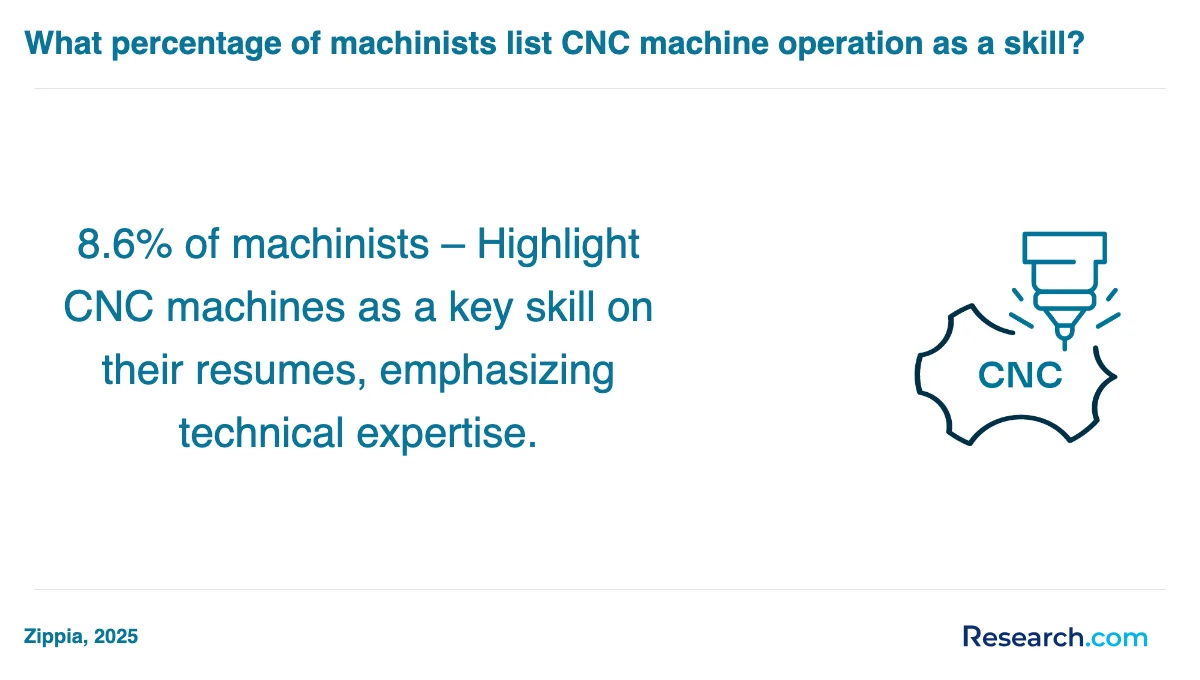
Graduates of CNC machinist trade school programs in Maine often start their careers as CNC machine operators or machinists, roles focused on running and maintaining equipment like lathes and milling machines. These entry-level positions are common at local manufacturing companies producing parts for aerospace, automotive, and medical devices. Many graduates from popular Maine trade schools share that they quickly adapt to interpreting blueprints and performing precise measurements, which builds a strong foundation in the field.
With experience, career paths expand to roles such as Senior CNC Machinist, Tool Room Machinist, or Quality Engineer. For example, some graduates move into senior positions where they develop machine setups and manage complex operations, while others transition into quality assurance, applying their machining background to improve manufacturing processes. These varied options highlight the flexibility within CNC machinist career opportunities in Maine.
Beyond machining, graduates often earn supervisory roles in manufacturing or production management after several years. Companies in Maine emphasize internal promotion, rewarding skilled machinists with leadership positions overseeing teams and workflows. Flexible schedules and competitive benefits further enhance job satisfaction.
For those seeking fast advancement or alternative credentials, exploring fastest online associate degree programs that pay well can complement hands-on skills and open additional career opportunities.
The job market for CNC machinist trade school graduates in Maine remains strong, reflecting steady demand in manufacturing hubs from Bangor to smaller rural shops. Graduates consistently report multiple open positions available immediately after completing programs at well-regarded trade schools in the state. Employers seek candidates skilled in machine setup, operation, and maintenance, often valuing hands-on experience gained through local schools.
Positive career outlooks are supported by competitive wages ranging from $21 to $35 per hour, with senior roles and weekend shifts offering even higher pay, sometimes up to $45 per hour. Many new graduates share that shift differentials and sign-on bonuses make entry into this field financially rewarding early on. Typical benefits include health insurance and retirement plans with company matching.
Key advantages of pursuing CNC machinist jobs in Maine include:
- Consistent openings across manufacturing sectors statewide
- Stable employment prospects with advancement potential
- Supportive benefits packages and incentives for shift work
- Relevant skills in blueprint reading and quality control taught by popular trade schools
Those looking into Maine CNC machinist salary and career outlook can explore the top paying trade school jobs to understand how CNC machining ranks among other skilled trades, providing a clear path to financial stability and job security.
Best CNC Machinist Training Programs & Trade Schools - Top CNC Schools in Maine for 2026
# 1 position
Northern Maine Community College - Computer Numerically Controlled (CNC) Machinist Technology/CNC Machinist.
certificate or diplomaNorthern Maine Community College offers a hybrid Computer Numerically Controlled (CNC) Machinist Technology program that trains students to operate CNC machine tools, including lathes and mills. The curriculum covers CNC terminology, programming, setup, operations, troubleshooting, blueprint reading, machining, CAD/CAM systems, and safety practices. The program’s annual in-state tuition is $3,880 and it is accredited by the New England Commission on Higher Education.
# 2 position
Southern Maine Community College - Computer Numerically Controlled (CNC) Machinist Technology/CNC Machinist.
certificate or diplomaSouthern Maine Community College offers a hybrid Computer Numerically Controlled (CNC) Machinist Technology program that prepares students to operate CNC machine tools, including lathes and mills. The curriculum covers CNC terminology, programming, setup, troubleshooting, blueprint reading, machining, CAD/CAM systems, and safety practices. Annual in-state tuition is $3,797. The program is accredited by the New England Commission on Higher Education.
Frequently Asked Questions about CNC machinist
After completing a CNC machinist trade school in Maine, preparing for the job market involves several key steps. First, graduates should obtain industry-recognized certifications like the National Institute for Metalworking Skills (NIMS) credentials, which enhance employability. According to the Maine Department of Labor, the demand for CNC machinists is expected to grow by 4% through 2030, reflecting steady opportunities in manufacturing sectors.
Networking is also crucial. Engaging with local trade associations and attending job fairs in cities like Portland and Lewiston can connect graduates with employers. Additionally, gaining practical experience through internships or apprenticeships often leads to full-time positions.
Finally, developing a strong resume that highlights technical skills, software proficiency, and hands-on training from the trade school can help graduates stand out in Maine's competitive job market.
Employers in Maine highly value CNC machinist graduates who demonstrate strong technical skills, including proficiency in CNC programming and operation. Knowledge of G-code and CAD/CAM software is essential for precision and efficiency. According to the Maine Department of Labor, the demand for machinists with computer-aided manufacturing experience is growing steadily.
Attention to detail and problem-solving abilities are also critical, as machinists must ensure parts meet exact specifications. Communication skills are important for collaborating with engineers and supervisors. Additionally, safety awareness and familiarity with machine maintenance contribute to workplace reliability and productivity.
Finding internships in Maine relevant to CNC machinist trade school programs involves several practical steps. Start by contacting local technical colleges and trade schools, as many have partnerships with manufacturing companies offering internships to students. The Maine Department of Labor reports that manufacturing internships have grown by 12% over recent years, reflecting industry demand.
Additionally, use Maine's job and internship portals such as Maine JobLink, which lists opportunities specifically in manufacturing and CNC machining. Networking with local manufacturing firms, especially those in Portland and Lewiston, can uncover hidden internship openings. Trade associations like the Maine Manufacturing Extension Partnership (MEP) also provide resources and connections to internships.
Finally, consider attending local job fairs and industry events to meet employers directly and learn about internship availability in CNC machining.
Obtaining a CNC machinist trade school diploma in Maine significantly enhances career mobility and advancement opportunities. This credential demonstrates mastery of essential technical skills, which employers in Maine's manufacturing sector highly value. According to the Maine Department of Labor, CNC machinists earn a median annual wage of approximately $45,000, with diploma holders often qualifying for higher starting salaries compared to those without formal training.
Graduates benefit from improved job prospects, as many manufacturers prefer hiring candidates with verified CNC expertise. The diploma also facilitates upward mobility into supervisory or specialized programming roles over time. Additionally, Maine's growing precision manufacturing industry creates steady demand, supporting long-term career growth for credentialed machinists.
Industry sources such as the Bureau of Labor Statistics highlight that formal education correlates with lower unemployment rates in technical trades, reinforcing the diploma's value in securing stable employment in Maine's competitive job market.
Students enrolled in CNC machinist trade schools in Maine can benefit from part-time jobs that provide practical experience alongside their studies. Positions such as machine operator assistants, quality control inspectors, and toolroom helpers are common in manufacturing companies across Maine. These roles allow students to familiarize themselves with shop floor environments and CNC equipment.
According to the Maine Department of Labor, manufacturing remains a vital sector, employing over 50,000 workers statewide, which supports a steady demand for skilled machinists. Part-time work in related fields such as metal fabrication shops or maintenance teams can further develop technical skills and improve employability.
Additionally, internships or co-op positions within local industrial firms offer valuable hands-on training while maintaining flexible hours suitable for students. Engaging in these opportunities helps build a professional network important for post-graduation job placement.
To choose the best CNC Machinist degree program near me in Maine, start by researching local community colleges and technical schools that offer specialized programs in computer numerical control (CNC) machining, as these institutions often provide hands-on training and certifications. Evaluate each program's curriculum, the availability of modern equipment, and opportunities for apprenticeships or internships to ensure they align with industry standards and offer practical experience. Research.com can provide helpful insights into schools and programs near Maine, allowing you to compare based on faculty expertise, alumni success, and partnerships with local industries.
- Best CNC Machinist Training Programs & Trade Schools - Top CNC Schools in New Hampshire for 2026
- Best CNC Machinist Training Programs & Trade Schools - Top CNC Schools in Massachusetts for 2026
- Best CNC Machinist Training Programs & Trade Schools - Top CNC Schools in Connecticut for 2026
- Best CNC Machinist Training Programs & Trade Schools - Top CNC Schools in New York for 2026
- Best CNC Machinist Training Programs & Trade Schools - Top CNC Schools in Pennsylvania for 2026
- Best CNC Machinist Training Programs & Trade Schools - Top CNC Schools in Ohio for 2026
- Best CNC Machinist Training Programs & Trade Schools - Top CNC Schools in North Carolina for 2026
- Best CNC Machinist Training Programs & Trade Schools - Top CNC Schools in Tennessee for 2026
- Best CNC Machinist Training Programs & Trade Schools - Top CNC Schools in Indiana for 2026
- Best CNC Machinist Training Programs & Trade Schools - Top CNC Schools in Michigan for 2026
- Client Challenge https://www.polaris.edu/page/precision-cnc-machining
- MACHINIST | So a question for you guys, I was told that a guy should be trained enough in a month to make money on jobs as a trainee CNC machinist | Facebook https://www.facebook.com/groups/769782850345135/posts/1616437482346330/
- Cnc Machinist Jobs in New Zealand, Job Vacancies - Aug 2025 | SEEK https://www.seek.co.nz/cnc-machinist-jobs
- CNC Machinist II Job Details | WAGNER Group https://careers.wagner-group.com/Wagner_Spray_Tech_Corp/job/Plymouth-CNC-Machinist-II-MN-55447/1187609101/
- Vocational training in Poland CNC operator bricklayer https://thinkeurope.de/blog/vocational-training-in-poland-cnc-machine-operator-bricklayer
- General Machinist (Apprenticeship) | Certificate https://www.conestogac.on.ca/apprenticeship/general-machinist-apprenticeship
- Learn A Trade - SUNY https://www.suny.edu/trades/
- Where Can CNC Machinists Work? | Goodwin University https://www.goodwin.edu/enews/where-can-cnc-machinists-work-exciting-environments/
- CNC machinist | Explore Careers | National Careers Service https://nationalcareers.service.gov.uk/job-profiles/cnc-machinist
- What is the career path for a CNC machinist? | TRS Craft Services https://www.trscraftservices.com/blogs/2020-9/what-is-the-career-path-for-a-cnc-machinist


