Best CNC Machinist Training Programs & Trade Schools - Top CNC Schools in Pennsylvania for 2026

Co-Founder and Chief Data Scientist
If you’re considering a career as a CNC machinist in Pennsylvania, finding the right trade school is essential. This article introduces a carefully crafted ranking of CNC machinist trade school programs, created by the Research.com team of data scientists to help you make an informed decision.
Exploring these programs can open doors to rewarding opportunities, whether you’re earning a diploma or certification. Discovering the best schools means investing in your future with confidence and gaining skills that employers value.
Read on to find the programs that match your goals and start building a promising career path today.
Key benefits of finishing CNC machinist trade school in Pennsylvania
- Graduates can expect an average salary around $26.33 per hour or about $54,766 annually, with opportunities to earn up to $75,000 as they gain experience and skills.
- A CNC machinist graduate from a well-known Pennsylvania trade school often finds diverse career paths, including roles as journeyman machinists or specialized industry technicians, providing strong job stability and growth.
- Finishing a CNC machinist trade school online offers flexible scheduling and faster completion, as demonstrated by successful graduates of popular Pennsylvania online programs who balance work and study effectively.
- Best CNC Machinist Training Programs & Trade Schools - Top CNC Schools in Pennsylvania for 2026
- What can I expect from CNC machinist trade schools in Pennsylvania?
- Where can I work after finishing CNC machinist trade schools in Pennsylvania?
What can I expect from CNC machinist trade schools in Pennsylvania?
When you enroll in a CNC machinist trade school program in Pennsylvania, expect a hands-on learning experience that blends classroom theory with real-world machining practice. Graduates from schools like Pennsylvania College of Technology often share how starting with manual machines-lathes, mills, and drill presses-helped them grasp the fundamentals of shaping metal and reading blueprints clearly. This foundation makes moving on to CNC programming and machine operation feel natural and rewarding.
Many programs, such as the one at Lancaster County CTC, provide focused training in CNC setup, programming, and safety standards like OSHA-10, which students find boosts their confidence in the shop. You'll also use industry-standard equipment, including HASS CNC mills, to simulate the tasks you'll face as a technician or operator.
Graduates from New Castle School of Trades often highlight the value of certification prep embedded in their curriculum, especially for credentials from the National Institute for Metalworking Skills (NIMS). This certification can open doors and make you feel ready to step into Pennsylvania's manufacturing sector with pride and skill.
Where can I work after finishing CNC machinist trade schools in Pennsylvania?
After finishing a CNC machinist trade school program in Pennsylvania, you'll find a wide range of job opportunities waiting for you. Graduates often land positions in bustling manufacturing plants, specialized job shops, or advanced aerospace and medical device companies across cities like Pittsburgh, Philadelphia, and Allentown. Many classmates from well-known Pennsylvania trade schools recall starting as CNC Operators or Programmers in local metal fabrication firms, quickly gaining hands-on experience and confidence on the shop floor.
Employers such as Aries Electronics in Bristol and Conturo Prototyping in Pittsburgh commonly seek freshly trained machinists, offering competitive hourly wages that reflect your skill level and dedication. Some graduates have even secured stable roles with public sector employers like the U.S. Mint in Philadelphia, where benefits and job security provide peace of mind.
Whether you prefer the fast pace of high-volume production or the creative challenge of custom prototyping, Pennsylvania's diverse industries welcome your expertise. Many graduates share how their trade school training gave them the practical skills and mindset needed to thrive in these rewarding, hands-on careers.
After finishing a CNC machinist trade school program in Pennsylvania, many graduates find themselves earning an average hourly wage around $23.70, which adds up to nearly $49,300 a year in a full-time role. Graduates from well-known trade schools in the state often share how their starting salaries matched or even exceeded these averages, giving them confidence right out of the gate.
Some graduates specializing as CNC set-up machinists in cities like Harrisburg report earning close to $35 per hour, translating to about $72,000 annually. This jump feels rewarding, especially after investing time and effort in their training. Employers in Pennsylvania sometimes offer between $32 and $35 hourly for journeyman machinists, showing clear potential for growth beyond entry-level work.
Many graduates recall starting near the lower end of the $41,100 to $56,100 salary range, but with skill-building and certifications, their paychecks grew steadily. This progression encourages students to keep learning and specialize, turning their trade school experience into a stable and well-paid career.
- Admission usually requires a high school diploma or GED, with programs offered as certificates or associate degrees.
- Program lengths range from 10 months to 2 years, with apprenticeships lasting 2 to 4 years.
- Tuition costs vary between $12,285 and $25,680 depending on the school and credential type.
- Graduates can expect starting salaries between $40,000 and $48,000 annually, with experienced machinists earning over $60,000.
- No formal licensing is needed, but certifications like NIMS improve job prospects and pay.
Completing a CNC machinist trade school program in Pennsylvania typically takes about 9 to 12 months. Many graduates from well-known trade schools in the state share how this timeframe felt just right for diving deep into both the theory and hands-on skills needed to excel. For example, students at popular Pennsylvania trade schools often describe their experience as an intense but rewarding journey where they quickly transitioned from basic machine operation to programming complex CNC systems.
One graduate recalled how the structured schedule allowed them to balance learning with part-time work, making the program feel manageable and motivating. Another emphasized the confidence gained by the end of the program, thanks to real-world projects and expert instructors who connected classroom lessons to actual shop floor scenarios common in Pennsylvania's manufacturing hubs.
Overall, this duration helps students stay engaged without feeling overwhelmed, preparing them efficiently to enter the workforce with practical skills employers value locally.
The core difference between online and on-campus CNC machinist trade school programs in Pennsylvania is the learning environment and hands-on experience. Graduates from on-campus programs at schools like New Castle School of Trades often share how valuable it was to work directly with real CNC machines and manual lathes. They describe the confidence gained from setting up machines themselves, programming, and troubleshooting in a busy, well-equipped lab under the watchful eye of skilled instructors. This kind of immediate, tactile learning makes a big impact, especially when preparing for real manufacturing jobs.
Online programs, by contrast, focus more on theory-blueprint reading, shop math, and safety-all delivered through videos and simulations. While this flexibility suits those balancing work or family, many students find that without physical machine time, they need extra local labs or short on-campus sessions to truly build skills. Most Pennsylvania programs recognize this and blend online theory with in-person practice to ensure readiness for the shop floor.
The average cost CNC machinist programs Pennsylvania students encounter varies depending on the program length and institution. For example, graduates of the Community College of Philadelphia's 210-hour CNC Precision Machining Technology program paid around $3,450, which covered tuition and materials. This cost is reasonable for many, especially considering the hands-on training and industry-relevant skills gained.
Some students opt for longer programs like the 625-hour option at the same college, which, while more expensive, often qualify for financial aid and grants. This longer program awards 14 college credits, making it more appealing to those seeking comprehensive training and a stronger credential. Graduates from these programs often share how the investment felt worthwhile as it boosted their job prospects significantly in Pennsylvania's manufacturing sector.
Financial assistance plays a critical role in managing CNC machinist training tuition fees Pennsylvania offers. Many turn to scholarships from foundations like the Community College of Philadelphia Foundation, or state programs such as those offered by the Pennsylvania Workforce Development Agency. Moreover, some programs, for instance, Manufacturing 2000 (M2K) by New Century Careers, provide tuition-free training to qualified applicants, easing the financial burden considerably.
For students concerned about cost but desiring viable credentials, exploring options for a cheap online associates degree related to machining could be a smart move to complement on-site training while keeping expenses manageable.

Many CNC machinist students in Pennsylvania find financial aid essential for managing tuition and related costs. Graduates from schools like the Community College of Philadelphia often emphasize how completing the Free Application for Federal Student Aid (FAFSA) unlocked access to federal grants such as the Pell Grant and the Federal Supplemental Educational Opportunity Grant (FSEOG), which don't require repayment. These grants can significantly reduce financial stress during training.
In addition, Pennsylvania residents might qualify for the PA State Grant, a helpful boost specifically for locals. For those who need to borrow, federal student loans-including Subsidized and Unsubsidized Stafford Loans-offer flexible repayment options, while parents may consider the Federal PLUS Loan. Some students have also shared how scholarships through the Community College of Philadelphia Foundation helped cover expenses, rewarding both merit and financial need.
For those seeking tuition-free paths, the Manufacturing 2000 (M2K) program in Western Pennsylvania provides no-cost machinist training, funded by employers and government agencies. Payment plans offered by some schools also ease budgeting by spreading costs over months, making CNC training more accessible to many aspiring machinists.
When preparing to enroll in a CNC machinist trade school program in Pennsylvania, you'll typically need a high school diploma or GED. This foundational step ensures you have the basic math and reading skills essential for understanding machining concepts and blueprints.
Many graduates from well-known Pennsylvania trade schools share how having a solid grasp of algebra and geometry made their transition smoother. Schools often recommend brushing up on these skills before starting.
Other common prerequisites include:
- Basic computer skills, since CNC machines run on specialized software.
- Passing a placement test or an entrance exam in math and reading.
- Sometimes, a physical ability to handle tools and stand for extended periods.
Trade schools like those in Philadelphia and Pittsburgh often provide orientation sessions to help students meet these requirements confidently. Graduates remember feeling empowered once they cleared these initial steps, excited to dive into hands-on machining quickly.
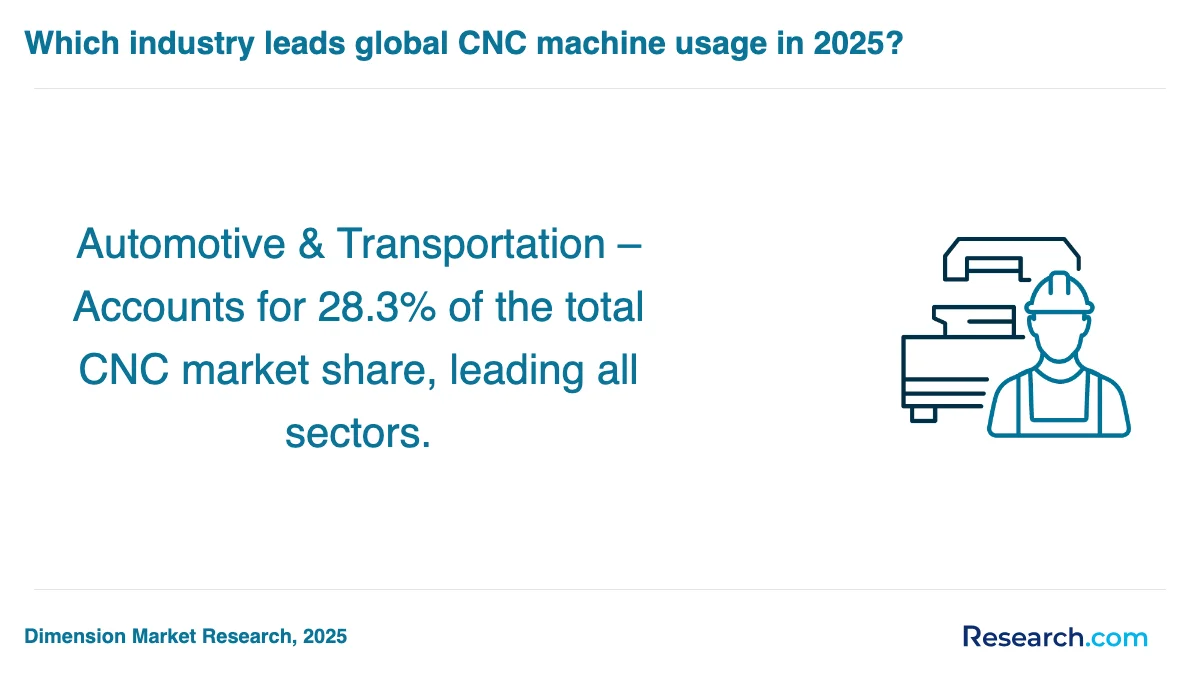
In Pennsylvania, CNC machinist trade school programs focus on hands-on and theoretical courses that prepare you to excel in modern manufacturing. Graduates from schools like Pennsylvania College of Technology and Community College of Allegheny County often share how foundational courses made a big difference in their careers.
Core courses typically include:
- CNC operations and programming: Learning to run CNC lathes and mills, plus writing and adjusting CNC code.
- Blueprint reading: Interpreting technical drawings, essential for producing exact parts.
- Precision measurement and metrology: Using micrometers and calipers to ensure parts meet tight tolerances.
- Manual machining: Starting with traditional lathe and mill techniques before advancing to automated CNC systems.
- Machinist mathematics: Calculating speeds, feeds, and dimensions accurately.
- Geometric dimensioning and tolerancing (GD&T): Understanding fit and assembly of parts.
Students often describe how safety training gave them confidence to work efficiently and responsibly. Advanced classes in CAD and CAM also equip learners with the digital skills needed for today's high-tech manufacturing environments. These courses, combined with general education, help build well-rounded machinists ready to step into Pennsylvania's manufacturing workforce with pride and skill.
CNC machining specializations in Pennsylvania trade schools focus on equipping students with practical, hands-on skills tailored for today's manufacturing needs. Graduates from places like Pennsylvania College of Technology and Erie Institute of Technology benefit from focused tracks in mill and lathe operations, mastering both manual and advanced CNC machines. These programs emphasize the vital skill of CNC programming, teaching students to write, modify, and troubleshoot the code that controls machining centers.
Many students enjoy project-based learning from schools such as New Castle School of Trades, where work with various materials and precision mechanical principles brings their training to life. Common modules include blueprint reading, precision measurement, and technical math, which prepare trainees for diverse industries like aerospace and automotive. Those seeking advanced expertise might explore training on multi-axis or CNC Swiss machines, reflecting the evolving roles emphasized in CNC operator and programmer training Pennsylvania.
Because the industry demands skills in automation and digital manufacturing, graduates feel confident stepping into dynamic roles. For those considering career growth, there are pathways integrating certificates with associate degrees. Exploring high paying jobs with easy certifications can inspire your journey after training.
When choosing from the best CNC machinist programs Pennsylvania offers, start by checking accreditation and reputation. Graduates from the Pennsylvania College of Technology often praise its Middle States accreditation and state-of-the-art machining labs that make hands-on learning feel like a real work environment.
Look closely at the curriculum balance between theory and practice. Top CNC machinist schools Pennsylvania like the Community College of Philadelphia mix classroom learning with extensive machine time on mills and lathes, preparing students thoroughly for industry demands.
Think about certifications too. Many students highlight how well their programs prepared them for industry-recognized NIMS certifications, which boost job prospects. Affordability is important-some schools offer payment plans or financial aid to ease your path, making these programs even more accessible.
Finally, strong job placement and network connections matter. Graduates from these schools often find internships and jobs quickly through partnerships with local manufacturers. For those seeking flexible pathways, exploring options like the quickest online associates degree that pay well can complement your training and accelerate your career journey.
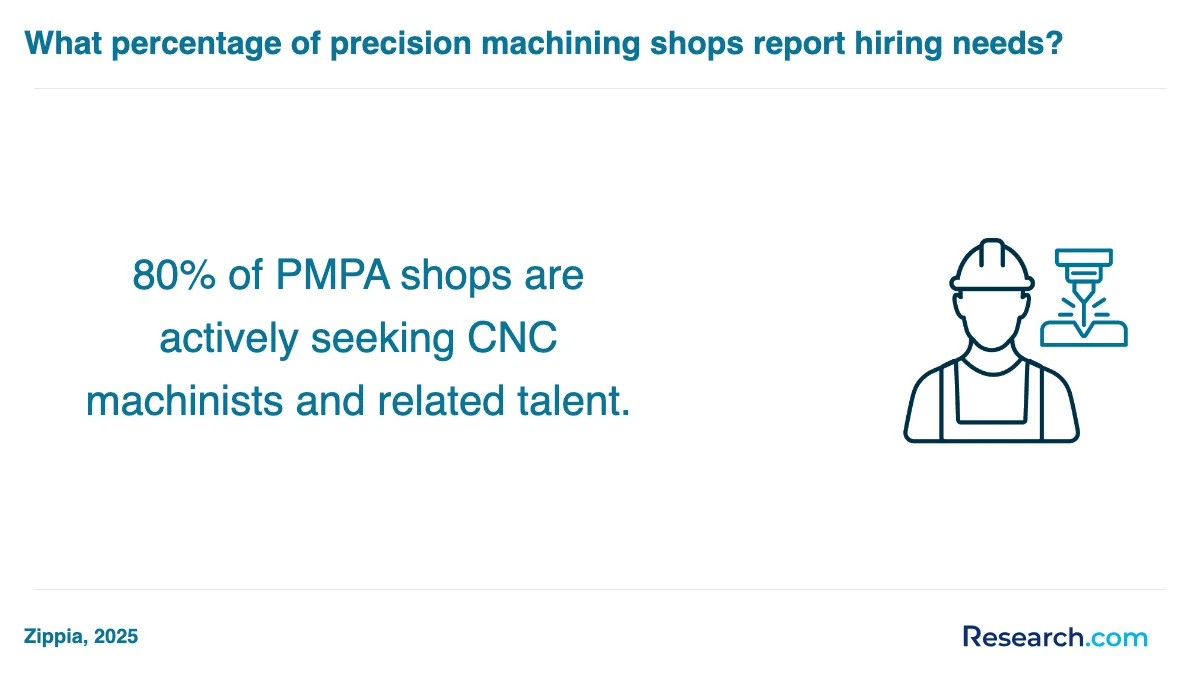
Graduates of CNC machinist trade schools in Pennsylvania find a variety of exciting career paths waiting for them. From roles like CNC Machine Tool Programmer and Machinist to specialized positions such as CNC programming and machine tool setters, the opportunities are diverse. Many graduates from popular Pennsylvania trade schools quickly move into positions where they write and optimize code, honing their skills as CNC programmers, a pathway that opens doors to leadership and higher wages. Employers in the state's strong manufacturing hubs-Pittsburgh, Erie, Harrisburg-actively seek talent, supporting steady job growth for CNC machinist jobs in Pennsylvania.
Some graduates share how hands-on training and job placement support from their schools helped them secure roles in thriving industries like medical device manufacturing and defense. Here, precision and expertise are crucial, making their skills highly valued. Others find satisfaction working in technological research or product development, constantly improving manufacturing efficiency.
For those wanting to explore options, most affordable cnc machining online trade school programs in Pennsylvania offer practical routes to advance in this field.
Consider these paths:
- Entry-level CNC Machine Operator positions with progression potential
- CNC Programming roles involving complex code and automation
- Supervisor roles overseeing shop floor operations
- Specialized positions like Lathe and Turning Machine Operator in industrial sectors
Each path offers rewarding challenges and a strong community of skilled professionals, making CNC programmer career opportunities Pennsylvania an inspiring choice for driven students. Embrace the exciting journey ahead-your skills will always be in demand, backed by companies eager to support your growth.
Graduates from CNC machinist trade school programs in Pennsylvania find a job market with solid opportunities but also some challenges. Many successful graduates from popular trade schools in the state share how their skills land them positions with starting wages around $20 per hour, moving upward to $35 or more with experience. Employers like Johnson Controls and Omnitech Automation actively hire, showing real demand for trained machinists in sectors like automotive and aerospace manufacturing. It's common for new CNC machinists to begin with entry-level roles that quickly advance as they gain hands-on experience.
When assessing the CNC machinist job market in Pennsylvania, consider these points:
- Job availability varies by region and experience, with some areas more active than others.
- Wages range broadly-from approximately $19.76 hourly for beginners to over $33 for advanced machinists-reflecting clear career growth.
- Despite Pennsylvania ranking lower nationally in salary competitiveness, passionate graduates often find rewarding positions through perseverance and skill development.
For those interested in flexible learning options, exploring affordable woodworking training programs online can complement traditional training and diversify skill sets. Sticking with your CNC machinist training and adapting to the evolving market improves job security and satisfaction, making Pennsylvania a unique but promising place to launch your machining career.
Best CNC Machinist Training Programs & Trade Schools - Top CNC Schools in Pennsylvania for 2026
# 1 position
Pennsylvania College of Technology - Computer Numerically Controlled (CNC) Machinist Technology/CNC Machinist.
certificate or diplomaPennsylvania College of Technology offers a hybrid program in Computer Numerically Controlled (CNC) Machinist Technology/CNC Machinist. The program trains students to operate CNC machine tools, including lathes and mills, and covers setup, programming, operations, and troubleshooting. Instruction includes blueprint reading, technical mathematics, CAD/CAM systems, and safety practices. The annual in-state tuition is $17,940. The program is accredited by the Middle States Commission on Higher Education.
# 2 position
Lehigh Career & Technical Institute - Computer Numerically Controlled (CNC) Machinist Technology/CNC Machinist.
certificate or diplomaLehigh Career & Technical Institute offers a program in Computer Numerically Controlled (CNC) Machinist Technology/CNC Machinist designed to prepare students to operate CNC machine tools, including lathes and mills. The curriculum covers CNC terminology, setup, programming, operations, troubleshooting, blueprint reading, technical mathematics, CAD/CAM systems, and safety practices. The program is accredited by the Pennsylvania State Board of Vocational Education.
Frequently Asked Questions about CNC machinist
After completing a CNC machinist trade school in Pennsylvania, preparing for the job market involves several strategic steps. First, graduates should obtain relevant certifications such as the National Institute for Metalworking Skills (NIMS) credentials, which are highly valued by employers. According to the Pennsylvania Department of Labor & Industry, the demand for skilled CNC machinists is projected to grow by 5% through 2030, emphasizing the importance of certification.
Networking is also crucial; attending local industry events and joining trade organizations can connect graduates with potential employers. Additionally, building a strong resume that highlights hands-on training and any internship experience gained during schooling increases job prospects.
Finally, staying updated with the latest CNC technologies and software through continuing education can enhance employability in Pennsylvania's competitive manufacturing sector.
Employers in Pennsylvania seeking CNC machinist trade school graduates prioritize a combination of technical and soft skills. Proficiency in operating CNC machinery, including programming with G-code and understanding CAD/CAM software, is essential. According to data from the Pennsylvania Department of Labor & Industry, candidates with strong precision measurement and blueprint reading abilities are highly valued. Additionally, problem-solving skills and the ability to perform routine maintenance on machines improve employability.
Communication skills and teamwork are also important, as machinists often collaborate in manufacturing settings. Employers expect graduates to demonstrate safety awareness and adherence to industry standards, which aligns with OSHA regulations applicable in Pennsylvania workplaces.
Finding internships related to CNC machinist trade school programs in Pennsylvania involves several practical steps. Start by contacting the career services offices of trade schools or community colleges, as they often maintain partnerships with local manufacturers. According to the Pennsylvania Department of Labor & Industry, manufacturing remains a strong sector in the state, with many companies seeking skilled CNC operators.
Online job platforms such as Indeed and LinkedIn frequently list internship opportunities in this field. Additionally, industry organizations like the National Tooling and Machining Association (NTMA) Pennsylvania chapter provide networking events and apprenticeship listings.
Local manufacturing hubs in cities like Pittsburgh and Philadelphia offer more opportunities, so consider focusing your search there. Finally, direct outreach to companies specializing in precision machining can sometimes yield unadvertised internships.
A CNC machinist trade school diploma in Pennsylvania significantly enhances career mobility and advancement opportunities. Graduates typically gain hands-on skills in computer numerical control programming and machine operation, which are highly sought after in industries such as manufacturing and aerospace. According to the Pennsylvania Department of Labor & Industry, job openings for CNC machinists are expected to grow by 5% through 2030, reflecting steady demand.
Holding a diploma often allows candidates to qualify for higher-paying positions and supervisory roles. Entry-level CNC machinists in Pennsylvania earn a median wage of around $22 per hour, with experienced diploma holders moving into roles earning over $30 per hour, according to the U.S. Bureau of Labor Statistics.
Employers value trade school diplomas as evidence of specialized training, which can lead to faster promotions and more job stability in a competitive market.
Part-time job opportunities in Pennsylvania that complement CNC machinist trade school education often include roles such as machine operator assistant, quality control technician, and production support staff. These positions provide hands-on experience with manufacturing equipment and help students apply theoretical knowledge in real-world settings.
According to the Pennsylvania Department of Labor & Industry, manufacturing jobs in the state have grown steadily, with CNC-related roles expected to increase by 5% through 2028. This growth creates openings for part-time work that can enhance skills and build professional networks.
Additionally, internships or co-op positions at local manufacturing firms offer valuable exposure to CNC programming and maintenance, aligning well with trade school curricula.
Yes, there are CNC Machinist degree programs available near Pennsylvania that focus on providing students with the skills needed for careers in precision manufacturing and machining technology. Community colleges and technical schools often offer these programs, and you can use resources like Research.com to locate options near me. Additionally, programs near Pennsylvania emphasize hands-on training with CNC machines and computer-aided design software to prepare graduates for the workforce.
- Best CNC Machinist Training Programs & Trade Schools - Top CNC Schools in New York for 2026
- Best CNC Machinist Training Programs & Trade Schools - Top CNC Schools in Ohio for 2026
- Best CNC Machinist Training Programs & Trade Schools - Top CNC Schools in Connecticut for 2026
- Best CNC Machinist Training Programs & Trade Schools - Top CNC Schools in Massachusetts for 2026
- Best CNC Machinist Training Programs & Trade Schools - Top CNC Schools in North Carolina for 2026
- Best CNC Machinist Training Programs & Trade Schools - Top CNC Schools in Tennessee for 2026
- Best CNC Machinist Training Programs & Trade Schools - Top CNC Schools in Indiana for 2026
- Best CNC Machinist Training Programs & Trade Schools - Top CNC Schools in New Hampshire for 2026
- Best CNC Machinist Training Programs & Trade Schools - Top CNC Schools in Maine for 2026
- Best CNC Machinist Training Programs & Trade Schools - Top CNC Schools in Michigan for 2026
- CNC Machinist: Great Career for High School Students & Recent Grads https://www.steckermachine.com/blog/cnc-machinist-career-for-students-and-grads
- CNC Machinists: A Career Path for School Leavers - Stonehill Engineering https://stonehillengineering.com/cnc-machinists-a-career-path-for-school-leavers/
- CNC Design & Manufacturing Technology | Anoka Technical College https://www.anokatech.edu/programs/cnc-design-manufacturing-technology/
- Career Opportunities in the Field | HVCC https://www.hvcc.edu/programs/all/stem/cnc-machining-technology/career.html
- WorkBC Site Maintenance - Service Temporarily Unavailable https://www.workbc.ca/career-profiles/machinists-and-machining-and-tooling-inspectors
- Machinist I Salary in Pennsylvania (August 01, 2025) | Salary.com https://www.salary.com/research/salary/benchmark/machinist-i-salary/pa
- Where Can CNC Machinists Work? | Goodwin University https://www.goodwin.edu/enews/where-can-cnc-machinists-work-exciting-environments/
- CNC machinist | Explore Careers | National Careers Service https://nationalcareers.service.gov.uk/job-profiles/cnc-machinist
- The Ultimate CNC Machinist Career Guide https://www.4cornerresources.com/career-guides/cnc-machinist/
- What is the career path for a CNC machinist? | TRS Craft Services https://www.trscraftservices.com/blogs/2020-9/what-is-the-career-path-for-a-cnc-machinist