Best CNC Machinist Training Programs & Trade Schools - Top CNC Schools in Asheville for 2026

Co-Founder and Chief Data Scientist
Are you considering a career as a CNC machinist in Asheville? Choosing the right trade school program can shape your future success. This article introduces a carefully crafted ranking of CNC machinist trade school programs, developed by the Research.com team of data scientists, to guide you through your options.
By reading this, you’ll discover programs that offer strong training, hands-on experience, and valuable certifications. Earning a diploma or certification can open doors to rewarding job opportunities and career growth. Let’s explore the best paths to kickstart your machining career with confidence.
Key benefits of finishing CNC machinist trade school in Asheville
- Graduates of CNC machinist trade schools in Asheville can expect competitive pay, with average hourly wages around $23.17 and annual salaries near $56,668, offering a solid return on investment.
- A graduate from a popular Asheville trade school found diverse career paths, including roles as CNC operator, machinist programmer, or supervisor, providing opportunities for growth and specialization.
- Completing a CNC machinist trade school online offers flexibility and faster completion, as experienced by an online graduate who balanced work and study while gaining hands-on skills without a traditional degree's time commitment.
- Best CNC Machinist Training Programs & Trade Schools - Top CNC Schools in Asheville for 2026
- What can I expect from CNC machinist trade schools in Asheville?
- Where can I work after finishing CNC machinist trade schools in Asheville?
What can I expect from CNC machinist trade schools in Asheville?
Enrolling in a CNC machinist trade school program in Asheville means diving into hands-on training paired with essential classroom learning. Graduates from popular schools like Asheville-Buncombe Technical Community College share how they quickly gained confidence operating multi-axis CNC machines and mastering precision measurement tools. You'll engage with both manual machining techniques and advanced computer-integrated processes, which prepares you for real-world manufacturing challenges.
Expect to work on projects that require you to design and produce parts using 2D and 3D CAD/CAM software, making your learning highly practical. Many students appreciate how these tasks build both analytical thinking and creative problem-solving skills, directly relevant to careers in aerospace, medical devices, or renewable energy industries in the region.
The program's flexible start dates make it easier to fit training into your schedule, while state-recognized credits ensure your progress is valued across North Carolina. Overall, you'll experience a rigorous, supportive environment that prepares you to confidently enter high-tech manufacturing roles.
Where can I work after finishing CNC machinist trade schools in Asheville?
After completing a CNC machinist trade school program in Asheville, graduates commonly find work as CNC Operators, CNC Machinists, or Press Brake Operators. These entry-level roles involve running precision machinery in industries like automotive, aerospace, and medical equipment manufacturing. Many Asheville trade school graduates share that hands-on training at places like Asheville-Buncombe Technical Community College helped them confidently step into these positions.
Local employers such as Altec Industries and Pinnacle Staffing actively seek skilled machinists. Graduates often appreciate the flexibility of jobs available on various shifts, including evenings and weekends, which fits well with personal schedules. Some graduates move beyond the shop floor, working as Tool and Die Technicians or Manufacturing Engineers, roles that build on their technical foundations to manage and improve CNC processes.
Others find rewarding careers teaching CNC skills at community colleges or trade schools, passing on their expertise to new students. Many also thrive in smaller machine shops or contract manufacturing firms around Asheville, gaining diverse experience and growth opportunities.
After finishing a CNC machinist trade school program in Asheville, graduates typically start with salaries around $17 to $24 per hour, reflecting entry-level roles that build foundational skills. Many local trade schools and community colleges equip students with hands-on training that boosts confidence and readiness for real-world shop floors. For example, graduates often share how mastering CNC programming and machine setup during their coursework made their first jobs more rewarding and set the stage for quick wage growth.
The average annual salary for CNC machinists in Asheville is about $56,668, or roughly $27 per hour as of mid-2025. This means that with a couple of years' experience and relevant certifications, many machinists have moved into roles paying between $47,000 and $66,000 annually. Those who excel in programming advanced CNC machines or take on overtime shifts report feeling proud of their increasing earning power.
Asheville's manufacturing sector is growing steadily, which creates steady demand for skilled CNC machinists. Graduates from popular local programs find themselves well-positioned to advance quickly, turning their trade school investment into a stable and rewarding career.
- The main local provider in Asheville is Asheville-Buncombe Technical Community College, offering certificates and an associate's degree in CNC Machinist Technology.
- Annual tuition for in-state students is about $2,432, plus $450 in fees and $2,000 for books and supplies; out-of-state tuition is around $8,576.
- Students learn manual machining, CAD, CAM, blueprint reading, precision measurement, and advanced CNC operations with 2-axis and 3-axis equipment.
- Approximately 11% of students take out loans averaging $3,815 per year to help cover costs.
- Entry-level CNC machinists in North Carolina earn between $36,000 and $45,000 annually, with experienced workers making $55,000 to $65,000 or more.
Completing a CNC machinist trade school program in Asheville typically takes between 9 to 12 months. Many local trade schools offer intensive, hands-on courses designed to get students job-ready quickly without sacrificing depth of learning. Graduates often share how the focused schedule helped them balance studies with personal commitments, making the timeline feel achievable and motivating.
For example, students at well-known Asheville trade schools report that the combination of classroom instruction and practical shop time accelerates skill development. This real-world approach means they graduate feeling confident operating CNC machines and interpreting blueprints, ready to enter the workforce with valuable experience.
Since most programs are structured around full-time attendance, the duration allows enough time to master essential programming languages and machine setup techniques. This practical pacing not only boosts skill retention but also creates a sense of accomplishment as students see tangible progress week by week.
Choosing a program in Asheville means benefiting from schools that understand the local manufacturing industry's demands, tailoring their schedules to help you complete your training efficiently while preparing for a rewarding career.
The main difference between online and on-campus CNC machinist trade school programs in Asheville lies in how students engage with the material and machines. On-campus programs, like those at A-B Tech, offer hands-on training where students work directly with CNC machines in labs. Graduates often recall the confidence gained from physically setting up machines and troubleshooting in real time, supported by instructors and peers. This immediate feedback is invaluable for mastering complex setups and programming.
Online programs focus on theory through video tutorials and simulations. For instance, the ACE CNC Machining Training available to Asheville learners provides flexible, self-paced lessons on blueprint reading and machine theory. Many students appreciate fitting this learning around jobs or family but note the challenge of missing real machine practice.
Hybrid options combine the best of both, offering online lessons with scheduled in-person lab sessions. This approach helps students balance flexibility with the essential hands-on skills employers expect in Asheville's manufacturing industry.
The average cost CNC machinist program Asheville students enroll in typically reflects the tuition structure at Asheville-Buncombe Technical Community College (A-B Tech), a popular choice among local trade schools. Graduates recall paying approximately $1,216 per semester when taking 16 or more credit hours, which is the common load for completing the Basic Machining and CNC Programming Certificate efficiently. Those taking fewer credits pay around $76 per credit hour, allowing some flexibility in pacing their studies around work or family commitments.
Additional fees such as the Computer Use and Technology Fee, Activity Fee, CAPS Fee, Matriculation Fee, and minimal student insurance bring the semester's total up slightly, but these are manageable and clearly outlined during enrollment. Many students appreciate that there are no hidden expenses related to books, tools, uniforms, or professional certifications, making financial planning more straightforward when attending a CNC machinist trade school in Asheville.
For those balancing employment and study, Haywood Community College offers a Computer-Integrated Machining Technology program with flexible schedules-though specific tuition amounts are less transparent, students praise the accommodating format that helps them manage costs effectively. To explore more options, including affordable remote learning, prospective students can find valuable insights on low cost online cnc machining courses suited for varying budgets and schedules.

Many CNC machinist students in Asheville rely on the Free Application for Federal Student Aid (FAFSA) to access essential financial support. Graduates from Asheville-Buncombe Technical Community College (A-B Tech) often recall how submitting FAFSA unlocked opportunities for federal Pell Grants, which can cover thousands in tuition without the burden of repayment. For instance, those with significant financial need may receive up to $7,395 for the 2025-2026 academic year, making the challenge of affording trade school much more manageable.
State-specific aid also plays a key role. North Carolina residents can apply for the North Carolina Community College Grant and the North Carolina Education Lottery Scholarship, both of which help reduce costs when attending popular local programs like A-B Tech's machine shop technology course.
Federal student loans offer another practical option, with flexible repayment plans and low interest rates, allowing students to focus on their training without immediate financial pressure. Work-study programs provide additional income through part-time campus jobs, which many students find valuable for gaining work experience while easing expenses.
Graduates often emphasize how these combined aids made it possible to pursue their passion for machining without overwhelming debt, turning financial hurdles into attainable goals.
To enroll in a CNC machinist trade school program in Asheville, applicants typically need a high school diploma or GED. Many trade schools look for a solid foundation in math, especially algebra and geometry, since these skills are crucial when interpreting technical drawings and programming machines.
Graduates from Asheville's popular trade schools often share that having basic computer skills helps smooth the learning curve, as CNC machining relies heavily on software. Schools may also require a background check or drug screening to ensure a safe learning environment.
Some programs encourage or require applicants to have mechanical aptitude or prior experience with tools, which can come from hobbies or previous jobs. This practical knowledge makes hands-on training more engaging and less intimidating.
- High school diploma or GED
- Strong math skills, including algebra and geometry
- Basic computer and software familiarity
- Mechanical aptitude or related experience
- Passing background check or drug screening
One graduate recalled how being comfortable with computers helped them quickly grasp CNC programming, leading to a more confident start in the program. Another noted that having a hands-on hobby like woodworking made the transition to machine operation feel natural and rewarding.
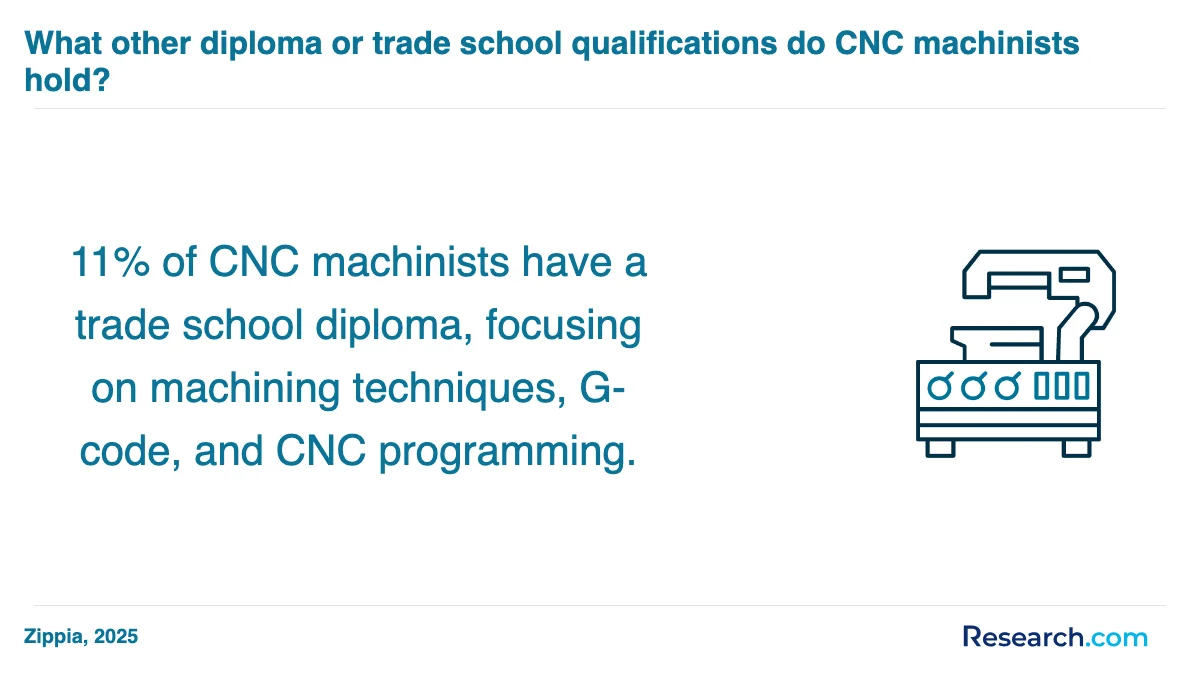
CNC machinist trade school programs in Asheville, such as those at Asheville-Buncombe Technical Community College, include a practical mix of courses designed to build both foundational skills and advanced expertise. Graduates often describe their experience starting with manual machining, where they gain hands-on familiarity with machine tool operation and safety-skills essential for confident daily work.
Students then move to computer-aided drafting (CAD) and computer-aided machining (CAM), learning to design parts and program CNC machines. This progression from basic to complex 2D and 3D programming mirrors real job demands in local manufacturing settings.
Key courses include:
- Blueprint interpretation and engineering design, helping students translate technical drawings into precise parts
- Precision measurement, teaching the use of calipers and micrometers to ensure exact specifications
- Setup, operation, and troubleshooting of CNC mills and lathes, including multi-axis machining essential in aerospace and medical fields
Many students appreciate how hands-on training lets them produce actual parts, making learning tangible and boosting confidence for the workforce. General education in math and communication rounds out the program, preparing students not just technically but also for effective workplace collaboration in Asheville's manufacturing industry.
CNC machinist trade school programs in Asheville offer a range of specializations that equip students with skills tailored for high-demand manufacturing roles. Graduates from Asheville-Buncombe Technical Community College often highlight their training in advanced CNC processes, which include multi-axis machining and robotics applications, preparing them for complex manufacturing environments.
Typical specializations available include:
- Advanced CNC Processes in Asheville
- Robotics and Multi-Axis Machining in Asheville
These focus areas cover manual machining, precision measurement, computer-aided drafting (CAD), and computer-aided machining (CAM). For instance, students benefit from hands-on experience with high-speed multi-axis CNC equipment, enabling confident operation in aerospace, medical, or renewable energy sectors.
Others mention how programs balance technical theory with real-world application, supported by credential options such as diplomas or certificates in CNC Machine Programming, Quality & Lean Six Sigma, or EDM & Fixture Specialist roles.
Many students pursuing these skills appreciate the opportunity to earn a fast online associates degree that pay well alongside industry-relevant certificates, driving their career readiness and success in Asheville's competitive machining job market.
Choosing the right program among the best CNC machinist programs Asheville offers means focusing on hands-on training and curriculum relevance. Graduates from popular local schools often recall how working directly with CNC machines and learning CAD/CAM software prepared them for real-world tasks efficiently. Consider schools known for strong industry connections, as they provide internships and networking opportunities that ease the transition into employment. Many students appreciate flexible schedules at top CNC machinist schools Asheville, which help balance studies with personal commitments, enhancing overall satisfaction.
Cost is another key factor; evaluate tuition and fees in relation to the quality of training and available financial aid. Programs near Asheville also benefit from convenient access and reduced commuting stress, which former students find valuable for maintaining focus and motivation. Exploring options for aid, including scholarships, can improve affordability-some even compare program costs to the most affordable online certificate in woodworking to gauge value.
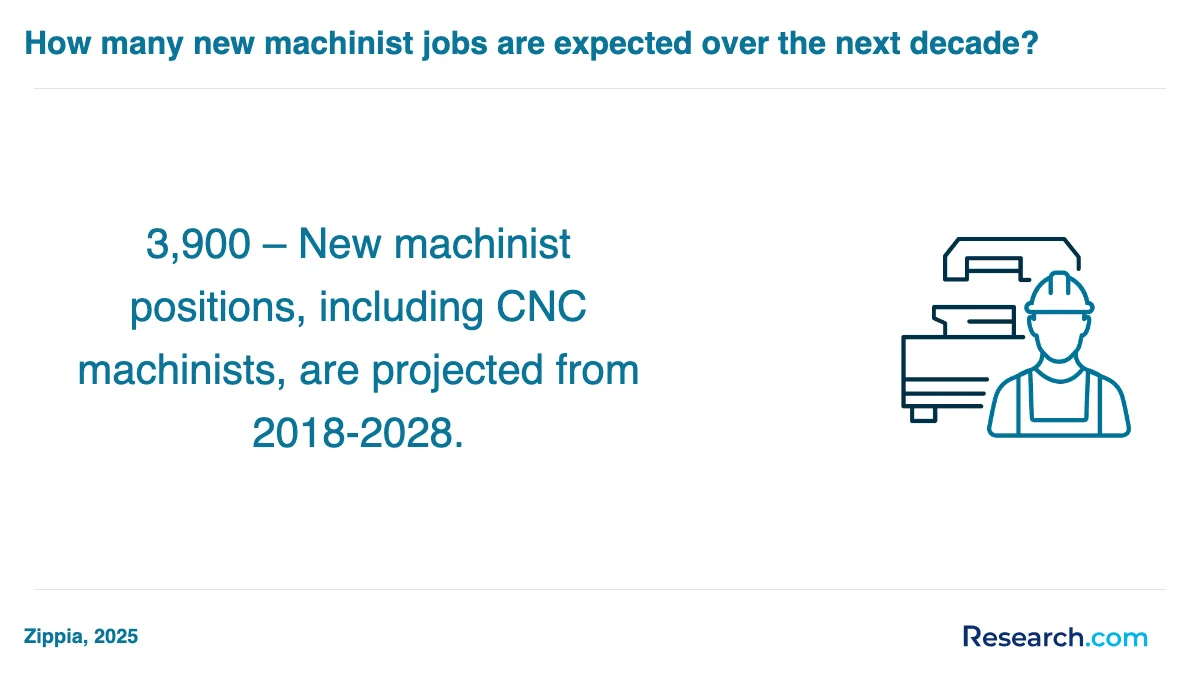
Graduates of CNC machinist trade school programs in Asheville have access to diverse career paths that fit various skill levels and interests. Many find work as CNC Operators, CNC Machinists, or Machine Operators, roles that involve hands-on operation of mills and lathes to produce precision parts crucial to aerospace, automotive, and medical manufacturing sectors. Local employers like Altec Industries actively seek such professionals, reflecting steady demand for CNC machinist jobs in Asheville NC.
Those with certifications like the National Institute for Metalworking Skills (NIMS) often pursue specialized roles such as Tool and Die Technician or Press Brake Operator. These positions require advanced technical know-how, offering higher wages and greater responsibility. Graduates appreciate that trade schools in Asheville provide practical, real-world training preparing them for these roles with confidence.
Some graduates also consider transitioning into educator roles, joining institutions like Asheville-Buncombe Technical Community College as instructors. This option allows experienced machinists to share knowledge, helping grow local talent in manufacturing careers for Asheville CNC graduates.
Many students recognize the career versatility trade schools offer and, combined with competitive wages, feel encouraged about their futures in the field. For insights on compensation and growth, exploring the best paying trade school jobs can be motivating.
The job market for CNC machinist trade school graduates in Asheville shows steady growth, with multiple employers actively seeking skilled machinists. Local graduates from popular trade schools often land roles at companies like GE Aerospace, Perfection Gear, and Linamar Corp, where opportunities include positions such as CNC Operator, Press Brake Operator, and Machine Operator. These roles not only provide hands-on experience but also offer benefits like tuition reimbursement, health insurance, and paid time off, encouraging career advancement.
Many graduates report finding CNC machinist job opportunities in Asheville NC that offer competitive wages, typically ranging from $19.50 to $26.75 per hour, with higher pay in aerospace or specialized manufacturing sectors. Employment trends show steady demand supported by over 20 active job listings on Indeed and numerous positions on ZipRecruiter. This ongoing need reflects Asheville's investment in advanced manufacturing and modern CNC technology.
Trade school grads appreciate the practical training that prepares them for this market, often mentioning how well their schooling aligned with real-world job expectations. Students looking for affordable programs can explore options including the cheapest associate's degree online, which can provide a cost-effective pathway to starting a career in this field.
Best CNC Machinist Training Programs & Trade Schools - Top CNC Schools in Asheville for 2026
# 1 position
Asheville-Buncombe Technical Community College - Computer Numerically Controlled (CNC) Machinist Technology/CNC Machinist.
associateAsheville-Buncombe Technical Community College offers a hybrid Computer Numerically Controlled (CNC) Machinist Technology program that prepares students to operate CNC machine tools, including lathes and mills. The curriculum covers CNC programming, setup, operations, blueprint reading, technical math, CAD/CAM systems, and shop safety. Annual in-state tuition is $2,882. Graduates earn a median salary of $37,078 one year after completion. The program is accredited by the Southern Association of Colleges and Schools Commission on Colleges.
# 2 position
Asheville-Buncombe Technical Community College - Computer Numerically Controlled (CNC) Machinist Technology/CNC Machinist.
certificate or diplomaAsheville-Buncombe Technical Community College offers a hybrid Computer Numerically Controlled (CNC) Machinist Technology program. It trains students to operate CNC machine tools, including lathes and mills, and covers programming, setup, troubleshooting, blueprint reading, and safety practices. The program includes instruction in technical mathematics, CAD/CAM systems, and computer literacy. Annual in-state tuition is $2,882. Graduates earn a median salary of $37,078 one year after completion. The program is accredited by the Southern Association of Colleges and Schools Commission on Colleges.
Frequently Asked Questions about CNC machinist
After completing a CNC machinist trade school in Asheville, preparing for the job market involves several important steps. First, graduates should obtain relevant certifications such as the National Institute for Metalworking Skills (NIMS) credentials, which are highly valued by local manufacturers. According to the U.S. Bureau of Labor Statistics, CNC machinist jobs in North Carolina are expected to grow by 5% through 2031, indicating steady demand.
Networking within Asheville's manufacturing community and attending job fairs can connect graduates with potential employers. Additionally, gaining proficiency in CNC software like Mastercam or Fanuc increases employability. Building a strong resume that highlights hands-on experience and technical skills is essential for standing out.
Employers in Asheville seek CNC machinist trade school graduates with strong technical proficiency in operating CNC machinery. Mastery of G-code programming and the ability to interpret blueprints accurately are essential skills. According to the U.S. Bureau of Labor Statistics, attention to detail and problem-solving abilities significantly impact job performance in machining roles.
Practical experience with various materials and tooling setups is highly valued, as Asheville's manufacturing sector often requires versatility. Communication skills and teamwork are also important, as machinists frequently collaborate with engineers and quality control teams. Local industry reports highlight that graduates who demonstrate adaptability to new technology and continuous learning tend to advance faster in this field.
Finding internships in Asheville relevant to a CNC machinist trade school program involves several strategic steps. Begin by contacting local trade schools and community colleges, such as A-B Tech, which often partner with manufacturing companies for hands-on training opportunities. The Asheville area has a growing manufacturing sector, including aerospace and automotive suppliers, which frequently seek CNC interns.
Utilize resources like the Asheville Chamber of Commerce and North Carolina's Division of Workforce Solutions, which provide listings of internship openings and apprenticeships in manufacturing fields. Networking through industry job fairs and online platforms focused on skilled trades can also lead to internship placements.
According to the U.S. Bureau of Labor Statistics, CNC machinist roles are expected to grow by 6% nationally through 2032, which increases internship availability. Staying proactive and leveraging local educational and professional resources is key to securing an internship in Asheville's CNC machining field.
Obtaining a CNC machinist trade school diploma in Asheville can significantly impact career mobility and advancement. The diploma equips students with practical skills in computer numerical control machining, which local manufacturers highly value. According to the U.S. Bureau of Labor Statistics, CNC machinists in North Carolina earn a median annual wage of approximately $43,000, with higher wages linked to formal training and certifications.
In Asheville's growing manufacturing sector, employers often prefer candidates with trade school credentials, as these demonstrate both technical expertise and commitment. Graduates frequently find opportunities for promotions into supervisory or programming roles, enhancing their earning potential.
Trade schools also provide networking opportunities and access to apprenticeships, which can further accelerate professional growth within the region. Data from the North Carolina Department of Commerce highlights a steady increase in CNC-related job openings in Asheville, underscoring the value of specialized training.
Students enrolled in CNC machinist trade schools in Asheville can benefit from several part-time job opportunities that complement their education. Local manufacturing facilities often hire part-time machine operators or assemblers, allowing students to apply skills learned in class. According to the U.S. Bureau of Labor Statistics, Asheville's manufacturing sector employs over 10,000 workers, many in precision machining roles.
Other options include internships or apprenticeships with engineering firms, which provide hands-on experience with CNC programming and equipment maintenance. Retail positions at industrial supply stores can also enhance knowledge of tooling and materials. These roles help students build practical skills while supporting their studies.
To choose the best CNC Machinist degree program near me, you should consider factors like accreditation, curriculum focus, faculty expertise, and the availability of hands-on training facilities. Near Asheville, NC, several community colleges and technical institutes offer programs in precision machining and CNC technology, which can provide comprehensive education and practical experience. Research.com can be a helpful resource for comparing programs and finding the best fit for your career goals in the CNC machining field.
- Best CNC Machinist Training Programs & Trade Schools - Top CNC Schools in Winston-Salem for 2026
- Best CNC Machinist Training Programs & Trade Schools - Top CNC Schools in Marietta for 2026
- Best CNC Machinist Training Programs & Trade Schools - Top CNC Schools in Wilmington for 2026
- Best CNC Machinist Training Programs & Trade Schools - Top CNC Schools in Valdosta for 2026
- Cnc Machinists Salary in Asheville, NC (August 01, 2025) | Salary.com https://www.salary.com/research/salary/hiring/cnc-machinists-salary/asheville-nc
- Cnc Machinist/programmer in Asheville, NC Salary - August 2025 https://www.comparably.com/salaries/salaries-for-cnc-machinist%2Fprogrammer-in-asheville-nc
- Just a moment... https://www.careerbuilder.com/jobs-machinist-in-brevard,nc
- CNC Operator/Programmer - Numerika Wrocław https://numerika.pl/cnc-operator-programmer
- Free CNC Training Courses | Titans of CNC https://academy.titansofcnc.com/
- CNC Machinist | Minneapolis Community & Technical College https://minneapolis.edu/academics/school-trade-technologies/cnc-machinist
- CNC Machinist Technician | NAIT https://www.nait.ca/programs/cnc-machinist
- Online CNC Machinist from City College of New York https://careertraining.ccny.cuny.edu/training-programs/cnc-machinist/
- Machinist Training with New Castle School of Trades https://www.ncstrades.edu/new-castle-programs/high-quality-cnc-machine-training/
- ENCORE - Job Details https://encore.ncdhhs.gov/vosnet/jobbanks/jobdetails.aspx