Best CNC Machinist Training Programs & Trade Schools - Top CNC Schools in Marietta for 2026

Co-Founder and Chief Data Scientist
Are you considering a future as a CNC machinist in Marietta? Choosing the right trade school can make all the difference in launching a successful career. This article presents a ranking of CNC machinist trade school programs created by the Research.com team of data scientists to help you make an informed choice.
By exploring these top programs, you’ll discover options that offer valuable skills and certifications. Earning a diploma or certification can open doors to rewarding job opportunities and personal growth.
Take the first step toward a fulfilling career with confidence and clarity.
Key benefits of finishing CNC machinist trade school in Marietta
- Graduates of CNC machinist trade schools in Marietta can expect competitive salaries, with average hourly wages around $28.25, translating to approximately $58,760 annually, offering strong financial stability early in their careers.
- Career paths for graduates include roles such as CNC operator, programmer, or quality control technician, as seen with local trade school alumni who quickly find rewarding jobs in manufacturing and engineering sectors.
- Completing a CNC machinist program online offers flexibility and convenience, enabling students to balance work or family while gaining practical skills, just like many successful graduates from popular Marietta online trade schools.
- Best CNC Machinist Training Programs & Trade Schools - Top CNC Schools in Marietta for 2026
- What can I expect from CNC machinist trade schools in Marietta?
- Where can I work after finishing CNC machinist trade schools in Marietta?
What can I expect from CNC machinist trade schools in Marietta?
Enrolling in a CNC machinist trade school program in Marietta means engaging in a balanced mix of classroom study and hands-on machine operation. Graduates from popular programs like the CNC Technology Diploma at Chattahoochee Technical College often describe their experience as both challenging and rewarding, as they learn essential skills such as CNC theory, blueprint reading, and CAD/CAM software use.
Expect to spend significant time in well-equipped labs, where real CNC machines are used to simulate actual manufacturing environments. This hands-on training builds confidence in programming, setup, and troubleshooting, skills employers like WinTech and West Cobb Engineering highly value.
Programs usually last one to two years, with some offering flexible schedules or stackable credentials for further advancement. Many students appreciate the blend of general education courses with specialized technical training, which prepares them not only for immediate employment but also for long-term career growth in the CNC field.
Where can I work after finishing CNC machinist trade schools in Marietta?
Graduates of CNC machinist trade schools in Marietta find themselves welcomed by a variety of employers eager for skilled talent. Many quickly secure positions with precision manufacturing companies and machine shops that produce parts for aerospace, automotive, and medical device industries. For example, some have shared how they landed roles operating Mazak CNC machines, a specialized skill highly sought after by local firms.
Entry-level jobs typically involve setting up and running CNC equipment, a hands-on role that builds confidence and expertise. As graduates gain experience, they often move into programming, quality control, or supervisory positions, reflecting a clear career progression. This growth is especially encouraging for students attending popular Marietta trade schools, where practical training and certification prepare them for these opportunities.
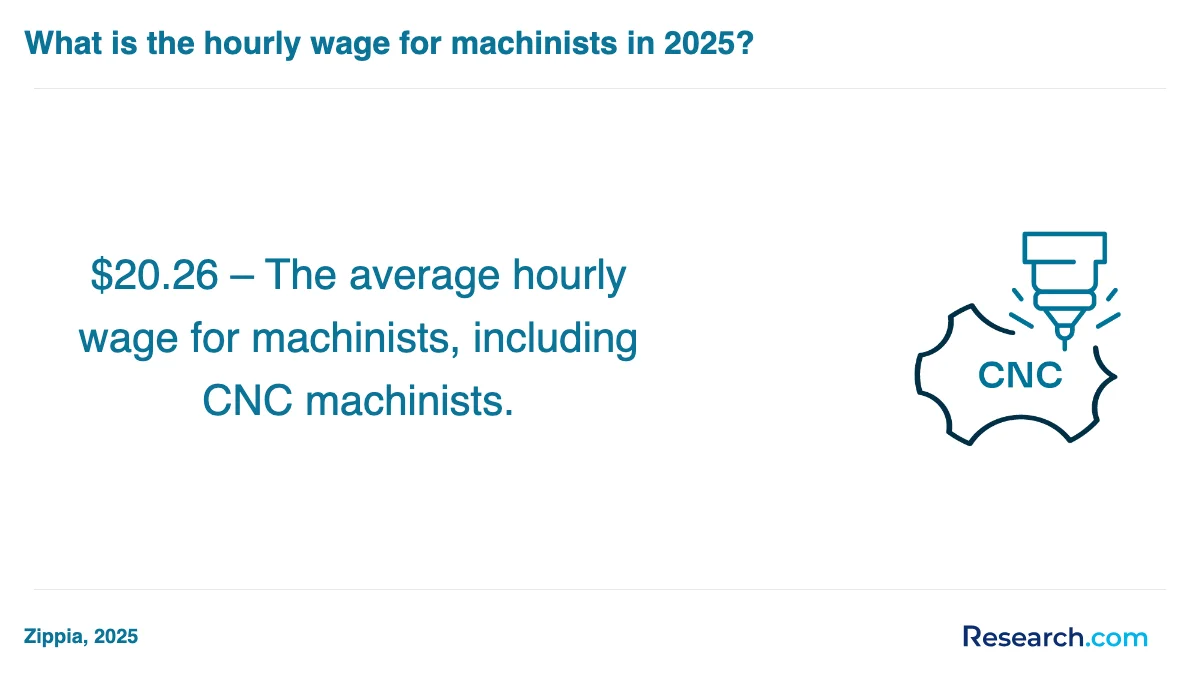
Beyond large factories, many graduates find rewarding work in smaller shops or fabrication companies within the Atlanta metro area, benefiting from Marietta's convenient location. Knowing that hourly wages range from $20 to $26 reinforces the tangible value of their education and efforts.
Graduates of CNC machinist trade schools in Marietta typically see hourly wages starting around $13.44, but many quickly advance to earn an average of $22.41 per hour within a few years. For example, recent graduates from popular local programs often share how their first jobs paid modestly but provided valuable hands-on experience that boosted their confidence and skills rapidly.
More experienced machinists in Marietta report earning closer to $33.31 hourly, translating to about $69,285 annually, which reflects steady growth as they master complex machinery and programming. One graduate described how advancing from basic machining to CNC programming opened doors to roles paying over $80,000 a year, showing the financial benefits of pursuing specialized training after initial certification.
Statewide data also supports this progression, with entry-level machinists earning between $43,050 and $52,590 annually in Georgia. These figures highlight the realistic potential for trade school graduates to build rewarding careers with competitive pay, especially when committed to continual learning and skill development within Marietta's manufacturing sector.
- Marietta offers CNC machinist programs mainly at Chattahoochee Technical College with a curriculum including CNC theory, machine operation, and programming.
- Programs typically require about 55 credit hours and cost between $2,127 and $6,329, with many students eligible for financial aid like the HOPE Career Grant.
- There are around 2,270 CNC machinist jobs in Georgia and over 170,000 nationwide, with demand driven by local manufacturing growth.
- Entry-level salaries in Georgia range from $28,000 to $30,000 annually, with experienced workers earning an average of $37,510 statewide.
- Six years after graduation, median earnings for CNC machinist alumni in Marietta range between $28,422 and $30,236 per year.
Completing a CNC machinist trade school program in Marietta typically takes between 6 months to 1 year, depending on the school and course intensity. Graduates from popular Marietta trade schools often share how the compact nature of these programs allowed them to quickly transition from classroom learning to hands-on machining work.
For example, many students appreciate how the focused curriculum balances theory with practical training, enabling them to operate CNC machines confidently within months. This fast-paced approach appeals to those eager to enter the workforce without prolonged delays.
Some graduates describe their experience as both challenging and rewarding, citing how the real-world projects and access to modern equipment in Marietta's trade schools helped them build skills that employers value. This practical exposure reinforces learning and boosts confidence, making the completion time feel well-invested.
Ultimately, the relatively short timeframe of CNC machinist programs in Marietta aligns well with students' goals to start earning and advancing their careers promptly.
The primary difference between online and on-campus CNC machinist trade school programs in Marietta lies in the hands-on experience. Graduates from on-campus programs at schools like Chattahoochee Technical College often describe the confidence gained from physically operating CNC mills and lathes under instructor guidance. They recall practical sessions in fully equipped machine shops where immediate feedback helped them master complex setups and troubleshooting. This direct interaction with machines and peers creates a vibrant learning environment that many find motivating and essential for job readiness.
By contrast, online programs such as those offered by Marietta Community School focus on theoretical knowledge delivered through videos and simulations. Graduates appreciate the flexibility to study while managing work or family, but often mention missing the tactile experience of real equipment. These students gain a solid understanding of programming and manufacturing principles but may need additional hands-on practice to feel fully prepared for technical roles.
For those in Marietta weighing options, the choice often hinges on balancing practical skill development with scheduling needs, as local employers tend to value demonstrated machine operation skills highly.
The average cost CNC machinist trade school Marietta GA students face typically revolves around Chattahoochee Technical College, where tuition and fees for in-state learners total approximately $5,652. Graduates often recount that while this number covers the core expenses, they found additional costs like books, supplies, and lab fees essential for a complete learning experience, echoing real student scenarios at similar institutions. These added expenses remind applicants that the tuition fees CNC machinist programs Marietta Georgia promote usually don't capture the full financial picture.
One graduate from a popular Marietta trade school shared how managing the total cost, including supplies, created challenges but proved worthwhile once trained and employed. Another reported feeling empowered by finding available scholarships, reducing out-of-pocket costs and allowing focus on mastering CNC machining skills without financial distractions.
While the tuition and fees at Chattahoochee Technical College provide a solid baseline, the variance in total program costs underscores the importance of investigating all associated fees before committing. Prospective students might explore funding opportunities or consider institutions offering different financial aid patterns to make the program affordable.
For those evaluating options beyond traditional schools in Marietta, researching the cheapest cnc machinist training programs online may also shed light on alternative pathways with potentially lower expenses and flexible financing.
Students pursuing CNC machinist programs in Marietta often rely on a combination of financial aid sources to manage tuition costs. Many graduates from Chattahoochee Technical College recall how federal aid, such as Pell Grants and subsidized loans, made their training affordable by covering essential expenses once they completed the FAFSA. This federal support is especially valuable for credit-bearing programs at accredited schools, offering a clear pathway to funding.
For Georgia residents, the HOPE Career Grant stands out as a crucial resource. Graduates frequently mention how this state-funded grant eased their financial burden by covering a good portion of tuition for CNC-related diplomas at public technical colleges. The grant's focus on high-demand fields like CNC machining makes it particularly relevant for those committed to building a career in this trade.
Additionally, institutional scholarships at local trade schools can provide targeted assistance based on merit or financial need. Veterans and active-duty military members often benefit from military education benefits like the GI Bill®, which some Marietta programs accept. While non-credit programs may lack federal aid, alternative support through workforce development or vocational rehabilitation is sometimes available, reflecting the diverse aid landscape students can navigate.
Enrolling in a CNC machinist trade school program in Marietta typically requires a high school diploma or GED, which serves as the foundation for technical understanding. Graduates often recall how their grasp of basic math and blueprint reading ahead of time made the hands-on training smoother and more enjoyable.
Some trade schools in Marietta also expect students to have:
- Basic proficiency in mathematics, especially algebra and geometry.
- Familiarity with mechanical concepts or prior experience in manufacturing or machining environments.
- A willingness to engage in both classroom instruction and practical machine operation.
For instance, students at popular Marietta trade schools mention that completing a pre-admission skills assessment or orientation session helped them set realistic expectations and boosted their confidence. This upfront preparation often leads to a more positive learning experience.
Additionally, motivation and a keen interest in precision work are frequently cited by graduates as key prerequisites that help them thrive in the demanding but rewarding CNC machinist training environment.
Students enrolled in CNC machinist trade programs in Marietta typically engage in a blend of technical and hands-on courses essential for mastering the field. Graduates from popular schools like Chattahoochee Technical College often highlight how core subjects such as CNC theory, machining, and programming build a solid foundation.
Key courses include:
- CNC theory and operation, teaching how to set up and troubleshoot machines.
- Precision measurement and blueprint reading, crucial for producing accurate parts.
- CAD/CAM instruction, enabling digital design and programming of parts before manufacturing.
- Technical mathematics, which supports understanding of geometric dimensioning and tolerancing (GD&T).
- Laboratory workshops using lathes, mills, and grinders to simulate real-world machining tasks.
- Safety protocols and quality control aligned with industry standards.
Graduates often recall how virtual reality training modules enhanced their confidence by simulating machine operation scenarios before working on actual equipment. This hands-on emphasis combined with theoretical study helps students feel prepared and excited to enter the workforce immediately after completing their programs.
Students enrolled in Marietta CNC machinist training programs often pursue specializations that align with diverse industry demands. For instance, graduates from Chattahoochee Technical College highlight hands-on proficiency in operating manual mills and lathes alongside CNC machines, equipping them for roles such as Machine Tool Technician or CNC Operator. This blend of manual and automated skills creates a versatile foundation appreciated by employers.
At Georgia Piedmont Technical College, the curriculum integrates Production Floor Safety, CNC Controls and Programming, Metallurgy, and Six Sigma principles, enhancing students' ability to manage both the technical and quality aspects of machining. Graduates describe their confidence growing as they master inspection methods and advanced machining and grinding processes, vital for thriving in a competitive manufacturing environment.
Specializing further, Machinist Career College's advanced training focuses on Mastercam and Solidworks programming, CNC CMM programming, and inspection techniques. Graduates from this program often mention the excitement of working with state-of-the-art equipment that sharpens their expertise and expands career opportunities.
Practical learning environments at Lincoln Tech's Marietta campus provide experience in multi-disciplinary fields like welding and diesel technology alongside machining, allowing students to enhance their adaptability in manufacturing roles. These CNC machinist specializations in Marietta present clear pathways for focused skill development, appealing to both newcomers and experienced professionals aiming to elevate their craft.
Choosing one of these programs can lead to rewarding careers, especially considering the demand for associate degrees that pay well in technical fields nationwide.
Choosing the best CNC machinist schools in Marietta starts with verifying program accreditation and hands-on training availability. Graduates from Chattahoochee Technical College often praise the practical experience gained through their Basic Machining Operator certificate, which helped them confidently operate modern CNC equipment. Such real-world labs are vital for mastering machine operation and blueprint reading, skills that employers highly value.
When comparing options, consider curriculum depth. For instance, Georgia Piedmont Technical College offers advanced instruction in lean manufacturing and Six Sigma, preparing students for evolving industry demands. Flexible scheduling and total credit hours also matter; programs ranging from 10 to 19 credits let students balance study with work or accelerate their career entry.
Strong local industry partnerships enhance job prospects. Cobb County's CITA facility, known for collaborations with companies like Johnson Controls, provides certifications and apprenticeships that smooth the path to employment. Understanding how to compare CNC trade school costs in Marietta alongside these benefits will help you make an informed choice.
For those weighing certification options, exploring easy certifications for jobs that pay well can offer additional perspective on career value and return on investment.
Graduates of CNC machinist trade school programs in Marietta often step directly into roles such as CNC machinist, CNC operator, or machine operator, where they gain essential hands-on experience with CNC lathes, mills, and Mazatrol programming. These early career positions offer practical skills that are honed further in real manufacturing environments, often found in Marietta's diverse precision manufacturing companies. Many graduates share excitement about quickly feeling valuable contributions to complex manufacturing processes.
Opportunities broaden with experience, leading to specialized roles like CNC programmers who use CAD/CAM software to develop and optimize machining instructions. This advancement highlights the growing job market for CNC programmer careers Marietta GA, where technical expertise meets creative problem solving.
Other career avenues include quality control inspector, manufacturing technician, and maintenance technician, each allowing trade school graduates to leverage their foundational knowledge in varied yet interconnected roles. Graduates appreciate that these options provide clear, attainable steps for career growth within the local manufacturing scene.
For those aiming at leadership, hands-on experience combined with continuous training can open paths to positions such as lead machinist, shop supervisor, or production manager, offering rewarding challenges and higher earning potential. Many students consider supplementing their skills through affordable training options like a cheap online woodworking school to further diversify their abilities and job prospects in Marietta.
The CNC machinist job market in Marietta GA is notably active, offering graduates from local trade schools a strong chance of employment soon after completion. Graduates often share how hands-on training in popular Marietta programs equips them with skills like blueprint reading, CNC setup, and quality control, which local manufacturers highly value. Many report securing positions quickly, with frequent openings for roles such as CNC operator and programmer.
Current postings show about 75 CNC machinist-specific jobs in Marietta, with an expanded total of 98 CNC-related jobs nearby. Entry-level wages start near $17.72 per hour, improving to $20-$28 for specialized roles, reflecting both experience and task complexity. These salaries align with wider CNC machinist salary trends Marietta GA, encouraging students to pursue this pathway.
Success stories often highlight the practical nature of training, which prepares graduates for real shop-floor challenges, including CAD interpretation and basic machine maintenance. The presence of major employers also enhances job prospects.
For those considering accelerated options, programs like an accelerated associate degree online that pays well can complement local trade school skills, expanding opportunities in this robust field.
Best CNC Machinist Training Programs & Trade Schools - Top CNC Schools in Marietta for 2026
# 1 position
Chattahoochee Technical College - Computer Numerically Controlled (CNC) Machinist Technology/CNC Machinist.
associateChattahoochee Technical College offers a hybrid Computer Numerically Controlled (CNC) Machinist Technology program that prepares students to operate CNC machine tools for cutting, drilling, shaping, and finishing parts. The curriculum includes CNC programming, setup, troubleshooting, blueprint reading, machining, technical math, CAD/CAM, and safety practices. Annual in-state tuition is $3,252. Graduates earn a median salary of $27,359 one year after completion. The program is accredited by the Southern Association of Colleges and Schools Commission on Colleges.
# 2 position
Chattahoochee Technical College - Computer Numerically Controlled (CNC) Machinist Technology/CNC Machinist.
certificate or diplomaChattahoochee Technical College offers a hybrid Computer Numerically Controlled (CNC) Machinist Technology program that trains students to operate CNC machine tools and perform machining tasks such as cutting, drilling, and shaping. The curriculum covers CNC programming, setup, blueprint reading, CAD/CAM systems, and safety practices. Annual in-state tuition is $3,252. The program is accredited by the Southern Association of Colleges and Schools Commission on Colleges. Median earnings one year after completion are $27,359.80.
Frequently Asked Questions about CNC machinist
After completing a CNC machinist trade school in Marietta, preparing for the job market involves several key steps. First, graduates should obtain relevant certifications such as the National Institute for Metalworking Skills (NIMS) credentials, which are highly valued by employers nationwide, including in Georgia. Networking is also essential; connecting with local manufacturers and attending job fairs in the Marietta and Atlanta metropolitan area can increase employment opportunities.
Additionally, many trade schools in Marietta offer job placement assistance and apprenticeships, which can provide practical experience and industry contacts. According to the U.S. Bureau of Labor Statistics, CNC machinist jobs in Georgia are expected to grow by 6% through 2030, reflecting steady demand. Staying updated on industry software and machine technology is also critical for success in this field.
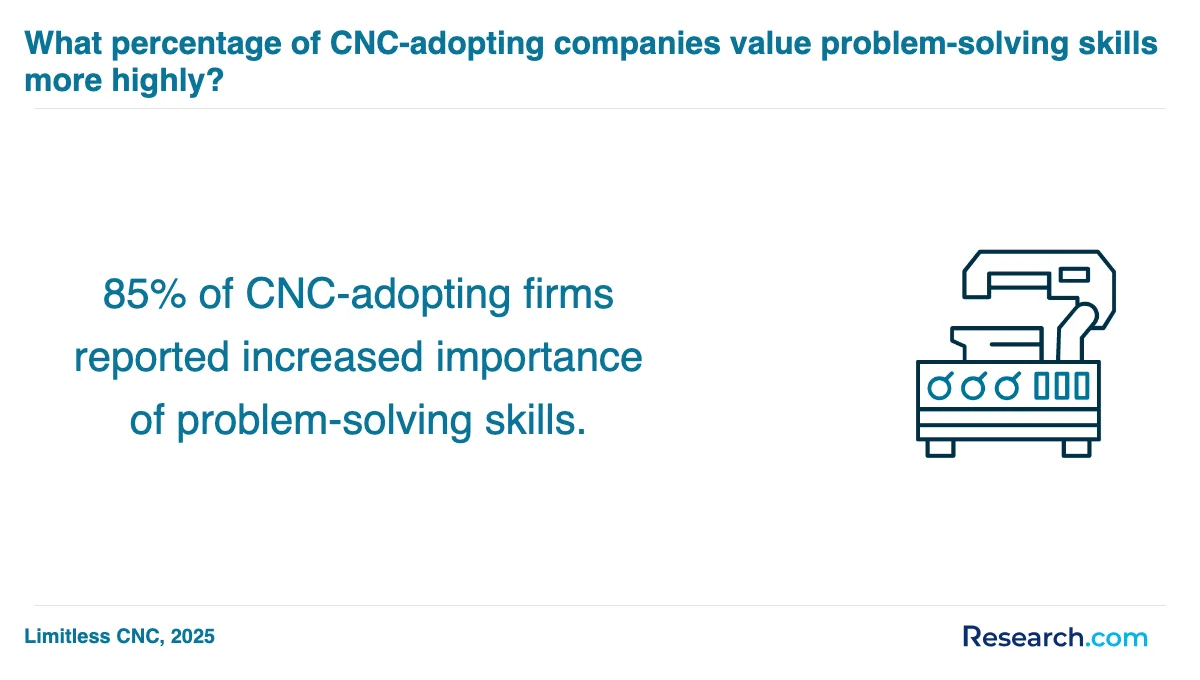
Employers in Marietta seek CNC machinist trade school graduates who demonstrate strong technical skills and practical knowledge. Key abilities include proficiency in operating CNC machinery, understanding blueprint reading, and interpreting CAD/CAM software. According to the U.S. Bureau of Labor Statistics, attention to detail and problem-solving skills are critical, as machinists must ensure precision and maintain high-quality standards.
Communication skills are also valued, enabling effective collaboration with engineers and supervisors. Additionally, familiarity with safety protocols and machine maintenance is essential to reduce downtime and workplace accidents. Local manufacturing employers emphasize adaptability, given the evolving technology in CNC machining.
Finding internships in Marietta relevant to CNC machinist trade school programs involves several strategic steps. Start by exploring local manufacturing companies, as Marietta hosts numerous small to mid-sized firms specializing in metal fabrication and precision machining. These businesses often seek interns with CNC skills to support their production lines.
Contacting trade schools directly is another effective method. Many institutions maintain partnerships with local employers and can connect students to internship opportunities. According to the Georgia Department of Economic Development, the manufacturing sector in Cobb County, which includes Marietta, has grown by 3.5% annually, increasing internship availability.
Additionally, online job portals like Georgia Tech's Career Gateway and regional workforce boards list CNC-related internships. Networking through local trade associations, such as the Precision Metalforming Association's Georgia chapter, can also open doors to hidden opportunities.
Obtaining a CNC machinist trade school diploma in Marietta can significantly enhance career mobility and advancement opportunities. According to the U.S. Bureau of Labor Statistics, skilled CNC machinists in Georgia earn a median annual wage above the national average, reflecting strong local demand for qualified professionals. Completing a diploma program provides hands-on training with industry-standard machinery, which employers in Marietta highly value. Graduates often find faster entry into manufacturing roles and improved chances for promotions compared to those without formal education.
Local manufacturers frequently prefer candidates with diplomas, as these credentials demonstrate both technical knowledge and commitment. Additionally, trade schools in Marietta often offer connections to apprenticeships and job placement services, further supporting graduates in advancing their careers.
Part-time jobs in Marietta that complement CNC machinist trade school education often involve hands-on experience with manufacturing and mechanical systems. Positions such as machine operator assistants, quality control inspectors, or maintenance helpers provide practical skills directly related to CNC machining. These roles allow students to apply classroom knowledge in real-world settings, enhancing their technical proficiency.
According to the U.S. Bureau of Labor Statistics, Marietta's manufacturing sector employs a significant number of machinists and related workers, reflecting steady demand for these skills. Part-time work in local manufacturing firms or workshops offers valuable exposure to industry-standard equipment and workplace safety procedures.
Additionally, roles in inventory management or production support can improve organizational skills important for CNC machinists. Such opportunities not only build relevant experience but also help students network within the local industrial community, potentially aiding future employment after program completion.
Yes, there are CNC Machinist degree programs near Marietta, GA, available at technical colleges and universities that provide specialized education for this field. These programs often include both practical and theoretical training in computer numerical control (CNC) machinery, covering areas like programming, operations, and maintenance. To find the best programs near me, including those near Marietta, GA, platforms like Research.com can be helpful for comparing schools and courses.
- CNC Machinist | Minneapolis Community & Technical College https://minneapolis.edu/academics/school-trade-technologies/cnc-machinist
- CNC Machinist Technician | NAIT https://www.nait.ca/programs/cnc-machinist
- CNC Operator/Programmer - Numerika Wrocław https://numerika.pl/cnc-operator-programmer
- Machinist Training with New Castle School of Trades https://www.ncstrades.edu/new-castle-programs/high-quality-cnc-machine-training/
- Free CNC Training Courses | Titans of CNC https://academy.titansofcnc.com/
- Vocational training - Borkomet https://borkomet.com/en/career/vocational-training/
- Manufacturing Internships Made Easy: A Playbook to Building a Successful Program - Manufacturing Skills Institute https://manufacturingskillsinstitute.org/manufacturing-internships-made-easy-a-playbook-to-building-a-successful-program/
- Career as a Machinist Apprentice: What Do They Do? | AJAC https://www.ajactraining.org/occupations/machinist/
- Internship - HMC Gears https://www.hmcgears.com/careers/internship/
- WoodGreen https://www.woodgreen.org/programs/cnc-precision-machining-skills-training-program