Best CNC Machinist Training Programs & Trade Schools - Top CNC Schools in Minneapolis for 2026

Co-Founder and Chief Data Scientist
Looking for the best CNC machinist trade schools in Minneapolis for 2026? This article offers a clear, data-driven ranking of top CNC machinist programs, carefully developed by the Research.com team of data scientists. It’s designed to guide you in making a smart, informed decision about your education and career path.
Whether you want a diploma or certification, these programs open doors to skilled trades with strong job prospects. Reading this will help you feel confident about choosing the right school and taking the next step toward a rewarding future in CNC machining.
Key benefits of finishing CNC machinist trade school in Minneapolis
- Graduates can expect an average starting salary around $50,929 per year in Minneapolis, with experienced CNC machinists earning up to $108,918 annually, offering strong financial growth potential.
- A typical graduate from a popular Minneapolis trade school can pursue various career paths, including entry-level machinist roles, supervisory positions, or specialized technical jobs, providing diverse opportunities.
- Completing a CNC machinist program online allows flexibility and faster completion compared to traditional degrees, as shown by online graduates who balance work and study while gaining practical skills efficiently.
- Best CNC Machinist Training Programs & Trade Schools - Top CNC Schools in Minneapolis for 2026
- What can I expect from CNC machinist trade schools in Minneapolis?
- Where can I work after finishing CNC machinist trade schools in Minneapolis?
What can I expect from CNC machinist trade schools in Minneapolis?
If you're diving into a CNC machinist trade school program in Minneapolis, expect a hands-on experience from day one. Graduates from Minneapolis Community and Technical College often share how much time they spent in fully equipped machine shops, working with real CNC mills and lathes. It's not just theory-most of your days will revolve around programming machines, setting them up, and reading blueprints like a pro.
Many students appreciate the fast pace of diploma programs that can wrap up in as little as three semesters, helping them jump into the workforce sooner. Schools like Anoka Technical College add extra value by teaching skills like 3D modeling and process improvements, which make graduates stand out in today's manufacturing world.
Flexible schedules are a big plus too. Whether you're working during the day or need evening classes, there's usually an option that fits. Plus, the high job placement rates and competitive starting wages make the effort totally worth it, leaving many grads feeling confident and ready for a solid career in CNC machining.
Where can I work after finishing CNC machinist trade schools in Minneapolis?
After finishing a CNC machinist trade school program in Minneapolis, graduates find plenty of job options nearby. Many land roles at manufacturing companies right in the city, working as CNC Lathe Operators, Milling Machinists, or Programmers. Imagine starting your day at a place like Honeywell, where union jobs come with steady hours and good pay, including shift differentials. Some grads talk about how rewarding it is to contribute to making aerospace parts or medical devices that really matter.
Others find great fits at smaller shops like Mid-Continent Engineering, where the atmosphere feels more personal and benefits like health insurance and paid time off make a big difference. Even entry-level machinists can start earning $17 to $20 an hour nearby, with chances to move up quickly. Some classmates shared how contract work through staffing agencies offers flexible schedules, perfect for balancing life outside the shop.
Overall, Minneapolis trade school grads feel excited knowing there's a variety of industries and employers ready to welcome their skills right after graduation.
After finishing a CNC machinist trade school program in Minneapolis, many graduates find themselves earning an average hourly wage of about $24.68, which adds up to roughly $51,000 a year if you're working full time. It's exciting to see that right out of school, some entry-level machinists start around $14.81 per hour, but most early-career pros quickly move into the $20.58 to $28.12 range. This means there's plenty of room to grow as you build your skills.
Graduates from popular local schools often share how landing a job with this kind of pay felt like a real win, especially in Minneapolis where the cost of living is considered. Some quickly climbed the ranks, hitting specialized roles like CNC Machinist III, where salaries jump to around $76,730 annually or more. Plus, with overtime and shift bonuses, take-home pay can be even better.
- Programs in Minneapolis offer diploma and associate degree options, including a 45-credit diploma and a 60-credit Associate of Applied Science degree.
- Hands-on training is emphasized, with students using industry-standard CNC mills, lathes, and software like Solidworks and Mastercam.
- Tuition ranges from $175 to $260 per credit, with some accelerated courses costing about $2,500 and grant funding available for eligible students.
- Job placement rates exceed 95%, with median wages around $34.85 per hour and top earners making up to $41.78 per hour.
- Most programs require students to be at least 18 years old, while some introductory courses accept applicants without a high school diploma if they meet certain conditions.
- Trade schools have strong industry connections, providing internships and job placement assistance during the program.
In Minneapolis, completing a CNC machinist trade school program typically takes about 12 to 18 months. Many students who enroll at popular trade schools in the area find this timeline perfect for balancing hands-on learning with real-world experience. One graduate shared how the program's pace kept them engaged without feeling rushed, allowing plenty of time to master the machines and software used in the industry.
These programs often mix classroom instruction with practical shop time, which helps students build confidence and skills simultaneously. Imagine starting your day operating CNC machines and then diving into programming lessons in the afternoon-this blend is common in Minneapolis schools.
For many, this timeframe means you can jump into the workforce relatively quickly, excited and prepared. It's a manageable commitment that fits well even if you're juggling work or family, making the path to becoming a skilled CNC machinist feel achievable and rewarding.
If you're thinking about CNC machinist programs in Minneapolis, the biggest difference between online and on-campus options is all about hands-on experience. On-campus programs at places like Minneapolis College and Anoka Technical College really shine because you get to work directly with actual machines-lathes, mills, and all the precision tools-right there in the shop. Graduates often say how rewarding it was to learn by doing, under the watchful eyes of instructors who guided them through real-world machining challenges.
By contrast, online programs focus more on theory, like blueprint reading and CNC programming, using simulation software instead of actual machines. While some online students appreciate the flexibility, many mention missing that tactile feel of the tools and the energy of the shop environment. In Minneapolis, most serious CNC training is still done in-person, partly because the trade demands that hands-on skill to really master the craft.
When looking at the average cost of CNC machinist programs in Minneapolis, students often find a range depending on where they study. For example, Minneapolis Community and Technical College charges between $175 and $260 per credit. A full 60-credit Associate degree can run between $10,500 and $15,600 in tuition alone. Graduates often mention how this investment felt worthwhile as they gained solid skills that boosted their confidence entering the workforce.
Over at Saint Paul College, students pursuing a CNC Toolmaking diploma can expect three semesters of focused training. While tuition specifics aren't always clear, students typically need to budget around $1,300 extra for the essential tools they'll use daily. Those who've gone through the program appreciate how having their own quality equipment made learning more hands-on and enjoyable.
For those considering flexible schedules, Hennepin Technical College offers an online CNC Machinist course priced at $2,245. Many students find this program convenient for balancing work and study, with a curriculum covering everything from metal cutting to inspection. It's a solid option for anyone wanting an intensive, bite-sized introduction without the full degree investment.
Keep in mind that tuition fees for CNC machinist training in Minneapolis might change, and additional costs such as supplies or fees could add up. Checking out financial aid or scholarships can really help ease these expenses. Also, exploring certifications that are easy to get and pay well might be a smart move for students aiming to maximize their career potential without excessive schooling costs.

If you're looking into CNC machinist trade schools in Minneapolis, good news: there's a solid mix of financial aid options to help ease the cost. Most schools like Anoka Technical College and Saint Paul College take part in the federal financial aid system, so filling out the FAFSA is usually your first step. Graduates often share how federal Pell Grants made a huge difference since those funds don't have to be paid back.
On top of that, Minnesota offers state grants aimed at students with financial need, which many local trade schools support. Some students have also found success applying for scholarships targeted specifically at CNC machinists, like the Premier Equipment CNC Scholarship, which awards $2,000 annually to folks enrolled full-time in engineering or tech programs.
Many programs, especially at Saint Paul College, connect students with internships or part-time jobs in local manufacturing shops. Graduates appreciate how this not only helps with expenses but also builds real-world skills and job leads after graduation.
Getting into a CNC machinist trade school in Minneapolis usually means meeting a few straightforward prerequisites that set you up for success. Most local schools expect you to have a high school diploma or GED, which makes sense since you'll be working with precise measurements and technical instructions.
Graduates often mention how helpful a basic understanding of math-especially geometry and fractions-was before starting. If you're a bit rusty, many schools offer refresher courses or recommend brushing up on these skills beforehand.
Some schools in Minneapolis also look for a genuine interest in hands-on work and problem-solving, which is something graduates say really boosted their learning experience. You might be asked to fill out an application and sometimes attend an interview or info session to discuss your goals.
Here's a quick rundown of common prerequisites:
- High school diploma or GED
- Basic math proficiency (fractions, decimals, geometry)
- A passion for mechanical work and problem-solving
- Completed application and possibly an interview
One graduate from a well-known Minneapolis trade school shared how feeling confident with math before starting made the hands-on classes less intimidating and more enjoyable. It's all about showing up ready to learn and eager to build skills that are in high demand around the Twin Cities.
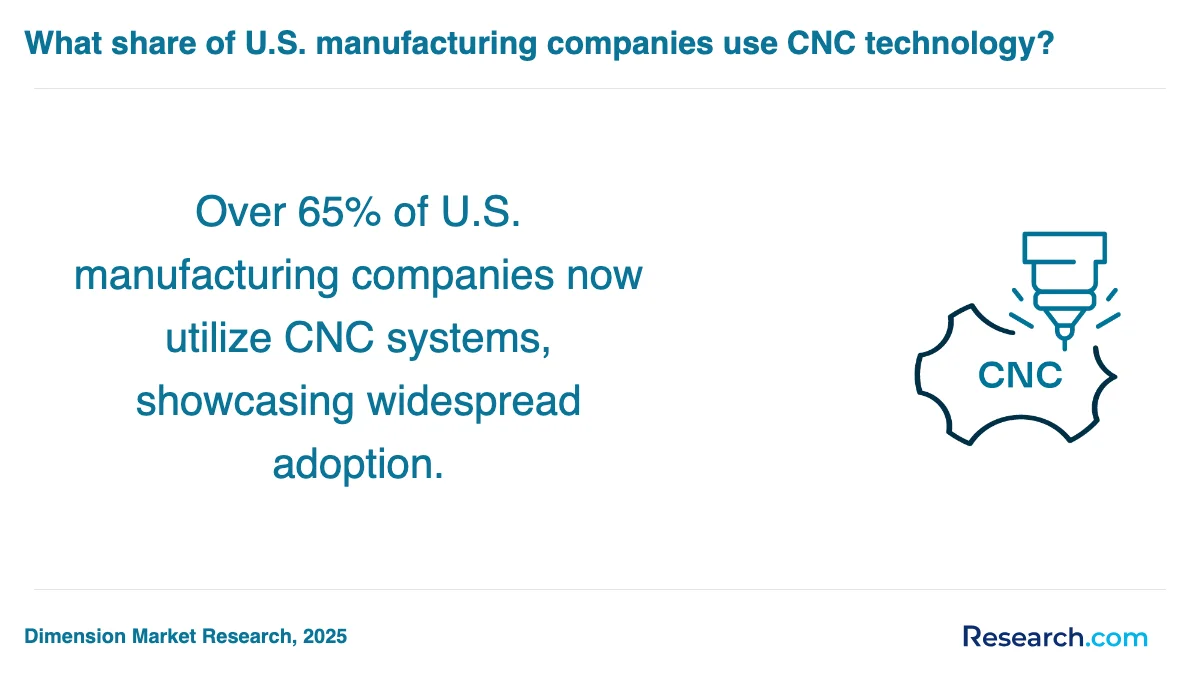
If you're diving into CNC machinist trade schools in Minneapolis, expect a solid mix of hands-on and classroom learning that gets you job-ready fast. Graduates often talk about how much time they spend actually running CNC mills, lathes, and grinders-far from just sitting and listening. It's all about mastering the machines and understanding the codes behind them.
Typical courses cover:
- CNC programming and operational concepts to write and tweak machine codes.
- Manual and CNC machine operation for real-world experience.
- Blueprint reading and precision measurement to nail exact specs.
- Safety training, including OSHA certification, so you're confident and compliant on the floor.
- CAD/CAM and 3D modeling software like SolidWorks and Mastercam to turn digital designs into physical parts.
- Fixture design and process improvement to optimize production flow.
Students from popular Minneapolis trade schools often share how the blend of theory and practice, especially working with Haas and Doosan CNC machines, helped them feel ready to hit the manufacturing floor. Accelerated options are also a big plus, letting you jump into the workforce in just a few months with focused training.
If you're diving into CNC machinist trade school programs in Minneapolis, you'll find a variety of hands-on specializations tailored to today's manufacturing world. Many graduates from local schools like Minneapolis Community and Technical College focus on CNC programming. They learn how to write and troubleshoot programs that control high-tech machines, giving them a solid advantage in fast-paced production settings. This focus on Minneapolis CNC programming and manufacturing technology makes students confident operators and sharp problem solvers.
Others take on advanced manufacturing technology tracks offered at places like St. Cloud Technical and Community College. Here, students master skills like multi-axis machining, CAD/CAM design, and fixture building-perfect for those excited by complex, precision-driven work. Graduates often talk about how rewarding it feels to create parts that fit perfectly on their first try.
In addition, some opt for toolmaking and inspection technologies at Saint Paul College, gaining experience with lathes, EDM machines, and optical comparators.
- Basic CNC setup and blueprint reading for quick entry into manufacturing
- Precision measurement techniques tied to real-world quality checks
- OSHA training and industry-recognized certificates for workplace readiness
Many appreciate accelerated programs that help them ramp up fast and start earning sooner, similar to those exploring high paying accelerated associates degrees online. This hands-on variety makes Minneapolis a great place to jump right into specialized CNC machining careers.
Finding the best CNC machinist programs Minneapolis offers means focusing on schools that blend solid hands-on training with strong industry ties. Graduates from Minneapolis College often share how the real-world equipment and a curriculum covering CAD and CAM prepared them well for a smooth transition into manufacturing jobs. When you look into the top CNC machinist schools Minneapolis has, check if they provide flexible schedules-Anoka Technical College, for example, tailors programs with part-time and evening options that fit working students' lives.
Cost is also a big factor. It helps to compare tuition and fees against potential earnings in the local job market. Many students found it easier to manage expenses using federal grants and scholarships. If you're curious about budgeting your education, you might want to explore options for an associates degree online cost to weigh your alternatives.

Graduates from CNC machinist trade schools in Minneapolis have plenty of exciting options when it comes to CNC machinist career opportunities in Minneapolis. Many start out at entry level CNC machinist jobs Minneapolis such as CNC machine operators or setup technicians, where they get hands-on experience running and maintaining machines. From there, the path often leads to roles like production machinists or general machinists in industries like aerospace, automotive, and medical devices.
For those who enjoy diving deeper, becoming a CNC programmer is a common next step-writing the codes that control the machines. Some even specialize in areas like medical machining, moldmaking, or tool and die making, which are popular around local manufacturing hubs and offer great earning potential.
Graduates from well-known Minneapolis schools often share how problem-solving skills and certifications like NIMS helped them stand out and move up quickly. Plus, machinists here get competitive wages and benefits, with some progressing into leadership roles like manufacturing supervisors or CNC manufacturing engineers.
It's also worth noting that CNC skills are transferable, letting you explore different sectors anytime. If you're looking for advice on easy trades to learn that pay well online, check out easy trades to learn that pay well online for more helpful insights.
The CNC machinist job outlook Minneapolis grads from popular trade schools is solid and encouraging. Many graduates share stories of landing jobs quickly, thanks to the strong local demand fueled by Minneapolis's robust manufacturing sector. For example, graduates often describe seeing job postings weekly with wages starting around $25 an hour, sometimes reaching over $40 depending on skill and shift. This range reflects a healthy growth path for beginners and experienced machinists alike.
Employers here clearly prefer candidates who've had hands-on experience with the latest CNC technology available at local schools. This is crucial since a 2019 survey found that 34% of manufacturing vacancies remain hard to fill because candidates lack the right technical skills. Graduates from these programs can confidently step into roles that offer competitive pay and opportunities to grow.
Looking at CNC machinist salaries Minneapolis MN is promising - entry-level workers start near $23 per hour, and many quickly move above this as they gain experience. Plus, if you're exploring training options, don't overlook cheapest cnc machinist training courses online which can help you get started affordably.
- Strong employer demand in advanced manufacturing
- Competitive starting wages with room to grow
- Skills gap creating great opportunities for trained graduates
- Several well-regarded trade schools offering practical, up-to-date CNC training
Best CNC Machinist Training Programs & Trade Schools - Top CNC Schools in Minneapolis for 2026
# 1 position
Minneapolis Community and Technical College - Computer Numerically Controlled (CNC) Machinist Technology/CNC Machinist.
associateMinneapolis Community and Technical College offers a hybrid Computer Numerically Controlled (CNC) Machinist Technology program. It trains students to operate CNC machine tools, perform machining tasks, and understand CNC programming, setup, and troubleshooting. The curriculum includes blueprint reading, lathe and mill operations, technical math, CAD/CAM, and safety practices. Annual in-state tuition is $6,128. Graduates earn a median of $44,635 one year after completion. The program is accredited by the Higher Learning Commission.
# 2 position
Minneapolis Community and Technical College - Computer Numerically Controlled (CNC) Machinist Technology/CNC Machinist.
certificate or diplomaMinneapolis Community and Technical College offers a hybrid Computer Numerically Controlled (CNC) Machinist Technology program. It trains students to operate CNC machine tools for cutting, drilling, shaping, and finishing components. The curriculum covers CNC programming, setup, blueprint reading, machining, CAD/CAM systems, and safety practices. Annual in-state tuition is $6,128. Graduates have median earnings of $44,635 one year after completion. The program is accredited by the Higher Learning Commission.
Frequently Asked Questions about CNC machinist
Preparing for the job market after completing a CNC machinist trade school in Minneapolis involves several strategic steps. First, gaining hands-on experience through internships or apprenticeships is crucial. Local manufacturing firms often offer such opportunities, which can enhance practical skills and industry connections. According to the Minnesota Department of Employment and Economic Development, CNC machinists in the Twin Cities area have a steady demand with a projected growth rate of about 4% over the next decade.
Additionally, obtaining relevant certifications, such as the National Institute for Metalworking Skills (NIMS) credential, can significantly boost employability. Networking through local trade organizations and job fairs in Minneapolis also helps graduates connect with potential employers. Finally, tailoring resumes to highlight specific CNC programming and machine operation skills improves chances of securing job interviews in this competitive field.
Employers in Minneapolis highly value precise technical skills in CNC machinist trade school graduates. Proficiency in reading and interpreting blueprints and CAD drawings is essential, as it ensures accurate machine setup and product quality. Knowledge of CNC programming languages, such as G-code, remains a critical requirement for operating modern machinery effectively.
Additionally, strong problem-solving abilities and attention to detail are crucial, helping machinists identify and correct errors during production. According to the Minnesota Department of Employment and Economic Development, employers also prioritize familiarity with safety protocols and machine maintenance to reduce downtime and accidents.
Soft skills like teamwork and communication are increasingly important in the collaborative factory environments common in Minneapolis manufacturing.
Finding internships in Minneapolis relevant to a CNC machinist trade school program involves targeted research and outreach. Start by contacting local trade schools and community colleges, as many maintain partnerships with manufacturing companies offering internship opportunities. Employers in Minneapolis's manufacturing sector often seek interns with CNC skills to support precision machining tasks.
The Minnesota Department of Employment and Economic Development reports that the Twin Cities metro area has a steady demand for CNC machinists, with over 1,200 manufacturing firms potentially offering internships annually. Additionally, online job portals like MinnesotaWorks.net list CNC internships specifically in Minneapolis.
Networking through industry associations such as the National Tooling and Machining Association (NTMA) Minnesota chapter can also connect students to local businesses. Attending career fairs hosted by trade schools or local chambers of commerce is another effective strategy.
Obtaining a CNC machinist trade school diploma in Minneapolis significantly enhances career mobility and advancement opportunities. The diploma provides foundational skills in operating and programming CNC machines, which are in high demand across Minnesota's manufacturing sector. According to the Minnesota Department of Employment and Economic Development, CNC machinists in the Minneapolis area enjoy a median wage approximately 15% higher than those without formal training.
Graduates often find access to entry-level positions that lead to supervisory or specialized technical roles. The diploma also improves eligibility for certifications, which employers value for promotions. Local industry partnerships with trade schools further support job placement and career growth.
Minneapolis offers several part-time job opportunities that can complement CNC machinist trade school education. Positions such as machine shop assistant, quality control inspector, and materials handler provide practical experience alongside coursework. These roles help students develop skills in equipment operation, measurement techniques, and inventory management.
According to the U.S. Bureau of Labor Statistics, Minneapolis has a growing manufacturing sector, with over 10,000 production workers employed regionally as of 2023. Local companies often seek part-time help to support production schedules, which benefits students by enhancing their resumes and networking opportunities.
Additionally, internships or apprenticeships with manufacturing firms in Minneapolis can offer hands-on training and sometimes lead to full-time employment after graduation.
To find the best CNC Machinist degree program near me, utilizing resources like Research.com can help identify leading universities that offer such programs. Specifically near Minneapolis, MN, you can explore technical colleges and universities that provide specialized training and degrees in CNC machining. Evaluating factors like program curriculum, faculty expertise, and facilities will further aid in identifying the most suitable program to meet your educational and career goals.
- Cnc Machinist Jobs in Eagan, MN | iHire https://www.ihire.com/t-cnc-machinist-s-minnesota-c-eagan-jobs.html
- CNC Machinist | Minneapolis Community & Technical College https://minneapolis.edu/academics/school-trade-technologies/cnc-machinist
- Online CNC Machinist from Hennepin Technical College https://careertraining.hennepintech.edu/training-programs/cnc-machinist/
- CNC Design & Manufacturing Technology | Anoka Technical College https://www.anokatech.edu/programs/cnc-design-manufacturing-technology/
- ACE CNC Machining Training | School of Engineering | University of St. Thomas https://engineering.stthomas.edu/centers/advanced-manufacturing/ace-cnc-training/
- Online CNC Machinist from South Central College https://careertraining.southcentral.edu/training-programs/cnc-machinist/
- CNC machinist | Explore Careers | National Careers Service https://nationalcareers.service.gov.uk/job-profiles/cnc-machinist
- CNC Machinist Salary in CT | Goodwin University https://www.goodwin.edu/enews/cnc-machinist-salary-information/
- How to become a CNC machinist | Spherion https://www.spherion.com/job-profiles/cnc-machinist/
- CNC Machinist - Salary, How to Become, Job Description & Best Schools https://www.onlinedegree.com/careers/manufacturing/cnc-machinist/