Best CNC Machinist Training Programs & Trade Schools - Top CNC Schools for 2026

Co-Founder and Chief Data Scientist
Choosing the right CNC machinist trade school is an important step toward a rewarding career in manufacturing and engineering. This article presents a ranking of CNC machinist trade school programs crafted by the Research.com team of data scientists to help you make an informed decision.
By exploring these top programs, you’ll discover options that fit your goals and budget while gaining valuable skills in high demand. Earning a diploma or certification opens doors to steady employment and personal growth.
Whether you’re starting fresh or changing careers, this guide is designed to support your journey with clear, trustworthy information.
Key benefits of finishing CNC machinist trade school in the USA
- Graduates of CNC machinist trade schools in the USA can expect starting salaries around $40,700 per year, with opportunities to earn up to $70,000 or more as experience grows, offering a rewarding and stable income path.
- CNC machinist trade school graduates often find diverse career paths, including roles in manufacturing, quality control, and equipment programming, as demonstrated by alumni from well-known schools like Lincoln Tech.
- Completing a CNC machinist program online provides flexibility and faster entry into the workforce, as shown by graduates of online programs such as those from Penn Foster, making it easier to balance life and education.
- Best CNC Machinist Training Programs & Trade Schools - Top CNC Schools for 2026
- What can I expect from CNC machinist trade schools in the USA?
- Where can I work after finishing CNC machinist trade schools in the USA?
What can I expect from CNC machinist trade schools in the USA?
When you enroll in a CNC machinist trade school program in the USA, expect a hands-on learning environment where you'll work directly with industry-standard machines like lathes, mills, and multi-axis CNC equipment. Graduates from well-known trade schools often share how valuable it was to spend hours in labs, setting up machines and programming them, which made classroom theories feel real and achievable.
Your studies will cover essential skills such as blueprint reading, shop math, and geometric dimensioning and tolerancing (GD&T). Imagine confidently using calipers and micrometers to measure parts you just made-this practical experience builds your precision and attention to detail, traits employers highly value.
Many programs also introduce CAD/CAM software, giving you a digital edge to design and prepare parts for manufacturing. You'll learn safety protocols and quality control measures too, so you're ready for the workplace from day one. Graduates often mention how teamwork and problem-solving exercises helped them gain confidence in real-world shop scenarios.
Programs vary in length-from fast-paced 15-week certificates to two-year associate degrees-allowing you to choose the pace that fits your goals and lifestyle. This blend of theory, practice, and collaboration prepares you for immediate success as a CNC operator or machinist in today's competitive manufacturing industry.
Where can I work after finishing CNC machinist trade schools in the USA?
After finishing a CNC machinist trade school program in the USA, graduates often land roles as CNC machinists, CNC operators, or machine operators. Many start by setting up and programming machines to create precise parts, gaining hands-on experience from day one. For example, graduates from well-known trade schools frequently find jobs in manufacturing plants or specialized machine shops where their skills directly impact production quality.
Employers come from diverse industries like aerospace, automotive, medical device manufacturing, and metal fabrication. Graduates often feel proud working in aerospace companies where precision is critical, knowing their work supports advanced technology and safety. Some move into roles like quality control inspectors or CNC programmers, which require deeper technical knowledge and offer exciting challenges.
Geographically, jobs cluster around industrial hubs, especially where automotive and aerospace sectors thrive. Graduates appreciate the competitive salaries in these areas, often between $40,000 and $60,000 annually, with opportunities to grow further. Many feel motivated knowing their trade school training opens doors to stable, rewarding careers across the country.
After finishing a CNC machinist trade school program in the USA, graduates typically start with salaries ranging between $36,650 and $47,600 per year. Many students from well-known trade schools find themselves earning near the lower end at first, which is absolutely normal when you're just getting started. For example, a recent graduate from a popular trade school shared how their starting wage was around $19.62 per hour, which aligns with national entry-level rates.
As you gain hands-on experience and sharpen your skills, your earnings can increase significantly. Many CNC machinists in the US, especially those working full-time, reach an average of about $50,000 to $60,000 annually within a few years. Some seasoned professionals from states with higher demand, like Maryland or Hawaii, report salaries climbing above $59,000 and even up to $79,900 a year.
One graduate from a respected trade school mentioned the excitement of moving from entry-level wages to earning closer to $27.00 per hour as their confidence and certifications grew. This progression shows how investing in your CNC machinist education in the USA can open doors to rewarding paychecks and job satisfaction.
- Admission typically requires a high school diploma or GED, with no prior machining experience needed.
- Full-time certificate programs usually take less than one year, with some finishing in as little as 36 weeks.
- Tuition costs vary, averaging around $18,926 for CNC Production Technician certificates and about $7,983 for manual machining tracks.
- Financial aid options include federal grants, student loans, scholarships, and GI Bill® benefits for veterans.
- Entry-level salaries range from $40,000 to $50,000 annually, while experienced machinists can earn between $60,000 and $80,000 per year.
- Programs often include industry certifications like NIMS and OSHA safety cards to enhance job readiness and placement.
Completing a CNC machinist trade school program in the USA typically takes between 6 months and 1 year. Many students find that this timeframe allows them to gain essential hands-on skills quickly without a long-term commitment. For example, graduates from well-known trade schools commonly share how immersive, fast-paced courses helped them transition into the workforce with confidence.
At popular schools, students often spend several hours a day working directly on CNC machines, learning programming, setup, and operation. This practical approach makes the training feel real and rewarding, especially when you can see your own parts come to life. Many graduates mention the excitement of completing projects by their second or third month, which keeps motivation high.
The focused schedule also means you can start applying for jobs sooner, making the investment feel worthwhile. Whether you choose a full-time or part-time program, the key is consistent practice and support from instructors experienced in the USA manufacturing industry.
Online CNC machinist programs in the USA offer great flexibility, allowing students to study at their own pace while managing work or family commitments. Graduates from programs like Penn Foster appreciate how they can learn blueprint reading, CNC programming, and machine maintenance through videos and quizzes, often finishing in under a year. Some even experience virtual reality training, which makes the learning quite interactive. However, many find that without direct access to physical machines, they miss the essential hands-on practice that employers expect.
On the other hand, on-campus programs, such as the 14-week CNC Machining Academy at York County Community College, immerse students in real machine shops. Graduates rave about the confidence gained from setting up mills and lathes, guided by instructors. This hands-on work, combined with certifications like OSHA 10, makes them job-ready and highly valued by employers. Many students also appreciate that these programs are typically accredited, which helps with financial aid and credit transfers.
The average cost of CNC machinist programs in the United States varies widely depending on the type of program chosen. Certificate programs, which last around 3 to 6 months and focus on foundational skills like G-code basics, typically cost between $3,000 and $5,000. Graduates from popular trade schools often recall feeling confident after completing these shorter courses that equip them well for entry-level jobs.
For those seeking a deeper education, associate degrees that include coursework in CAD and CAM usually run between $10,000 and $20,000. Students at schools like the School of Automotive Machinists & Technology in Houston have shared that while the tuition fees were higher-around $18,225 for a year-this investment opened doors to advanced machining roles. These tuition fees for CNC machinist training across the U.S. reflect the comprehensive nature of these programs and the promising career opportunities they provide.
Online courses offer an affordable alternative, with prices ranging from $100 to $1,500. They attract students looking for flexibility without sacrificing core CNC skills. Meanwhile, apprenticeships provide a unique opportunity to earn while learning, often at little to no direct cost, making them appealing but variable depending on the employer.
Beyond tuition, students should budget for books, supplies, and living expenses, which can add substantially to the overall price tag. Many successful students found that exploring financial aid and scholarships made their journey more manageable. For those interested in related fields, programs like the most affordable online woodworking classes also offer cost-effective options in trade skills education.
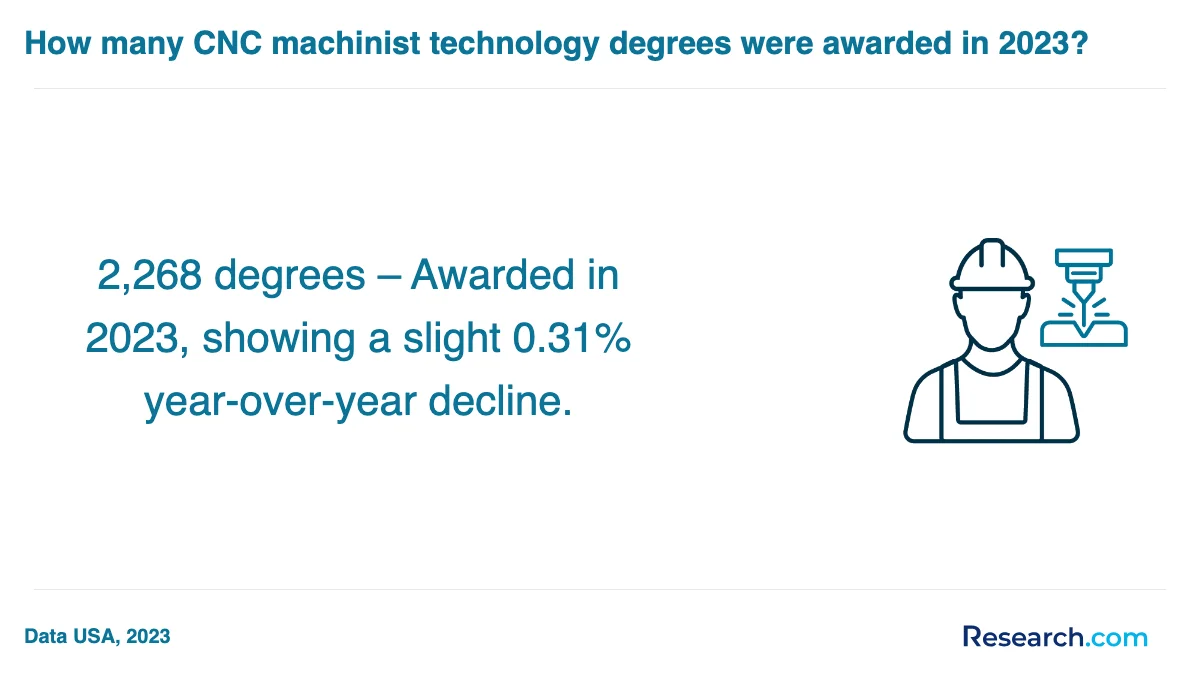
If you're enrolled in a longer, credit-bearing CNC machinist program-like the associate degree at Community College of Philadelphia-federal financial aid is often within reach. Many graduates share how completing the FAFSA opened doors to Pell Grants and federal student loans, easing the burden of tuition and allowing them to focus fully on mastering CNC skills.
For those in shorter certificate programs, such as Eastern Florida State College's 12-credit CNC Machinist Certificate, federal aid may not apply. Still, students find hope through state-funded scholarships like Florida Bright Futures or specialized vocational grants. Many recall how these resources, combined with flexible payment plans offered by their schools, helped them manage costs without stress.
Scholarships also play a vital role. National awards like the Premier Equipment CNC Scholarship provide $2,000 annually, which many recipients use for books or living expenses. Veterans and workforce development board funds often support non-credit programs too, making training accessible for diverse learners eager to advance in manufacturing careers.
To enroll in a CNC machinist trade school program in the USA, you typically need a high school diploma or GED. This basic educational foundation ensures you have essential math and reading skills, which are crucial for understanding technical blueprints and operating CNC machines.
Many trade schools, like those popular in industrial hubs, also expect students to have a good grasp of math-especially algebra and geometry. Graduates often share how practicing math problems before starting helped them feel confident from day one.
Some programs may require or recommend the following prerequisites:
- Basic computer skills, since CNC machines rely on computerized controls
- Strong manual dexterity and good hand-eye coordination
- Familiarity with shop tools or prior experience in manufacturing environments
Trade schools in places such as Texas or Ohio often offer orientation sessions or prep courses to ease new students into the technical demands. Graduates describe this as a positive boost, making the transition smoother and less intimidating. If you're passionate and willing to learn, these prerequisites serve as stepping stones, not barriers, to a rewarding career as a CNC machinist.

In CNC machinist trade schools across the USA, students dive into courses that build both their hands-on skills and critical thinking. Graduates often recall starting with basic machining operations on manual machines, mastering milling and turning before tackling CNC equipment. This step-by-step approach lays a solid foundation.
Core courses include CNC programming and machine setup, where students learn to write and troubleshoot programs essential for precise machining. Many programs incorporate software like Mastercam, helping students feel confident translating design blueprints into real parts.
Blueprint reading and geometric dimensioning and tolerancing (GD&T) courses are crucial. Students gain the ability to interpret detailed engineering drawings, a skill that graduates say makes the difference in producing parts that meet strict quality standards.
Hands-on practice with precision measurement tools such as calipers and coordinate measuring machines ensures accuracy in their work. Other vital courses include:
- Shop mathematics for precise calculations
- Process planning to optimize machining efficiency
- Preventative maintenance and safety procedures to keep equipment running smoothly
Many students appreciate programs that offer credit for industry certifications like SolidWorks, boosting their employability right after graduation. At popular US trade schools, this blend of theory and practice leaves students feeling prepared and excited to start their machining careers.
CNC machinist program specializations in the USA cover a wide range of essential skills that prepare you for various manufacturing careers. Students often dive into areas such as:
- CNC Machine Operation
- CNC Programming
- CAD/CAM Software Training
- Blueprint Reading
- Quality Control and Inspection
- Advanced Manufacturing Processes
- Metallurgy
- Tooling and Workholding
- Technical Mathematics
- Machine Maintenance
Many graduates from popular trade schools report feeling confident stepping into roles like CNC Operator or Production Supervisor because their programs are hands-on and focused on practical skills. For example, at Lincoln Tech in Texas, students appreciate the tangible experience they gain in machining and manufacturing technology, which directly translates to real-world job readiness. Likewise, Montana State University's CNC Machine Technology Certificate emphasizes milling, turning, and tool workholding, giving students a solid foundation.
Specialized CNC machinist training programs across the USA blend these technical skills with essential knowledge, making it easier to adapt and thrive in the manufacturing world. If you want to explore options to improve your skills affordably, consider affordable online cnc machining courses.
When choosing the best CNC machinist trade schools in the USA, focus first on accreditation and the program's reputation. Graduates from well-known community colleges and technical institutes often share how their hands-on experience with CNC equipment and CAD/CAM software gave them the confidence to excel in real manufacturing environments. Schools offering flexible, stackable certificates let you tailor your learning pace and credentials, making it easier to balance work and study.
To truly understand how to compare CNC machinist programs USA, consider job placement rates and industry partnerships. Graduates recall internships arranged through local manufacturing hubs that led directly to full-time jobs. Affordable tuition combined with financial aid options makes a big difference, especially at schools near major industrial centers. Don't overlook student support services like tutoring and career counseling-they can transform your training experience.
Exploring what is the easiest certification to get that pay well can also guide your choices on program length and focus, ensuring your investment leads to rewarding work in the machining field.
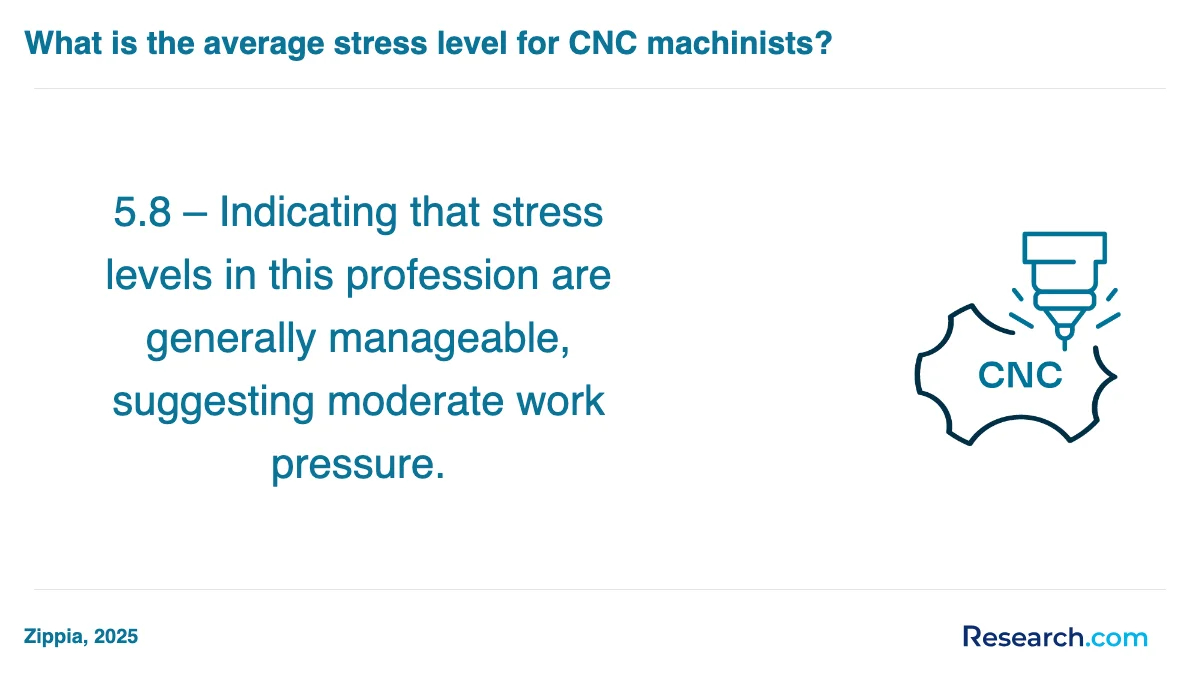
Graduates from CNC machinist trade school programs in the USA often begin their careers as entry-level CNC machinists or operators, gaining essential hands-on skills in machine setup and blueprint reading at popular schools like Lincoln Tech or Universal Technical Institute. Many quickly advance to CNC programmers, where they create intricate machine codes using CAD/CAM software, a role that demands strong analytical abilities and technical expertise.
Opportunities expand further with experience, leading to positions such as quality control inspectors, brake press operators, and mechanical assemblers. Some graduates leverage their skills to become shop managers or supervisors, combining technical knowledge with leadership. Others find rewarding careers as educators or independent consultants, providing flexibility and diverse experiences in their work lives.
The CNC machinist career opportunities in the USA are robust, especially in high-precision industries such as aerospace and healthcare, where graduates report competitive salaries and job stability. Many students enhance their prospects through certifications, while exploring accelerated online associates degree that pay well to boost career growth.
The CNC machinist job outlook and salary USA remain strong due to ongoing advances in manufacturing technology, ensuring that skilled machinists continue to find rewarding, well-compensated roles across the nation.
The CNC machinist job outlook in the USA shows steady demand despite slow overall growth, with employment expected to rise by only about 2% over the next decade. Graduates from popular trade schools often share how their hands-on training made them valuable hires in industries like automotive and aerospace, where precision and adaptability are key. For example, many find that certifications from recognized institutions like the National Institute for Metalworking Skills open doors immediately after graduation.
Success stories frequently mention the importance of staying current with smarter machine technologies and robotics to meet evolving industry standards. Employers value machinists who can solve problems efficiently and work collaboratively on high-tech shop floors.
Regional variation affects salary and job opportunity significantly:
- States like New Hampshire and Massachusetts offer some of the highest wages, ranging from $51,000 to $54,000 annually.
- Other states such as Florida or Oklahoma have lower average machinist salaries, closer to $36,000.
If you're considering where to study, it's wise to research regional labor markets and explore programs known for strong employer connections. Many graduates emphasize how their training at well-established trade schools gave them a competitive edge in the high-demand manufacturing sector.
For those aiming at a high paying job with associates degree, this path is a promising option with clear opportunities for career growth and skills development in the demand for CNC machinists in the United States.
Best CNC Machinist Training Programs & Trade Schools - Top CNC Schools for 2026
# 1 position
Lakeshore Technical College - Computer Numerically Controlled (CNC) Machinist Technology/CNC Machinist.
certificate or diplomaThe Computer Numerically Controlled (CNC) Machinist Technology program at Lakeshore Technical College is fully online and prepares students to operate CNC machine tools, including lathes and mills. The curriculum covers CNC programming, setup, troubleshooting, blueprint reading, machining operations, technical math, CAD/CAM systems, and safety practices. Accredited by the Higher Learning Commission, the program’s annual in-state tuition is $4,649, with graduates earning a median salary of $48,619 one year after completion.
# 2 position
Hennepin Technical College - Computer Numerically Controlled (CNC) Machinist Technology/CNC Machinist.
associateHennepin Technical College offers a hybrid Computer Numerically Controlled (CNC) Machinist Technology program that trains students to operate CNC machine tools for cutting, drilling, shaping, and finishing parts. The curriculum covers CNC programming, setup, blueprint reading, machining operations, CAD/CAM systems, and safety practices. The program is accredited by the Higher Learning Commission. Annual in-state tuition is $5,881, and median earnings one year after completion are $59,829.
# 3 position
Hennepin Technical College - Computer Numerically Controlled (CNC) Machinist Technology/CNC Machinist.
certificate or diplomaHennepin Technical College offers a hybrid Computer Numerically Controlled (CNC) Machinist program that trains students to operate CNC machine tools, including lathes and mills. The curriculum covers CNC programming, setup, blueprint reading, CAD/CAM systems, and safety practices. Annual in-state tuition is $5,881. Graduates earn a median salary of $59,829 one year after completion. The program is accredited by the Higher Learning Commission.
# 4 position
Northwood Technical College - Computer Numerically Controlled (CNC) Machinist Technology/CNC Machinist.
certificate or diplomaNorthwood Technical College offers a fully online Computer Numerically Controlled (CNC) Machinist Technology/CNC Machinist program. It trains students to operate CNC machine tools, including lathes and mills, and covers programming, setup, troubleshooting, blueprint reading, and CAD/CAM systems. The program emphasizes technical math, shop safety, and equipment use. Annual in-state tuition is $4,524. Graduates earn a median income of $42,282 one year after completion. The program is accredited by the Higher Learning Commission.
# 5 position
Moraine Park Technical College - Computer Numerically Controlled (CNC) Machinist Technology/CNC Machinist.
certificate or diplomaMoraine Park Technical College offers a hybrid Computer Numerically Controlled (CNC) Machinist Technology program that trains students to operate CNC machine tools for machining functions like cutting and shaping. The curriculum covers CNC programming, blueprint reading, lathe and mill operations, technical math, CAD/CAM systems, and safety practices. Annual in-state tuition is $4,713. Graduates earn a median salary of $41,073 one year after completion. The program is accredited by the Higher Learning Commission.
# 6 position
Anoka Technical College - Computer Numerically Controlled (CNC) Machinist Technology/CNC Machinist.
associateAnoka Technical College offers a hybrid Computer Numerically Controlled (CNC) Machinist Technology program that trains students to operate CNC machine tools, including lathes and mills. The curriculum covers CNC terminology, programming, setup, troubleshooting, blueprint reading, machining, technical mathematics, CAD/CAM systems, and shop safety. Annual in-state tuition is $6,267. Graduates earn a median income of $51,747 one year after completion. The program is accredited by the Higher Learning Commission.
# 7 position
Anoka Technical College - Computer Numerically Controlled (CNC) Machinist Technology/CNC Machinist.
certificate or diplomaAnoka Technical College offers a hybrid Computer Numerically Controlled (CNC) Machinist Technology program that trains students to operate CNC machine tools, including lathes and mills. The curriculum covers CNC programming, setup, blueprint reading, machining, CAD/CAM systems, and safety practices. The program prepares students for technical roles with median earnings of $51,747 one year after completion and annual in-state tuition of $6,267. It is accredited by the Higher Learning Commission.
# 8 position
Idaho State University - Computer Numerically Controlled (CNC) Machinist Technology/CNC Machinist.
associateIdaho State University offers a hybrid Computer Numerically Controlled (CNC) Machinist Technology program that trains students to operate CNC machine tools, including lathes and mills. The curriculum covers programming, setup, troubleshooting, blueprint reading, CAD/CAM systems, and shop safety. The annual in-state tuition is $8,356. Graduates earn a median salary of $64,581 one year after completion. The program is accredited by the Northwest Commission on Colleges and Universities.
# 9 position
Idaho State University - Computer Numerically Controlled (CNC) Machinist Technology/CNC Machinist.
certificate or diplomaIdaho State University offers a hybrid Computer Numerically Controlled (CNC) Machinist Technology program that teaches operation and programming of CNC machine tools. The curriculum covers blueprint reading, machining, lathe and mill operations, CAD/CAM systems, technical mathematics, and safety practices. Annual in-state tuition is $8,356. Graduates have median earnings of $64,581 one year after completion. The program is accredited by the Northwest Commission on Colleges and Universities.
# 10 position
Kirkwood Community College - Computer Numerically Controlled (CNC) Machinist Technology/CNC Machinist.
associateKirkwood Community College offers a hybrid Computer Numerically Controlled (CNC) Machinist Technology program that trains students to operate CNC machine tools, including lathes and mills. The curriculum covers CNC setup, programming, blueprint reading, machining, CAD/CAM systems, technical math, and safety practices. The program’s annual in-state tuition is $5,980. Graduates have median earnings of $48,114 one year after completion. It is accredited by the Higher Learning Commission.
Frequently Asked Questions about CNC machinist
After completing a CNC machinist trade school in the USA, preparing for the job market involves several key steps. First, graduates should develop a strong resume that highlights their hands-on experience with CNC machines, programming skills, and familiarity with industry-standard software like G-code and CAD/CAM. According to the U.S. Bureau of Labor Statistics, CNC machinists earn a median annual wage of about $47,000, with job opportunities expected to grow by 7% through 2031.
Networking is essential; joining trade associations such as the National Tooling and Machining Association (NTMA) can provide valuable connections. Additionally, seeking internships or apprenticeships helps build real-world experience. Finally, obtaining certifications like the National Institute for Metalworking Skills (NIMS) credential can increase employability and credibility in the competitive U.S. manufacturing sector.
Employers in the USA prioritize several key skills when hiring CNC machinist trade school graduates. Proficiency in computer numerical control programming is essential, as it enables machinists to operate and troubleshoot CNC machines efficiently. According to the U.S. Bureau of Labor Statistics, technical knowledge in interpreting blueprints and CAD drawings is highly valued. Attention to detail is critical because precision affects product quality and safety standards.
Problem-solving skills and the ability to perform routine maintenance on machinery also enhance employability. Communication skills, though often overlooked, are important for collaborating with engineers and supervisors. Trade schools that emphasize hands-on training tend to produce graduates with better job readiness in these areas.
Finding internships relevant to a CNC machinist trade school program in the USA involves several strategic steps. Start by consulting your school's career services, as many trade schools partner with local manufacturers and machine shops to offer internship opportunities. According to the National Association of Manufacturers, over 80% of manufacturing companies in the US offer internships or apprenticeships annually.
Online job portals like Indeed and LinkedIn also list CNC machinist internships specifically. Networking through industry events and trade organizations such as the Precision Machined Products Association can provide direct employer contacts. Additionally, reaching out to local unions or workforce development boards can uncover apprenticeship programs aligned with CNC machinist training.
Obtaining a CNC machinist trade school diploma in the USA significantly enhances career mobility and advancement opportunities. According to the U.S. Bureau of Labor Statistics, CNC machinists with formal training tend to experience higher job placement rates and improved earning potential compared to those without credentials.
Trade school diplomas provide practical skills that employers value, such as programming, machine operation, and blueprint reading. These skills can lead to faster promotions or transitions into specialized roles like CNC programmer or manufacturing supervisor.
Additionally, many trade schools offer industry certifications recognized nationwide, which further support career growth and geographic mobility.
Data from the National Center for Education Statistics shows that graduates from technical programs often see a 15-20% salary increase within five years of completion, reflecting improved job stability and upward movement.
Part-time jobs can greatly enhance the education of students attending CNC machinist trade schools in the USA. Positions such as machine operators, assembly technicians, or tool setters often align well with coursework, providing hands-on experience. According to the U.S. Bureau of Labor Statistics, CNC machinists earned a median wage of $47,300 in 2022, indicating strong demand in manufacturing sectors.
Internships or apprenticeships at local manufacturing firms also offer valuable exposure to industrial environments and advanced machinery. Additionally, roles in quality control or maintenance support can deepen understanding of production processes. These opportunities help students apply theoretical knowledge practically while building professional networks.
- Machinists and Tool and Die Makers : Occupational Outlook Handbook: : U.S. Bureau of Labor Statistics https://www.bls.gov/ooh/production/machinists-and-tool-and-die-makers.htm
- The job market for machinists in the United States - CareerExplorer https://www.careerexplorer.com/careers/machinist/job-market/
- Working as a CNC machinist | Randstad USA https://www.randstadusa.com/job-seeker/career-advice/job-profiles/cnc-machinist/
- How Expensive is a CNC Machining Degree https://imagine-america.org/expensive-cnc-machining-degree/
- CLC, Inc. CNC Machining Training Program https://www.clcinc.org/machining.html
- Online CNC Machinist from University of Texas at Arlington https://eeccareertraining.uta.edu/training-programs/cnc-machinist/
- CNC Machining Technology 1-2-3 - CT State https://ctstate.edu/programs/cnc-machining
- CNC Production Specialist (Machining) | Machining Program | CNC Programming Training | CNC Machinist School | IHK Certification | Lake Technical College | Orlando & Central Florida https://www.laketech.org/programs/manufacturing/cnc-production-specialist
- CNC Operator Career Pathway Certificate | CCC https://www.clackamas.edu/academics/degrees-certificates/cnc-operator-career-pathway
- CNC Machining - Machinist Career College https://www.mcc4me.org/advanced-programs/cnc-machining/