
Most Affordable CNC Machinist Schools & Training - Budget-Friendly CNC Trade Programs in Northeast for 2026

Co-Founder and Chief Data Scientist
Choosing the right CNC machinist trade school in the Northeast can feel overwhelming, but this article is here to help. We've gathered a ranking created by the Research.com team of data scientists to guide you toward the best programs worth considering in 2026.
Whether you're starting fresh or seeking new skills, earning a CNC machinist diploma or certification opens doors to rewarding career opportunities. Exploring these affordable options can set you on a path to success with confidence and clarity.
Take a step closer to your future today.
Key benefits of finishing CNC machinist trade school in Northeast
- Graduates in the Northeast can expect salaries ranging from $50,000 to over $80,000 annually, with top earners at leading companies making competitive wages above the national average.
- CNC machinist trade school graduates often find diverse career paths, including roles in manufacturing, aerospace, and automotive industries, as shown by successful alumni from popular Northeast trade schools.
- Completing a CNC machinist program online offers flexibility and faster completion times, helping graduates start their careers sooner while balancing personal commitments, as experienced by many online students in the region.
- Most Affordable CNC Machinist Schools & Training - Budget-Friendly CNC Trade Programs in Northeast for 2026
- What can I expect from CNC machinist trade schools in Northeast?
- Where can I work after finishing CNC machinist trade schools in Northeast?
What can I expect from CNC machinist trade schools in Northeast?
Students enrolling in CNC machinist trade school programs in the Northeast can expect an immersive experience combining hands-on training with classroom learning. At institutions like Northeast Community College, graduates often highlight the confidence gained from operating real CNC milling and turning machines daily, guided closely by skilled instructors. These programs emphasize mastery of industry-standard software and practical skills, preparing students to step into manufacturing roles immediately.
Program lengths vary-from intensive 10-week courses at Northampton Community College offering 280 hours of practical work, to two-year associate degrees at Hudson Valley Community College boasting nearly 95% job placement before graduation. Students frequently mention the supportive environment created by small class sizes and frequent instructor feedback, essential for mastering complex tasks like CNC programming and blueprint reading.
The curriculum covers critical topics such as safety procedures, shop math, manual machining, and computer-aided manufacturing, ensuring graduates feel ready to meet industry demands. Many also appreciate career services and industry partnerships that facilitate internships, scholarships, and job placement, making the journey both practical and rewarding.
Where can I work after finishing CNC machinist trade schools in Northeast?
Graduates of CNC machinist trade school programs in the Northeast find diverse and rewarding employment opportunities across key states like Massachusetts, Connecticut, Pennsylvania, and New York. Many secure roles as CNC machinists, operators, or programmers, working in industries such as aerospace, automotive, defense, and medical device manufacturing. For example, graduates from popular trade schools in the region often share how quickly they landed positions setting up CNC machines, interpreting blueprints, and ensuring quality control in local precision shops or large manufacturers.
In places like Wilkes-Barre, PA, dozens of job openings regularly welcome new machinists, offering both full-time and flexible part-time schedules. Many graduates express satisfaction with the strong demand and competitive benefits, including health insurance and retirement plans. Those who advance to CNC programming roles enjoy even greater career stability and higher wages, leveraging skills in CAM programming. The Northeast's robust manufacturing sector ensures that trade school education translates into promising, tangible career paths with room for growth and success.
Graduates from CNC machinist trade school programs in the Northeast typically start with competitive salaries that reflect both their training and the region's strong manufacturing demand. Many entry-level machinists begin earning around $36,650 per year, which is a solid foundation for new professionals eager to enter the field. Trade schools popular in the region, such as those in Massachusetts and Connecticut, often share success stories of students quickly landing jobs with hourly wages ranging from $19.62 to $27.00.
With experience and additional certifications gained on the job, many graduates report salary increases to approximately $50,000 annually within a few years. Some even reach top-tier wages exceeding $80,000 per year, especially when employed by advanced manufacturers in New York or nearby states. For example, machinists employed by companies like Northeast Tool & Manufacturing have reported weekly earnings as high as $1,576, highlighting the financial growth potential.
This earning trajectory allows graduates to feel confident about their investment in trade school, knowing their skills are highly valued and well-compensated in the Northeast job market.
- Most CNC machinist programs require a high school diploma or equivalent and offer certificates, diplomas, or associate degrees ranging from 18 to 86 credit hours.
- Programs combine classroom learning with hands-on training on CNC machines, blueprint reading, AutoCAD, and manufacturing processes.
- Some schools have strong industry ties and report job placement rates as high as 95% before graduation.
- Costs vary by program length and state, with short certificates costing less and financial aid or employer support often available.
- Starting salaries for CNC machinists in the Northeast range from $38,000 to $48,000, with experienced workers earning $55,000 to $65,000 or more.
Completing a CNC machinist trade school program in the Northeast typically takes between 6 months and 1 year. Most students who attend well-regarded trade schools in this region find that the curriculum is designed to balance hands-on machining practice with essential theoretical knowledge within this timeframe. Graduates often share how intensive yet rewarding the experience is, noting that the focused instruction allows them to quickly gain confidence operating CNC machines and interpreting technical blueprints.
For example, at popular Northeast trade schools, students start by mastering basic machine setup and safety, then progress to programming and troubleshooting CNC equipment. This step-by-step approach ensures they build practical skills applicable to real-world manufacturing environments before completing the program.
Many graduates express satisfaction with how the structured timelines helped them transition efficiently into entry-level CNC machinist roles. The combination of classroom learning and shop floor experience within a year or less makes these programs highly appealing for those eager to start their careers promptly without sacrificing quality education.
Online and on-campus CNC machinist trade school programs in the Northeast differ primarily in their approach to hands-on training. Graduates from on-campus programs at schools like Hudson Valley Community College often describe the immersive experience of working directly on CNC machines in real workshops. This practical exposure, combined with immediate instructor feedback, builds confidence and skill in operating lathes, mills, and precision tools-an essential part of mastering CNC machining.
In contrast, online programs focus mainly on theoretical knowledge such as CNC programming and blueprint reading, which some students appreciate for flexibility. However, fully online tracks rarely offer the in-person machine operation training that employers in the Northeast require. Many online students find themselves supplementing their learning with on-site labs to gain the tactile skills needed for certification and job readiness.
For aspiring CNC machinists, the blend of hands-on practice and expert guidance available in Northeast on-campus programs often leads to higher job placement rates and a more engaging educational journey.
The average tuition for CNC machinist programs in Northeast varies significantly by state and institution, reflecting differences in program length, credit hours, and reputation. For example, graduates from Eastern Maine Community College highlight an affordable experience, paying roughly $1,496 for their program where in-state tuition is $96 per credit hour. Meanwhile, students completing a shorter 21-hour CNC training at Mid-Coast School of Technology mention the accessibility of their $310 tuition, making it easier to enter the trade quickly.
In Pennsylvania, CNC machinist training typically costs between $2,000 and $10,000, depending on the depth of the program and the institution's prestige. Many graduates appreciate that financial assistance opportunities, such as those offered by the Pennsylvania Workforce Development Agency or institutional scholarships, soften these costs, allowing them to focus on skill acquisition rather than financial strain. The cost of CNC machinist training in Northeast also reflects these variations, with programs in Connecticut ranging from $4,740 to $14,140, based on residency status and credits.
Students completing CNC machinist training in Massachusetts frequently emphasize the added value of job placement services that come with their programs. This practical support aligns well with the steadily growing demand for CNC machinists in the region. For those weighing options, it is important to consider not just tuition but also opportunities for financial aid and career support, which together shape the overall experience. For learners curious about which certification is easy to get that pay well, it is worth exploring the different paths CNC machinist programs offer along with their cost profiles to find the best match.
Students pursuing CNC machinist trade school programs in the Northeast can access a variety of financial aid options that significantly ease the cost of their education. Federal financial aid, including the Federal Pell Grant and the Federal Supplemental Educational Opportunity Grant (FSEOG), is commonly available for credit-bearing programs. For example, graduates from Northeastern Technical College often highlight how FAFSA completion unlocked federal grants, enabling them to focus on mastering CNC operations without overwhelming debt.
Federal loan programs such as Subsidized and Unsubsidized Stafford Loans, plus Parent PLUS Loans, are also accessible at many schools like the New Castle School of Trades in Pennsylvania. These loans offer manageable interest rates and repayment terms, making them a practical choice for students balancing work and study.
State-specific grants like the PA State Grant further reduce financial strain for Pennsylvania residents. Additionally, scholarships such as the Premier Equipment CNC Scholarship provide $2,000 annually, helping students cover tuition and materials. Several programs offer flexible payment plans, allowing students to spread costs over time, a relief often mentioned by recent graduates navigating tight budgets while gaining valuable skills.
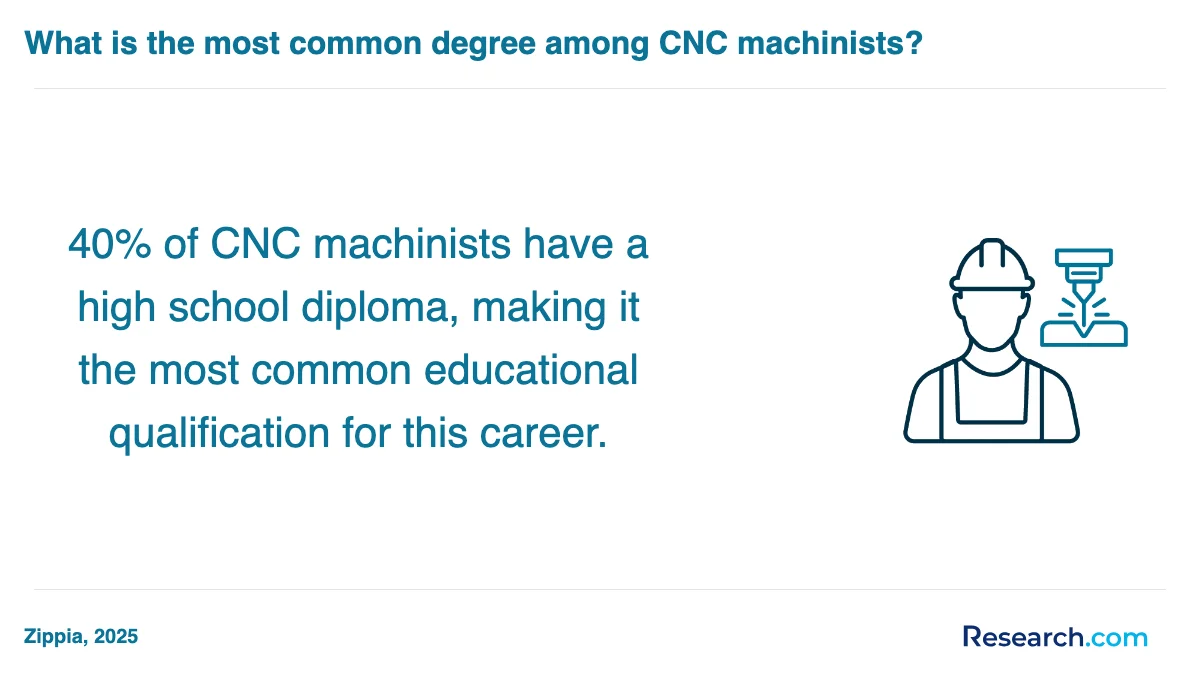
To enroll in a CNC machinist trade school program in the Northeast, applicants typically need a high school diploma or GED. This foundational requirement ensures students possess the basic math and reading skills essential for understanding technical manuals and operating machinery.
Many trade schools also look for candidates who demonstrate:
- Proficiency in basic algebra and geometry, as these skills are crucial for programming CNC machines accurately.
- Good hand-eye coordination and mechanical aptitude, often assessed through practical tests or interviews.
- A genuine interest in manufacturing technology, which helps sustain motivation throughout the rigorous training.
Graduates from well-known Northeast trade schools often share how their prior experience with hands-on projects or internships gave them a confident start. For example, some recall beginning their programs with a clear understanding of shop safety and tool handling, which made the transition smoother and boosted their enthusiasm.
Additionally, schools may require applicants to submit references or complete placement tests to tailor instruction to their skill level. This personalized approach is especially common in programs located in industrial hubs of the Northeast, reflecting a commitment to student success and career readiness.

Students enrolled in CNC machinist trade school programs in the Northeast benefit from a comprehensive curriculum designed to prepare them for modern manufacturing roles. Graduates often highlight the value of core courses such as:
- Materials and manufacturing processes: Understanding metal properties and machining behavior, which proves essential when working on real parts in workshops.
- Technical drawings and specifications: Learning to read blueprints and apply geometric dimensioning and tolerancing (GD&T), a skill praised by alumni for easing the transition into precision manufacturing jobs.
- Math and measurement: Applying practical math skills and mastering metrology tools to ensure exact part dimensions.
- CNC machine operation and programming: Hands-on training with milling and turning machines, coupled with CAM software use, which many students find both challenging and rewarding.
- Machine shop safety and quality control: Emphasizing safe practices and inspection techniques that build confidence on the shop floor.
Popular Northeast trade schools often include internship opportunities, allowing students to apply classroom knowledge in real-world settings, boosting job readiness and professional growth.
CNC machinist trade school programs in the Northeast offer specialized training tailored to diverse manufacturing needs. Common specializations include:
- CNC Programming and Operations: Graduates often share how mastering advanced CNC programming techniques allows them to confidently set up and run complex machinery, improving efficiency on the shop floor.
- CAD/CAM Applications: These skills enable students to seamlessly transition from design to production, enhancing their value in industries reliant on precision tooling.
- Blueprint Reading and Geometric Dimensioning and Tolerancing (GD&T): Understanding detailed engineering drawings prepares students for roles demanding accuracy and quality control.
- Quality Control and Inspection: This specialization ensures graduates can maintain high standards, reducing waste and rework in manufacturing processes.
- Machine Maintenance and Safety: Essential for longevity in the field, this area equips students with knowledge to keep equipment running safely and efficiently.
For students seeking to deepen their expertise, programs often feature advanced CNC programming techniques and precision machining and tooling. Graduates from Quinsigamond Community College and Northern Essex Community College frequently cite hands-on experience with HAAS CNC machinery and real-world applications as confidence boosters for stepping into competitive manufacturing roles.
Many aspiring machinists explore cheap cnc machinist certificate programs online to complement their on-campus training and broaden their skill set, ensuring they stay ahead in the fast-evolving manufacturing sector.
Choosing the best CNC machinist trade school program in Northeast requires close attention to accreditation and curriculum quality. Graduates from well-accredited schools report that programs offering hands-on training with modern CNC machinery and software, like Quinebaug Valley Community College, significantly boosted their confidence and job readiness. Smaller class sizes with favorable student-to-faculty ratios create a more supportive learning environment, which many students find essential for mastering complex CNC programming concepts.
Cost considerations are equally important when deciding how to compare CNC machinist program costs Northeast. Schools like Thaddeus Stevens College of Technology provide competitive net prices and strong financial aid options, helping students manage expenses without compromising education quality. Additionally, exploring job placement rates and partnerships with local manufacturers can reveal programs that open doors to valuable internships and employment opportunities.
Flexible scheduling options further enhance accessibility for working adults balancing study and life commitments. For those seeking alternatives, exploring the quickest online associate degrees that lead to high paying jobs can provide insight into accelerated pathways that complement traditional CNC machinist programs.

Graduates of CNC machinist trade school programs in the Northeast find a variety of rewarding career paths in the manufacturing sector. Entry-level roles typically include CNC Operator, Machine Set-Up Operator, and Machine Tool Operator-positions that involve hands-on machine operation and blueprint interpretation in industries like aerospace and automotive. Many graduates from popular Northeast trade schools describe the excitement of immediately contributing to high-precision manufacturing environments.
For those eager to advance, opportunities open up to roles such as CNC Programmer, Journeylevel Machinist, Set-Up Machinist, and Shop Supervisor. These positions demand a deeper technical skill set and often supervision responsibilities. Graduates share how gaining experience in these roles delivers a strong sense of pride, especially when mastering complex programming or maintenance tasks to keep advanced machinery running smoothly.
The strength of CNC machinist career opportunities in Northeast is fueled by steady demand, particularly in states like Connecticut. Graduates often pursue certifications such as the National Institute for Metalworking Skills (NIMS) to boost their qualifications. Many successfully negotiate competitive benefits and career growth with employers who value their trade school background.
For those exploring the financial aspect of advancing in this field, understanding how much does an online associate's degree cost can be a crucial step toward expanding career options.
The CNC machinist job outlook in Northeast remains highly favorable, fueled by strong demand in manufacturing, aerospace, and medical sectors. Graduates from trade schools in this region benefit from steady openings, especially in states like Connecticut where CNC machining employment trends Northeast show a 23% growth through 2024. Employers seek candidates not only with technical expertise but also critical thinking and problem-solving skills, which many local trade schools emphasize.
Graduates from popular CNC machinist programs in the Northeast often share positive experiences about immediate job prospects and competitive salaries, such as the $61,820 median annual wage reported in Massachusetts. Real-life scenarios include recent alumni securing positions at cutting-edge aerospace firms and medical device manufacturers offering relocation bonuses and clear career advancement paths.
Key factors contributing to this thriving job market include:
- Steady annual openings averaging over 140 positions in Connecticut alone
- High employer demand for both CNC machining and programming skills
- Investments in modern facilities with structured career growth opportunities
For students exploring options, programs advertised as cheap online woodworking school provide flexible pathways to enter this lucrative and growing field from the Northeast.
Most Affordable CNC Machinist Schools & Training - Budget-Friendly CNC Trade Programs in Northeast for 2026
# 1 position
Connecticut State Community College - Computer Numerically Controlled (CNC) Machinist Technology/CNC Machinist.
certificate or diplomaConnecticut State Community College offers an on-campus Computer Numerically Controlled (CNC) Machinist Technology program. It trains students to operate CNC machine tools, including programming, setup, and troubleshooting. The curriculum covers blueprint reading, machining, lathe and mill operations, CAD/CAM systems, and safety practices. The program is accredited by the New England Commission on Higher Education. Annual in-state tuition is $5,092, with median earnings of graduates one year after completion at $41,378.
# 2 position
Mohawk Valley Community College - Computer Numerically Controlled (CNC) Machinist Technology/CNC Machinist.
certificate or diplomaMohawk Valley Community College offers a hybrid Computer Numerically Controlled (CNC) Machinist Technology program. It trains students to operate CNC machine tools, including lathes and mills, covering setup, programming, operations, and troubleshooting. Coursework includes blueprint reading, machining, technical math, CAD/CAM systems, and safety practices. The program’s annual in-state tuition is $6,114. It is accredited by the Middle States Commission on Higher Education, with median earnings of $29,615 one year after completion.
# 3 position
SUNY College of Technology at Alfred - Computer Numerically Controlled (CNC) Machinist Technology/CNC Machinist.
associateThe Computer Numerically Controlled (CNC) Machinist Technology program at SUNY College of Technology at Alfred is a hybrid program preparing students to operate CNC machine tools, including lathes and mills. It covers CNC terminology, setup, programming, blueprint reading, and CAD/CAM systems. The program includes technical mathematics, safety practices, and equipment operation. In-state tuition is $8,862 annually, with median earnings of $42,739 one year after completion. It is accredited by the Middle States Commission on Higher Education.
# 4 position
Springfield Technical Community College - Computer Numerically Controlled (CNC) Machinist Technology/CNC Machinist.
certificate or diplomaSpringfield Technical Community College offers a hybrid Computer Numerically Controlled (CNC) Machinist Technology program that trains students to operate CNC machine tools, including lathes and mills. The curriculum covers CNC setup, programming, blueprint reading, technical mathematics, CAD/CAM systems, and shop safety. Annual in-state tuition is $5,520. The program is accredited by the New England Commission on Higher Education.
# 5 position
Southern Maine Community College - Computer Numerically Controlled (CNC) Machinist Technology/CNC Machinist.
certificate or diplomaSouthern Maine Community College offers a hybrid Computer Numerically Controlled (CNC) Machinist Technology program that prepares students to operate CNC machine tools, including lathes and mills. The curriculum covers CNC terminology, programming, setup, troubleshooting, blueprint reading, machining, CAD/CAM systems, and safety practices. Annual in-state tuition is $3,797. The program is accredited by the New England Commission on Higher Education.
# 6 position
Bristol Community College - Computer Numerically Controlled (CNC) Machinist Technology/CNC Machinist.
certificate or diplomaBristol Community College offers a hybrid Computer Numerically Controlled (CNC) Machinist Technology/CNC Machinist program that prepares students to operate CNC machine tools, including lathes and mills. The curriculum covers CNC terminology, programming, setup, troubleshooting, blueprint reading, machining, CAD/CAM systems, and safety practices. The program’s annual in-state tuition is $5,412. It is accredited by the New England Commission on Higher Education.
# 7 position
Ulster County Community College - Computer Numerically Controlled (CNC) Machinist Technology/CNC Machinist.
certificate or diplomaUlster County Community College offers a program in Computer Numerically Controlled (CNC) Machinist Technology/CNC Machinist, preparing students to operate CNC machine tools such as lathes and mills. The curriculum covers CNC programming, setup, troubleshooting, blueprint reading, machining, technical mathematics, CAD/CAM systems, and safety practices. The program is accredited by the Middle States Commission on Higher Education. Annual in-state tuition is $6,376.
# 8 position
Northern Maine Community College - Computer Numerically Controlled (CNC) Machinist Technology/CNC Machinist.
certificate or diplomaNorthern Maine Community College offers a hybrid Computer Numerically Controlled (CNC) Machinist Technology program that trains students to operate CNC machine tools, including lathes and mills. The curriculum covers CNC terminology, programming, setup, operations, troubleshooting, blueprint reading, machining, CAD/CAM systems, and safety practices. The program’s annual in-state tuition is $3,880 and it is accredited by the New England Commission on Higher Education.
# 9 position
Community College of Rhode Island - Computer Numerically Controlled (CNC) Machinist Technology/CNC Machinist.
associateThe Computer Numerically Controlled (CNC) Machinist Technology program at Community College of Rhode Island prepares students to operate CNC machine tools, including lathes and mills. The hybrid program covers CNC terminology, setup, programming, operations, troubleshooting, blueprint reading, technical mathematics, CAD/CAM systems, and shop safety. Annual in-state tuition is $5,326. The program is accredited by the New England Commission on Higher Education.
# 10 position
Community College of Rhode Island - Computer Numerically Controlled (CNC) Machinist Technology/CNC Machinist.
certificate or diplomaThe Computer Numerically Controlled (CNC) Machinist Technology program at the Community College of Rhode Island offers a hybrid format with some distance education. It trains students to operate CNC machine tools, including lathes and mills, covering setup, programming, operations, and troubleshooting. Instruction also includes blueprint reading, technical mathematics, computer literacy, CAD/CAM systems, and safety practices. The annual in-state tuition is $5,326. The program is accredited by the New England Commission on Higher Education.
Frequently Asked Questions about CNC machinist
After completing a CNC machinist trade school in the Northeast, it is important to build a strong foundation for entering the job market. Start by obtaining industry-recognized certifications such as those from the National Institute for Metalworking Skills (NIMS), which improve employability. According to the U.S. Bureau of Labor Statistics, CNC machinist jobs in the Northeast region are projected to grow by approximately 5% through 2030, reflecting steady demand.
Networking is crucial; attend local trade shows and join professional associations like the Precision Metalforming Association's Northeast chapter. Internships or apprenticeships offered by schools or local manufacturers provide valuable hands-on experience.
Finally, develop a polished resume highlighting technical skills, software proficiency, and any project work completed during training. Employers in the Northeast value candidates with both practical and theoretical knowledge.
Employers in the Northeast prioritize several key skills when hiring CNC machinist trade school graduates. Proficiency in computer-aided design (CAD) and computer-aided manufacturing (CAM) software is essential, as these tools are fundamental for programming CNC machines. A strong understanding of blueprint reading and precision measurement also ranks highly, enabling machinists to produce parts that meet strict specifications.
According to the U.S. Bureau of Labor Statistics, attention to detail and problem-solving abilities are consistently sought after in the manufacturing sector. Additionally, knowledge of safety protocols and machine maintenance improves job prospects. Local industry reports highlight that employers value graduates who demonstrate adaptability to advanced CNC technologies common in Northeast manufacturing facilities.
Finding internships relevant to CNC machinist trade school programs in the Northeast involves several strategic steps. Start by contacting your trade school's career services office, as many maintain partnerships with local manufacturers and precision engineering firms. According to the National Association of Manufacturers, the Northeast region hosts over 25,000 manufacturing establishments, offering numerous internship opportunities.
Networking is crucial; join local chapters of industry groups such as the Precision Machined Products Association (PMPA) or attend regional job fairs focused on manufacturing careers. Additionally, online platforms like the U.S. Department of Labor's Apprenticeship Finder provide listings tailored to CNC and machining roles in this region.
Many internships combine classroom learning with hands-on experience, which enhances skill development and employability after graduation.
Obtaining a CNC machinist trade school diploma in the Northeast significantly enhances career mobility and advancement opportunities. According to the U.S. Bureau of Labor Statistics, the manufacturing sector in this region continues to demand skilled CNC machinists, with employment expected to grow by 5% through 2031. A diploma demonstrates proficiency in operating complex machinery, programming, and interpreting technical drawings, making graduates attractive to employers. Furthermore, many trade schools in the Northeast offer partnerships with local manufacturers, facilitating internships and job placements. This hands-on experience often leads to higher starting salaries and faster promotions than those without formal training.
Regional workforce development reports highlight that CNC machinists with diplomas earn on average 15-25% more than those without credentials. Additionally, certifications gained during trade programs can qualify graduates for supervisory roles or specialized positions, broadening career paths. The structured education also supports lifelong learning, enabling machinists to adapt to technological advancements in CNC machinery, a critical factor in sustaining career growth in the evolving Northeast manufacturing landscape.
Students enrolled in CNC machinist trade schools in the Northeast can benefit from various part-time job opportunities that enhance their practical skills. Positions such as machine operator assistants, quality control inspectors, or toolroom technicians offer hands-on experience with manufacturing equipment. According to the U.S. Bureau of Labor Statistics, the Northeast has a steady demand for machining-related roles, with an average hourly wage around $20-$25, which helps support students financially while they study.
Additionally, internships or co-op programs with local manufacturing firms can provide valuable industry exposure. These roles reinforce classroom learning and improve job prospects upon graduation.
To find affordable CNC Machinist degree programs near Northeast, it's beneficial to research local community colleges and technical institutes, as they often offer cost-effective options. There are various institutions that provide CNC Machinist programs, and using platforms like Research.com can help you identify which ones are near me. Comparing tuition costs and program structures will assist in identifying the most budget-friendly choices in the Northeast region.
- CNC Operator - What Do They Do and How Much Do They Earn? https://en.antal.pl/insights/article/cnc-operator-what-do-they-do-and-how-much-do-they-earn
- CNC machinist | Explore Careers | National Careers Service https://nationalcareers.service.gov.uk/job-profiles/cnc-machinist
- CNC Machinist Salary in CT | Goodwin University https://www.goodwin.edu/enews/cnc-machinist-salary-information/
- How to become a CNC machinist | Spherion https://www.spherion.com/job-profiles/cnc-machinist/
- Online CNC Machinist from Northeast State Community College https://careertraining.northeaststate.edu/training-programs/cnc-machinist/
- Machining and Manufacturing Automation https://northeast.edu/degrees-and-programs/machining-manufacturing-automation
- Computer Numerical Control Machinist Technician - Northeast Iowa Community College https://www.nicc.edu/academics/programs/computer-numerical-control-machinist-technician/
- Computer Numerical Control (CNC) Machinist Pathway - Northeast Wisconsin Manufacturing Alliance https://newmfgalliance.org/manufacturing-careers/computer-numerical-control-cnc-machinist-pathway/
- Industrial Technology - CNC Operator Certificate | Northeast Texas Community College https://ntcc.edu/academics/programs-study/workforce/industrial-technology/industrial-technology-cnc-operator
- Machine Tool https://www.northeaststate.edu/academic-affairs/academic-divisions/technologies/machine-tool.html


