
Best CNC Machinist Training Programs & Trade Schools - Top CNC Schools in West for 2026

Co-Founder and Chief Data Scientist
Choosing the right CNC machinist trade school in the West can be a game changer for your career. This article introduces a carefully crafted ranking by the Research.com team of data scientists to guide you in finding top programs worth considering.
Exploring these options will help you make an informed decision that fits your goals and lifestyle. Earning a CNC machinist diploma or certification opens doors to skilled jobs and personal growth.
Whether you’re starting fresh or advancing your skills, this guide supports you every step of the way.
Key benefits of finishing CNC machinist trade school in West
- Graduates from CNC machinist trade schools in the West can expect starting salaries around $40,706 per year, with experienced machinists earning up to $70,411 annually, making it a rewarding career choice.
- A CNC machinist graduate from a well-known trade school in Oregon found diverse career paths in aerospace, automotive, and tech manufacturing, offering exciting opportunities for growth and specialization.
- Completing a CNC machinist trade school online provides flexibility and faster entry into the workforce, as experienced by a graduate from a popular Washington online program who balanced work and study successfully.
- Best CNC Machinist Training Programs & Trade Schools - Top CNC Schools in West for 2026
- What can I expect from CNC machinist trade schools in West?
- Where can I work after finishing CNC machinist trade schools in West?
What can I expect from CNC machinist trade schools in West?
Enrolling in a CNC machinist trade school program in the West means diving into a dynamic mix of classroom learning and hands-on training that prepares you for real-world manufacturing jobs. Graduates often recall starting with basic machine shop operations and quickly advancing to mastering CNC programming on lathes and mills using cutting-edge software. Schools like Clackamas Community College offer flexible paths where students can earn a certificate and then move on to an associate degree, making it easy to tailor education to career goals.
Expect to build confidence reading blueprints, performing precise measurements, and applying safety protocols daily-skills that graduates say gave them a strong competitive edge. Many students appreciate how programs connect them with local employers, turning theory into practical problem-solving experiences. The atmosphere is often described as supportive and exciting, with modern equipment that mirrors what you'll encounter in aerospace or automotive workshops across the region.
Financial aid availability and the lack of stringent placement tests make these programs accessible, encouraging a diverse group of students to join and thrive.
Where can I work after finishing CNC machinist trade schools in West?
Graduates from CNC machinist trade schools in the West often find themselves quickly employed in vibrant manufacturing hubs like Everett, WA, where dozens of companies continuously seek skilled CNC machinists. Many alumni share how their hands-on training helped them confidently step into roles as CNC Operators or Programmers, operating mills and lathes that shape aerospace parts or automotive components.
Some graduates find rewarding careers in prototyping labs or tool and die shops, enjoying the challenge of crafting precision parts for medical devices or renewable energy projects. Others appreciate the diversity of opportunities, moving between machine operation, quality assurance inspections, and advanced programming for multi-axis machines. The ability to read blueprints and optimize CNC processes often opens doors to supervisory roles.
Based on experiences from popular West coast trade schools, students often express excitement about the growing demand for their skills and the possibility of earning $19 to $40 per hour. This range reflects the varied experience levels and locations but highlights a promising career pathway right after graduation.
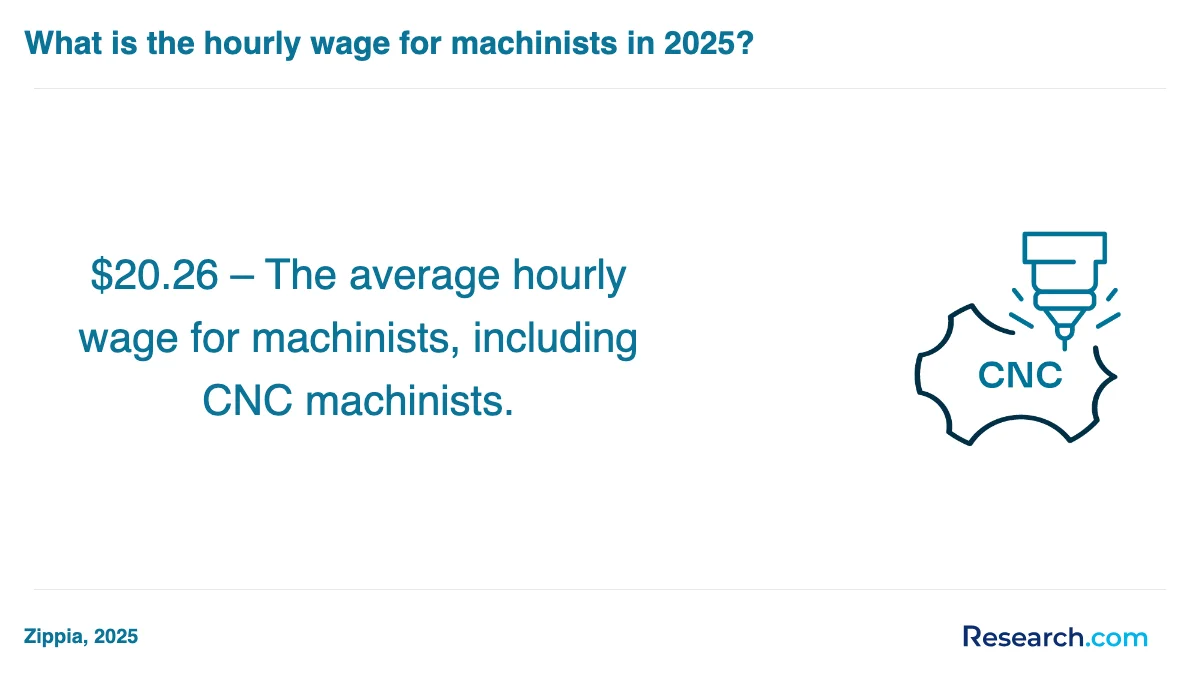
Graduates from CNC machinist trade schools in the West often find themselves earning between $40,700 and $70,400 per year, with many starting near $40,700 annually. Those fresh out of popular West Coast programs report beginning wages around $20 to $26 per hour, which feels rewarding after months of hands-on training and late nights mastering precision machinery.
Many alumni from well-known West trade schools share stories of quickly landing roles in cities like Seattle or Portland, where demand pushes wages higher. One graduate recalls their first job offering nearly $25 per hour, a solid step up from minimum wage jobs they held before enrolling. Over time, as skills sharpen and certifications accumulate, earnings can approach $70,000 annually, especially when moving into programming or supervisory positions.
Hourly pay in the West typically ranges from $19.62 to $37.16, reflecting both entry-level opportunities and specialized roles. Graduates often feel a strong sense of accomplishment as their paychecks grow, matching their growing expertise in a field that values precision and technical knowledge.
- CNC machinist programs in the West typically take 1 to 2 years to complete and offer certificates or Associate of Applied Science degrees.
- Training includes hands-on use of CNC machines, lathes, milling machines, blueprint reading, and CNC programming.
- Admission often requires no math or English placement tests, and financial aid is commonly available.
- Program costs range from $5,000 to $15,000 for certificates, with higher costs at private schools for associate degrees.
- Entry-level CNC machinists earn $15 to $20 per hour, while experienced workers can make $25 to $35 per hour or more.
Completing a CNC machinist trade school program in the West typically takes anywhere from 6 months to a year, depending on the intensity and structure of the curriculum. Many graduates from popular schools in the region share that an accelerated 9-month program allowed them to quickly transition into hands-on work, balancing classroom theory with real-world machine operation. For instance, those enrolled in evening or part-time schedules often extend their studies closer to a year but appreciate the flexibility to work simultaneously.
Students often describe the experience as both challenging and rewarding, with a strong sense of accomplishment as they master complex CNC programming and machining skills. One graduate mentioned how the immersive labs at their trade school simulated actual shop environments, helping them feel job-ready by program completion.
Choosing a program in the West means access to modern facilities and industry connections, which can further accelerate the path from enrollment to employment. This relatively short timeline makes CNC machinist training an attractive option for those eager to start a skilled career without prolonged schooling.
Online and on-campus CNC machinist programs in the West differ mainly in how students engage with the material and equipment. Graduates from West-MEC in Arizona often recall the excitement of hands-on time with real CNC machines and manual lathes, describing it as essential for building confidence and true skill mastery. This tactile experience, paired with expert instructors guiding live assessments, creates an immersive learning environment that online programs can't fully replicate.
Conversely, those who've taken online courses appreciate the flexibility to study CAD/CAM software and blueprint reading at their own pace, fitting coursework around busy lives. However, many online students find themselves traveling occasionally to partner facilities or attending short residencies to complete vital hands-on training, reinforcing their theoretical knowledge with physical practice.
At Clackamas Community College in Oregon, graduates emphasize how evening classes combined with direct machine work made their learning tangible and rewarding. This blend of real-world application and structured scheduling often shapes the confidence employers value in the West's machining industry.
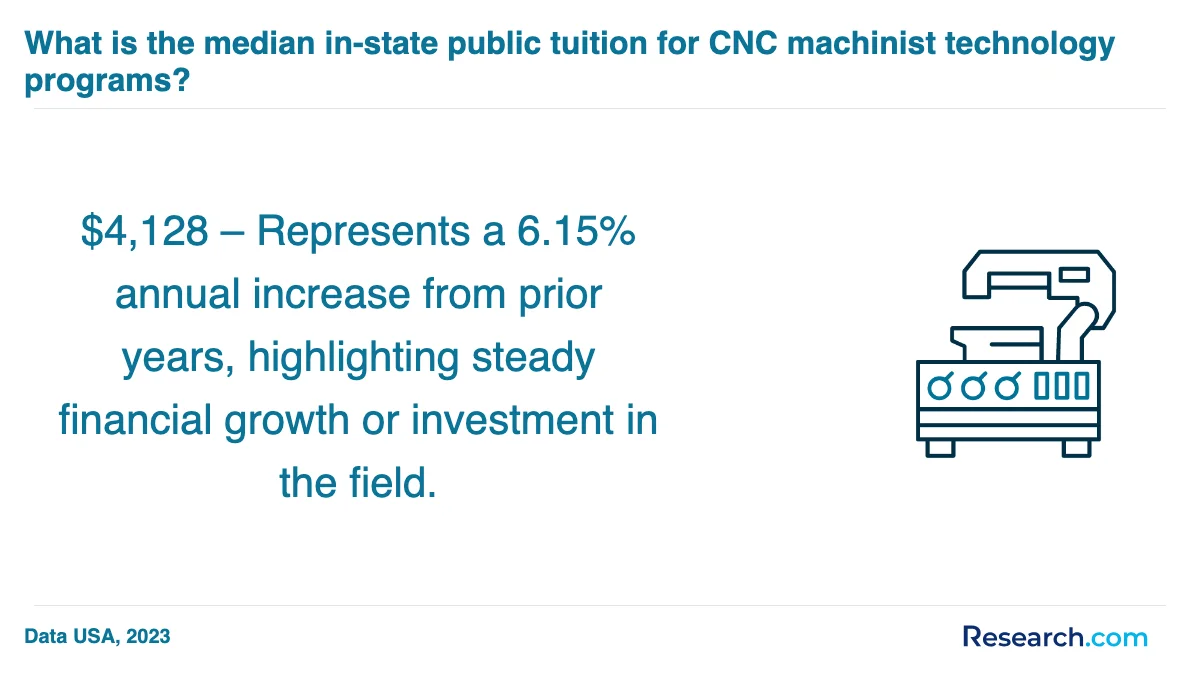
Graduates from CNC machinist trade schools in the Western United States often share that the average cost CNC machinist programs in the Western United States can range widely depending on the institution and program format. For example, typical tuition fees for CNC machinist training in Western states may run from a few thousand dollars for online courses, such as the 12-month program at California State University - San Marcos, to over $20,000 for comprehensive on-campus certificates like those offered at Idaho State University.
Many students find value in balancing cost with hands-on experience offered by schools combining classroom learning with practical training. A graduate from a popular Idaho program noted that while the tuition fees covered textbooks, tools, and supplies totaling roughly $22,000, the career readiness gained was well worth the investment. Others enrolled in online programs praised the affordability-around $2,245 at California State University-allowing them to study flexibly while working part-time.
While the tuition fees for CNC machinist training in Western states are a core factor, graduates emphasize the importance of exploring financial aid, apprenticeships, and partnerships with local industries to ease costs and build real-world skills. For many, these opportunities are not just a financial relief but a path to greater job prospects in top paying trade school jobs, making the overall investment feel manageable and rewarding.
Students enrolling in CNC machinist trade schools in the West often find federal financial aid to be a crucial resource. Graduates from well-known programs recall completing the Free Application for Federal Student Aid (FAFSA) early, unlocking access to grants, loans, and scholarships that made tuition manageable. This step is vital since many accredited diploma and degree programs qualify for such aid, easing the financial burden substantially.
For those attending certificate or non-credit courses, federal aid might not be available, but alternative options often come into play. Several Western states offer workforce development funds and vocational rehabilitation support, which some graduates have successfully leveraged to cover costs. Trade schools popular in the region sometimes provide flexible payment plans, allowing students to start with a modest down payment followed by monthly installments, reducing stress over upfront fees.
Scholarships specifically aimed at CNC machining students add another layer of support. Graduates share stories of receiving awards like the Premier Equipment CNC Scholarship, which helps fuel their passion and career ambitions. State-specific grants for high-demand technical fields further empower students committed to this path, emphasizing that with proactive research, funding opportunities are abundant and accessible.
Enrolling in a CNC machinist trade school program in the West typically requires a high school diploma or GED, which lays the foundational skills necessary for success. Many programs emphasize a solid grasp of basic math and mechanical reasoning, essential for operating precision machinery. Graduates from well-known Western trade schools often recall how brushing up on algebra and blueprint reading before classes made the transition smoother and more rewarding.
Applicants may also need to pass a placement test or submit a brief personal statement explaining their interest in CNC machining, helping schools gauge motivation and readiness. Some programs encourage prior experience with hand tools or shop classes, which builds confidence and excitement as students realize their hands-on skills directly apply to CNC technology.
- High school diploma or GED
- Proficiency in basic math and mechanical skills
- Placement test or personal statement
- Preferred prior exposure to shop or technical classes
Many students describe their first weeks as exhilarating, fueled by clear prerequisites that prepared them well for the technical challenges ahead. This preparation fosters a positive learning environment where students from diverse backgrounds thrive and look forward to advancing their careers in the vibrant manufacturing industry of the West.

Students in CNC machinist trade schools across the Western United States typically dive straight into foundational courses that build hands-on skills in manual machining operations like milling, turning, and grinding. Graduates often recall how mastering these basics gave them confidence before tackling the complexities of CNC machines.
Next, programs emphasize CNC programming and machine setup, where students learn to write and troubleshoot G-code and M-code. Imagine a graduate from a well-known West Coast trade school sharing how coding their first part felt like solving a puzzle-challenging but incredibly rewarding.
Courses also cover essential CAD/CAM skills, using software like SolidWorks or Mastercam. Many students appreciate how these courses connect design to production, turning their digital models into real parts. Some even earn credits through industry certifications, accelerating their progress.
Quality control and precision measurement are key. Students practice blueprint reading and using calipers and micrometers, often recalling moments when a perfectly measured part brought pride and a sense of achievement.
- Shop math and lean manufacturing principles
- Advanced multi-axis machining techniques
- Safety, teamwork, and communication skills integrated throughout
These courses prepare students to thrive in real-world shops, making the demanding manufacturing world feel accessible and exciting.
CNC machinist trade school programs in the West offer a rich array of specializations designed to meet both foundational and advanced industry needs. Graduates from popular schools often highlight their excitement gaining skills in CNC programming, CNC lathe operation, and advanced setup techniques, which are cornerstone areas for many employers. These programs reflect the diverse opportunities within CNC machining specializations in Western trade schools, with options to pursue short-term certificates or stackable credentials leading to associate degrees.
Specializations commonly include:
- CNC operation with hands-on experience on 4- and 5-axis CNC machines
- CAD/CAM integration and fixture design for precision parts
- Troubleshooting and process optimization for production efficiency
- Preparation for industry-recognized certifications aligned with NIMS standards
Many students appreciate how these precision machining programs in the Western United States enable them to tailor their education to their career goals, from CNC programming to quality control inspection. Embracing hybrid learning, students balance online theory with hands-on labs that build real confidence in using cutting-edge equipment.
Understanding the value of recognized credentials, some graduates move rapidly from certificates to associate degrees, experiencing clear career advancement. For those seeking the best paying trades that are easy to learn, these specializations provide practical pathways to well-compensated roles in aerospace, automotive, and other key Western industries.
Choosing the best CNC machinist programs in Western United States involves scrutinizing accreditation and curriculum quality to ensure you receive industry-recognized training. Graduates from schools in California and Oregon often highlight hands-on experience with cutting-edge CNC machines as pivotal in building confidence and skill. Affordable CNC machinist training in Western US is also a key factor; programs offering financial aid and manageable tuition make it possible for many to pursue their passion without overwhelming debt.
Consider programs with strong industry connections that offer internships, which provide invaluable real-world exposure and networking opportunities. Many graduates emphasize the importance of job placement rates when selecting schools, noting how institutions with solid employer ties in states like Washington enhanced their post-graduation prospects. Location matters too-attending a school near thriving manufacturing hubs reduces commute stress and boosts potential job opportunities.
For those exploring options beyond the classroom, researching how to obtain the quickest online associates degree that pay well can complement traditional training paths, leading to faster career entry and advancement.
Graduates of CNC machinist trade school programs in the West often start their careers as entry-level CNC operators or machinists, gaining hands-on experience in industries like aerospace, automotive, and medical device manufacturing. Many find rewarding CNC machinist jobs in West Coast companies that emphasize innovation and precision. With experience, they frequently transition into specialized roles such as CNC programmer or tool maker, where they write complex code or create essential tools that optimize production.
Others choose to become quality control inspectors or maintenance technicians, ensuring high manufacturing standards and machine functionality. Popular trade schools in the West equip graduates with skills that open doors to leadership roles like lead machinist or production supervisor, allowing them to guide teams and improve workflows.
For those focusing on Oregon, CNC set-up machinist career opportunities in Oregon offer a promising path into more technical and supervisory positions as the state's manufacturing sector grows. Many graduates also pursue further education to unlock advanced roles in engineering and production management.
Those interested in enhancing their skills can explore low cost cnc machinist training courses online, providing flexible options for continuing education and career advancement.
The CNC machinist job outlook in Western states remains steady, fueled by the region's robust manufacturing industry and reshoring trends that revive local opportunities. Graduates from trade schools in the West often find themselves immediately sought after, with employers prioritizing hands-on experience and familiarity with both manual and CNC machinery. For example, many recent grads from popular West Coast trade schools report entering the workforce quickly in states like Washington, where demand pushes wages above $65,000 annually.
Employment trends in the West reflect a balance between automation challenges and sustained need for skilled operators. Graduates share that:
- Entry-level jobs often include full health benefits and shift premiums.
- Practical skills in reading blueprints and operating automated machines are highly valued.
- Advancement to roles such as CNC programmer or shop supervisor is common with experience.
While job growth may appear modest nationally, the West's manufacturing hubs show a dynamic and hopeful environment for new machinists. Many students exploring trade options also consider the cheapest online associate's degree paths that complement traditional in-person CNC training, offering flexibility and solid career foundations.
Best CNC Machinist Training Programs & Trade Schools - Top CNC Schools in West for 2026
# 1 position
Idaho State University - Computer Numerically Controlled (CNC) Machinist Technology/CNC Machinist.
associateIdaho State University offers a hybrid Computer Numerically Controlled (CNC) Machinist Technology program that trains students to operate CNC machine tools, including lathes and mills. The curriculum covers programming, setup, troubleshooting, blueprint reading, CAD/CAM systems, and shop safety. The annual in-state tuition is $8,356. Graduates earn a median salary of $64,581 one year after completion. The program is accredited by the Northwest Commission on Colleges and Universities.
# 2 position
Idaho State University - Computer Numerically Controlled (CNC) Machinist Technology/CNC Machinist.
certificate or diplomaIdaho State University offers a hybrid Computer Numerically Controlled (CNC) Machinist Technology program that teaches operation and programming of CNC machine tools. The curriculum covers blueprint reading, machining, lathe and mill operations, CAD/CAM systems, technical mathematics, and safety practices. Annual in-state tuition is $8,356. Graduates have median earnings of $64,581 one year after completion. The program is accredited by the Northwest Commission on Colleges and Universities.
# 3 position
Bates Technical College - Computer Numerically Controlled (CNC) Machinist Technology/CNC Machinist.
associateBates Technical College offers a hybrid Computer Numerically Controlled (CNC) Machinist Technology program that trains students to operate CNC machine tools like lathes and mills. The curriculum covers CNC terminology, setup, programming, blueprint reading, machining, and safety practices. Tuition for in-state students is $5,569 annually. The program is accredited by the Northwest Commission on Colleges and Universities, ensuring quality education and industry relevance.
# 4 position
Bates Technical College - Computer Numerically Controlled (CNC) Machinist Technology/CNC Machinist.
certificate or diplomaBates Technical College offers a hybrid Computer Numerically Controlled (CNC) Machinist Technology program that trains students to operate CNC machine tools, including lathes and mills. The curriculum covers CNC setup, programming, blueprint reading, machining, CAD/CAM systems, and safety practices. The program’s annual in-state tuition is $5,569. It is accredited by the Northwest Commission on Colleges and Universities and includes instruction on equipment capabilities and regulations.
# 5 position
South Puget Sound Community College - Computer Numerically Controlled (CNC) Machinist Technology/CNC Machinist.
associateSouth Puget Sound Community College offers a hybrid Computer Numerically Controlled (CNC) Machinist Technology program that trains students to operate CNC machine tools, including lathes and mills, for machining tasks like cutting and drilling. The curriculum covers CNC programming, troubleshooting, blueprint reading, CAD/CAM systems, and shop safety. The program’s annual in-state tuition is $5,103, and it is accredited by the Northwest Commission on Colleges and Universities.
# 6 position
Flathead Valley Community College - Computer Numerically Controlled (CNC) Machinist Technology/CNC Machinist.
associateFlathead Valley Community College offers a hybrid Computer Numerically Controlled (CNC) Machinist Technology program that trains students to operate CNC machine tools, including lathes and mills. The curriculum covers CNC programming, setup, troubleshooting, blueprint reading, machining, technical math, CAD/CAM systems, and shop safety. The program is accredited by the Northwest Commission on Colleges and Universities. Annual in-state tuition is $4,748, and median earnings one year after completion reach $43,711.
# 7 position
Front Range Community College - Computer Numerically Controlled (CNC) Machinist Technology/CNC Machinist.
associateFront Range Community College offers a Hybrid Computer Numerically Controlled (CNC) Machinist Technology program that trains students to operate CNC machine tools, including lathes and mills. The curriculum covers CNC programming, setup, operations, troubleshooting, blueprint reading, technical mathematics, CAD/CAM, and safety practices. The program is accredited by the Higher Learning Commission. Annual in-state tuition is $4,740, and median earnings one year after completion are $34,252.45.
# 8 position
Helena College University of Montana - Computer Numerically Controlled (CNC) Machinist Technology/CNC Machinist.
associateHelena College University of Montana offers a hybrid Computer Numerically Controlled (CNC) Machinist Technology program that trains students to operate CNC machine tools for cutting, drilling, shaping, and finishing parts. The curriculum covers CNC setup, programming, operations, troubleshooting, blueprint reading, machining, technical math, CAD/CAM, and safety. Annual in-state tuition is $3,975. The program is accredited by the Northwest Commission on Colleges and Universities, and median earnings one year after completion are $29,416.80.
# 9 position
Great Basin College - Computer Numerically Controlled (CNC) Machinist Technology/CNC Machinist.
associateGreat Basin College offers a program in Computer Numerically Controlled (CNC) Machinist Technology/CNC Machinist that trains students to operate CNC machine tools like lathes and mills. The curriculum covers CNC setup, programming, operations, troubleshooting, blueprint reading, machining, technical mathematics, CAD/CAM systems, and shop safety. The program is accredited by the Northwest Commission on Colleges and Universities. Annual in-state tuition is $3,855.
# 10 position
Snow College - Computer Numerically Controlled (CNC) Machinist Technology/CNC Machinist.
associateSnow College offers a hybrid program in Computer Numerically Controlled (CNC) Machinist Technology/CNC Machinist that trains students to operate CNC machine tools, including lathes and mills. The curriculum covers CNC terminology, setup, programming, troubleshooting, blueprint reading, machining, CAD/CAM systems, and safety practices. Annual in-state tuition is $4,564. The program is accredited by the Northwest Commission on Colleges and Universities.
Frequently Asked Questions about CNC machinist
After completing a CNC machinist trade school in West, preparing for the job market involves several key steps. First, graduates should obtain relevant certifications, such as the National Institute for Metalworking Skills (NIMS) credentials, which are highly regarded by employers nationwide. According to the U.S. Bureau of Labor Statistics, CNC machinist jobs in the Western states are expected to grow by about 6% through 2030, reflecting steady demand.
Networking with local manufacturers and attending job fairs can also improve employment opportunities. Many trade schools in West offer career services and apprenticeships that connect students directly with regional industries.
Lastly, maintaining updated skills in CNC programming and machine operation software is essential, as technology rapidly evolves in this field.
Employers in the West highly value CNC machinist trade school graduates who demonstrate strong technical skills and practical experience. Proficiency with CNC programming languages such as G-code and M-code is essential, as it enables machinists to operate and troubleshoot machines efficiently. According to the U.S. Bureau of Labor Statistics, employers also seek graduates with solid knowledge of blueprint reading and precision measurement tools, which are critical for maintaining tight tolerances in manufacturing.
In addition to technical expertise, problem-solving abilities and attention to detail rank among the top attributes. The Western region's manufacturing sector, which employs over 60,000 CNC machinists, prioritizes candidates who can adapt to advanced manufacturing technologies and automation trends. Communication skills and teamwork are also important, as machinists often collaborate with engineers and quality control teams to optimize production processes.
Finding internships relevant to CNC machinist trade school programs in West requires a proactive approach. Start by contacting the career services offices of local trade schools and community colleges; they often maintain partnerships with manufacturing companies seeking interns. According to the U.S. Bureau of Labor Statistics, CNC machinist positions in West are expected to grow by 5% over the next decade, increasing internship opportunities.
Additionally, explore local manufacturing associations and chambers of commerce, which frequently post internship openings. Job platforms such as Indeed and Glassdoor often list CNC machining internships specific to West. Networking through trade shows and industry events can also connect students with employers offering hands-on experience.
A CNC machinist trade school diploma in West significantly enhances career mobility by equipping students with specialized skills in computer numerical control technology. According to the U.S. Bureau of Labor Statistics, CNC machinists in the manufacturing sector can expect a 7% job growth nationally through 2031, with West showing slightly higher demand due to its strong industrial base.
Holding a diploma often leads to higher starting salaries and eligibility for advanced positions such as CNC programmer or manufacturing supervisor. Employers in West prioritize candidates with formal training because it reduces onboarding time and increases productivity.
Additionally, many trade schools in West establish partnerships with local manufacturers, facilitating internships and job placements that support upward career movement. The diploma also serves as a foundation for further certifications, which can expand opportunities in precision machining and quality control roles.
Part-time job opportunities in West that complement CNC machinist trade school education include roles such as machine operator assistants, quality control technicians, and production helpers. These positions allow students to gain hands-on experience with machining equipment and understand manufacturing workflows. According to the U.S. Bureau of Labor Statistics, entry-level CNC machinist roles in manufacturing hubs within the West region often start around $18 to $22 per hour, making part-time work financially viable for students.
Additionally, internships or apprenticeships offered by local manufacturing companies can provide practical skills and networking opportunities. Employers in sectors like aerospace, automotive, and electronics frequently seek part-time workers familiar with CNC machinery.
Such jobs enhance technical knowledge while supporting academic schedules, aiding students in building a strong foundation for future full-time employment.
Indeed, there are CNC Machinist degree programs available, including those near West, designed to equip students with the necessary technical skills for careers in computer numerical control machining. Universities and technical schools offer such programs "near me," and you can find detailed information on these programs by exploring resources like Research.com, providing insights into available courses and career paths. These educational opportunities often focus on practical training and industry-standard technology to prepare students for the workforce efficiently.
- Vocational Courses CNC and Industrial Automation Course https://www.wskm.edu.pl/vocational-courses
- Machinist Technology/CNC https://www.mfg.marshall.edu/education-training/career-skills-programs/machinist-cnc/
- Computer Numerical Control (CNC) Machinist Pathway - Northeast Wisconsin Manufacturing Alliance https://newmfgalliance.org/manufacturing-careers/computer-numerical-control-cnc-machinist-pathway/
- Online CNC Machinist from University of West Georgia https://professionaltraining.westga.edu/training-programs/cnc-machinist/
- CNC Operator Career Pathway Certificate | CCC https://www.clackamas.edu/academics/degrees-certificates/cnc-operator-career-pathway
- Precision Manufacturing Training in Peoria | CNC Program AZ https://www.west-mec.edu/adult-students/career-training-programs/precision-manufacturing-certification-program-in-arizona
- How to Become a CNC Machinist https://www.datron.com/resources/blog/how-to-become-a-cnc-machinist/
- CNC Machinist - Technical Diploma - Northeast Wisconsin Technical College https://www.nwtc.edu/academics-and-training/machine-tool-operation
- CNC Machining | EICC https://eicc.edu/classes-programs/pathway/industrial/cnc-machining/default.aspx
- Vocational training - Borkomet https://borkomet.com/en/career/vocational-training/


