Best CNC Machinist Training Programs & Trade Schools - Top CNC Schools in Waterloo for 2026

Co-Founder and Chief Data Scientist
Choosing the right CNC machinist trade school in Waterloo can shape your future career in manufacturing and engineering. This article introduces a carefully crafted ranking of CNC machinist trade school programs developed by the Research.com team of data scientists, designed to guide you toward the best options available.
By exploring these programs, you’ll discover valuable insights that make it easier to pick a school aligned with your goals. Earning a diploma or certification opens doors to skilled jobs and personal growth in a rewarding field.
Key benefits of finishing CNC machinist trade school in Waterloo
- Graduates from CNC machinist trade schools in Waterloo can expect competitive salaries, with average hourly wages around $24 to $27, and annual earnings up to $57,517 for more specialized roles.
- CNC machinist graduates often find diverse career paths, including roles in manufacturing, quality control, and machine programming, offering strong job stability and growth opportunities.
- Completing a CNC machinist trade school online provides flexible learning schedules and quicker entry into the workforce, as shared by successful online graduates from Waterloo's leading programs.
- Best CNC Machinist Training Programs & Trade Schools - Top CNC Schools in Waterloo for 2026
- What can I expect from CNC machinist trade schools in Waterloo?
- Where can I work after finishing CNC machinist trade schools in Waterloo?
What can I expect from CNC machinist trade schools in Waterloo?
Enrolling in a CNC machinist trade school program in Waterloo means diving into a dynamic learning experience that balances hands-on practice with expert-led theory. Graduates from schools like Hawkeye Community College often describe the excitement of working directly with modern CNC machines and virtual software, turning classroom concepts into real-world skills. You'll master essential topics such as blueprint reading, G code programming, and geometric dimensioning, all while gaining confidence through practical labs that simulate actual manufacturing settings.
Expect flexible program lengths-from four-month certificates to two-year associate degrees-designed to fit your goals and schedule. Many students find motivation in the clear career paths these programs open, preparing them for roles as machinists, operators, or specialists in advanced manufacturing environments. With strong ties to local employers and industry credentials available, Waterloo's CNC programs inspire students to envision themselves thriving in diverse workplaces, equipped with skills that meet today's precision-driven standards.
Where can I work after finishing CNC machinist trade schools in Waterloo?
After finishing a CNC machinist trade school program in Waterloo, graduates find themselves stepping into a world full of promising career opportunities. Many quickly secure roles as CNC Machinists, Programmers, or Operators at well-known local companies like Accurate Gear & Machine, Inc. These positions involve hands-on work with precision machinery, turning blueprints into real parts used in automotive or aerospace industries. Graduates often share how rewarding it feels to see their skills directly contribute to manufacturing high-quality products.
Others take paths as manufacturing engineers or CNC maintenance technicians, where they support and improve automated equipment. The practical training from trade schools prepares students for these roles, giving them confidence to troubleshoot and optimize complex machines.
With a steady demand in Waterloo, graduates experience not only stable employment but also opportunities for overtime pay and career advancement. Many proudly describe moving into supervisory or engineering roles after gaining experience and industry certifications, making the journey from student to skilled professional truly inspiring.
After finishing a CNC machinist trade school program in Waterloo, graduates often find themselves stepping into rewarding careers with competitive pay. Many report starting with hourly wages around $23, which means earning roughly $50,000 a year working full-time. This is a strong foundation that reflects both the value of the skills they've gained and the demand for qualified machinists in the area.
Graduates from popular local trade schools share stories of quickly landing jobs where their expertise is appreciated and their pay grows with experience. Some start at $14 an hour but move up to more than $30 as they build confidence and specialize. Imagine working with precision machinery daily and seeing your craftsmanship translate directly into a dependable paycheck-that's the reality for many in Waterloo.
Even when working for major employers like Fowler Placement Services, machinists earn competitive wages that, while slightly below the national average, still offer solid financial stability. The journey from classroom training to a skilled role in the workforce proves inspiring and attainable.
- Hawkeye Community College in Waterloo offers certificates, diplomas, and associate degrees in CNC Machining and Tool Making Technology.
- Most programs require a high school diploma or GED, with some needing placement tests or prerequisite courses in math or blueprint reading.
- Program lengths range from four months for certificates to up to two years for diplomas and associate degrees.
- Tuition costs vary from $2,287 to $5,350 per term depending on the program and residency status.
- Entry-level CNC machinists in Waterloo earn between $18 and $25 per hour, with experienced workers making up to $55,000 annually.
Completing a CNC machinist trade school program in Waterloo typically takes about 8 to 12 months, depending on the school and the intensity of the course. Many graduates from well-known local trade schools share how this timeframe allowed them to quickly move from classroom theory to hands-on practice, building confidence with real machines in a matter of months.
For example, students often describe their first weeks as exciting and challenging, mastering the basics of blueprint reading and machine operation. By the halfway point, they're already programming CNC machines and producing precise parts, which sparks a strong sense of accomplishment and motivation to keep pushing forward.
Popular trade schools in Waterloo tailor their programs to fit busy schedules, some offering accelerated tracks for those eager to enter the workforce sooner. This flexibility means you can balance learning with personal commitments while still gaining valuable skills promptly.
Many graduates recall the moment they completed their final project-feeling proud and ready to launch their careers in a thriving industry right in their community.
Choosing between online and on-campus CNC machinist programs in Waterloo shapes your journey uniquely. Graduates from Iowa Western's online program often share how the flexibility allowed them to balance work and family while mastering complex subjects like G code programming and blueprint reading. They describe the satisfaction of progressing at their own pace through interactive modules, although many highlight the challenge of arranging hands-on practice locally to truly grasp machine operation.
Meanwhile, students at Hawkeye Community College experience the thrill of direct mentorship and immediate feedback in a bustling shop with real CNC mills and lathes. They talk about the confidence gained from troubleshooting machines side-by-side with instructors and feeling the hum of equipment as they fabricate parts. This hands-on immersion sparks a deeper connection to the craft and opens doors with local employers through strong networking opportunities.
Both paths empower you to build your skills, but the choice depends on whether you thrive in flexible self-paced learning or crave the energy of a hands-on, community-driven environment right here in Waterloo.
The average tuition fees for CNC machinist programs in Waterloo reflect a valuable investment in a skilled and in-demand career. At Hawkeye Community College, a popular choice among local students, the total cost of CNC machinist diploma in Waterloo is approximately $5,476 for a full year of training across 19 credits. Many graduates describe this program as a turning point, where hands-on learning and expert instruction come together to spark confidence and capability in precision manufacturing.
Thanks to initiatives like the Future Ready Iowa Last-Dollar Scholarship, students can significantly reduce their financial burden, leaving remaining course fees as low as $1,030. This makes the pathway to becoming a CNC machinist more accessible and inspiring for those balancing budgets and ambitions. Learners often share how this scholarship made an essential difference in their journey toward a fulfilling trade career.
It's important to remember that these figures represent tuition and course fees but do not include other expenses such as textbooks, materials, and protective gear, which every student in Waterloo prepares for diligently. The investment extends beyond tuition-graduates recall the pride felt each time they purchase tools that solidify their real-world skills.
Exploring affordable educational options, similar to those recognized as the cheapest online trade schools for woodworking, can help future CNC machinists discover additional financial pathways to success. With the right resources and determination, the typical cost of a CNC machinist trade school program in Waterloo becomes not just a number, but a gateway to a promising future.

Students pursuing CNC machinist programs in Waterloo have access to a variety of financial aid options designed to ease the burden of educational costs. Many find hope through scholarships like the Premier Equipment CNC Scholarship, which awards $2,000 annually to dedicated students maintaining strong academic performance. Graduates often recall how this support allowed them to focus fully on mastering CNC programming without constant financial worry.
At Hawkeye Community College, the GAP Tuition Assistance Program offers a lifeline for those enrolled in short-term, high-demand training programs. This needs-based support is a game-changer for students who might otherwise struggle to afford tuition, enabling them to complete their training and confidently step into full-time CNC machinist roles.
Federal aid, including Pell Grants and student loans, is another vital resource for many Waterloo students. Combined with local scholarships and grants, these funding sources help reduce yearly costs significantly, making the dream of a skilled trade career both accessible and achievable.
To enroll in a CNC machinist trade school program in Waterloo, students typically need a high school diploma or equivalent, demonstrating a solid foundation in math and basic science. This ensures you can grasp the precision and technical skills required in machining.
Many graduates from popular Waterloo trade schools share how their strong problem-solving mindset and eagerness to learn made the transition smooth and exciting. You don't need prior machining experience; a willingness to engage with hands-on training and technology is what truly matters.
Some schools also look for these prerequisites:
- Good manual dexterity and attention to detail to handle intricate machine operations
- Basic computer skills, since CNC machines rely on software programming
- Strong communication skills for teamwork and understanding technical instructions
Imagine stepping into a Waterloo workshop where instructors encourage you to experiment confidently with CNC machines, turning raw metal into precise components. This supportive environment fuels motivation, showing how these prerequisites open doors to a rewarding career.
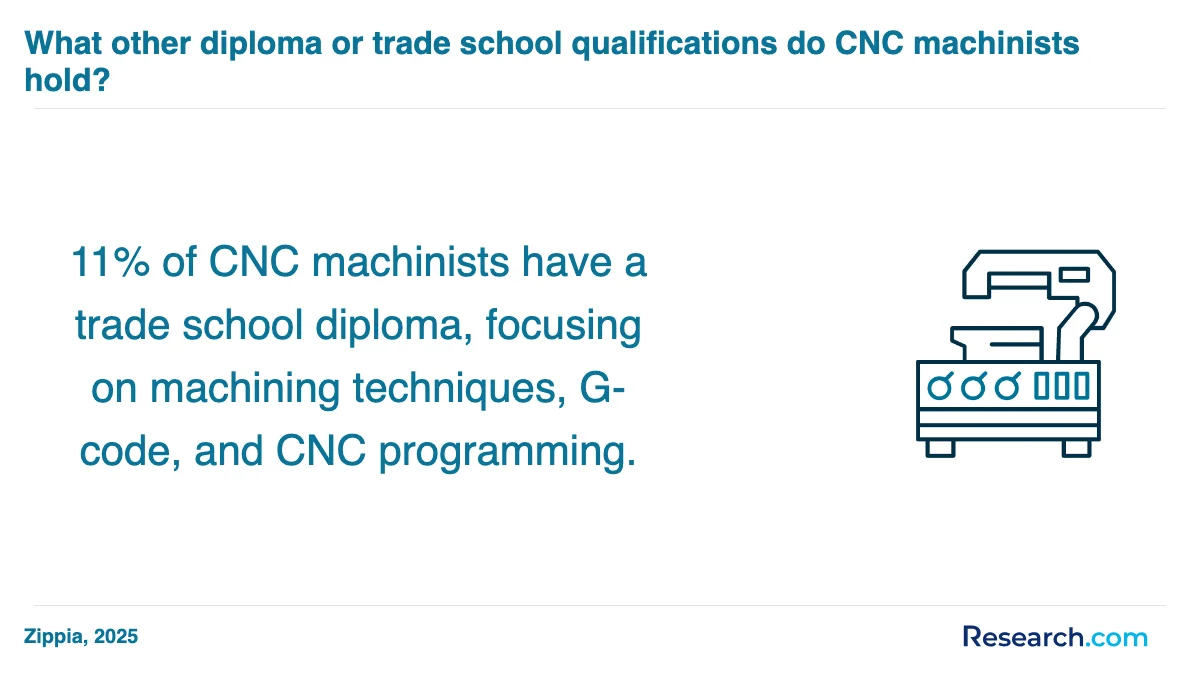
Students enrolling in CNC machinist trade school programs in Waterloo quickly discover a dynamic blend of courses designed to build confidence and mastery. At popular schools like Hawkeye Community College, graduates recall starting with foundational lessons in machine tool operations, where they learned to safely operate CNC mills and lathes-skills that sparked their excitement as they saw raw materials transform under their hands.
Typical coursework includes:
- Basic safety procedures and blueprint reading that empower students to understand complex designs with ease
- Manual machining techniques, grounding learners in traditional craftsmanship alongside modern CNC methods
- G-code programming, the essential language for controlling CNC machines, enabling students to create precise, custom parts
- CAD/CAM software training, where students design parts digitally, bridging creativity and technical skill
- Geometric Dimensioning and Tolerancing (GD&T), ensuring graduates can meet rigorous industry standards
- Materials science, teaching the properties of metals and plastics to make informed manufacturing choices
- Surface texture analysis and quality assurance, sharpening attention to detail and quality control
Hands-on labs let students put theory into practice on modern CNC equipment, fueling a sense of accomplishment as they complete real-world projects. Many graduates reflect on how this comprehensive curriculum prepared them not just for jobs but for thriving careers in precision manufacturing right here in Waterloo.
Waterloo's CNC machinist trade school programs offer inspiring CNC machinist specialization options in Waterloo that empower students to excel in dynamic manufacturing roles. Graduates often rave about hands-on training in the CNC Machine Operator Certificate, where they master practical skills for daily machine operations and workplace safety. This real-world focus fuels confidence, making entry into thriving shop floor jobs seamless.
Those aiming higher can pursue the CNC Machine Set-Up Specialist Certificate, which builds expertise in troubleshooting and precision setup-skills praised by graduates working in complex production environments. Many also choose the CNC Machining Technology Diploma, opening doors to advanced programming, geometric dimensioning, and supervisory roles that elevate careers in aerospace and automotive industries.
Popular trade schools in Waterloo creatively blend core skills with tool fabrication in their Associate of Applied Science degrees, grooming students for specialized precision machining programs in Waterloo that emphasize both production and custom tool-making prowess.
Students frequently appreciate integrated certifications and options to explore related fields, adding versatility in a competitive job market. For those balancing work and study, exploring quick online associate degree programs that pay well can be an excellent complement to on-campus training.
Choosing the best CNC machinist programs in Waterloo starts with looking at schools known for combining strong accreditation with real-world training. Graduates from popular programs like Hawkeye Community College often share how hands-on experience with advanced machinery transformed their skills and confidence, preparing them effectively for demanding workplaces.
Next, explore Waterloo CNC machinist training options that fit your schedule and budget. Many students appreciate programs offering flexible class times, so they can balance work and study. Scholarships like the Future Ready Iowa Last-Dollar Scholarship make investing in your future easier, smoothing financial challenges that may arise.
Another vital factor is the school's connection to local industries. Graduates frequently mention how internships and job placement support through these partnerships opened doors to rewarding careers. For aspiring machinists seeking affordable cnc machinist training courses online, this link offers valuable resources to compare options and costs, helping you make an informed choice.
Ultimately, signing up for a program that blends expert instructors, modern facilities, and strong industry ties will set you on the path to success in Waterloo's precision manufacturing community.

Graduates from CNC machinist trade schools in Waterloo find a wealth of exciting career paths tailored to their skills and ambitions. Many start as CNC operators or machinists, where they apply hands-on knowledge gained at local trade schools, interpreting blueprints and running precision machines. These roles often serve as a launchpad for higher-paying and more specialized jobs.
Popular career paths include:
- Laser Operator or Press Brake Operator, focusing on specialized equipment and honing specific technical abilities
- CNC machine programmer, developing detailed CAM software programs for complex machining tasks
- Manufacturing engineer, improving production processes and introducing innovative technology within booming Waterloo industries
Waterloo's growing manufacturing sector is actively seeking graduates who combine technical training with certifications like NIMS, offering strong opportunities for promotion and leadership. Alumni from top trade schools share inspiring stories of quickly moving into fulfilling roles, supported by employers looking for skilled professionals in these fields.
Those exploring CNC machinist job opportunities in Waterloo can also discover high paying trade school jobs that reward their dedication, skill, and persistence, making their education investment truly worthwhile.
The CNC machinist job opportunities in Waterloo are thriving, presenting an exciting pathway for trade school graduates eager to enter the workforce. Many recent grads from popular Waterloo trade schools share stories of quickly landing roles as CNC machine operators or programmers, thanks to hands-on experience with advanced manufacturing equipment during their programs. Employers in the region actively seek candidates skilled in blueprint reading, machine programming, and quality inspections, which are core competencies emphasized in these schools.
Entry-level positions are abundant and often welcome applicants without previous CNC experience, making it a great starting point for newcomers. Graduates typically see hourly wages ranging from $20.25 to $27.50, reflecting the area's competitive pay structure for skilled trades. The Waterloo CNC machinist employment outlook is especially bright in industries like automotive parts, agricultural equipment, and custom fabrication, where CNC technology remains vital.
Students aiming for a successful career often pursue certifications like NIMS to boost their employability. For those considering affordable study options, the cheapest associate degree online programs offer accessible pathways to build essential skills without breaking the bank.
- Strong demand across local manufacturing sectors
- Supportive trade schools offering practical, job-ready training
- Competitive entry-level wages and career growth opportunities
Best CNC Machinist Training Programs & Trade Schools - Top CNC Schools in Waterloo for 2026
# 1 position
Hawkeye Community College - Computer Numerically Controlled (CNC) Machinist Technology/CNC Machinist.
associateHawkeye Community College offers a hybrid Computer Numerically Controlled (CNC) Machinist Technology program designed to prepare students to operate CNC machine tools like lathes and mills. The curriculum covers CNC terminology, programming, setup, blueprint reading, machining, CAD/CAM systems, and safety practices. Annual in-state tuition is $6,308. Graduates typically earn a median salary of $45,509 one year after completing the program. The program is accredited by the Higher Learning Commission.
# 2 position
Hawkeye Community College - Computer Numerically Controlled (CNC) Machinist Technology/CNC Machinist.
certificate or diplomaHawkeye Community College offers a hybrid Computer Numerically Controlled (CNC) Machinist Technology program designed to teach operation, programming, and troubleshooting of CNC machine tools. The curriculum includes blueprint reading, machining, lathe and mill operations, CAD/CAM systems, and safety practices. Annual in-state tuition is $6,308. Graduates have median earnings of $45,509 one year after completion. The program is accredited by the Higher Learning Commission.
Frequently Asked Questions about CNC machinist
After completing a CNC machinist trade school in Waterloo, preparing for the job market requires both practical and professional steps. First, graduates should build a strong resume highlighting their hands-on experience with CNC programming, machine operation, and blueprint reading. According to the U.S. Bureau of Labor Statistics, CNC machinists earn a median wage of around $47,000 annually, making effective presentation of skills important.
Networking with local manufacturers and attending job fairs in the Waterloo region can open doors. Many employers prefer candidates with certifications such as NIMS (National Institute for Metalworking Skills), which validate technical competencies.
Internships or apprenticeships provide valuable workplace exposure and increase employability. Staying updated with the latest CNC technology trends and software is also crucial in this evolving field.
Employers seeking CNC machinist trade school graduates in Waterloo prioritize a combination of technical and soft skills. Proficiency in operating CNC machines, including understanding G-code programming and tool selection, is essential. According to the U.S. Bureau of Labor Statistics, CNC machinists with strong programming skills earn higher wages and have better job prospects.
Attention to detail and the ability to read complex blueprints accurately are also highly valued. Employers expect graduates to demonstrate problem-solving skills for troubleshooting machine errors efficiently. Communication skills matter, as machinists often collaborate with engineers and quality control teams.
Finally, familiarity with safety protocols and continuous learning to adapt to new technologies remain critical in Waterloo's competitive manufacturing sector.
Finding internships relevant to CNC machinist trade school programs in Waterloo involves several practical steps. Start by consulting local trade schools and community colleges, which often have partnerships with manufacturing companies offering internships. According to the Waterloo Economic Development Corporation, the region hosts over 100 manufacturing firms, increasing internship opportunities.
Utilize online job boards like Indeed and local workforce development websites for openings specifically tagged as CNC machinist internships. Networking through trade associations such as the National Tooling and Machining Association (NTMA) can also connect students with employers.
Many employers prefer candidates enrolled in accredited programs, so maintaining good academic standing is crucial. Early application is recommended, as CNC machinist internships in Waterloo are competitive due to industry demand.
Obtaining a CNC machinist trade school diploma in Waterloo significantly enhances career mobility and advancement opportunities. According to the U.S. Bureau of Labor Statistics, CNC machinists with formal training experience faster job placement and higher starting salaries compared to those without credentials. In Waterloo, a growing manufacturing sector increases demand for skilled machinists, making diploma holders more competitive for specialized roles.
Employers in the region often prefer candidates with trade school diplomas because these programs provide hands-on experience with industry-standard equipment. This practical knowledge can lead to quicker promotions and wage growth. Additionally, graduates frequently benefit from local job placement support offered by schools, improving their access to apprenticeship and entry-level positions.
Data from regional workforce reports indicate that CNC machinist diploma holders in Waterloo earn on average 15% more than uncertified workers, reflecting the diploma's impact on economic mobility. This credential also opens pathways to advanced certifications, further expanding career development options within the manufacturing industry.
Students enrolled in CNC machinist trade schools in Waterloo can benefit from part-time jobs in local manufacturing and machine shops. These roles often involve operating or assisting with CNC machines, providing practical experience alongside classroom learning. According to the U.S. Bureau of Labor Statistics, CNC operators in the Midwest earn a median hourly wage of around $19, making part-time work financially valuable for students.
Additionally, positions such as tool and die assistant, quality control inspector, or material handler are common. These jobs help develop skills in precision measurement and shop floor operations, which complement technical training. Employers often seek candidates with hands-on experience, enhancing job prospects after graduation.
To find the best CNC Machinist degree program near you in Waterloo, IA, you can look into local community colleges and technical institutes that offer specialized training in CNC machining. Conduct research to compare the curriculum, faculty expertise, and facilities of these programs; Research.com could be a helpful resource for gathering such information. Moreover, visiting campuses and talking to current students can provide valuable insights into which program might be the best fit for your needs.
- CNC (computer Numerical Control) Machinist in Canada | Wages - Job Bank https://www.jobbank.gc.ca/marketreport/wages-occupation/16875/ca;jsessionid=567EAFD4E0901D2E58504CA3096B0AEB.jobsearch75
- cnc machinist Salary in Canada - Average Salary https://ca.talent.com/salary
- Vocational training - Borkomet https://borkomet.com/en/career/vocational-training/
- Manufacturing Internships Made Easy: A Playbook to Building a Successful Program - Manufacturing Skills Institute https://manufacturingskillsinstitute.org/manufacturing-internships-made-easy-a-playbook-to-building-a-successful-program/
- Internship - HMC Gears https://www.hmcgears.com/careers/internship/
- WoodGreen https://www.woodgreen.org/programs/cnc-precision-machining-skills-training-program
- Navigating the Path to Becoming a CNC Operator: From Entry-Level to Professional | Qualified Staffing https://www.q-staffing.com/blog/navigating-the-path-to-cnc-operator/
- CNC Operator/Programmer - Numerika Wrocław https://numerika.pl/cnc-operator-programmer
- Machinist Training with New Castle School of Trades https://www.ncstrades.edu/new-castle-programs/high-quality-cnc-machine-training/
- CNC Machinist | Minneapolis Community & Technical College https://minneapolis.edu/academics/school-trade-technologies/cnc-machinist