Most Affordable CNC Machinist Schools & Training - Budget-Friendly CNC Trade Programs in Maine for 2026

Co-Founder and Chief Data Scientist
Thinking about starting a career as a CNC machinist in Maine? Choosing the right trade school can make all the difference in your success and future opportunities.
This article features a CNC machinist trade school programs ranking created by the Research.com team of data scientists to help you make an informed choice. Finding affordable and quality programs is easier with trustworthy data guiding your decision.
Whether you aim for a diploma or certification, this guide highlights schools that can set you on a rewarding path with valuable skills and confidence.
Key benefits of finishing CNC machinist trade school in Maine
- Graduates from CNC machinist trade schools in Maine can expect starting salaries between $39,700 and $54,200 annually, with experienced machinists earning even more, especially in cities like Portland where wages can exceed $58 per hour.
- Career paths for graduates include roles as entry-level CNC machinists, senior machinists, or specialized positions in advanced manufacturing, offering strong opportunities for growth and skill development.
- Completing a CNC machinist program online provides flexible learning schedules and quicker entry into the workforce, making it a great option for those balancing work or family commitments while gaining valuable skills.
- Most Affordable CNC Machinist Schools & Training - Budget-Friendly CNC Trade Programs in Maine for 2026
- What can I expect from CNC machinist trade schools in Maine?
- Where can I work after finishing CNC machinist trade schools in Maine?
What can I expect from CNC machinist trade schools in Maine?
Jumping into a CNC machinist trade school program in Maine means diving headfirst into a blend of hands-on machine work and sharp technical skills. Imagine yourself at Southern Maine Community College, learning to read blueprints and mastering precision measurement while operating mills, drills, and CNC machines. Graduates often describe the thrill of turning raw metal into exact parts, guided by lessons in safety and machine setups that prepare you for real factory floors.
At Kennebec Valley Community College, students get immersed in programs where reading CAD and CAM files feels like unlocking a secret language. The challenge of adjusting cutting tools and monitoring feeds becomes second nature, sparking a sense of accomplishment as your parts meet strict quality standards.
Expect flexible schedules-daytime, evening, or hybrid classes-that fit your life, plus certifications like OSHA 10 and HAAS that open doors. Graduates recall the fast pace of York County Community College's 14-week academy, where nine college credits and practical skills come together, fueling confidence for entry-level roles in a booming Maine industry.
Where can I work after finishing CNC machinist trade schools in Maine?
After finishing a CNC machinist trade school program in Maine, graduates often find themselves stepping into dynamic roles at places like Masters Machine Company in Round Pond or Midstate Machine in Winslow. Imagine starting your day setting up a state-of-the-art CNC lathe, reading blueprints, and crafting precision parts that power local industries. The hands-on training you received at Maine's top schools makes this transition exciting and rewarding.
Many graduates begin as CNC machine operators or machinists, quickly gaining confidence operating mills and grinders in busy tool and die shops or custom manufacturing businesses. The thrill of seeing your work come to life-and knowing it's essential to the product-creates a deep sense of pride.
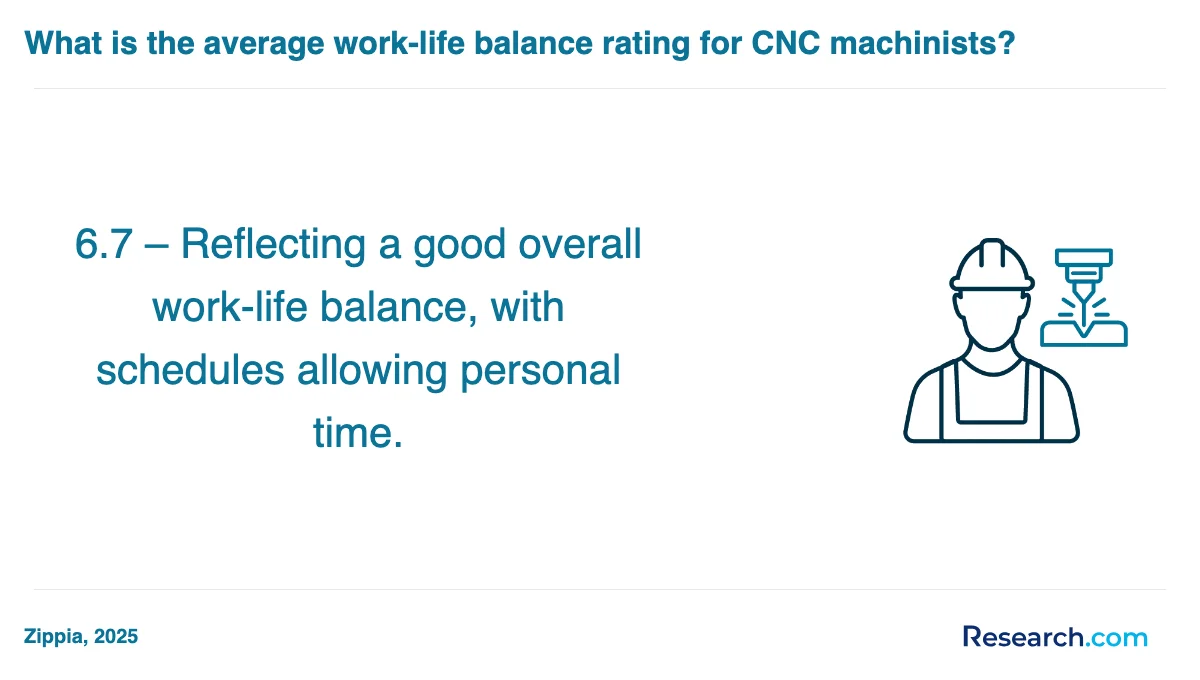
With experience, doors open to advanced roles like senior CNC machinist or quality engineer, often with employers offering benefits such as 401(k) matching and paid holidays. Working shifts that fit your lifestyle, including weekend options, means you can balance work and life while building a promising career grounded right here in Maine.
After finishing a CNC machinist trade school program in Maine, many graduates find themselves pleasantly surprised by the paycheck waiting for them. Imagine stepping out of a popular Maine trade school and landing a job that pays around $29.51 an hour-that's the average wage for CNC machinists across the state as of mid-2025. One graduate shared how starting at just under $30 an hour felt like a real win after months of hands-on training.
Entry-level wages often fall between $28.89 and $34.50 per hour, depending on the employer and location, with some skilled pros in bigger manufacturing hubs earning up to $45 an hour. This means that as you sharpen your skills, your paycheck can grow impressively, too.
Think about it: working a typical year, those hourly rates can add up to a median salary near $59,440 annually. Graduates from Maine's well-known CNC programs often talk about the confidence boost that comes with knowing their specialized skills are valued-and well paid-right here in their home state.
- Most CNC machinist trade schools in Maine require a high school diploma or GED for admission.
- Program options include short-term certifications like the 14-week CNC Machining Academy and associate degree programs at community colleges.
- Tuition costs range from $96 to $192 per credit at Southern Maine Community College, with some short courses costing as little as $310 for in-state students.
- The job market for CNC machinists in Maine is growing, with an 8% job increase projected through 2030 and average entry-level salaries around $52,000 per year.
- Graduates can work in aerospace, marine, and manufacturing sectors, with opportunities to advance into roles like CNC programmer or quality control inspector.
- Some programs offer transfer agreements for further education, including a Bachelor of Science in Technology Management at the University of Southern Maine.
In Maine, completing a CNC machinist trade school program typically takes about 9 to 12 months, an exciting yet manageable timeframe that many students find energizing. Imagine diving into hands-on training at well-known schools like Central Maine Community College or Eastern Maine Community College, where graduates often share how quickly they gained practical skills that made them job-ready.
Many students describe their experience as an intense adventure, balancing classroom theory with real-world machine operation. One graduate recalls how, within a year, they moved from basic tool setups to programming complex CNC machines confidently-feeling a genuine sense of accomplishment every step of the way.
This timeframe offers a perfect blend: not too long to delay your career start, but just enough to build a solid foundation. For those eager to jump into Maine's manufacturing scene, the program's length feels like a rewarding sprint rather than a marathon, fueling motivation and excitement about the future.
When diving into CNC machinist trade school programs in Maine, the difference between online and on-campus experiences is striking. Graduates from York County Community College rave about the thrill of hands-on learning, spending hours operating real HAAS mills and lathes in a buzzing workshop. Feeling the hum of the machines and mastering safety protocols firsthand creates a confidence that online courses just can't match.
At Mid-Coast School of Technology, students describe the rewarding challenge of face-to-face instruction, where they program vertical CNC mills and get immediate feedback from instructors. This direct interaction sparks camaraderie and sharpens skills in ways virtual lessons struggle to replicate.
Online CNC programs in Maine are nearly nonexistent because machining demands physical practice with machinery. While some theory may be taught online, the true adventure lies in on-campus labs where students transform blueprints into real, tangible parts-preparing them to impress employers who expect hands-on expertise from day one.
Wondering about the average cost CNC machinist program Maine options usually present? For many local students, the tuition fees CNC machinist schools Maine charge can be surprisingly reasonable considering the depth of hands-on experience they gain. Graduates from Central Maine Community College often mention the $3,864 total in-state tuition as a worthwhile investment that covers both classroom learning and real-world machining labs, building confidence in every cutting edge and tool setup they master.
Others aiming for an associate degree find Southern Maine Community College appealing, where tuition runs about $2,896 for the full program. Students appreciate the solid foundation in manufacturing principles this provides, making entry into the workforce feel like a thrilling next chapter. For those eager to dive in quickly, the Mid-Coast School of Technology delivers a shorter 21-hour CNC introduction course priced at only $310, perfect for getting your feet wet without a huge commitment.
Picture yourself as one of those enthusiastic students joining Maine's CNC training programs, preparing to launch a career in exciting skilled trades - a path many call among the easiest trades that lead to high paying jobs. While tuition is a big factor, be sure to factor in books and materials, and check on financial aid opportunities to help make this adventurous career choice accessible.
Imagine stepping into Southern Maine Community College's CNC Machine Operator Certificate program and discovering a world of financial support ready to back your ambitions. Many graduates recall how completing the FAFSA unlocked access to Pell Grants and federal loans, easing the burden of tuition costs without overwhelming debt. For Maine residents, state scholarships and grants add another layer of opportunity, especially through workforce initiatives like WIOA. At the Mid-Coast School of Technology, students often share how WIOA funding covered their entire $310 tuition, transforming hope into reality for those juggling work and study.
Some lucky students find their path completely paid for. At York County Community College's CNC Machining Academy, qualifying learners celebrate full funding that covers tuition, textbooks, and certification fees thanks to grants like the Harold Alfond Grant. Over at Northern Maine Community College, the majority of students enjoy institutional scholarships or work-study options, making CNC training accessible and exciting. These financial aid options open doors wide, turning dreams of mastering CNC machining in Maine into achievable adventures.
Ready to dive into a CNC machinist trade school program in Maine? Most schools here expect a few straightforward prerequisites that set you up for success. Graduates often recall how these requirements, while simple, gave them confidence and a firm foundation before starting hands-on training.
Typically, you'll need:
- A high school diploma or GED-this proves you have basic math and reading skills essential for understanding blueprints and operating equipment.
- Basic math proficiency, especially in fractions, decimals, and geometry, since these come alive when measuring metal parts or programming machines.
- Some schools encourage a background or interest in mechanical concepts, which helps you grasp machining faster.
One graduate from a popular Maine trade school shared how brushing up on math before enrolling made the first weeks feel less intimidating. Imagine walking into a workshop where you already understand the math behind cutting a perfect gear-this boosts your confidence and excitement to learn.
Even if your background isn't technical, Maine's trade schools often offer placement tests or refresher courses to help you catch up. This approach means you're never left behind and can focus on mastering the craft.

In Maine's CNC machinist trade schools, students dive straight into hands-on learning with courses that build real-world skills fast. Imagine starting with Machine Shop Fundamentals, where you get to master the basics of machining and workplace safety, including the essential OSHA 10 certification. Graduates often recall how this course gave them confidence handling tools and machinery safely right from day one.
Blueprint reading is another cornerstone, teaching you to decode detailed engineering drawings-skills vital for interpreting CAD and CAM designs that shape modern manufacturing.
Specialized CNC courses bring excitement as you work directly on industry-standard HAAS mills and lathes. Schools popular in Maine emphasize:
- Machine functions and tooling setup
- Part setup and CNC machine operation
- Programming basics using G and M codes
- Precision measurement and inspection for quality control
Many students share how learning Mastercam software opened doors to programming complex toolpaths, making the abstract world of machining come alive. These engaging, practical courses prepare you for the fast-paced manufacturing environment waiting right here in Maine.
In Maine, CNC machinist trade schools invite students into a world of exciting specialization that fits diverse career dreams. At Central Maine Community College and Kennebec Valley Community College, many graduates cherish the flexibility of precision machining certificate programs Maine offer, allowing them to stack credentials from Machinist Certificates to CNC Operator Certificates. Students often share how this adaptable path helped them focus early on what truly sparks their passion, whether manual machining craftsmanship or advanced CNC operation.
More adventurous learners pursue advanced certificates or an A.A.S. degree, stepping into roles like CNC programmers or tool and die makers, mastering essentials like Mastercam software along the way. Over at Southern Maine Community College, the blend of CAD/CAM software, precision measurement, and hands-on machining boosts confidence for those aiming high in engineering or management.
Industries like aerospace and medical devices shape specific electives, turning studies into workplace-ready skills. Many students find the journey rewarding, embracing the fastest online associates degree that pay well vibe through their hands-on adventures.
- Stackable certificate paths for tailored learning
- Advanced programs emphasizing programming and quality control
- Industry-focused electives in aerospace, automotive, and defense
Choosing the best CNC machinist trade schools in Maine means diving into what feels right for your unique journey. Imagine enrolling at a place where graduates share how hands-on training with state-of-the-art machines, like those at Southern Maine Community College, propelled them confidently into aerospace and medical fields. Or picture the flexibility of Mid-Coast School of Technology's 21-hour, seven-week course, a perfect match if balancing work or family keeps you busy.
Affordable CNC machinist programs in Maine open doors without draining your savings. Consider Central Maine Community College, where many students praise access to financial aid through grants and loans, helping turn ambition into reality. Location matters too-choosing a school close to home means less stress and more time learning.
For a broader perspective, exploring the most affordable cnc machinist training courses online can reveal options blending convenience with quality education.
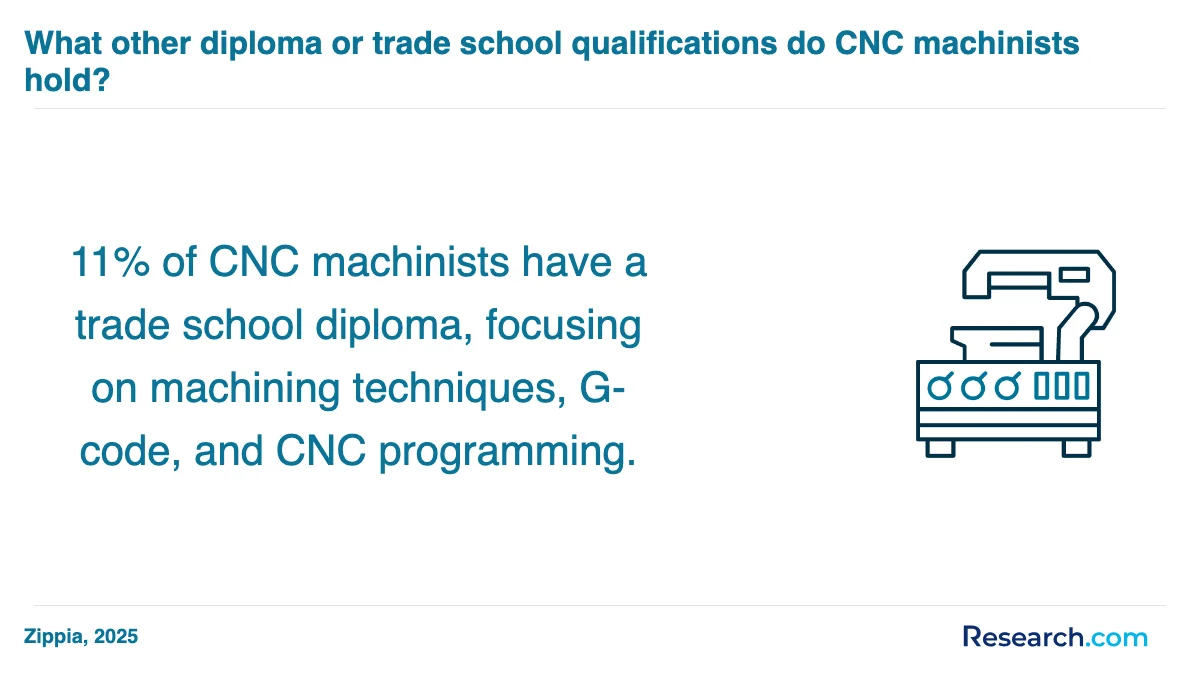
Graduates of CNC machinist trade school programs in Maine dive into a world where precision and creativity meet. Popular trade schools in the state prepare students for dynamic roles such as CNC machinist jobs in Maine, CNC machine operator careers in Maine, and tool room machinist positions. Imagine setting up sophisticated computer numerical control machines that craft precise components for aerospace or medical devices-an exciting challenge that many graduates vividly recall as their first taste of success.
Beyond these entry points, opportunities expand to roles like conventional machinists mastering both manual and CNC equipment, quality engineers ensuring top-notch product standards, and senior CNC machinists leading teams with advanced expertise. Maine's manufacturing hubs value versatility and attention to detail, rewarding graduates with competitive wages and shift options.
Many graduates find themselves eagerly advancing toward:
- Lead machinist roles directing shop floor operations
- Manufacturing supervisor positions guiding teams and processes
- CNC programmer careers crafting complex machining codes
For those eager to grow their technical skills without leaving Maine, exploring affordable online associate degree programs provides an accessible path to deepening expertise while balancing work and life.
The job market for CNC machinist trade school graduates in Maine is buzzing with opportunity. Graduates from popular trade schools often share stories of multiple job offers just weeks after finishing their programs. In manufacturing hubs like Bangor or Gorham, more than 70 openings promise a career path where steady demand meets rewarding wages. Those with solid hands-on experience or certifications find themselves especially sought after.
Salary discussions come alive with entry-level wages typically ranging from $20 to $27 per hour, rising to $35-$45 for experienced or night-shift machinists. Beyond pay, employers sweeten the deal with health insurance, 401(k) matches, paid time off, and even sign-on bonuses that truly excite graduates stepping into this field.
Graduates often highlight the real-world skills honed through practical training - from reading blueprints to mastering precision instruments - that prepare them for the shift flexibility employers desire.
For adventurous learners exploring high paying jobs with easy certifications, the Maine CNC machinist salary and employment trends reveal a thriving local manufacturing sector eager to welcome fresh talent.
- CNC machinist job outlook in Maine strong, with steady openings
- Hands-on training from trade schools gives confident job readiness
- Competitive wages and benefits create motivating career incentives
Most Affordable CNC Machinist Schools & Training - Budget-Friendly CNC Trade Programs in Maine for 2026
# 1 position
Southern Maine Community College - Computer Numerically Controlled (CNC) Machinist Technology/CNC Machinist.
certificate or diplomaSouthern Maine Community College offers a hybrid Computer Numerically Controlled (CNC) Machinist Technology program that prepares students to operate CNC machine tools, including lathes and mills. The curriculum covers CNC terminology, programming, setup, troubleshooting, blueprint reading, machining, CAD/CAM systems, and safety practices. Annual in-state tuition is $3,797. The program is accredited by the New England Commission on Higher Education.
# 2 position
Northern Maine Community College - Computer Numerically Controlled (CNC) Machinist Technology/CNC Machinist.
certificate or diplomaNorthern Maine Community College offers a hybrid Computer Numerically Controlled (CNC) Machinist Technology program that trains students to operate CNC machine tools, including lathes and mills. The curriculum covers CNC terminology, programming, setup, operations, troubleshooting, blueprint reading, machining, CAD/CAM systems, and safety practices. The program’s annual in-state tuition is $3,880 and it is accredited by the New England Commission on Higher Education.
Frequently Asked Questions about CNC machinist
After completing a CNC machinist trade school in Maine, preparing for the job market involves several key steps. First, graduates should seek industry-recognized certifications such as the National Institute for Metalworking Skills (NIMS) credentials, which improve employability. Networking with local manufacturers and attending job fairs in Maine can also provide valuable connections. According to the Maine Department of Labor, CNC machinists earn a median wage of around $22 per hour, with demand expected to grow by 5% through 2030. Developing skills in CNC programming and machine operation, alongside soft skills like communication, increases job prospects in the regional manufacturing sector.
Employers in Maine value several key skills when hiring CNC machinist trade school graduates. Technical proficiency in operating CNC machines and understanding G-code programming ranks highest. According to the U.S. Bureau of Labor Statistics, precision and attention to detail are critical, as machinists often work with tight tolerances. Problem-solving abilities and mechanical aptitude are also essential for troubleshooting machine errors and maintaining equipment.
Strong math skills, particularly in geometry and trigonometry, are important to interpret blueprints and specifications accurately. Communication skills matter, too, since machinists collaborate with engineers and supervisors. The Maine Department of Labor highlights that adaptability and willingness to learn new technologies are increasingly sought after due to rapid advancements in manufacturing processes.
Finding internships in Maine relevant to CNC machinist trade school programs involves several strategic steps. Start by contacting your school's career services, as many Maine trade schools have partnerships with local manufacturers and machine shops.
The Maine Department of Labor's CareerCenters offer resources and listings for manufacturing internships statewide, including CNC machining roles. According to recent state labor reports, manufacturing internships in Maine have grown by 8% in the last three years, reflecting industry demand.
Networking with local industry groups, such as the Maine Manufacturers Association, can provide leads on internship openings. Additionally, exploring apprenticeships through registered programs can offer hands-on CNC experience while earning wages.
Online job portals specializing in Maine's manufacturing sector also post CNC internship opportunities regularly, making them a useful tool for students.
Obtaining a CNC machinist trade school diploma in Maine can significantly enhance career mobility and advancement opportunities. According to the Maine Department of Labor, skilled CNC machinists are in steady demand, with a projected job growth of 4% from 2022 to 2032. Completing a diploma program provides practical skills and industry-recognized credentials that employers value, often leading to higher starting wages compared to candidates without formal training.
Graduates from accredited Maine trade schools typically qualify for roles such as CNC operator, programmer, or tool maker. These positions often offer clear pathways to supervisory or technical specialist roles, improving upward mobility. Certification also aligns with standards set by the National Institute for Metalworking Skills, further boosting employability.
In Maine's manufacturing sector, workers with CNC machinist diplomas report higher median incomes-around $48,000 annually-compared to $35,000 for those without formal credentials, according to the U.S. Bureau of Labor Statistics. This wage premium reflects the diploma's role in enhancing technical competence and job security within the region's competitive labor market.
Part-time job opportunities in Maine that complement CNC machinist trade school education often include positions in manufacturing facilities, machine shops, and maintenance departments. These roles provide practical experience with tools, machinery, and production processes. According to the Maine Department of Labor, manufacturing remains a significant sector in the state, employing over 60,000 workers as of 2023, many of whom require CNC skills.
Students might find part-time work as machine operators, tool setters, or quality inspectors. Such roles help reinforce classroom learning by offering hands-on experience with CNC equipment and industrial standards.
Additionally, internships or apprenticeships with local manufacturing companies are common and can enhance technical skills while building professional networks.
To find the most affordable CNC Machinist degree program near me, start by researching local community colleges and technical institutes that offer programs in machining and manufacturing technology. Near Maine, several universities and vocational schools provide CNC Machinist programs that may suit your budget, and comparing tuition fees and financial aid options can help determine affordability. Research.com is a helpful resource for locating these programs and understanding more about the field and potential career paths.
- Most Affordable CNC Machinist Schools & Training - Budget-Friendly CNC Trade Programs in New Hampshire for 2026
- Most Affordable CNC Machinist Schools & Training - Budget-Friendly CNC Trade Programs in Massachusetts for 2026
- Most Affordable CNC Machinist Schools & Training - Budget-Friendly CNC Trade Programs in Connecticut for 2026
- Most Affordable CNC Machinist Schools & Training - Budget-Friendly CNC Trade Programs in New York for 2026
- Most Affordable CNC Machinist Schools & Training - Budget-Friendly CNC Trade Programs in Ohio for 2026
- Most Affordable CNC Machinist Schools & Training - Budget-Friendly CNC Trade Programs in North Carolina for 2026
- Most Affordable CNC Machinist Schools & Training - Budget-Friendly CNC Trade Programs in Indiana for 2026
- Most Affordable CNC Machinist Schools & Training - Budget-Friendly CNC Trade Programs in Michigan for 2026
- Most Affordable CNC Machinist Schools & Training - Budget-Friendly CNC Trade Programs in Georgia for 2026
- Most Affordable CNC Machinist Schools & Training - Budget-Friendly CNC Trade Programs in Illinois for 2026
- CNC Machine Operator Certificate - Southern Maine Community College https://www.smccme.edu/academics/pathways/industrial-technology-transportation/cnc-machine-operation-certificate/
- Machining, CNC Training Program - Maine JobLink https://joblink.maine.gov/etp/public/institution_programs/2858
- Online CNC Machinist from Central Maine Community College https://careertraining.cmcc.edu/training-programs/cnc-machinist/
- Top CNC Machinist Schools in Maine | Become a CNC Machinist https://toptradeschools.com/near-you/cnc-machinist/maine/
- CNC Machining Academy – York County Community College https://www.yccc.edu/degree/cnc/
- Precision Machining Technology - Kennebec Valley Community College https://www.kvcc.me.edu/academics/programs-of-study/precision-machining-technology/
- Exploring CNC Machinist Training Programs in Maine: A Guide https://cncmachinist.net/cnc-machinist/me/
- Precision Machining Technology - CMCC https://www.cmcc.edu/academics/programs/programs-of-study/precision-machining-technology/
- Manufacturing Technology | Biddeford Regional Center of Technology https://www.biddefordschools.me/o/brct/page/manufacturing-technology
- Experienced CNC Machinists - Relocate to Maine - Manpower Maine https://www.manpowermaine.com/2025/07/03/experienced-cnc-machinists/