Best CNC Machinist Training Programs & Trade Schools - Top CNC Schools in Clarkesville for 2026

Co-Founder and Chief Data Scientist
If you're considering a career as a CNC machinist in Clarkesville, this article is here to guide you. Choosing the right trade school can be overwhelming, but our detailed ranking of CNC machinist trade school programs, created by the Research.com team of data scientists, simplifies your decision.
Discover programs that offer valuable skills and certifications to kickstart your career. Getting a diploma or certification opens doors to rewarding job opportunities and personal growth. This article will help you find the best schools worth your time and investment.
Key benefits of finishing CNC machinist trade school in Clarkesville
- Graduates from CNC machinist trade schools in Clarkesville can expect an average starting salary of around $42,479 per year or about $20 per hour, offering a solid income as they begin their careers.
- CNC machinist graduates often find diverse career paths, including roles as machine operators, programmers, or supervisors, allowing for growth and specialization over time.
- Completing a CNC machinist program online offers flexibility and convenience, enabling students to balance learning with other responsibilities while gaining practical skills from a trusted Clarkesville trade school.
- Best CNC Machinist Training Programs & Trade Schools - Top CNC Schools in Clarkesville for 2026
- What can I expect from CNC machinist trade schools in Clarkesville?
- Where can I work after finishing CNC machinist trade schools in Clarkesville?
What can I expect from CNC machinist trade schools in Clarkesville?
Enrolling in a CNC machinist trade school program in Clarkesville means diving into an exciting mix of hands-on training and classroom learning that prepares you to jump straight into advanced manufacturing roles. At popular schools like North Georgia Technical College, students quickly get their hands on real CNC equipment, mastering everything from print reading to programming mills and lathes. Graduates often recall the thrill of turning digital designs into precise metal parts, feeling their skills grow with each project.
You'll choose between certificates, diplomas, or associate degrees, each offering a different pace but all packed with valuable skills. Imagine balancing early lessons in manual machine operation with later challenges like complex CNC programming and design software-this blend keeps the journey fresh and rewarding.
Small class sizes mean instructors know you personally, guiding you through tricky techniques and boosting your confidence. Plus, many find apprenticeships that mix paid work with school, giving a real-world taste of high-tech manufacturing. Graduates appreciate how the program sets them up for solid careers and certifications in a field that's buzzing with opportunity.
Where can I work after finishing CNC machinist trade schools in Clarkesville?
After finishing a CNC machinist trade school program in Clarkesville, graduates often find themselves stepping into dynamic roles like CNC machinists, operators, or manufacturing engineers. Many recall their excitement landing jobs at local manufacturing companies and machine shops, where they apply hands-on skills learned from their classes, such as programming CNC mills and lathes or interpreting detailed technical drawings.
Some alumni share how they started in nearby towns like Baldwin, working in metal fabrication facilities or tool and die shops, environments buzzing with advanced technology and precision craftsmanship. These real-world settings bring the trade school experience to life, turning classroom knowledge into tangible career achievements.
Others have ventured into specialized industries like automotive parts manufacturing and aerospace components, where their ability to read blueprints and use precision instruments makes them invaluable team members. The broad skill set gained at Clarkesville's popular trade schools opens doors not only locally but also across Georgia and beyond, fueling adventurous career paths full of opportunity and growth.
Graduates from popular CNC machinist trade schools in Clarkesville often find themselves stepping into the workforce with an exciting salary starting around $42,479 per year-about $20 per hour. Imagine finishing your program and landing a job as a CNC Production Specialist, confidently operating machines while earning a solid wage that reflects your fresh skills.
As you gain hands-on experience, many graduates quickly move up to roles like CNC Machinist I, where salaries in Georgia rise to between $43,050 and $52,590 annually. Picture yourself mastering new techniques and seeing your paycheck grow as you become more proficient.
For those adventurous enough to specialize further, becoming a Computer Numerically Controlled Tool Programmer can boost earnings to an average of $62,220, with top performers making upwards of $79,380. That's the kind of financial reward that turns your trade school training into a thriving career.
Clarkesville graduates know the journey doesn't stop at school-the more skills and certifications you earn, the more your paycheck climbs, making every step feel like a new win.
- North Georgia Technical College in Clarkesville offers an associate degree, diploma, or certificate in precision machining, lasting 2 to 5 semesters.
- The average tuition ranges from $3,022 to $5,422, with financial aid options like the HOPE Career Grant available for qualifying students.
- Entry-level CNC machinists in Georgia earn between $38,000 and $45,000 annually, with experienced workers making over $55,000 depending on specialization.
- Dual apprenticeship programs with local employers provide about 3.5 years of combined classroom and paid on-the-job training.
- Graduates can pursue national certifications and roles such as CNC specialist, lathe operator, or tool and die specialist to enhance job prospects.
Completing a CNC machinist trade school program in Clarkesville typically takes between six months to a year, depending on the school and the intensity of the course. Many graduates from popular trade schools in Clarkesville recall how immersive and hands-on the experience was, making the time fly by quickly. One graduate shared how, just months into the program, they confidently operated complex CNC machines, turning theory into real-world skills.
The flexible schedules at these schools allow students to tailor their learning pace, whether diving into full-time study or balancing part-time classes alongside work. This adaptability means you can jump into the workforce sooner or take extra time to master every detail. Imagine walking the shop floor of a local Clarkesville manufacturing plant, fully prepared because your training matched exactly what employers expect.
Students often describe the journey as exciting and rewarding, with every week bringing new challenges and achievements that boost confidence and motivation. The blend of classroom instruction and practical application creates a dynamic learning environment that keeps you engaged throughout the program.
Imagine stepping into a bustling workshop at North Georgia Technical College in Clarkesville, where graduates recall the thrill of hands-on time with real CNC machines. On-campus programs immerse you in this vibrant environment, blending classroom lessons with practical skills like mill and lathe programming. You're not just watching videos-you're physically operating industry-standard equipment, mastering print reading, and gaining confidence under expert guidance.
Now picture the flexibility of an online CNC machinist program, where students access lectures and interactive simulations from home. While these programs excel at delivering theory and allow juggling work or family commitments, graduates often mention missing the tactile feel of the machines themselves. Some online learners arrange local lab time or brief residencies to bridge that gap, but fully remote paths rarely offer the same depth of hands-on experience.
For Clarkesville students craving true mastery and immediate job readiness, the on-campus experience often sparks excitement and rapid skill growth-turning theory into tangible craftsmanship every day.
Exploring the average cost CNC machinist trade school Georgia reveals that students in Clarkesville can expect a range of tuition fees depending on the program length and credential type. For example, North Georgia Technical College offers a Precision Machining program varying from 2 to 5 semesters, with options for 100% tuition coverage, making it an appealing path for many eager learners. Graduates often share their excitement about the hands-on experience combined with affordable tuition, which typically falls within the local public trade school average of $4,000 to $15,000 per year. This affordability paired with strong practical training brings a sense of accomplishment and readiness for a rewarding career in machining.
Others take the online route, like the CNC Machinist course at West Georgia Technical College costing approximately $2,245. This option suits those balancing work and study while still building valuable CNC skills. Meanwhile, programs like Georgia Northwestern Technical College offer even more specialized paths, such as a $2,000 certificate for CNC Specialists or a $5,000 diploma for CNC Technology over 1 to 1.5 years. Students often find that these costs align well with their budget considerations, especially when factoring in possible financial aid and scholarships available locally.
Adding to tuition, graduates often recall budgeting for tools, textbooks, and materials, which can add between $500 and $5,000-but many feel this investment is worth it for a future in a high-demand field. Financial aid options can soften these expenses, and prospective students ready for action should explore available scholarships. For those curious about accelerating their studies to boost earning potential, check out this high paying accelerated associates degrees online that might complement their CNC machinist training journey.

Imagine stepping into North Georgia Technical College's Precision Machining program in Clarkesville and discovering that tuition might be completely covered for you. Many graduates rave about how the state-funded initiatives make this dream a reality by covering 100% of tuition for high-demand careers like CNC machining. This isn't just a fantasy-students who qualify often find themselves paying little to nothing out of pocket, thanks to these targeted programs.
Beyond tuition waivers, plenty of students tap into Georgia's HOPE Grant and HOPE Scholarship, which provide solid financial boosts for technical diplomas or associate degrees. High-achieving students often celebrate the Zell Miller Scholarship, adding even more support to their journey.
Federal aid options like the Pell Grant, FSEOG, and Work-Study programs open doors for many Clarkesville CNC machinists, helping cover living expenses or reduce loans. Graduates commonly share how combining state and federal aid transformed their financial stress into excitement about a new career path.
To step into the world of CNC machining in Clarkesville, you'll find the prerequisites surprisingly approachable, yet designed to ensure you're set for success. Most trade schools here expect a high school diploma or GED-nothing too daunting but a solid foundation. Graduates often recall their first days, feeling both eager and prepared thanks to this baseline.
Some schools add a dash of excitement by requiring basic math skills, especially in algebra and geometry. Imagine solving a puzzle where each equation helps craft precision parts-many students find this challenge thrilling rather than intimidating.
Physical readiness is another prerequisite: good hand-eye coordination and mechanical aptitude. This is where the adventure begins-graduates share stories about hands-on projects that turned their curiosity into real skills.
Additional common prerequisites include:
- Passing an entrance exam or placement test to gauge your starting level
- Proof of residency in Clarkesville or surrounding areas for local programs
- Sometimes, a brief interview or personal statement to show your passion for machining
Trade schools in Clarkesville often tailor these requirements to balance accessibility with readiness, making each step feel like an exciting gateway rather than a hurdle. This blend keeps students motivated, eager to dive into the craft of CNC machining with confidence and enthusiasm.
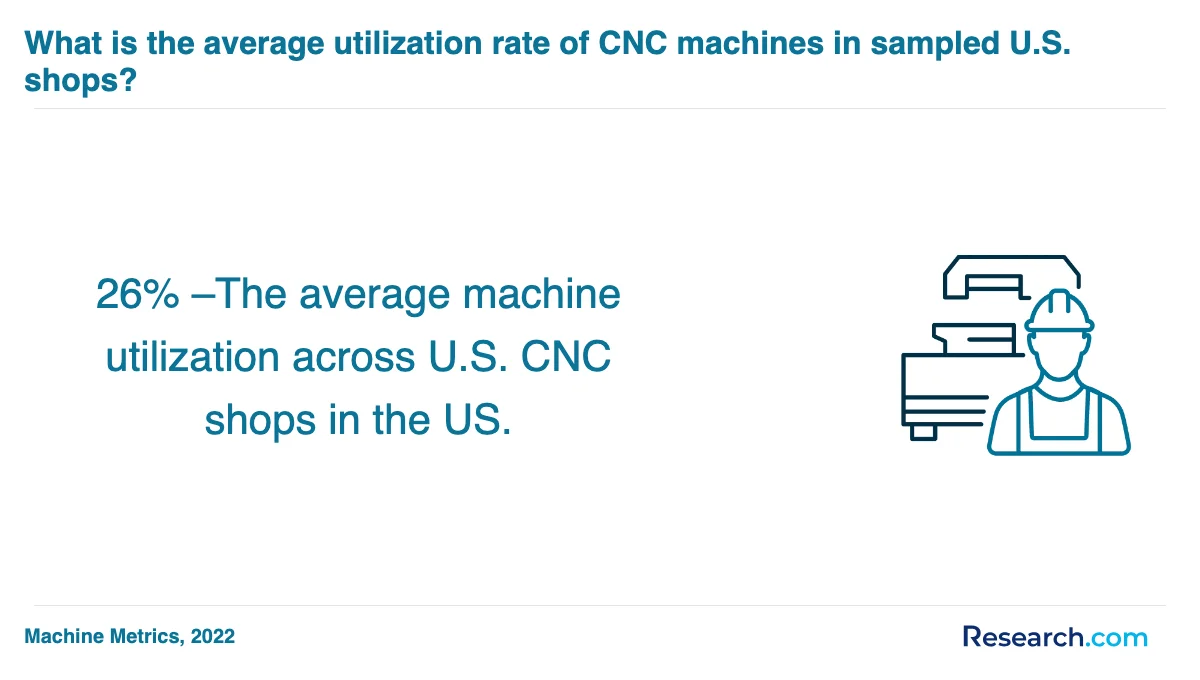
At trade schools in Clarkesville, like North Georgia Technical College, students dive straight into exciting, hands-on courses that bring CNC machining to life. Imagine setting up and programming a CNC mill or lathe, mastering both manual controls and computer-driven precision. Graduates often recall the thrill of transforming raw metal into finely crafted parts using skills they honed in these labs.
Core courses typically include:
- CNC mill and lathe operation, where you learn to control machines with confidence and accuracy.
- Print reading for machine tools, teaching you to decode blueprints and engineering drawings essential for perfect machining.
- CAD and CAM fundamentals, offering hands-on experience with industry software to create and modify part designs.
- Trade mathematics to precisely calculate measurements, tolerances, and dimensions.
Students also engage in labs focused on precision measurement using micrometers and calipers, essential tools to ensure quality. Advanced courses touch on automation, robotics, and quality assurance, reflecting the cutting-edge nature of manufacturing today. Graduates describe the blend of theory and practical challenges as empowering, preparing them confidently for careers in Clarkesville's dynamic manufacturing scene.
In Clarkesville, CNC machinist trade school programs open doors to a variety of exciting pathways, letting students tailor their journey to real-world manufacturing challenges. Graduates from popular local schools share how diving into CNC machining specializations in Clarkesville trade schools gave them hands-on confidence with computers and metal alike. Whether you want to program complex machines or master hands-on operation, these focused tracks make success feel achievable and inspiring.
Students often choose from:
- CNC Specialist: Learn programming and troubleshooting with a mix of manual and automated CNC work, perfect for dynamic machine shops.
- Lathe Operator: Focus on precision turning with computer-controlled lathes, essential in producing detailed metal and plastic parts.
- Mill Operator: Gain skills in operating CNC milling machines, including blueprint reading and multi-axis machining for intricate designs.
- Tool and Die Specialist: Develop expertise in crafting and maintaining custom tools and molds, a gateway to advanced manufacturing roles.
These precision machining program options in Clarkesville blend foundational techniques like blueprint reading with modern CAD, CAM, and CNC programming. Many students find that choosing a specialization aligns perfectly with local employers' needs, making their training both practical and exciting. For those exploring educational pathways, considering cheap online trade schools for woodworking might also spark ideas about complementary skills and creative industry roles.
Choosing one of the best CNC machinist programs in Clarkesville means diving into hands-on experiences that truly prepare you for the shop floor. Graduates often share how the combination of theory and practice at local trade schools fueled their confidence when operating modern CNC machines. Imagine learning from instructors with real industry backgrounds who guide you through both simple setups and complex machining tasks, making every class feel like an exciting challenge.
Top CNC machinist trade schools Clarkesville offer flexible program lengths and schedules, which students appreciate when balancing work and study. Many describe internships or apprenticeships coordinated by their schools-these connections open doors to the actual manufacturing world, easing transitions from student life to career paths. Accreditation and the chance to earn recognized certifications also come up as key factors graduates advise looking for, since these credentials boost employability in a competitive market.
Financial aid options make dreams more attainable, and positive reviews from alumni reflect the satisfaction of mastering skills that pay off. For those curious about best trade school jobs that pay well, selecting a Clarkesville program with strong industry ties can set the stage for success.
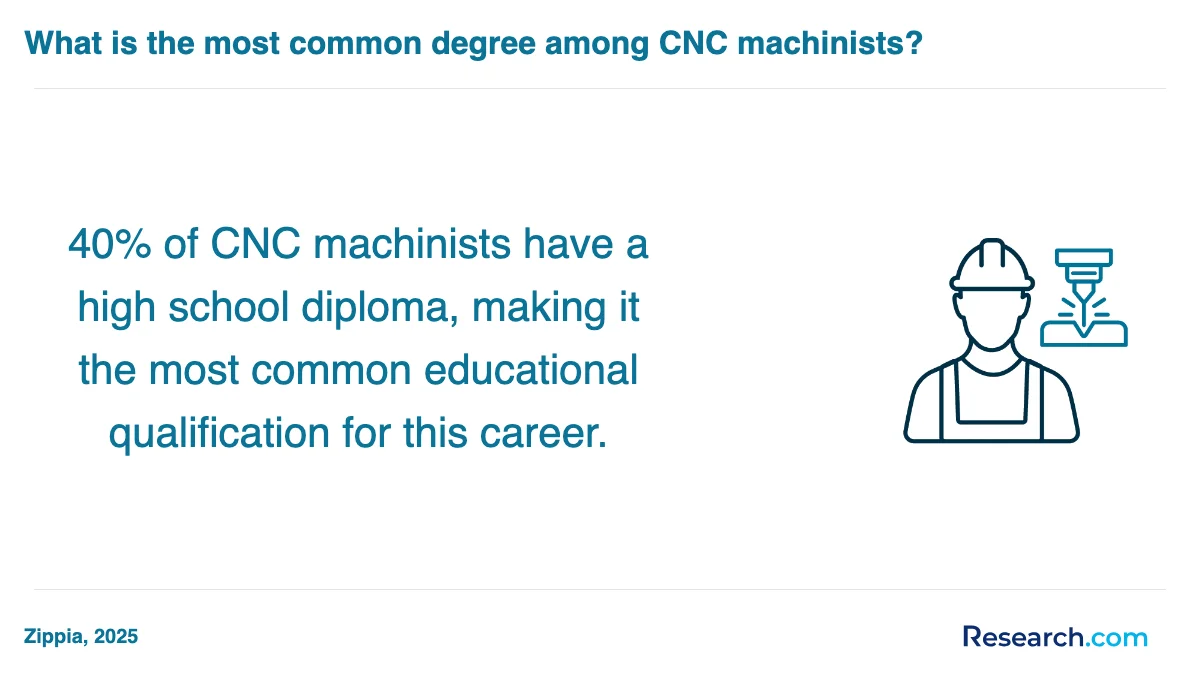
Graduates from CNC machinist trade schools in Clarkesville jump into an exciting world of precision manufacturing with many paths to explore. Starting as entry-level CNC machinists or operators, they quickly learn to run complex machinery and interpret detailed technical drawings. Many find fulfillment advancing into roles such as CNC programmers or shop supervisors, where they take charge of programming sophisticated production runs or leading teams.
The career opportunities for CNC trade school graduates in Clarkesville also extend beyond the shop floor. Some opt for apprenticeships through partnerships with local institutions like North Georgia Technical College, opening doors to advanced manufacturing, automation, and quality assurance careers. These paths offer graduates rewarding chances to work on cutting-edge equipment and even contribute to international production projects.
Among the local industries buzzing with activity, machinists often land roles with companies like Sharp Machining & Tooling or Power Plant Services, enjoying competitive wages from $20 to $34 per hour along with benefits. Many graduates describe the satisfaction of turning a trade school education into a dynamic career. For those eager to keep growing, opportunities in manufacturing engineering or plant management await.
Those curious about expanding their skills may also explore options for affordable cnc machine training online, offering flexible routes to deepen expertise while balancing work or personal commitments.
Job seekers exploring CNC machinist job opportunities in Clarkesville are stepping into a landscape rich with potential. Graduates from popular trade schools in the area often share how the hands-on training and industry partnerships, like those offered by North Georgia Technical College, turbocharge their readiness for the workforce. Imagine completing a dual apprenticeship program where you gain paid, practical experience while mastering advanced manufacturing techniques-this real-world exposure sparkles on any resume.
In terms of compensation, Clarkesville CNC machinist salary and employment trends reveal wages ranging from $21 to $34 per hour locally, with the potential to reach upwards of $91,853 annually for the most skilled machinists statewide. Employers in industries spanning small manufacturers to large industrial firms eagerly seek talented grads, often offering full-time positions with benefits including health insurance and retirement plans.
Graduates repeatedly mention these perks as exciting rewards for their dedication. The ongoing growth in the regional manufacturing sector means consistently fresh openings for roles like programmers and operators, ensuring that those finishing trade programs feel confident stepping into stable, well-paying jobs.
For students eager to discover the highest paying online associates degrees tied to manufacturing fields, exploring CNC machinist programs locally is a smart career move full of promise.
Best CNC Machinist Training Programs & Trade Schools - Top CNC Schools in Clarkesville for 2026
# 1 position
North Georgia Technical College - Computer Numerically Controlled (CNC) Machinist Technology/CNC Machinist.
associateNorth Georgia Technical College offers a hybrid Computer Numerically Controlled (CNC) Machinist Technology program that trains students in operating CNC machine tools, including lathes and mills. The curriculum covers setup, programming, troubleshooting, blueprint reading, technical math, CAD/CAM, and safety practices. The program’s annual in-state tuition is $3,162. Graduates earn a median salary of $45,472 one year after completion. It is accredited by the Southern Association of Colleges and Schools Commission on Colleges.
# 2 position
North Georgia Technical College - Computer Numerically Controlled (CNC) Machinist Technology/CNC Machinist.
certificate or diplomaNorth Georgia Technical College offers a hybrid Computer Numerically Controlled (CNC) Machinist Technology program that prepares students to operate CNC machine tools, including lathes and mills. The curriculum covers programming, setup, operations, troubleshooting, blueprint reading, CAD/CAM systems, and technical mathematics. The program is accredited by the Southern Association of Colleges and Schools Commission on Colleges. Annual in-state tuition is $3,162, and median earnings one year after completion are $45,472.
Frequently Asked Questions about CNC machinist
After completing a CNC machinist trade school in Clarkesville, preparing for the job market involves several key steps. First, graduates should build a strong resume showcasing their hands-on training, certifications, and any internships completed during their program. According to the U.S. Bureau of Labor Statistics, CNC machinists have a projected job growth of 5% from 2022 to 2032, emphasizing steady demand.
Networking locally is crucial; attending industry events or joining trade associations like the National Tooling and Machining Association can provide valuable contacts. Additionally, seeking apprenticeships or entry-level positions in nearby manufacturing companies helps gain practical experience. Finally, keeping skills updated with software like CAD/CAM is essential to remain competitive in Clarkesville's evolving manufacturing sector.
Employers in Clarkesville prioritize several key skills when hiring CNC machinist trade school graduates. Technical proficiency with CNC programming and operation is essential, as companies rely on machinists who can accurately interpret blueprints and utilize software like G-code. According to the U.S. Bureau of Labor Statistics, precision and attention to detail directly impact product quality and reduce waste.
Problem-solving abilities are highly valued, enabling machinists to troubleshoot machine errors efficiently. Additionally, knowledge of safety protocols and machine maintenance is critical to ensure workplace safety and equipment longevity. Communication skills are also important, as machinists often collaborate with engineers and supervisors.
The Georgia Department of Labor reports that employers in the Clarkesville area favor graduates with practical experience in CNC milling, turning, and inspection tools. These combined skills help graduates meet industry demands effectively.
Finding internships relevant to a CNC machinist trade school program in Clarkesville involves several practical steps. Start by contacting local manufacturing companies, as many small to mid-sized businesses in Habersham County often seek interns for CNC machining roles. According to the Georgia Department of Labor, manufacturing jobs in this region have grown by 5% over the past two years, increasing internship opportunities.
Trade schools frequently partner with nearby industries, so inquire with your school's career services about existing internship programs. Additionally, websites like Georgia WorkSmart list local internships and apprenticeships in manufacturing fields.
Networking through industry events and joining professional groups such as the National Tooling and Machining Association can also help uncover openings.
Obtaining a CNC machinist trade school diploma in Clarkesville significantly enhances career mobility by providing specialized skills that are in demand locally. According to the U.S. Bureau of Labor Statistics, CNC machinists earn a median annual wage of around $47,000 nationwide, with opportunities for higher pay in skilled manufacturing hubs near Georgia. Completing a diploma program equips graduates with hands-on experience in CNC programming and machine operation, essential for entry-level positions and promotions.
The diploma also serves as a credential recognized by employers in the Clarkesville area's manufacturing sector, which is growing steadily. This formal qualification often leads to advancement opportunities such as supervisory roles or specialized technician jobs. Local workforce reports indicate that employers prefer candidates with formal CNC training for higher-responsibility positions, supporting social mobility within the region.
Part-time job opportunities in Clarkesville that complement CNC machinist trade school education often involve hands-on technical work. Positions such as machine operator assistants or tool and die helpers provide practical experience with machinery and tools. These roles help students apply theoretical knowledge in real-world settings, enhancing skills in precision and machine maintenance.
Local manufacturing firms and metal fabrication shops frequently seek part-time workers familiar with CNC technology. According to the U.S. Bureau of Labor Statistics, the Clarkesville area shows steady demand for machinists, with an expected 5% growth over the next decade, indicating opportunities for students to gain relevant work experience.
Additionally, internships or cooperative education programs through trade schools can connect students with paid roles, further supporting their education and career development.
When choosing the best CNC Machinist degree program near Clarkesville, GA, consider local community colleges or technical schools that offer specialized training in CNC technology, ensuring the program includes both theoretical instruction and hands-on experience. You may utilize search tools, such as those on Research.com, to find institutions near you that have a strong focus on CNC machinist training, and compare their curriculum, faculty credentials, and industry ties. Additionally, consider factors like certification opportunities, job placement rates, and access to updated technological resources to ensure comprehensive learning and career advancement in the field.
- Cnc Production Specialist Salary in Clarkesville, GA (August 01, 2025) | Salary.com https://www.salary.com/research/salary/hiring/cnc-production-specialist-salary/clarkesville-ga
- Cnc Machinist Jobs in Clarksville, TN | iHireManufacturing https://www.ihiremanufacturing.com/t-cnc-machinist-s-tennessee-c-clarksville-jobs.html
- Salary: Cnc Machinist in Gainesville, GA 2025 | Glassdoor https://www.glassdoor.com.hk/Salaries/gainesville-cnc-machinist-salary-SRCH_IL.0,11_IC1155838_KO12,25.htm
- Cnc Machinist Jobs in Clarkesville, GA | Joblist https://www.joblist.com/j/cnc-machinist-jobs/clarkesville-ga
- Precision Machining – North Georgia Technical College https://northgatech.edu/academic-programs/industrial-technology/precision-machining/
- CNC/Machining | North Georgia Technical College http://www.ngtcdrupal.objectic.net/students/programs-of-study/cnc-machining
- CNC Machinist Apprenticeship | Anton Häring KG https://career.anton-haering.com/en/apprenticeship/technical-apprenticeship/cnc-machinist-apprenticeship/
- Best CNC Machinist Programs in Georgia | Learn How to Become https://toptradeschools.com/near-you/cnc-machinist/georgia/
- Clarksville, Tennessee CNC Machinist Programs https://www.trade-school.com/programs/CNC-Machinist/TN/Clarksville
- Machine Tool Technology – Oconee Fall Line Technical College https://oftc.edu/departments/machine-tool-technology/