
Most Affordable Baking, Pastry & Culinary Schools - Top Baking & Pastry Chef Schools in Utah for 2026

Co-Founder and Chief Data Scientist
Choosing the right baking and pastry trade school in Utah can be exciting yet overwhelming. This article introduces a carefully crafted ranking of programs created by the Research.com team of data scientists to guide you toward the best options available in 2026.
Whether you want to perfect your skills or start a rewarding career, this guide helps you make an informed decision. Earning a diploma or certification in baking and pastry opens doors to creative opportunities and personal growth.
Explore the possibilities and take a confident step toward your passion.
Key benefits of finishing baking and pastry trade school in Utah
- Graduates of baking and pastry trade schools in Utah can expect an average salary ranging from about $43,394 to $82,622 annually, with pastry chefs earning around $65,278 per year on average.
- Career paths include roles such as pastry chef, baker, or chocolatier, often starting in local bakeries or high-end restaurants, offering creative and rewarding opportunities.
- Completing a baking and pastry trade school online provides flexibility and hands-on learning from home, helping graduates quickly enter the workforce while balancing other commitments.
- Most Affordable Baking, Pastry & Culinary Schools - Top Baking & Pastry Chef Schools in Utah for 2026
- What can I expect from baking and pastry trade schools in Utah?
- Where can I work after finishing baking and pastry trade schools in Utah?
What can I expect from baking and pastry trade schools in Utah?
Students enrolling in a baking and pastry trade school program in Utah can expect a hands-on, immersive experience that builds practical skills daily. At popular schools like Salt Lake Culinary Education (SLICE) and Park City Culinary Institute, graduates recall working in commercial kitchen labs where they practiced baking breads, pastries, and cakes under the guidance of experienced chefs. This real-time feedback helped them quickly improve their techniques and build confidence.
Programs emphasize essential workplace safety, food sanitation, and kitchen hygiene, which are crucial for any culinary career. You'll also master bakery math, formulas, and professional terminology to keep up with fast-paced production environments. Many students appreciate the flexibility of short-term, intensive courses-ranging from 5 to 8 weeks-that fit around their schedules.
Beyond baking skills, expect to learn business basics like culinary nutrition and food service management. Graduates often highlight how creating portfolios of their work boosted their job prospects in Utah's bakery and restaurant scene. Some programs even provide uniforms and baking kits, making the transition into the industry smoother and more enjoyable.
Where can I work after finishing baking and pastry trade schools in Utah?
After completing a baking and pastry trade school program in Utah, graduates typically find a range of practical job opportunities. Many work in restaurants, catering services, independently owned bakeries, commercial bakery businesses, and cafes. For example, graduates from popular programs like those at Utah Valley University often land positions as bakery assistants, pastry cooks, or prep bakers. These roles are accessible even for those with limited prior experience, making it a welcoming field for new professionals.
Graduates also find employment in supermarkets, grocery stores, delis, school cafeterias, and healthcare facilities, where baking skills are in steady demand. Some take advantage of certifications like Certified Culinarian to enhance their earning potential and job prospects. In cities such as Provo and West Jordan, entry-level wages typically range from $16 to $20 per hour, which reflects a solid starting point for career growth.
Others pursue careers within government organizations, schools, or hospitals, enjoying more competitive salaries and benefits. Overall, Utah's diverse culinary landscape offers graduates versatile paths to build rewarding careers.
Graduates from baking and pastry trade school programs in Utah typically start with an average annual salary of about $30,170. This reflects entry-level opportunities in bakeries, restaurants, and hotels throughout the state. Many students from well-known Utah trade schools find this starting point encouraging, especially as it slightly surpasses the national average for similar roles.
For example, those who begin working as bakers can expect to earn around $28,690 annually. With experience, some graduates move up to positions like chefs or head cooks, where salaries rise to a median of $38,180. This career progression is common among ambitious graduates eager to take on more responsibility and leadership roles.
Pastry chefs, a popular specialization for many trade school alumni, earn higher wages. The average hourly rate in Utah is $22.78, which equals roughly $47,400 per year for full-time work. Salaries can range widely-from about $16.63 to $28.46 per hour-depending on skill, experience, and location. Many graduates recall starting with modest pay but feeling motivated by clear paths to increase earnings through certifications and advancing to supervisory roles.
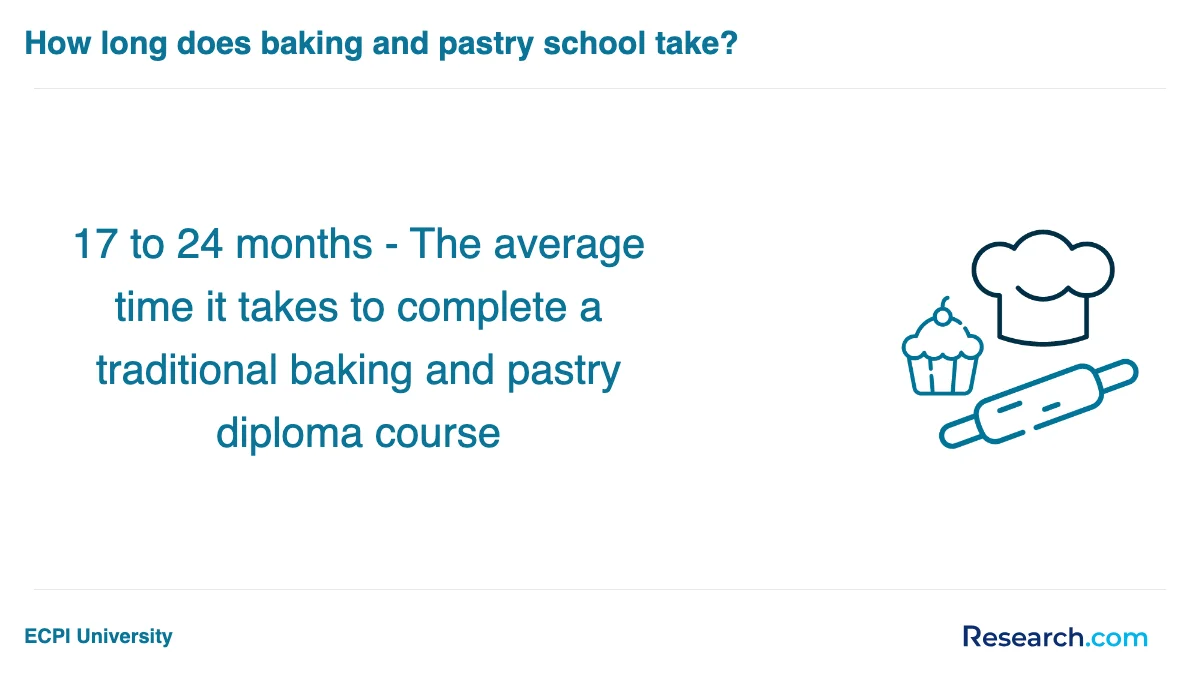
- Programs in Utah range from six weeks to about two years, with options like SLICE's six-week accelerated course and longer programs at MTECH.
- Admission usually requires a minimum age of 17 and a high school diploma or equivalent, with some schools allowing high school seniors to enroll.
- Tuition at MTECH's Artisan Baking program is $252 plus $222 in fees for a 120-hour course, with costs rising for longer or advanced programs.
- Curriculum covers breads, pastries, cakes, food safety, bakery math, and kitchen operations, emphasizing practical, hands-on training by experienced chefs.
- Some programs offer certification recognized by the American Culinary Federation, which can improve job opportunities in the baking field.
- Entry-level salaries in Utah's baking and pastry industry range from $26,000 to $35,000 annually, with higher pay for experienced and management roles.
Completing a baking and pastry trade school program in Utah typically takes between six months to one year, depending on the school and whether you attend full-time or part-time. Many graduates from well-known Utah trade schools share that an intensive six-month program allowed them to swiftly gain hands-on skills and enter the workforce with confidence. For example, a graduate who enrolled full-time at a popular Salt Lake City trade school described how the focused curriculum and practical kitchen experience helped them quickly master essential techniques.
Part-time options often extend the timeline closer to a year, which suits students balancing work or family commitments. These flexible schedules let you learn at a steady pace without overwhelming your daily routine. Graduates appreciate this approach because it makes the journey manageable while still providing the same foundational skills needed for success in baking and pastry arts.
Whether you choose full-time or part-time, the programs in Utah emphasize real-world practice, so by the time you finish, you're ready to create pastries and breads with pride and precision.
The key difference between online and on-campus baking and pastry trade school programs in Utah is how instruction is delivered and the level of hands-on experience. On-campus programs, like those at Salt Lake Culinary Education (SLICE), immerse students in professional kitchens where they use commercial-grade equipment under direct chef supervision. Graduates often recall the immediate feedback and teamwork that boosted their confidence and skills quickly.
Online programs, such as those offered by Park City Culinary Institute, provide more flexibility for busy schedules. Students attend live virtual classes and receive real-time feedback but bake mostly in their own kitchens. Graduates appreciate the convenience but note the challenge of replicating a full commercial kitchen and the need for strong self-discipline.
Some online programs ship baking kits to bridge hands-on gaps, yet the unique energy of an on-campus kitchen and the community feel remain unmatched. Choosing between formats depends on your lifestyle and how much in-person mentorship and collaboration matter to you.
The average cost of a baking and pastry trade school program in Utah typically centers around tuition fees of approximately $12,627. Graduates from popular institutions such as Mountainland Technical College, where the Artisan Baking program costs $514 for 8 weeks, appreciate the affordability and hands-on learning. Meanwhile, students attending Salt Lake Culinary Education (SLICE) invest around $5,900 for a more intensive 6-week Commercial Baking and Pastry Certificate Program that includes uniforms, tools, and exam fees. These examples illustrate the range within Utah's baking and pastry education market, offering options for different budgets and schedules.
Beyond tuition, students commonly allocate an additional $1,973 for books and supplies, vital for mastering baking techniques and experiments in real kitchens. These costs contribute to a well-rounded education but are often seen as an investment in skill development and confidence. One graduate recalls balancing the cost of foundational materials with the excitement of learning new recipes and perfecting pastries.
Since room and board vary widely, they are not included here but should be factored into a comprehensive budget. Planning ahead for these living expenses is crucial for a smooth educational experience. Graduates often emphasize that understanding all costs upfront helps avoid surprises and keeps their focus on learning rather than finances.
Students pursuing baking and pastry arts in Utah are wise to evaluate the total cost against quality and outcomes. Exploring financial aid and researching institutions ensures a smart commitment to their future. For those aiming at lucrative careers, exploring high paying trade jobs related to their training can provide motivation to manage costs effectively.

Baking and pastry trade school students in Utah often start their financial aid journey by completing the Free Application for Federal Student Aid (FAFSA). This opens doors to federal grants like the Pell Grant, federal loans, and work-study programs, easing tuition costs while gaining hands-on skills.
At Park City Culinary Institute, many graduates appreciate the availability of scholarships and flexible payment plans that make managing tuition less stressful. These options create a practical path to pursue their passion without overwhelming debt.
High school students benefit greatly at Mountainland Technical College (MTECH), where tuition-free enrollment means they only pay for materials and fees. This significantly reduces barriers, allowing young aspiring bakers to focus on learning instead of finances. Adult learners find MTECH's Artisan Baking program affordable, with costs around $514, including everything needed for class.
Dixie Technical College's Culinary Arts program also attracts students by offering scholarships and grants. Graduates often highlight how early application for these funds helped them secure support, turning a dream of baking and pastry skills into a reality.
To enroll in a baking and pastry trade school program in Utah, most schools require a high school diploma or equivalent. This baseline ensures you have the essential academic skills needed for the coursework. Some trade schools also ask for proof of residency within Utah, which helps prioritize local students eager to build a career in the state's growing culinary scene.
Beyond formal education, many programs appreciate when applicants have some hands-on experience, even if informal. Graduates often share how their early experiments at home or part-time jobs in bakeries gave them confidence and a real sense of what the field demands. This practical background can make the learning curve smoother and more enjoyable once classes start.
Typical prerequisites include:
- High school diploma or GED
- Basic math and reading proficiency
- Proof of Utah residency (varies by school)
- Pass a simple entrance interview or assessment
For example, students at popular trade schools in Utah describe the entrance interview as a friendly conversation focused on passion and commitment rather than just academics. This approach makes the process feel welcoming and encourages applicants to express their enthusiasm for baking and pastry arts.

Baking and pastry trade school programs in Utah focus on practical, hands-on courses designed to build real-world skills. Graduates from schools like Mountainland Technical College and Salt Lake Culinary Education often highlight how core classes on baking terminology, equipment use, and kitchen safety set a strong foundation for their careers.
Students quickly move into production skills, mastering:
- Yeast breads: Mixing, kneading, and proofing breads while troubleshooting common baking challenges.
- Pastries and desserts: Crafting croissants, eclairs, and macarons with techniques like dough laminating and pastry creams.
- Cakes and cookies: Preparing and decorating various cakes and specialty desserts, including advanced sugar work.
- Bakery math and formulas: Learning ingredient ratios and recipe scaling essential for consistency in commercial kitchens.
Many Utah programs also weave in business skills such as bakery management and cost control, helping students feel confident running or working in a bakery. Graduates appreciate how these courses prepare them not just to bake, but to thrive professionally, especially with options like ACF-approved certificates at SLICE that align with national certification standards.
With flexible schedules and some online options, Utah's baking and pastry schools make it possible to balance learning with other commitments, giving students a clear path to success in the industry.
Baking and pastry programs in Utah cover a broad range of specializations that prepare students for real-world culinary roles. Popular Utah baking and pastry programs, like those at Mountainland Technical College (MTECH) and Salt Lake Community College, offer hands-on training in essential areas such as artisan breads, pastries, cakes, and specialty decorating. Graduates often describe their experience as immersive, working in commercial kitchens where they learn scaling, mixing, and oven management-skills crucial for bakery operations.
Typical specializations include:
- Artisan baking techniques involving breads, pies, and cookies
- Advanced pastry arts like sugar work and cake decorating
- Commercial baking principles such as bakery math and production efficiency
- Business skills tied to retail operations and professionalism in culinary settings
Students from accelerated programs like Salt Lake Culinary Education (SLICE) also gain certification recognized nationally by the American Culinary Federation, enhancing their job prospects. Many graduates feel confident entering bakeries, restaurants, or their own ventures. Practical training tailored to Utah's culinary market fits well with those seeking a degree in hotel and restaurant management alongside baking and pastry craftsmanship.
Start by checking accreditation to ensure quality education; for instance, Dixie Technical College is accredited by the Council on Occupational Education, which reassures graduates about their credentials. When comparing programs, focus on curriculum depth-successful students from Salt Lake Culinary Education praise its balance of practical baking skills and business training, which prepares them to manage bakeries confidently. Look for programs offering certifications like the American Culinary Federation's CFPC, which boost employability in Utah's competitive market.
Facilities and faculty matter-graduates often highlight the value of hands-on training in well-equipped kitchens with instructors who bring real industry experience. Consider program length and cost carefully; some Utah schools offer accelerated courses fitting tight schedules, while others provide more extensive training. Finally, evaluate job placement support and alumni networks, as these connections can make the difference between graduating and landing a job. To explore career options, check out jobs with liberal arts degree.
Choosing among the best baking and pastry schools in Utah means you can compare baking and pastry programs Utah-wide, matching your goals with what each school offers for your future.
Baking and pastry trade school graduates in Utah find a variety of rewarding career paths that match both their skills and ambitions. Many take roles such as baker, pastry chef, pastry cook, or bakery manager, often beginning in local bakeries, cafes, or catering companies. Graduates from well-known trade schools quickly adapt to positions that require hands-on expertise and creativity, especially in vibrant markets like Salt Lake City where demand for pastry chef jobs in Salt Lake City Utah remains strong.
Others leverage their training to become pastry concierges, menu developers, or shift leads, contributing to daily operations and innovation in larger bakery chains. Career advancement is common, with benefits including paid time off and retirement plans, which make these roles even more attractive.
For graduates exploring entrepreneurship, opening artisan bakeries or dessert shops taps into Utah's growing appetite for specialty breads and pastries. Hospitality and event catering sectors also offer opportunities to craft custom creations for weddings and corporate events.
- Entry positions in local bakeries or cafes
- Managerial and supervisory roles in bakery chains
- Creative positions like menu developers or pastry concierges
- Entrepreneurship with artisan bakery startups
- Hospitality and event catering opportunities
Choosing a baking and pastry trade school in Utah also prepares students for high demand and job stability. For those seeking high paying accelerated online associates degrees that complement their baking skills, Utah presents solid options thanks to its diverse culinary landscape and career opportunities.
The baking and pastry job outlook in Utah is notably strong, showing a projected growth rate of 23.3% for bakers by 2026, well above the national average of 7.6%. Graduates from popular Utah trade schools often find opportunities in local bakeries and artisan cafes, benefiting from around 380 annual job openings statewide. For example, many graduates report securing positions in Provo's expanding hospitality sector, where demand for skilled bakers is increasing alongside the city's population growth.
Wages reflect roles and experience: Pastry chefs typically earn around $22.78 per hour on average, while cake decorators make about $14.21 per hour. Entry-level bakers in cities like Provo can expect approximately $16 per hour or $33,000 annually, which balances well with Utah's cost of living.
For those considering where to study, exploring options such as affordable baking and pastry arts trade school online programs can provide flexibility and strong foundational skills. Graduates often highlight their ability to adapt quickly to artisan trends, enhancing their career prospects in the state's niche markets.
Pastry chef employment opportunities Utah offer steady advancement for candidates who leverage the skills learned through hands-on training and on-the-job experience, making the field attractive and accessible for new entrants ready to build rewarding culinary careers.
Most Affordable Baking, Pastry & Culinary Schools - Top Baking & Pastry Chef Schools in Utah for 2026
# 1 position
Salt Lake Community College - Baking and Pastry Arts/Baker/Pastry Chef.
certificate or diplomaSalt Lake Community College offers a hybrid Baking and Pastry Arts/Baker/Pastry Chef program that prepares students for professional roles in commercial baking. The curriculum covers bread and pastry making, handling, storage, cake decorating, and industry operations including packaging and marketing. The annual in-state tuition is $4,257. The program is accredited by the Northwest Commission on Colleges and Universities.
# 2 position
Utah Valley University - Baking and Pastry Arts/Baker/Pastry Chef.
certificate or diplomaUtah Valley University offers a program in Baking and Pastry Arts/Baker/Pastry Chef that prepares students to work professionally in restaurants and commercial baking establishments. The curriculum includes bread and pastry making, decorating, handling, storage, and baking industry operations. Annual in-state tuition is $6,270. The program is accredited by the Northwest Commission on Colleges and Universities.
Frequently Asked Questions about baking and pastry
After completing a baking and pastry trade school in Utah, preparing for the job market involves several key steps. First, gaining practical experience through internships or externships is crucial, as many Utah employers value hands-on skills. According to the Utah Department of Workforce Services, the baking and pastry industry in Utah is expected to grow by 9% through 2028, emphasizing the demand for skilled professionals.
Networking within local culinary associations and attending job fairs can improve employment prospects. Additionally, obtaining certifications such as the American Culinary Federation's Certified Pastry Culinarian credential can enhance a graduate's resume. Finally, tailoring resumes to highlight specialized skills like cake decorating or artisan bread making helps candidates stand out.
Employers in Utah's baking and pastry industry prioritize a blend of technical skills and practical experience in trade school graduates. Key competencies include proficiency in dough preparation, cake decorating, and pastry assembly. According to the Utah Department of Workforce Services, strong knowledge of food safety standards, such as ServSafe certification, is essential for entry-level positions.
Attention to detail and time management are crucial, as bakery environments demand precision and efficiency. Employers also value graduates who demonstrate creativity and adaptability, particularly in customizing products for diverse customer preferences. Communication skills matter, too, since teamwork is common in commercial kitchens.
Overall, graduates combining hands-on baking skills with workplace professionalism tend to have better hiring prospects in Utah's evolving culinary market.
Finding internships in Utah relevant to baking and pastry trade school programs involves several practical steps. Start by consulting your school's career services, as many trade schools have partnerships with local bakeries and restaurants. This connection often leads to exclusive internship opportunities tailored to students.
Additionally, explore Utah's hospitality and culinary job boards such as Utah Department of Workforce Services, which frequently lists apprenticeship and internship openings in the food industry. According to recent data, Utah's food services sector has grown by 5.2% annually, increasing internship availability.
Networking is also crucial: attend local culinary events and connect with professionals through platforms like the Utah Restaurant Association. Many bakeries in cities like Salt Lake City and Provo offer seasonal internships to develop practical skills.
Obtaining a baking and pastry trade school diploma in Utah can significantly enhance career mobility and advancement opportunities within the state's culinary industry. According to the Utah System of Higher Education, graduates with specialized diplomas in baking and pastry arts often experience higher job placement rates compared to those without formal training. This credential demonstrates practical skills and industry knowledge that employers value, leading to better entry-level positions and faster promotions.
Utah's growing food and hospitality sectors have increased demand for skilled bakers and pastry chefs, making certified graduates more competitive. Data from the U.S. Bureau of Labor Statistics shows that culinary occupations in Utah are projected to grow by 11% from 2022 to 2032, above the national average, indicating promising advancement prospects for diploma holders.
Additionally, many trade schools offer internships and networking opportunities, which further support graduates in securing higher-level roles. This combination of education and practical experience often results in improved wages and career stability within the state's culinary field.
Students enrolled in baking and pastry trade schools in Utah can benefit from several part-time job opportunities that complement their education. Positions such as bakery assistants, pastry helpers, and kitchen aides in local bakeries and cafes offer practical experience alongside academic training. According to the U.S. Bureau of Labor Statistics, Utah's demand for bakers is projected to grow by 8% from 2022 to 2032, faster than the national average.
Working in farmers markets or catering companies also helps students develop customer service skills and hands-on baking techniques. These roles often provide flexible schedules suitable for trade school students. Additionally, some students find opportunities in grocery stores or restaurants, where they can specialize in dessert preparation or inventory management.
To choose the most affordable Baking and Pastry degree program near you, first research the available programs and universities, with a focus on those offering competitive tuition rates and financial aid options. Consider institutions near Utah that provide hands-on training and practical experience, as these can offer quality education without excessive costs. Research.com can be a helpful resource to compare program offerings and costs to find a suitable program near me that aligns with your financial constraints and career goals.
- Most Affordable Baking, Pastry & Culinary Schools - Top Baking & Pastry Chef Schools in Arizona for 2026
- Most Affordable Baking, Pastry & Culinary Schools - Top Baking & Pastry Chef Schools in Colorado for 2026
- Most Affordable Baking, Pastry & Culinary Schools - Top Baking & Pastry Chef Schools in New Mexico for 2026
- Most Affordable Baking, Pastry & Culinary Schools - Top Baking & Pastry Chef Schools in California for 2026
- Most Affordable Baking, Pastry & Culinary Schools - Top Baking & Pastry Chef Schools in Oregon for 2026
- Most Affordable Baking, Pastry & Culinary Schools - Top Baking & Pastry Chef Schools in Washington for 2026
- Most Affordable Baking, Pastry & Culinary Schools - Top Baking & Pastry Chef Schools in Texas for 2026
- Most Affordable Baking, Pastry & Culinary Schools - Top Baking & Pastry Chef Schools in Minnesota for 2026
- Most Affordable Baking, Pastry & Culinary Schools - Top Baking & Pastry Chef Schools in Iowa for 2026
- Most Affordable Baking, Pastry & Culinary Schools - Top Baking & Pastry Chef Schools in Wisconsin for 2026
- 14 Exciting Careers with a Baking and Pastry Arts Degree https://www.baker.edu/about/get-to-know-us/blog/careers-with-a-baking-and-pastry-arts-degree/
- 7 Career Options After a Diploma in Culinary Arts | Build Your Culinary Career https://www.tedcoeducation.com/career-after-diploma-in-culinary-arts
- Exciting Careers with Your Baking & Pastry Arts Diploma | Pacific Institute of Culinary Arts https://www.picachef.com/in-the-news/exciting-careers-with-your-baking-pastry-arts-diploma
- What Are the Career Opportunities in Baking and Pastry? - Escoffier https://www.escoffier.edu/blog/culinary-pastry-careers/what-are-the-career-opportunities-in-baking-and-pastry/
- Career Opportunities in Baking and Pasty https://www.hrcacademy.com/en/blog/career-opportunities-for-bakers-and-pastry-chefs/
- Baking and Pastry School: Read This Before You Enroll - CulinaryLab https://culinarylabschool.com/baking-and-pastry-school/
- Top Baking & Pastry School In Salt Lake City, Utah | Salt Lake Culinary Education https://sliceutah.com/accelerated-professional-baking-pastry/
- Culinary Arts Institute | Utah Valley University https://www.uvu.edu/culinary/
- Pastry Chef Schools in Utah - Baking & Pastry Training https://okchef.org/pastry-chef/ut/
- Culinary Arts | Dixie Technical College https://dixietech.edu/programs/service-professionals/culinary-arts/


