
Best Baking, Pastry & Culinary Schools - Top Baking & Pastry Chef Schools in Utah for 2026

Co-Founder and Chief Data Scientist
Are you passionate about baking and eager to turn that passion into a rewarding career? Choosing the right trade school is an important step toward mastering your craft and building a successful future in the baking and pastry industry.
This article introduces the best baking and pastry trade schools in Utah for 2026, featuring a carefully crafted program ranking created by the Research.com team of data scientists. It’s designed to help you make an informed choice about which programs truly stand out.
By exploring these top schools, you’ll discover valuable opportunities to gain practical skills and certifications that open doors to exciting career paths. Your dream of becoming a skilled baker or pastry chef is closer than you think.
Key benefits of finishing baking and pastry trade school in Utah
- Graduates in Utah can expect an average annual salary around $66,404 as a Pastry Chef, with hourly wages typically between $16.63 and $28.46, offering a strong return on investment for trade school training.
- Career paths include roles like Pastry Chef or Baker, with graduates from popular Utah schools often finding rewarding positions in local bakeries, hotels, and restaurants, allowing for creativity and growth.
- Completing a baking and pastry trade school online provides flexible learning options, enabling students to balance work and study while gaining hands-on skills, as many online graduates report quicker entry into the workforce compared to traditional degrees.
- Best Baking, Pastry & Culinary Schools - Top Baking & Pastry Chef Schools in Utah for 2026
- What can I expect from baking and pastry trade schools in Utah?
- Where can I work after finishing baking and pastry trade schools in Utah?
What can I expect from baking and pastry trade schools in Utah?
Students enrolling in a baking and pastry trade school program in Utah can expect hands-on training in a variety of baked goods, from breads and cookies to delicate French macarons and croissants. Graduates often recall the practical experience gained in professional kitchens, where state-of-the-art equipment and expert pastry chefs provide guidance every step of the way. Programs like those at Salt Lake Culinary Education offer accelerated courses, such as a 6-week certificate with industry-recognized credentials, making it possible to quickly gain valuable skills.
Daily kitchen labs are a standard feature, allowing students to build a portfolio by preparing real products under close supervision. Many Utah schools provide uniforms and baking kits, ensuring students feel prepared and professional from day one. Coursework also covers essential topics like food safety, bakery math, and sanitation, which graduates appreciate for preparing them to meet strict industry standards.
Flexible scheduling options, including evening classes, help students balance life and study. Tuition is generally affordable, exemplified by Mountainland Technical College's low-cost Artisan Baking course. Beyond baking skills, students also gain knowledge in business management and culinary nutrition, supporting career paths in bakeries, catering, or entrepreneurship. Many graduates highlight the supportive learning environment and networking opportunities that ease the transition into the culinary workforce.
Where can I work after finishing baking and pastry trade schools in Utah?
After finishing a baking and pastry trade school program in Utah, graduates find a variety of career paths open to them across the state's bustling food industry. Many quickly secure jobs as bakers or pastry chefs in Salt Lake City's popular bakeries, busy grocery stores, or specialty dessert shops in Provo and St. George. These roles let graduates apply hands-on skills learned during their training, creating fresh breads, cakes, and pastries daily.
Others choose to join restaurant or café kitchens, contributing to menus with desserts and specialty baked goods. Trade schools in Utah often connect students with local hotels and resorts where pastry departments offer rewarding work environments and chances to advance.
Catering companies also value graduates for creating elegant desserts for weddings and corporate events, often hiring those who completed externships during their programs. Additionally, school cafeterias and healthcare facilities provide steady hours and benefits, appealing to those seeking stability.
Graduates appreciate knowing their training from Utah's well-regarded trade schools opens doors to diverse, fulfilling roles with competitive wages starting at $16-$20 per hour.
Graduates from baking and pastry trade school programs in Utah can expect starting salaries that reflect both industry demand and their level of experience. For example, many new bakers begin earning around $20,430 annually, but with skill growth and local demand, this can rise to a median salary near $28,690. In Salt Lake City, graduates often see slightly higher pay, closer to $30,530, benefiting from the city's vibrant food scene.
Those who specialize as pastry chefs generally have an even more promising outlook. Full-time pastry chefs in Utah make an average of about $47,382 per year, starting at around $16.63 per hour and potentially reaching $28.46 per hour with experience. Graduates from popular local trade schools often share how hands-on training helped them quickly secure these roles, feeling confident as they transitioned into the workforce.
The state's strong growth projections-23% for bakers and 31% for chefs and head cooks-mean opportunities will continue expanding. This growth, combined with Utah's booming tourism and culinary market, makes completing a trade school program here a practical step toward a stable, rewarding career in baking and pastry arts.
- Applicants usually need a high school diploma or equivalent, with some programs allowing high school seniors aged 16 or 17 to enroll.
- Physical requirements include standing for long periods, lifting up to 50 pounds, and safe food handling practices.
- Tuition varies; for example, Mountainland Technical College charges $120 per credit, totaling $252 plus $222 in fees for a 120-hour Artisan Baking course.
- Graduates can earn certificates like the Certified Fundamentals Pastry Cook (CFPC®) from the American Culinary Federation, useful for entry-level bakery jobs.
- Starting salaries for baking and pastry graduates in Utah range from $25,000 to $35,000 annually, with experienced workers earning $45,000 to $55,000 or more.
The typical completion time for a baking and pastry trade school program in Utah generally ranges from 9 to 12 months. Many graduates from well-known trade schools in Salt Lake City and nearby areas share that this timeframe balances hands-on practice with essential theory, making it manageable to fit into busy schedules.
For example, students often describe their experience as intensive but rewarding, mastering cake decorating and artisan bread baking within a year. This period allows them to build confidence in a professional kitchen, preparing them to enter the workforce quickly without unnecessary delays.
Some programs offer part-time options extending to around 18 months, which suits those juggling work or family commitments. Graduates frequently mention how this flexibility helped them stay motivated and supported throughout their training, turning their passion into practical skills.
Overall, Utah's baking and pastry trade schools provide a clear, structured path to completion that respects the need for both quality education and timely graduation.
The key difference between online and on-campus baking and pastry programs in Utah lies in how students engage with their training. On-campus programs at places like Salt Lake Culinary Education (SLICE) and Park City Culinary Institute place students directly in professional kitchens. Graduates often recall the energy of working side-by-side with instructors and peers, using commercial-grade ovens and mixers. This hands-on environment offers immediate feedback and builds confidence through real-time demonstrations and teamwork.
Online programs, also offered by schools such as Park City Culinary Institute, provide flexibility for students balancing jobs or family. Learners follow live or recorded lessons from home, using their own kitchen setups. While they miss the professional kitchen vibe, many graduates appreciate the convenience and personalized pace, supported by instructor feedback through virtual platforms.
Some Utah schools blend these approaches in hybrid formats, letting students experience the best of both worlds-practical kitchen skills complemented by online convenience. This flexibility helps students tailor their education to fit their lifestyles without sacrificing quality.
The average tuition for baking and pastry programs in Utah varies widely depending on the type of institution and program length. For example, Mountainland Technical College (MTECH) offers a short Artisan Baking program lasting just 8 weeks, with a total cost of $514. Many graduates appreciate the affordability and practical hands-on experience this program provides, making it an appealing choice for those starting out or on a budget.
On the other hand, more comprehensive programs like the Pastry & Baking Certificate at Park City Culinary Institute, which runs for 108 hours, come with tuition fees of $6,260 for on-campus students and $2,440 for online learners. Such options attract students seeking a deeper immersion in baking skills along with flexible learning modes.
Trade schools such as Salt Lake Culinary Education (SLICE) charge $5,900 for an accelerated 6-week course that includes uniforms, tools, and exam fees. Many graduates of SLICE praise the program's intensity and value, as it prepares them quickly for the workforce.
For those considering longer-term education, institutions like Salt Lake Community College and Utah Valley University offer associate degrees in Culinary Arts. The cost for in-state students ranges from approximately $3,690 to $5,530 annually, with additional expenses for books and supplies. These programs provide a solid foundation in culinary skills and can lead to broader career prospects.
When thinking about the cost of baking and pastry trade school diplomas in Utah, it's important to remember that total expenses will also include housing and supplies. Many graduates recommend contacting schools directly and exploring financial aid.
Students curious about affordable certificate options with strong outcomes might explore what is an easy certificate to get that pays well to align their career goals pragmatically.
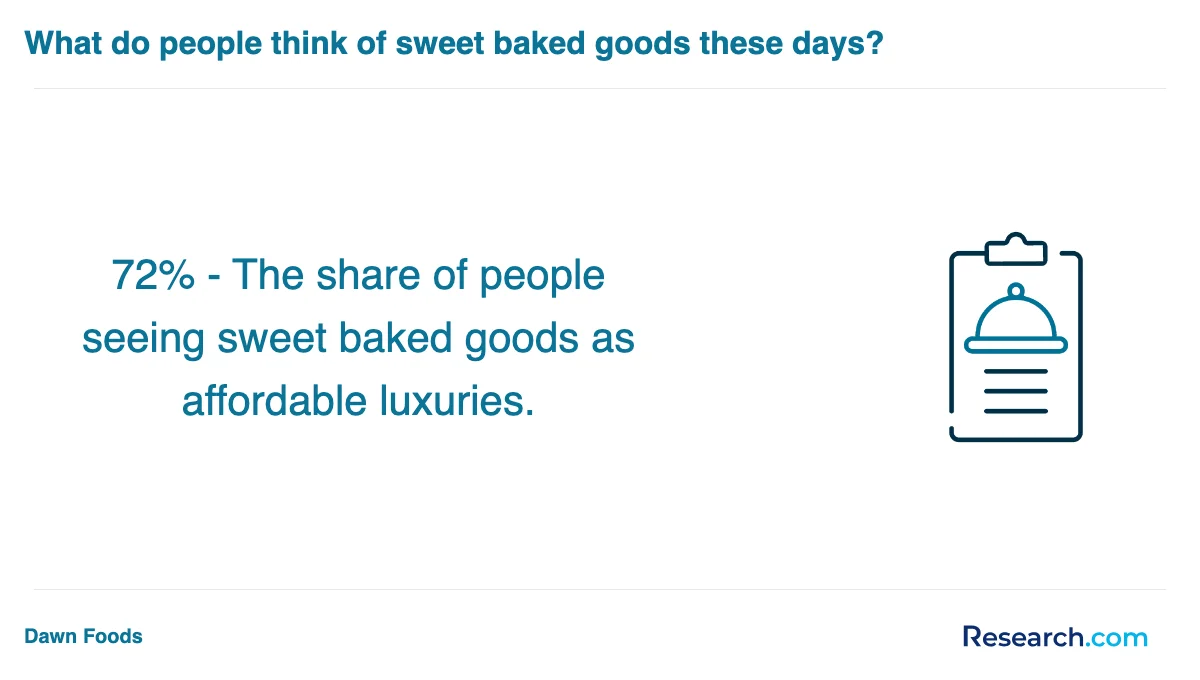
Baking and pastry students in Utah can rely on several financial aid options that make training more affordable. Most begin by applying for federal financial aid through the FAFSA, unlocking access to grants, loans, and work-study programs that help cover tuition and supplies. For instance, graduates from Mountainland Technical College often recall how federal aid eased their upfront costs, letting them focus on mastering artisan baking skills.
Many Utah technical schools, like Dixie Technical College, also offer institutional scholarships and grants tailored to baking and pastry students. These are frequently merit-based or need-based, rewarding dedication and financial need. Graduates often share how receiving these scholarships helped them afford quality instruction without overwhelming debt.
Flexible payment plans are another practical option, allowing students to spread tuition payments over time. This approach is especially helpful for those who don't qualify for federal aid but still want to commit to their education steadily.
Veterans and their dependents can access GI Bill® benefits at programs like Mountainland's Artisan Baking course, providing crucial support for those transitioning into culinary careers. High school students attending these schools may even attend tuition-free, paying only for materials, lowering barriers to entry and encouraging early career exploration.
Some students also benefit from external scholarships through partnerships with industry groups and local restaurant associations, which can further reduce costs and open doors to professional networks.
To enroll in a baking and pastry trade school program in Utah, you typically need a high school diploma or GED. This basic academic requirement ensures you have the foundational skills to manage the coursework and hands-on training effectively.
Many programs also value prior experience, whether from casual baking at home or working in a kitchen. Graduates often share how their early experiments with family recipes sparked their passion and gave them a confidence boost when starting formal training.
Trade schools in Utah, such as those popular in Salt Lake City and Provo, might ask for a brief interview or a written statement. This helps them understand your motivation and commitment, which is crucial in a field that demands creativity and precision.
Physical stamina and manual dexterity are practical prerequisites since baking involves long hours on your feet and fine motor skills for decorating and shaping pastries.
- High school diploma or GED
- Basic baking experience preferred
- Interview or personal statement
- Physical endurance and manual dexterity
These requirements are designed to set you up for success, allowing you to enjoy the rewarding process of mastering baking techniques in Utah's supportive trade school environment.

In Utah baking and pastry trade schools, students dive right into essential courses that build a strong foundation for a career in the kitchen. Graduates often recall starting with fundamentals like baking terminology, kitchen equipment, and food safety-crucial knowledge that ensures confidence and compliance with health standards in any bakery setting.
Core baking skills come next, focusing on hands-on practice with yeast breads, pastries, cakes, cookies, pies, and tarts. For example, students at Mountainland Technical College and Salt Lake Culinary Education praise the variety of techniques taught, from traditional dough making to advanced decorating and artisan breads.
Programs also cover:
- Bakery math and formula conversions to master recipe scaling for commercial use
- Culinary nutrition and food service management, helping students grasp ingredient functions and business operations
- Industry professionalism, portfolio development, and career exploration to prepare for job hunting or entrepreneurship
At Park City Culinary Institute, graduates highlight specialized courses in French pastry classics like croissants and éclairs, taught by award-winning chefs, making the learning experience both challenging and rewarding.
Baking and pastry trade school programs in Utah typically offer specialized training tailored to distinct areas of the baking industry. Graduates often recall their focus on commercial baking techniques or pastry arts, depending on their chosen path. For instance, Commercial Baking Programs in Utah, like those at Salt Lake Technical College and SLICE, concentrate on large-scale baking production, ingredient management, and using commercial-grade equipment. This specialization equips students to step confidently into institutional kitchens or start their own ventures.
Pastry Arts Programs in Utah, such as those at Canyons College and Park City Culinary Institute, emphasize skills in creating delicate pastries, cake decorating, and artisan breads. Students find hands-on learning, from mastering croissants to crafting intricate sugar work, particularly rewarding.
Many students appreciate the flexibility of these programs, with options for on-campus or online courses, as seen at Park City Culinary Institute. Those seeking quick advancement might explore quick online associate degrees that lead to high paying jobs, blending practical culinary skills with career-ready credentials.
Choosing among the best baking and pastry trade schools in Utah means prioritizing hands-on training and program quality. Graduates from local programs often praise the real-world kitchen experience offered by schools like Salt Lake Culinary Education, where state-of-the-art facilities make learning tangible, and accelerated scheduling fits busy lives.
Location is critical; schools such as Mountainland Technical College provide strong local industry connections that help students secure internships, boosting confidence and job prospects after graduation. Alumni usually emphasize how these partnerships made entering Utah's culinary scene easier and more rewarding.
Program length and flexibility matter too. For many, balancing personal commitments with a baking program leads them to choose part-time or accelerated formats, such as the six-week course available at some Utah institutions. When researching, consider financial aid and scholarships to ease costs, and look for schools with recognized accreditation to ensure quality.
For those exploring options, investigating easy online associate degrees alongside in-person programs may offer valuable alternatives for managing time and expenses.
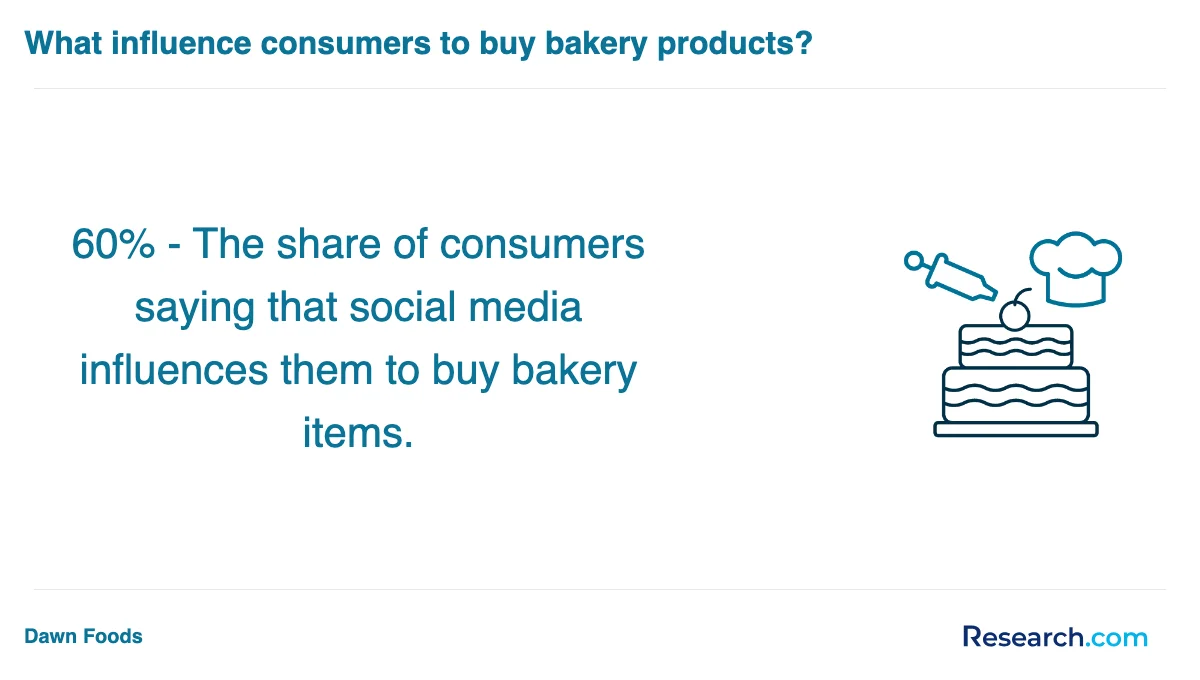
Graduates from Utah's baking and pastry trade schools step into a variety of rewarding career paths, reflecting the state's diverse food industry. Many find steady positions as bakers or pastry chefs in Salt Lake City's busy commercial bakeries, or in resort towns where pastry chef jobs in Salt Lake City Utah offer vibrant opportunities in upscale hospitality. Experience from popular trade schools in Utah helps these graduates confidently handle both traditional baking and inventive pastry techniques.
Others expand into restaurant and catering management, securing roles such as food service managers or head chefs, supported by the leadership skills honed during their training. Graduates often share how learning business fundamentals gave them the confidence to launch their own bakeries, cafes, or gourmet shops-turning their passion into a thriving local enterprise in Utah's growing food scene.
Additional roles include product development for food companies, culinary instruction, or food styling, demonstrating the flexibility of the skills acquired. For those curious about advancing further, exploring what jobs can a master's in hospitality management get you offers valuable insight into expanding career options beyond initial baking and pastry positions.
The baking and pastry job outlook in Utah shows strong promise for graduates of local trade schools, driven by the state's growing hospitality industry and consumer interest in artisanal baked goods. Graduates often find opportunities in bakeries, cafes, and restaurants throughout Utah, especially in expanding cities like Provo, where a thriving culinary scene values specialized skills and creativity from newly trained pastry chefs.
Typical wages vary by role and location: pastry chefs in Utah earn an average of $22.78 per hour, while cake decorators generally make around $14.21 per hour. In Provo, newly employed bakers report wages near $16 hourly, enough to live comfortably given the area's lower cost of living.
Graduates from Utah's popular trade schools point out several realistic benefits of entering this field:
- Steady job openings, with baker jobs expected to grow by 23.3% through 2026
- Diverse career opportunities within the state's active culinary market
- Pathways for career advancement based on skill development and experience
Those interested in expanding their career options can explore culinary online schools to enhance their credentials and increase employability. Passionate graduates who continuously refine their craft enjoy a positive trajectory in pastry chef employment opportunities Utah offers, balancing creativity with practical earning potential.
Best Baking, Pastry & Culinary Schools - Top Baking & Pastry Chef Schools in Utah for 2026
# 1 position
Salt Lake Community College - Baking and Pastry Arts/Baker/Pastry Chef.
certificate or diplomaSalt Lake Community College offers a hybrid Baking and Pastry Arts/Baker/Pastry Chef program that prepares students for professional roles in commercial baking. The curriculum covers bread and pastry making, handling, storage, cake decorating, and industry operations including packaging and marketing. The annual in-state tuition is $4,257. The program is accredited by the Northwest Commission on Colleges and Universities.
# 2 position
Utah Valley University - Baking and Pastry Arts/Baker/Pastry Chef.
certificate or diplomaUtah Valley University offers a program in Baking and Pastry Arts/Baker/Pastry Chef that prepares students to work professionally in restaurants and commercial baking establishments. The curriculum includes bread and pastry making, decorating, handling, storage, and baking industry operations. Annual in-state tuition is $6,270. The program is accredited by the Northwest Commission on Colleges and Universities.
Frequently Asked Questions about baking and pastry
After completing a baking and pastry trade school in Utah, preparing for the job market involves several important steps. First, developing a strong portfolio showcasing your baked goods can help demonstrate your skills to potential employers. Networking within local bakeries and culinary events in Utah is also valuable, as the state's food industry is growing steadily. According to the Utah Department of Workforce Services, employment for bakers is expected to grow by 6% through 2030. Additionally, obtaining food safety certifications, such as ServSafe, can improve job prospects. Finally, consider internships or apprenticeships to gain hands-on experience and build professional connections.
Employers in Utah's baking and pastry industry prioritize a combination of technical skills and practical experience when hiring trade school graduates. Key skills include proficiency in mixing, baking, and decorating techniques, which form the foundation of quality product creation. According to the U.S. Bureau of Labor Statistics and local Utah employment surveys, attention to detail and consistency are crucial for maintaining product standards in commercial kitchens.
Knowledge of food safety and sanitation practices is also highly valued, as these ensure compliance with state health regulations. Additionally, employers look for strong time management skills to handle fast-paced environments and meet production deadlines. Effective communication and teamwork abilities are important, given the collaborative nature of bakery operations.
Familiarity with specialized equipment and modern baking technology can provide graduates with a competitive edge in Utah's evolving culinary market. Overall, combining hands-on skills with an understanding of industry standards enhances employability for baking and pastry trade school graduates in Utah.
Finding internships in Utah related to baking and pastry trade school programs involves targeted research and networking. Many baking schools in Utah have partnerships with local bakeries, hotels, and restaurants that offer internship opportunities as part of their curriculum. Students should inquire directly with their school's career services or internship coordinators for available placements.
The Utah Department of Workforce Services publishes data showing growth in Utah's food services sector, indicating increasing internship opportunities. Job platforms like UtahFutures and local hospitality associations also list relevant internships. Additionally, attending industry events or joining culinary groups in Utah can connect students with employers seeking interns.
Obtaining a diploma from a baking and pastry trade school in Utah can significantly enhance career mobility within the state's culinary industry. Graduates often find it easier to enter skilled positions such as pastry chef, bakery manager, or food production supervisor. According to the U.S. Bureau of Labor Statistics, Utah's food preparation and serving-related occupations are projected to grow by 7% from 2022 to 2032, indicating rising demand for trained professionals.
Trade school diplomas provide practical skills and industry-recognized credentials, which employers in Utah value highly. This formal education can lead to higher starting wages and faster promotion opportunities compared to on-the-job training alone.
Additionally, many programs include internships and local partnerships that facilitate networking, further improving job prospects and career advancement in Utah's competitive foodservice market.
Students attending baking and pastry trade schools in Utah can benefit from several part-time job opportunities that enhance their practical skills. Working as a bakery assistant or prep cook in local bakeries and cafes offers hands-on experience with dough preparation, decorating, and customer service. Utah's growing food industry, particularly in cities like Salt Lake City and Provo, provides numerous such positions.
Employment in grocery stores' bakery departments is another common option, allowing students to apply classroom knowledge while earning income. According to the U.S. Bureau of Labor Statistics, Utah's employment of bakers is projected to grow 7% from 2022 to 2032, indicating increasing demand for skilled workers.
Additionally, catering companies and restaurants often hire part-time pastry helpers, giving exposure to large-scale production and event baking. These roles complement formal education by reinforcing time management and teamwork skills essential for bakery professionals.
If you are searching for the best Baking and Pastry degree programs near Utah, several universities and culinary institutes offer specialized courses and degree programs in this field. Programs may vary by institution, but some of the more recognized schools providing hands-on training and academic courses in baking and pastry arts can be found near Utah. For the most tailored and localized information, Research.com can be a helpful resource to identify some of the best culinary programs available near me.
- Best Baking, Pastry & Culinary Schools - Top Baking & Pastry Chef Schools in Arizona for 2026
- Best Baking, Pastry & Culinary Schools - Top Baking & Pastry Chef Schools in New Mexico for 2026
- Best Baking, Pastry & Culinary Schools - Top Baking & Pastry Chef Schools in California for 2026
- Best Baking, Pastry & Culinary Schools - Top Baking & Pastry Chef Schools in Oregon for 2026
- Best Baking, Pastry & Culinary Schools - Top Baking & Pastry Chef Schools in Texas for 2026
- Best Baking, Pastry & Culinary Schools - Top Baking & Pastry Chef Schools in Minnesota for 2026
- Best Baking, Pastry & Culinary Schools - Top Baking & Pastry Chef Schools in Iowa for 2026
- Best Baking, Pastry & Culinary Schools - Top Baking & Pastry Chef Schools in Arkansas for 2026
- Best Baking, Pastry & Culinary Schools - Top Baking & Pastry Chef Schools in Wisconsin for 2026
- Best Baking, Pastry & Culinary Schools - Top Baking & Pastry Chef Schools in Mississippi for 2026
- How to Get Your First Professional Job After Culinary School - A Guide for New Grads | Pacific Institute of Culinary Arts https://www.picachef.com/in-the-news/how-to-get-your-first-professional-job-after-culinary-school---a-guide-for-new-grads
- 14 Exciting Careers with a Baking and Pastry Arts Degree https://www.baker.edu/about/get-to-know-us/blog/careers-with-a-baking-and-pastry-arts-degree/
- 7 Career Options After a Diploma in Culinary Arts | Build Your Culinary Career https://www.tedcoeducation.com/career-after-diploma-in-culinary-arts
- What Are the Career Opportunities in Baking and Pastry? - Escoffier https://www.escoffier.edu/blog/culinary-pastry-careers/what-are-the-career-opportunities-in-baking-and-pastry/
- A Guide to Growth: How To Go from Culinary Student to Professional Chef | Institute of Culinary Education https://www.ice.edu/blog/guide-growth-how-go-culinary-student-professional-chef
- Career Opportunities in Baking and Pasty https://www.hrcacademy.com/en/blog/career-opportunities-for-bakers-and-pastry-chefs/
- Baking and Pastry School: Read This Before You Enroll - CulinaryLab https://culinarylabschool.com/baking-and-pastry-school/
- Top Baking & Pastry School In Salt Lake City, Utah | Salt Lake Culinary Education https://sliceutah.com/accelerated-professional-baking-pastry/
- Culinary Arts Institute | Utah Valley University https://www.uvu.edu/culinary/
- Pastry Chef Schools in Utah - Baking & Pastry Training https://okchef.org/pastry-chef/ut/





