Most Affordable Baking, Pastry & Culinary Schools - Top Baking & Pastry Chef Schools in Iowa for 2026

Co-Founder and Chief Data Scientist
Looking to start a rewarding career in baking and pastry arts? Choosing the right trade school in Iowa can make all the difference. This article introduces a baking and pastry trade school programs ranking created by the Research.com team of data scientists to help you find the best options for 2026.
Whether you want a diploma or certification, earning credentials in this field opens doors to creative and fulfilling work. Reading this guide will give you confidence and clarity as you explore affordable, quality programs tailored just for you.
Key benefits of finishing baking and pastry trade school in Iowa
- Graduates can expect starting wages around $12 to $15 per hour for bakers, with pastry chefs earning up to $23.50 per hour, offering strong potential for growth as skills improve.
- Career paths include roles like baker, pastry chef, or bakery supervisor, as seen with many successful graduates from Iowa's popular trade schools who quickly find rewarding local jobs.
- Completing a baking and pastry program online provides flexibility and convenience, allowing students to learn at their own pace while balancing work or family, as experienced by online graduates from well-known Iowa trade schools.
- Most Affordable Baking, Pastry & Culinary Schools - Top Baking & Pastry Chef Schools in Iowa for 2026
- What can I expect from baking and pastry trade schools in Iowa?
- Where can I work after finishing baking and pastry trade schools in Iowa?
What can I expect from baking and pastry trade schools in Iowa?
Enrolling in a baking and pastry trade school program in Iowa means diving into a hands-on, fast-paced learning experience designed to ignite your passion and sharpen your skills quickly. Graduates from schools like DMACC often recall the thrill of mastering artisan bread making, cake decorating, and even intricate chocolate and sugar work within just one year. Imagine spending your days in professional kitchens, surrounded by the aroma of fresh pastries, as you build confidence creating everything from classic yeast breads to international desserts.
Expect to start with essential kitchen safety and sanitation training, preparing you for real-world food service environments and certifications like ServSafe. As you progress, the focus expands to practical skills mixed with lessons in nutrition, menu planning, and cost controls-equipping you not only to bake but also to manage and lead in a busy bakery or restaurant.
Many students find joy in the summer work placements offered by Iowa's top programs, gaining invaluable workplace experience and forming connections that open doors after graduation. Whether aiming to work in local bakeries or launch your own business, Iowa's baking and pastry schools provide a direct, inspiring path toward turning your culinary dreams into reality.
Where can I work after finishing baking and pastry trade schools in Iowa?
Graduates from baking and pastry trade schools in Iowa step into a vibrant job market filled with exciting opportunities. Many find themselves crafting fresh breads and pastries as bakers in local bakeries, grocery stores, or specialty shops, where their skills are in high demand with over 170 openings statewide. Imagine starting your day surrounded by the aroma of warm dough in a bustling bakery, just like many recent graduates from top Iowa trade schools experience.
Others pursue careers as pastry chefs or assistants in hotels and restaurants, creating beautiful desserts and experimenting with new recipes. These roles offer hourly wages ranging from $14 to $31, rewarding creativity and dedication. Graduates often share how working in these dynamic kitchens fuels their passion and sharpens their craft.
Beyond traditional settings, many alumni embrace entrepreneurial dreams, opening bakeries or food trucks that bring their unique vision to their communities. Trade schools in Iowa also prepare students for roles in large-scale food manufacturing, offering stable hours and valuable benefits. With such diverse pathways, completing a baking and pastry program in Iowa means stepping into a world where your talents can truly flourish.
After completing a baking and pastry trade school program in Iowa, graduates find promising opportunities to turn their passion into a rewarding career. Many start as bakers earning around $11.15 per hour, with wages growing steadily to about $15.72 per hour as experience and skills improve. Imagine working early mornings in a bustling Cedar Rapids bakery, crafting fresh breads and treats while earning a solid income that reflects your dedication.
For those who specialize as pastry chefs, the financial rewards can be even more inspiring. Graduates often see annual salaries averaging $66,438, with some earning upwards of $72,000 by working in upscale restaurants or hotels. Picture yourself designing exquisite desserts in a popular Iowa City restaurant, where your artistry and training from a top trade school shine through.
Many graduates from Iowa's renowned baking and pastry programs share stories of how hands-on training, combined with real-world experience, quickly opened doors to better positions and higher pay. The journey is challenging but full of sweet success for those ready to rise.
- Most baking and pastry programs in Iowa take one to two years to complete, offering diplomas, certificates, or associate degrees.
- The Iowa Culinary Institute at DMACC offers a one-year Baking and Pastry Arts diploma covering topics like artisan breads, plated desserts, and cake decorating.
- Admission usually requires a high school diploma or GED, with some schools offering dual-credit courses for high school students.
- Tuition for a one-year program typically ranges from $4,000 to $7,000, with in-state tuition at community colleges generally more affordable.
- Entry-level baking and pastry jobs in Iowa pay between $25,000 and $32,000 annually, with potential to earn $40,000 or more with experience.
- The job market for baking and pastry professionals in Iowa is expected to grow by about 6% from 2020 to 2025.
Completing a baking and pastry trade school program in Iowa typically takes between 9 months and 1 year, depending on the school and the intensity of the curriculum. Many students at well-known Iowa trade schools find this timeline energizing because it strikes a perfect balance between focused skill-building and practical experience.
Graduates often share how immersive the experience felt-from early mornings mastering dough techniques to late afternoons perfecting chocolate tempering. This hands-on learning pace keeps motivation high and progress visible every day.
For those attending popular schools in Des Moines or Cedar Rapids, the structured schedules allow students to quickly transform their passion into real-world bakery skills. The relatively short duration means you can start baking professionally sooner, fueling dreams of opening your own bakery or joining a top pastry kitchen.
Many describe walking across the stage after their program feeling proud and ready, having gained not just techniques but the confidence to thrive in Iowa's vibrant culinary scene.
The key difference between online and on-campus baking and pastry programs in Iowa is the hands-on experience that on-campus students enjoy. Graduates from schools like the Iowa Culinary Institute at DMACC often recall the excitement of working side-by-side with instructors in fully equipped kitchens, where the warmth of the ovens and the scent of fresh bread create an inspiring learning environment. These face-to-face sessions allow students to master essential skills like dough kneading and cake decorating with immediate feedback, building confidence and technique in real time.
In contrast, online programs tend to focus more on theory-covering topics such as food safety and baking science through video lectures and assignments. While this approach offers flexibility, many online students find it challenging to replicate the tactile learning or camaraderie found in a bustling classroom. For aspiring bakers in Iowa, on-campus programs provide a vibrant, supportive community and practical skills that truly prepare them to succeed in the bakery world.
The average tuition for baking and pastry programs in Iowa typically ranges from $5,000 to $5,500 per year, making these trade schools an accessible option for aspiring bakers and pastry chefs. Graduates from institutions like the Iowa Culinary Institute at Des Moines Area Community College often recall their time mastering hands-on skills in a focused, one-year Baking Diploma program, appreciating the balance between cost and quality education. Similarly, students at Kirkwood Community College pursuing a Culinary Arts Degree with a specialization in Baking and Pastry Arts find value in the depth of their studies despite the slightly higher tuition.
Beyond tuition, hands-on learners know that budgeting for additional expenses like uniforms, baking tools, and textbooks-usually around $950 collectively-is vital for a smooth experience. These expenses are investments that help students build confidence and expertise through practical application in kitchens that feel like second homes. Many graduates describe these costs as stepping stones toward their professional dreams.
Financial aid, including federal grants and Iowa's Vocational-Technical Tuition Grants, offers real hope for reducing the cost of baking and pastry diploma programs in Iowa. Connecting with the financial aid office at each school unlocks opportunities that transform financial worries into excitement for future possibilities. For those weighing career options, exploring liberal arts degree jobs can also provide insight into diverse pathways after trade school, adding encouragement and motivation to every step of the educational journey.

Students chasing their dreams in baking and pastry at Iowa trade schools often find financial aid to be a true game-changer. Many graduates recall the relief of filing the FAFSA, unlocking federal grants like the Pell Grant and federal student loans that eased their tuition worries. Nearly every baking program in Iowa, from community colleges to specialized trade schools, requires this step, making it a crucial gateway to support.
State aid programs, such as the Future Ready Iowa Last-Dollar Scholarship, have been a lifeline for students passionate about culinary arts. Imagine being an adult learner or a recent graduate qualifying for this scholarship simply by meeting income criteria and residency requirements-covering tuition and allowing focus on perfecting pastries without financial stress.
Institutional scholarships at schools like Eastern Iowa Community Colleges add another layer of encouragement. Many baking students share stories of receiving awards averaging around $2,097, which felt like a personal vote of confidence in their talent and hard work. Work-Study opportunities also stand out, offering hands-on experience in kitchens while helping with living expenses-a perfect blend of earning and learning.
To enroll in a baking and pastry trade school program in Iowa, you typically need a high school diploma or GED. This foundational requirement ensures you have the essential skills to thrive in hands-on, creative environments like those at popular Iowa trade schools.
Many graduates recall arriving with a passion for baking but little formal experience. Trade schools in Iowa often encourage applicants to have some basic kitchen familiarity, whether from home baking or part-time work in local bakeries. This background sparks confidence and eagerness to learn advanced techniques.
Common prerequisites include:
- High school diploma or equivalent
- Basic math and reading skills
- A genuine enthusiasm for baking and creativity
- Ability to commit to intensive, practical learning
One graduate shared how their initial love for weekend baking with family transformed into a professional journey after meeting fellow students at an Iowa trade school. These programs not only accept diverse backgrounds but celebrate the excitement and determination students bring into every class.
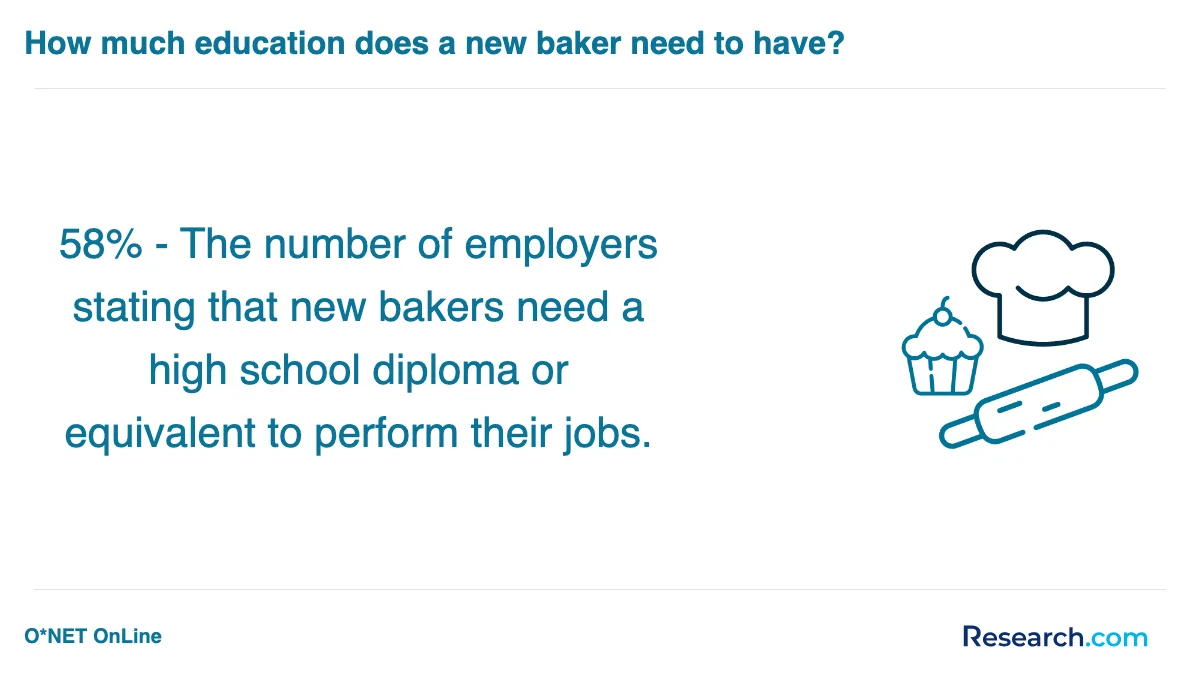
Students enrolling in baking and pastry trade schools in Iowa, such as Des Moines Area Community College and Eastern Iowa Community Colleges, embark on an exciting journey through hands-on courses that build confidence and skill. Graduates often recall how foundational classes like Sanitation & Safety prepared them for real kitchen environments by teaching essential food safety practices and certifications like ServSafe.
Core baking courses cover:
- Fundamentals of Baking - mastering breads, cookies, cakes, and pastries with practical techniques
- Artisan and International Breads - exploring dough science and global bread styles
- Plated Desserts and Cake Decorating - developing creativity and precision for beautiful presentations
- Chocolate and Sugar Work - crafting confections and showpieces that delight the senses
Many students describe these lessons as transformative, turning simple ingredients into edible art. Alongside baking, trade schools emphasize nutrition, applied math, and communication skills, ensuring graduates feel ready to manage both the creative and business sides of baking.
Practical experience through externships also gives Iowa students the confidence to thrive in bakeries and restaurants, making the leap from classroom passion to professional success.
Baking and pastry trade school programs in Iowa offer exciting specializations that ignite creativity and technical mastery. Graduates from popular schools like the Iowa Culinary Institute at DMACC, Iowa Central Community College, and Kirkwood Community College often recall hands-on experiences crafting artisan breads, intricate cake decorating, and perfecting international pastries. These Iowa baking and pastry trade school specializations include:
- Artisan Bread Making - refining crust textures and flavors through time-honored techniques
- Cake Decorating - learning to design stunning celebration cakes with professional skills
- International Pastries - exploring diverse cultural desserts to broaden culinary horizons
- Food Safety and Cost Control - crucial knowledge to manage kitchen operations confidently
Students treasure the opportunity to create showpieces and confections that delight both the eyes and palate, preparing them for vibrant bakery and restaurant careers. If you're dreaming of mastering these skills, check out how much does it cost to study culinary arts to explore your options and take the next step toward a rewarding future in baking and pastry arts programs in Iowa.
Choosing from the best baking and pastry trade schools in Iowa means focusing on accredited programs that combine hands-on training with strong theoretical foundations. Graduates from the Iowa Culinary Institute at Des Moines Area Community College often highlight how their exposure to artisan breads, plated desserts, and detailed cake decoration prepared them confidently for real kitchens. Practical experience integrated with expert instruction creates a vibrant learning environment that many students find inspiring and motivating.
Top-rated baking and pastry programs in Iowa, such as the one at Kirkwood Community College, emphasize affordability and support, offering certificates that include tools and materials within a $3,500 tuition. Students appreciate the financial aid options that make these programs accessible, sparking hope and determination. Choosing a program with flexible schedules-whether accelerated or part-time-helps students juggle life commitments without sacrificing their passion. Many graduates credit such thoughtful program structures for their successful career launches.
When exploring your path, consider programs offering strong career support, job placements, and local internships. This real-world connection can make all the difference in your future. For additional insights into pursuing rewarding culinary education options, explore easy certifications that pay well.
Graduates of baking and pastry trade school programs in Iowa step into a world rich with diverse career opportunities. From hands-on roles in local bakeries and grocery store bakeries to creative positions such as cake decorator and plated dessert chef in fine dining, the possibilities are exciting and numerous. Iowa's popular trade schools, like the Iowa Culinary Institute and Eastern Iowa Community Colleges, equip students with both practical skills and artistic techniques, fostering confidence and readiness to excel. Many find joy starting as bakery assistants or apprentices before advancing to supervisory roles, managing staff and daily bakery operations with pride.
For those eager to expand horizons, career opportunities for bakers in Iowa include:
- Working as chocolatiers and wedding cake designers in specialized shops
- Joining large food service chains or independently owned bakeries to gain versatile experience
- Launching their own bakery or dessert business, fulfilling entrepreneurial dreams
Certification like ServSafe is a valued asset that boosts employability in this competitive market. Some graduates even pursue an Associate of Applied Science to deepen their expertise and open doors further. Exploring quick associate degrees online that pay well can be a smart next step to enhance one's career path.
Today's graduates thrive in an environment where baking and pastry jobs in Iowa continue to grow, inspiring passion and success throughout the state's vibrant culinary scene.
Graduates of baking and pastry trade schools in Iowa step into a vibrant job market with promising growth. The baking and pastry job outlook in Iowa shows an impressive 11.8% projected growth for baker positions, surpassing the national average. Many graduates from popular trade schools in Des Moines and Cedar Rapids celebrate landing roles in local bakeries and cafes, feeling encouraged by steady demand fueled by new food businesses opening statewide.
Career growth shines especially bright in cities like Iowa City, where bakery career opportunities for graduates in Iowa expand beyond entry-level baking to specialized pastry chef roles and management. Graduates often describe their journeys evolving from hands-on baking skills to roles with leadership responsibilities, attracted by the chance to grow as bakery managers despite Iowa's modest wage scale.
With realistic wage expectations, there's clear motivation to advance skills or explore complementary fields such as hospitality management. Graduates interested in this path find valuable insight in ms in hospitality management careers, opening even broader options within the food industry.
Most Affordable Baking, Pastry & Culinary Schools - Top Baking & Pastry Chef Schools in Iowa for 2026
# 1 position
Kirkwood Community College - Baking and Pastry Arts/Baker/Pastry Chef.
certificate or diplomaKirkwood Community College offers a hybrid Baking and Pastry Arts/Baker/Pastry Chef program designed to prepare students for careers as professional bakers and pastry specialists. The curriculum covers bread and pastry making, handling, decorating, baking industry operations, packaging, marketing, and service. The annual in-state tuition is $5,980. The program is accredited by the Higher Learning Commission, providing a blend of distance education and hands-on training.
# 2 position
Iowa Central Community College - Baking and Pastry Arts/Baker/Pastry Chef.
certificate or diplomaIowa Central Community College offers a Baking and Pastry Arts/Baker/Pastry Chef program with a hybrid format, including some distance education options. The program prepares students to work as professional bakers and pastry specialists in commercial settings, covering bread and pastry making, decorating, handling, storage, and baking industry operations. Annual in-state tuition is $5,376. The program is accredited by the Higher Learning Commission.
# 3 position
Iowa Western Community College - Baking and Pastry Arts/Baker/Pastry Chef.
associateIowa Western Community College offers a hybrid Baking and Pastry Arts/Baker/Pastry Chef program designed to prepare students for professional roles in commercial baking establishments. The curriculum includes bread and pastry making, decorating, handling, storage, and operations related to marketing and product packaging. The annual in-state tuition is $6,780. The program is accredited by the Higher Learning Commission, providing flexible learning options with some distance education components.
Frequently Asked Questions about baking and pastry
After completing a baking and pastry trade school in Iowa, preparing for the job market involves several key steps. Graduates should start by building a professional portfolio showcasing their skills and creations. Networking is crucial; attending local food festivals, trade shows, and joining organizations like the Iowa Restaurant Association can open doors to job opportunities.
Internships or apprenticeships provide valuable hands-on experience and often lead to employment. According to the U.S. Bureau of Labor Statistics, Iowa's demand for bakers is projected to grow by 6% through 2031, reflecting steady job prospects. Additionally, gaining food safety certifications such as ServSafe enhances employability in this competitive field.
Employers in Iowa's baking and pastry industry prioritize a mix of technical skills and workplace competencies when hiring trade school graduates. Proficiency in dough preparation, cake decorating, and pastry techniques is essential, as these foundational skills directly impact product quality. According to the Iowa Workforce Development, hands-on experience with commercial baking equipment significantly improves job prospects.
Moreover, employers value strong time management and the ability to work efficiently under pressure, especially in busy bakery settings. Attention to detail and creativity are also critical, helping bakers produce visually appealing and flavorful products. Good communication skills and teamwork are important since many bakery roles require collaboration in fast-paced environments.
Understanding food safety standards and maintaining cleanliness is mandatory, aligning with state health regulations. Trade school programs that emphasize these skills tend to produce graduates who meet employer expectations effectively.
Finding internships in Iowa related to baking and pastry trade school programs involves several practical steps. Start by contacting local community colleges and trade schools, as many maintain partnerships with bakeries and food service businesses. The Iowa Department of Education and Iowa Workforce Development websites often list apprenticeship and internship opportunities in culinary fields. According to the U.S. Bureau of Labor Statistics, food preparation and serving-related jobs in Iowa are projected to grow by 5% through 2030, increasing internship availability.
Networking is crucial; attending local culinary events and joining professional groups like the Iowa Restaurant Association can connect students with employers. Additionally, students should inquire directly with bakeries, hotels, and cafes about internship openings, as many opportunities are not formally advertised.
Obtaining a baking and pastry trade school diploma in Iowa can significantly enhance career mobility and advancement opportunities within the state's culinary industry. According to data from the Iowa Workforce Development, skilled baking professionals with formal training often experience faster job placement and higher starting wages compared to those without diplomas.
Trade schools provide practical skills and certifications that meet local employer demands, improving graduates' competitiveness in the job market. Many Iowa bakeries and food service establishments prefer candidates who have completed accredited programs due to their hands-on experience and knowledge of food safety standards.
Moreover, graduates can pursue specialized roles, such as pastry chefs or bakery managers, which typically require formal credentials. The Iowa Department of Education highlights that diploma holders have greater potential for wage growth and career progression within the state's culinary sector.
Part-time job opportunities in Iowa that complement baking and pastry trade school education include positions in bakeries, cafes, and grocery stores. Many students find roles as bakery assistants or pastry clerks, gaining hands-on experience while managing school schedules. According to the U.S. Bureau of Labor Statistics (BLS), Iowa's food preparation and serving-related occupations are expected to grow by 8% from 2022 to 2032, supporting entry-level job availability.
Working in local bakeries or restaurants allows students to apply techniques learned in class and develop customer service skills. Opportunities also exist in catering companies and farmers markets, offering flexible hours.
To choose the most affordable Baking and Pastry degree program near me in Iowa, begin by researching local community colleges and universities that offer these programs, as they typically have lower tuition rates than private institutions. Consider reaching out to the admissions or financial aid offices to inquire about scholarships, grants, and work-study opportunities that can reduce overall costs. Utilizing resources like Research.com can help identify programs near Iowa that align with your budget and educational goals.
- Most Affordable Baking, Pastry & Culinary Schools - Top Baking & Pastry Chef Schools in Minnesota for 2026
- Most Affordable Baking, Pastry & Culinary Schools - Top Baking & Pastry Chef Schools in Wisconsin for 2026
- Most Affordable Baking, Pastry & Culinary Schools - Top Baking & Pastry Chef Schools in Illinois for 2026
- Most Affordable Baking, Pastry & Culinary Schools - Top Baking & Pastry Chef Schools in Michigan for 2026
- Most Affordable Baking, Pastry & Culinary Schools - Top Baking & Pastry Chef Schools in Kentucky for 2026
- Most Affordable Baking, Pastry & Culinary Schools - Top Baking & Pastry Chef Schools in Arkansas for 2026
- Most Affordable Baking, Pastry & Culinary Schools - Top Baking & Pastry Chef Schools in Colorado for 2026
- Most Affordable Baking, Pastry & Culinary Schools - Top Baking & Pastry Chef Schools in Mississippi for 2026
- Most Affordable Baking, Pastry & Culinary Schools - Top Baking & Pastry Chef Schools in Georgia for 2026
- Most Affordable Baking, Pastry & Culinary Schools - Top Baking & Pastry Chef Schools in Texas for 2026
- Culinary Arts: Baking and Pastry Certificate - Iowa Western Community College https://www.iwcc.edu/academic_programs/business/culinary-arts-baking-and-pastry-certificate/
- Baking | EICC https://eicc.edu/classes-programs/pathway/culinary-education/baking/default.aspx
- Iowa Central: Culinary Arts & Hospitality Management Program https://www.iowacentral.edu/business/baking_pastry_arts_diploma/index.asp
- Application – Iowa State University Dining https://www.dining.iastate.edu/job-opportunities/application/
- Salary for Bakers in IA https://www.classet.org/salary/51-3011.00/IA
- Pastry Chef Salary in Iowa (August 01, 2025) | Salary.com https://www.salary.com/research/salary/benchmark/pastry-chef-salary/ia
- Baking Diploma at the Iowa Culinary Institute at DMACC https://www.dmacc.edu/ici/baking.html
- Pastry Chef Schools in Iowa - Baking & Pastry Training https://okchef.org/pastry-chef/ia/
- Program: Culinary Arts: Baking and Pastry Art, A.A.S. - Iowa Western Community College - Modern Campus Catalog™ https://catalog.iwcc.edu/preview_program.php
- Culinary & Hospitality Management, AAS Degree - Iowa Lakes Community College https://iowalakes.edu/program/culinary-hospitality-management-aas/