Best Baking, Pastry & Culinary Schools - Top Baking & Pastry Chef Schools in Midwest for 2026

Co-Founder and Chief Data Scientist
Choosing the right baking and pastry trade school in the Midwest can shape your future in a deliciously rewarding career. This article introduces a carefully crafted ranking of baking and pastry trade school programs developed by the Research.com team of data scientists.
By exploring these top programs, you’ll gain valuable insights to help make an informed decision that fits your goals and passions.
Whether you seek a diploma or certification, investing in your skills opens doors to creativity, job opportunities, and personal growth in the culinary arts.
Key benefits of finishing baking and pastry trade school in Midwest
- Graduates from baking and pastry trade schools in the Midwest can expect starting wages around $14.90 to $17.33 per hour, with opportunities to earn up to $22.60 as they gain experience.
- A graduate from a well-known Midwest trade school often finds diverse career paths, including bakery assistant, pastry cook, or even pastry chef at boutique bakeries or high-end restaurants.
- Completing a baking and pastry program online offers flexibility and convenience, enabling graduates to balance work and study while gaining skills that employers in the Midwest highly value.
- Best Baking, Pastry & Culinary Schools - Top Baking & Pastry Chef Schools in Midwest for 2026
- What can I expect from baking and pastry trade schools in Midwest?
- Where can I work after finishing baking and pastry trade schools in Midwest?
What can I expect from baking and pastry trade schools in Midwest?
Expect a hands-on adventure from day one at a Midwest baking and pastry trade school. Graduates often recall the thrill of mastering foundational techniques like kneading dough and lamination, working side-by-side with professional equipment in kitchens bustling with energy. Imagine practicing delicate foaming or blending in a bright, modern lab where every whisk and spatula shapes your future craft.
As you progress, specialized courses dive into the art of chocolates, custards, and cake decoration-skills that graduates say bring both challenge and joy, especially when presenting creations during tastings or simulated retail environments. Midwest programs also mix in bakery management lessons, so you're not just baking but learning to run a thriving business, from staff training to event catering.
Many students appreciate the real-world readiness these schools offer, including ServSafe certifications and communication skills that prepare you for the fast-paced kitchen life. The experience is demanding yet rewarding, building stamina and dexterity while fueling your passion for pastry arts.
Where can I work after finishing baking and pastry trade schools in Midwest?
Graduates of baking and pastry trade schools in the Midwest find themselves stepping into vibrant careers filled with creativity and hands-on excitement. Imagine working as a pastry chef in a bustling Chicago hotel's dessert kitchen, crafting delicate pastries that delight guests. Or picture yourself in a cozy local bakery in Minneapolis, mastering artisan breads that keep the community coming back for more. Many alumni from popular Midwest trade schools recall the thrill of decorating custom cakes for weddings and celebrations, turning their passion into tangible joy for customers.
Beyond bakeries and cafés, graduates often explore roles as chocolatiers in boutique shops, where they handcraft exquisite confections, or as pastry cooks designing dessert menus at upscale restaurants in Detroit. Others find rewarding work teaching baking skills at community colleges or launching their own small businesses, fueled by the practical knowledge gained in their programs. The Midwest's diverse hospitality and catering industries offer endless opportunities to turn a trade school diploma into a fulfilling career filled with flavor and flair.
After finishing a baking and pastry trade school program in the Midwest, many graduates step into roles where starting salaries hover around the national median. Imagine landing your first job at a cozy bakery in Chicago or a bustling catering company in Minneapolis, earning about $36,650 a year, which breaks down to roughly $17.62 an hour. This is a solid start, especially when you consider the hands-on training you received at top Midwest schools known for blending tradition with innovation.
For those who dive deeper into pastry arts and earn certifications like the Certified Working Pastry Chef (CWPC), the paycheck can get sweeter-around 20% higher than uncertified peers. Graduates from these programs often find themselves crafting exquisite desserts in upscale restaurants or specialty bakeries, pulling in salaries closer to the national average of $56,600 for pastry chefs.
Experience and skill-building open doors to management and supervisory roles, meaning your passion and hard work can quickly translate into rising income and exciting career growth across the Midwest's vibrant food scene.
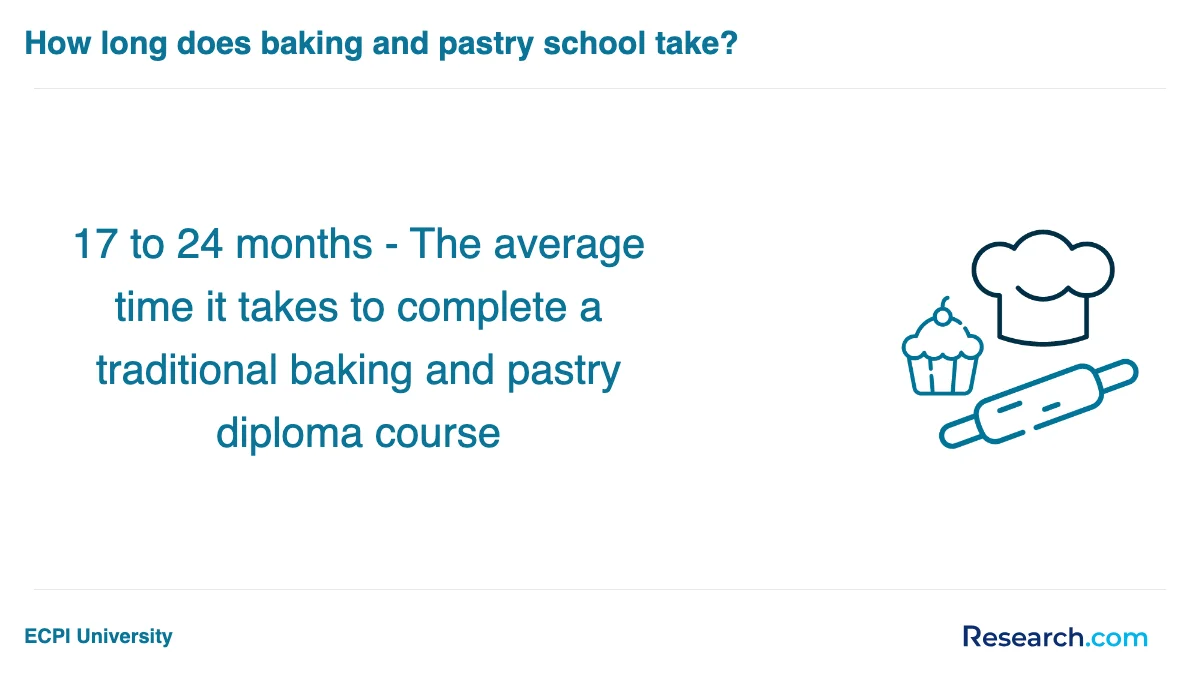
- Baking and pastry programs in the Midwest typically take two years or less and offer certificates or associate degrees.
- Tuition costs range from about $6,000 to $7,000 for certificates and $13,000 to $15,000 for associate degrees, with additional fees for supplies and textbooks.
- Programs cover food preparation, baking technology, pastry arts, food safety, and business skills, often including paid internships or hands-on experience.
- Admission usually requires a high school diploma or GED, and some schools require physical stamina and a minimum GPA for technical courses.
- Starting salaries for graduates range from $27,000 to $35,000 annually, with experienced professionals earning up to $60,000 or more.
Completing a baking and pastry trade school program in the Midwest typically takes anywhere from six months to one year, depending on the school and curriculum intensity. Many graduates from popular Midwest trade schools describe the experience as a whirlwind of hands-on learning, quickly transforming their passion into practical skills. Imagine spending your days kneading dough and perfecting delicate pastries, all while gaining real-world techniques that employers crave.
Some programs are designed for speed, ideal for those eager to jump straight into the kitchen, while others offer more comprehensive training that includes management and advanced baking methods, stretching close to a year. Graduates often share how the balance of classroom instruction and kitchen practice helped build their confidence rapidly, making the time feel both challenging and rewarding.
For aspiring bakers in the Midwest, this timeline means you can start crafting artisan breads or elegant desserts within months, fueling your culinary dreams with both excitement and skill in a region known for its strong food culture.
Online baking and pastry programs in the Midwest offer a flexible path to mastering sweet creations right from your own kitchen. Graduates often recall the thrill of juggling work or family while watching virtual demonstrations and submitting assignments on their own schedule. For instance, students at the Institute of Culinary Education love how they can dive into foundational techniques remotely, then bring their skills to life during a hands-on industry externship.
In contrast, on-campus programs like those at the Culinary Institute of Michigan deliver an immersive experience filled with the hum of mixers and the scent of fresh dough. Graduates treasure the immediate feedback from instructors and the camaraderie formed while working side-by-side in professional kitchens. The College of Lake County's certificate program, for example, adds excitement with real customer service at a student-run restaurant, turning lessons into lively, tangible moments.
Both paths cover essentials like food safety and ingredient science, but online students become resourceful creators at home, while on-campus learners thrive amid commercial-grade equipment and bustling labs.
The cost of attending a baking and pastry trade school program in the Midwest varies, but students often find it to be a practical investment in their future. For instance, graduates from Chippewa Valley Technical College in Eau Claire typically pay around $6,800 for a one-year program that blends hands-on experience with professional kitchen skills. Meanwhile, those attending Lakeshore Technical College can complete a one-semester Culinary and Baking Basics diploma for roughly $2,510, an affordable path for beginners eager to roll up their sleeves and create.
Students from McHenry County College appreciate the variety of program lengths and costs, with tuition for their baking certificates ranging between about $3,100 to nearly $5,000, offering flexibility depending on how deep they want to dive into the art of pastry. On the other hand, those drawn to more intensive study might look to Southwestern Illinois College, where a comprehensive certificate demands closer to $10,600 but equips learners with advanced baking techniques and sanitation skills.
For aspirants ready to embrace an immersive journey, the French Pastry School in Chicago presents a specialized 20-week course for approximately $23,700, a premium experience focused solely on the craft of pastry making. These examples help outline the average tuition for Midwest baking and pastry programs, which can vary widely but reflect the depth and quality of instruction. Graduates often recall their excitement stepping into cutting-edge kitchens, fueled by passion and supported by instructors who bring bakery dreams to life.
Considering the high paying jobs trade school graduates might access, many find the initial costs worthwhile. Understanding the cost of baking and pastry trade schools in the Midwest empowers future students to plan wisely, balancing their budget with ambition to join the rewarding world of baking and pastry arts.
Imagine landing in the heart of Midwest culinary arts, where financial aid opens doors to your baking dreams. Students at Waukesha County Technical College find relief through federal student aid like Pell Grants and loans by simply filling out the FAFSA each year-making those delicious pastry goals feel within reach. Graduates often recall how these resources transformed their journey, turning tuition worries into sweet success stories.
Then there are the school-specific scholarships and grants, like the Pat Fischer Culinary Arts Grant at Dorsey College in Michigan, which can shave off up to $1,200 from tuition for passionate baking students. Others studying at the College of Lake County benefit from scholarships based on both need and achievement, lifting the financial weight while they perfect their craft.
State grants and workforce programs target high-demand fields-culinary arts included-offering extra support for supplies or fees. The savvy baking student explores every avenue: federal, state, and local aid, plus institutional support, creating a patchwork of funding that makes the Midwest baking dream achievable and exciting.
Dreaming of mastering the art of baking and pastry in a Midwest trade school? Most programs expect you to have a high school diploma or GED-basic, but essential to start your journey. Graduates often recall that a genuine passion for baking, even just experimenting at home, gave them an edge during admissions.
Schools like those in Chicago or Minneapolis appreciate when applicants bring a bit of hands-on experience. This might mean:
- Volunteering at local bakeries or cafes
- Completing a food safety certification
- Basic knowledge of kitchen safety and hygiene
Many students share how having these prerequisites made the transition into their rigorous programs smoother and more exciting. Imagine stepping into a bustling Midwest trade school kitchen, confident because you've already nailed some basics at home or work.
Additionally, enthusiasm and a willingness to learn often matter just as much as formal credentials. Admissions staff love candidates who show up eager, ready to mix, knead, and create with joy and curiosity.
Midwest baking and pastry trade schools dive deep into the art and science of creating mouthwatering treats. Graduates often recall starting with foundational courses that reveal the secrets behind artisan breads, flaky pastries, and delicate petits fours. Imagine mastering creaming, blending, and lamination techniques that transform simple ingredients into bakery magic.
Students quickly discover the importance of food safety and sanitation. They learn to navigate hygiene protocols, pest control, and industry standards like HACCP, essential for any professional kitchen. This practical knowledge ensures confidence when handling real-world bakery challenges.
As classes advance, many students relish the chance to craft elaborate celebration cakes and European tortes, honing skills in piping and fondant work. Popular Midwest trade schools often offer hands-on experiences in student-run cafes, where learners showcase their creations to enthusiastic customers.
Business-minded bakers appreciate coursework in bakery management, pricing, and regulations, preparing them to launch or lead successful ventures.
- Introductory baking and pastry arts fundamentals
- Food safety, sanitation, and HACCP compliance
- Advanced pastries, cake decoration, and showpieces
- Bakery management and business operations
- Practicums or internships in real bakery settings
In the Midwest, baking and pastry trade school programs offer exciting specializations that bring your culinary dreams to life. Graduates frequently praise the hands-on approach at schools like Waukesha County Technical College, where a 26-credit diploma immerses students in artisan breads and cake decorating, blending technical skill with creativity. Imagine mastering cake designing at Milwaukee Area Technical College, where perfecting sugar arts turns into a joyful craft shaping future celebrations.
Typical specializations include:
- Baking and Pastry Management: Combines baking skills with business savvy, as seen in Fox Valley Technical College's Associate Degree, preparing graduates to handle bakery production, cost, and staffing.
- Baking and Pastry Production: Focuses on extensive lab hours to create everything from tarts to pastries, fueling both technical mastery and safety awareness.
- Artisan Bread: Programs like the French Pastry School's "L'Art de la Boulangerie" cultivate expertise in traditional and organic bread making.
- Cake Decorating and Sugar Arts: Specialized classes hone artistic skills needed for beautifully designed desserts.
These programs skillfully combine culinary arts with practical knowledge, including food safety and business management, crafting graduates ready for diverse baking industry roles. For those considering the easiest associate's degree to get, these Midwest trade schools offer inviting paths full of passion and opportunity.
Choosing the best Midwest baking and pastry programs means diving into accreditation, hands-on experience, and faculty expertise. Graduates from schools like Baker College and National Louis University rave about the blend of rigorous coursework and real-world baking labs, where flour dust and creativity fill the air. Imagine mastering delicate croissants in a modern kitchen under the guidance of seasoned chefs who truly care about your growth. It's not just about the recipes; it's about feeling confident in your skills and knowing your diploma holds weight in the industry.
When you compare Midwest pastry schools, consider how each program aligns with your career goals. Are you after a quick certificate or a full associate degree? Do you want internships that connect you with local bakeries? Community colleges like Milwaukee Area Technical College offer affordable paths with strong industry ties, making the journey both exciting and practical. Many students find that exploring financial aid options transforms their dream into reality-some even discover the quickest online associates degree that pay well, adding flexibility to their education.

Graduates of baking and pastry trade school programs in the Midwest find themselves stepping into a thriving job market brimming with opportunities. Many jump into baker and pastry chef roles, where the craft of bread-making and cake decorating comes alive in bustling bakeries, grocery stores, and hotel kitchens. Midwest baking and pastry chef jobs often surface in exciting urban hubs like Minneapolis and Detroit, where creativity blossoms in custom cake design and dessert program management.
The paths don't stop there-graduates often expand into food manufacturing, product development, and retail management, gaining hands-on experience in quality assurance or even leading production teams. Entry-level roles like pastry cook or sous chef in Illinois kitchens provide invaluable experience and a stepping stone into advanced culinary careers. Popular trade schools in the Midwest equip students with skills that open doors to roles in packaging, delivery, and retail sales, crafting a versatile foundation.
- Work as specialized bakers or pastry chefs in artisan bakeries
- Advance to management roles in food production or retail
- Explore roles in quality assurance and product development
Graduates often describe a rewarding journey where every day blends passion with opportunity. For anyone curious about climbing the ranks or shifting between roles, learning about the career path restaurant manager hospitality offers insightful guidance on thriving in hospitality sectors beyond the kitchen.
The job market for baking and pastry trade school graduates in Midwest is alive with steady opportunity and room to grow. Graduates often find themselves stepping into roles at retail bakeries, grocery stores, and bustling restaurants, where their skills shine daily. Employment growth aligns with national trends, projected to increase by 5 percent, promising about 40,400 openings annually as experienced bakers retire or move on. For those who trained at popular Midwest trade schools, this means a welcoming hiring atmosphere with competitive wages. Median hourly rates hover around $18.52 in Central Minnesota, but can climb beyond $23 per hour depending on the job setting.
Many graduates pursuing baking and pastry careers marvel at the positive outlook, with pastry chef positions expected to surge by 15 percent nationwide. Salaries are climbing too-up to $44,879 in 2025, a 24 percent jump in recent years. Students often share how hands-on training at Midwest institutions prepares them to tackle industry challenges with confidence, bringing vibrant creativity into kitchens.
What makes this even more exciting? Strong demand from younger generations eager for sweet treats keeps the scene dynamic. Still, grads remain aware of ingredient price changes and supply chain shifts that require adaptability. For Midwestern students seeking affordable education options and clear career paths, exploring the cheapest baking and pastry arts class online can be a savvy move toward a fulfilling culinary future.
Best Baking, Pastry & Culinary Schools - Top Baking & Pastry Chef Schools in Midwest for 2026
# 1 position
Washtenaw Community College - Baking and Pastry Arts/Baker/Pastry Chef.
associateWashtenaw Community College offers a hybrid Baking and Pastry Arts/Baker/Pastry Chef program focused on training individuals for professional roles in commercial baking. The curriculum covers bread and pastry making, handling, storage, decorating, and baking industry operations. Annual in-state tuition is $2,736. Graduates earn a median income of $33,382 one year after completion. The program is accredited by the Higher Learning Commission.
# 2 position
Washtenaw Community College - Baking and Pastry Arts/Baker/Pastry Chef.
certificate or diplomaWashtenaw Community College offers a hybrid Baking and Pastry Arts/Baker/Pastry Chef program that prepares students for professional roles in commercial baking. The curriculum includes bread and pastry making, handling, storage, decorating, and baking industry operations. Annual in-state tuition is $2,736. Graduates have median earnings of $33,382 one year after completion. The program is accredited by the Higher Learning Commission.
# 3 position
International Culinary Arts and Sciences Institute - Baking and Pastry Arts/Baker/Pastry Chef.
certificate or diplomaA program that prepares individuals to serve as professional bakers and pastry specialists in restaurants or other commercial baking establishments. Includes instruction in bread and pastry making, bread and pastry handling and storage, cake and pastry decorating, baking industry operations, product packaging and marketing operations, and counter display and service.
# 4 position
Cincinnati State Technical and Community College - Baking and Pastry Arts/Baker/Pastry Chef.
associateCincinnati State Technical and Community College offers a hybrid Baking and Pastry Arts/Baker/Pastry Chef program that prepares students for professional roles in baking and pastry specialties. The program covers bread and pastry making, decorating, storage, industry operations, and marketing. Annual in-state tuition is $5,400. Graduates earn a median salary of $36,330 one year after completion. The program is accredited by the Higher Learning Commission.
# 5 position
Cincinnati State Technical and Community College - Baking and Pastry Arts/Baker/Pastry Chef.
certificate or diplomaCincinnati State Technical and Community College offers a hybrid Baking and Pastry Arts/Baker/Pastry Chef program that prepares students for professional roles in commercial baking establishments. The curriculum covers bread and pastry making, decorating, handling, storage, and industry operations. Annual in-state tuition is $5,400. Graduates earn a median salary of $36,330 one year after completion. The program is accredited by the Higher Learning Commission.
# 6 position
Waukesha County Technical College - Baking and Pastry Arts/Baker/Pastry Chef.
associateWaukesha County Technical College offers a hybrid Baking and Pastry Arts/Baker/Pastry Chef program preparing students for careers as professional bakers and pastry specialists. The curriculum covers bread and pastry making, decorating, industry operations, packaging, marketing, and service. Annual in-state tuition is $4,720. Graduates have median earnings of $26,053 one year after completion. The program is accredited by the Higher Learning Commission.
# 7 position
Waukesha County Technical College - Baking and Pastry Arts/Baker/Pastry Chef.
certificate or diplomaThe Baking and Pastry Arts/Baker/Pastry Chef program at Waukesha County Technical College offers hybrid learning with some distance education options. It prepares students for careers as professional bakers and pastry specialists, covering bread and pastry making, decorating, storage, and industry operations. The annual in-state tuition is $4,720. Graduates have median earnings of $26,053 one year after completion. The program is accredited by the Higher Learning Commission.
# 8 position
Fox Valley Technical College - Baking and Pastry Arts/Baker/Pastry Chef.
certificate or diplomaFox Valley Technical College offers a hybrid Baking and Pastry Arts program that prepares individuals to work as professional bakers and pastry chefs in commercial baking settings. The curriculum includes instruction in bread and pastry making, handling, storage, decorating, and baking industry operations. Annual in-state tuition is $4,916. The program is accredited by the Higher Learning Commission.
# 9 position
Sinclair Community College - Baking and Pastry Arts/Baker/Pastry Chef.
associateSinclair Community College offers a hybrid Baking and Pastry Arts/Baker/Pastry Chef program designed to prepare students for professional roles in commercial baking establishments. The curriculum covers bread and pastry making, handling and storage, cake and pastry decorating, baking industry operations, and marketing. Annual in-state tuition is $3,435. Graduates earn a median salary of $28,037 one year after completing the program. The program is accredited by the Higher Learning Commission.
# 10 position
Sinclair Community College - Baking and Pastry Arts/Baker/Pastry Chef.
certificate or diplomaSinclair Community College offers a hybrid Baking and Pastry Arts/Baker/Pastry Chef program designed to prepare students for professional roles in commercial baking. The curriculum covers bread and pastry making, handling, storage, decorating, industry operations, packaging, marketing, and counter service. Annual in-state tuition is $3,435. Graduates have median earnings of $28,037 one year after completion. The program is accredited by the Higher Learning Commission.
Frequently Asked Questions about baking and pastry
After completing a baking and pastry trade school in the Midwest, preparing for the job market involves several key steps. First, gaining practical experience through internships or apprenticeships is essential, as many employers in the region prioritize hands-on skills. According to the U.S. Bureau of Labor Statistics, baker employment in the Midwest is expected to grow by 5% through 2032, highlighting steady demand.
Networking within local culinary associations and attending regional food events can open doors to job opportunities. Additionally, obtaining food safety certifications, such as ServSafe, is often required by employers. Crafting a professional portfolio showcasing your best work can also help differentiate you in a competitive market.
Employers in the Midwest prioritize a combination of technical and soft skills when hiring graduates from baking and pastry trade schools. Mastery of fundamental baking techniques, such as dough preparation, cake decorating, and pastry production, is essential. According to the U.S. Bureau of Labor Statistics, attention to detail and consistency in product quality significantly impact employability in this field.
In addition to technical skills, Midwest employers value strong time management and the ability to work efficiently under pressure, especially during peak bakery hours. Communication skills and teamwork are also critical, as many baking roles require collaboration in fast-paced kitchen environments.
Food safety knowledge, including proper sanitation practices, is a legal requirement and a key hiring factor. The National Restaurant Association highlights that certifications like ServSafe improve job prospects for graduates. Lastly, creativity and adaptability to new baking trends can set candidates apart in a competitive Midwest market.
Finding internships in the Midwest related to baking and pastry trade school programs involves several practical steps. Start by contacting your school's career services or internship coordinator, as many trade schools maintain partnerships with local bakeries and hospitality businesses. According to the National Restaurant Association, the Midwest hosts over 50,000 bakery-related establishments, creating numerous internship opportunities.
Next, search regional job boards and hospitality networks like the Illinois Restaurant Association or the Minnesota Restaurant Association, which often list baking internships. Networking events and local culinary competitions also provide valuable contacts.
Students should prepare a professional resume highlighting relevant skills and be ready to demonstrate basic baking techniques during interviews.
A baking and pastry trade school diploma in the Midwest can significantly enhance career mobility and advancement for students entering the foodservice industry. According to the U.S. Bureau of Labor Statistics, culinary occupations including bakers are expected to grow by 6% from 2022 to 2032, indicating steady job opportunities.
Graduates with formal diplomas often have access to higher starting wages compared to those without credentials. For example, the Illinois Department of Employment Security reports that certified bakers in the state earn on average 15-20% more than uncertified workers.
Trade school programs also connect students with industry networks and apprenticeships, which are crucial for securing advanced positions such as pastry chef or bakery manager.
Moreover, many Midwestern employers prioritize candidates with practical training and recognized diplomas, facilitating faster promotions and job stability.
Part-time jobs in the Midwest that complement baking and pastry trade school education often include positions such as bakery assistant, pastry prep cook, or front-of-house roles in cafes and bakeries. These jobs provide hands-on experience with baking techniques and customer service, reinforcing classroom learning.
According to the U.S. Bureau of Labor Statistics, the Midwest region showed steady growth in food preparation and serving-related jobs, with many opportunities in urban centers like Chicago and Minneapolis. Entry-level bakery roles typically pay between $10 and $15 per hour, offering practical income while studying.
Additionally, seasonal positions in catering companies or farmers markets can broaden skills in product presentation and sales. These roles help students build industry connections and improve time management.
Yes, there are numerous baking and pastry degree programs near Midwest, where students can cultivate their skills in culinary arts and pastry design. By searching for programs "near me," you might find several institutes offering specialized courses in this field. Research.com could be a helpful resource to explore the range of universities and technical schools available to enhance your expertise in baking and pastry arts.
- CIA Baking and Pastry Arts Programs | Culinary Institute of America https://www.ciachef.edu/cia-baking-and-pastry-arts-programs/
- Professional Baking and Pastry Arts | Vancouver Island University | Canada https://tradesappliedtech.viu.ca/baking
- Baking and Pastry Arts https://www.sait.ca/programs-and-courses/diplomas/baking-and-pastry-arts
- Baking and Pastry Arts | NAIT https://www.nait.ca/programs/baking-and-pastry-arts
- Baking and Pastry Arts, AAS | Monroe University Catalog https://catalog.monroeu.edu/catalog/schools-academic-programs/hospitality-management/baking-pastry-arts-aas/
- Baking / Pastry Arts | ontariocolleges.ca https://www.ontariocolleges.ca/en/programs/culinary-hospitality-recreation-and-tourism/baking-pastry-arts
- Baking & Pastry Arts | Wake Tech https://www.waketech.edu/programs-courses/credit/baking-and-pastry-arts
- Baking and Pastry Arts Program | College of DuPage https://www.cod.edu/academics/programs/culinary/baking-pastry-arts/
- Pastry & Baking Arts Program | New York | Institute of Culinary Education https://www.ice.edu/campus-programs/pastry-baking-arts/newyork
- ▷ How Much Does a Pastry Chef Earn? | CIB https://blog.cib.education/en/chef-pastry-salary