Research.com is an editorially independent organization with a carefully engineered commission system that’s both transparent and fair. Our primary source of income stems from collaborating with affiliates who compensate us for advertising their services on our site, and we earn a referral fee when prospective clients decided to use those services. We ensure that no affiliates can influence our content or school rankings with their compensations. We also work together with Google AdSense which provides us with a base of revenue that runs independently from our affiliate partnerships. It’s important to us that you understand which content is sponsored and which isn’t, so we’ve implemented clear advertising disclosures throughout our site. Our intention is to make sure you never feel misled, and always know exactly what you’re viewing on our platform. We also maintain a steadfast editorial independence despite operating as a for-profit website. Our core objective is to provide accurate, unbiased, and comprehensive guides and resources to assist our readers in making informed decisions.

2027 Most Popular Speech Pathology Degree Programs Ranking in Massachusetts

Imed Bouchrika, PhD

by Imed Bouchrika, PhD

Co-Founder and Chief Data Scientist

Table of Contents

What can I expect from speech pathology degree in Massachusetts?

The average cost of a speech pathology degree in Massachusetts varies depending on the institution and the level of study. For a master's degree, which is essential for clinical practice, students at universities like Boston University or the University of Massachusetts Amherst can expect to invest between $30,000 and $50,000 annually in tuition and fees. While this may seem significant, many graduates reflect on this as a valuable investment in their future careers.

Graduates often share how the financial commitment was balanced by gaining access to top-tier clinical training with real patients in diverse settings such as local hospitals and schools. This hands-on experience, combined with coursework in anatomy, audiology, and research methods, made all costs feel worthwhile when they saw their own growth and the positive impact on clients' lives.

Many students also explore scholarships and assistantships offered by these programs, which help offset expenses. Knowing that this degree opens doors to a growing field with strong employment prospects encourages many to pursue their education despite the upfront costs.

Where can I work with speech pathology degree in Massachusetts?

Graduates with a speech pathology degree from institutions like Boston University and Northeastern University find a wide range of career paths right here in Massachusetts. Many step into healthcare roles, working in hospitals or outpatient clinics where they support patients recovering from strokes or brain injuries, making a real difference in their day-to-day communication. This hands-on experience, often gained during clinical placements, is both rewarding and inspiring.

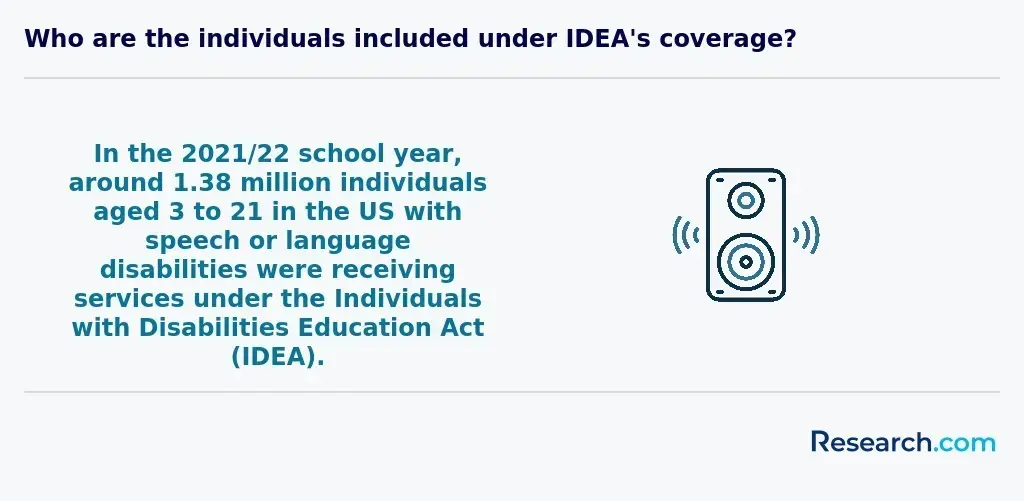
Others discover fulfilling work in local public and private schools, helping children overcome speech and language challenges. Massachusetts school districts actively seek licensed speech-language pathologists, creating opportunities to work directly with students under supportive programs like IDEA. Graduates often share how meaningful it feels to witness a child's breakthrough first words or improved social interactions.

Beyond these settings, early intervention programs offer unique roles where speech pathologists work closely with toddlers and their families, providing therapy in homes and communities. Research roles at universities or private practices also appeal to those eager to advance clinical methods, all supported by Massachusetts' strong professional licensure standards that enhance trust and respect across workplaces.

How much can I make with speech pathology degree in Massachusetts?

Graduates with a speech pathology degree in Massachusetts can anticipate promising earning potential right out of school. For example, those starting as Speech-Language Pathologists often earn around $96,790 annually, reflecting data from the U.S. Bureau of Labor Statistics. This aligns with what many graduates from prominent programs, such as those at Boston University or the University of Massachusetts, experience-solid starting salaries that grow with experience and certifications.

Entry-level roles, including Speech-Language Pathology Assistants, have mean annual wages near $47,010, making these positions a valuable stepping stone. Graduates appreciate working in diverse environments-from hospitals in Greater Boston where higher pay matches living costs, to schools and clinics across the state with competitive salaries adjusted for region.

Many alumni recall how completing clinical fellowships and earning ASHA certification boosted their incomes and opened doors to specialized pediatric or geriatric therapy roles, where salaries can exceed $100,000. These real-world successes inspire current students, showing how dedication translates into both rewarding work and financial security in Massachusetts.

# 1 position

Northeastern University

Master of Science in Speech

MasterCollege logo

# 2 position

Northeastern University

Bachelor of Science in Speech-Language Pathology and Audiology

BachelorCollege logo

# 3 position

Boston University

Master of Science in Speech-Language Pathology

MasterCollege logo

# 4 position

Boston University

BS in Speech, Language & Hearing Sciences

BachelorCollege logo

# 5 position

University of Massachusetts-Amherst

Bachelor of Science in Speech-Language Pathology

BachelorCollege logo

# 6 position

University of Massachusetts-Amherst

Master of Arts in Speech-Language Pathology

MasterCollege logo

# 7 position

Emerson College

Master of Science in Speech-Language Pathology

MasterCollege logo

# 8 position

Emerson College

Bachelor of Science in Speech-Language Pathology

BachelorCollege logo

# 9 position

Bridgewater State University

Bachelor of Science in Speech-Language Pathology

BachelorCollege logo

# 10 position

Bridgewater State University

MS Speech Language Pathology

MasterCollege logo

How long does it take to complete speech pathology degree in Massachusetts?

Completing a speech pathology degree in Massachusetts generally takes about two years of full-time study after earning a bachelor's degree. Graduates from institutions like Boston University and the University of Massachusetts Amherst often share how the rigorous coursework combined with hands-on clinical practicum-the 400-hour supervised experience required by the Council on Academic Accreditation-deeply enriched their learning journey. This intensive program prepares you for the state's licensure while building confidence through real-world practice.

For some, especially those balancing work or family, part-time or hybrid options extend this timeline to three years or more, allowing for flexibility without sacrificing quality. If you're starting without prerequisites in communication sciences, you might spend an additional 1 to 2 years preparing to enter the master's program, which many find a rewarding foundation despite the initial extra time.

Remember, after graduation comes the clinical fellowship year lasting 9 to 12 months, a vital phase where you transition from student to confident professional. Many graduates describe this period as transformative, boosting their skills and passion for helping others through speech pathology.

Licensure and Certification Requirements

To practice as a speech-language pathologist in Massachusetts, graduates must navigate both national certification and state licensure:

  1. Complete a master’s degree from an ASHA-accredited program and document at least 400 supervised clinical hours.
  2. Pass the Praxis® Examination in Speech-Language Pathology (minimum score set by ASHA).
  3. Apply for the Certificate of Clinical Competence in Speech-Language Pathology (CCC-SLP) through the American Speech-Language-Hearing Association.
  4. Submit a licensure application to the Massachusetts Board of Registration of Allied Health Professionals, including official transcripts, proof of supervised hours, and CCC-SLP approval.
  5. Maintain licensure and CCC-SLP by completing 30 hours of continuing education every three years.

For cost-conscious planning, compare program expenses with our affordable speech pathology graduate programs in california.

What's the difference between online and on-campus speech pathology degree?

Choosing between online and on-campus speech pathology degrees in Massachusetts is about matching the program to your lifestyle and learning style. Graduates from Boston University often share how on-campus classes provided invaluable face-to-face interaction, fostering immediate feedback and hands-on practice in specialized labs and clinical settings. This direct engagement builds confidence and practical skills, making it easier to connect with local healthcare professionals during networking events.

Alternatively, graduates from Massachusetts General Hospital Institute of Health Professions who pursued online degrees highlight the flexibility to balance work and family commitments. The ability to access lectures and discussions anytime keeps students motivated, though they emphasize the importance of scheduling local clinical hours to gain real-world experience.

Both paths meet rigorous ASHA accreditation standards, assuring you'll be well prepared for certification in Massachusetts. Consider how much personal interaction versus flexibility you need, and picture yourself thriving in the rich academic environment or managing studies around your busy life. Either way, your goal of becoming a skilled speech pathologist is within reach.

Cost of Attendance and Financial Aid Options

When considering a Speech Pathology degree in Massachusetts, it’s essential to understand both the tuition investment and the financial aid available to you. Master’s programs in Speech-Language Pathology typically range from $23,000 to $90,000 in total tuition, depending on whether the institution is public or private and the number of credit hours required. Undergraduate coursework in Communication Sciences and Disorders at state schools may average $12,000–$20,000 per year for in-state students, while private colleges can exceed $35,000 annually. Beyond tuition, you should budget for additional expenses such as textbooks ($800–$1,200 per year), clinic fees ($500–$1,500), and living costs, which in urban areas like Boston can add $15,000–$25,000 per year. Many programs publish a “cost of attendance” worksheet—use this tool to estimate your total net price after aid. Financial aid options include:

  • Federal grants and loans: Complete the FAFSA to access Pell Grants (up to $7,395 per year) and Direct Unsubsidized Loans (up to $20,500 annually for graduate students).
  • Graduate assistantships: Teaching or research assistant roles can waive up to 50% of tuition and provide a stipend.
  • Institutional scholarships: Schools often award merit- or need-based scholarships ranging from $1,000 to full tuition.
  • Private scholarships: Organizations like ASHA and state speech-language pathology associations offer awards of $500–$5,000.
  • Employer tuition reimbursement: If you’re currently working in healthcare or education, check with your HR department for benefits. For those seeking less competitive entry points, explore our guide to easiest SLP programs to get into, which can help balance affordability with quality as you plan your financial strategy.

What is the average cost of speech pathology degree in Massachusetts?

The average cost of a speech pathology degree in Massachusetts varies depending on residency and the institution, but the median total tuition typically sits around $61,088. For in-state students, this figure tends to be closer to $45,174, reflecting the state's public university tuition benefits. Graduates from well-known programs like the University of Massachusetts Amherst or Boston University often share how investing in their education, despite the cost, was a meaningful step toward a rewarding career helping others communicate effectively.

Many students find that the tuition aligns with the quality of training and clinical experience they receive-essential for certification and licensure. While private institutions such as Northeastern University and Simmons University may command higher tuition fees, they offer unique practicum opportunities, with some graduates describing these experiences as transformative moments that made every dollar worthwhile. When considering Massachusetts speech pathology degree tuition fees, it helps to factor in additional expenses such as books, materials, and clinical site travel, which can add up but are vital parts of professional preparation.

Students eager to make their education affordable often turn to scholarships, financial aid, and employer tuition assistance, which can make a significant difference. To get the best insight on managing these costs, exploring the cheapest speech pathology schools in Massachusetts is a helpful starting point. Keeping these factors in mind will empower you to navigate your educational journey with confidence and focus on becoming a skilled speech-language pathologist.

What is the average cost of speech pathology degree in Massachusetts?

Licensure and Certification Requirements in Massachusetts

Graduates must meet state and national standards to practice as Speech-Language Pathologists in Massachusetts. Key steps include:

  1. Complete a master’s degree from a program accredited by the Council on Academic Accreditation (CAA) of the American Speech-Language-Hearing Association (ASHA).
  2. Pass the Praxis Examination in Speech-Language Pathology.
  3. Finish a 36-week Clinical Fellowship Year (CFY) under ASHA guidelines.
  4. Apply for state licensure through the Massachusetts Board of Registration in Allied Health Professionals, submitting official transcripts, exam scores, and CFY documentation.

Maintaining certification requires ongoing professional development and periodic license renewal. For students exploring accredited online pathways, consider slp online programs.

What financial aid is available to speech pathology degree students in Massachusetts?

When pursuing a speech pathology degree in Massachusetts, financial aid is within reach to help ease the burden. Graduates from programs at places like Boston University or UMass Amherst often share how federal aid through FAFSA opened doors to Direct Unsubsidized Loans and, in some cases, PLUS loans, giving them the flexibility to focus on their studies without constant financial stress.

State support through the Massachusetts Department of Higher Education's MassGrant is another lifeline for many, especially those attending public institutions. Additionally, scholarships from organizations such as the American Speech-Language-Hearing Foundation provide targeted help, rewarding dedication and strong academic performance.

Many Massachusetts universities also award merit-based scholarships and assistantships that come with tuition remission and stipends. These opportunities not only provide financial relief but also valuable experience, as graduates often recall how working as research or teaching assistants sharpened their professional skills.

For those employed in healthcare or educational settings, employer tuition reimbursement programs in Massachusetts offer an encouraging path to advanced degrees, turning current work into a stepping stone for growth.

Cost and Financial Aid Options for Speech Pathology Programs

Navigating the financial aspects of your education can be just as important as selecting the right program. In Massachusetts, tuition for speech pathology programs can vary widely based on whether you choose a public or private institution, the degree level, and the duration of the program. Understanding these cost factors early on can help you plan a sustainable educational journey. Programs leading to a master’s degree may range from $23,000 to $90,000 overall, with additional fees for textbooks, clinical placements, and lab resources. Fortunately, many schools offer a variety of financial aid options including scholarships, grants, and student loans designed specifically for students in the field of communication sciences and disorders. Exploring these avenues can significantly reduce your out-of-pocket expenses and ease the financial burden. For those considering a flexible path to advance their careers, taking advantage of accelerated online programs may be a viable option. These programs often offer streamlined curriculums and cost-effective structures while maintaining academic rigor. To discover more about these progressive alternatives, check out best online speech language pathology degree programs accelerated. Carefully comparing program costs and available financial aid can empower you to make a well-informed decision, ensuring that your passion for helping others is not overshadowed by financial concerns. By planning ahead and utilizing available resources, you can focus on achieving a transformative education in speech pathology.

What are the prerequisites for enrolling in speech pathology degree program in Massachusetts?

To enroll in a speech pathology program in Massachusetts, you'll need to complete specific prerequisites that prepare you for the demanding but rewarding journey ahead. Graduates from programs at schools like Boston University and University of Massachusetts Amherst often recall how essential it was to have completed coursework in anatomy, phonetics, and audiology before stepping into graduate classes. These foundational subjects give you a real understanding of how speech and hearing work, making clinical practice more intuitive.

Most programs require at least a bachelor's degree, preferably in fields like communication sciences or psychology. A strong GPA-typically between 3.0 and 3.5-is key, as admissions committees at Massachusetts colleges pay close attention to academic consistency.

Some students share that gaining observation hours in clinics or volunteering helped them feel confident and stand out during admissions. GRE scores are becoming less emphasized, but compelling letters of recommendation and a heartfelt personal statement remain crucial. Showing your genuine passion and understanding of the profession truly resonates with local admissions teams.

What are the prerequisites for enrolling in speech pathology degree program in Massachusetts?

Paying for a Speech Pathology Degree in Massachusetts

Paying for a Speech Pathology degree in Massachusetts can be a significant concern for many aspiring students. However, understanding the various financial aid options, scholarships, and budgeting strategies can make this journey more manageable. For those looking to minimize their expenses, exploring the cheapest speech pathology schools in Massachusetts can be a prudent decision. Many institutions offer financial assistance, such as grants, loans, and work-study programs, to help students cover tuition fees and living expenses. Additionally, external scholarships and grants specifically tailored for speech pathology students can provide substantial support. It's also essential to consider the long-term benefits of investing in a Speech Pathology degree, given the promising job market and competitive salaries that graduates can expect. By navigating these financial aspects thoughtfully, prospective students can focus on their academic and professional growth, ultimately leading to a fulfilling career in speech pathology.

What courses are typically in speech pathology degree programs in Massachusetts?

When pursuing a speech pathology degree in Massachusetts, you'll dive into courses that truly prepare you to make a difference. Graduates from universities like Boston University and UMass Amherst often highlight how foundational classes such as Introduction to Communication Sciences and Disorders opened their eyes to the complexity of speech and hearing challenges. These courses are not just theory; you'll explore the human communication process in relatable ways-imagine understanding why a child struggles with speech sounds or how adults recover language skills after brain injuries.

Classes like Anatomy and Physiology of the Speech Mechanism build a solid grasp of the physical parts involved in speech, which feels rewarding when you connect textbook diagrams to real clinical cases during your practicum. You also study Speech and Language Development, where you track language milestones in children and learn to spot when intervention is needed.

The courses on Phonetics and Neurology for Communication Disorders sharpen your ability to analyze speech patterns and understand brain functions-skills graduates often describe as empowering, especially during hands-on experiences at Massachusetts hospitals and schools.

Finally, the Diagnostic Procedures in Speech Pathology course is crucial. Many students recall feeling confident after mastering evaluation techniques that they applied during their supervised clinical placements, a required element set by Massachusetts education standards. This balance of rigorous coursework and practical experience truly readies you for a rewarding career helping others find their voices.

What types of specializations are available in speech pathology degree programs in Massachusetts?

When exploring speech pathology specializations in Massachusetts, students quickly find a wealth of focused pathways that reflect the diverse needs of the field. From working with children facing developmental delays in Child Language Development to supporting adults recovering from stroke in Adult Neurogenic Communication Disorders, these specializations allow graduates to match their passion with practical skills. Voice and Resonance Disorders and Fluency Disorders provide opportunities to help clients regain confidence through improved communication, while Swallowing Disorders training prepares students for impactful roles in hospitals and rehabilitation centers.

Graduates from institutions like Boston University and University of Massachusetts Amherst often share how these Massachusetts speech therapy degree focus areas brought their studies to life through hands-on clinical experiences. Embracing Augmentative and Alternative Communication (AAC) enables students to innovate communication solutions for those with severe impairments, demonstrating the powerful impact of technology-aided therapies. If you're eager to dive deeper, consider the best online speech language pathology degree programs accelerated to accelerate your journey toward becoming a versatile clinician.

How do you choose the best speech pathology degree in Massachusetts?

When choosing the best speech pathology degree in Massachusetts, accreditation is non-negotiable. Graduates from CAA-accredited programs at well-known Massachusetts schools often share how essential this accreditation was in helping them secure licensure and Clinical Fellowship Year placements across Boston's leading hospitals. Many graduates emphasize the importance of programs offering robust clinical practicum experiences in local healthcare and school settings, which turned classroom theories into meaningful patient interactions.

Cost matters, too, so consider affordable speech pathology degrees in Massachusetts with strong financial aid options. Graduates from public universities recall how manageable tuition combined with assistantships eased their financial burden without compromising educational quality. Proximity to rehabilitation centers in urban areas like Worcester can boost your hands-on training and post-graduation job prospects.

Research faculty expertise and program success rates. Students at top institutions often feel inspired by professors engaged in cutting-edge speech pathology research, giving them a competitive edge. To explore pathways that balance ease of admission and solid training, check out the easiest SLP programs to get into available locally.

How do you choose the best speech pathology degree in Massachusetts?

What career paths are available for speech pathology degree students in Massachusetts?

Graduates with a speech pathology degree in Massachusetts have many exciting options to explore. Many find rewarding careers in healthcare settings like hospitals or outpatient clinics, where they help patients recover speech and communication skills after strokes or injuries. Those who studied at well-known programs in Boston or Worcester often share how meaningful it is to work directly with diverse communities throughout the state. If you prefer a school environment, working as an SLP in public schools is a fulfilling path; Massachusetts requires state licensure, which ensures professional credibility and job stability in this role.

In addition, private practice and telehealth are rapidly growing fields. Graduates from top Massachusetts colleges have told me how launching private practices or offering telepractice services allows them to tailor therapy creatively and reach clients in rural areas. For a different pace, research and academic roles at universities provide intellectual stimulation and chances to impact the future of speech pathology. Considering costs and options can be overwhelming, but exploring top 6 month associate degree online programs might be a practical step for some building their foundation in this career.

Jobs with speech pathology degree Massachusetts graduates share always highlight the profession's blend of science, compassion, and diverse opportunities that make each day meaningful.

What is the job market for speech pathology degree in Massachusetts?

The job market for speech pathology degree holders in Massachusetts is exceptionally promising, with strong employment opportunities for speech pathologists in Massachusetts driven by a 22% projected growth rate through 2030. Graduates from well-known programs at universities like Boston University or Massachusetts School of Professional Psychology often find rewarding roles in hospitals, schools, and rehabilitation clinics. Many have shared that seeing real progress in children's communication skills or helping older adults regain swallowing function creates a deeply fulfilling experience. This practical impact reinforces why demand remains high across diverse settings.

Choosing to study in Massachusetts also means you benefit from competitive salary prospects, with mean annual wages around $91,000 in 2023, among the top nationwide. While tuition can be a concern, public institutions offer more affordable paths, especially for residents. Graduates advise exploring scholarships and assistantships to ease financial burdens. For those curious about academic paths, what's the easiest phd to get can be a helpful resource.

The licensure process, including ASHA certification and state licensing, ensures you enter a respected profession with trusted credentials, essential in this growing field. Overall, the speech pathology job outlook Massachusetts continues to shine brightly, making it an inspiring choice for ambitious students.

Frequently Asked Questions About speech pathology

How can speech pathology degree students in Massachusetts maximize their learning experience?

Speech pathology degree students in Massachusetts can maximize their learning by engaging actively in both classroom instruction and clinical practicum experiences. Massachusetts hosts accredited programs that align with the American Speech-Language-Hearing Association (ASHA) standards, ensuring high-quality education and hands-on training.

Seeking internships at local hospitals, schools, or rehabilitation centers allows students to apply theoretical knowledge to real-world cases. According to the Massachusetts Department of Higher Education, over 70% of speech pathology students secure clinical placements within their second year, improving their professional readiness.

Networking through Massachusetts Speech-Language-Hearing Association events and joining student chapters of national organizations also enhance learning and career opportunities.

What are the emerging niches within the speech pathology field?

Emerging niches within the speech pathology field in Massachusetts reflect broader trends in healthcare and education. One growing area is telepractice, which expanded significantly during the COVID-19 pandemic and continues to allow speech-language pathologists (SLPs) to reach patients remotely. This approach is especially important in rural or underserved parts of the state, as noted by the Massachusetts Department of Public Health.

Another emerging specialty is working with aging populations, including those experiencing dementia and stroke-related communication disorders. With Massachusetts' older adult population expected to rise by 30% by 2030, demand for SLPs with expertise in geriatric speech therapy is increasing, according to AARP Massachusetts.

Finally, there is a growing focus on bilingual and multicultural speech pathology. Massachusetts' diverse communities require SLPs trained to assess and treat speech disorders in multiple languages, a niche gaining support from institutions like the American Speech-Language-Hearing Association (ASHA).

How to prepare for the job market after completing speech pathology degree in Massachusetts?

After earning a speech pathology degree in Massachusetts, graduates should focus on gaining clinical experience and securing state licensure. Massachusetts requires licensure through the Massachusetts Department of Public Health, which involves completing a clinical fellowship and passing the Praxis exam in speech-language pathology.

Networking is essential; joining state professional organizations like the Massachusetts Speech-Language-Hearing Association can provide job leads and mentorship opportunities. According to the U.S. Bureau of Labor Statistics, the demand for speech-language pathologists in Massachusetts is projected to grow by 22% from 2020 to 2030, indicating strong job prospects.

Finally, staying current with continuing education requirements ensures compliance with licensure renewal and helps maintain competitive skills in the evolving healthcare market.

What are the top skills employers look for in speech pathology degree graduates in Massachusetts?

Employers in Massachusetts seeking graduates with speech pathology degrees prioritize a combination of clinical and interpersonal skills. Strong communication abilities are essential, as speech pathologists must effectively assess, diagnose, and treat diverse speech and language disorders.

According to the American Speech-Language-Hearing Association (ASHA), proficient knowledge of evidence-based therapy techniques and familiarity with the latest assistive technologies are highly valued in this field.

Massachusetts employers also look for graduates skilled in cultural competence, given the state's linguistic diversity. Critical thinking and problem-solving skills are necessary for tailoring treatment plans to individual client needs.

Finally, licensure readiness and demonstrated experience through clinical practicum hours strongly improve employability in this competitive market.

How to find internships in Massachusetts relevant to a speech pathology degree?

Finding internships in Massachusetts for speech pathology students involves leveraging local resources and professional networks. Many accredited programs require a clinical practicum as part of the degree, which can be arranged through universities' partnerships with hospitals, schools, and rehabilitation centers.

The Massachusetts Department of Higher Education and the American Speech-Language-Hearing Association (ASHA) both offer guidance and directories for approved clinical sites.

Popular internship locations include Massachusetts General Hospital, Boston Children's Hospital, and local public school systems. These places provide hands-on experience essential for clinical certification.

Students should also explore opportunities via university career centers and state speech pathology associations, which often list available internships and job fairs specific to this field.

How does a speech pathology degree influence career mobility and advancement in Massachusetts?

A speech pathology degree significantly enhances career mobility and advancement opportunities in Massachusetts. Graduates with a Master of Science in Speech-Language Pathology are eligible for state licensure, a requirement to practice professionally across various settings including schools, hospitals, and clinics.

Massachusetts ranks among the top states for speech-language pathology employment, with the U.S. Bureau of Labor Statistics reporting a median annual wage of over $90,000 as of 2023. This strong demand results from a growing population with diverse healthcare and educational needs.

Additionally, holding an accredited degree enables professionals to pursue roles such as clinical supervisors, program directors, or specialized therapists, further advancing their careers. According to the Massachusetts Board of Registration in Speech-Language Pathology, continuing education is essential, and degree holders often find it easier to access advanced certifications and leadership positions within the state's competitive job market.

How does studying for a speech pathology degree in Massachusetts prepare for interdisciplinary roles?

Studying for a speech pathology degree in Massachusetts equips students with skills to collaborate effectively across health care, education, and social services. Massachusetts programs often emphasize interdisciplinary training, integrating coursework in psychology, linguistics, and health sciences.

Students gain practical experience through clinical placements in diverse settings, such as hospitals and schools, fostering teamwork with professionals like educators, occupational therapists, and audiologists. According to the Massachusetts Department of Higher Education, over 70% of speech pathology graduates participate in interdisciplinary teams during their clinical education.

This approach prepares graduates to address complex communication disorders in various populations, enhancing holistic patient care and outcomes.

How to choose between a thesis and a non-thesis speech pathology degree program in Massachusetts?

When choosing between a thesis and a non-thesis speech pathology degree program in Massachusetts, consider your career goals and learning preferences. Thesis programs focus on research and prepare students for doctoral studies or academic careers. Massachusetts offers several accredited programs emphasizing rigorous research methodologies, aligning with national standards from the American Speech-Language-Hearing Association (ASHA).

Non-thesis programs prioritize practical clinical skills and may include additional coursework or clinical hours. These are ideal for students aiming to enter the workforce quickly as licensed speech-language pathologists. According to the Massachusetts Department of Higher Education, clinical experience is crucial for licensure.

Evaluate each program's curriculum, faculty expertise, and available resources. Accreditation by the Council on Academic Accreditation (CAA) ensures quality education tailored to state licensure requirements.

What options do students based in Massachusetts have for studying speech pathology abroad?

Students based in Massachusetts who wish to study speech pathology abroad have several pathways to consider. While Massachusetts itself is home to highly ranked programs, such as those at Boston University and MGH Institute of Health Professions, some students explore international options to gain diverse clinical experiences.

One common approach is to enroll in US-accredited programs that offer study-abroad components or international clinical placements. This allows students to meet certification requirements from the American Speech-Language-Hearing Association (ASHA) while gaining global exposure.

Directly enrolling in foreign universities requires careful evaluation of degree accreditation and compatibility with ASHA certifications. Students must ensure these programs meet the rigorous standards necessary for licensure in Massachusetts and nationwide, as stated by the Massachusetts Board of Registration in Speech-Language Pathology.

Given that Massachusetts had approximately 1,200 licensed speech pathologists in 2023, according to the Massachusetts Department of Public Health, maintaining US credentialing is crucial for employment prospects post-graduation.

What part-time job opportunities in Massachusetts can complement speech pathology degree education?

Massachusetts offers a range of part-time job opportunities that can effectively complement a speech pathology degree. Many students find roles as speech therapy assistants or aides in schools and rehabilitation centers, gaining valuable hands-on experience. According to the U.S. Bureau of Labor Statistics, Massachusetts employs numerous speech-language pathology assistants, reflecting consistent local demand.

Other opportunities include working as tutors for children with communication disorders or support staff in early intervention programs. These roles reinforce clinical skills learned in coursework. Hospitals and outpatient clinics in Massachusetts also hire students part-time to assist licensed speech pathologists, enhancing practical knowledge.

Engaging in volunteer work with organizations like the Massachusetts Speech-Language-Hearing Association can further support professional development during studies.

What are the networking opportunities for speech pathology students in Massachusetts?

Speech pathology students in Massachusetts have access to diverse networking opportunities through local and national professional organizations. The Massachusetts Speech-Language-Hearing Association (MSHA) offers student memberships, providing access to conferences, workshops, and mentorship programs. These events connect students with practicing clinicians and researchers, helping to build professional relationships early in their careers.

Many universities in Massachusetts also foster networking by hosting guest lectures and career fairs focused on speech pathology. Additionally, clinical placements in Massachusetts schools and healthcare facilities enable students to work alongside experienced professionals.

According to the American Speech-Language-Hearing Association (ASHA), Massachusetts has a strong demand for speech pathologists, making networking crucial for job opportunities.

How do alumni networks benefit speech pathology degree students in Massachusetts?

Alumni networks provide valuable support for speech pathology degree students in Massachusetts. These networks connect current students with graduates who have firsthand experience in local clinical settings and licensure processes. This connection often leads to mentorship opportunities, helping students navigate the Massachusetts Speech-Language Pathology Certification and job market.

According to the Massachusetts Speech-Language-Hearing Association, many alumni actively participate in job fairs and internships, increasing students' chances of securing practical experience. Networking through alumni also offers insights into regional healthcare trends and emerging needs in speech therapy.

Overall, these connections strengthen professional development and employment prospects within the state's healthcare system.

How can I customize my speech pathology degree program in Massachusetts to fit my career goals?

Customizing a speech pathology degree program in Massachusetts involves selecting courses and clinical experiences that align with your career goals. Many universities offer electives focused on pediatric, adult, or bilingual speech therapy, allowing you to develop expertise in specific populations. You can also pursue specialized certifications through additional coursework, such as fluency disorders or augmentative communication technologies.

Clinical placements are a crucial customization element. Massachusetts programs typically collaborate with diverse healthcare settings, schools, and rehab centers, enabling practical experience in areas that match your interests.

According to the Massachusetts Department of Higher Education, tailoring your education enhances employability in the state's competitive job market.

What are the typical challenges that speech pathology students in Massachusetts are facing?

Speech pathology students in Massachusetts often face several challenges throughout their education. One major difficulty is balancing rigorous coursework with demanding clinical practicums, which are essential for hands-on experience. According to the American Speech-Language-Hearing Association (ASHA), students must complete at least 400 supervised clinical hours, a process that can be time-consuming and stressful.

Additionally, the cost of education in Massachusetts is relatively high. Public universities like UMass Amherst report annual tuition rates exceeding $15,000 for in-state students, not including living expenses, which can strain finances. Many students also struggle to find adequate placement sites for their clinical practicum due to high demand and limited availability in the state.

Furthermore, passing the Praxis Examination, required for Massachusetts licensure, poses a challenge, with a national first-time pass rate around 70% for speech-language pathology candidates. Navigating these academic, financial, and regulatory hurdles requires careful planning and strong support systems for students aspiring to enter the profession.

What professional certifications can I pursue with a speech pathology degree?

With a speech pathology degree in Massachusetts, you can pursue certification as a Speech-Language Pathologist (SLP) through the American Speech-Language-Hearing Association (ASHA). The primary credential is the Certificate of Clinical Competence in Speech-Language Pathology (CCC-SLP), which requires a graduate degree, supervised clinical experience, and passing the Praxis exam.

Additionally, Massachusetts requires state licensure to practice, managed by the Massachusetts Board of Registration of Allied Health Professionals. This license aligns with ASHA standards and includes continuing education requirements.

Specialized certifications like the Specialty Certification in Swallowing and Swallowing Disorders (BCS-S) are also available for advanced expertise.

How to write a winning application for a speech pathology program in Massachusetts?

Writing a winning application for a speech pathology program in Massachusetts requires careful preparation. Start by maintaining a strong academic record, as programs typically expect a minimum GPA of 3.0 or higher. Massachusetts hosts several accredited programs, such as at Boston University and MGH Institute of Health Professions, where competition is high.

Highlight relevant clinical or volunteer experience in communication disorders. According to the American Speech-Language-Hearing Association (ASHA), practical exposure strengthens applications. Prepare a compelling personal statement describing your motivation, goals, and understanding of the profession.

Additionally, secure strong letters of recommendation from professors or professionals familiar with your skills. Many programs also require GRE scores-check individual requirements since some Massachusetts schools have waived them recently.

Lastly, verify prerequisite coursework in areas like anatomy or linguistics to ensure your application meets all criteria.

What are the global perspectives on a speech pathology career?

The career of speech pathology is increasingly recognized worldwide, with significant growth in countries like the United States, Canada, and Australia. In the US, including Massachusetts, the demand for speech-language pathologists is projected to grow by 21% from 2021 to 2031, according to the U.S. Bureau of Labor Statistics.

Globally, speech pathology practices and education vary but often align with guidelines set by the American Speech-Language-Hearing Association (ASHA). This standardization supports professional mobility, allowing graduates from Massachusetts programs to work internationally.

Massachusetts offers accredited graduate programs that emphasize both research and clinical practice, reflecting global trends of evidence-based therapy and multicultural competence.

How can I gain practical experience while studying for a speech pathology degree in Massachusetts?

Gaining practical experience is essential when pursuing a speech pathology degree in Massachusetts. Most accredited programs include clinical practicum placements, where students work under supervision in hospitals, schools, or rehabilitation centers. This hands-on training typically begins in the second or third year of study.

Additionally, many Massachusetts universities partner with local healthcare facilities, offering diverse clinical experiences. The American Speech-Language-Hearing Association (ASHA) requires at least 400 hours of supervised clinical work for certification, which students can accumulate during their degree.

Internships and volunteer opportunities in community programs also provide valuable experience, helping students apply theoretical knowledge in real-world settings.

How do I choose the right concentration within a speech pathology degree program in Massachusetts?

Choosing the right concentration within a speech pathology degree program in Massachusetts depends on your career goals and interests. Common concentrations include pediatric speech disorders, adult neurogenic communication disorders, and bilingual speech pathology. Massachusetts has a diverse population, creating strong demand for specialists in multilingual and multicultural communication challenges.

The American Speech-Language-Hearing Association (ASHA) reports Massachusetts employs over 4,500 licensed speech-language pathologists, many requiring expertise in specific areas due to local demographics. Researching concentrations aligned with job market needs may enhance employability.

Consider programs that offer clinical experiences in settings relevant to your chosen concentration, such as hospitals, schools, or rehabilitation centers. Faculty expertise and available resources are also key factors.

See What Experts Have To Say About Studying Speech Pathology

Read our interview with Speech Pathology experts

Rhea Paul

Rhea Paul

Speech Pathology Expert

Professor, Communication Disorders

Sacred Heart University

Do you have any feedback for this article?

Related Articles
2026 How to Become a Speech Language Pathologist in Nevada: Requirements & Certification thumbnail
2026 Best No GRE Required Master's in Speech Pathology (MSLP) Programs thumbnail
2026 How to Become a Speech Language Pathologist in Maryland thumbnail
Careers AUG 19, 2026

2026 How to Become a Speech Language Pathologist in Maryland

by Imed Bouchrika, PhD
2026 Is a Master's Degree in Speech-Language Pathology Worth It? Salary & Career Paths thumbnail
2026 Self-Paced Online SLP Programs: Pros and Cons thumbnail
Speech language pathology AUG 20, 2026

2026 Self-Paced Online SLP Programs: Pros and Cons

by Imed Bouchrika, PhD
2026 How to Transition From Assistant to Certified Speech Pathologist (SLPA to SLP) thumbnail
Speech language pathology AUG 20, 2026

2026 How to Transition From Assistant to Certified Speech Pathologist (SLPA to SLP)

by Imed Bouchrika, PhD