
2027 Most Popular Social Work Degree Programs Ranking in West Virginia

Co-Founder and Chief Data Scientist
Exploring social work degree options in West Virginia can be overwhelming, but choosing the right program is a crucial step toward a rewarding career. This article presents the 2027 Most Popular Social Work Degree Programs Ranking in West Virginia, carefully developed by the Research.com team of data scientists to help you make an informed decision.
By reviewing this ranking, you'll discover programs that align with your goals and values, making your path to making a positive impact clearer and more achievable. A social work degree opens doors to meaningful work and personal growth in communities that need support.
Key benefits of getting social work degree in West Virginia
- Social work degree graduates in West Virginia can expect competitive salaries, such as $68,800 annually for Social Workers and up to $83,400 for Community Organizers and Youth Workers, offering financial stability and rewarding careers.
- Graduates from West Virginia University have diverse career paths including Child Welfare Specialist, Residential Counselor, and Community Organizer, providing meaningful opportunities to impact lives locally.
- Online social work degrees from institutions like Marshall University offer flexible schedules and accessibility, making it easier to balance work, family, and education without sacrificing quality learning.
- Key benefits of getting social work degree in West Virginia
- What can I expect from social work degree in West Virginia?
- Where can I work with social work degree in West Virginia?
- How much can I make with social work degree in West Virginia?
- 2027 Most Popular Social Work Degree Programs Ranking in West Virginia
- Key Findings
- How long does it take to complete social work degree in West Virginia?
- The Future of Social Work: Emerging Trends and Innovations
- What's the difference between online and on-campus social work degree?
- Accreditation and Licensing Requirements
- What is the average cost of social work degree in West Virginia?
- Licensing and Accreditation Requirements
- What financial aid is available to social work degree students in West Virginia?
- Licensing and Accreditation Requirements in West Virginia
- What are the prerequisites for enrolling in social work degree program in West Virginia?
- Most Affordable Options for Social Work Education in West Virginia
- What courses are typically in social work degree programs in West Virginia?
- What types of specializations are available in social work degree programs in West Virginia?
- How do you choose the best social work degree in West Virginia?
- What career paths are available for social work degree students in West Virginia?
- What is the job market for social work degree in West Virginia?
- Related Social Work Rankings for Nearby States
- Top Trending Social Work Rankings
- See What Experts Have To Say About Studying Social Work
What can I expect from social work degree in West Virginia?
When considering the cost of a social work degree in West Virginia, the journey feels surprisingly accessible, especially for in-state students. At public universities like West Virginia University or Marshall University, tuition for social work programs is notably lower than the national average, typically ranging between $7,000 and $10,000 per year for residents. Graduates often recall how this affordability allowed them to focus more on hands-on fieldwork-like internships at local behavioral health centers or rural community agencies-without the looming stress of overwhelming debt.
Many students find excitement in discovering scholarships tailored specifically for social work majors, which ease their financial burden even further. This practical support makes it feel like the state is investing in nurturing future social advocates who want to make a real difference among West Virginia's Appalachian communities.
Beyond tuition, students embrace post-degree costs as manageable, understanding that completing supervised experience and licensing requirements is a small price for a rewarding career dedicated to helping others.
Where can I work with social work degree in West Virginia?
With a social work degree in West Virginia, you can dive into a variety of rewarding career paths. Graduates from well-known schools like West Virginia University often find themselves stepping into hospitals or clinics, guiding patients through complex healthcare systems, or lending emotional support during challenging times. Imagine working as a medical social worker helping a family navigate post-hospital care-that hands-on impact truly fuels passion.
Others choose to work in schools across the state, where they tackle student behavioral challenges and connect young people with vital community resources. It's a role full of energy and meaningful change, especially as schools prioritize mental health. Those inspired by advocacy often join government agencies managing child welfare cases, providing foster care support or helping families access benefits, making a real difference in the lives of vulnerable children.
Nonprofits in areas like addiction recovery or homelessness also eagerly welcome social work grads, offering program development opportunities that create community change. For those pursuing advanced licenses, private clinical practice opens doors to personalized mental health counseling, blending professional growth with deep human connection.
How much can I make with social work degree in West Virginia?
Graduates from social work programs at West Virginia's well-known institutions often find themselves stepping into a world where their passion meets promising paychecks. With a Bachelor's degree, you might start near $33,000, but the adventure really picks up with advanced degrees like an MSW. Many graduates report entering roles as Child Welfare Specialists or Residential Counselors, earning around $59,190 annually, which fuels both their enthusiasm and bills in places like Charleston or Morgantown.
Some thrill seekers move into positions as Community Organizers or Youth Workers, boasting mean salaries of $83,400 per year. These roles, often held by those building networks and affecting change in both urban centers and rural communities, highlight the diverse pathways your degree can open.
One graduate shared how leveraging West Virginia's unique blend of urban and rural challenges made their journey rewarding professionally and personally, especially when competing employer benefits come into play. For many, holding an LCSW credential pushes the salary needle higher, unveiling new opportunities to thrive.
2027 Most Popular Social Work Degree Programs Ranking in West Virginia
How do we rank schools?
Investing in your education is a significant decision that can shape your future, and the Research.com team understands the importance of making informed choices. To assist prospective students in West Virginia, we have meticulously developed the "2027 Most Popular Social Work Degree Programs Ranking in West Virginia." Our commitment to quality, credibility, and accuracy is demonstrated through careful research and analysis undertaken to compile this ranking.
We utilized the following reputable data sources to ensure a comprehensive evaluation of social work degree programs:
By exploring this ranking, readers will gain valuable insights into the most popular social work degree programs available in West Virginia, enabling them to make well-informed decisions about their educational paths. For more information on how this ranking was created, please visit our Research.com methodology page.


Key Findings
- West Virginia offers accredited social work programs including bachelor's (BSW) and master's degrees (MSW) following CSWE standards required for licensure.
- Annual tuition at public universities ranges from $5,000 to $9,000 for in-state students, while private institutions charge between $15,000 and $25,000.
- Entry-level social workers in the state earn about $40,000 yearly, with experienced professionals making $55,000 to $65,000 on average.
- Licensing requires a CSWE-accredited degree and passing the ASWB exam for independent practice.
- Financial aid options like state grants and federal loans are available, and many programs include field placements or internships for hands-on experience.
How long does it take to complete social work degree in West Virginia?
In West Virginia, embarking on a social work degree adventure can take you down a path filled with learning and real-world impact. For those diving into a Bachelor of Social Work (BSW) at institutions like West Virginia University, the journey typically spans about four vibrant years. Imagine balancing general studies, diving deep into social work courses, and stepping into field practicum-where theory meets the heart of community work.
For those ready to level up with a Master of Social Work (MSW), the timeline can shift based on your background. Graduates who have a BSW often breeze through an accelerated one-year advanced standing program, while newcomers prepare for a full two-year experience. West Virginia's public schools offer flexible part-time options too, letting you blend studies with life's rhythm, stretching your path to three years or more.
Graduates often recall the fulfilling challenge of completing 900 to 1,200 hours of supervised fieldwork, which, while demanding, enriches their growth and readiness to serve. This blend of classroom and hands-on learning in West Virginia creates a meaningful timeline for aspiring social workers.
The Future of Social Work: Emerging Trends and Innovations
As the landscape of social work continues to evolve, it is crucial for prospective students to understand the emerging trends that are shaping the field. Today’s social work environment is increasingly influenced by advancements in technology, shifts in public policy, and a growing emphasis on holistic and community-based practices. With digital tools becoming integral in managing client relationships and data, future social workers may find themselves leveraging telehealth services, virtual counseling, and innovative case management software to reach broader audiences and improve outcomes. Experts predict that these technological integrations will not only enhance the efficiency of service delivery but also expand the ways in which social workers connect with clients in remote or underserved areas. As community needs change, many programs are updating their curricula to include modules on digital literacy, ethical considerations in online practices, and data-driven decision-making. This trend is particularly important for those looking to continue their education in specialized or advanced degrees. For instance, some institutions are now offering programs that explore digital transformations in social work practice. To explore how technology and cost efficiency intersect in advanced education, you can learn more about what is the most affordable online doctorate in social work. Moreover, growing societal challenges such as mental health crises, substance abuse, and community displacement are prompting a shift towards more interdisciplinary collaborations. Future social workers are encouraged to build networks that span healthcare, education, and public policy to deliver integrated support systems. In essence, embracing these innovations and cultivating adaptability will be key for both current students and professionals as they strive to make a lasting impact in their communities.
What's the difference between online and on-campus social work degree?
Choosing between online and on-campus social work degrees in West Virginia feels like stepping into two distinct worlds of learning adventure. Imagine attending West Virginia University in person, where you engage directly with passionate professors and peers, sharing insights face-to-face that spark immediate inspiration. Graduates often recall the energy of campus life-the bustling libraries, lively student groups, and hands-on support during field placements that build both skill and confidence.
Meanwhile, online programs offer a different kind of freedom. Picture earning your degree from home while juggling work or family, with flexibility that adapts to your rhythm. Graduates from Marshall University's online social work program highlight how virtual discussions and video lectures create a connected community, even miles apart. Local field placements allow students in rural West Virginia to practice nearby, turning their neighborhoods into dynamic classrooms and reinforcing social work's real-world impact.
Accreditation and Licensing Requirements
Choosing a CSWE-accredited program is essential to ensure your degree meets West Virginia’s licensure standards and is recognized by employers nationwide. The Council on Social Work Education (CSWE) accreditation guarantees that a curriculum covers core competencies-from ethics and diversity to practice methods. Before enrolling, confirm your program’s accreditation status on the CSWE directory and verify that field practicum hours align with state requirements. West Virginia Board of Social Work licensure involves two primary levels: 1. Licensed Social Worker (LSW) - Earn a Bachelor of Social Work (BSW) from a CSWE-accredited institution. - Complete a minimum of 400 supervised practicum hours. - Pass the ASWB Bachelor’s exam. 2. Licensed Clinical Social Worker (LCSW) - Hold an MSW from a CSWE-accredited program. - Complete at least 3,000 post-master’s supervised clinical hours. - Pass the ASWB Clinical exam. Many students seeking flexibility and affordability pair licensure preparation with online coursework. For those balancing work and study, exploring the cheapest social work bachelor degree online can provide accredited options that meet both CSWE standards and licensure prerequisites. Key steps to maintain compliance:
- Submit official transcripts and practicum verification to the West Virginia Board.
- Complete fingerprinting and background checks as required by state law.
- Stay current with continuing education credits (24 hours every two years for LCSWs). By prioritizing an accredited program and understanding licensure pathways, you’ll streamline your journey from student to practicing social worker in West Virginia.
What is the average cost of social work degree in West Virginia?
Exploring the average social work degree cost West Virginia reveals a surprising balance between quality education and affordability. Students pursuing their degree at well-known institutions like West Virginia University often find in-state tuition around $9,570 total, creating a manageable investment toward their future in social work. Graduates share stories of navigating both the textbooks and real-life fieldwork with excitement, knowing the financial commitment aligns well with their passion to make a difference.
Out-of-state students face a higher price tag, typically around $33,108 for their entire social work program, reflecting a broader trend in state universities. Yet many find this expense worthwhile, drawn by strong program reputations and hands-on experiences that prepare them for impactful careers in West Virginia's communities. The cost of social work programs in West Virginia might inspire you to explore creative financial aid options and scholarships, which numerous institutions offer especially for those dedicated to public service.
Complementing tuition, students budget carefully for additional expenses like housing, books, and fees, which can add several thousand dollars annually, as graduates often recount managing tight budgets while immersing themselves in meaningful internships. Those feeling adventurous can visit resources like the affordable social work school in West Virginia to scout programs that fit their ambitions and financial goals. This journey invites you to balance investments wisely and embrace the vibrant opportunities awaiting social work students in the state.
Licensing and Accreditation Requirements
Understanding state licensure and accreditation ensures your degree leads to professional practice in West Virginia:
- Graduate from a CSWE-accredited BSW or MSW program (consider msw online for flexible scheduling).
- Complete supervised practice: 2,000 hours for Licensed Social Worker (LSW); 3,000+ hours for Licensed Clinical Social Worker (LCSW).
- Pass the appropriate ASWB exam: LSW for entry-level practice or Clinical for advanced practice.
- Submit your application to the West Virginia Board of Social Work with official transcripts, exam results, and supervisor verification; renew biennially with at least 20 hours of continuing education.
What financial aid is available to social work degree students in West Virginia?
Imagine starting your journey toward a social work degree in West Virginia and feeling the weight of tuition costs lift as you discover financial aid tailored just for you. At West Virginia University, graduate students often find relief through assistantships that cover tuition and provide stipends, turning study hours into both learning and earning moments. Undergraduates thrive on Federal Pell Grants, offering up to $7,395 annually-funds that don't require repayment and can truly transform the college experience.
Many students marvel at the PROMISE Scholarship, a gem for residents attending in-state public colleges, which acknowledges academic achievement and softens tuition burdens. Need-based grants from the state open doors to those balancing dreams and budgets, while scholarships from the National Association of Social Workers create a sense of community and support from others who share their passion.
Some graduates recall how local social service agencies fueled their ambitions by sponsoring tuition through employer assistance programs, making education not just a dream but a growing reality right at home.
Licensing and Accreditation Requirements in West Virginia
Pursuing a Social Work degree in West Virginia involves not only choosing an accredited program but also navigating the state’s licensure pathway to practice professionally. Most reputable programs in West Virginia hold accreditation from the Council on Social Work Education (CSWE), ensuring that graduates meet the educational standards required for licensure. Upon graduation, candidates must apply to the West Virginia Board of Social Work Examiners for an LSW (Licensed Social Worker) or LCSW (Licensed Certified Social Worker) credential. Key steps include: 1. Educational Verification: Submit official transcripts from your CSWE-accredited BSW or MSW program. 2. Examination: Pass the ASWB (Association of Social Work Boards) examination-Foundation level for LSW or Clinical level for LCSW. 3. Supervised Experience: Complete 3,000 hours of supervised clinical work (for LCSW) under a board-approved supervisor. 4. Application and Fees: File the licensure application online, pay the $175 processing fee, and schedule fingerprinting for a background check. 5. Continuing Education: Renew your license biennially with at least 30 hours of CE credits, including ethics and cultural competency courses. Understanding costs and accreditation can help you plan effectively. While West Virginia’s tuition remains competitive, prospective students may also wish to compare affordability across states-see our Affordable Social Work Degree Programs Ranking in Alaska for additional insights into cost-effective options. By completing these requirements, you’ll gain both the credentials and confidence to impact communities across West Virginia.
What are the prerequisites for enrolling in social work degree program in West Virginia?
Diving into social work studies in West Virginia means getting ready for a few essential steps that open doors to meaningful careers. Imagine a hopeful student at West Virginia University, excited but aware they need a high school diploma and a GPA of about 2.5 to even start the Bachelor of Social Work journey. Some campuses might ask for SAT or ACT scores, though many have embraced test-optional paths recently, easing pressure and encouraging exploration.
Early coursework is like building your toolkit-classes in English, psychology, sociology, and stats lay the foundation to understand people and communities deeply. For those aiming higher, a Master of Social Work calls for a bachelor's degree, often from a related field, plus a solid GPA of around 3.0. Letters of recommendation and personal stories about volunteering or working in social services add a human touch that universities like Fairmont State truly value.
Graduates from these paths often describe their experience as a journey of growth, supported by programs accredited by the Council on Social Work Education, ensuring quality and confidence in their training. This readiness not only meets academic standards but also sparks a genuine connection with the communities they serve.

Most Affordable Options for Social Work Education in West Virginia
For students like Sarah, who are eager to pursue a career in social work but are concerned about the financial aspects, exploring the most affordable options for social work education in West Virginia is crucial. One of the key considerations is finding an affordable social work school in West Virginia, which can significantly reduce the financial burden and make the dream of becoming a social worker more accessible. Many institutions in the state offer competitive tuition rates and financial aid packages that can help mitigate the costs associated with pursuing a social work degree. By researching these options and understanding the available financial aid, students can make informed decisions about their educational journey and set themselves up for success in their future careers. Additionally, considering online or part-time programs can also be beneficial for those who need to balance their studies with work or other commitments, as these formats often offer more flexibility and can be more cost-effective. Ultimately, with careful planning and exploration of the most affordable options, aspiring social workers in West Virginia can achieve their goals without compromising their financial stability.
What courses are typically in social work degree programs in West Virginia?
Diving into a social work degree in West Virginia means embracing a rich mix of courses that truly prepare you for the real world. Imagine attending a university like West Virginia University or Shepherd University, where graduates often recall learning about Human Behavior in the Social Environment. This course feels like stepping into someone else's shoes, exploring how psychological and social factors shape lives-an eye-opening experience that makes you eager to help.
Another course, Social Welfare Policy and Services, grounds you in the unique challenges West Virginians face, from poverty to the opioid crisis. Graduates describe feeling empowered as they connect policies to actual people's struggles, inspiring them to advocate effectively.
Courses on Social Work Practice bring theory to life, with hands-on approaches to intervention and counseling that students find both challenging and rewarding. Many cherish their field internships at local hospitals or community centers, where lessons become vibrant stories of impact and growth.
- Human Behavior in the Social Environment
- Social Welfare Policy and Services
- Social Work Practice
- Research Methods and Statistics
- Field Education/Internship
What types of specializations are available in social work degree programs in West Virginia?
Exploring social work degree specializations in West Virginia reveals exciting paths tailored to meet community needs. Graduates from popular universities often share how the clinical social work track empowered them to confidently support individuals struggling with mental health, while others found deep fulfillment in child and family social work, addressing vital child welfare issues seen throughout the state.
Many also dive into healthcare social work, navigating hospital dynamics to improve patient care, or choose school social work to champion young learners facing emotional or behavioral hurdles right in West Virginia's classrooms. With the state's growing elderly population, gerontology is a popular focus that graduates cherish, as it equips them to make aging more dignified and supported.
Students chasing the best social work programs West Virginia has to offer often reflect on their hands-on experiences, appreciating how these fields resonate with real-life challenges they witness daily. For those curious about advancing further, exploring what is the most affordable online doctorate in social work can open doors to even more specialized roles.
How do you choose the best social work degree in West Virginia?
Choosing the best social work degree in West Virginia is like charting a course through a landscape rich with opportunity and growth. Picture yourself immersed in programs at West Virginia University or Marshall University, where graduates often speak of transformative internships that bridge classroom theory with real-world impact. Such field placements don't just build skills-they ignite passion through hands-on experiences that feel anything but routine.
Many students discover that selecting schools accredited by the Council on Social Work Education ensures a pathway recognized nationwide, boosting confidence in their future career prospects. The adventure continues with varied program formats-online, part-time, or traditional-offered across the state, ideal for those balancing work and study. Alongside this, affordable social work colleges in West Virginia provide a practical edge; with tuition often below the national average, the journey remains both exciting and budget-conscious.
For those exploring financial pathways, scholarships are invaluable, and some even stumble upon the cheapest social work bachelor degree online, adding an unexpected twist to their educational quest. Graduates often reflect on how aligning programs with their personal passions in child welfare or healthcare social work truly shaped their rewarding career paths.
What career paths are available for social work degree students in West Virginia?
Graduates with a social work degree in West Virginia dive into diverse career paths that bring real impact to communities. Many find themselves drawn to becoming licensed clinical social workers (LCSW), where they engage in meaningful mental health counseling after gaining valuable supervised experience and passing the ASWB clinical exam. Imagine supporting individuals cope with life's challenges while earning your credentials right here in the Mountain State.
Others explore exciting options like child and family social work, stepping into roles that protect vulnerable children or strengthen family bonds. Healthcare social work graduates from institutions like West Virginia University often describe the rewarding feeling of guiding patients through recovery, while school social workers bring hope and solutions to students facing behavioral hurdles in local schools.
Career adventures continue in substance abuse counseling, a critically important area given West Virginia's struggle with opioid addiction, where social workers serve as pillars of support. Community outreach and advocacy opportunities also flourish, challenging graduates to influence social policies or expand access to vital resources. For those curious about affordable options to start this journey, check out Affordable Social Work Degree Programs Ranking in Alaska, which can offer perspective on cost-effective pathways.
Such varied pathways highlight the vibrant social work career opportunities in West Virginia, making every day a new chance to help and connect.
What is the job market for social work degree in West Virginia?
Graduates holding a social work degree in West Virginia often find a dynamic job market brimming with opportunities in settings such as hospitals, schools, and nonprofits. Those emerging from well-known programs at local universities describe their internships as eye-opening experiences that connect classroom theory with real-world challenges, particularly in areas affected by poverty and substance abuse. This hands-on learning not only sparks passion but also enhances employability in West Virginia's diverse social services network.
Exploring the social work job outlook West Virginia offers reveals steady demand fueled by an aging population and increasing mental health awareness. Many students are drawn to the state's accredited Master of Social Work programs, knowing licensure like the LSW or LCSW opens doors to rewarding roles. The median wage of about $48,000 may energize those eager to make a difference locally, balancing meaningful work with a cost of living that is more affordable than many urban centers.
Students curious about accelerated pathways to licensure often investigate accelerated bachelors options to jump-start their career quickly. Employment prospects for social workers in West Virginia thus blend compassionate service with practical career growth, inviting graduates to feel confident stepping into roles where they truly impact their communities.
Frequently Asked Questions About social work
Social work degree students in West Virginia can enhance their learning by engaging deeply in field internships, which are often coordinated through university programs and local agencies. These practical experiences offer vital exposure to the state's unique community needs, such as rural healthcare and substance abuse challenges. According to the Council on Social Work Education, students who participate actively in internships improve critical skills and employability.
Additionally, joining state organizations like the West Virginia Chapter of the National Association of Social Workers provides access to networking and professional development opportunities. Taking advantage of online resources offered by West Virginia universities can also support flexible and specialized learning. Staying informed about state policies and social issues strengthens academic and real-world understanding.
Emerging niches within the social work field reflect growing societal needs and evolving healthcare trends. In West Virginia, the opioid crisis has increased demand for social workers specializing in addiction recovery and mental health services. According to the West Virginia Department of Health and Human Resources, nearly 1 in 10 residents reported substance use disorder in recent years, highlighting a critical area for social work intervention.
Another expanding niche is geriatric social work, as West Virginia has one of the highest proportions of elderly residents in the US. Professionals trained in elder care address challenges like chronic illness, isolation, and access to healthcare. Additionally, school social work is gaining importance due to rising awareness of student mental health and behavioral issues.
Lastly, social workers focusing on rural community development are essential in West Virginia's many underserved areas. These professionals help improve access to resources, affordable housing, and employment opportunities, supporting overall community well-being.
After completing a social work degree in West Virginia, preparing for the job market involves several key steps. First, obtaining licensure is essential; the Licensed Social Worker (LSW) credential is required to practice professionally in the state. According to the West Virginia Board of Social Work Examiners, applicants must pass the ASWB exam and complete supervised experience.
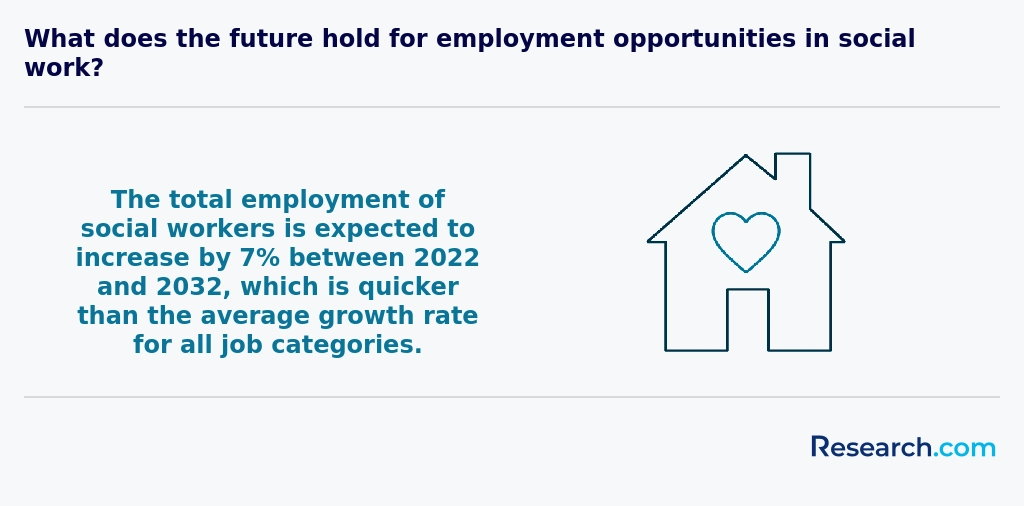
Networking with local agencies and attending state social work conferences can increase job opportunities. Additionally, gaining experience through internships or volunteer work during studies enhances practical skills. The West Virginia Department of Commerce highlights a steady demand for social workers, projecting a 9% growth in the profession through 2030.
Familiarity with local social services and building strong communication skills also improve employability in this field.
Employers in West Virginia prioritize several key skills when hiring social work degree graduates. Strong communication abilities are essential, as social workers must interact effectively with clients, families, and other professionals. Critical thinking and problem-solving skills are valued due to the complex challenges faced by the state's populations.
West Virginia's Department of Health and Human Resources highlights the importance of cultural competence, given the state's rural diversity. Graduates should also demonstrate empathy and ethical judgment, aligning with the National Association of Social Workers' Code of Ethics.
Data from the Bureau of Labor Statistics indicate that collaboration and case management skills significantly improve job prospects in West Virginia's social work field.
Finding internships in West Virginia related to social work degrees involves exploring partnerships between universities and local agencies. Many West Virginia schools, such as West Virginia University and Marshall University, have established connections with social service organizations, healthcare providers, and government programs to offer students practical experience.
Students should consult their college's academic advisors or social work departments for approved internship opportunities. Additionally, the West Virginia Bureau for Behavioral Health often collaborates with education programs to provide fieldwork placements.
Internship roles may be available with child welfare services, community mental health centers, or nonprofit organizations focused on substance abuse or family support. These placements complement degree requirements and are frequently necessary for licensure as a social worker in the state.
In West Virginia, earning a social work degree significantly boosts career mobility and advancement opportunities within the state's human services sector. The West Virginia Bureau of Labor Statistics reports steady growth in social work occupations, with a projected 10% increase by 2030, higher than the national average. A degree in social work is often required for licensure, which is essential for clinical positions and higher-paying roles.
Licensed social workers in West Virginia tend to access better job prospects and can pursue specialized fields such as healthcare, child welfare, and mental health services. Additionally, employers frequently prefer candidates with at least a Bachelor of Social Work (BSW) or Master of Social Work (MSW) for leadership and supervisory roles.
Continuing education and advanced degrees further enhance career advancement potential, allowing practitioners to work in administration or policy-making positions. This degree serves as a crucial credential for those aiming to contribute meaningfully while expanding their professional horizons within the state's diverse social service system.
Studying for a social work degree in West Virginia equips students with skills essential for interdisciplinary roles. Programs emphasize collaboration with healthcare professionals, educators, and legal experts, reflecting the state's complex social challenges. According to the Council on Social Work Education (CSWE), accredited West Virginia programs integrate clinical practice with policy, advocacy, and community engagement.
Students learn to navigate diverse systems, including mental health, child welfare, and public health, preparing them for roles that require teamwork across disciplines. West Virginia's focus on rural and Appalachian community needs further strengthens students' ability to address holistic social issues collaboratively. This interdisciplinary training aligns with workforce demands reported by the Bureau of Labor Statistics for social workers in the state.
Choosing between a thesis and a non-thesis social work degree program in West Virginia depends largely on your career goals and educational preferences. A thesis option typically involves conducting original research, suitable for students planning to pursue doctoral studies or research-focused roles in social work. Non-thesis programs often emphasize practical skills and fieldwork, ideal for those aiming directly for clinical or community practice careers.
In West Virginia, where the social work field is growing to meet rural and urban needs, programs accredited by the Council on Social Work Education (CSWE) often offer both tracks. According to the Bureau of Labor Statistics, social work employment in West Virginia is projected to grow 12% from 2022 to 2032, highlighting opportunities. Reviewing course requirements and speaking to advisors can help clarify which path aligns with your professional ambitions.
Students based in West Virginia who wish to study social work abroad have several pathways through their home institutions or exchange programs. Many West Virginia universities with social work programs partner with universities worldwide, allowing students to complete part of their degree overseas. For example, West Virginia University and Marshall University often provide opportunities for study abroad through broader university international programs.
Students typically earn credit hours toward their social work degree during these experiences, which are designed to meet accreditation standards set by the Council on Social Work Education (CSWE). The process usually involves academic advising to ensure that international coursework aligns with state licensure requirements. According to the West Virginia Higher Education Policy Commission, study abroad participation among social work majors is growing but remains under 10% of enrolled students, indicating expanding but still limited options.
Financial aid and scholarships may be available to support study abroad, and students should consult their institution's international office and social work department early in the planning process. Additionally, some programs include internships or fieldwork placements abroad, providing valuable global perspectives within social work training aligned with U.S. professional standards.
Part-time job opportunities that complement social work degree education in West Virginia often involve direct community engagement, enhancing practical skills alongside academic learning. Positions such as case aides, peer support specialists, or crisis hotline workers provide valuable experience with diverse populations. According to the West Virginia Bureau of Labor Statistics, social service roles are concentrated in counties such as Kanawha and Cabell, where nonprofits and government agencies often seek part-time help.
Hospitals and behavioral health centers in urban areas may hire students part-time to assist licensed social workers, expanding clinical and administrative knowledge. Volunteering or working in shelters and youth programs also aligns closely with classroom training, offering hands-on understanding of local socioeconomic challenges.
Social work students in West Virginia have access to various networking opportunities through academic and professional channels. Many universities offering social work degrees, such as West Virginia University and Marshall University, actively connect students with local agencies and nonprofit organizations. These partnerships allow students to engage in internships and field placements, which are essential for building professional contacts.
Further, the West Virginia Chapter of the National Association of Social Workers (NASW) provides valuable events, workshops, and conferences that promote networking among students and experienced professionals. According to NASW West Virginia, membership offers access to mentorship programs and job listings specific to the state's social services sector.
Alumni networks offer crucial support for social work degree students in West Virginia by providing connections to experienced professionals within the state. These networks often facilitate mentorship opportunities, which can guide students through internship placements and early career decisions. Given West Virginia's close-knit social work community, having access to alumni connections increases chances of finding job openings and gaining practical insights tailored to local needs.
According to the Council on Social Work Education, practical experience is key for licensure and employment, and alumni networks help bridge students to these opportunities. They also foster collaboration for continuing education and advocacy efforts statewide, strengthening professional growth.
Students seeking social work degrees in West Virginia can customize their programs to align with specific career goals through elective courses and specialized tracks. Many universities in the state offer concentrations such as clinical social work, community development, and child welfare. This flexibility allows students to gain expertise in areas like substance abuse treatment or mental health services, meeting the growing demand in West Virginia's healthcare and social service sectors.
Practical experience is essential in social work education. Programs often incorporate field placements in local agencies, helping students tailor their experience toward preferred populations or settings. According to the West Virginia Board of Social Work Examiners, aligning internships with career interests enhances job prospects statewide.
Additionally, students may choose between Bachelor of Social Work (BSW) and Master of Social Work (MSW) degrees, with MSW programs providing more advanced specialization opportunities. Some schools also offer part-time and online options, supporting working professionals.
Social work students in West Virginia commonly face challenges related to limited access to field placements. The state's rural setting means fewer agencies are available for practical training, which is a crucial part of social work education. According to the West Virginia Board of Social Work Examiners, finding quality internships in underserved areas is a frequent concern.
Financial constraints also impact many students. With West Virginia's higher education institutions often charging moderate tuition, some students struggle to cover costs alongside living expenses. Additionally, balancing part-time jobs and demanding coursework creates stress.
Finally, social work students must navigate the emotional demands of the profession, often confronting complex social issues in communities affected by poverty and the opioid crisis, which are prevalent in West Virginia as noted by the Appalachian Regional Commission.
With a social work degree in West Virginia, you can pursue several professional certifications to enhance your career. The most recognized is the Licensed Social Worker (LSW) credential, required for many jobs in the state. After gaining experience, you may seek the Licensed Certified Social Worker (LCSW) status, allowing for clinical practice.
The West Virginia Board of Social Work regulates these credentials, ensuring standards are met. National certifications, like the Master Certified Advanced Social Worker (MCSW) from the Association of Social Work Boards, are also valuable.
According to the U.S. Bureau of Labor Statistics, social work jobs in West Virginia are expected to grow by 8% through 2030, making certification important for career advancement.
To write a winning application for a social work program in West Virginia, start by thoroughly researching the program's requirements and values. Emphasize your commitment to serving diverse communities, as West Virginia's social work programs often focus on rural and Appalachian populations.
Highlight relevant experiences such as volunteer work, internships, or employment in social services. West Virginia's demand for social workers is expected to grow by 14% from 2020 to 2030, according to the U.S. Bureau of Labor Statistics, showing strong career prospects.
Craft a clear personal statement that explains your motivation and goals, demonstrating an understanding of local social challenges. Finally, secure strong recommendation letters from professionals familiar with your dedication to social work.
Social work as a career holds a vital role worldwide, emphasizing support for vulnerable populations. In the United States, including West Virginia, social work education aligns with global standards set by the International Federation of Social Workers. This ensures graduates meet competencies valued internationally. A social work degree in West Virginia prepares students to address diverse social issues such as poverty, addiction, and mental health, reflecting challenges seen globally.
The U.S. Bureau of Labor Statistics projects a 12% growth in social work jobs nationwide through 2031, with West Virginia showing steady demand, especially in healthcare and child welfare sectors. These trends mirror global increases in social service needs.
By earning a social work degree locally, students gain skills recognized both nationally and internationally, opening opportunities for diverse career paths.
Gaining practical experience during a social work degree in West Virginia is essential for developing the skills needed in this helping profession. Most accredited programs require students to complete internships or field placements as part of their curriculum. These placements typically occur in public agencies, non-profits, schools, or healthcare settings across the state.
West Virginia offers opportunities through partnerships with organizations such as the Department of Health and Human Resources and local community service providers. According to the Council on Social Work Education, students usually complete 400 to 900 hours of supervised practice to meet national standards.
Additionally, joining student chapters of professional groups like the National Association of Social Workers can provide networking and volunteer experiences. These combined efforts prepare students for licensing and employment after graduation.
Choosing the right concentration within a social work degree program in West Virginia depends on your career goals and interests. Common concentrations include clinical social work, school social work, and community organization. Each offers a different focus, from providing therapy to children or adults, to supporting education systems or advocating for policy change.
The West Virginia Board of Social Work sets licensure requirements that may vary depending on concentration, so consider which path aligns with your licensure goals. According to the Bureau of Labor Statistics, clinical social workers in West Virginia earn an average of $50,000 annually, influencing some students' choices.
Research local job market trends to target concentrations with the strongest demand. For up-to-date labor data, resources like the West Virginia Department of Commerce are helpful for regional employment insights to inform your decision.
Related Social Work Rankings for Nearby States
- 2027 Most Popular Social Work Degree Programs Ranking in Ohio
- 2027 Most Popular Social Work Degree Programs Ranking in Kentucky
- 2027 Most Popular Social Work Degree Programs Ranking in North Carolina
- 2027 Most Popular Social Work Degree Programs Ranking in Indiana
- 2027 Most Popular Social Work Degree Programs Ranking in Georgia
- 2027 Most Popular Social Work Degree Programs Ranking in Alabama
- 2027 Most Popular Social Work Degree Programs Ranking in Missouri
- 2027 Most Popular Social Work Degree Programs Ranking in New York
- 2027 Most Popular Social Work Degree Programs Ranking in Connecticut
- 2027 Most Popular Social Work Degree Programs Ranking in Florida
Top Trending Social Work Rankings
See What Experts Have To Say About Studying Social Work
Read our interview with Social Work experts

References
- 1+ Social Worker Cover Letter Examples (with In-Depth Guidance) https://www.tealhq.com/cover-letter-examples/social-worker
- Grand Challenges for Social Work https://grandchallengesforsocialwork.org/
- Top Skills Employers Look for in Qualified Social Workers Today - Vitalis https://www.vitalissocialcare.co.uk/career-development/top-skills-employers-look-for-in-social-workers-today/
- Master of Social Work (MSW) Programs in West Virginia https://www.masterofsocialwork.com/states/west-virginia/
- Social Work Education: Interdisciplinary teams a growing area of training https://www.socialworkblog.org/featured-articles/2018/04/social-work-education-interdisciplinary-teams-a-growing-area-of-training/
- Study Social Work Abroad https://www.gooverseas.com/study-abroad/social-work
- Social Work https://www.wits.ac.za/course-finder/undergraduate/humanities/social-work/
- The Time is Right to Advance Your Career as a Social Worker https://onlinedegrees.keuka.edu/blog/advance-your-career-social-worker
- Social Work https://al.edu.pl/en/studies/english-courses-for-erasmus-students/social-work
- The Importance of Professional Networking in Social Work https://www.onlinemswprograms.com/resources/social-work-networking/


