
2027 Most Popular Social Work Degree Programs Ranking in Montana

Co-Founder and Chief Data Scientist
Choosing the right social work degree program in Montana can feel overwhelming, but you're not alone in this journey. This article introduces the 2027 Most Popular Social Work Degree Programs Ranking in Montana, carefully developed by the Research.com team of data scientists. It's designed to guide you in making an informed decision about the programs that truly stand out.
Pursuing a social work degree opens doors to meaningful careers where you can make a real difference in people's lives. Exploring this ranking can help you find a program that matches your goals and values.
Key benefits of getting social work degree in Montana
- Graduates with a social work degree in Montana can expect competitive salaries, such as $68,800 annually for Social Workers and up to $83,400 for Community Organizers and Youth Workers, offering financial stability and rewarding career opportunities.
- Career paths for social work graduates include roles like Child Welfare Specialist, Residential Counselor, or Community Organizer, all providing meaningful ways to impact Montana communities positively.
- Online social work degrees from Montana universities offer flexibility and convenience, allowing students to balance work and study while gaining the same respected credentials as traditional programs.
- Key benefits of getting social work degree in Montana
- What can I expect from social work degree in Montana?
- Where can I work with social work degree in Montana?
- How much can I make with social work degree in Montana?
- 2027 Most Popular Social Work Degree Programs Ranking in Montana
- Key Findings
- How long does it take to complete social work degree in Montana?
- Affordability and Financial Considerations for Social Work Programs in Montana
- What's the difference between online and on-campus social work degree?
- Licensing and Certification Requirements for Social Workers in Montana
- What is the average cost of social work degree in Montana?
- Emerging Trends and Future Opportunities in Social Work
- What financial aid is available to social work degree students in Montana?
- Licensure Requirements in Montana
- What are the prerequisites for enrolling in social work degree program in Montana?
- Licensing and Certification Requirements
- What courses are typically in social work degree programs in Montana?
- What types of specializations are available in social work degree programs in Montana?
- How do you choose the best social work degree in Montana?
- What career paths are available for social work degree students in Montana?
- What is the job market for social work degree in Montana?
- Related Social Work Rankings for Nearby States
- Top Trending Social Work Rankings
- See What Experts Have To Say About Studying Social Work
What can I expect from social work degree in Montana?
Tuition for social work degrees in Montana tends to be moderate compared to national averages, making these programs accessible for many students. At Montana State University and the University of Montana, annual tuition rates for undergraduate social work programs generally range from approximately $7,000 to $10,000 for in-state students. Graduates often express relief and gratitude for the manageable costs, especially when balancing studies with internships or part-time work. Financial aid, scholarships, and grants further reduce expenses, particularly for those dedicated to serving Montana's rural and tribal communities.
For example, many students pursuing their Master of Social Work at the University of Montana find that the cost aligns well with the quality of education and field experience provided. They appreciate how practical training in local agencies strengthens both their skills and confidence. These real-world opportunities, combined with affordable tuition, help graduates feel prepared and optimistic about their careers without undue financial burden.
Where can I work with social work degree in Montana?
Graduates holding social work degrees from institutions such as the University of Montana and Montana State University often secure employment across diverse sectors in Montana. Many find fulfilling roles within state and local government agencies like the Montana Department of Public Health and Human Services, where they contribute to child protective services and welfare support, making a meaningful impact on vulnerable populations throughout rural and urban areas.
Healthcare facilities also employ numerous social work professionals. Licensed social workers at Providence St. Patrick Hospital in Missoula or Billings Clinic deliver patient counseling and coordinate community resources, directly aiding individuals dealing with complex health challenges. These roles often bring graduates face-to-face with rewarding moments of patient progress and recovery.
In education, social workers support student well-being by addressing behavioral and family issues, particularly in underserved rural schools. Nonprofit organizations targeting mental health, domestic violence, and homelessness provide additional career pathways that graduates frequently pursue with enthusiasm and dedication.
Those obtaining a Master of Social Work (MSW) and licensure through the Montana Board of Social Workers can independently offer clinical therapy, enjoying professional autonomy while serving diverse communities statewide.
How much can I make with social work degree in Montana?
Graduates with a social work degree from institutions such as the University of Montana or Montana State University typically find promising salary prospects within the state. Entry-level positions, often held by bachelor's degree holders, may start near $40,000 annually, aligning with Montana's reported ranges. However, BLS data reveals that social workers statewide earn a mean annual wage of approximately $68,800, reflecting the impact of advanced education and specialization.
Those who pursue roles like Child Welfare Specialist or Residential Counselor can expect mean salaries around $59,190, offering stable employment with community impact. Graduates advancing toward positions such as Community Organizer or Youth Worker enjoy higher average earnings near $83,400, coupled with rewarding experiences shaping local programs.
Many alumni share satisfaction in applying their skills to Montana's diverse communities, noting how clinical social work roles provide opportunities to earn $70,000 or more, especially in urban centers like Missoula. This progression demonstrates how education combined with licensure translates into tangible financial and professional growth across Montana's social services landscape.
2027 Most Popular Social Work Degree Programs Ranking in Montana
How do we rank schools?
Investing in your education is a significant decision that can shape your future, and the Research.com team is fully aware of the importance of making informed choices. To support prospective students in Montana, we have carefully created the "2027 Most Popular Social Work Degree Programs Ranking in Montana." Our dedication to quality, credibility, and accuracy is evident in the thorough research and analysis that informed this ranking.
We utilized the following reputable data sources to ensure a comprehensive evaluation of social work programs:
By reviewing this ranking, readers will obtain valuable insights into the most popular and respected social work degree options in Montana, enabling them to make confident and well-informed educational decisions. For more information on how this ranking was developed, please visit our Research.com methodology page.


# 4 position
Salish Kootenai College
Bachelor of Social Work

Key Findings
- Montana offers Bachelor of Social Work (BSW) and Master of Social Work (MSW) degrees, with programs meeting standards set by the Council on Social Work Education (CSWE).
- Annual tuition for in-state bachelor's students ranges from $7,000 to $10,000, while MSW programs typically cost between $10,000 and $15,000 per year.
- The average starting salary for social workers in Montana is around $50,000, rising to about $60,000 or more with experience and advanced education.
- Job growth for social workers in Montana is projected at 12-15% over the next decade, driven by increasing demand in aging, substance abuse, and mental health services.
- Licensure is required to practice clinically, usually requiring an MSW and supervised clinical hours to earn the Licensed Clinical Social Worker (LCSW) credential.
How long does it take to complete social work degree in Montana?
Completing a Bachelor of Social Work (BSW) degree in Montana typically takes about four years of full-time study, consistent with the standard duration at institutions like the University of Montana and Montana State University. Graduates often describe this period as a rewarding journey, blending rigorous academic coursework with enriching fieldwork that brings social work theories to life in local community settings.
For those entering with a prior bachelor's degree, a Master of Social Work (MSW) usually requires two years of full-time study. Popular programs at Montana's universities offer flexible options, including part-time and accelerated tracks, making it easier for working adults to advance their careers without sacrificing income or family time. Graduates emphasize the value of real-world supervised practice, which not only fulfills licensure requirements but also fosters confidence and practical skills.
Overall, students appreciate Montana's supportive educational environment, where degrees are affordable and programs integrate hands-on experiences to prepare them thoroughly for professional social work roles.
Affordability and Financial Considerations for Social Work Programs in Montana
When considering a social work degree in Montana, affordability is a crucial factor. Prospective students often seek programs that balance quality education with financial feasibility. For those looking for an affordable social work school in Montana, it's essential to explore various options and financial aid opportunities. Many institutions in Montana offer competitive tuition rates, scholarships, and grants to support students in achieving their educational goals without excessive financial burden. By carefully evaluating the costs and available financial assistance, aspiring social workers can make informed decisions about their educational investments, ensuring they can pursue their passion for helping others while maintaining financial stability.
What's the difference between online and on-campus social work degree?
Online and on-campus social work degree programs in Montana differ primarily in delivery and student experience. Online degrees offer flexibility crucial for those balancing jobs or family, especially in Montana's rural areas where commuting to campuses like the University of Montana or Montana State University Bozeman can be difficult. Graduates from online programs appreciate how they could study without relocating, saving time and money, while still meeting the same CSWE standards.
Conversely, on-campus programs provide rich face-to-face engagement with faculty and peers, fostering spontaneous dialogue and collaboration essential for developing interpersonal skills. Students at Montana State University Bozeman, for example, value the immediate access to hands-on fieldwork placements within local communities, which enhances real-world learning in ways online formats sometimes struggle to replicate.
Regardless of format, all Montana social work students must complete an in-person field practicum, ensuring direct community involvement and practical experience. This blend of theory and practice prepares graduates confidently for Montana's growing workforce in social services.
Licensing and Certification Requirements for Social Workers in Montana
In Montana, social work licensure ensures practitioners meet professional standards and are qualified to serve diverse populations. The Montana Board of Social Work Examiners oversees three primary licenses: • Licensed Baccalaureate Social Worker (LBSW) – Education: Bachelor’s degree in social work from a CSWE-accredited program – Exam: ASWB Bachelor’s level examination – Experience: No post-degree supervised hours required – Renewal: Every two years with 10 continuing education (CE) hours • Licensed Master Social Worker (LMSW) – Education: Master of Social Work (MSW) from a CSWE-accredited program – Exam: ASWB Master’s level examination – Experience: No post-degree supervised hours required – Renewal: Every two years with 15 CE hours • Licensed Clinical Social Worker (LCSW) – Education: MSW from a CSWE-accredited program – Experience: Minimum 3,360 hours (typically two years) of supervised clinical practice under an LCSW supervisor – Exam: ASWB Clinical level examination – Renewal: Every two years with 20 CE hours, including ethics Application steps: 1. Submit official transcripts and verification of CSWE accreditation. 2. Apply online through the Montana Board portal and pay applicable fees. 3. Schedule and pass the ASWB exam at an authorized testing center. 4. For LCSW candidates, submit supervised experience logs signed by a licensed supervisor. Continuing Education Requirements: – Ethics training: At least 3 hours per renewal period – Additional topics: Cultural competence, clinical methods, substance abuse, and child welfare Maintaining licensure also requires adherence to Montana’s Code of Ethics and timely fee payment. Social workers relocating from other states may qualify for reciprocity if their education, examination, and experience standards align with Montana’s requirements. Prospective students concerned with tuition and fees might also explore cost-effective options beyond state lines. For example, you can compare program affordability by reviewing our Inexpensive Social Work Degree Programs Ranking in Michigan, which highlights low-cost accredited social work degrees.
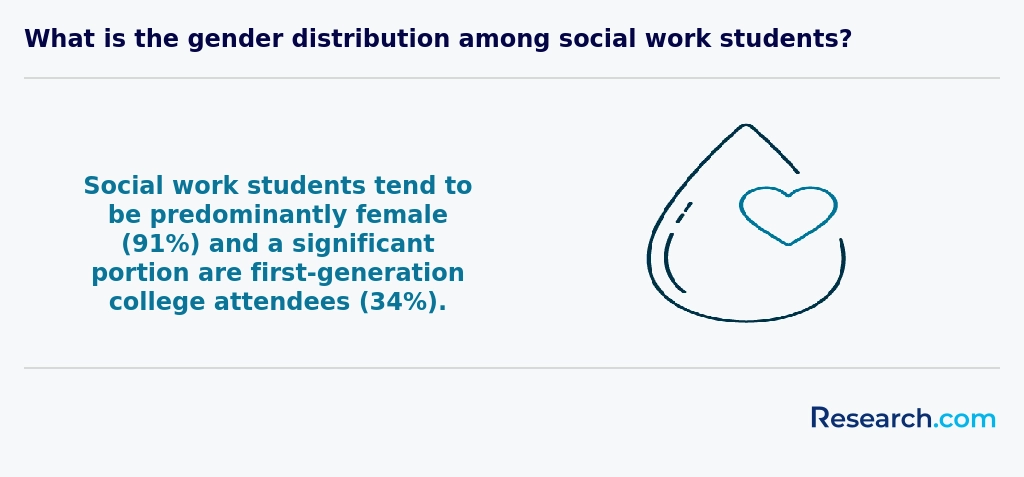
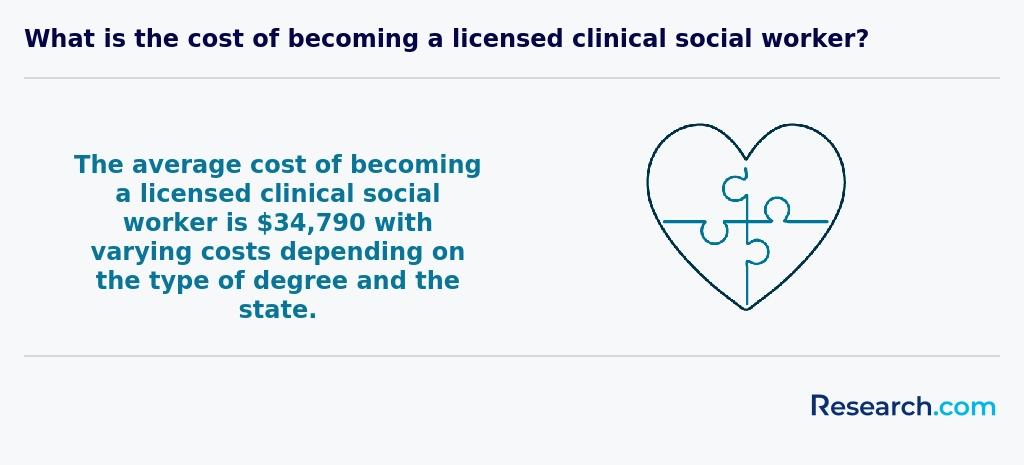
What is the average cost of social work degree in Montana?
The average cost of a social work degree in Montana varies significantly depending on residency status and institution type. For in-state students enrolled in public universities like Montana State University or the University of Montana, the median total cost typically amounts to around $8,552. These costs reflect a balance of tuition and mandatory fees over the entire course of study and represent a competitive option compared to national averages. Graduates from these programs often express satisfaction with how their education invested in local communities has been economically manageable, reinforcing the value of the average cost social work degree Montana offers.
Out-of-state students face considerably higher expenses, with median total costs rising to approximately $49,125. This stark difference encourages many prospective students to carefully evaluate their options and consider transitioning to Montana residency or seeking financial aid to ease their burden. Those attending private colleges usually encounter tuition fees well beyond these averages, emphasizing the importance of detailed financial planning.
Current social work students in Montana often recommend exploring resources available through the state and institutions, including scholarships targeted toward community-focused social work careers. Practical experiences shared by graduates highlight how these financial aids and scholarships foster a positive educational journey. For students seeking an affordable social work school in Montana, these options provide essential pathways to making social work education accessible and rewarding.
Emerging Trends and Future Opportunities in Social Work
As the social work field continues to evolve, understanding the emerging trends and future opportunities is crucial for both current students and professionals. Recent developments highlight a growing emphasis on technology integration, interdisciplinary collaboration, and specialized training that meets the demands of diverse populations. Professionals are increasingly expected to navigate digital platforms for virtual counseling, telehealth services, and remote case management, all while maintaining the personal touch essential to social work. Moreover, as communities face unprecedented challenges-from mental health crises to economic disparities-social work programs are adapting their curricula to include modules on crisis intervention and innovative community solutions. For a more in-depth perspective on how these shifts are influencing job prospects and long-term career development, consider exploring the social work career outlook provided by our research team. This forward-looking approach not only prepares graduates for a dynamic job market but also reinforces the commitment to creating impactful change in society.
What financial aid is available to social work degree students in Montana?
Social work students pursuing degrees in Montana benefit from a range of financial aid options that ease their educational expenses. Graduates from Montana State University, for example, often highlight how federal grants, such as the Pell Grant-offering up to $7,395 annually-significantly offset tuition costs, which typically range between $7,000 and $9,000 per year for in-state attendees. Many also qualify for the Federal Supplemental Educational Opportunity Grant, providing additional funds based on financial need.
Beyond federal assistance, the Montana University System offers scholarships that, while not exclusive to social work, support students across social sciences. Students who commit to serving rural communities often find scholarships through organizations like the National Association of Social Workers Montana Chapter, fostering a sense of purpose alongside financial relief.
Loans remain an option, but the Public Service Loan Forgiveness program stands out for social work graduates employed in eligible government or nonprofit roles in Montana, with forgiveness possible after ten years of service-adding hope and motivation during challenging times.
Many students also benefit from campus work-study programs, combining income with valuable experience in social service settings, enhancing both financial stability and professional readiness.
Licensure Requirements in Montana
Before practicing independently, social workers in Montana must obtain licensure from the Montana Board of Social Work Examiners. Key steps include:
- Graduate from a CSWE-accredited program (BSW for Licensed Social Worker; MSW for Licensed Clinical Social Worker).
- Complete supervised field experience (minimum 3,000 hours post-MSW for clinical licensure).
- Pass the appropriate ASWB exam (Bachelor’s level for LSW; Clinical level for LCSW).
- Submit an application and fee to the Montana Board of Social Work Examiners.
- Meet continuing education requirements (30 hours every two years).
Many candidates pursue flexible msw programs online to meet educational and practicum requirements without disrupting work or personal commitments.
What are the prerequisites for enrolling in social work degree program in Montana?
Enrolling in a social work degree program in Montana requires meeting specific academic and personal prerequisites. For undergraduate programs such as the Bachelor of Social Work (BSW), students must have completed high school with a solid GPA, typically around 2.5 to 3.0, and often coursework in psychology or sociology. Graduates from institutions like the University of Montana highlight how this foundational knowledge helped them engage meaningfully in their early fieldwork experiences.
For Master of Social Work (MSW) programs, candidates need a bachelor's degree from an accredited institution. While a BSW is preferred, many Montana universities allow admission with non-social work degrees if applicants complete prerequisite social work courses or demonstrate relevant volunteer or professional experience. Graduates often recall how writing personal statements and securing strong letters of recommendation were key steps in showcasing their genuine commitment to social justice and community support.
Background checks and sometimes documented volunteer experience ensure students are ready to work sensitively with vulnerable populations. These requirements, common at Montana State University and other popular schools, prepare students not only academically but also emotionally, fostering a rewarding connection to the field from the outset.
Licensing and Certification Requirements
In Montana, practicing social workers must hold state licensure-either as a Licensed Social Worker (LSW) or Licensed Clinical Social Worker (LCSW). Completing an accredited MSW through online msw programs helps meet the academic prerequisites for both credentials.
- Master’s Degree: An MSW from a CSWE-accredited program is required for LCSW; a BSW supports LSW eligibility.
- Supervised Experience: LSW applicants need 400–600 supervised field hours; LCSW candidates complete 3,000 post-MSW supervised clinical hours.
- Examination: Pass the appropriate Association of Social Work Boards (ASWB) exam level-Bachelors for LSW, Clinical for LCSW.
- Continuing Education: Maintain licensure with 30 approved CE hours every two years, including ethics and Montana-specific statutes.
What courses are typically in social work degree programs in Montana?
Social work degree programs in Montana commonly include courses essential for building a robust foundation in the field, combining theory with practical application. Students at popular institutions like the University of Montana experience introductory classes covering the profession's ethics and history, which helps them grasp the deep values guiding social work. Coursework such as Human Behavior in the Social Environment enables learners to understand psychological and sociological development through all life stages, preparing graduates to empathize with diverse populations.
Programs also emphasize Social Welfare Policy and Services, where students analyze real-world policies impacting local and state social services. Graduates often share how Research Methods in Social Work cultivated their confidence to evaluate evidence critically and contribute to innovative solutions in community settings. Field Practicum components provide hands-on experience in Montana's rural and urban agencies, fostering meaningful client connections that many describe as rewarding and life-changing.
Clinical Social Work Practice courses equip students with counseling and intervention skills directly applicable to addressing mental health and substance abuse challenges, reflecting Montana's distinct social needs. This well-rounded curriculum ensures graduates feel both prepared and inspired to pursue licensure and impactful careers statewide.
What types of specializations are available in social work degree programs in Montana?
Social work degrees in Montana offer several focused specializations that prepare students for impactful careers across diverse human services fields. Graduates from programs at institutions like the University of Montana often pursue clinical social work, where they gain hands-on experience diagnosing and treating mental health issues, reinforcing their readiness to meet Montana's licensure requirements. Others engage with child and family services, benefiting from partnerships with Montana's Department of Public Health and Human Services to participate in valuable internships addressing child welfare and family support.
Specialties such as school social work and healthcare social work provide practical training that enables students to support children's emotional needs in educational settings or assist patients coping with chronic illnesses in rural hospitals. These focused tracks resonate deeply with students who value community impact and practical application.
Community organization and advocacy also attract Montana social work degree programs specialties seekers interested in driving social change. Graduates frequently describe their work as rewarding, especially when collaborating with nonprofits on initiatives ranging from homelessness prevention to substance abuse support. Those aiming to understand broader career prospects can explore the social work career outlook.
How do you choose the best social work degree in Montana?
Choosing the best social work degree programs Montana requires careful attention to accreditation, tuition costs, and program format. Graduates from popular universities in Montana consistently highlight the importance of enrolling in Council on Social Work Education (CSWE) accredited programs, which are necessary for state licensure and respected by employers. Affordability is also a key consideration; many students appreciate exploring options within affordable social work schools Montana that balance cost with quality education.
Flexibility plays a significant role, especially for working students or those in rural areas. Online or hybrid programs offered by Montana's universities provide practical access while still maintaining rigorous practicum components essential for real-world experience. Graduates often share how these formats enabled them to balance their studies and personal commitments effectively.
Students advise prospective enrollees to prioritize schools with strong community ties, which improve internship placements and job prospects in fields like healthcare and child welfare. For a deeper understanding of affordable options, consult the Inexpensive Social Work Degree Programs Ranking in Michigan, as it offers valuable insights that may be applicable to regional choices.
What career paths are available for social work degree students in Montana?
Graduates of social work programs in Montana often pursue diverse career paths that reflect the state's unique social landscape. Many find roles as child and family social workers, providing critical support in rural foster care systems and family assistance programs, often experiencing firsthand the gratitude of families they help. Others embark on careers as mental health and substance abuse social workers, engaging deeply with counseling and treatment initiatives that address Montana's pressing issues. Students from well-regarded institutions like the University of Montana and Montana State University frequently highlight the rewarding nature of these occupations, describing a strong sense of purpose in their work.
Social work careers in Montana also include opportunities as school social workers, healthcare social workers, and specialists in gerontology. Graduates recall meaningful interactions, from advocating for youth in K-12 settings to aiding elderly clients in long-term care within local communities. The range of roles available encourages many to consider additional certifications or certificate careers that pay well to enhance their qualifications and impact.
What is the job market for social work degree in Montana?
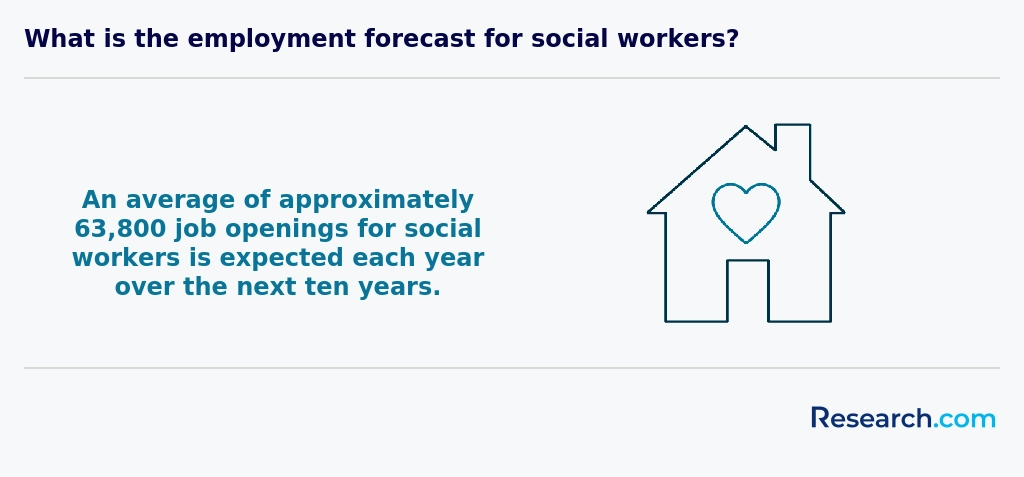
The social work job opportunities in Montana are shaped by the state's distinctive rural composition and demographic needs, especially with an aging population driving demand for elder care services. Graduates from Montana's prominent universities often find rewarding roles in healthcare, child welfare, and mental health sectors, where they address critical shortages in under-resourced communities. Many of these graduates report fulfilling experiences working in rural clinics or tribal programs focused on substance abuse treatment and family support services.
Montana social work employment outlook remains stable, with approximately 1,200 practicing social workers statewide and a projected growth rate near the national average of 12% through 2030. This steady demand encourages recent graduates to pursue licensure, often requiring a Bachelor's or Master's in Social Work, which leads to expanded job prospects and potential salary increases. Students frequently highlight the advantages of in-state public universities offering affordable tuition, making Montana an appealing choice for prospective social workers.
Those considering advanced degrees might explore options on what is the easiest phd programs to complement their social work qualifications and boost employability in the region's competitive job market.
Frequently Asked Questions About social work
Social work degree students in Montana can maximize their learning experience by engaging deeply with both classroom instruction and practical fieldwork. The Montana Board of Social Work Examiners requires supervised field placements, which offer valuable hands-on training in diverse settings such as community health centers and tribal agencies. Seeking internships in rural and urban areas provides exposure to varied populations, enhancing cultural competence.
Students should also connect with professional organizations like the Montana NASW chapter, which offers networking, continuing education, and advocacy opportunities. Utilizing online resources and attending state conferences broadens knowledge beyond coursework. According to the U.S. Bureau of Labor Statistics, Montana's social work employment is projected to grow, making such proactive steps critical for career preparedness.
Emerging niches in the social work field in Montana are expanding beyond traditional settings. One growing area is rural health social work, addressing unique challenges faced by communities distant from urban centers. Montana's rural population, which exceeds 40%, increasingly requires specialists who understand geographic and resource barriers (U.S. Census Bureau, 2023).
Another niche is geriatric social work, responding to Montana's aging population. According to the Montana Department of Public Health, the number of residents aged 65 and older is expected to increase by 25% over the next decade. Social workers specializing in elder care focus on mental health, housing, and healthcare coordination.
Mental health and substance abuse counseling remain vital, with growing emphasis on trauma-informed care. The state's opioid crisis has driven demand for social workers skilled in addiction services and recovery support within both urban and rural areas.
After completing a social work degree in Montana, preparing for the job market involves several key steps. First, obtaining licensure is vital; the Montana Board of Social Work Examiners requires candidates to pass the ASWB exam and complete supervised hours depending on the license level. Networking through local professional organizations, such as the Montana Chapter of the National Association of Social Workers, can provide valuable connections and job leads.
Internships completed during studies offer practical experience and often lead to employment opportunities. Montana's Department of Labor projects steady growth in social work jobs, with a 10% increase expected through 2030, making timely certification essential to access these openings. Additionally, developing skills in telehealth and trauma-informed care aligns with current employer demands in the state's expanding social services sector.
Employers in Montana highly value social work graduates who demonstrate strong communication skills. The ability to listen actively and convey empathy is essential for effective client advocacy and support. Additionally, critical thinking and problem-solving skills are crucial for addressing diverse social issues prevalent in the state.
Knowledge of local Montana resources and cultural competence, especially regarding Native American communities, ranks among the top employer priorities. According to the Montana Department of Labor & Industry, professionals with these skills experience better job prospects and higher effectiveness in community engagement.
Finally, organizational abilities and ethical decision-making complete the core skill set valued by Montana social service agencies.
Finding internships in Montana relevant to a social work degree involves connecting with local agencies and educational institutions. Many Montana universities offering social work programs, such as the University of Montana and Montana State University, have partnerships with community organizations to facilitate field placements.
Students should also explore state government programs and tribal social services, as Montana has a significant Native American population requiring culturally informed social work practices.
The Montana Board of Social Work Examiners recommends completing at least 1,000 hours of supervised internship to meet licensing requirements, making early internship search crucial.
Networking through professional associations like the Montana NASW chapter can also help identify internship opportunities.
Obtaining a social work degree in Montana significantly enhances career mobility and advancement opportunities within the state. The Montana Department of Labor projects a steady growth rate of about 9% for social worker positions between 2020 and 2030, indicating rising demand. A bachelor's degree in social work (BSW) qualifies graduates for entry-level roles, while a master's degree (MSW) is often required for clinical licensing and higher-level positions.
Professionals with an MSW can pursue specialized roles such as healthcare social workers, school social workers, or mental health counselors, which offer greater responsibility and higher salaries. According to the U.S. Bureau of Labor Statistics, social workers in Montana earn a median wage around $55,000, with advanced degrees boosting earning potential and eligibility for leadership positions. Licensing through the Montana Board of Social Work Examiners also provides a clear pathway for career advancement by validating professional credentials.
Studying for a social work degree in Montana equips students with interdisciplinary skills essential for collaborating across healthcare, education, and justice sectors. Montana's programs emphasize integrating psychology, public health, and community resources, reflecting the state's diverse rural and urban populations. According to the Council on Social Work Education, Montana's accredited programs incorporate field placements that expose students to multidisciplinary teams, enhancing practical experience in real-world settings.
The curriculum often includes courses on policy, behavioral health, and cultural competence, preparing graduates to work with varied populations. This approach aligns with workforce demands in Montana, where social workers collaborate closely with medical professionals and educators to address complex social issues.
When deciding between a thesis and a non-thesis social work degree program in Montana, consider your career goals and learning preferences. A thesis option typically involves conducting original research, preparing you for roles in academia, policy analysis, or advanced clinical practice.
Non-thesis programs focus more on practical skills and coursework, ideal for students aiming for direct social work practice or licensure. Montana's universities, like the University of Montana, offer both options with accreditation from the Council on Social Work Education (CSWE).
According to the Montana Board of Social Work Examiners, practical experience is highly valued, so programs emphasizing internships or practicums may be more beneficial for licensure preparation.
Students based in Montana who wish to study social work abroad have several pathways to consider. Many Montana institutions offering social work degrees encourage participation in international exchange programs or study-abroad partnerships. These programs typically last a semester and provide field experience in diverse social work settings.
Additionally, Montana State University and the University of Montana maintain affiliations with global universities, allowing students to transfer credits while gaining international perspectives.
It is essential to verify that any abroad program aligns with the Council on Social Work Education (CSWE) accreditation standards to ensure degree requirements are met.
Exploring scholarship opportunities, such as those from the Gilman Scholarship Program, can also make studying abroad more affordable for Montana students.
Students pursuing social work degrees in Montana can benefit from part-time jobs that provide practical experience and strengthen their resumes. Popular opportunities include working as behavioral health technicians, where employees assist licensed counselors and social workers in mental health settings. This role enhances understanding of client interaction and care strategies.
Another valuable position is a case aide or case manager assistant, commonly found in nonprofit organizations or government agencies like Montana's Department of Public Health and Human Services. These jobs offer insight into social services systems and client advocacy.
Employers in Montana often prefer candidates with direct experience, making these roles essential for aspiring social workers. According to the Montana Board of Social Work Examiners, practical experience is critical for licensure preparation.
Social work students in Montana have several valuable networking opportunities through local universities and professional associations. The University of Montana and Montana State University both host events that connect students with experienced social workers and potential employers. These universities often collaborate with community agencies, giving students practical exposure and professional contacts.
The Montana Board of Social Work Examiners provides resources and lists upcoming events relevant to social work professionals and students. Additionally, the Montana chapter of the National Association of Social Workers (NASW) offers workshops, conferences, and networking sessions that are important for career development.
Participation in these activities can lead to internships and job placements across Montana's growing public and non-profit sectors, where social work demand is expected to increase by 7% from 2022 to 2032 according to the U.S. Bureau of Labor Statistics.
Alumni networks in Montana offer valuable benefits to social work degree students by connecting them to experienced professionals across the state. These networks provide mentorship opportunities, allowing students to gain practical insights and guidance as they prepare for careers in social work. Many Montana universities with social work programs host alumni events that help students build relationships with graduates who are already embedded in the local workforce.
According to the Montana Board of Social Work Examiners, networking through alumni channels can increase job placement rates by providing referrals and sharing information about openings in government, healthcare, and nonprofit sectors. Moreover, alumni connections often assist in navigating licensing requirements unique to Montana, enhancing students' ability to meet state credentialing standards efficiently.
In Montana, students can tailor their social work degree programs to align with specific career goals by choosing specialized courses and field placements. Many universities offer concentrations such as child welfare, mental health, or substance abuse, allowing students to focus on areas that match their interests. Practical experience through internships or practicums in Montana's diverse communities is essential for skill development and networking.
According to the National Association of Social Workers (NASW) Montana chapter, customizing your education with relevant certifications or continuing education credits can enhance job prospects.
In addition, Montana's licensure requirements encourage students to select coursework that meets state social work licensing board standards, supporting a seamless transition to professional practice.
Social work students in Montana frequently face challenges such as balancing demanding coursework with field practicum requirements. Given Montana's largely rural population, gaining diverse clinical experiences can be difficult, as many placements are concentrated in small communities or limited agency settings. According to the Montana Board of Social Work Examiners, securing quality internships that meet educational standards is an ongoing issue for many programs.
Financial concerns are also common, with tuition costs and limited financial aid options impacting students' ability to maintain full-time study. Additionally, students must prepare for the national licensing exam, which requires comprehensive knowledge and practical readiness.
With a social work degree in Montana, you can pursue several professional certifications to advance your career. The most common credential is the Licensed Social Worker (LSW), which requires passing the Association of Social Work Boards (ASWB) exam. Montana also offers the Licensed Clinical Social Worker (LCSW) certification for those seeking clinical practice, requiring additional supervised experience.
Other certifications include the Certified Advanced Alcohol and Drug Counselor (CAADC) and certifications in school social work, which can expand job opportunities in specialized fields. According to the Montana Board of Social Work Examiners, these licenses are essential for professional recognition and higher earning potential.
Writing a winning application for a social work program in Montana involves clear demonstration of your commitment to helping communities. Start with a strong personal statement explaining why social work matters to you and how you plan to contribute within Montana's unique social environment. Highlight any relevant experience, including volunteer work or internships in local health or social services.
Ensure your GPA and standardized test scores meet program requirements; many Montana schools look for at least a 3.0 GPA. Research from the Montana Board of Social Work Practitioners shows that practical experience and academic performance are key factors for admission.
Lastly, secure strong letters of recommendation from professionals familiar with your work ethic and passion for social work in Montana. Tailoring your application to reflect understanding of both state needs and the profession's challenges increases your chances of success.
Social work as a career is recognized globally for its contribution to improving individual and community well-being. In the United States, including Montana, social work education follows rigorous standards set by the Council on Social Work Education (CSWE), ensuring graduates are prepared for diverse populations and challenges.
Globally, social workers address issues such as poverty, mental health, and social injustice, aligning with aims of organizations like the International Federation of Social Workers. In Montana, employment for social workers is expected to grow by 12% through 2030, faster than average for all occupations, according to the U.S. Bureau of Labor Statistics.
Accredited degrees from Montana institutions prepare students for both local and international service, emphasizing cultural competence and ethical practice, which are essential in a globalized world.
Gaining practical experience while studying social work in Montana is essential for career readiness. Most accredited Montana programs require field placements or internships, offering hands-on work in agencies such as child welfare, schools, or mental health centers. These experiences commonly total 400 to 900 hours, depending on the degree level and school curriculum.
The University of Montana and Montana State University both emphasize community-based practicum opportunities. According to the Council on Social Work Education, Montana social work students benefit from internships that build skills in rural and Native American populations, aligning with local workforce needs.
Additionally, students can seek volunteer roles or part-time jobs with local nonprofits, which often provide valuable exposure to social services. Practical experience improves employment prospects in Montana's social work field, where demand is expected to grow by 12% through 2031, per Montana Department of Labor data.
Choosing the right concentration within a social work degree program in Montana involves considering your career goals and the needs of local communities. Montana's social work field often focuses on rural and tribal populations, making concentrations like rural social work or Native American social services particularly relevant. According to the Bureau of Labor Statistics, Montana had about 580 social workers in 2022, highlighting steady demand.
Review program offerings at schools like the University of Montana, which may emphasize clinical social work or community development. Also, examine field placement opportunities to gain experience in your preferred area.
Licensing requirements vary by concentration; ensure your choice aligns with Montana's Board of Social Work Examiners guidelines.
Related Social Work Rankings for Nearby States
- 2027 Most Popular Social Work Degree Programs Ranking in Idaho
- 2027 Most Popular Social Work Degree Programs Ranking in Washington
- 2027 Most Popular Social Work Degree Programs Ranking in Oregon
- 2027 Most Popular Social Work Degree Programs Ranking in Nebraska
- 2027 Most Popular Social Work Degree Programs Ranking in Minnesota
- 2027 Most Popular Social Work Degree Programs Ranking in Colorado
- 2027 Most Popular Social Work Degree Programs Ranking in Iowa
- 2027 Most Popular Social Work Degree Programs Ranking in Kansas
- 2027 Most Popular Social Work Degree Programs Ranking in California
- 2027 Most Popular Social Work Degree Programs Ranking in Arizona
Top Trending Social Work Rankings
See What Experts Have To Say About Studying Social Work
Read our interview with Social Work experts

References
- Social Work Networking Nights - National Association of Social Workers https://www.naswma.org/page/218
- Events https://basw.co.uk/events
- Tripod Partners https://www.tripodpartners.com/career-advice/social-work/advancing-your-social-work-career-tips-for-promotion/
- Global Definition of Social Work https://www.ifsw.org/what-is-social-work/global-definition-of-social-work/
- Interdisciplinary Collaboration in Social Work and the ASWB Exam https://agentsofchangeprep.com/blog/interdisciplinary-collaboration-in-social-work-and-the-aswb-exam/
- Global Perspectives in Social Work https://www.gu.se/en/study-in-gothenburg/exchange-student/courses/sw1118
- Study Social Work Abroad | Go Overseas https://www.gooverseas.com/study-abroad/social-work
- Social Work Careers https://socialworklicensemap.com/social-work-careers/
- Know more about thesis vs non- thesis: what is the difference? https://studyfans.com/en/blogs/816
- 5 Career Planning Steps for Success in Social Work https://www.twrecruitment.com.au/blog/2026/02/5-career-planning-steps-for-success-in-social-work


