
2027 Best Online Master's in Social Work Degree Programs Ranking in the West

Co-Founder and Chief Data Scientist
Exploring your options for an online master's in social work can feel overwhelming, especially when aiming for the best programs in the West. This article presents the 2027 Best Online Master's in Social Work Degree Programs Ranking in the West, thoughtfully developed by the Research.com team of data scientists to guide your decision-making.
By reading, you'll discover programs that blend quality education with flexibility, helping you advance your career and make a positive impact on communities. Pursuing a social work degree opens doors to meaningful opportunities and personal growth. Let this ranking support your journey toward a fulfilling future.
Key benefits of getting online social work degree in the West
- Salary benefits: Graduates with a social work degree can expect competitive salaries, such as Clinical Social Workers earning about $68,800 annually and Policy Analysts earning around $102,210, which reflects a stable career in helping others.
- Career paths: A graduate from a Western university often explores diverse roles like School Social Worker or Medical Social Worker, offering meaningful work environments and fulfilling job satisfaction.
- Online degree advantages: Completing a social work degree online from a well-known Western university offers flexibility and convenience, allowing graduates to balance work and study while opening doors to valuable career opportunities.
- Key benefits of getting online social work degree in the West
- What can I expect from online social work degree in the West?
- Where can I work with online social work degree in the West?
- How much can I make with online social work degree in the West?
- 2027 Best Online Master's in Social Work Degree Programs Ranking in the West
- Key Findings
- How long does it take to complete online social work degree in the West?
- Accreditation and Licensure Requirements
- What's the difference between online and on-campus social work degree?
- Alternative Pathways in Social Work Education
- What is the average cost of online social work degree in the West?
- Choosing the Right Online Social Work Program
- What financial aid is available to online social work degree students in the West?
- Accreditation and Licensure Requirements for Social Work Graduates in the West
- What are the prerequisites for enrolling in online social work degree program in the West?
- Licensure and Field Placement Requirements
- What courses are typically in online social work degree programs in the West?
- What types of specializations are available in online social work degree programs in the West?
- How do you choose the best online social work degree in the West?
- What career paths are available for online social work degree students in the West?
- What is the job market for online social work degree in the West?
- Top Trending Social Work Rankings
- See What Experts Have To Say About Studying Social Work
What can I expect from online social work degree in the West?
The average cost of an online social work degree in the Western U.S. varies significantly depending on whether you attend a public or private university. For instance, a graduate from a public university in California or Oregon might share how in-state tuition rates helped keep expenses manageable, typically ranging from $10,000 to $20,000 per year. However, many online students end up paying non-resident fees, which can double those costs, especially if you enroll in programs at universities like the University of Washington or Colorado State.
Graduates often mention navigating financial aid options, including employer tuition assistance or scholarships aimed at working professionals. One graduate recalled how evening classes and part-time options allowed balancing work and study without accruing extra debt quickly. It's common to find that investing in an online MSW from these well-known Western universities pays off through strong licensure support and local internship placements, which build practical skills while keeping costs in check.
Where can I work with online social work degree in the West?
Graduates with an online social work degree from well-known Western programs like those at the University of Washington or San Diego State University find a variety of career options immediately available. Many secure positions in hospitals or rehabilitation centers, where they provide counseling to patients facing mental health or substance abuse challenges. These roles offer rewarding, hands-on experiences that build confidence in real-world settings.
Others enter school systems as social workers, supporting students and families through social and emotional hurdles. Working for state agencies in California or Oregon, graduates commonly engage in child protective services, making a direct difference in vulnerable children's lives. These opportunities often come with supportive teams and a clear path to licensure.
For those seeking broader impact, nonprofit organizations in Colorado or Nevada provide chances to coordinate community outreach or lead addiction recovery programs funded by state grants. Graduates appreciate how these roles blend advocacy and program management, adding diversity to their skill set and career satisfaction.
Licensure as an LCSW or LMSW unlocks even deeper clinical roles that graduates from Western MSW programs pursue with confidence, knowing they meet rigorous state requirements. This progression often leads to autonomy and increased job flexibility over time.
How much can I make with online social work degree in the West?
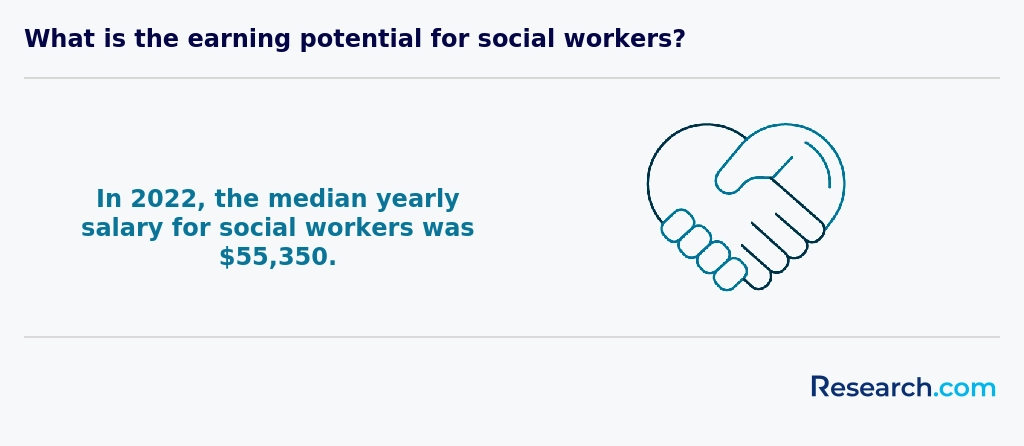
Graduates with an online social work degree in the Western US often find promising salary opportunities aligned with their chosen specialties. For instance, clinical social workers commonly earn a mean annual wage of about $68,800, with many exceeding $80,000 in states like California or Washington. Those focused on school social work roles typically start around $59,190, which aligns with positions in public school districts and universities in the region.
Medical social workers also report solid earnings, averaging $67,430 annually, particularly in urban centers where demand for healthcare-related services is higher. Meanwhile, policy analysts with social work backgrounds can expect significantly higher salaries-averaging $102,210 a year, a path attractive for graduates interested in advocacy or governmental roles.
A graduate from a respected Western university's online program might initially see entry-level salaries near $50,000 but can increase earnings with licensure such as LCSW and experience. Practical steps include targeting clinical roles and urban areas like Seattle or San Francisco to maximize income and professional growth.
2027 Best Online Master's in Social Work Degree Programs Ranking in the West
How do we rank schools?
Investing in your education is a significant decision that can shape your career and future, and the Research.com team is fully aware of the importance of making well-informed choices. To support prospective students in the Western region, we have carefully developed the "2027 Best Online Master's in Social Work Degree Programs Ranking in the West." Our dedication to quality, credibility, and accuracy is demonstrated through rigorous research and thorough analysis. We utilized the following reputable data sources to ensure a comprehensive and trustworthy evaluation of social work programs:
By exploring this ranking, readers will gain valuable insights into the top online social work master's programs in the West, empowering them to make confident and informed decisions about their educational paths. For further information about how this ranking was created, please visit our Research.com methodology page.


# 4 position
California State University, San Bernardino
Master of Social Work Pathway Distance Education Program


Key Findings
- Accredited online social work master's programs in the Western US usually cost between $15,000 and $40,000 depending on the institution.
- Public universities in California, Washington, and Oregon offer lower tuition rates for in-state residents.
- Starting salaries for graduates average around $55,000 per year, increasing to about $75,000 with 5-10 years of experience.
- The demand for social workers in the West is expected to grow 13% over the next decade, faster than the national average.
- Most programs are accredited by the Council on Social Work Education (CSWE), which is required for licensure and professional practice.
- Field placements with local agencies and live virtual sessions are included to provide practical experience and interactive learning.
How long does it take to complete online social work degree in the West?
If you're aiming to complete an online social work degree in the Western US, expect a typical timeline of about four years for a Bachelor of Social Work (BSW) when studying full-time. For example, graduates from popular programs at universities in California or Washington often report that the program requires roughly 120 credit hours plus necessary field practicum hours, which are essential for hands-on experience and accreditation.
Those pursuing a Master of Social Work (MSW) generally finish faster. At well-known Western colleges, full-time students often complete the MSW in two years, though part-time options can stretch this to three or four years. Graduates who already hold a BSW appreciate accelerated advanced standing tracks that shorten the duration to just one year. This path is ideal for those ready to balance career and education efficiently.
Practical fieldwork placements mandated by accreditation bodies are integral to all programs and typically run concurrently with coursework. Many students find this hands-on component rewarding, as it directly applies classroom knowledge to real-life social work settings, reinforcing motivation and connection to their future profession.
Accreditation and Licensure Requirements
Ensuring your online MSW program is accredited by the Council on Social Work Education (CSWE) is the first step toward meeting state licensure requirements and maximizing career mobility. CSWE accreditation not only validates that a program’s curriculum adheres to rigorous professional standards but also guarantees eligibility to sit for the Association of Social Work Boards (ASWB) licensing exam in most states. Prospective students should verify accreditation status on both the CSWE directory and the licensing board website for the state where they intend to practice. In addition to national accreditation, state-specific licensure requirements can vary widely. Common criteria include completion of a minimum number of supervised field practicum hours-typically around 900 hours for clinical licensure-and passage of either the ASWB Masters or Clinical exam. Many programs publish their graduates’ first-time pass rates; a pass rate above 70% is an industry benchmark of strong academic preparation. Contacting alumni or state boards directly can provide the most current information on exam outcomes and any additional continuing education obligations post-licensure. For students balancing budget and quality, exploring cheap online social work programs that hold CSWE accreditation can offer both affordability and legitimacy. While cost savings are important, always confirm that lower tuition does not compromise access to accredited field placement partnerships, exam prep resources, or dedicated licensure advising-services critical to transitioning from student to Licensed Clinical Social Worker (LCSW). Finally, maintaining licensure involves ongoing professional development through continuing education units (CEUs) and adherence to ethical standards. Accredited programs often include webinars, workshops, and state-specific licensure guidance as part of their alumni services. By choosing a program with a proven track record in accreditation and licensure support, you’ll position yourself for a smoother path to certification and a successful social work career.
What's the difference between online and on-campus social work degree?
When choosing between online and on-campus social work degrees in the Western US, consider how you learn best and your daily commitments. On-campus programs at universities like the University of Washington offer direct interaction with professors and peers, creating a dynamic environment through live seminars and group projects. Graduates often share how these face-to-face moments helped build lasting professional networks.
Conversely, online programs-such as those from Arizona State University-provide flexibility, letting you balance work or family by accessing lectures anytime. Many online students appreciate arranging local field placements near their homes, gaining hands-on experience without relocating. This setup works well for those who need to maintain jobs or care for family while studying.
Cost-wise, residents in the West might find online options reducing expenses by about 20%, eliminating housing and commuting fees. Whether on campus or online, both paths ensure a CSWE-accredited degree, so your focus should be on what fits your lifestyle and learning style best.
Alternative Pathways in Social Work Education
For prospective students, understanding that there are varied educational pathways in social work can be as valuable as pursuing an advanced degree. While our ranking delves deep into online Master’s programs, many aspiring social workers may also benefit from exploring undergraduate options that build a solid foundation in the field. For instance, students can consider pursuing programs that emphasize community engagement, practical fieldwork, and interdisciplinary learning right from the bachelor’s level. In fact, online bachelors degrees in social work benefits include a curriculum designed to foster critical thinking, real-world application, and networking opportunities that ease the transition into an MSW program later on. This alternative pathway not only offers a cost-effective start to a career in social services but also equips students with essential skills and knowledge that can pave the way for long-term professional growth.
What is the average cost of online social work degree in the West?
The average cost of an online social work degree in the West varies but generally centers around a median total tuition of about $23,272. For many students, especially those attending public universities in California, Oregon, and Washington, in-state tuition offers the most affordable path. Some graduates from well-known programs in popular social work colleges in the West have reported total tuition expenses closer to $18,315 when studying as out-of-state students, which is a more budget-conscious option for some.
Understanding the average cost of online social work degree programs in the West means considering the credit requirements-typically between 30 and 60 credit hours. For example, graduates from California State University campuses have found their total tuition costs fall within a reasonable range, often between $18,000 and $30,000. This balance makes it feasible to plan ahead financially while pursuing the degree remotely.
Graduates often describe the investment as manageable when factoring in financial aid options like federal loans, scholarships, and grants. Many also tap into employer tuition assistance programs if currently working in social services. It's wise to carefully budget for additional fees for technology, books, and practicum-related expenses. To identify good fit programs and understand total tuition and fees for online MSW degrees Western states offer, prospective students can review detailed rankings and resources such as those found at popular social work colleges.

Choosing the Right Online Social Work Program
When selecting an online social work degree program in the West, students should prioritize several key factors to ensure their educational journey aligns with their career aspirations. One crucial step is researching the program's accreditation, curriculum, and specializations, as well as its flexibility and format, to ensure it meets individual needs and goals. For instance, students interested in popular social work colleges can explore programs that offer concentrations in areas like mental health, child welfare, or community organization. Additionally, considering factors such as support services, financial considerations, reputation, and outcomes can help prospective students make an informed decision. By carefully evaluating these aspects, individuals can choose a program that not only provides a comprehensive education but also prepares them for successful careers in social work.
What financial aid is available to online social work degree students in the West?
When pursuing an online social work degree in the West, the financial burden can feel daunting, but multiple aid options offer relief. Graduates from universities like the University of Washington or Arizona State often rely on federal aid accessed through FAFSA. This includes Pell Grants, which don't require repayment, and subsidized student loans, making initial costs manageable.
State-specific help plays a key role too. For example, students attending California State institutions benefit from the Cal Grant program, which eases tuition costs for low- and middle-income learners. Similar grants in Oregon and Washington prioritize fields like social work, giving students targeted support that aligns with workforce priorities.
Institutional scholarships tailored to online social work students provide additional financial flexibility. These may reward merit or target underrepresented groups, which many graduates confirm helped reduce stress during their studies. National resources like the NASW Foundation scholarships also supplement these options, allowing students to focus on their education without overwhelming debt.
Finally, don't overlook employer tuition reimbursement or loan forgiveness programs like the Public Service Loan Forgiveness. Many working professionals combine these benefits to make earning their MSW feasible and financially sustainable.
Accreditation and Licensure Requirements for Social Work Graduates in the West
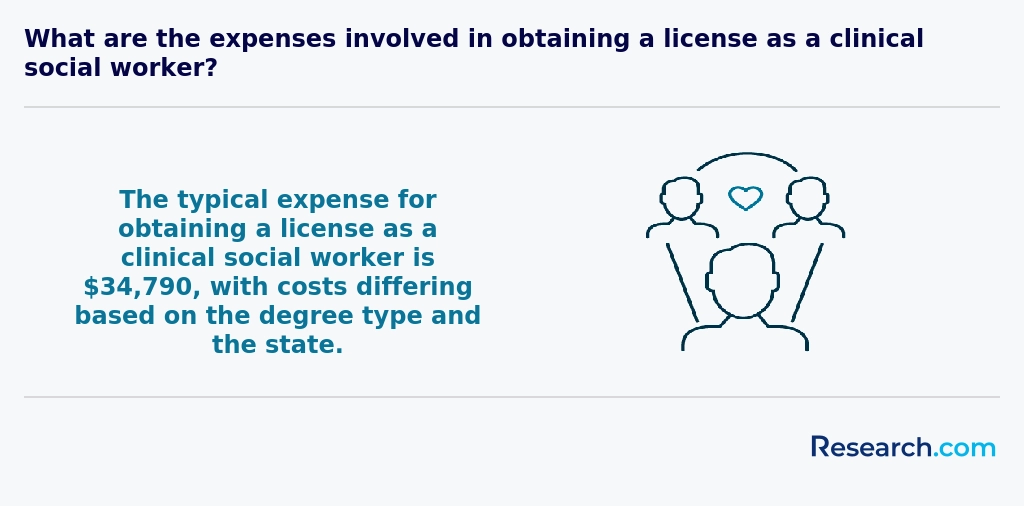
Ensuring your online MSW program is accredited by the Council on Social Work Education (CSWE) is the first critical step toward licensure in any Western state. CSWE accreditation not only validates the quality of your curriculum but also qualifies you to sit for the Association of Social Work Boards (ASWB) examination, a mandatory test for Licensed Social Worker (LSW) and Licensed Clinical Social Worker (LCSW) credentials. Each state licensing board in the West-such as California’s Board of Behavioral Sciences or Washington’s Department of Health-has specific supervised practice hour requirements post-graduation, typically ranging from 2,000 to 3,200 hours. Familiarize yourself with these variations early to plan your field practicum and post-graduate supervision accordingly. State licensure timelines and fees can vary significantly. For example, Oregon requires candidates to complete 3,000 hours of supervised clinical experience, whereas Colorado mandates 2,000 hours with at least 100 hours of face-to-face supervision by an LCSW. After passing the appropriate ASWB exam-bachelor’s, master’s, or clinical level-graduates must submit proof of education, exam scores, and supervised hours to their state board. Maintaining licensure also involves continuing education units (CEUs), usually 20–30 hours biennially in areas like ethics and cultural competence. Balancing accreditation, licensure prerequisites, and program affordability is vital. For those comparing tuition rates alongside these requirements, explore our Low Cost Social Work Degree Programs Ranking in Alabama to see how accredited, budget-friendly options measure up. By verifying accreditation status and understanding your state’s licensure process before enrolling, you’ll streamline your journey from student to licensed practitioner.
What are the prerequisites for enrolling in online social work degree program in the West?
To enroll in an online social work degree program in the Western United States, start by ensuring you hold a bachelor's degree from an accredited institution. Graduates from schools like the University of Washington or Arizona State University often share how having a background in psychology or sociology helped them meet this key qualification. If your degree isn't in social work, anticipate completing prerequisite courses such as statistics or human behavior before admission.
Most programs expect a minimum GPA around 3.0. Successful applicants often highlight strong recommendation letters and personal statements that showcase their passion for social work. Many students recall how volunteering with local agencies in California or Oregon boosted their applications and confidence.
Be prepared for technical requirements-reliable internet and comfort with online platforms are non-negotiable. Also, some programs require in-person internships within your state to fulfill licensing rules, making local agency connections invaluable. For international students, credential evaluations and English tests like the TOEFL add steps but remain manageable with proper planning.
Licensure and Field Placement Requirements
Navigating licensure standards and practicum hours is key to launching your MSW career in the West. Before enrolling, verify your program’s alignment with Council on Social Work Education (CSWE) accreditation and state board requirements.
- CSWE-accredited curricula ensure eligibility for the LCSW exam in states like California, Oregon, and Washington.
- Typical practicum: 900–1,200 supervised hours, arranged locally through program partnerships.
- Tele-supervision and dedicated field advisors guide placements, helping secure agencies that match your career interests.
- Compare tuition rates with cheapest online msw programs to optimize your budget while meeting licensure needs.
What courses are typically in online social work degree programs in the West?
Online social work degrees in the West commonly start with foundational courses that build your understanding of human behavior and social welfare policy. For example, students at the University of Washington often mention how studying Human Behavior in the Social Environment helped them connect theory to real community challenges, boosting their confidence in client interactions.
Core courses like Social Work Practice with Individuals, Families, and Groups teach practical skills essential for everyday social work. Graduates from USC's online program recall applying these lessons during their field placements, where they supported diverse family dynamics.
Advanced classes focus heavily on clinical skills, preparing students for licensure such as the Licensed Clinical Social Worker (LCSW) credential-a crucial step in Western states. Many find that courses on Mental Health Assessment and Intervention give them the tools to help clients struggling with substance abuse or trauma.
Lastly, expect a practicum or field education component. This hands-on experience, required by accreditation standards, bridges classroom knowledge with real-world impact, an aspect praised by students balancing study with local agency work across California and Oregon.
What types of specializations are available in online social work degree programs in the West?
Online social work specializations in the West typically include clinical social work, child and family social work, geriatric social work, and community organization. Clinical social work focuses on mental health services, preparing graduates for licensure as Licensed Clinical Social Workers (LCSWs) who work in hospitals or private practices. Child and family social work, a popular choice at universities like the University of Southern California and the University of Washington, trains students to support children and families through foster care or family counseling. Graduates often express strong satisfaction knowing their skills meet real community needs.
Geriatric social work trains students to assist elderly populations with long-term care and advocacy, critical in the West due to its growing senior population. Meanwhile, community organization prepares students to tackle larger issues such as homelessness and poverty, often working with nonprofits. Those considering options should explore programs thoroughly, and looking into financial support can help manage costs. Many students benefit from exploring online bachelors degrees in social work benefits as part of their educational pathway.
How do you choose the best online social work degree in the West?
Start by confirming the program is CSWE-accredited, as this directly affects your ability to get licensed in Western states like California, Washington, and Oregon. Graduates from universities in these regions often emphasize how accreditation made the licensure process smoother and more predictable.
Next, compare costs carefully. Tuition in the West can range widely, so check if you qualify for in-state rates or financial aid to lower expenses. Some students have found success choosing cheap online social work programs that still meet quality standards. This balance helps manage debt while advancing your career.
Consider program flexibility and fieldwork requirements. Since most online social work degrees require local practicum hours, choose a school popular in your state that supports arranging supervised fieldwork conveniently. Many online students appreciate programs that accommodate working professionals, allowing them to maintain jobs while fulfilling coursework.
Finally, look at faculty expertise and graduation pass rates for licensure exams. Students from well-known Western colleges report feeling confident due to strong faculty support and networks, which boost success rates. Aligning your choice with these factors ensures your degree works toward your career goals.
What career paths are available for online social work degree students in the West?
Graduates with an online social work degree in the West often pursue careers in clinical social work, healthcare, school settings, or child welfare. For example, clinical social workers from universities like the University of Southern California or Arizona State University find fulfilling roles providing therapy for mental health or substance abuse issues, often requiring state licensure and supervised hours. Others take on healthcare social work positions in hospitals and rehab centers, helping patients manage complex medical treatments and navigate community resources.
Another common path is working as school social workers, where graduates assist students with behavioral challenges and family crises, a role prevalent in school districts across California and Washington. Child welfare careers are also in demand, supporting families to prevent abuse or neglect. Many graduates also find rewarding opportunities in policy advocacy or nonprofit leadership, especially at institutions emphasizing social justice like Portland State University. For those budgeting their education, exploring affordable options through Low Cost Social Work Degree Programs Ranking in Alabama can be a strategic move.
By considering these pathways, students can align their online social work careers in the West with personal goals and regional community needs, maximizing their impact and job satisfaction.
What is the job market for online social work degree in the West?
The job market for online social work jobs in the West is steadily expanding, especially in states like California and Washington where social welfare programs are strong. Graduates from well-known universities offering online MSW degrees often find flexible opportunities in healthcare, schools, and government agencies. Many report feeling encouraged by how licensure processes in these states recognize their online credentials, enabling them to start as Licensed Clinical Social Workers or Licensed Masters Social Workers without unnecessary delays.
Practical experience gained through internships or community placements, common in programs at popular colleges in the West, helps graduates confidently enter fields like mental health counseling and child and family services. This is crucial because the job outlook for social workers Western US shows growing demand, particularly after the pandemic surge in mental health needs. Graduates often highlight competitive salaries that reflect this demand, balancing well against living costs in Western urban centers.
Students budgeting for these careers should explore affordable tuition options, but also consider value in terms of job prospects. Many successful alumni recommend combining degrees with certifications that make good money for a stronger employment foundation.
Frequently Asked Questions About social work
Students pursuing online social work degrees in the Western United States can enhance their learning by actively engaging with their course materials and virtual classrooms. Research from the Council on Social Work Education highlights that participation in discussion forums and synchronous sessions improves comprehension and skill retention.
Additionally, securing local internships or field placements within Western agencies provides hands-on experience and networking opportunities crucial for licensure in states like California and Washington. According to the California Board of Behavioral Sciences, practical experience is mandatory for social work licensure.
Utilizing digital libraries and resources offered by accredited universities also supports academic success. Time management and creating dedicated study routines further optimize outcomes.
The social work field is expanding into several emerging niches, especially relevant for students pursuing online social work degrees in the Western United States. One growing area is gerontological social work, addressing the mental health and support needs of a rapidly aging population. According to the U.S. Census Bureau, the West Coast states have some of the fastest-growing senior demographics.
Another niche gaining attention is telehealth social work. The COVID-19 pandemic accelerated the adoption of remote counseling and therapy, creating new opportunities in rural and underserved Western communities. Additionally, social workers specializing in environmental and climate justice are becoming essential due to the region's vulnerability to wildfires and environmental displacement.
These emerging niches require specialized skills that many online Master's programs in the West now include in their curriculum.
After completing an online social work degree in the West, graduates should focus on gaining licensure, which is required for most social work positions. The Licensed Clinical Social Worker (LCSW) credential is commonly pursued and requires supervised postgraduate experience. Many states in the Western US have specific licensing boards-checking state requirements through the Association of Social Work Boards (ASWB) is essential.
Networking is vital. Joining regional social work associations, such as the California Chapter of the National Association of Social Workers, can provide valuable contacts and job leads. Additionally, maintaining an active online professional presence on platforms like LinkedIn helps in connecting with potential employers.
Internships and volunteer work in diverse social service settings can improve practical skills and enhance resumes. According to the U.S. Bureau of Labor Statistics, the social work job market in the Western states is projected to grow by approximately 12% from 2022 to 2032, making proactive job preparation important.
Employers in the Western United States highly value social work graduates who demonstrate strong communication and interpersonal skills. These abilities are essential for building trust with clients and collaborating with interdisciplinary teams. According to the California Board of Behavioral Sciences, effective empathy and cultural competence are among the top required skills due to the region's diverse populations.
Critical thinking and problem-solving skills are also crucial. Social workers often address complex issues such as homelessness and mental health, requiring an ability to develop practical solutions quickly.
Data from the Washington State Department of Social and Health Services emphasizes the importance of proficiency in documentation and ethics to meet legal and professional standards.
These core skills help graduates succeed in various Western social work settings, from healthcare to child welfare.
Finding internships in the West relevant to a social work degree typically begins with connecting to accredited universities offering online programs. These institutions often collaborate with local agencies and nonprofits to provide internship placements required for licensure. According to the California Board of Behavioral Sciences, students must complete supervised fieldwork to qualify for clinical social work licensing.
Students should also explore state and regional social work associations, such as the California Chapter of the National Association of Social Workers (NASW-CA), which regularly posts internship opportunities. Many West Coast cities like Seattle and San Francisco have robust social services networks supporting placements.
Online students can benefit from virtual internship fairs and online platforms that specialize in social work field placements, offering flexible options that align with remote learning schedules.
Obtaining an online social work degree in the Western United States can significantly enhance career mobility and advancement opportunities. According to the Bureau of Labor Statistics, California, Washington, and Oregon show strong demand for licensed social workers, with projected job growth rates between 10% and 15% through 2030. An accredited online Master of Social Work (MSW) program offers flexibility, enabling working professionals to gain necessary credentials without relocating or pausing employment.
Many employers in the West prefer candidates with MSW degrees accredited by the Council on Social Work Education (CSWE), as these qualify graduates for clinical licensing and specialized roles. Graduates often advance into higher-paying positions, such as clinical social workers or administrators, typically earning 20% more than those with only a bachelor's degree. Online degrees also support network-building with regional agencies, further aiding career progression.
Studying for a social work degree in the Western United States uniquely equips students for interdisciplinary roles by emphasizing collaboration across various professional fields. Online programs often integrate courses that address health care, education, and criminal justice, reflecting the region's diverse social challenges. According to the Council on Social Work Education (CSWE), many Western schools incorporate interdisciplinary practicum experiences, connecting students with professionals in psychology, nursing, and law.
This approach fosters skills in communication, critical thinking, and cultural competence, essential for effective teamwork in complex social environments. Additionally, Western states like California and Washington report higher employment growth for social workers in interdisciplinary settings, underlining the demand for such expertise.
Choosing between a thesis and a non-thesis social work degree program in the West largely depends on your career goals. Thesis programs require original research and are ideal if you plan to pursue a doctoral degree or a research-intensive role. Non-thesis options focus more on practical skills and fieldwork, which suits those aiming to enter clinical or administrative careers directly.
The Council on Social Work Education (CSWE) accredits programs in states like California and Washington, ensuring both tracks meet professional standards. According to regional employment trends, about 65% of social workers in the West engage in clinical practice, benefiting from hands-on non-thesis training.
Additionally, thesis programs often demand extra time and strong academic commitment, which may affect part-time online students balancing work. Financial aid availability and faculty expertise in your area of interest are also important considerations.
Students based in the Western United States seeking to study social work abroad through online programs have several options linked to accredited US institutions with international components. Many top-ranked schools offer fully online Master of Social Work (MSW) degrees that incorporate global social work perspectives while allowing students to remain in the West. According to the Council on Social Work Education (CSWE), over 30 accredited programs provide distance learning opportunities tailored for diverse learners.
Some universities include virtual exchange programs or internships abroad, expanding cultural competence without physical travel. This hybrid approach helps Western students gain international insights relevant to global social work practice standards.
These pathways support students balancing domestic commitments and aspirations for global social work careers.
Part-time job opportunities in the Western US can effectively complement social work degree education by providing relevant experience and enhancing practical skills. Popular roles include case aides, behavioral health technicians, or community outreach assistants. These positions allow students to engage directly with vulnerable populations while managing flexible hours around coursework.
According to the California Employment Development Department, openings for mental health aides and social service assistants in states like California and Washington are expected to grow by over 10% by 2028, reflecting strong demand. Experience in these roles can strengthen graduate school applications and improve job prospects post-degree.
Additionally, some students find part-time roles with non-profits or government agencies focusing on homelessness, substance abuse, or child welfare to be particularly relevant. Such work provides insight into systemic challenges social workers address professionally.
Online social work students in the Western US can access a range of networking opportunities despite the distance learning format. Many programs incorporate virtual meetups, discussion boards, and group projects to foster peer connections. Regional social work organizations, like the California Society for Clinical Social Work, often host events and webinars that are open to students, providing valuable professional contacts.
Field placements remain crucial, enabling in-person networking with local agencies. According to the Western Association of Schools and Colleges, accredited schools emphasize connecting students with local social service providers for internships.
Additionally, platforms such as LinkedIn help students connect with West Coast social workers, enhancing job prospects.
Alumni networks provide valuable support to online social work degree students in the Western United States. These networks foster connections between current students and graduates, which can lead to mentorship opportunities and career advice tailored to the region's social work landscape. According to the National Association of Social Workers (NASW) Western Chapter, over 70% of social work positions are filled through networking.
Engaging with alumni helps students access job leads in California, Oregon, and Washington, where social work demand is growing. Alumni often share insights on licensure requirements, internships, and continuing education in these states.
Overall, alumni networks enhance professional growth and job placement rates for online social work students in the West.
Many online social work degree programs in the Western US offer customizable options to align with your career goals. Students can often select electives focusing on areas like mental health, child welfare, or community organizing. Some programs provide specialized tracks or certifications to deepen expertise in clinical or administrative social work. According to the Council on Social Work Education, programs in California, Washington, and Oregon frequently include field placement options tailored to local agencies, helping students gain relevant experience. Additionally, part-time and accelerated formats let students balance work and study, making it easier to pursue career advancement while earning a degree.
Online social work students in the Western United States often face several challenges unique to remote education. One primary issue is balancing rigorous coursework with personal and professional responsibilities, as many students are working adults. Additionally, access to reliable internet and technology may be inconsistent, especially in rural areas.
Field placements present another hurdle. Western states require supervised clinical hours, but securing local placements that meet accreditation standards can be difficult for distance learners. According to the Council on Social Work Education, about 30% of Western students report delays in completing practicums.
Lastly, feelings of isolation and limited peer interaction impact motivation and networking opportunities, crucial for career development in social work.
With an online social work degree, graduates in the Western United States can pursue several key professional certifications. The most widely recognized is the Licensed Clinical Social Worker (LCSW) credential. Earning an LCSW requires completing a Master's in Social Work (MSW), supervised clinical hours, and passing the Association of Social Work Boards (ASWB) clinical exam.
Other certifications include the Licensed Master Social Worker (LMSW), useful for non-clinical roles and entry-level licensing. Additionally, some professionals seek specialization credentials in areas such as school social work or substance abuse counseling.
According to the California Board of Behavioral Sciences, demand for LCSWs is projected to grow by 16% in the West by 2030, reflecting a strong need for licensed practitioners.
Crafting a strong application for an online social work program in the Western US requires clear demonstration of your commitment and relevant experience. Admissions typically look for a well-written personal statement that explains your motivation for social work and highlights your understanding of current regional challenges.
Include any volunteer or professional experience related to vulnerable populations. According to the National Association of Social Workers (NASW) California chapter, programs in the West especially value candidates with fieldwork or community service in diverse environments.
Be sure to submit all academic transcripts promptly, showing a minimum 3.0 GPA, which is common among competitive programs nationwide. Also, strong letters of recommendation from supervisors or professors familiar with your social work abilities can strengthen your application.
Lastly, research each program's accreditation status through the Council on Social Work Education (CSWE) to ensure your degree meets licensure requirements in Western states.
Social work is recognized globally as a vital profession committed to improving well-being and addressing social injustices. In the West, especially the United States, social workers often engage with diverse populations, including vulnerable groups such as the elderly, children, and individuals facing mental health challenges.
The US Bureau of Labor Statistics projects a 12% growth in social work jobs from 2022 to 2032, faster than the average for all occupations. This reflects increasing demand for mental health services and healthcare support across communities.
Internationally, social work practices emphasize cultural competence and human rights, aligning closely with U.S. accreditation standards found in online MSW programs. Graduates trained in the West are valued for their ability to navigate complex social systems and advocate effectively.
Overall, pursuing an online social work degree in the West offers a strong foundation for contributing to global challenges with local impact.
Gaining practical experience while studying for an online social work degree in the West is essential for licensure and career readiness. Most accredited programs in states like California, Washington, and Oregon require supervised field placements or internships. These partnerships often connect students with local agencies or community organizations.
Online students benefit from flexible scheduling, allowing them to work or volunteer concurrently with studies. According to the California Board of Behavioral Sciences, a minimum of 900 to 1,200 hours of supervised experience is necessary for licensure. Many programs assist with placement to meet these state-specific requirements.
Additionally, some universities offer virtual simulation labs to practice client interaction when in-person hours are limited. Networking with local social work professionals in the West also supports practical learning opportunities.
Choosing the right concentration within an online social work degree program in the Western US involves understanding regional demands and personal career goals. According to the Bureau of Labor Statistics, states like California and Washington show growing needs for clinical social workers specializing in mental health and substance abuse.
Prospective students should review concentrations such as clinical social work, community organizing, or policy advocacy, aligning them with local employment trends reported by the Western Interstate Commission for Higher Education (WICHE).
It is also advisable to consider licensure requirements specific to Western states, as some areas demand particular coursework for clinical licensure.
Finally, evaluating faculty expertise and field placement opportunities offered by online programs can help ensure relevant hands-on experience within the West.
Top Trending Social Work Rankings
See What Experts Have To Say About Studying Social Work
Read our interview with Social Work experts

References
- Social Work Career Pathways https://socialworklicensemap.com/social-work-careers/pathways/
- 2026 Best Online Social Work Degrees https://www.onlineu.com/degrees/social-work
- 80+ Online Social Work Degrees [BSW, MSW, DSW & PhD] https://www.onlinemswprograms.com/online-social-work-degrees/
- Online Social Work Degree Programs https://www.pacificoaks.edu/social-work-degree-programs/
- Best Affordable Master's Degree In Social Work https://www.psychology.org/social-work/best-affordable-masters-programs/
- Top Online Courses for Social Work: Your Pathway to a ... https://www.stonebridge.uk.com/blog/distance-learning/online-courses-for-social-work-or/
- Online Bachelor of Social Work (BSSW) https://www.msudenver.edu/online/social-work-bs/
- Online MSW Programs - All 2026 CSWE Accredited Master of ... https://www.masterofsocialwork.com/online-msw-programs
- 10 Careers You Can Pursue With a Bachelor's in Social Work https://www.umassglobal.edu/blog-news/careers-for-social-work-majors
- Bachelor's of Science in Social Work (Online Degree- ... https://www.elms.edu/academics/online-ce/socialwork/


