
2027 Most Popular Public Health Degree Programs Ranking in the Northeast

Co-Founder and Chief Data Scientist
Choosing the right public health degree can shape your future, especially in the vibrant Northeast region. Our 2027 Most Popular Public Health Degree Programs Ranking in the Northeast is designed to guide you through this important decision.
This ranking, developed by the Research.com team of data scientists, offers clear insights to help you identify programs that truly stand out. Whether you aim to improve community health or lead public initiatives, this article will provide valuable information to support your goals.
Exploring these programs opens doors to meaningful careers that positively impact lives. Let's embark on this journey toward a brighter future together.
Key benefits of getting public health degree in the Northeast
- Public health graduates in the Northeast can expect competitive salaries, such as Environmental Health Specialists earning about $86,710 annually and Health Educators earning around $69,790, offering strong financial stability.
- A typical public health graduate from a well-known Northeast university often finds diverse career paths, including roles as Community Health Workers or Occupational Health and Safety Specialists, allowing for meaningful work in various healthcare settings.
- Choosing an online public health degree from a reputable Northeast school offers flexibility for working students and faster completion times while still providing quality education that employers trust.
- 2027 Most Popular Public Health Degree Programs Ranking in the Northeast
- What can I expect from public health degree in the Northeast?
- Where can I work with public health degree in the Northeast?
What can I expect from public health degree in the Northeast?
Public health degrees in the Northeast typically cost between $15,000 and $30,000 per year at public institutions for out-of-state students, while private universities can exceed $50,000 annually. Many graduates from schools like Boston University or Columbia University recall the challenge of budgeting for tuition but emphasize the value they received through scholarships, assistantships, and hands-on internship opportunities in vibrant urban settings. These financial aids often make the investment feel worthwhile as students gain access to extensive research networks and practical experience.
Imagine balancing coursework on disease prevention while collaborating with city health departments or nonprofits in Philadelphia or New York City-an experience many students cherish. Knowing that their education prepares them for meaningful careers in community health and policy drives their motivation, even when managing tuition costs. The availability of part-time and online options further helps those working professionals create sustainable paths to earning their degrees without sacrificing quality or ambition.
Where can I work with public health degree in the Northeast?
Graduates with a public health degree in the Northeast step into a vibrant world of career possibilities filled with purpose and impact. From bustling cities like New York and Boston, many find fulfilling careers in government agencies such as the New York State Department of Health, where they manage crucial disease prevention programs. Imagine working alongside experts at regional CDC offices in Massachusetts, protecting communities through emergency preparedness and contagious disease control.
Others embrace the nonprofit sector, joining organizations dedicated to substance abuse prevention or maternal health-an inspiring path taken by many graduates from institutions like Harvard and the University of Pennsylvania. Hospitals and health systems across Philadelphia and Boston also rely on public health experts to improve patient safety and quality assurance, where alumni report rewarding collaboration with medical teams.
Public health graduates from schools like Johns Hopkins often enter academia and research, contributing to groundbreaking studies and health policy development. Meanwhile, private sector opportunities in health consultancy and pharmaceuticals offer dynamic roles analyzing trends and designing health programs, empowering communities across the region and beyond.
Graduates with a public health degree from renowned institutions like Boston University or the University of Pennsylvania often find themselves stepping into well-paying roles across the Northeast, a region known for its robust healthcare sector and competitive salaries. Entry-level positions such as Community Health Workers typically earn about $52,610 annually, offering a solid starting point for new professionals passionate about making a difference in their communities.
Health Educators, many of whom start their careers after earning a bachelor's or master's degree, enjoy average wages around $69,790 per year. This reflects the region's investment in public health education and wellness programs, giving graduates the confidence to thrive. For those specializing as Environmental Health Specialists or Occupational Health and Safety Specialists, salaries climb even higher, averaging $86,710 and $85,570 respectively, highlighting exciting opportunities for those with advanced skills.
These figures resonate with graduates from universities like Columbia or Northeastern, who often share stories of fulfilling careers fueled by competitive pay and meaningful impact. The Northeast's dynamic public health landscape not only supports growth but also rewards dedication with rewarding compensation, inspiring new graduates to envision a bright future in public health.
- Tuition for public health programs in the Northeast ranges from $25,000 to $50,000 per year, with private schools generally costing more than public ones.
- Entry-level public health jobs in the Northeast offer salaries between $50,000 and $65,000 annually.
- Experienced public health professionals in urban centers like Boston and New York City can earn between $75,000 and $100,000 per year.
- The Northeast has a strong job market for public health careers in fields such as epidemiology, health education, biostatistics, and health policy.
- Many programs in the region provide internships and practicum opportunities with community health organizations and government agencies.
- Public health degrees from many Northeast schools are accredited by the Council on Education for Public Health (CEPH), which supports quality and job eligibility.
Completing a public health degree in the Northeast is a journey full of rewarding milestones that vary by the level you choose. Many graduates from esteemed institutions like Harvard University and Johns Hopkins University share how their four-year bachelor's programs laid a strong foundation, balancing rigorous coursework with inspiring community projects.
Those pursuing a Master of Public Health (MPH) often find the typical two-year full-time program energizing and manageable, allowing them to gain practical experience alongside studies. Some choose part-time or online paths to fit work commitments, extending their timeline but enriching their real-world skills.
Doctoral candidates embracing four to six years of study value the flexible schedules offered by Northeast schools, enabling deep research and personal growth at a pace that fits life's demands. Witnessing their dedication, these students often describe the experience as transformative, fueling long-term impact in public health.
Overall, the diverse program durations in the Northeast empower you to tailor your education journey, making every step a confident stride toward a meaningful career.
Public Health degree programs in the Northeast place a strong emphasis on hands-on training through internships, practicum courses, and fieldwork placements. Many MPH and bachelor’s programs require 300–600 contact hours in local health departments, community clinics, or non-profit organizations, allowing students to apply classroom theories to real-world challenges. For example, students at Boston University partner with the Massachusetts Department of Public Health to design vaccination outreach campaigns, while those at Columbia University collaborate with NYC Health + Hospitals on data-driven health equity projects. These experiences not only sharpen analytical and communication skills but also expand professional networks, often leading to full-time roles after graduation. Beyond traditional placements, some programs offer specialized field experiences-such as environmental health students conducting air and water quality assessments or biostatistics majors supporting longitudinal epidemiological studies-ensuring targeted skill development. Many online students can also complete virtual internships or hybrid practicums, balancing field hours with remote coursework. For those considering an academic or leadership track, our Affordable Online Doctorate in Public Health Degree Programs provides advanced research and policy analysis opportunities that seamlessly integrate with professional field placements.
Choosing between an online and on-campus public health degree in the Northeast means embracing the learning style that suits your life best. Graduates from top programs in Massachusetts or Pennsylvania often share how online degrees empowered them to balance full-time jobs and family, thanks to flexible schedules and virtual classes. Imagine joining lively discussion boards from home while still accessing recorded lectures at your own pace-perfect for busy professionals.
On the other hand, graduates from universities in New York highlight the vibrant campus energy that fuels their passion. Being on-site means engaging directly with faculty and peers, participating in dynamic local health projects, and building strong networks through internships at nearby hospitals and health departments.
Both paths offer rigorous, CEPH-accredited programs ensuring your degree has strong recognition. Whether you value convenience or immersive experiences, Northeast public health programs provide supportive, quality education designed to launch your career with confidence and enthusiasm.
Hands-on fieldwork cements classroom learning and prepares you for real-world public health challenges in the Northeast.
- Practicum hours typically range from 200 to 300, completed over one semester under faculty supervision.
- Placements span state health departments, hospital networks, community nonprofits and research institutes.
- A capstone project applies theory to local issues-examples include epidemiology studies, policy briefs or community outreach programs.
- Formal evaluations and professional mentorship ensure skill development and build industry connections.
- For a fast‐tracked clinical experience, consider our accelerated ma program.
The average cost of a public health degree in the Northeast offers an exciting investment in your future, with median total costs around $55,150. In-state students benefit from more affordable tuition, averaging about $35,760, while out-of-state students typically face the higher end of this range. Graduates from well-known institutions in Boston and New York often reflect on how this investment opened doors to impactful careers in public health, helping communities while building invaluable professional networks.
Many students pursuing a public health degree in the Northeast appreciate how the tuition fees align with access to prestigious programs at renowned universities and colleges. The vibrant campus life combined with connections to government agencies and nonprofit organizations creates a dynamic learning environment that energizes and motivates. These experiences make the average cost of public health degree Northeast worthwhile for those passionate about making a difference on a large scale.
Living in cities like Philadelphia also enriches students' academic journeys despite higher expenses, as the region's rich public health history and resources offer unique opportunities. Being part of this community is a source of pride and inspiration for graduates aspiring to become leaders.
For those looking to explore cost-effective options, many students research financial aid and assistantships, which can significantly reduce the burden. You can find many ways to manage tuition while attending some of the top online public health schools in New York, striking a balance between quality education and affordability.

A successful application to a Public Health degree program in the Northeast hinges on careful planning and meeting key deadlines. Most institutions offer fall admission cycles, with application windows opening as early as September and closing between December and February. Here’s what you need to know: • Application Components: – Official transcripts demonstrating a minimum 3.0 GPA (check individual program thresholds). – Standardized test scores (GRE requirements vary; some programs have waived them in recent years). – Two to three letters of recommendation from academic or professional references who can attest to your analytical skills and commitment to public health. – A personal statement (500–1,000 words) that outlines your career goals, highlights relevant experiences-such as internships or volunteer work-and explains why you’re drawn to a specific program. • Deadlines and Timing: – Early Decision/Early Action: Apply by October–November for priority review and early scholarship consideration. – Regular Decision: Submit applications by January–February to ensure full consideration for financial aid. – Rolling Admissions: Some schools evaluate applications year-round until seats fill; apply early to secure your spot. • Application Tips: – Customize each personal statement to reflect how the program’s core strengths align with your career objectives. – Highlight hands-on experiences-working in community clinics or shadowing public health professionals adds credibility. Many students even begin by gaining hospital experience in roles like a health unit coordinator; learn more about how to become a health unit coordinator to strengthen your application. – Reach out to faculty whose research interests match yours; a brief email inquiry can demonstrate enthusiasm and fit. By adhering to these guidelines-submitting complete materials before deadlines and tailoring your narrative-you’ll maximize your chances of admission into a top Northeast Public Health program.
Many public health students in the Northeast find that financial aid is both accessible and empowering. Graduates from renowned universities such as Boston University and Columbia often share how federal aid, like Pell Grants and Direct Unsubsidized Loans, played a critical role in easing their tuition worries, allowing them to focus on impactful studies rather than finances.
State programs offer additional support, with New York's Tuition Assistance Program (TAP) providing generous grants that many public health scholars rely on. Those studying at institutions like the University of Massachusetts benefit from MassGrant and other scholarships, which transform the dream of a degree into reality.
Merit-based scholarships recognizing academic excellence or experience frequently open doors to exciting opportunities, including paid internships with local health departments. Professional organizations such as the American Public Health Association grant scholarships fueling students' passion for serving underserved communities.
For those already working in healthcare, employer tuition reimbursement often becomes a lifeline, blending work and study seamlessly. Combining these diverse aid sources, students in the Northeast pursue their public health goals with confidence and hope.
To embark on a public health degree in the Northeast, you'll need a solid foundation in science and math, often demonstrated by strong high school coursework or an accredited bachelor's degree. Graduates from renowned universities like Boston University and Columbia University share how their early focus on biology, chemistry, and statistics paved the way for success in understanding core public health concepts.
Many programs appreciate applicants who bring real-world insights-whether through volunteer work in community health clinics or experience in social services-highlighting the applied nature of public health. This practical exposure, emphasized by Northeastern schools, fuels motivation and deepens your connection to the field.
When applying to graduate programs, you'll typically submit transcripts, recommendation letters, and a meaningful statement of purpose articulating your passion for public health goals and challenges. While some schools have recently waived GRE requirements, showcasing your enthusiasm and commitment remains key to standing out.
Financial preparedness is equally important, as tuition can vary widely-from public institutions offering accessible rates to private universities with higher costs-making early planning a smart step toward your future in public health.
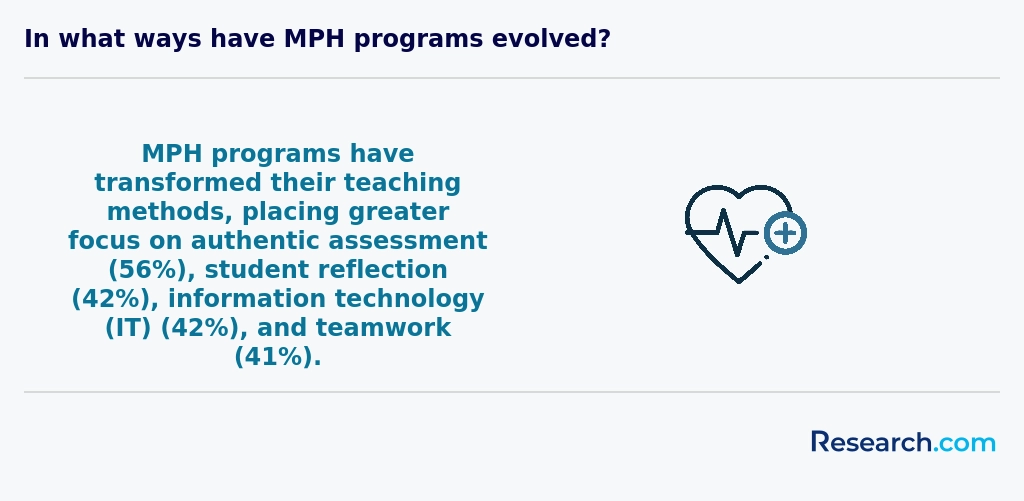
In today’s rapidly evolving landscape, public health education is embracing new technologies and teaching methods to better prepare graduates for emerging challenges. Innovations in digital health, data analytics, and telemedicine are transforming traditional curricula, making them more responsive to current public health crises and future needs. For example, many programs are now incorporating modules on artificial intelligence for epidemic forecasting and mobile health applications that enhance community outreach. These cutting-edge topics not only enrich academic learning but also equip students with highly marketable skills. Additionally, hybrid learning models that integrate virtual simulations and real-time problem-solving exercises are becoming increasingly popular. Prospective students interested in these dynamic approaches may want to explore the offerings at top online public health schools in new york, where flexible online programs blend rigorous coursework with innovative digital tools. Embracing these trends is key to building a resilient, forward-thinking public health workforce ready to face both current issues and future opportunities.
Public health degrees in the Northeast immerse students in a vibrant mix of courses designed to empower them to make a real difference. Graduates from well-known universities describe their journey through foundational classes like Introduction to Public Health, which opens eyes to the intricate health systems shaping communities. They find Biostatistics exciting as it equips them with tools to analyze real-world health data, turning numbers into impactful stories.
Courses in Epidemiology and Environmental Health bring classroom theories to life, allowing students to investigate how diseases spread or how pollution affects wellbeing right in their local neighborhoods. Health Policy and Management classes prepare students to navigate the complexities of healthcare systems, a crucial skill for those aspiring to lead change in regional health departments. Social and Behavioral Sciences reveal the powerful role of culture and behavior in health outcomes, sparking passion in students eager to design community-focused interventions.
These challenging yet rewarding courses, offered at prestigious Northeast institutions, lay the foundation for confident graduates who step into roles that improve lives every day.
Public health degree specializations in the Northeast spark excitement among students eager to make a meaningful impact. Many graduates find themselves drawn to areas like Epidemiology, where they analyze disease outbreaks and protect communities from health threats. Others thrive in Health Policy and Management, shaping the future of healthcare systems across bustling cities or small towns. In institutions like Boston University, students embrace diverse tracks such as Global Health or Social and Behavioral Sciences, bringing fresh perspectives to complex health challenges.
Engaging with Environmental Health, students learn how pollution and climate change directly affect wellbeing, inspiring action through science and policy. Biostatistics specialists harness the power of data to drive breakthrough research, while those focused on Community Health and Education build trusted relationships, empowering people to lead healthier lives. These vibrant programs offer Northeast public health career options that blend rigorous study with heartfelt community involvement, making each day both rewarding and purposeful.
Graduates often share how their education opened doors-and for those wondering how to take the next step in healthcare, exploring how to become a health unit coordinator can be a helpful pathway to begin making a difference.
Choosing the best public health degree in the Northeast means focusing on programs that resonate with your passions and career goals. Graduates from renowned universities in Boston and New York often share how CEPH-accredited programs gave them confidence in their education's quality and prepared them for impactful roles in their communities. Think about selecting a program with specializations that excite you-whether it's urban health policy or environmental health-so you can thrive in areas that truly inspire you.
Many students find that proximity to vibrant public health networks in states like Massachusetts and Pennsylvania enriches their learning through internships and job connections. Balancing costs is also key; exploring affordable public health programs Northeast wide, including assistantships or scholarships, can open doors without overwhelming your finances. For those eager to advance while continuing work, flexible online options create new possibilities-you can explore top pathways such as the Affordable Online Doctorate in Public Health Degree Programs to achieve your dreams on your terms.

Graduates with a public health degree in the Northeast discover a world of inspiring career paths that make a real difference. Many find rewarding roles as epidemiologists, analyzing disease patterns in bustling cities like New York or Boston. They feel proud knowing their work helps protect communities by informing health policies and interventions. Others thrive in health education and community outreach, designing programs that encourage healthy living within local neighborhoods, often collaborating with city health departments or nonprofits. These roles offer the joy of direct engagement and tangible impact.
Career options also include influential positions as public health policy analysts or healthcare administrators, where graduates shape vital health programs in major urban centers such as Philadelphia. Those who pursue advanced degrees often join academia at renowned institutions like Johns Hopkins University, contributing cutting-edge research and mentorship. For students eager to accelerate their journey, the Northeast offers fastest online degrees for working adults, combining flexibility with quality.
These diverse opportunities ensure that jobs with public health degree Northeast graduates are not only stable but fulfilling, fueling a rewarding career devoted to improving lives and communities.
The job market for public health degree holders in the Northeast is vibrant and full of promise, driven by dense urban populations and robust healthcare infrastructures. Graduates from well-known institutions like Boston University and the University of Massachusetts find themselves stepping into roles that impact community health directly, from managing programs aimed at disease prevention to analyzing vital health data.
Strong collaborations between universities and local healthcare facilities give students valuable internships, often paving the way to employment. This practical experience boosts confidence and career readiness, allowing graduates to embrace the public health career opportunities Northeast residents highly value. For those weighing educational paths, understanding what is the easiest associates degree to get can also help in planning complementary skills for health careers.
Public health graduates in this region enjoy competitive salaries ranging typically from $60,000 to $90,000, reflecting the demand for expertise in government agencies, hospitals, and non-profits. These roles are not only rewarding but also offer growth aligned with the promising job outlook for public health graduates Northeast communities enthusiastically support.
2027 Most Popular Public Health Degree Programs Ranking in the Northeast
Investing in your education is a significant decision that can profoundly impact your career and personal growth. The Research.com team recognizes this importance and has devoted considerable effort to ensuring the quality, credibility, and accuracy of the "2027 Most Popular Public Health Degree Programs Ranking in the Northeast." By leveraging robust data and thorough analysis, we aim to provide prospective students with trustworthy guidance tailored to their educational needs.
We utilized the following reputable data sources to compile this ranking:
By reviewing this ranking, readers will gain valuable insights into the most prominent public health degree programs available in the Northeast, empowering them to make well-informed decisions about their academic pursuits. For further information on how this ranking was created, please visit our Research.com methodology page.


# 5 position
Pennsylvania State University-Main Campus
Master of Public Health

# 6 position
Pennsylvania State University-Main Campus
PhD in Public Health


Frequently Asked Questions About public health
Public health degree students in the Northeast can maximize their learning by engaging with the region's diverse public health challenges, such as urban health disparities and opioid use crises. Participating in internships at local health departments or nonprofits offers practical experience; for instance, New York and Massachusetts have robust public health internship programs. Students should utilize research opportunities at universities like Johns Hopkins or Harvard, where Northeast institutions contribute significantly to public health studies.
Networking through regional conferences and professional organizations like the Northeast Public Health Training Center also enhances skills and career prospects. According to the Association of Schools and Programs of Public Health, over 25 accredited programs in the Northeast emphasize experiential learning, a proven strategy to deepen understanding.
The public health field in the Northeast is rapidly expanding into several emerging niches driven by regional health challenges and technological advances. One growing area is epidemiology focused on infectious disease control, especially in urban centers like New York City and Boston, where population density increases transmission risks. According to the Association of Schools and Programs of Public Health (ASPPH), data science integration within public health is also gaining traction, equipping graduates to analyze complex health data sets.
Environmental health is another key niche, addressing pollution and climate change impacts common in the Northeast's industrial and coastal regions. Mental health promotion and health equity initiatives are rising priorities, reflecting national and local commitments to reduce disparities. These niches offer diverse opportunities for students pursuing public health degrees in this region.
Graduates with a public health degree in the Northeast can enhance their job prospects by gaining practical experience through internships with local health departments or nonprofits. According to the National Association of County and City Health Officials, agencies in this region often seek candidates familiar with community health challenges prevalent there, such as urban health disparities.
Networking is also crucial; joining regional public health associations like the Northeast Public Health Association can provide valuable connections and job leads. Additionally, obtaining certifications such as the Certified in Public Health (CPH) credential can boost employability by demonstrating specialized knowledge.
Many employers prefer candidates with skills in data analysis and health informatics, so training in these areas is beneficial. Staying informed about state-specific public health policies and funding trends will also help graduates align their job search with emerging priorities in the Northeast.
Employers in the Northeast prioritize several key skills when hiring public health graduates. Analytical skills top the list, as professionals must interpret complex health data to guide community health decisions. According to the New England Public Health Association, proficiency in statistical software like SAS or R is increasingly essential.
Strong communication abilities are also critical. Graduates should effectively convey health information to diverse audiences, including policymakers and affected communities. This aligns with the Northeast's emphasis on addressing urban health disparities.
Leadership and project management experience rank highly, given the collaborative nature of public health initiatives in states like New York and Massachusetts. Problem-solving skills, cultural competence, and adaptability further enhance job prospects in this dynamic field.
Finding internships in the Northeast for public health students involves leveraging regional resources and networks. Many universities in states like New York, Massachusetts, and Pennsylvania have partnerships with local health departments, hospitals, and nonprofit organizations.
Students can also use platforms such as Handshake and the National Association of County and City Health Officials (NACCHO) to access internship listings focused on public health roles.
According to the Bureau of Labor Statistics, the Northeast hosts nearly 20% of the nation's public health workforce, creating ample opportunities for field experience in diverse settings.
Engaging with professional groups like the American Public Health Association's Northeast affiliate can also expand internship possibilities.
A public health degree significantly enhances career mobility and advancement opportunities in the Northeast. The region, including states like New York, Massachusetts, and Pennsylvania, hosts many leading healthcare organizations and government agencies, creating strong demand for qualified public health professionals.
According to the U.S. Bureau of Labor Statistics, employment of health educators and community health workers is projected to grow 17% from 2022 to 2032, faster than the average for all occupations. In the Northeast, higher concentrations of public health jobs correspond with a greater need for advanced degrees.
Graduates with a Master of Public Health (MPH) or related degrees often qualify for leadership roles, policy development positions, and research opportunities. This is particularly true in urban centers like Boston and New York City, where public health agencies collaborate on large-scale initiatives requiring specialized knowledge.
Studying for a public health degree in the Northeast offers unique opportunities to prepare for interdisciplinary roles due to the region's diverse academic and healthcare institutions. Programs here often emphasize collaboration between fields such as epidemiology, social sciences, health policy, and biostatistics. According to the Association of Schools and Programs of Public Health (ASPPH), many Northeastern schools integrate practical experiences with local health departments, fostering skills applicable across multiple sectors.
With dense urban populations and varied demographics, students gain exposure to complex public health challenges. This experience equips graduates to work effectively with professionals from medicine, law, urban planning, and environmental science, enhancing problem-solving in real-world settings.
Choosing between a thesis and a non-thesis public health degree program in the Northeast depends largely on your career goals and time commitment. Thesis programs require original research and are ideal if you plan to pursue a PhD or a research-focused role. Non-thesis options typically emphasize practical skills and may include additional coursework or internships, appealing to those targeting public health practice or management positions.
Public health schools in the Northeast, such as those at Boston University and the University of Massachusetts, offer both formats. According to the Association of Schools and Programs of Public Health (ASPPH), approximately 40% of public health master's graduates in this region choose thesis tracks, reflecting strong research opportunities.
Consider your interest in research, the duration of study, and future employment when making your decision.
Students based in the Northeast interested in studying public health abroad have several avenues to explore. Many universities in this region, such as Columbia University and Boston University, offer study abroad programs specifically tailored for public health students. These programs often include placements in countries with distinct health systems, providing valuable international experience.
Exchange agreements also enable students to attend partner institutions worldwide while continuing to earn credits toward their degrees. According to the Association of Schools and Programs of Public Health (ASPPH), nearly 40% of Northeast public health programs encourage or require global fieldwork.
This exposure helps students understand diverse public health challenges and prepares them for careers addressing global health disparities.
Part-time job opportunities in the Northeast that complement public health degree education often include positions in community health organizations, research assistant roles at universities, and internships in government health departments. For example, the New York State Department of Health frequently offers part-time internships and fellowships focused on epidemiology and health data analysis. According to the Bureau of Labor Statistics, the Northeast has a higher concentration of public health agencies and nonprofit organizations, increasing available roles for students.
Working as a public health outreach worker or health educator offers practical experience in communication and program implementation. Additionally, medical coding and data entry jobs at regional hospitals provide useful exposure to health information management.
Public health students in the Northeast benefit from numerous networking opportunities due to the region's concentration of top universities and health organizations. Schools like Harvard, Columbia, and Johns Hopkins offer student access to experienced faculty, alumni networks, and connections with agencies such as the CDC and local health departments.
Professional associations such as the Northeast Public Health Association hold regular conferences and workshops, fostering connections among students and industry professionals. Additionally, internship programs in major metropolitan areas like Boston and New York provide hands-on experience and opportunities to build professional networks early in one's career.
Alumni networks play a vital role for public health degree students in the Northeast by providing access to professional connections and career opportunities. Graduates from schools in this region benefit from active networks that often include leading public health professionals working in local health departments, NGOs, and research institutions.
These networks facilitate mentorship, internships, and job placements, which are especially important given the competitive job market. According to the Association of Schools and Programs of Public Health (ASPPH), students engaged with alumni networks report stronger job prospects and higher employment rates within six months of graduation.
Moreover, the Northeast's concentration of public health organizations enhances alumni influence in policy discussions and research collaborations, enriching educational experiences and career development.
Many public health degree programs in the Northeast offer customizable options to align with your career goals. Students can often select specific concentrations such as epidemiology, health policy, environmental health, or global health. This flexibility helps tailor your education to fields with high demand in the region, like infectious disease control or urban health initiatives.
Internships and practicum placements with local health departments, hospitals, or nonprofit organizations are commonly available, providing hands-on experience in areas relevant to Northeastern communities. According to the Association of Schools and Programs of Public Health, approximately 70% of Northeast programs emphasize applied learning.
Elective courses and dual-degree options, such as combining public health with data analytics or social work, further enhance customization. Exploring these options early during your program can maximize their benefit to your career path.
Public health students in the Northeast often face several challenges during their education. One major difficulty is the high cost of living and tuition fees in states like New York and Massachusetts. According to the College Board, average tuition at public universities in these states can exceed $13,000 per year for in-state students, adding financial strain.
Another challenge is balancing rigorous coursework with practical fieldwork. Many programs require internships or community engagement, which can be time-consuming and competitive. Data from the Association of Schools and Programs of Public Health shows that demand for these placements is increasing steadily.
Lastly, students must navigate a complex job market. While the Northeast has many public health employers, graduates need strong networking skills to secure positions in a competitive environment.
Graduates with a public health degree in the Northeast can pursue several professional certifications that enhance their career prospects. The Certified in Public Health (CPH) credential, offered by the National Board of Public Health Examiners, is widely recognized and validates expertise in core public health areas.
Other popular certifications include the Certified Health Education Specialist (CHES) and the Registered Environmental Health Specialist (REHS), both relevant to specific public health fields. These credentials demonstrate specialized skills critical for public health roles in government agencies and nonprofit organizations.
The demand for certified public health professionals in the Northeast reflects broader national trends; according to the Bureau of Labor Statistics, the region expects a 15% job growth in related public health occupations by 2030.
Writing a winning application for a public health program in the Northeast requires clear focus and preparation. Start by researching schools known for their public health programs, such as those accredited by the Council on Education for Public Health (CEPH). Admissions committees value applicants who demonstrate a strong understanding of regional health challenges, including issues prevalent in the Northeast like opioid addiction and urban health disparities, as reported by the CDC.
Highlight relevant academic achievements and practical experience, such as internships or volunteer work in local public health organizations. Letters of recommendation should come from professionals familiar with your commitment and skills. Lastly, personalize your statement of purpose to reflect your goals and how the program aligns with regional public health needs.
The global view of a public health career emphasizes its critical role in addressing health challenges worldwide, including pandemics, chronic diseases, and health inequities. For students in the Northeast, understanding this perspective is vital as many regional programs incorporate international health issues into their curriculum. According to the Association of Schools and Programs of Public Health (ASPPH), about 60% of U.S. public health graduates seek careers that involve global health concerns.
The U.S. Northeast, home to leading institutions such as Johns Hopkins University, often ranks highly for research output impacting global health policy. Public health professionals trained here frequently collaborate with organizations like the World Health Organization to tackle disease prevention and health promotion on a global scale.
Moreover, graduates with a global perspective are more competitive in the job market, particularly in roles with non-governmental organizations and international agencies focusing on health interventions in low-income countries. This trend highlights the importance of international experience within public health education programs in the Northeast.
Gaining practical experience while pursuing a public health degree in the Northeast is crucial for career readiness. Many universities in this region offer internships or cooperative education programs with local health departments, hospitals, and nonprofit organizations. For example, programs often partner with the New York City Department of Health or Boston Public Health Commission, providing students with real-world exposure.
Fieldwork and practicum placements are typically required components in accredited public health programs. According to the Council on Education for Public Health (CEPH), over 90% of CEPH-accredited schools in the Northeast include hands-on experiences as part of their curriculum. These opportunities enhance skills in epidemiology, community outreach, and health policy.
Additionally, students can participate in research projects or community-based initiatives, often supported by local universities or public health institutes. This practical involvement helps build professional networks and improves employment prospects after graduation.
Choosing the right concentration within a public health degree program in the Northeast depends largely on your career goals and local public health needs. Popular areas include epidemiology, health policy, environmental health, and community health. According to the Association of Schools and Programs of Public Health (ASPPH), epidemiology leads in demand due to ongoing regional efforts to combat infectious diseases.
Consider the job market in Northeastern states such as New York, Massachusetts, and Pennsylvania, where data analytics and health policy experts are increasingly sought after. Look for programs that offer practical experience and connections with local health departments or hospitals. Reviewing program curricula and faculty expertise can guide your choice effectively.
- Finding Fulfillment in Your Public Health Career Journey | PH SPOT https://phspot.org/finding-fulfillment-in-your-public-health-career-journey/
- Massachusetts https://www.publichealthdegrees.org/st/massachusetts/
- Admission Requirements: M.S. in Physician Assistant Studies https://www.northeastcollege.edu/admissions/requirements/m-s-physician-assistant-studies
- Financial Aid Guide https://www.publichealth.org/resources/financial-aid/
- Choosing an MPH Specialization - MPH Online https://www.mphonline.org/choosing-an-mph-specialization/
- Financing Your Degree https://aspph.org/student-journey/financing-your-degree/
- Engaging students through service-learning opportunities in public health https://sneb.org/engaging-students-through-service-learning-opportunities-in-public-health/
- 10 Best MPH Degrees in the Northeast https://www.masterspublichealth.net/best/mph-northeast/
- Top 5 Certifications You Should Pursue to Advance Your Public Health Career - Public Health Insight https://publichealthinsight.buzzsprout.com/1023340/episodes/9904302-top-5-certifications-you-should-pursue-to-advance-your-public-health-career
- Master of Science (M.S.) Major in Public Health Education and Promotion (Non-thesis Option) https://mycatalog.txstate.edu/graduate/education/health-human-performance/public-healthed-promo-nonthesis-ms/











