
2027 Fastest Online Public Health Degree Programs Ranking in Baltimore, MD

Co-Founder and Chief Data Scientist
Choosing the right online public health degree can feel overwhelming, especially in a city like Baltimore with many options. To make this easier, the Research.com team of data scientists has created the 2027 Fastest Online Public Health Degree Programs Ranking in Baltimore, MD. This ranking helps students identify programs that combine quality and efficiency.
In this article, you'll discover valuable insights that can guide you toward a fulfilling career in public health. Pursuing this degree opens doors to meaningful work that positively impacts communities. Reading on could be the first step toward your future success.
Key benefits of getting online public health degree in Baltimore
- The mean annual wage for public health-related jobs in Baltimore is promising, with Environmental Health Specialists earning about $86,710 and Health Educators around $69,790, showing strong financial benefits after graduation.
- Graduates from popular Baltimore universities often pursue diverse careers such as Community Health Workers, Medical Assistants, or Occupational Health Specialists, offering opportunities to impact community well-being positively.
- Obtaining an online public health degree in Baltimore offers flexibility for busy schedules and the chance to learn at your own pace while still gaining quality education from reputable local institutions.
- 2027 Fastest Online Public Health Degree Programs Ranking in Baltimore, MD
- What can I expect from online public health degree in Baltimore?
- Where can I work with online public health degree in Baltimore?
What can I expect from online public health degree in Baltimore?
The average cost of an online public health degree in Baltimore typically ranges between $12,000 and $25,000 for the entire program, depending on the institution and program length. Universities known for their public health offerings often provide flexible tuition plans, catering to working adults balancing jobs and family commitments. Graduates from well-regarded Baltimore colleges frequently report that the investment feels worthwhile due to the strong community connections and practical experience gained through local practicum placements.
For example, students engaging with Baltimore's urban health challenges through practicum opportunities at local health departments or nonprofits often describe a deep sense of purpose and readiness to address real public health issues. These hands-on experiences complement coursework in epidemiology and social determinants of health, enhancing both skills and employability.
Financial aid and in-state tuition options further reduce costs, making these programs more accessible. Many students find the combination of competitive tuition, regional expertise, and flexible online delivery to be highly motivating and supportive of their career goals in public health.
Where can I work with online public health degree in Baltimore?
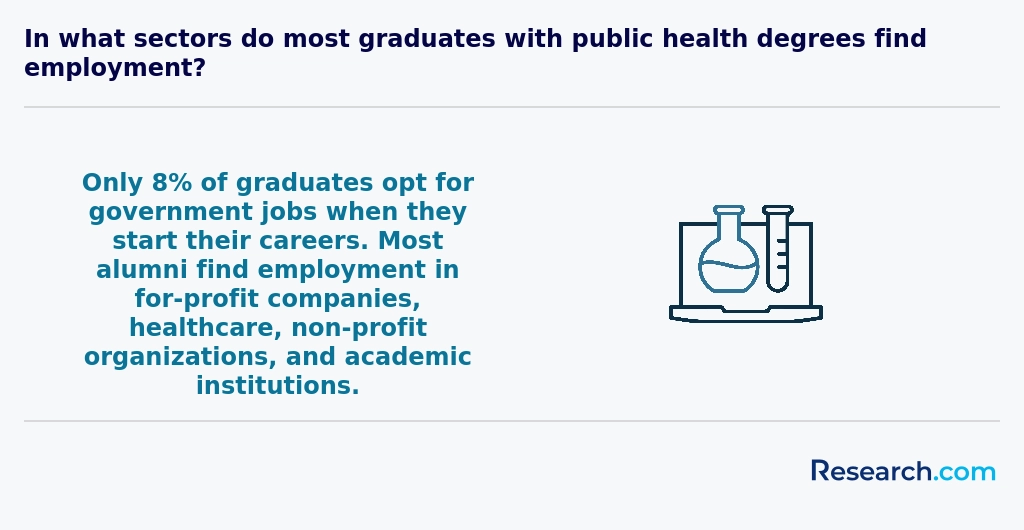
Graduates with an online public health degree in Baltimore find diverse employment opportunities across multiple sectors. Many secure roles within the Baltimore City Health Department, tackling real-world challenges such as asthma and obesity, which affect about 10% of local residents. This experience aligns well with positions in program planning, epidemiology, and health education that require both analytical skills and community engagement.
Alumni from institutions like the University of Maryland and Johns Hopkins often join major hospital systems, performing data analysis, patient advocacy, and community outreach. These roles frequently involve collaborating directly with diverse patient populations to improve health outcomes and reduce disparities.
Nonprofit organizations, including the Baltimore Health Equity Partnership, employ graduates in policy development, research, and grant management. These roles offer meaningful impact on issues like substance abuse and food insecurity, resonating positively with graduates driven by social change.
Additionally, the biotech and pharmaceutical sectors provide career paths focused on health communication and regulatory affairs, appealing to graduates interested in combining science with public health innovation. Projections from the U.S. Bureau of Labor Statistics confirm a strong job growth trajectory, reinforcing Baltimore as an ideal locale for launching a public health career.
Graduates from online public health programs in Baltimore, such as those offered by well-known institutions like the University of Maryland or Johns Hopkins Bloomberg School of Public Health, can anticipate competitive earnings reflective of both national and local trends. Entry-level roles commonly filled by these graduates, like Community Health Workers, have a mean annual wage of about $52,610 nationwide, with Baltimore salaries often slightly higher due to regional demand. Health Educators earn a mean of approximately $69,790 annually, positioning graduates well for stable, rewarding careers.
More specialized positions, such as Environmental Health Specialists or Occupational Health and Safety Specialists, offer mean annual wages of $86,710 and $85,570 respectively, providing compelling incentives for graduates pursuing advanced certifications or degrees. Many Baltimore graduates report satisfaction in obtaining roles that allow them to influence community health directly while earning wages consistent with these averages. The city's strong healthcare network supports solid career growth, making an online public health degree a valuable investment for those eager to contribute locally while advancing professionally.
- Tuition for online public health degrees in Baltimore typically ranges from $15,000 to $35,000 depending on the institution and program level.
- The Baltimore area employs over 5,000 public health professionals, with job growth projected at 13% over the next decade.
- Starting salaries for graduates average between $50,000 and $60,000 annually, with mid-career salaries ranging from $70,000 to $85,000.
- Online programs offer flexibility for working professionals and may include virtual internships or partnerships with local health departments.
- Public health in Baltimore focuses on key issues like infectious disease control, environmental health, and health equity, supporting ongoing demand for skilled graduates.
Online public health degrees in Baltimore generally require four years of full-time study to complete a bachelor's program, commonly totaling around 120 credit hours. Graduates from institutions like Johns Hopkins University appreciate the flexibility of online courses, allowing them to balance work and studies without sacrificing progress. Many students accelerate their pace by enrolling in summer terms or taking additional classes each semester.
For graduate degrees such as the Master of Public Health (MPH), full-time students at schools like the University of Maryland, Baltimore County typically finish in two years, covering 42 to 48 credit hours. Part-time options extend the timeline to three or four years, fitting busy professionals' schedules.
Some graduates have reported success with accelerated MPH pathways, completing their degree in as little as 12 to 18 months by committing full-time. These programs often use asynchronous formats, removing fixed class times and fostering a self-paced learning environment that many find motivating and enabling.
Online public health degrees offer Baltimore students flexibility, enabling them to study while managing work or family commitments. Graduates from online programs at institutions like the University of Maryland Global Campus appreciate avoiding daily commutes and being able to access lectures anytime. This flexibility contrasts with on-campus programs at places such as Johns Hopkins Bloomberg School of Public Health, where face-to-face interaction fosters immediate networking opportunities and spontaneous peer discussions.
Cost differences are notable; online learners often save on housing and transportation. However, they must confirm whether tuition rates align with in-state Baltimore residents, as fees may vary. Practical experience requirements, such as internships with the Maryland Department of Health, tend to be more accessible for on-campus students due to established local partnerships, whereas online students must independently secure relevant placements, offering broader geographic options.
Technology plays a central role for online students, who develop strong digital literacy through managing course platforms and virtual collaboration, skills highly valued in today's public health careers.
Navigating the world of online public health education requires strategic planning, self-discipline, and leveraging available resources to maximize learning outcomes. To excel in your online program, begin by setting a consistent study schedule and establishing a dedicated workspace free of distractions. Effective time management techniques – such as using digital calendars, task management apps, and periodic self-assessments – can significantly boost your productivity and help you stay on track with deadlines and assignments. It’s also important to actively engage with your instructors and peers by participating in discussion forums, virtual study groups, and live webinars. These interactions help build a supportive online community, which can lead to valuable networking opportunities and deepen your understanding of complex public health topics. In addition, taking advantage of student support services, such as academic advising and technical support, can provide extra guidance when challenges arise during your studies. Keeping up with the latest industry trends and technological advancements in public health will further enhance your learning experience. For students interested in comparing educational options and finding programs that fit their needs, visiting the fastest online public health schools in maryland could offer additional insights and help you make informed decisions about your academic journey. Finally, don’t hesitate to set both short-term and long-term goals; reflecting regularly on your progress and remaining adaptable will ensure that you make the most of your online public health program and prepare effectively for a dynamic career in the field.
The average cost of an online public health degree in Baltimore is approximately $29,130, based on median total tuition and fees. This figure reflects both in-state and out-of-state tuition rates, providing a clear benchmark for prospective students. Graduates from institutions like the University of Maryland Baltimore often cite the balance between program quality and affordability as a significant factor in their positive educational experience.
In practical terms, this median cost represents the total tuition for completing the typical credit requirements of a Master of Public Health degree, which generally ranges from 42 to 48 credits. Students pursuing these programs remotely appreciate the flexibility and cost efficiency, particularly when comparing to higher tuition rates at private universities. This average cost of online public health degree Baltimore students face aligns well with broader trends in Maryland, making it a competitive option nationally while remaining accessible locally.
Many students pursuing an online public health degree benefit from financial support mechanisms, easing the burden of total tuition and fees for public health degree Maryland programs. Scholarships, employer tuition reimbursement, and other forms of financial aid consistently help graduates feel confident in investing in their education. Additionally, some students have found that this investment supports career growth and offers important career advancement in healthcare, creating opportunities that extend well beyond their studies.
Students pursuing online public health degrees in Baltimore often rely on a combination of federal, state, and institutional financial aid to manage costs. For example, graduates from prominent local universities report that completing the FAFSA unlocked Pell Grants, which can cover up to $7,395 per academic year without repayment, substantially easing the burden of tuition that ranges from $15,000 to $45,000 annually. Maryland residents benefit from state-specific scholarships such as the Edwin Warfield Scholarship, helping many undergraduates attending Baltimore institutions reduce their expenses significantly.
Institutional aid programs at schools like the University of Maryland Global Campus and Johns Hopkins University also provide merit-based scholarships and need-based grants. Graduates often share that these awards, combined with special Maryland resident tuition discounts, allowed them to pursue degrees affordably while balancing work and family commitments.
External funding from organizations like the American Public Health Association, as well as tuition assistance from local healthcare employers, further support online students. This layered financial aid approach helps Baltimore learners realistically tackle the typical $30,000 debt level post-graduation.
Obtaining recognized certifications can elevate your public health career, demonstrating expertise and commitment. Graduates of CEPH-accredited programs are eligible for:
- Certified in Public Health (CPH): Validates broad public health knowledge.
- Certified Health Education Specialist (CHES): Focuses on health promotion and education.
- Registered Environmental Health Specialist (REHS): Specializes in environmental risk assessment.
Many online programs include preparatory workshops or study resources to help you pass these exams. You might also explore medical billing and coding online schools for complementary healthcare credentials.
To enroll in an online public health degree program in Baltimore, applicants must meet clear academic and practical prerequisites. For undergraduate entry, Baltimore-area programs often require a high school diploma or GED plus foundational coursework in biology, chemistry, math, and English. Graduates from local universities reflect on how these courses provided essential skills for tackling coursework focused on disease prevention and health policy.
At the master's level, candidates typically present a bachelor's degree from an accredited institution, preferably in health sciences or related fields, with an undergraduate GPA near 3.0. Many Baltimore programs also request letters of recommendation, statements of purpose, and resumes that highlight relevant volunteer or work experience, fostering practical readiness to address city-specific health challenges like disparities in chronic disease rates.
Although GRE scores are less frequently required, some institutions still consider them, especially those with a strong research emphasis. Graduates appreciate that these prerequisites balance rigorous academics with real-world context, preparing them well to serve Baltimore's public health needs.

Evaluating the return on investment (ROI) for an online Public Health degree in Baltimore, MD, helps prospective students understand how quickly they can recoup educational costs and begin building long-term wealth. On average, tuition and fees for a 42-credit online Master of Public Health (MPH) in Baltimore range from $20,000 to $25,000 for in-state students and $38,000 to $45,000 for out-of-state students. When compared against median starting salaries-$49,900 for Community Health Workers, $66,710 for Health Educators, and $83,820 for Environmental Health Specialists-graduates can project a break-even point of approximately 3 to 5 years, depending on specialization and financial aid. Key factors affecting ROI include:
- Net Cost After Aid: With 71% of students receiving federal loans, scholarships, or work-study, the effective cost often drops by 20–30%.
- Average Salary Growth: Public health professionals in Baltimore experience an average salary increase of 4–6% annually, accelerating payback timelines.
- Opportunity Cost: Online formats allow continued full-time employment; many graduates complete their MPH without forfeiting current income, reducing overall opportunity cost.
- Career Advancement: Holding an MPH often unlocks leadership roles paying $10,000–$15,000 more annually than entry-level positions, further boosting lifetime earnings. For example, a graduate who finances 80% of tuition through low-interest federal loans and secures a Health Educator role at $66,710 can expect to offset remaining educational expenses within three years of graduation. Moreover, ancillary roles-such as community health nursing-offer competitive wages; according to recent data on community health nursing job salary, nurses in similar community-based settings command salaries that rival those of public health specialists, illustrating cross-sector earning potential. By comparing total program costs, projected earnings, and career growth trajectories, students can make a financially sound decision when selecting the fastest online Public Health degree program in Baltimore, MD.
Online public health degree programs in Baltimore typically include core courses such as epidemiology, biostatistics, environmental health, health policy, and social and behavioral sciences. Graduates from popular Baltimore institutions appreciate how epidemiology courses prepare them to understand disease outbreaks in urban settings like Baltimore, where real cases provide practical learning opportunities. Biostatistics classes equip students to analyze local health data, essential when addressing Baltimore's community health challenges.
Environmental health courses often highlight Maryland's specific concerns, including air quality and water safety, directly linking theory to local realities faced by Baltimore residents. Health policy coursework dives into frameworks crucial for influencing Baltimore's public health decisions, a key interest for many graduates pursuing leadership roles.
Courses on social and behavioral sciences and community health education resonate with students aiming to improve health outcomes in neighborhoods affected by disparities. Practical projects, supported by renowned Baltimore colleges, enhance skillsets as students apply concepts to tangible public health issues, eliciting a strong sense of achievement and preparedness.

Online public health degree specializations Baltimore students commonly pursue reflect the city's unique health landscape and university offerings. Popular concentrations include Epidemiology, focusing on disease surveillance and outbreak investigations, which prepares graduates for roles addressing chronic and opioid-related health concerns prevalent in Baltimore. Health Policy and Management equips students with leadership skills vital for influencing healthcare systems locally. Environmental Health is particularly relevant given Baltimore's environmental challenges, training students to respond to pollution and climate-related risks affecting community health.
Baltimore's prominent institutions provide practical learning environments that allow graduates to apply these specializations in real-world settings, enhancing their career readiness and engagement. For example, graduates from these programs report feeling confident addressing urban health disparities through Community Health and Education, where they develop effective health promotion strategies tailored to Baltimore's diverse populations.
Students balancing cost and quality also explore online nursing programs financial aid Texas as a comparative option for managing tuition expenses while planning public health careers. This strategic approach maximizes both learning flexibility and financial feasibility in their educational paths involving Baltimore public health programs with specializations.
Choosing the best online public health degree in Baltimore requires prioritizing CEPH accreditation to ensure academic rigor and wide employer recognition. Graduates from popular institutions in Baltimore often highlight how this accreditation opened doors for them in local health departments and nonprofit organizations, reinforcing the value of selecting accredited programs. Cost remains a critical factor; with tuition typically ranging from $10,000 to $20,000 annually for in-state students, Baltimore-based universities often provide affordable public health degrees Baltimore MD residents find accessible, especially with in-state tuition benefits extended to online learners.
Flexibility is key for many students balancing professional and personal commitments. Programs offering asynchronous courses and part-time formats ease scheduling challenges, a feature praised by graduates who managed work alongside their studies without sacrificing learning quality. Additionally, choosing a Baltimore-based institution fosters vital connections with local health agencies, giving students practical engagement opportunities that enrich their education.
For those weighing their options, consider comparing program specializations to align with your career goals and explore financial aid packages. Those interested in related healthcare fields might also explore lpn degrees oklahoma part-time as an alternate pathway in health careers.
Graduates of online public health degree programs in Baltimore have access to diverse career paths that address pressing health challenges in the region. Common roles include epidemiologists analyzing disease patterns in communities impacted by health disparities and health educators designing initiatives to promote healthier lifestyles among urban populations. Community health workers play a crucial role as liaisons, helping reduce barriers to healthcare access in Baltimore's varied neighborhoods. Public health analysts use data-driven insights to optimize resource allocation and program effectiveness, while environmental health specialists focus on mitigating urban pollution and housing-related health risks.
Students from popular Baltimore institutions report feeling empowered by the practical skills gained online, which prepare them for these impactful roles. The city's public health infrastructure, including employers like Johns Hopkins Medicine, offers strong support for career advancement. Many graduates also engage with public health policy initiatives, influencing real-world outcomes. This data-informed outlook makes online public health careers in Baltimore a smart choice for professionals focused on community well-being.
The steady job growth projected by the BLS aligns well with Baltimore's ongoing health needs, ensuring promising public health degree job opportunities Baltimore can rely on in the coming decade.
Baltimore's job market for online public health degree graduates is notably strong, driven by the city's concentration of leading healthcare institutions such as Johns Hopkins Bloomberg School of Public Health. Graduates often find employment opportunities within Johns Hopkins Medicine, local government agencies, and nonprofit organizations dedicated to community health initiatives. Public health students from Baltimore frequently report feeling optimistic about securing positions addressing urban health disparities, leveraging the city's active role in public health research and policy.
The demand for specialists in epidemiology, biostatistics, and health education is on the rise, reflecting a 17% national growth projection for health educators and community health workers between 2020 and 2030. This positive trend directly benefits those pursuing online public health jobs Baltimore offers, as many employers prefer candidates trained to handle local health challenges. Graduates tend to appreciate how flexible online programs allow them to work while studying, enhancing their readiness for varied roles.
Those considering pursuing degrees in Baltimore can explore options among the fastest online public health schools in maryland, offering both quality and accessibility tailored for working professionals.
2027 Fastest Online Public Health Degree Programs Ranking in Baltimore, MD
Investing in your education is a significant decision that can shape your professional future, and the Research.com team fully recognizes the importance of making well-informed choices. To support prospective students in Baltimore, MD, we have carefully developed the "2027 Fastest Online Public Health Degree Programs Ranking." Our dedication to quality, credibility, and accuracy is demonstrated by the thorough research and analysis involved in creating this ranking.
We utilized the following reputable data sources to ensure a comprehensive evaluation of public health programs:
By exploring this ranking, readers will gain valuable insights into the fastest online public health degree programs in Baltimore, empowering them to make confident decisions about their education and career advancement. For more information about our ranking process, please visit our Research.com methodology page.

# 3 position
University of Maryland, Baltimore
Master of Health Science

Frequently Asked Questions About public health
Students pursuing online public health degrees in Baltimore can enhance their learning by actively engaging with local public health organizations such as the Baltimore City Health Department. This provides practical insight into issues like infectious disease and environmental health, which are key concerns in the city. According to the Maryland Department of Health, Baltimore faces significant health disparities, making local context vital for understanding public health challenges.
Additionally, networking with Baltimore-based professionals through virtual seminars or local chapters of public health associations can expand students' perspectives. Utilizing university resources, like online libraries and academic advisors, further supports success. Balancing studies with involvement in community projects enriches both theoretical knowledge and practical skills.
The public health field is evolving with several emerging niches that reflect current societal challenges. One rapidly growing area is epidemiology focused on infectious diseases, especially due to COVID-19's lasting impact. Another key niche is health informatics, which combines data science and technology to improve health outcomes. Environmental health remains critical in Baltimore, where urban pollution affects community well-being. Additionally, public health professionals are increasingly specializing in chronic disease prevention, digital health promotion, and health equity initiatives aimed at reducing disparities in diverse populations.
According to Baltimore's Health Department reports, these niches offer strong career paths for online degree graduates seeking to address local and national public health needs.
Preparing for the job market after earning an online public health degree in Baltimore involves several strategic steps. First, gaining practical experience through internships or volunteer work with local organizations, such as the Baltimore City Health Department, can significantly boost employment prospects.
Networking is essential. Joining local public health associations or attending regional conferences helps connect with professionals and potential employers in Baltimore's healthcare sector. According to the U.S. Bureau of Labor Statistics, public health jobs in Maryland are expected to grow by 12% through 2030, reflecting increasing demand.
Additionally, obtaining relevant certifications like Certified Health Education Specialist (CHES) may enhance your resume. Finally, tailoring your job applications to highlight knowledge of Baltimore's specific public health challenges, such as addressing high rates of asthma and heart disease, can set you apart.
Employers in Baltimore seek public health graduates with strong analytical skills to interpret health data and guide community programs. Proficiency in biostatistics and epidemiology is highly valued, as Baltimore's public health sector emphasizes data-driven decision making, according to the Maryland Department of Health. Communication skills are essential for educating diverse populations and collaborating with local agencies.
Additionally, knowledge of health policy and urban health challenges is critical due to Baltimore's unique socio-economic context. Employers also prioritize cultural competence and the ability to work effectively with Baltimore's multicultural communities. Leadership and project management skills contribute to successful health interventions and grant management.
Finding internships in Baltimore relevant to a public health degree involves targeting local organizations focused on community health. The city hosts numerous public health agencies, including the Baltimore City Health Department, which offers internship opportunities focused on epidemiology, health education, and disease prevention.
Many universities in Baltimore partner with hospitals and nonprofits for internships, including Johns Hopkins and the University of Maryland. Leveraging these connections can provide access to valuable placements.
Additionally, online job portals like Handshake and the Maryland Public Health Association website list current internship openings tailored to public health students in the Baltimore area.
Networking through professional associations such as the American Public Health Association's Baltimore chapter also enhances internship prospects by connecting students with local practitioners.
Online public health degrees offer significant advantages for career mobility and advancement in Baltimore. With Baltimore's growing public health sector, professionals holding such degrees are well-positioned to access roles in government agencies, hospitals, and nonprofit organizations.
Baltimore's Health Department frequently emphasizes the need for trained public health workers, especially in epidemiology and health education, which aligns with common online degree curricula.
According to the Bureau of Labor Statistics, Maryland expects a 15% growth in healthcare-related jobs through 2030, outpacing the national average. An online degree provides flexible access to credentials that meet local employer demands.
Additionally, online programs often include practicum experiences in Baltimore-area agencies, enhancing networking and practical skills essential for promotion in public health careers.
Studying for an online public health degree in Baltimore equips students with skills essential for interdisciplinary roles through a curriculum that integrates epidemiology, policy, health education, and data analysis. Baltimore's diverse population and unique health challenges, such as its high rates of chronic diseases reported by the Maryland Department of Health, offer practical case studies and community-focused learning opportunities. Programs emphasize collaboration with sectors like social work, urban planning, and healthcare administration to prepare graduates for multifaceted public health careers.
Online degrees also often connect students with Baltimore-based health organizations, enhancing real-world interdisciplinary teamwork experience, a key competency for effective public health professionals.
Choosing between a thesis and a non-thesis public health degree program in Baltimore depends on your career goals and learning preferences. Thesis programs typically involve conducting original research and writing a substantial paper, which suits students interested in academic, research, or doctoral paths.
Non-thesis tracks often focus on practical skills through coursework and projects, appealing to professionals aiming for direct public health practice or leadership roles. Baltimore, with its strong public health workforce and institutions like Johns Hopkins University, supports both options.
According to the Maryland Department of Health, the city's public health sector emphasizes applied skills, making non-thesis programs relevant. Still, thesis programs offer in-depth research experience valuable in epidemiology and policy analysis.
Students based in Baltimore seeking to study public health abroad through online programs have several opportunities within the US higher education system. Many universities offer accredited online public health degrees with international study components or global health concentrations. These programs often include virtual internships or research projects focused on worldwide health issues.
Baltimore's strong public health infrastructure, including institutions like the Johns Hopkins Bloomberg School of Public Health, supports interest in global health topics. According to the Maryland Department of Health, about 14% of Baltimore's workforce is engaged in health-related fields, emphasizing local demand for global health expertise.
Prospective students should explore programs offering flexible online coursework integrated with field experiences abroad, often in partnership with foreign universities. This approach allows Baltimore learners to gain international perspectives without relocating, combining local public health knowledge with global challenges.
Part-time job opportunities in Baltimore that complement public health education are diverse and practical. Students can gain valuable experience as community health workers, where they assist in health education and outreach in neighborhoods with higher chronic disease rates, according to the Baltimore City Health Department.
Another role is a research assistant position at local universities or health organizations like Johns Hopkins Bloomberg School of Public Health. These jobs help students understand data analysis and epidemiology, key components of public health.
Additionally, working with nonprofit organizations focused on substance abuse prevention or maternal health offers hands-on experience helping vulnerable populations. These roles often provide flexible schedules suitable for online students.
Online public health students in Baltimore benefit from strong networking opportunities through both local and virtual channels. Baltimore is home to several public health organizations, including the Maryland Public Health Association, which offers events, workshops, and webinars specifically for public health professionals. These platforms enable students to connect with experienced practitioners in the field.
The city also hosts annual public health conferences, such as events supported by Johns Hopkins Bloomberg School of Public Health, fostering connections between students and industry leaders. Moreover, many online programs arrange virtual networking sessions that link students with Baltimore-area public health agencies.
According to the Baltimore City Health Department, local public health employment grew by 7% over the last five years, emphasizing the value of networking for career opportunities.
Alumni networks offer significant advantages for online public health degree students in Baltimore. These networks connect students with graduates working in local health departments, hospitals, and nonprofit organizations focused on Baltimore's public health challenges.
For example, Baltimore's high rate of chronic diseases means alumni can share direct insights and job openings tailored to the region's needs. According to the Maryland Department of Health, Baltimore ranks above the national average in obesity and diabetes, creating demand for skilled public health professionals.
Networking through alumni groups also helps students access mentorship, internships, and career advancement opportunities, which are vital in competitive public health fields. Alumni often host virtual events that online students can easily attend.
Research from the National Association of Public Health Practitioners shows that graduates engaged in alumni networks report 30% higher job placement rates within six months post-graduation.
Customizing an online public health degree program in Baltimore allows students to align their education with specific career goals. Many programs offer elective courses or concentrations like epidemiology, health policy, or community health, enabling specialization in areas relevant to Baltimore's diverse public health challenges. For example, students can focus on urban health due to Baltimore's population density and unique social determinants of health, as reported by the Maryland Department of Health.
Additionally, online programs often provide flexible internships or practicum placements with local agencies, allowing practical experience while addressing city-specific issues. Tailoring course selections and experiential learning helps graduates meet the needs of Baltimore's healthcare workforce, where demand for skilled public health professionals is growing significantly.
Online public health students in Baltimore face several common challenges. One major issue is balancing study with work and family responsibilities, as many learners are working professionals. Technical difficulties with online platforms can also disrupt learning, especially for those with limited high-speed internet access. According to the Baltimore City Health Department, disparities in internet connectivity persist in some neighborhoods, adding barriers.
Another challenge is securing meaningful field experience remotely, which is vital in public health education. Students may find it harder to access local internships needed for practical skills and networking. Additionally, staying motivated without in-person interaction requires strong self-discipline and time management.
With an online public health degree, professionals in Baltimore can pursue several key certifications to advance their careers. One of the most recognized is the Certified Public Health (CPH) credential offered by the National Board of Public Health Examiners. This certification validates core public health knowledge and is highly regarded nationwide.
Another valuable certification is the Certified Health Education Specialist (CHES), which focuses on health promotion and education skills. Both credentials can improve job prospects in Baltimore, where community health needs have grown due to urban health disparities reported by Baltimore's Health Department.
Additional certifications, such as the Certified in Public Health Informatics (CPHI), reflect the increasing use of data in Baltimore's public health initiatives. These credentials typically require a degree and professional experience.
To write a winning application for an online public health program in Baltimore, start by highlighting your motivation to improve community health in Maryland. Clearly explain how your goals align with public health challenges Baltimore faces, such as addressing disparities in chronic diseases and infectious illnesses, as reported by the Baltimore City Health Department.
Emphasize any relevant experience in healthcare, research, or community service. Many programs seek students with practical knowledge or volunteer work in public health settings.
Showcase your academic preparedness by including strong undergraduate grades and standardized test scores, if required. Some Baltimore-based programs may also request a personal statement detailing your commitment to addressing local health issues.
Lastly, secure meaningful letters of recommendation from professionals familiar with your dedication and skills in public health sectors.
The global perspective on a public health career emphasizes its critical role in addressing complex health challenges worldwide. Public health professionals work to improve population health, prevent diseases, and respond to health emergencies. In the U.S., and specifically in Baltimore, this field aligns closely with global efforts on health equity and pandemic preparedness.
According to the Maryland Department of Health, Baltimore faces unique public health needs such as high rates of chronic diseases and infectious outbreaks, echoing issues seen globally. This connection shows how skills gained in public health are applicable internationally.
Public health careers are growing rapidly, with the U.S. Bureau of Labor Statistics projecting a 17% job growth from 2022 to 2032. This growth reflects global demands for experts in epidemiology, healthcare policy, and community health-areas important to Baltimore's diverse population and beyond.
Gaining practical experience while studying for an online public health degree in Baltimore is crucial for career readiness. Students often take advantage of local internships at institutions like the Baltimore City Health Department, which offers opportunities in areas such as disease prevention and health education. These internships provide hands-on public health practice in a city with significant health challenges, including high rates of asthma and diabetes, according to the Maryland Department of Health.
Additionally, many online programs encourage practicum placements, allowing students to work remotely with Baltimore's hospitals, nonprofits, or government agencies. This real-world exposure complements coursework and builds professional networks essential for future jobs.
Choosing the right concentration in an online public health degree program in Baltimore depends on your career goals and local health priorities. Baltimore faces challenges such as high rates of chronic diseases and health disparities, making concentrations like epidemiology, health policy, or community health particularly relevant. According to the Maryland Department of Health, Baltimore experiences disproportionate rates of heart disease and diabetes, highlighting the importance of specialized knowledge in these areas.
Consider programs that offer practical experience or partnerships with local health organizations. Look for concentrations aligned with emerging public health trends, such as data analytics or environmental health, to increase job prospects in Maryland's growing health sector.
- Epidemiology Jobs in Public Health https://www.publichealthcareers.org/jobs/epidemiology/us-md-baltimore/
- The Networking Guide for Public Health Professionals https://www.publichealthdegrees.org/resources/professional-networking/
- Master of Science (M.S.) Major in Public Health Education and Promotion (Non-thesis Option) https://mycatalog.txstate.edu/graduate/education/health-human-performance/public-healthed-promo-nonthesis-ms/
- Loading https://www.cpalms.org/PreviewResourceStudentTutorial/Preview/166485
- Finding Fulfillment in Your Public Health Career Journey | PH SPOT https://phspot.org/finding-fulfillment-in-your-public-health-career-journey/
- A Medical Student's Perspective: Why I'm Studying Public Health, Too - Northern Area Health Education Center, Inc. https://northernahec.org/a-medical-students-perspective-why-im-studying-public-health-too/
- Public Health: A Global Perspective https://www.routledge.com/Public-Health-A-Global-Perspective/Singh/p/book/9781032644226
- Students and Alumni associations - Europubhealth https://www.europubhealth.org/students-alumni-associations/
- How to Get Your First Public Health Job - PHERN https://phern.communitycommons.org/early-career-professional-learning-series/how-to-get-your-first-public-health-job/
- What can I do with an online DrPH? - MPH Online https://www.mphonline.org/careers-online-drph/










