2027 Most Valuable MBA Degree Programs Ranking in Abilene

Co-Founder and Chief Data Scientist
Choosing the right MBA program can shape your future career and open new opportunities. For students in Abilene, this article presents the 2027 Most Valuable MBA Degree Programs Ranking in Abilene, crafted by the Research.com team of data scientists. It's designed to help you make an informed decision about which programs truly stand out.
Reading this ranking will give you insights into value, quality, and career potential. Pursuing an MBA is a powerful step toward personal and professional growth, and this guide supports you in finding the best fit for your goals.
Key benefits of getting MBA degree in Abilene
- While specific salary data for MBA graduates in Abilene is unavailable, MBA holders in the US typically earn median annual salaries ranging from $75,000 to over $100,000, reflecting strong earning potential.
- An MBA graduate from a well-regarded Abilene college can pursue diverse roles like management consulting, finance, or marketing, offering exciting opportunities to grow professionally and lead teams.
- Obtaining an MBA online through a recognized Abilene institution allows flexible study schedules, perfect for working professionals seeking advancement without sacrificing personal commitments.
- 2027 Most Valuable MBA Degree Programs Ranking in Abilene
- What can I expect from MBA degree in Abilene?
- Where can I work with MBA degree in Abilene?
What can I expect from MBA degree in Abilene?
The average cost of an MBA degree in Abilene typically ranges from $25,000 to $40,000, with programs like those at Hardin-Simmons University offering competitive tuition tailored for working professionals. Graduates often describe the investment as worthwhile, especially given that part-time and online formats allow students to continue earning while studying. Many appreciate the financial flexibility this provides, making it easier to balance family and career obligations.
Students recall leveraging employer tuition assistance programs to offset costs, which is a common strategy among MBA candidates in Abilene. Compared to national averages that can exceed $60,000, the localized pricing reflects the city's cost of living and institutional focus on accessible education. This affordability, coupled with practical curricula covering strategic management and operations, helps graduates feel confident about their return on investment.
Moreover, the potential salary increase of 25% to 50% post-MBA encourages many to see the tuition as a stepping stone to advancement within regional industries like energy and healthcare. Alumni frequently express satisfaction that the program's realistic pricing and career relevance allowed them to pursue their degrees without excessive financial strain.
Where can I work with MBA degree in Abilene?
MBA graduates in Abilene find diverse career opportunities across sectors such as healthcare, manufacturing, finance, and government. For instance, graduates from institutions like Hardin-Simmons University often secure roles with Hendrick Health System or Abilene Regional Medical Center, specializing in operations management and strategic healthcare planning. This reflects a strong demand for leadership skills in local healthcare institutions.
Manufacturing companies, including Cooper Tire & Rubber Company, offer careers in supply chain and project management. Alumni report satisfaction in applying MBA-driven process improvements to boost production efficiency and company growth.
Financial services remain robust employers, with banks like First Financial Bank hiring MBAs for roles in risk management and financial analysis. Graduates from local MBA programs highlight how these opportunities enable them to engage in complex corporate finance decisions.
Government and non-profit sectors also value MBA holders for budgeting and program management, providing roles that combine strategy with community impact. With management jobs in Abilene projected to grow by 6% through 2030, these career paths offer stability and advancement potential.
MBA graduates in Abilene typically see starting salaries around $65,000, especially when entering roles in smaller firms or less specialized sectors. Many mid-level managers, including marketing or financial managers, earn between $75,000 and $120,000 annually, reflecting stable demand in the region's business landscape. Graduates from local institutions such as Hardin-Simmons University or McMurry University often share experiences of securing roles in healthcare administration, energy, or logistics companies, where pay can exceed $130,000 with several years of experience and strong professional networks.
The Texas Workforce Commission's data indicates annual wages for common MBA roles range from $80,000 to $115,000 around Abilene. These figures suggest a competitive but accessible market, particularly for those who complement their MBAs with certifications in project management or supply chain. Bonuses and profit-sharing in financial management further enhance compensation, enabling graduates to build rewarding careers while benefiting from Abilene's comparatively lower living costs.
- MBA programs in Abilene typically last two years full-time, with part-time and online options available for flexibility.
- The average tuition cost ranges from $25,000 to $40,000, excluding additional expenses like books and living costs.
- Entry-level MBA salaries start around $65,000 to $75,000 per year, with experienced graduates earning over $100,000 annually.
- Local industries such as healthcare, education, manufacturing, and retail provide steady demand for MBA graduates in managerial roles.
- Programs often offer strong ties to local businesses, supporting networking and internship opportunities.
- The cost of living in Abilene is lower than many larger cities, reducing financial strain during studies and early career stages.
Completing an MBA degree in Abilene generally takes between one and two years, with variations based on program format and enrollment status. Graduates from popular local colleges often mention that full-time MBA tracks typically require about two years, mirroring the traditional U.S. academic timeline. For working professionals, part-time programs lasting around three years offer a practical balance, allowing students to maintain careers while steadily progressing through coursework.
Accelerated MBA options in Abilene provide a faster route, sometimes allowing completion in 12 to 18 months. These programs appeal to those with prior business experience or graduate credits, delivering intensive study schedules without sacrificing educational quality. Online or hybrid formats add further flexibility; students report being able to tailor pacing to personal commitments, often finishing alongside on-campus peers within similar timeframes.
Credit requirements usually fall between 36 and 48 semester credits in Abilene's MBA programs. Graduates often find this structure manageable and rewarding, as it aligns with statewide standards and supports a timeline of roughly one to two years for full-time study, consistent with national averages.
Abilene’s top MBA programs distinguish themselves by offering robust experiential learning opportunities that bridge academic theory with real-world business challenges. Through structured internships, students collaborate with local organizations-such as Hendrick Health System, Big Country Bank, and regional consulting firms-to tackle live case studies and optimize operational processes. These engagements not only hone analytical and leadership skills but also expand professional networks before graduation, giving candidates a competitive edge in the job market. Capstone projects further deepen applied knowledge by requiring multidisciplinary teams to develop strategic solutions for actual business issues. For instance, MBA cohorts have designed market entry plans for West Texas manufacturers, implemented digital marketing campaigns for regional startups, and conducted supply chain audits for logistics providers. Faculty mentors guide these projects, ensuring that students practice evidence-based decision-making and present actionable recommendations to senior executives. Strategic partnerships with industry leaders also grant MBA students access to mentorship programs, executive speaker series, and exclusive recruitment events. Alumni mentors volunteer to coach students on career pathways, interview techniques, and leadership development, fostering a culture of continuous professional support. For those exploring online formats with a strong experiential component, you can compare cost-effective alternatives in our Affordable Online Master's in MBA Degree Programs Ranking in Michigan, which highlights programs that balance affordability with hands-on learning. These integrated experiences ensure that graduates emerge not only with advanced business acumen but also with a proven track record of driving real impact in complex organizational settings.
Online MBA programs in Abilene enable students to study remotely, offering flexibility ideal for those balancing work and family. Graduates from Texas State Technical College appreciate completing coursework asynchronously, allowing them to manage their schedules without commuting. Tuition here ranges from $30,000 to $50,000, providing a more affordable option compared to on-campus programs.
Conversely, on-campus MBAs at institutions like Hardin-Simmons University deliver face-to-face interactions that many students find invaluable for networking and immersive learning. These graduates highlight the benefit of direct access to professors and local business leaders. Though tuition spans $35,000 to $55,000, additional costs such as housing and transport often increase overall expenses.
Both formats cover core business topics but differ in delivery and student experience. Online options reduce logistical barriers and expenses, while on-campus programs foster community engagement. Ultimately, the choice depends on personal priorities, whether favoring flexible studies or traditional classroom dynamics in Abilene's academic environment.
Understanding the true value of an MBA requires a clear look at return on investment (ROI). By comparing total program costs against post-graduation salary increases, prospective students can estimate how quickly their degree will pay for itself. In Abilene, TX, the average tuition for full-time MBA programs ranges from $25,000 to $45,000, while graduates report median starting salaries between $75,000 and $90,000. Assuming a $30,000 annual tuition and a $15,000 increase in annual income, the typical payback period is just two years-well below the national average of three to five years. To deepen this analysis, factor in indirect costs such as textbooks, fees, and living expenses, which can add approximately $10,000 per year. Even with these added expenses, the accelerated career advancement and networking benefits of an MBA often result in an overall ROI exceeding 150% within five years. For students seeking even more cost-effective pathways, exploring alternatives like the Affordable Online Master's in MBA Degree Programs Ranking in Michigan can reveal programs with lower tuition yet comparable outcomes in graduate employment rates and salary growth. Key considerations for maximizing ROI include selecting programs with strong career support services, high alumni placement rates, and robust corporate partnerships. Leveraging internships and consulting projects during the MBA can further reduce payback time by providing real-world experience and potential job offers before graduation. Ultimately, a data-driven ROI assessment ensures that your MBA investment aligns with long-term financial and professional goals.
The average MBA degree cost in Abilene is driven primarily by tuition expenses, with median total costs around $52,838, reflecting both in-state and out-of-state students. In-state students often benefit from lower tuition rates, averaging approximately $38,580, while out-of-state candidates face higher overall costs. These figures represent the comprehensive tuition fees associated with completing an MBA program at institutions within or near Abilene, such as Hardin-Simmons University, where students experience tuition priced per credit hour, aligning with these median totals.
Graduates recall the balancing act of investing in their education while managing additional expenses like books, technology fees, and living costs, particularly those attending full-time who must relocate. Part-time and executive MBA students often factor in travel and time commitments while leveraging employer tuition reimbursement, which many find eases the financial burden. These real-life perspectives emphasize the importance of carefully assessing total MBA program expenses Abilene 2027 to plan accordingly.
While tuition forms the bulk of costs, many students pursue financial aid that dramatically modifies net expenses. Institutional scholarships combined with federal student loans create opportunities to make an MBA more affordable in this market. Prospective students may also want to explore resources at business schools and consider career-centered costs, comparing MBA value against local market opportunities.
Those interested in business education might also explore options related to the highest ranked accounting schools Texas offers, which intersect with MBA programs in terms of foundational skills and networking opportunities. More detailed paths can be viewed through highest ranked accounting schools Texas, providing valuable context for business career investment.
MBA students in Abilene often secure federal financial aid through FAFSA, unlocking low-interest loans and flexible repayment plans. Graduates from local universities like Hardin-Simmons University report how this support eased their tuition burden, enabling them to focus more on studies and networking. Merit-based scholarships are another significant resource; many students at Abilene Christian University highlight receiving awards linked to academic excellence or leadership, which significantly reduced out-of-pocket expenses.
Federal work-study programs also provide practical, part-time roles on campus or in related businesses, blending income opportunities with valuable experience. Some MBA candidates mention leveraging employer tuition reimbursement programs, especially in collaboration with regional companies, offsetting costs while enhancing their professional skills. Private loans exist but generally carry higher interest, so graduates recommend careful evaluation before use. Assistantships and fellowships are available too; they allow students to contribute to research or teaching while receiving stipends, supporting both finances and professional growth in Abilene's MBA landscape.
Navigating the MBA application process can be challenging, but a well-prepared application can significantly enhance your chances of admission. Here are several targeted tips to help you stand out: • Focus on your personal statement by clearly articulating your career goals and how a particular MBA program aligns with your aspirations. Use concrete examples from your professional or academic life to illustrate your strengths and potential. • Prepare thoroughly for standardized tests such as the GMAT or GRE. Regular practice using reliable study materials and sample tests will help you understand the exam format and build confidence before the test day. • Secure strong letters of recommendation by reaching out to supervisors, mentors, or professors who are familiar with your work ethic and achievements. Their insights can add significant weight to your application. • Enhance your interview skills by participating in mock interviews or career coaching sessions. Being articulate and confident during interviews demonstrates your readiness for graduate-level studies and leadership roles. • Research each MBA program in detail, considering aspects like curriculum flexibility, faculty expertise, alumni success, and industry connections. This informed approach will allow you to tailor your application to highlight the unique benefits you can contribute to the program. For those considering dynamic online options, exploring the list of the best easiest online mba degree programs might provide additional pathways that align with your professional and personal scheduling needs. By implementing these strategies, you can craft an application that not only reflects your qualifications but also demonstrates a clear understanding of how an MBA will propel your career forward.
Applicants seeking an MBA in Abilene must hold a bachelor's degree from an accredited institution, a standard prerequisite upheld by popular local universities. Graduates from these programs often recall how a diverse academic background, even outside business, proved beneficial, especially with coursework in economics or statistics. Many also emphasize the importance of a competitive GMAT or GRE score, which remains a critical part of the application process at institutions in Abilene.
Professional experience plays a key role; most programs recommend at least two to three years in the workforce. This real-world exposure, frequently highlighted by alumni, enhances classroom engagement and practical understanding during case studies, particularly at well-regarded colleges in the region.
Additional requirements include letters of recommendation, personal essays, and a current resume, which together help admissions teams assess leadership potential and career aspirations. Graduates often reflect positively on preparing these materials, noting they strengthened their application and showcased their communication skills effectively.
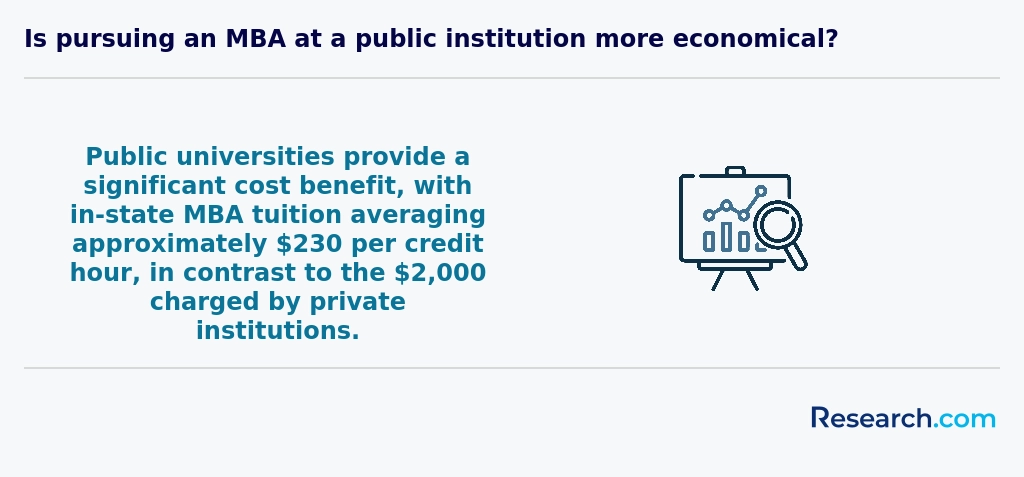
When considering an MBA program, it's essential to evaluate the value proposition of each institution. Prospective students can compare the benefits and costs of various programs by researching factors such as accreditation, curriculum, faculty expertise, and alumni success stories. For those interested in valuable mba programs in texas, understanding the return on investment is crucial. In Abilene, TX, programs like those offered at Abilene Christian University and Hardin-Simmons University provide a comprehensive education that prepares students for a wide range of career paths, from finance and consulting to healthcare administration and marketing management. By carefully evaluating these factors and considering the unique strengths of each program, aspiring business leaders can make informed decisions about their educational investments and set themselves up for success in their chosen fields.
MBA programs in Abilene, including those at popular institutions like Abilene Christian University, typically cover a robust set of core courses that blend theory with practical application. Graduates often remark on the value of courses such as Accounting and Financial Reporting, which enable them to confidently analyze financial statements critical for real-world decision-making.
Marketing Management equips students to develop effective promotional strategies, a skill many report using immediately in entrepreneurial ventures or local businesses. Organizational Behavior courses help students understand team dynamics, a frequent topic in case studies based on companies in Texas' energy and healthcare sectors-a key local economic focus.
Operations Management provides insight on streamlining supply chains and service delivery, skills praised by graduates now working in regional logistics. Corporate Finance classes sharpen budgeting and investment acumen, essential for those managing business growth in Abilene's competitive market. Business Ethics and Legal Environment foster ethical leadership and compliance awareness, frequently highlighted in student reflections on handling real legal challenges faced by West Texas companies. The capstone Strategic Management course synthesizes these areas, preparing students to lead confidently across diverse industries.

Students pursuing an MBA degree in Abilene typically find a range of specializations designed to match both local economic demands and broader business trends. Popular concentrations include General Management, which equips graduates from colleges like Hardin-Simmons University with versatile leadership skills applicable across industries. Healthcare Management is another key option, reflective of Abilene's strong healthcare sector; graduates feel confident managing hospital operations or health service organizations. Finance remains a top choice for those interested in banking or investment roles, offering in-depth training in financial analysis and risk assessment. Marketing specializations focus on digital marketing and strategic branding, aligning well with the evolving advertising landscape. Supply Chain and Operations Management is particularly relevant given Abilene's logistics position, training students to optimize distribution and warehousing.
Many graduates appreciate how these top MBA concentration options Abilene allow fit diverse career goals, sometimes combining areas or certificates to increase job market appeal. For those considering cost, exploring affordable options through an online business degree curriculum also guides specialization choices.
Choosing the best MBA degree in Abilene Texas involves assessing program accreditation, costs, and format flexibility to fit your professional life. Graduates from McMurry University and Abilene Christian University often highlight the value of AACSB-accredited programs that maintain rigorous academic standards, enhancing job prospects locally and beyond. Financially, these institutions offer more affordable MBA degrees in Abilene, with tuition frequently under $40,000, significantly below the national average of $30,000 to $120,000.
Many students working full-time appreciate part-time, evening, or online options that allow them to balance career and study commitments. Programs with hybrid or fully remote options provide much-needed schedule adaptability, a feature often praised by recent alumni. Specialization is another critical factor; students seeking focused career paths choose tracks in finance, marketing, or entrepreneurship to gain targeted expertise.
Career services also play a key role. Strong networks, internships, and job placement programs at Abilene schools support student success after graduation. For those exploring related fields, consider also hospitality management online classes to expand your skills.

Graduates of an MBA degree in Abilene find diverse career opportunities in sectors such as healthcare, manufacturing, education, and retail, reflecting the city's multifaceted economy. For example, MBA alumni from popular local institutions often secure leadership roles in healthcare administration at facilities like Hendrick Medical Center, applying their management expertise in real-world, high-impact settings. Others transition to financial services examining risk and investment strategies within Abilene's banking sector.
Within manufacturing, MBA holders are integral in managing operations for aviation and production companies, further evidencing the region's growing industrial landscape. Entrepreneurial-minded graduates tap into community resources to launch or scale startups, benefiting from Abilene's supportive business environment. This range of top MBA jobs Abilene Texas attracts students eager to translate classroom analytics and strategy into thriving local careers.
Graduates appreciate the practical advantages of studying locally, including affordable tuition that improves return on investment, as detailed in the financial cost of MBA education. Strong school-employer ties create pathways for internships and executive roles, making MBA career opportunities in Abilene tangible and rewarding.
The job market for MBA degree holders in Abilene remains robust, driven by key sectors such as healthcare, education, and manufacturing. Graduates from institutions like Abilene Christian University and McMurry University often secure leadership roles where strategic business skills are highly valued. The city's lower cost of living enhances its appeal for MBA graduates seeking a balanced lifestyle alongside career growth. Local employers, including Hendrick Health System, actively recruit MBAs for management and administrative positions, creating numerous MBA job opportunities in Abilene.
Graduates frequently report positive career growth for MBA graduates Abilene due to steady hiring in finance, marketing, and operations roles within the regional economy. Salaries in Texas for MBA holders typically range from $80,000 to $110,000, reflecting competitive compensation that encourages skilled professionals to remain local. Prospective students should also consider the affordability of programs near Abilene compared to larger metros. Exploring the valuable mba programs in texas can provide useful insights into cost-effective educational paths that support strong employment outcomes.
2027 Most Valuable MBA Degree Programs Ranking in Abilene
Investing in your education is a significant decision that can shape your future, and the Research.com team understands the importance of making informed choices. To assist prospective students in Abilene, we have meticulously crafted the "2027 Most Valuable MBA Degree Programs Ranking in Abilene." Our commitment to quality, credibility, and accuracy is reflected in the extensive research and analysis conducted to compile this ranking.
We utilized the following reputable data sources to ensure a comprehensive evaluation of MBA programs:
By exploring this ranking, readers will gain valuable insights into the most valuable MBA degree programs in Abilene, empowering them to make well-informed decisions about their educational investments. For more details on our methodology, please visit our Research.com methodology page.


Frequently Asked Questions About MBA
Students pursuing an MBA degree in Abilene can enhance their learning by actively engaging in both academic and practical experiences. Many local programs emphasize experiential learning, such as internships with Abilene's diverse business sectors including manufacturing and healthcare. According to the Texas Higher Education Coordinating Board, participating in internships or cooperative education programs increases job placement rates by up to 20% for MBA graduates statewide.
Networking is another crucial aspect. Joining student organizations, attending guest lectures, and leveraging connections with faculty who often have regional business ties can provide valuable insights and career opportunities.
Furthermore, utilizing resources like career services and participating in case competitions can deepen understanding of real-world business challenges.
Emerging niches within the MBA field reflect the evolving needs of today's business environment. In Abilene, specialized MBA programs in healthcare management and supply chain management are gaining traction. The healthcare sector, driven by local hospital systems and growing health services, demands managers skilled in navigating complex regulatory frameworks and technology adoption.
Additionally, supply chain MBAs respond to the area's logistics and manufacturing activities. According to the Texas Workforce Commission, these sectors are projected to grow by over 5% in the next five years, creating demand for leaders with expertise in efficient operations and sustainability.
Other rising fields include technology management and entrepreneurship MBAs, addressing Abilene's expanding startup ecosystem. These emerging niches equip students with skills tailored to current regional market trends and employer needs.
After completing an MBA degree in Abilene, preparing for the job market involves strategic steps to maximize employment opportunities. First, leverage connections with local businesses and alumni networks, as Abilene's economy benefits from sectors like healthcare, manufacturing, and education. According to the U.S. Bureau of Labor Statistics, Abilene's business-related jobs are projected to grow steadily, making networking essential.
Improving soft skills such as communication and leadership is equally important. Participate in internships or consulting projects offered by Texas State Technical College or other institutions. Additionally, tailoring resumes and LinkedIn profiles to highlight MBA competencies and local market knowledge enhances job prospects.
Employers in Abilene consistently seek MBA graduates with strong leadership and strategic thinking abilities. According to data from the Bureau of Labor Statistics and local industry surveys, skills in financial analysis and project management rank highly, reflecting the region's focus on business growth and operational efficiency. Communication skills, both written and verbal, are also critical, as MBA holders often lead diverse teams across various sectors including healthcare, education, and manufacturing.
Analytical problem-solving and proficiency in data-driven decision-making are increasingly important due to the rise of digital business practices. Additionally, adaptability and ethical judgment commonly appear among the top traits valued by employers in Abilene's competitive job market.
Finding internships in Abilene related to an MBA degree involves leveraging both local connections and university resources. Many MBA programs in Abilene partner with nearby businesses, including companies in sectors like healthcare, manufacturing, and finance, which actively offer internships. For example, Hardin-Simmons University and McMurry University provide career services that connect students with regional employers. Networking events hosted by local chambers of commerce also help MBA students access internship opportunities.
Additionally, online platforms like Handshake and LinkedIn are valuable tools for discovering internships in Abilene. According to the National Association of Colleges and Employers, 60% of MBA interns receive full-time offers, emphasizing the importance of securing relevant internships early.
In Abilene, earning an MBA degree significantly enhances career mobility and advancement opportunities. According to the U.S. Bureau of Labor Statistics, professionals with an MBA tend to have higher earning potential and greater access to leadership roles, which holds true in the regional job market as well. Local employers in sectors like healthcare, education, and manufacturing increasingly prefer MBA graduates for management positions, recognizing their advanced skills in strategic planning and business operations.
Data from Texas Workforce Commission highlights that MBA holders in Abilene experience faster promotion rates compared to those with only undergraduate degrees. The degree also broadens networking prospects, connecting graduates to influential local business communities. This helps in transitioning across industries and achieving executive roles more efficiently.
Studying for an MBA degree in Abilene equips students with a broad skill set essential for interdisciplinary roles. Local programs emphasize leadership, strategic thinking, and problem-solving across various industries, reflecting the diverse economy of West Texas.
Abilene's MBA curricula often integrate courses in finance, marketing, operations, and management, promoting collaboration between these areas. This approach helps students develop adaptability vital for interdisciplinary teamwork.
Additionally, many Abilene institutions offer real-world projects and internships with regional businesses, providing practical experience in cross-functional environments. According to the Texas Higher Education Coordinating Board, about 40% of MBA students in Texas engage in internships before graduation, enhancing career readiness.
These factors together prepare MBA graduates in Abilene to manage complex projects and lead diverse teams effectively.
Choosing between a thesis and a non-thesis MBA program in Abilene depends on your career goals and learning preferences. Thesis MBAs focus on research and require students to complete a significant research project, which suits those considering doctoral studies or research-oriented careers. Non-thesis programs emphasize practical skills and coursework, appealing to professionals aiming for management roles in local industries.
In Abilene, most MBA programs, such as those at Abilene Christian University, offer non-thesis options designed for working adults. According to the National Center for Education Statistics, about 70% of MBA students nationwide prefer the non-thesis path for quicker completion and job readiness.
Assess your professional objectives and consult program advisors to make an informed choice.
Students based in Abilene who want to study MBA programs abroad have several pathways through U.S. institutions with international partnerships. Many universities in Texas, such as Texas A&M or the University of Texas system, offer dual-degree or exchange programs that allow MBA students to spend part of their studies overseas. These programs often include options in Europe, Asia, and Latin America, providing valuable global business exposure.
Additionally, some online MBA programs based in the U.S. include international immersions or residencies. According to the Graduate Management Admission Council (GMAC), about 20% of MBA candidates pursue global experiences, reflecting growing demand.
Abilene students should also consider study-abroad scholarships and funding opportunities tailored for graduate business students, available through foundations and university financial aid offices.
Students pursuing an MBA in Abilene have several part-time job options that complement their graduate studies. Positions in financial services, such as bank teller or loan assistant roles, offer practical experience aligning with core MBA topics like finance and risk management. Retail management jobs also provide valuable leadership and customer relations skills.
Local businesses and startups often seek interns or junior analysts, allowing MBA students to apply strategic planning and data analysis in real-world settings. According to the U.S. Bureau of Labor Statistics, part-time roles in management-related fields are projected to grow 10% through 2032, supporting these opportunities.
Working in Abilene's growing healthcare administration sector can also benefit MBA students interested in healthcare management. These roles reinforce operational and organizational skills relevant to many MBA concentrations.
MBA students in Abilene have access to several valuable networking opportunities through local universities and professional organizations. For instance, Hardin-Simmons University's business programs often host networking events, career fairs, and guest lectures featuring regional business leaders. These events allow students to build connections within the West Texas business community.
The Abilene Chamber of Commerce provides an additional platform for MBA students to engage with local entrepreneurs and established companies. Their mixers and professional development workshops attract a diverse group of professionals, offering students hands-on networking experiences.
Moreover, many MBA students benefit from joining national organizations such as the Graduate Management Admission Council (GMAC) which hosts virtual and regional events. Engaging in these groups can expand connections beyond Abilene and provide insight into national industry trends.
Alumni networks are a vital resource for MBA students in Abilene, providing valuable professional connections and career support. Many local business leaders in Abilene maintain ties to their alma maters, facilitating mentorship opportunities for current students. According to the Texas Business Education Association, MBA alumni networks in the region have helped over 60% of graduates find internships and job placements within the first six months after graduation.
These networks often organize events, workshops, and panel discussions where students can engage with successful alumni working in fields like finance, healthcare, and entrepreneurship. Through such interactions, students gain insights into regional market trends, improving their career readiness and local networking.
Additionally, alumni connections can aid in accessing funding or partnerships for entrepreneurial ventures, a key advantage for MBA students aiming to start businesses in Abilene's growing economy.
Customizing an MBA degree program in Abilene allows students to align education with specific career goals. Many local institutions offer elective courses in areas such as finance, marketing, healthcare management, and entrepreneurship. These options enable students to tailor their studies to industries thriving in West Texas.
Students can also benefit from internships and networking opportunities within Abilene's business community, which includes energy, education, and healthcare sectors. According to the Texas Higher Education Coordinating Board, over 60% of MBA students in the region choose concentrations relevant to regional economic strengths.
Additionally, some programs provide flexible scheduling and part-time formats, accommodating working professionals aiming to balance education with career advancement.
MBA students in Abilene commonly face challenges balancing professional, academic, and personal responsibilities. Many enroll while working full-time, making time management critical. According to the Texas Higher Education Coordinating Board, nearly 60% of MBA candidates in Abilene attend part-time, increasing the pressure of juggling coursework with career demands.
Another challenge is accessing relevant networking opportunities. Abilene's smaller market means fewer large-scale business events compared to major Texas cities, limiting real-world connections for students aiming to enhance career prospects.
Additionally, the cost of MBA programs remains a significant concern. Though tuition in Abilene is generally lower than in metropolitan areas, students still face expenses averaging $20,000 to $30,000 for comprehensive programs, per NCES data.
With an MBA degree in Abilene, graduates can pursue several professional certifications that enhance their career prospects. Common certifications include the Certified Management Accountant (CMA), Project Management Professional (PMP), and Certified Financial Planner (CFP). These credentials often require candidates to have a solid business foundation, which an MBA provides.
In Texas, local employers increasingly value these certifications combined with an MBA, reflecting trends reported by the Texas Workforce Commission. For example, MBA graduates pursuing PMP certification reported salary increases averaging 20% nationally, according to the Project Management Institute (PMI).
Additionally, some schools in Abilene integrate coursework that supports preparation for certifications like Chartered Financial Analyst (CFA) or Six Sigma Green Belt, making these feasible paths after graduation.
Applying for an MBA program in Abilene requires careful preparation to stand out among applicants. First, ensure your resume highlights professional achievements and leadership experience, as schools like Hardin-Simmons University emphasize practical skills alongside academics. A compelling personal statement should clearly explain your career goals and why an MBA in Abilene supports them. Admissions committees typically value well-articulated motivations and community involvement.
Strong letters of recommendation from supervisors or professors familiar with your work ethic also increase your chances. Additionally, competitive GMAT or GRE scores-typically around the national average of 560-600 for regional programs-remain important. Finally, familiarize yourself with each school's specific criteria by consulting their official websites or resources like the U.S. Department of Education's College Navigator.
Globally, an MBA degree is widely recognized as a tool to enhance leadership and management skills in diverse industries. For students in Abilene, pursuing an MBA aligns with a growing demand for professionals who understand international business practices and cultural nuances. According to the Graduate Management Admission Council, 58% of MBA graduates report their degrees have expanded global career opportunities.
Within the US, especially in Texas, MBA holders often find roles in multinational companies headquartered in the region, leveraging skills in finance, marketing, and operations. The expanding economic ties between US companies and global markets reinforce the value of an MBA in delivering cross-border business expertise.
The career versatility and salary premium associated with MBA graduates illustrate why this degree remains an attractive option for Abilene professionals seeking global career growth.
Gaining practical experience while studying for an MBA degree in Abilene can significantly enhance your skills and employability. Many local institutions, such as Abilene Christian University, incorporate internships and consulting projects into their MBA programs. These opportunities allow students to work directly with Abilene-based businesses, gaining exposure to real-world challenges.
Additionally, students can engage in part-time roles or volunteer with nonprofit organizations in the region. Networking events and business clubs on campus also connect students with industry professionals, helping them build valuable connections.
According to the U.S. Department of Education, these experiential learning components are crucial in MBA curricula nationwide.
Choosing the right concentration within an MBA program in Abilene involves evaluating your career goals and the local job market. Common concentrations include Finance, Marketing, Healthcare Management, and Entrepreneurship. For example, Abilene's growing healthcare sector may make Healthcare Management a strategic choice for those interested in regional opportunities.
Consider programs' offerings at local institutions like McMurry University or Hardin-Simmons University, which tailor MBAs to meet regional business needs. According to the Texas Workforce Commission, sectors like logistics and manufacturing are expanding in Abilene, so concentrations aligned with these fields may enhance employment prospects.
Additionally, review the faculty expertise and internship connections each program provides. Practical experience through local business partnerships can be critical to gaining relevant skills and networks.
- 2027 Most Valuable MBA Degree Programs Ranking in Fort Worth
- 2027 Most Valuable MBA Degree Programs Ranking in Denton
- 2027 Most Valuable MBA Degree Programs Ranking in Irving
- 2027 Most Valuable MBA Degree Programs Ranking in Dallas
- 2027 Most Valuable MBA Degree Programs Ranking in Austin
- 2027 Most Valuable MBA Degree Programs Ranking in San Antonio
- 2027 Most Valuable MBA Degree Programs Ranking in Oklahoma City
- 2027 Most Valuable MBA Degree Programs Ranking in Houston
- 2027 Most Valuable MBA Degree Programs Ranking in Shreveport
- 2027 Most Valuable MBA Degree Programs Ranking in Wichita
- 10 Highest-Paying MBA Specializations in 2026 (With Salary Data) - Paris School of Management (PSM) https://www.psm-paris.fr/en/10-highest-paying-mba-specializations-in-2026/
- Know more about thesis vs non- thesis: what is the difference? https://studyfans.com/en/blogs/816
- 2026 MBA Internships in Charlotte, NC | WayUp https://www.wayup.com/s/internships/mba/charlotte-nc/
- Future-Proof Your Career with an MBA in India : MIT-WPU Blog https://mitwpu.edu.in/blog/emerging-specialisations-in-mba---how-to-future-proof-your-business-career-in-india
- Unlocking Your Potential: MBA Networking Opportunities https://comzom.com/unlocking-your-potential-mba-networking-opportunities/
- Guide: Networking for MBA Students | Dex https://getdex.com/blog/networking-for-mba-students/
- MBA Programs in Abilene TX - GMAT 101 https://gmat101.com/mba-programs-in-abilene-tx/
- Tuition, Financial Aid, and Scholarships https://mcm.edu/tuition-financial-aid-scholarships/
- IES's Management College and Research Centre https://www.mcrc.ies.edu/blog/getting-ahead-in-the-job-market-advice-for-mba-graduates-on-career-development
- How Hard is an MBA? What You Need to Know Before Starting Your Degree | ACE Blog https://ace.edu/blog/how-hard-is-an-mba-what-you-need-to-know-before-starting-your-degree/