
2027 Best MBA Degree Programs Ranking in Durham

Co-Founder and Chief Data Scientist
Choosing the right MBA program in Durham can shape your future in meaningful ways. This article introduces the 2027 Best MBA Degree Programs Ranking in Durham, crafted by the Research.com team of data scientists to guide you through the options confidently.
By exploring this ranking, you'll discover which programs offer the best opportunities, helping you make an informed decision tailored to your goals. Pursuing an MBA can open doors to new careers, skills, and personal growth.
Take a step closer to your ambitions by learning which programs truly stand out in Durham.
Key benefits of getting MBA degree in Durham
- The average salary for MBA graduates in the US typically ranges from $80,000 to $120,000 annually, offering strong financial rewards and career growth opportunities.
- Durham MBA graduates often pursue careers in finance, consulting, and healthcare management, reflecting the city's dynamic business environment and industry connections.
- Completing an online MBA from a Durham university offers flexible scheduling and convenience, allowing students to balance work and study while gaining valuable skills at their own pace.
- 2027 Best MBA Degree Programs Ranking in Durham
- What can I expect from MBA degree in Durham?
- Where can I work with MBA degree in Durham?
What can I expect from MBA degree in Durham?
The average cost of pursuing an MBA degree in Durham, particularly at Duke University's Fuqua School of Business, is around $75,000 per year. Graduates often reflect that while this figure represents a significant investment, the value gained through the program's rigorous curriculum and strong networking opportunities justifies the expense.
Students frequently share how the small class sizes and close mentorship at Fuqua create a personalized learning experience that feels worth every dollar spent. Many appreciate how the program balances theoretical foundations with practical skills, enabling them to confidently step into leadership roles after graduation.
Financial aid and scholarships are commonly utilized by Durham MBA students, alleviating some of the financial pressure and allowing them to focus on their studies and career growth. Alumni often mention how the vibrant local economy and access to internships within the Research Triangle add concrete value beyond the classroom.
Reflecting on this, many see the tuition cost as an investment in a thriving professional network and long-term career success, rather than merely an expense.
Where can I work with MBA degree in Durham?
Graduates of MBA programs at institutions like Duke University's Fuqua School of Business often find themselves drawn to Durham's vibrant technology sector. Many share how their studies prepared them to take on project management roles or drive strategic initiatives at companies like IBM or Red Hat, turning classroom concepts into real-world innovation.
Others, inspired by Durham's strong healthcare presence, step into leadership roles within Duke University Health System or similar organizations. They speak about the satisfaction of applying their skills in hospital management or healthcare finance, contributing to an industry that is both dynamic and impactful in the region.
For those exploring finance or consulting careers, Durham's growing professional services offer plenty of opportunity. Graduates recall thriving as financial analysts or marketing managers, leveraging the city's supportive economy and networking events to expand their reach.
Entrepreneurial MBAs often embrace Durham's startup ecosystem, utilizing incubators like Bull CityWorks to launch ventures or advise emerging businesses. This hands-on experience fosters confidence and a sense of accomplishment unique to the city's collaborative spirit.
In each path, the tangible outcomes of an MBA in Durham resonate-whether in leading innovation, improving community health, or driving business growth, graduates consistently highlight a rewarding blend of challenge and opportunity.
Graduates holding an MBA from institutions in Durham often find their earnings reflecting the city's dynamic and competitive job market. Many report starting salaries near $85,000, with roles in finance and technology typically offering between $90,000 and $100,000 annually. One recent graduate from a well-known Durham business school described securing a finance position with a starting salary close to $100,000, crediting the school's strong local network for opening doors at top firms in Research Triangle Park.
For those pursuing healthcare management or consulting, salaries tend to rise steadily with experience, frequently surpassing $115,000 after a few years. Another graduate shared how the skills gained in Durham's MBA program propelled them quickly into senior management within a technology firm, reaching compensation exceeding $120,000. This progression highlights how the combination of academic rigor and real-world connections in Durham can translate into tangible financial rewards.
The journey of MBA grads here often involves navigating diverse industries, each with unique pay scales but united by opportunities for growth. The experience of attending a Durham-based MBA program often brings not only salary gains but also the confidence and professional network essential to long-term success.
- The full-time MBA at Duke University's Fuqua School costs about $70,000 per year for a two-year program, totaling approximately $140,000 in tuition.
- There are more affordable part-time and executive MBA options in Durham, with prices ranging from $30,000 to $60,000 depending on the length and format.
- Graduates from Durham MBA programs have an average starting salary of around $120,000 per year, including bonuses.
- Mid-career MBA alumni often earn salaries exceeding $180,000, especially in consulting, healthcare management, and tech leadership roles.
- MBA programs in Durham offer strong ties to local industries such as healthcare, technology, finance, and startups in the Research Triangle Park region.
Completing an MBA degree in Durham typically spans around two years for full-time students, reflecting the standard pace at institutions like Durham University's Fuqua School of Business. Graduates often describe this timeframe as an immersive experience that balances rigorous coursework with meaningful networking opportunities, allowing them to fully absorb and apply new skills.
Part-time MBA options in Durham cater to professionals balancing careers and education, extending over three to four years. Those choosing this path share how the flexibility eased their stress, enabling steady progress without sacrificing work-life balance. Although the journey is longer, the steady pace often deepens understanding as students integrate lessons directly into their roles.
Accelerated programs, available but demanding, can be completed in 12 to 18 months. Graduates who pursued these intensive tracks recall a whirlwind period filled with challenges and growth, finding the sacrifice rewarding when they swiftly transitioned to advanced roles.
Beyond academic rigor, the vibrant campus life in Durham, NC, plays a pivotal role in shaping a well-rounded MBA experience. Students not only benefit from exceptional classroom learning but also immerse themselves in a dynamic community that fosters personal growth and professional networking. From engaging extracurricular activities and industry-specific clubs to cultural events and local community projects, the environment in Durham offers a unique blend of academic and social opportunities that enrich the overall MBA journey. Many students appreciate the balance between intensive coursework and the chance to build lasting relationships through networking events, workshops, and informal peer collaborations. These interactions often spark innovative ideas and pave the way for collaboration on real-world projects, helping students develop the interpersonal skills that are critical in today’s competitive business landscape. Moreover, the city’s lively arts scene, diverse dining options, and various recreational facilities contribute to an inclusive and stimulating setting where you can thrive both professionally and personally. For prospective students curious about managing costs, learning how much does online mba cost can provide additional insights into balancing quality education with affordability. In sum, the unique synergy of academic excellence and a supportive, culturally rich community makes Durham, NC, an ideal place for MBA candidates seeking both career advancement and an engaging, fulfilling student life.
Online and on-campus MBA degrees in Durham differ mainly in structure and experience, yet both offer valuable paths to success. Graduates from institutions like Durham University often recall how the online format allowed them to juggle work and family, studying asynchronously with flexibility that felt like a tailored fit for their busy lives. This convenience, paired with tuition typically ranging from $20,000 to $70,000, makes online MBAs accessible without compromising essential learning.
By contrast, those who chose traditional on-campus MBAs frequently describe a richly immersive environment at local colleges, where face-to-face interactions and spontaneous networking sparked lasting professional connections. The classroom discussions, group projects, and campus events created a sense of community that felt energizing and motivational, though costs ranged higher, around $40,000 to $90,000, reflecting access to facilities and extracurricular opportunities.
Students often emphasize how these differences shaped their journeys-whether it was the freedom of remote study or the inspiring buzz of campus life, Durham's MBA programs accommodate diverse needs, ambitions, and lifestyles.
Planning ahead is crucial when applying to an MBA program in Durham, NC. Below is a recommended timeline to help you stay on track and submit a compelling application: • 12–18 Months Before Enrollment – Research programs: Compare specializations, faculty, and curriculum. For insights on affordable alternatives, explore the Inexpensive MBA Degree Programs Ranking in Louisiana. – Begin GMAT/GRE prep: Enroll in a prep course or use self‐study materials to build a strong foundation. – Attend information sessions: Virtual or on-campus events help you gauge fit and ask current students or alumni about their experiences. • 6–9 Months Before Enrollment – Schedule exams: Book GMAT/GRE dates to allow time for retakes if needed. – Update résumé: Highlight leadership roles, quantifiable achievements, and community involvement. – Identify recommenders: Choose supervisors or mentors who can speak to your analytical, teamwork, and leadership skills. • 3–6 Months Before Enrollment – Draft essays: Use clear, outcome-focused narratives that align personal goals with Durham’s business community strengths. – Gather transcripts: Request official records early to avoid delays. – Finance planning: Research scholarships, assistantships, and loan deadlines to maximize aid opportunities. • 1–3 Months Before Enrollment – Finalize applications: Proofread essays for clarity and impact; ensure every section reflects your unique value proposition. – Prepare for interviews: Practice behavioral and case questions, focusing on real-world examples from your professional history. – Confirm submission: Double-check every component and submit before the deadline to avoid last-minute technical issues. Following this timeline and incorporating personalized storytelling into your essays will strengthen your candidacy for Durham’s top MBA programs.
When considering the average MBA tuition cost Durham offers, prospective students quickly learn that completing an MBA here typically involves an investment of around $32,448. This figure reflects the median total cost, providing a realistic benchmark for budgeting your academic journey. Graduates from the region's well-regarded institutions often recall how this level of cost balanced with the quality education received, access to influential networks, and career opportunities that followed. One common sentiment among them is the sense of pride in making a strategic investment that yielded both personal growth and professional advancement.
Many MBA candidates find that while the tuition is a significant factor, understanding the broader cost picture is equally important. For instance, living expenses in Durham hover around $12,000 to $15,000 annually, which supplements tuition but remains more manageable than in larger metro areas. This is especially relevant for students aiming to live comfortably while focusing on their studies.
Some students explore flexible programs in the nearby Triangle region as a cost-saving route. These part-time or online MBA options, priced between $20,000 and $40,000, are well-suited to those balancing work and school. Such choices emphasize the value of tailoring education to fit life's practical demands. It's always wise to pay close attention to your financial outlay when searching for affordable pathways.
Additionally, it's helpful to consider career paths alongside expenses. Those interested in entry-level accounting careers often reflect on how completing an MBA in Durham equipped them with crucial skills, making the tuition more than worthwhile in retrospect. Embracing this perspective helps future students appreciate that the cost of MBA degree programs Durham offers is an investment in enduring opportunity.
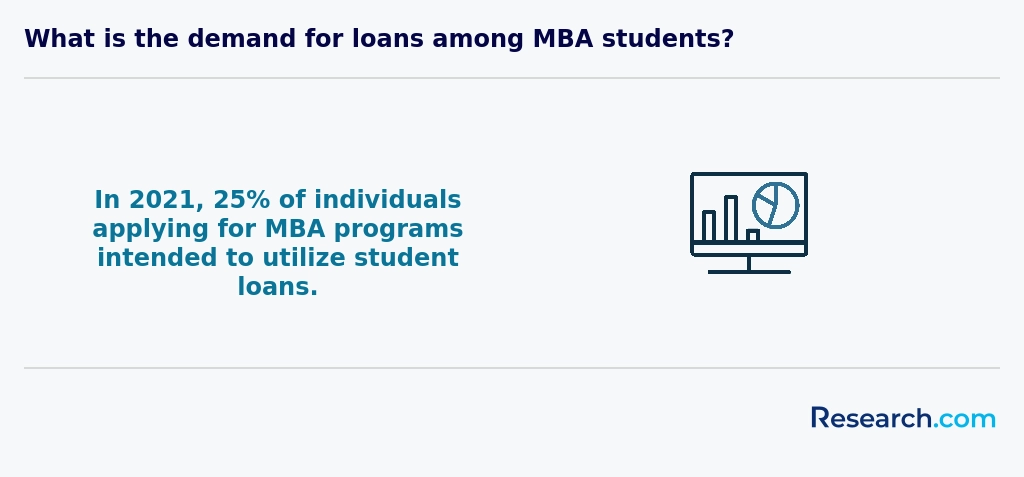
When considering an MBA program in Durham, NC, one crucial aspect to think about is the financial cost and how to plan for it. Prospective students should explore various factors, including tuition fees, living expenses, and potential financial aid. For those looking to minimize their expenses, researching the cheapest mba schools in north carolina can be a valuable step. Understanding these financial aspects can help students make informed decisions about their educational investment. Additionally, many institutions offer scholarships, grants, and loan options to support students in managing their expenses. By carefully evaluating these options and creating a comprehensive financial plan, aspiring MBA graduates can ensure that they are well-prepared to navigate the financial demands of their program and set themselves up for long-term career success.
Many MBA students in Durham find financial aid to be a crucial support throughout their studies, easing both tuition pressures and everyday expenses. Federal student aid, especially loans like the Direct Unsubsidized Loan and Grad PLUS Loan through FAFSA, often forms the foundation of this support, allowing students to access funds with reasonable interest rates and manageable repayment plans. Graduates from Durham's Fuqua School of Business frequently mention how these loans provided initial peace of mind while they focused on their rigorous coursework.
Merit-based scholarships in Durham stand out as powerful opportunities. These awards, granted for demonstrated academic excellence and leadership, can cover a substantial fraction of tuition, sometimes even half or more. This has made a real difference for many MBA candidates, who describe feeling both recognized and motivated by such support. The presence of these scholarships at leading institutions like Duke University highlights the community's commitment to nurturing talent.
Beyond scholarships and loans, employer tuition reimbursement programs are a practical lifeline for Durham's working professionals. It's common to hear stories of students balancing their careers in tech or healthcare while having their education costs partly or fully covered by supportive employers, which greatly reduces financial stress and fosters confidence.
Lastly, private scholarships from local organizations and MBA alumni networks add another accessible avenue for funding. These options often resonate with students who appreciate the encouragement of community-driven support, enhancing a sense of belonging and optimism throughout their MBA journey.
To enroll in an MBA program in Durham, candidates typically need a bachelor's degree from an accredited institution, often in fields like business or social sciences, though other backgrounds can qualify as well. Graduates from universities such as Duke University or Durham Technical Community College often reflect on how their diverse academic histories shaped their unique perspectives in class, enriching discussions and teamwork.
Standardized tests like the GMAT or GRE remain common requirements, though some programs may waive them when applicants demonstrate strong professional experience. For example, many MBA candidates who worked in local startups share how their real-world achievements allowed them to bypass test stress and focus on leadership skills instead.
Professional experience is highly valued-generally, two to three years full-time-and helps students connect theory with practice. Alumni from Durham schools often recall how their career challenges became case studies that deepened learning and collaboration.
Other essentials include essays, recommendation letters, resumes, and proof of English proficiency for international applicants, all of which showcase readiness and motivation for Durham's rigorous MBA environment.

Durham's MBA programs are designed to build a solid foundation in the essential areas of business, preparing graduates to confidently navigate complex challenges. Graduates from well-known institutions like Duke University often reflect on how courses in Accounting and Financial Management gave them practical skills to analyze financial statements and make smart investment choices, experiences that proved invaluable in their first leadership roles.
Marketing courses dive deep into consumer behavior and brand strategy, enabling students to craft campaigns that resonate-something graduates remember applying directly when launching projects in Durham's vibrant startup scene. Leadership and organizational behavior classes, common in these programs, help students understand team dynamics and motivate others, which alumni describe as eye-opening for managing diverse groups effectively.
- Operations and Supply Chain Management: This course equips students to optimize logistics, a skill especially relevant given Durham's growth in tech and manufacturing sectors.
- Business Analytics and Data-Driven Decision Making: Many MBA students find this coursework particularly energizing, as it teaches them to interpret big data to drive real business results.
Electives in entrepreneurship or healthcare management reflect Durham's unique economic landscape, allowing students to tailor their studies meaningfully while engaging in internships and hands-on projects that bring theory to life.

Durham's MBA specializations reflect the region's unique economic fabric, offering meaningful paths for students eager to align their education with local industries. Graduates from well-known institutions such as Duke University's Fuqua School of Business often highlight Health Care Management as a rewarding concentration, given Durham's robust medical community. Imagining oneself leading initiatives at a healthcare provider brings this specialization to life with a sense of real-world impact and purpose.
For those drawn to innovation, Technology Management sits at the heart of Durham's dynamic ecosystem, thanks to the proximity of Research Triangle Park. Alumni frequently describe feeling empowered by coursework that blends business acumen with emerging tech trends, preparing them to navigate the fast-paced tech sector. Entrepreneurship is another vibrant option that resonates deeply with students focused on startup culture and venture creation. These MBA degree concentration options in Durham cultivate a blend of practical skills and visionary thinking that energize local career opportunities.
Other specializations include Finance, Marketing, Supply Chain and Operations Management, and Corporate Social Responsibility. Students often enrich their journey by supplementing their studies with local resources; for instance, pairing core business knowledge with accounting courses California highlights the value of interdisciplinary learning in building a versatile professional profile.
Choosing the best affordable MBA programs in Durham means focusing on more than just cost. Graduates from well-known universities in the area often emphasize the importance of accreditation and the depth of the curriculum. Programs affiliated with top local colleges typically offer specializations that align with thriving Durham industries like healthcare and technology, enriching students' practical knowledge and networking opportunities. Reflecting on their experiences, many find value in schools that balance rigorous academics with real-world projects and flexible scheduling, especially for working professionals.
Cost remains a vital consideration, so comparing tuition alongside scholarships and financial aid is wise. Durham's public institutions often stand out for their competitive pricing, fitting well into a top MBA degree cost comparison Durham. Many students appreciate how local programs provide access not just to affordable tuition but also to strong career support that helps launch successful post-MBA careers in the Triangle area.
When aiming to align your study with future prospects, consider the variety of course offerings and practical experiences. Drawing from feedback of recent alumni, selecting a program with targeted electives and connections to local business hubs nurtures lasting professional relationships. Exploring paths toward a high-paying college degree majors within the curriculum can also guide your choices effectively.

MBA graduates in Durham find a broad spectrum of career paths poised to match their ambitions. Those emerging from well-known local institutions often enter healthcare management, leveraging Durham's strong medical sector centered around Duke University Health System. Graduates describe the rewarding challenge of shaping hospital administration or pharmaceutical strategies in real-world settings, where their leadership truly impacts patient care and system efficiency. This is a prime example of the MBA career opportunities in Durham's unique ecosystem.
Technology roles are equally compelling, with Durham's proximity to Research Triangle Park offering a dynamic environment for innovation. MBA holders frequently join startups or established tech firms, taking on product management or business analysis roles that push forward cutting-edge solutions. Graduates appreciate the energy of this sector, where entrepreneurial spirit blends with structured corporate growth.
Finance and consulting remain reliable directions, where many MBA alumni thrive in corporate finance, investment management, or strategic roles. The practical insights gained at local colleges, combined with exposure to Durham's thriving economy, help graduates confidently navigate complex markets here. For those interested in broader business disciplines, exploring fields like marketing or human resources proves rewarding.
Many also embrace entrepreneurship, supported by vibrant incubators across the city. This often resonates with students who studied at Durham's top programs, fueling their passion to launch startups or scale leadership roles. To deepen expertise, some turn to specialized certificates or courses found in Utah accounting degree programs, blending knowledge for strategic advantage.
The job market for MBA degree holders in Durham is notably encouraging, supported by a vibrant economy and leading industries like healthcare, finance, and technology. Graduates from prominent local institutions often find themselves quickly absorbed into roles that leverage data analytics, leadership, and strategic thinking-skills highly prized in the city's diverse business landscape. Durham's connection to the Research Triangle provides a unique blend of opportunities, where a graduate can transition from classroom theory directly into roles at established firms such as IBM or growing startups.
MBA job opportunities in Durham reflect this dynamic environment. Many graduates share stories of securing internships and networking through local alumni groups that accelerate their journey into management and consulting projects. These experiences make the city appealing not only for its post-graduation employment but also for the strong professional community it fosters.
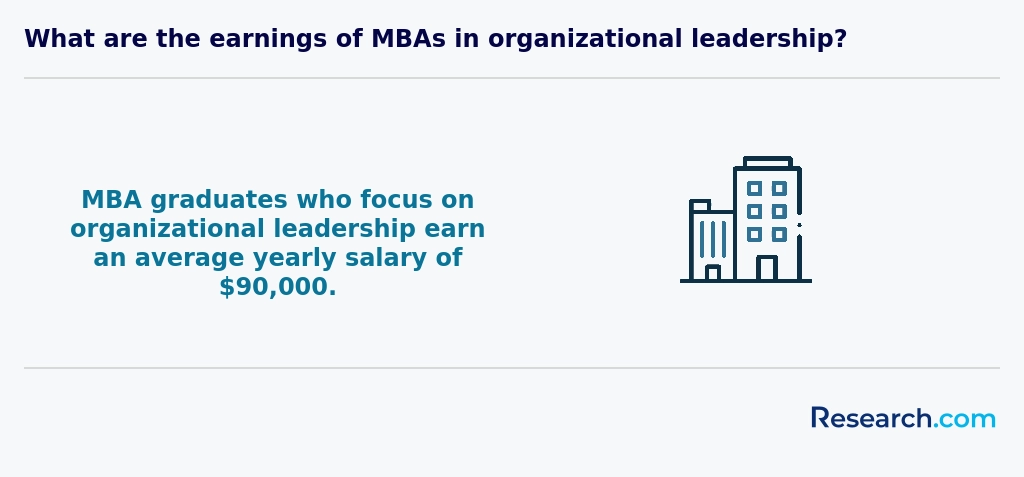
Salary trends for MBA graduates in Durham generally align with national averages, with many early-career professionals earning between $80,000 and $95,000. Considering tuition investments-ranging widely but significant at times-students often weigh these costs against local prospects and lifestyle benefits. Some opt to combine their MBA with other specializations, including online hospitality management programs, expanding their skill set to enhance marketability.
2027 Best MBA Degree Programs Ranking in Durham
Investing in your education is a significant decision that can shape your future, and the Research.com team understands the importance of making informed choices. To assist prospective students in Durham, we have meticulously crafted the "2027 Best MBA Degree Programs Ranking in Durham." Our commitment to quality, credibility, and accuracy is reflected in the extensive research and analysis conducted to compile this ranking.
We utilized the following reputable data sources to ensure a comprehensive evaluation of MBA programs:
By exploring this ranking, readers will gain valuable insights into the best MBA degree programs available in Durham, helping them make informed decisions about their educational paths. For more details on our methodology, please visit our Research.com methodology page.


Frequently Asked Questions About MBA
To maximize their learning experience, MBA students in Durham should actively engage with both academic and professional opportunities. Participating in networking events hosted by local business organizations such as the Durham Chamber of Commerce can build valuable connections. Many MBA programs in Durham emphasize experiential learning through internships and consulting projects, allowing students to apply theory in real-world settings.
Students are also encouraged to utilize resources from Durham's research institutions, including access to industry reports and workshops that focus on emerging business trends. According to the Graduate Management Admission Council, 70% of MBA students who leverage local professional networks report greater career satisfaction post-graduation.
Emerging niches within the MBA field reflect broader trends in business and technology. In Durham, programs increasingly emphasize areas like healthcare management, fintech, and sustainable business. These specializations respond to the region's growing healthcare industry and expanding tech sector.
Healthcare management MBAs prepare students to lead in hospitals and biotech firms, a major employment area in Durham. Fintech is gaining traction due to innovations in digital payments and blockchain, with local startups driving demand for expertise. Sustainability-focused MBAs teach green business practices, reflecting increasing corporate responsibility trends.
According to the Graduate Management Admission Council's 2023 report, around 25% of Durham-area MBA programs now offer concentrations in these emerging fields, underscoring their rising importance for new students.
Preparing for the job market after completing an MBA degree in Durham involves strategic planning and active engagement with local resources. Graduates should leverage career services offered by institutions like Duke University's Fuqua School of Business, which provides tailored job placement support and networking opportunities. According to the 2023 employment report, over 90% of MBA graduates in Durham secure employment within three months, particularly in finance, consulting, and technology sectors.
Building a professional network is essential; attending industry events and connecting with Durham's growing business community helps. Additionally, gaining relevant internships during the MBA program can enhance practical experience and employability. Understanding regional market trends and skills in demand, such as data analytics and leadership, will also improve job prospects.
Employers in Durham highly value MBA graduates who demonstrate strong leadership and strategic thinking skills. According to data from the Graduate Management Admission Council (GMAC), these abilities significantly impact hiring decisions in competitive business markets like Durham.
Analytical skills and financial acumen are also crucial, enabling graduates to make data-driven decisions. A 2023 survey by the Durham Chamber of Commerce highlights that 68% of local employers prioritize proficiency in financial modeling and market analysis.
Additionally, communication and teamwork remain essential. Employers seek graduates who can collaborate across diverse teams and present ideas clearly. Digital literacy, especially familiarity with emerging business technologies, ranks increasingly high in regional job postings.
Adaptability and problem-solving skills round out the top qualities sought by Durham employers.
Finding internships in Durham that align with an MBA degree involves leveraging local business networks and university career resources. Durham, part of the Research Triangle, hosts numerous industries including finance, healthcare, and technology, which often seek MBA interns. Students should engage with career services at institutions like Duke University's Fuqua School of Business, which reports that over 75% of its MBA students secure paid internships annually. Additionally, platforms such as Handshake and LinkedIn serve as essential tools for MBA candidates to discover opportunities posted specifically for Durham-area employers. Networking at local business events and joining professional groups can also enhance internship prospects.
In Durham, earning an MBA significantly enhances career mobility and advancement opportunities. Many local employers value the leadership, strategic thinking, and financial skills gained through MBA programs. According to the Graduate Management Admission Council (GMAC), MBA graduates in the U.S. report an average salary increase of nearly 60% three years after graduation.
Durham's close proximity to the Research Triangle Park also means MBA holders often have access to internships and networking opportunities with top technology and biotechnology firms. This exposure helps graduates pivot into higher management roles more quickly.
Data from the U.S. Bureau of Labor Statistics shows that business and financial occupations in the Durham region are projected to grow by 7% from 2020 to 2030, which aligns well with MBA career growth potential.
Durham's MBA programs are designed to equip students with skills that address complex, interdisciplinary challenges in today's business environment. Many programs integrate courses in finance, marketing, technology, and leadership, fostering a broad skill set that encourages collaboration across different fields.
According to the Graduate Management Admission Council (GMAC), MBA graduates from Durham-area schools report a 26% increase in roles requiring interdisciplinary project management within three years after graduation.
Local universities emphasize experiential learning, where students work on real business problems involving multiple departments or industries, preparing them to navigate diverse teams and perspectives effectively.
This multidisciplinary approach is valuable in sectors like healthcare, technology, and finance, which are prominent in the Durham economy and frequently demand managers who understand various business domains.
Choosing between a thesis and a non-thesis MBA program in Durham depends largely on your career goals and learning preferences. Thesis MBAs often appeal to those interested in research or pursuing a PhD later, as they require in-depth investigation and academic writing. Non-thesis programs emphasize practical skills, suitable for professionals aiming to enter or advance in business roles quickly. According to the Durham Chamber of Commerce report (2023), about 65% of local MBA students prefer non-thesis tracks for their flexibility and applicability. Cost and duration can also vary; thesis options may take longer due to research commitments.
Durham MBA programs accredited by the AACSB follow national standards, ensuring both options provide quality education. When deciding, consider your workload capacity and whether you want to develop analytical research skills or practical management expertise. Visiting local universities' MBA program pages can provide detailed curriculum comparisons specific to Durham.
Students based in Durham who wish to study for an MBA abroad have several options through exchange programs, dual degrees, and online partnerships with international institutions. Many top U.S. MBA programs, including those in Durham such as Duke University's Fuqua School of Business, offer global immersion experiences and study-abroad modules. These programs often allow students to spend a semester or summer at partner schools worldwide, gaining valuable international business insights.
According to the Graduate Management Admission Council (GMAC), about 35% of MBA candidates prioritize global exposure when selecting programs. Durham students can also consider fully online global MBA programs accredited by U.S. bodies but delivered through campuses or partnerships overseas. These flexible opportunities help integrate international study without disrupting local commitments.
Durham offers a variety of part-time job opportunities that can enhance the educational experience of MBA students. Many MBA candidates find roles in local financial firms, startups, or nonprofit organizations ideal for applying their classroom knowledge in real-world contexts. According to the Durham Chamber of Commerce, finance, marketing, and management positions are among the most common part-time jobs sought by business students.
Additionally, part-time consulting or project management roles within healthcare and technology sectors complement MBA studies, given Durham's strong presence in these industries. Some students also pick internships with Research Triangle Park companies, leveraging proximity to a hub of innovation and business.
Durham offers MBA students strong networking opportunities thanks to its proximity to major business hubs and a vibrant local economy. Duke University's Fuqua School of Business, a top-ranked program, hosts numerous events connecting students with leading companies such as IBM, Credit Suisse, and Cisco. These events include career fairs, speaker series, and alumni mixers, which facilitate valuable professional relationships.
In addition, Durham's growing tech and healthcare sectors provide MBA candidates access to industry-specific networking groups. According to Duke's 2023 employment report, over 90% of MBA graduates engage in networking events, contributing significantly to their job placements.
Beyond formal events, students also benefit from clubs and peer networks that enhance collaboration and mentorship. Local chambers of commerce and startup incubators further extend these opportunities, offering real-world business connections within Durham's dynamic economy.
Alumni networks play a significant role in enhancing the value of MBA degrees for students in Durham. Graduates from Durham-based MBA programs gain access to a broad community of former students who provide mentorship, career advice, and industry connections. According to Durham's Graduate Management Association, over 80% of MBA alumni stay connected through organized events and online platforms. This network can open doors to internships, job placements, and collaborative business opportunities within the thriving Triangle area.
These connections often lead to increased job placement rates and salary growth. For example, data from the Durham MBA Employment Report 2023 shows that 65% of alumni found their first post-MBA job through networking. Alumni networks also support entrepreneurship efforts by connecting students with local investors and experienced entrepreneurs in Durham's growing startup ecosystem.
Overall, strong alumni relations help MBA students build professional capital vital for career advancement in today's competitive market.
In Durham, many MBA programs offer several ways to customize your degree to align with your career goals. You can often choose from various concentrations such as finance, marketing, healthcare management, or entrepreneurship. These specializations allow you to focus on the skills most relevant to your desired industry.
Additionally, some schools provide flexibility with elective courses, enabling students to tailor their learning experience. Internships and experiential learning opportunities are common, helping integrate practical experience into your studies. Online and part-time options also allow working professionals in Durham to balance education with existing job commitments, enhancing career advancement possibilities.
MBA students in Durham often face the challenge of balancing rigorous academic demands with professional and personal responsibilities. According to data from the Graduate Management Admission Council (GMAC), 62% of MBA candidates nationally report stress related to time management, a figure that reflects Durham's competitive programs as well.
Another common difficulty is adapting to diverse learning environments. Durham's MBA classrooms include students from varied industries and backgrounds, which can initially complicate group projects and networking opportunities.
Financial pressure also affects many students. Tuition at top Durham business schools averages around $50,000 per year, prompting concerns about return on investment and managing living expenses.
Finally, navigating career transitions during or after the MBA can be challenging, especially in the evolving job markets predominant in the Research Triangle Park region.
An MBA degree from Durham opens pathways to numerous professional certifications, enhancing career prospects. Many Durham graduates pursue the Certified Management Accountant (CMA) credential, which focuses on financial management and strategic business skills. This certification is highly respected in the U.S. corporate sector.
Another popular option is the Project Management Professional (PMP) certification, valued for roles requiring leadership in managing complex projects. Durham MBA programs often include coursework aligned with PMP principles.
Additionally, the Chartered Financial Analyst (CFA) designation is sought by those aiming for roles in finance and investment. While CFA requires separate exams, an MBA provides a strong foundational knowledge.
According to the Graduate Management Admission Council, nearly 30% of U.S. MBA holders pursue certifications like CMA or PMP within five years post-graduation.
To write a winning application for an MBA program in Durham, start by clearly demonstrating your career goals and how the MBA will help achieve them. Admissions committees value well-defined professional aspirations and evidence of leadership potential. Durham's MBA programs, such as those at Duke University's Fuqua School of Business, emphasize collaborative leadership and innovation. Include specific examples of teamwork, problem-solving, and impact in your essays. According to the Graduate Management Admission Council, 65% of MBA candidates admitted express clear career vision.
Highlight your quantitative skills through your GMAT or GRE scores, aiming for competitive marks-Duke Fuqua's average GMAT is around 700. Reference extracurricular activities and community involvement, which reflect character and adaptability. Lastly, secure strong recommendation letters from supervisors who can attest to your managerial qualities and growth potential. Adhering to word limits and flawless grammar also strengthens your application.
The global perspectives on an MBA career emphasize the degree's role in preparing leaders for international business challenges. Graduates often find opportunities across diverse industries, including finance, consulting, technology, and healthcare. According to the Graduate Management Admission Council (GMAC), nearly 40% of MBA graduates in the US work in multinational companies, underscoring the degree's global relevance.
For Durham-based students, earning an MBA can open doors to careers both domestically and abroad. The local business ecosystem benefits from proximity to global firms, providing valuable internship and networking prospects. Data from the Durham Chamber of Commerce shows that MBA holders in the region see a 20% higher average salary than peers without the degree, reflecting strong market demand.
Gaining practical experience during an MBA in Durham is achievable through several avenues. Many local institutions include consulting projects and internships as part of their curriculum, allowing students to apply classroom knowledge to real business challenges.
Durham's concentration of industries, especially in technology and healthcare, offers numerous internship opportunities. Universities often partner with businesses to facilitate these experiences, enhancing career readiness.
Additionally, Durham-based MBA programs may encourage participation in student-led business clubs and case competitions, which simulate real-world decision-making. Networking events and mentorship programs further connect students with industry professionals for hands-on learning.
Choosing the right concentration within an MBA program in Durham requires aligning your career goals with local industry demands. Durham's economy strongly features healthcare, technology, and finance sectors, making concentrations like Healthcare Management, Information Technology, and Finance particularly valuable. According to the Durham Chamber of Commerce, these industries continue to grow, offering ample job opportunities.
Consider your professional background and future aspirations. For example, candidates with an interest in startups might explore Entrepreneurship, as Durham supports a thriving startup ecosystem. Networking with alumni and attending information sessions can also clarify how specific tracks fit your ambitions.
Many Durham MBA programs, such as those at Duke University, provide data on employment outcomes by concentration, which is useful for informed decision-making. Prioritize concentrations that offer relevant internships and practical projects to enhance your skills and employability locally.
- 2027 Best MBA Degree Programs Ranking in Raleigh
- 2027 Best MBA Degree Programs Ranking in Greensboro
- 2027 Best MBA Degree Programs Ranking in Winston-Salem
- 2027 Best MBA Degree Programs Ranking in Lynchburg
- 2027 Best MBA Degree Programs Ranking in Charlotte
- 2027 Best MBA Degree Programs Ranking in Virginia Beach
- 2027 Best MBA Degree Programs Ranking in Columbia
- 2027 Best MBA Degree Programs Ranking in Arlington
- 2027 Best MBA Degree Programs Ranking in Washington
- 2027 Best MBA Degree Programs Ranking in Charleston
- Why MBA Graduates Embrace Global Perspectives for Career Growth https://www.thehighereducationreview.com/editors-guest/why-mba-graduates-embrace-global-perspectives-for-career-growth-nid-6271.html
- The Growing Demand for Niche Jobs and MBA Specializations https://www.clearadmit.com/2025/05/the-growing-demand-for-niche-jobs-and-mba-specializations/
- Durham University Business School https://www.durham.ac.uk/business/
- Durham Online MBA https://ameerkhatri.com/masters-in-business/online-mba/durham-online-mba/
- Tips for Writing an MBA Program Essay - GMAT Ninja https://www.gmatninja.com/articles/mba-admissions/essays-and-applications/minimizing-mba-application-essay-agony/
- Overcoming Common Challenges Faced by Management Students https://iilm.edu/iilm-lucknow/blog/challenges-faced-by-management-students/
- MBA Career Outlook from a Global Perspective Margaret Buj https://interview-coach.co.uk/mba-career-outlook-from-a-global-perspective/
- MBA Requirements: What do you really need for an MBA degree https://www.obseducation.org/en/blog/mba-requirements-what-do-you-really-need-for-an-mba-degree
- Top MBA programs with the best alumni networks in the world - MBA Crystal Ball https://www.mbacrystalball.com/blog/2025/07/07/top-mba-programs-with-the-best-alumni-network-in-the-world/
- MBA Requirements https://www.collegeessayguy.com/blog/mba-requirements


