2027 Best Marketing Degree Programs Ranking in the South

Co-Founder and Chief Data Scientist
Choosing the right marketing degree program can shape your future career and open exciting opportunities. If you're a student in the South, this article offers valuable insight to guide your decision.
The 2027 Best Marketing Degree Programs Ranking in the South was created by the Research.com team of data scientists to help you discover which programs truly stand out. By exploring this ranking, you'll gain confidence in selecting a degree that aligns with your goals and sets you up for success.
Investing in a marketing degree is a step toward a rewarding and dynamic career. Let this article help you find the best fit for your aspirations.
Key benefits of getting marketing degree in the South
- Marketing degree graduates in the South can expect competitive salaries, such as Marketing Assistants earning around $83,190 annually and Public Relations Specialists making up to $159,420 per year, reflecting strong earning potential.
- Career paths are diverse, ranging from roles like Media Planner and Digital Marketing Specialist to Sales Associate, offering exciting opportunities for graduates to find their passion and grow professionally.
- Online marketing degrees from Southern universities offer flexible learning schedules and practical experience, making it easier for students to balance life and work while gaining valuable skills for the evolving marketing landscape.
- 2027 Best Marketing Degree Programs Ranking in the South
- What can I expect from marketing degree in the South?
- Where can I work with marketing degree in the South?
What can I expect from marketing degree in the South?
The average cost of earning a marketing degree in the South is notably affordable, making it an attractive option for many students. Public universities in the region typically charge around $10,000 per year for in-state tuition and fees, significantly lowering financial barriers compared to other parts of the country. Graduates from popular Southern institutions often recount how manageable costs allowed them to focus more on applying their marketing skills through internships and hands-on projects rather than worrying about debt.
Many Southern colleges also provide substantial scholarships targeted at marketing majors, further easing the financial burden. For instance, students at leading universities in the South frequently benefit from partnerships with local businesses, which sometimes lead to paid internships and mentorship opportunities. These experiences not only enhance career readiness but also justify the cost of attendance by offering practical returns on investment.
Overall, the combination of affordable tuition, accessible scholarships, and real-world opportunities makes pursuing a marketing degree in the South both economically sensible and professionally rewarding.
Where can I work with marketing degree in the South?
Graduates with a marketing degree in the South find abundant employment opportunities across diverse sectors such as retail, healthcare, technology, and entertainment. The region's thriving metropolitan hubs like Atlanta, Dallas, Charlotte, and Miami offer dynamic environments where marketing coordinators, brand managers, digital marketing specialists, and sales managers frequently launch their careers. Many graduates from universities such as the University of North Carolina and the University of Florida report quickly advancing to managerial roles, driven by the South's competitive and expanding markets.
Marketing professionals also thrive beyond corporate settings, securing roles within government agencies, nonprofit organizations, and educational institutions. Graduates often work in university communications or outreach departments, gaining valuable experience in event marketing and hospitality tied to the South's strong tourism industry. With the rise of digital media, many find fulfilling positions in tech hubs like Raleigh-Durham and Austin, applying expertise in social media management, SEO, and data analytics. This adaptability ensures a rewarding career path matched to the South's evolving economic landscape.
Graduates with marketing degrees from respected Southern institutions like the University of Texas at Austin or the University of North Carolina often enter the workforce with promising salary prospects. Entry-level roles such as Marketing Assistants typically earn a mean annual wage of about $83,190, reflecting competitive starting points that exceed many expectations in the region.
Students from these universities report feeling encouraged by the strong demand for skilled professionals in digital marketing and media planning. Positions like Media Planner and Digital Marketing Specialist also share similar mean wages around $83,190 annually, offering graduates stable and rewarding career paths.
For those advancing into roles closely related to public relations, salaries can rise substantially. A Public Relations Specialist's mean annual wage reaches approximately $159,420, illustrating how specialization and experience gained after graduation can lead to lucrative opportunities.
Even Sales Associates, often an accessible entry into marketing fields, earn a mean annual wage near $53,280, providing a solid foundation for building a marketing career. Graduates emphasize that the Southern job market, with hubs in Atlanta, Dallas, and Miami, nurtures both growth and financial security, especially when combined with practical experience earned during or after study.
- Tuition for a four-year marketing degree in Southern public universities ranges from $20,000 to $40,000 for in-state students.
- Private institutions in the South often charge $50,000 or more for the entire undergraduate marketing program.
- Entry-level marketing jobs in the South typically pay between $40,000 and $50,000 annually, below the national average.
- Mid-career marketing professionals in the South earn around $65,000 to $80,000 per year on average.
- Marketing job growth in the Southern US is expected to increase by 6-8% over the next decade.
Completing a marketing degree in the South typically requires about four years of full-time study, aligning with the national average and reflecting the structured programs at institutions such as the University of Texas, University of Florida, and North Carolina State University. Graduates from these schools often recount the rewarding experience of engaging in a comprehensive curriculum spanning approximately 120 to 130 credit hours, designed to develop practical marketing skills and theoretical knowledge.
Many students balance part-time enrollment with work or family responsibilities, which can extend their path beyond four years, yet this flexibility enables them to pursue their degrees without compromising other commitments. Conversely, accelerated programs available at some Southern universities offer an expedited three-year option by increasing course loads or enrolling in summer sessions, appealing to highly motivated individuals eager to enter the marketing field sooner.
Graduate students pursuing an MBA or Master's in Marketing in the South typically finish within one to two years full-time, while part-time or online options at schools like Georgia Tech extend this period to accommodate working professionals. These varied pathways ensure students can customize their education to fit both their professional and personal goals.
Pursuing professional certifications can significantly boost your marketing credentials and keep you ahead in a fast-evolving field. Beyond a traditional degree, specialized credentials demonstrate expertise and commitment to lifelong learning. Key certifications to consider include:
- Google Ads Certification: Validates your proficiency in search, display, and video advertising campaigns.
- HubSpot Inbound Marketing: Focuses on content strategy, lead nurturing, and customer relationship management.
- American Marketing Association’s Professional Certified Marketer (PCM): Covers core marketing principles and ethics, enhancing your credibility with employers.
- Digital Analytics Association Certificates: Strengthen your data analysis skills, critical for optimizing campaigns and measuring ROI. Many institutions now integrate certification prep into their curricula, and if you’re looking to fast-track your education, explore the best online accelerated marketing degree programs. These accelerated pathways often include dedicated modules on certification exam strategies, allowing you to earn a degree and multiple credentials in less time. Continuing education doesn’t end with exams. Engage with professional associations such as the Southern Public Relations Federation or the American Advertising Federation (AAF) chapters across Southern states. Attending annual conferences, workshops, and webinars provides networking opportunities and insights into emerging trends like AI-driven marketing and omnichannel strategies. Finally, maintain an up-to-date portfolio by showcasing case studies from certification projects or continuing education workshops. This dynamic portfolio not only highlights your technical skills but also illustrates your ability to adapt and innovate-qualities that employers in the South and beyond highly value.
Online marketing degree programs in the South offer exceptional flexibility, allowing students to manage coursework alongside jobs or family responsibilities. Graduates from online programs at institutions such as the University of Florida appreciate the ability to study remotely without sacrificing quality, accessing lectures at their convenience. However, this format demands strong self-discipline and motivation to keep pace without the in-person structure.
Conversely, on-campus marketing degrees at universities like Texas A&M provide immersive, face-to-face experiences. Students benefit from dynamic classroom discussions, immediate interaction with professors, and collaborative projects. Many on-campus students also secure internships through local marketing firms in states like Georgia, gaining hands-on experience and building professional networks crucial to their career growth.
Regarding cost, Southern public universities typically charge between $8,000 and $12,000 annually for in-state on-campus tuition. Online options often reduce these expenses by 10% to 20%, though technology fees can apply. Overall, both pathways equip Southern students with respected marketing credentials tailored to their lifestyles and aspirations.
The average cost of earning a marketing degree in the South typically centers around a median total of approximately $39,690. This figure reflects a blend of in-state and out-of-state tuition expenses, with in-state students experiencing significantly lower fees, averaging near $12,750 for the entire program. Graduates from universities popular for marketing in the South often share positive reflections on their investment, emphasizing the value of affordable education combined with quality instruction and robust career preparation.
Attending a well-recognized public university in a Southern state usually means manageable tuition costs, especially for residents. Many students find that their total expenses, including tuition and fees, align well with their budget expectations, making a marketing degree more attainable. This practical cost framework supports students' ambitions to pursue rewarding careers in marketing without overwhelming financial strain.
Out-of-state students should expect higher tuition, which can elevate the total expenses for marketing degree Southern universities substantially. However, these costs are often offset by scholarships and financial aid, helping ease the burden. Graduates highlight how programs at these institutions balance expense with opportunity, providing strong networks and access to internships that propel their careers forward.
For those seeking flexibility, the best online marketing degree in texas offers an attractive alternative, often maintaining competitive pricing while delivering quality education. Understanding the average cost of marketing degree programs in the South helps prospective students plan effectively, ensuring their educational experience aligns well with both their financial and professional goals.

A comprehensive ROI analysis helps you understand how quickly your marketing degree will pay for itself. On average, Southern universities charge between $10,000 and $30,000 per year in tuition for in-state students, with total bachelor’s costs ranging from $40,000 to $120,000. Given entry-level marketing salaries-around $50,000 annually for Marketing Assistants and up to $78,880 for mid-level roles-graduates can expect to recoup tuition costs within 3–6 years, depending on financial aid and living expenses. Key factors influencing ROI:
- Tuition vs. Earnings: With a median starting salary near $55,000, students who secure internships and part-time roles often reduce debt and increase early earnings.
- Financial Aid Impact: Pell Grants and merit scholarships can cut your net cost by 30–50%, accelerating your break-even point.
- Online Flexibility: Online programs often reduce ancillary expenses-housing, commuting and fees-by 25–40%. For a deeper look at low-cost online options, explore our Affordable Online Bachelor's in Marketing Degree Programs Ranking in Missouri.
- Career Growth Trajectory: Marketing Managers in the South can earn upwards of $90,000 within five years, shortening ROI timelines.
- Opportunity Cost: Working while studying can offset tuition outlays, though it may extend program duration. By weighing these variables-net cost, salary progression, and time to break even-you’ll make an informed decision. A clear ROI model not only demonstrates financial viability but also underscores the long-term value of a marketing education in the South.
Marketing students in the South have access to diverse financial aid options that significantly ease the burden of education costs. Federal aid, such as Pell Grants and subsidized loans, forms the backbone of funding for many. For example, a marketing graduate from the University of Georgia recalls how the Pell Grant's non-repayable nature made tuition manageable, allowing focus on studies without overwhelming debt.
State-specific programs frequently support in-state students. Graduates from Texas often benefit from the Texas College Work-Study Program, gaining both financial aid and real-world marketing experience on campus. Similarly, Florida's Bright Futures Scholarship helped a University of Florida marketing student substantially reduce tuition expenses, making the degree feel within reach.
Numerous Southern universities offer merit and need-based scholarships within their business colleges. The University of Alabama, for instance, attracts driven candidates with competitive awards that brighten hopes of completing a marketing degree on time. Private scholarships from organizations like the American Marketing Association further fuel ambition, while employer tuition reimbursements provide continuing education support in metropolitan areas.
In today’s competitive marketing landscape, success goes far beyond earning a degree-it involves building practical skills, leveraging industry connections, and continuously adapting to emerging trends. To prepare for a thriving career, students should actively seek hands-on experiences such as internships, volunteer projects, or freelance opportunities that help bridge the gap between classroom learning and real-world application. Engaging in professional networking events, joining marketing associations, and utilizing online resources can also enrich your knowledge and open doors to job opportunities. For instance, many employers value candidates who have supplemented their academic credentials with specialized training, like the best online marketing degree in texas, which highlights innovative strategies and digital expertise. Ultimately, your proactive approach-whether through mentorship, certifications, or strategic networking-will empower you to confidently negotiate job offers, navigate salary discussions, and chart a course for ongoing career growth in the dynamic world of marketing.
To enroll in a marketing degree program in the South, students must meet several key prerequisites that establish a strong foundation for success. A high school diploma or GED is universally required, along with official transcripts that highlight proficiency in critical areas like English and mathematics. Graduates from universities such as the University of Florida and the University of Georgia emphasize how these basics prepared them for marketing coursework.
While standardized tests like the SAT or ACT have become optional at many Southern institutions post-pandemic, submitting competitive scores can enhance an application. Specific programs often expect familiarity with economics, statistics, and computer skills, as these competencies are vital for marketing analysis and strategy.
Transfer students are encouraged by the acceptance of community college credits, easing their transition. Letters of recommendation and personal statements frequently play a role in demonstrating motivation and communication skills, further reflecting a candidate's readiness to thrive in this dynamic field.
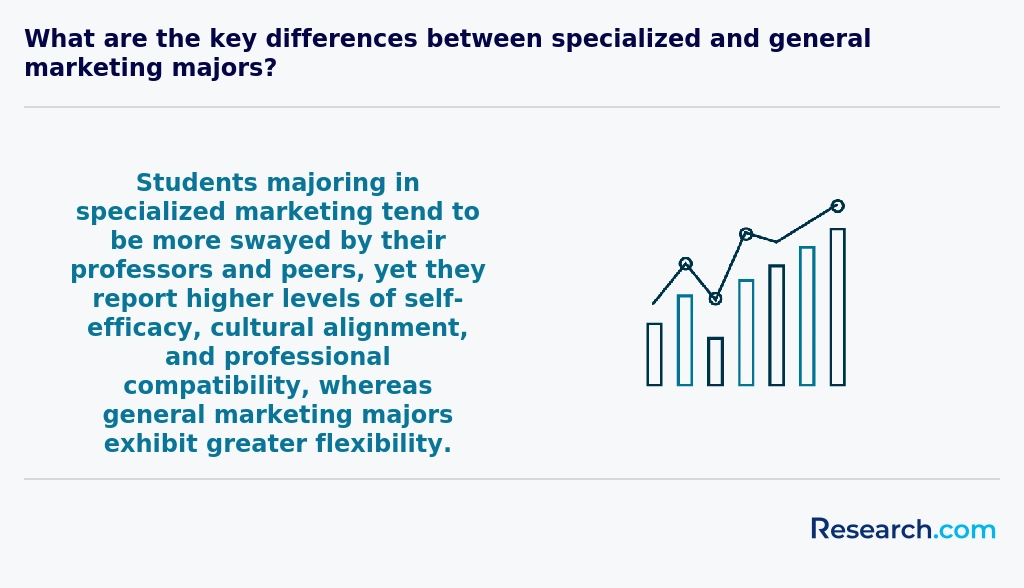
Marketing degrees in the South typically include a blend of foundational business courses and specialized marketing subjects designed to prepare students for practical challenges in the industry. Graduates from popular Southern universities often recall starting with core classes like Principles of Marketing and Business Communication, which establish essential knowledge and communication skills crucial for professional success. These introductory courses set the stage for more analytical studies such as Accounting, Economics, and Statistics, helping students develop a strong business acumen and confidence in interpreting data.
Specialized coursework reflects the dynamic nature of marketing today. Digital Marketing Strategies and Social Media Marketing are common offerings, equipping students to navigate the digital marketplace effectively. For instance, students at renowned Southern colleges frequently describe hands-on projects that involve creating real social media campaigns, fostering excitement and practical expertise.
Market research and analytics also play a vital role in the curriculum. Classes like Consumer Behavior and Marketing Research teach students to analyze customer preferences and market trends, often through case studies or live research, enabling them to make data-driven decisions as they enter the workforce. Electives in Advertising and Brand Management further allow personalization of the educational journey, aligning with individual career goals and passions.
Marketing degree specializations in the South are designed to equip students with skills tailored to the region's dynamic business landscape. Popular tracks include Digital Marketing, emphasizing social media strategy and SEO, which aligns with the South's expanding e-commerce and tech sectors. Graduates from universities in this region often share how hands-on projects with local businesses enhanced their confidence and readiness for digital campaign management.
Another core specialization is Market Research and Consumer Behavior, where students analyze data to drive business decisions. Many Southern colleges integrate real-world research reflecting local economic sectors, providing valuable experiential learning that graduates find incredibly relevant. Sales Management, focused on leading teams and client relations, is also prominent due to the South's strong manufacturing and retail industries, enabling students to thrive in sales roles.
Brand Management and Advertising are increasingly popular, with students learning how to build prominent brands that resonate beyond the region. Other emerging options include International Marketing and Entrepreneurial Marketing, popular among those motivated by launching ventures in a vibrant Southern entrepreneurial ecosystem. Prospective students can explore the best online accelerated marketing degree programs to find flexible pathways to specialization.
Choosing the best marketing degree programs in the South involves evaluating several critical elements. Accreditation is paramount; graduates from Southern institutions with regional accreditation such as SACSCOC often recall a strong academic foundation that employers respect. Many find that programs with AACSB accreditation offer a curriculum rich in relevant marketing theories and practical business applications, facilitating a smoother career launch in Southern markets.
Affordability is another major factor. Students attending well-known Southern colleges often weigh the benefits of affordable marketing degrees Southern states offer, balancing tuition costs with financial aid opportunities. A number of graduates report that programs blending quality and cost-effectiveness enabled them to focus on learning without excessive financial stress. For those seeking flexibility, online options with recognized credentials provide an excellent alternative; prospective students should review resources like the Affordable Online Bachelor's in Marketing Degree Programs Ranking in Missouri when considering remote study.
Curriculum relevance and graduate outcomes shape the student experience as well. Alumni from Southern universities highlight experiential learning through internships and local business projects that enhance job readiness and networking. These hands-on experiences paired with strong regional business ties empower students to secure competitive salaries and desirable roles, reflecting the growing demands in digital marketing and analytics within Southern economies.
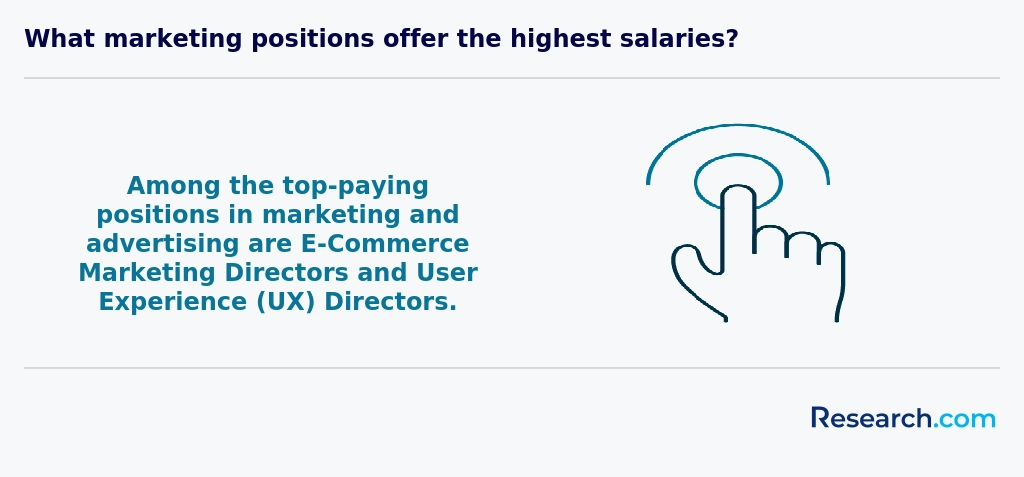
Graduates with a marketing degree in the South find diverse marketing career opportunities in the South that leverage the region's dynamic economy. Entry-level roles such as marketing coordinator or specialist are common starting points, allowing graduates from universities in Atlanta, Dallas, or Miami to gain hands-on experience in campaign planning and data analysis. These experiences often lead to managerial positions in brand management or marketing strategy, where professionals oversee larger teams and projects.
Jobs with a marketing degree in Southern states also include expanding fields like digital marketing, social media, and SEO optimization, reflecting the South's growing technology sector. Universities such as those in Charlotte and Houston emphasize analytics and consumer behavior, helping graduates secure roles in market research and data analysis. Many Southern students report positive career outcomes through local internships and strong networking opportunities.
Those interested in accelerated advancement may explore the best one-year masters programs, popular in the South, to deepen expertise and improve job prospects. This combination of traditional and emerging paths makes marketing a robust choice in the Southern job market.
The job market for marketing degree holders in the South is characterized by robust growth and expanding opportunities. Graduates from prominent Southern universities often find themselves well-positioned to enter dynamic roles in major metropolitan areas such as Atlanta, Dallas, and Miami. These cities offer vibrant environments where digital marketing, analytics, and brand management skills are in high demand, reflecting strong South regional marketing career opportunities.
Marketing graduates describe real-life scenarios where internships and entry-level positions allow hands-on experience with social media marketing and SEO, often leading to fulfilling careers. Starting salaries average around $55,000, rising toward $110,000 for experienced marketing managers, which, combined with a relatively affordable cost of living, creates a positive outlook for new professionals in the region. Many students at Southern schools appreciate the balance between quality education and practical career prospects.
Students should also be aware that while considering advanced study, not all paths are uniform; for those curious about research or doctoral studies in marketing or related fields, do all phd programs require a dissertation is a useful question to explore.
Overall, marketing degree job prospects in the South remain strong, fueled by thriving industries and the growing importance of data-driven marketing strategies within the region.
2027 Best Marketing Degree Programs Ranking in the South
Investing in your education is a significant decision that can profoundly impact your future, and the Research.com team is committed to supporting you in making well-informed choices. To provide clarity for those seeking marketing degree programs in the South, we have carefully developed the "2027 Best Marketing Degree Programs Ranking in the South." Our dedication to quality, credibility, and accuracy is demonstrated through rigorous research and thorough analysis.
We utilized the following reputable data sources to ensure a comprehensive evaluation of marketing programs:
By exploring this ranking, readers will gain valuable insights into the best marketing degree programs in the South, empowering them to make confident and informed decisions about their educational journey. For more information about how this ranking was created, please visit our Research.com methodology page.


Frequently Asked Questions About marketing
Marketing degree students in the South can maximize their learning experience by engaging with regional business networks and internships. The Southern U.S. hosts many growing industries such as tech startups in Atlanta and healthcare in Texas, offering practical opportunities for hands-on marketing work.
Active participation in local chapters of professional organizations, like the American Marketing Association, can enhance real-world skills. According to the U.S. Bureau of Labor Statistics, marketing jobs in Southern states like Florida and North Carolina are projected to grow faster than the national average, emphasizing the value of regional experience.
Students should also leverage university resources, including career services and negotiation workshops, to prepare for competitive marketing roles in Southern markets.
The marketing field is evolving rapidly, especially in the Southern United States, where digital transformation has accelerated. Emerging niches include data-driven marketing, which leverages analytics to target consumers more effectively. According to the Southern Marketing Association's 2023 report, 62% of Southern marketing firms invest heavily in customer data platforms.
Another growing niche is influencer marketing, with Southern companies collaborating with regional social media personalities to reach local audiences. Additionally, content marketing focused on video and podcast formats is gaining traction, as these media engage younger demographics.
Finally, sustainable and cause-related marketing is expanding, reflecting a regional push toward corporate social responsibility in Southern markets.
After completing a marketing degree in the South, preparing for the job market involves a combination of practical experience and networking. Many Southern universities recommend internships to build real-world skills and enhance resumes. According to the National Association of Colleges and Employers, students with internship experience are 20% more likely to receive job offers upon graduation.
Additionally, graduates should develop strong digital marketing skills, as the Southern job market increasingly demands expertise in areas like social media, SEO, and data analytics. According to the U.S. Bureau of Labor Statistics, marketing specialist roles in Southern states like Texas and Georgia are growing faster than the national average.
Networking through regional professional organizations, such as the American Marketing Association chapters in the South, can provide valuable connections. Lastly, staying updated on industry trends and obtaining relevant certifications can improve job prospects significantly.
Employers in the South highly value marketing graduates who possess strong communication and digital marketing skills. According to the U.S. Bureau of Labor Statistics, businesses in Southern states are rapidly expanding their digital presence, increasing demand for expertise in social media, SEO, and data analytics. Additionally, creativity and problem-solving abilities are essential as marketers must design campaigns that resonate with diverse regional audiences.
Leadership and teamwork skills are also critical, since many Southern companies emphasize collaborative project environments. A report by the Southern Economic Development Council notes that approximately 68% of employers look for adaptability and proficiency in marketing technologies among new hires.
Finding internships in the South for marketing students involves leveraging university career centers, regional job boards, and local business networks. Many Southern universities have strong partnerships with companies in growing industries like technology, healthcare, and entertainment, which often offer marketing internships. According to the National Association of Colleges and Employers (NACE), Southern metropolitan areas such as Atlanta, Nashville, and Charlotte frequently post marketing internship opportunities.
Students should also utilize platforms like Handshake, which many Southern schools adopt for internship listings. Networking through local marketing associations or chambers of commerce enhances chances, as the South values community connections.
A marketing degree in the South significantly enhances career mobility and advancement opportunities. According to the National Center for Education Statistics, Southern states award nearly 40% of the country's marketing-related bachelor's degrees, reflecting strong regional demand. Graduates benefit from a diverse economy where industries such as technology, healthcare, and retail actively seek skilled marketing professionals.
Southern cities like Atlanta and Dallas have growing marketing job markets, with the U.S. Bureau of Labor Statistics noting a projected 10% growth in marketing-related jobs by 2030. This growth translates to increased chances for promotions and role changes within companies.
Furthermore, marketing degrees in the South often include practical internships and industry partnerships, providing vital networking that boosts career progression. Data from the Southern Association of Colleges and Employers suggests graduates with marketing credentials typically earn 15-20% higher starting salaries compared to those without degrees in this field.
Studying for a marketing degree in the South provides a strong interdisciplinary foundation by integrating business, communication, and technology courses. Many Southern universities structure their programs to include classes in data analytics, consumer psychology, and digital media, which are vital for diverse roles in today's job market.
The South's growing economy, driven by sectors like healthcare and tech, encourages marketing students to collaborate across fields, fostering skills in strategic thinking and project management. According to the Southern Regional Education Board, graduates with interdisciplinary skills have a 15% higher employment rate within six months post-graduation.
This preparation equips students to work effectively in roles that blend marketing with IT, sales, or even product development. It acknowledges the modern necessity of versatile professionals who can adapt to various industries and team environments.
Choosing between a thesis and a non-thesis marketing degree program in the South depends on your career goals and learning preferences. Thesis programs require original research, which is ideal if you plan to pursue a PhD or a research-based job. According to the National Center for Education Statistics, Southern universities like the University of Florida and the University of Georgia offer strong thesis options focusing on market analytics and consumer behavior.
Non-thesis programs emphasize practical skills and coursework, suitable for students aiming for direct entry into marketing careers. The Southern region, with its growing business hubs, values hands-on experience reported by the U.S. Bureau of Labor Statistics for 2023, showing marketing job growth above the national average.
Consider also the program length: thesis tracks often take longer due to research demands. Review each university's curriculum and resources to ensure they match your academic and professional plans.
Students based in the Southern United States interested in studying marketing abroad have several options through their home institutions. Many universities in the South, such as those in Texas, Florida, and Georgia, offer study abroad programs tailored to business and marketing majors. These programs frequently partner with universities in Europe, Asia, and Latin America.
According to NAFSA: Association of International Educators, Southern universities contributed significantly to the 15% increase in U.S. students studying abroad in 2022. Marketing students often benefit from courses focusing on international markets, digital marketing trends, and cross-cultural consumer behavior.
Popular destinations include the United Kingdom, Spain, and Australia, where students gain global perspectives while earning credits transferrable to their home degrees. Many programs last a semester or summer, accommodating academic calendars in the South.
Part-time job opportunities in the South that complement marketing degree education often include roles in retail marketing, social media management, and event coordination. These positions provide practical experience in consumer behavior and promotional strategies, essential for marketing students.
Retail marketing jobs, common in states like Texas and Georgia, allow students to engage directly with customers and understand sales cycles. Meanwhile, social media internships at small businesses or startups in metropolitan areas such as Atlanta or Charlotte help develop skills in digital marketing and content creation.
According to the U.S. Bureau of Labor Statistics, marketing-related part-time roles in the South have grown by approximately 8% from 2020 to 2023, reflecting regional economic expansion.
Event coordination positions, especially in cultural hubs like New Orleans, provide insight into brand activation and customer engagement. These experiences bridge classroom knowledge with real-world marketing challenges, enhancing employability and practical skill sets for students pursuing marketing degrees in the South.
Marketing students in the South benefit from a variety of networking opportunities that connect them with industry professionals and alumni. Many universities host marketing clubs and organizations, such as the American Marketing Association chapters, which facilitate events like workshops, guest speaker sessions, and career fairs.
Regional business conferences, especially in cities like Atlanta, Nashville, and Dallas, provide additional platforms for students to build connections. The Southern Marketing Association also offers students access to research presentations and networking mixers tailored to current market trends in the South.
According to the National Association of Colleges and Employers, 65% of Southern marketing graduates secure internships through networking, emphasizing its importance in career development.
Alumni networks play a vital role in supporting marketing degree students in the South by creating valuable professional connections. According to the Southern Association of Colleges and Schools Commission on Colleges (SACSCOC), many Southern universities maintain active alumni groups that facilitate mentorship, internships, and job placement opportunities specifically in marketing fields.
These networks often offer access to local and regional marketing professionals, which is essential in the South's diverse economic landscape, including hubs like Atlanta, Dallas, and Miami. The U.S. Bureau of Labor Statistics highlights that marketing occupations in these areas grew by approximately 7% between 2021 and 2023, making alumni connections crucial for career entry.
Students benefit from alumni events and online platforms that provide industry insights and job leads, helping them navigate the competitive marketing job market. Such networks also support lifelong learning through workshops and seminars tailored to regional marketing trends.
Customizing your marketing degree program in the South starts with selecting electives that align with your career goals. Many Southern universities offer specializations such as digital marketing, brand management, or consumer behavior, allowing you to focus on specific skills. For example, data from the National Center for Education Statistics shows that over 60% of Southern marketing programs provide coursework in social media marketing and analytics.
Internships and cooperative education programs are common in the South and offer hands-on experience tailored to industries like healthcare, retail, or technology, which dominate the regional economy. Additionally, engaging in local networking opportunities can connect you with regional marketing professionals and job prospects.
Marketing students in the South face several distinctive challenges as they pursue their degrees. One major difficulty is limited access to high-profile internship opportunities compared to larger metropolitan areas like New York or California. According to the U.S. Bureau of Labor Statistics, Southern cities have fewer marketing agencies ranked nationally, which affects real-world experience availability.
Additionally, students often encounter a curriculum that may not fully reflect the rapidly evolving digital marketing landscape. Many Southern institutions are still enhancing their programs to integrate new technologies like AI and data analytics.
Another challenge includes balancing cost with quality, as out-of-state tuition and living expenses can be prohibitive. The National Center for Education Statistics shows that public universities in the South tend to have varying tuition rates, impacting affordability.
Finally, there is a need for stronger industry connections within the South to support job placement after graduation. Networking and mentorship programs are growing but still lag behind more established regions.
With a marketing degree, several professional certifications can enhance your career opportunities, especially in the competitive markets of the Southern United States. Common certifications include the Certified Marketing Professional (CMP) offered by the American Marketing Association, which validates core marketing skills widely recognized by employers.
Digital marketing is growing rapidly in the South, where many businesses focus on online strategies. Certifications like the Google Ads Certification and HubSpot Inbound Marketing certification provide essential digital marketing expertise. These credentials are valuable given the South's increasing investment in e-commerce and tech industries, as noted by the U.S. Bureau of Labor Statistics.
Additionally, the Project Management Professional (PMP) certification is useful for marketing graduates who want to lead campaigns and projects efficiently. Many Southern universities and colleges also offer certificate programs to prepare for these certifications, making it accessible to students throughout the region.
To write a winning application for a marketing program in the South, start by showcasing your passion for marketing through a clear and compelling personal statement. Admissions committees in Southern universities value applicants who understand regional business trends, such as the growing influence of digital marketing in cities like Atlanta and Dallas.
Highlight any relevant experience, including internships, volunteer work, or projects related to marketing. According to the National Center for Education Statistics, Southern institutions saw a 7% increase in marketing program enrollment recently, reflecting growing demand.
Strong letters of recommendation from academic or professional sources in marketing also improve your chances of admission. Lastly, emphasize your career goals aligned with the Southern market's needs, including sectors like technology, healthcare, and retail that dominate the region's economy.
Marketing careers in the South reflect growing global trends emphasizing digital skills and cultural awareness. According to the U.S. Bureau of Labor Statistics, marketing-related jobs are expected to grow 10% nationally from 2022 to 2032, driven by e-commerce and international business expansion.
Southern universities often incorporate global marketing strategies into their curricula, preparing students for work with international brands and diverse consumer markets. The region's expanding trade connections with Latin America and Asia also influence program content and internship opportunities.
Understanding global perspectives helps Southern graduates adapt to multicultural teams and reach worldwide audiences, essential in today's interconnected economy.
Gaining practical experience while studying for a marketing degree in the South is crucial for career readiness. Many Southern universities offer internship programs with local businesses, allowing students to apply classroom knowledge in real-world settings. For example, Georgia Tech and the University of Texas at Austin have strong ties to regional corporations, providing valuable hands-on opportunities.
Students can also join marketing clubs and participate in case competitions, which simulate real marketing challenges. According to the Southern Regional Education Board, 65% of Southern marketing students engage in internships before graduation, improving job prospects.
Additionally, Southern states like Florida and Texas have growing marketing industries, particularly in digital marketing and advertising, offering freelance and part-time roles for students.
Choosing the right concentration within a marketing degree in the South begins with assessing your career goals and interests. Popular concentrations include digital marketing, market research, advertising, and sales management. Each offers distinct skills tailored to industries thriving in the region, such as healthcare, technology, and entertainment.
Research from the Southern Association of Colleges and Schools shows that concentrations in digital marketing are growing rapidly due to increasing online commerce in Southern cities like Atlanta and Dallas. Understanding local job market trends is essential for aligning your specialization with demand.
Additionally, consider program accreditation and faculty expertise, which impact the quality of education and networking opportunities. Internships and partnerships with Southern businesses can also influence how well a concentration prepares you for employment.
See What Experts Have To Say About Studying Marketing
Read our interview with Marketing experts

Sonya A. Grier, Ph.D.
Marketing Expert
Professor, Department of Marketing
American University

John R. Meindl
Marketing Expert
Adjunct Assistant Professor of Marketing
Hofstra University

- Tips for Marketing Students - Impact Marketing https://impactmt.com/tips-for-marketing-students/
- How to use growth marketing in an alumni network context? - AlumnForce https://www.alumnforce.com/en/how-to-use-growth-marketing-in-an-alumni-network-context/
- Marketing Manager Salaries State-by-State https://www.allbusinessschools.com/marketing/salary/
- How to Set Your Marketing Career Goals (and Actually Achieve Them) - Odeo Academy https://odeoacademy.com/how-to-set-your-marketing-career-goals-and-actually-achieve-them/
- 12 Major Marketing Challenges and How to Address Them | NetSuite https://www.netsuite.com/portal/resource/articles/erp/marketing-challenges.shtml
- Marketing and Sales Jobs - Description of the marketing job and profile https://jobsinnetwork.com/blog/job-sector/be-or-become-a-marketing-and-sales-employee
- Marketing Emphasis https://www.mssu.edu/academics/business/business-admin/degree-marketing.php
- The guide to marketing and marketing jobs: Everything I wish I had known when I started | The Marketing Meetup https://themarketingmeetup.com/blog/the-guide-to-marketing/
- Why study Marketing? https://blogs.tees.ac.uk/students/2024/04/15/why-study-marketing-2/
- Niche Digital Marketing Roles: Exploring Specialized Career Paths https://www.cellainc.com/insights/blog/niche-digital-marketing-roles-exploring-specialized-career-paths/