2027 Best Marketing Degree Programs Ranking in Atlanta

Co-Founder and Chief Data Scientist
Choosing the right marketing degree program is an important step for students in Atlanta looking to build a successful career. This article features the 2027 Best Marketing Degree Programs Ranking in Atlanta, created by the Research.com team of data scientists. It offers clear insights to help you find programs that match your goals and interests.
By exploring this ranking, you'll discover which programs provide strong education and valuable opportunities. Earning a marketing degree can open doors to exciting careers, and this guide is here to support your journey with trusted data and thoughtful advice.
Key benefits of getting marketing degree in Atlanta
- Graduates with a marketing degree in Atlanta can expect competitive salaries, such as $83,190 annually for Marketing Assistants and Digital Marketing Specialists, or up to $159,420 for Public Relations Specialists, offering strong financial motivation.
- Career paths from Atlanta institutions like Georgia State University include diverse roles like Sales Associate, Media Planner, and PR Specialist, making it easy to find a fit that matches your interests and strengths.
- Completing a marketing degree online from a reputable school like Kennesaw State University provides flexibility for working students while delivering the same valuable skills, allowing you to balance life and education smoothly.
- 2027 Best Marketing Degree Programs Ranking in Atlanta
- What can I expect from marketing degree in Atlanta?
- Where can I work with marketing degree in Atlanta?
What can I expect from marketing degree in Atlanta?
The average cost of obtaining a marketing degree in Atlanta varies widely depending on the institution and program type but typically ranges from $15,000 to $35,000 per year for tuition alone. For instance, students enrolled at public schools like Georgia State University often benefit from lower in-state tuition rates, making their marketing degrees more affordable. Conversely, private institutions or specialized programs at places like Emory University may have higher tuition costs but offer extensive networking opportunities and hands-on learning experiences, which graduates frequently cite as invaluable in securing competitive internships and jobs.
Graduates from these programs emphasize the practical value they gained through internships with major Atlanta companies such as Coca-Cola or Delta Air Lines. These real-world experiences not only bolster resumes but also enhance students' confidence and skills in navigating a fast-evolving marketing landscape. Additionally, many students find financial aid packages and scholarships specific to marketing studies in Atlanta, which help mitigate the overall investment, making the costs more manageable and aligned with career goals.
Where can I work with marketing degree in Atlanta?
Graduates from marketing programs at Atlanta institutions such as Georgia State University and Georgia Tech find diverse employment opportunities in the city's vibrant economy. Many enter well-established corporate headquarters like Coca-Cola and Delta Air Lines, where roles in brand management, digital marketing, and consumer research are prevalent. These companies' marketing teams offer hands-on experience that recent graduates value highly, providing exposure to large-scale campaigns and data-driven strategies.
Startups in Atlanta's growing tech scene also attract marketing graduates eager to apply skills in social media and content marketing. Working closely with product teams, they help shape innovative customer engagement approaches. Several graduates discuss the rewarding challenge of influencing brand identity in rapidly evolving environments.
The entertainment and media industries offer additional prospects, with firms focused on promotional campaigns and audience analytics. Retail giants based in Atlanta create openings in e-commerce and sales promotions, often drawing graduates who enjoy combining creativity with market analysis.
Nonprofits and government agencies provide meaningful marketing careers centered on community outreach and fundraising efforts. According to the U.S. Bureau of Labor Statistics, marketing managers in Atlanta earn a median salary near $120,000, reflecting robust demand and compensation in the region.
Graduates from marketing programs at institutions like Georgia State University or Georgia Tech in Atlanta often report competitive salaries that align with regional market trends. Entry-level roles such as marketing assistants or media planners typically earn mean annual wages around $83,190, reflecting strong demand for these skills in Atlanta's dynamic economy.
More specialized positions, like digital marketing specialists, also command a mean annual wage near $83,190, reinforcing the value of technologically savvy marketing competencies developed during college internships or cooperative education experiences.
Graduates pursuing careers as sales associates, common stepping stones in marketing careers, can expect mean annual earnings of approximately $53,280, allowing early-career professionals to gain practical experience while maintaining financial stability.
Notably, those advancing to roles such as public relations specialists-leveraging communication skills honed during projects or campus events-report substantially higher mean annual wages, around $159,420. This significant earning potential illustrates how Atlanta's expanding media and corporate sectors reward marketing graduates who build expertise beyond foundational marketing knowledge.
- Marketing degree programs in Atlanta are offered by many accredited institutions, including both undergraduate and graduate levels.
- Tuition costs vary widely, with public universities charging $7,000 to $15,000 per year for in-state students, while private schools often exceed $25,000 annually.
- Bachelor's degrees typically take four years to complete, and master's degrees take about two years, focusing on skills like market research, digital marketing, and data analytics.
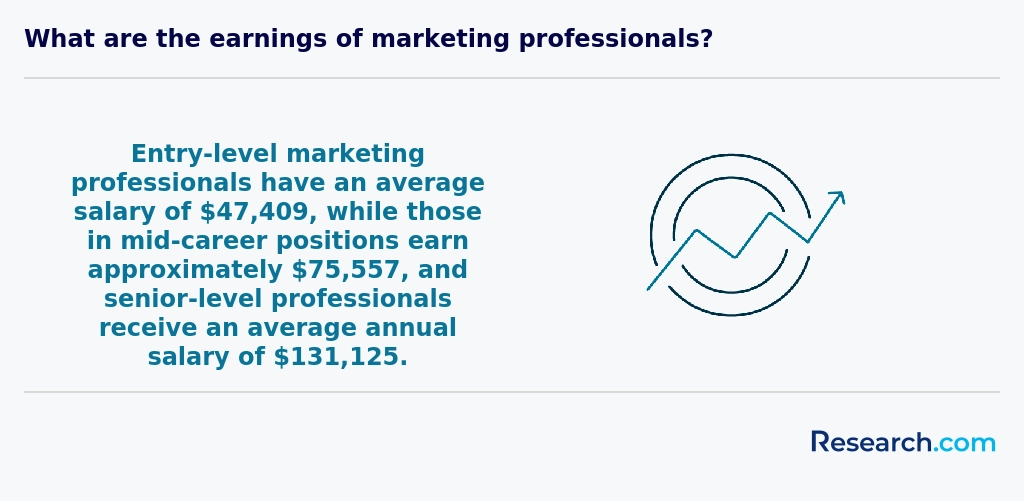
- Entry-level marketing salaries in Atlanta average $50,000 to $55,000 per year, while mid-career professionals can earn between $75,000 and $120,000 depending on their role.
- Atlanta's strong job market includes fast growth in marketing and advertising roles, with opportunities in digital marketing, brand management, and marketing analytics.
- Many programs provide internships, networking opportunities, and flexible learning formats such as part-time and online options for working professionals.
Completing a marketing degree in Atlanta generally takes about four years for full-time undergraduate students, aligning with the typical 120 credit hours required by institutions accredited by the Southern Association of Colleges and Schools Commission on Colleges (SACSCOC). Graduates from universities like Georgia State University and Kennesaw State University often share that a full-time schedule allows them to graduate on time while balancing internships or part-time jobs, enhancing their practical experience.
Part-time students, common among working professionals or those managing other commitments, often extend their completion time to five or six years. The flexibility benefits these students but requires sustained dedication over a longer period.
Graduate-level marketing degrees in Atlanta usually span one to two years for full-time learners. These programs, found at the same universities, attract students eager to deepen their expertise quickly, often balancing accelerated courses or part-time study that stretches duration but fits their career goals.
Online and on-campus marketing degrees in Atlanta differ notably in delivery and experience. On-campus programs, like those at Georgia State University, immerse students in face-to-face interactions with professors and peers, fostering networking and hands-on projects tied to local businesses. Graduates often express satisfaction with the immediate feedback and collaborative environment that enhances communication skills crucial to marketing.
By contrast, online degrees offer flexibility for those balancing work or family commitments. Students enrolled in virtual classrooms access recorded lectures and forums, requiring strong self-discipline and tech-savviness. Local employers in Atlanta increasingly value online degrees from accredited institutions, recognizing the relevance of digital skills in remote and hybrid work settings.
Cost differences also factor in: on-campus tuition may be higher due to additional fees like housing, while some online programs reduce these expenses, though prestigious universities sometimes charge comparable rates. Both formats cover core marketing topics such as consumer behavior and digital branding, ensuring comprehensive preparation regardless of delivery method.
The average cost of a marketing degree in Atlanta varies notably based on residency and institution type. For in-state students attending public universities such as Georgia State University, the median total cost is around $8,664, presenting an affordable path to a quality education. Graduates from these programs often appreciate the lower financial burden, allowing them to focus on gaining practical marketing experience and networking opportunities within Atlanta's vibrant business community.
Out-of-state students face a significantly higher median cost, approximately $42,842, which reflects the additional tuition fees and living expenses. For private colleges in Atlanta offering marketing programs, the expenses align closely with out-of-state public costs, highlighting the premium of tuition at institutions with specialized resources and smaller class sizes. Graduates from these colleges frequently emphasize the value of personalized instruction and access to industry connections, which can justify the higher investment.
Beyond tuition, total expenses for marketing degree programs Atlanta include housing, textbooks, and other living costs, often adding $12,000 to $15,000 annually. These figures underscore the importance of careful budgeting. Many students benefit from scholarships and financial aid, which can substantially reduce costs and improve access to education. For those considering an efficient start to their marketing education, exploring an accelerated associate's degree online can provide a cost-effective alternative while maintaining strong academic progress.
Students pursuing marketing degrees in Atlanta benefit from a range of financial aid options that lower the high cost of education, which can reach up to $45,000 annually at private institutions. Graduates from Georgia State University, a popular choice for marketing studies, often highlight the value of federal aid tools like FAFSA, which unlock access to grants such as the Pell Grant. This grant offers up to $7,395 per year for undergraduates with financial need, easing the burden significantly without requiring repayment.
The HOPE Scholarship also plays a crucial role for Georgia residents attending public universities, covering partial tuition costs based on academic performance and residency. Many marketing students report that this state aid, combined with scholarships from organizations like the American Marketing Association, made attending university in Atlanta financially manageable.
Work-study opportunities through Atlanta's marketing agencies provide real-world experience while helping students cover expenses. Alumni often recall how these roles not only supplemented income but enriched their resumes, demonstrating a practical financial and professional advantage in the local economy.
Enrollment in marketing degree programs in Atlanta typically requires a high school diploma or GED as the baseline. Graduates from top local institutions often mention that maintaining a GPA around 2.5 to 3.0 on a 4.0 scale was crucial during their applications. For undergraduate applicants, standardized tests like the SAT or ACT are usually part of the entry criteria; however, since 2020, many Atlanta universities have adopted test-optional policies, providing flexibility for students balancing other commitments.
Graduate programs in marketing, including MBAs, require a completed bachelor's degree with an average GPA near 3.0. Many students share that submitting GMAT or GRE scores was optional, especially when they demonstrated relevant professional experience or strong academic records. The process often includes recommendation letters and a statement of purpose, which helped applicants clarify their marketing career goals and boosted their confidence during admissions.
Financial readiness is also essential, as tuition in Georgia averages around $10,000 annually for public institutions and can surpass $30,000 at private colleges in Atlanta. Successful candidates highlight securing scholarships or financial aid early.
Practical skills in Microsoft Office and marketing software were common requirements, with some universities offering placement tests or foundational courses to ensure all students started with a solid skill set.
Marketing degree programs in Atlanta commonly begin with foundational courses such as Principles of Marketing, Introduction to Business, Accounting and Finance Basics, and Business Communication. These core subjects provide a solid base for students, enabling them to grasp essential business concepts that are vital in real-world scenarios, like managing budgets or preparing persuasive presentations during internships at Atlanta's leading firms.
As students advance, curricula become more specialized, focusing on topics like Consumer Behavior, Market Research, Advertising & Promotion, Digital Marketing, and Marketing Strategy and Planning. Graduates frequently report how courses on digital marketing-covering SEO, social media, and analytics-prepare them to execute impactful campaigns for startups in Atlanta's bustling tech scene.
Experiential projects and internships with local companies are integral, bridging theoretical knowledge with hands-on experience. This practical approach helps students feel equipped and confident, reflecting the city's dynamic market influenced by Fortune 500 companies and innovative small businesses.
Marketing degree specializations in Atlanta include digital marketing, brand management, marketing analytics, sales management, international marketing, and advertising. Digital marketing is particularly popular due to Atlanta's growing technology sector, with graduates gaining hands-on experience in SEO, social media marketing, and content creation through internships affiliated with local companies. Brand management focuses on building and sustaining brand equity, an essential skill in Atlanta's competitive markets such as retail and consumer goods. Marketing analytics attracts students interested in big data and fintech, offering practical expertise to interpret complex datasets and enhance campaign strategies. Graduates from prominent institutions in Atlanta often highlight how tailored coursework and cooperative education opportunities have prepared them for specific industry demands, providing a realistic edge in the job market. By understanding Atlanta marketing degree concentration options, students can align their studies with the city's economic landscape. For those evaluating career paths, resources about the easiest phd degree programs can also guide future academic steps.
Choosing the best marketing degree programs in Atlanta starts with checking accreditation and reputation. Graduates from universities recognized by the Southern Association of Colleges and Schools Commission on Colleges (SACSCOC) often report greater confidence and better job placement in the city's competitive market. Students frequently highlight how curricula integrating digital marketing, consumer behavior, and data analytics align with Atlanta's marketing ecosystem, including opportunities at firms like Coca-Cola and Delta Airlines.
Cost plays a significant role; affordable marketing colleges Atlanta attract many who balance budgets with ambitions. For instance, public institutions offering tuition near $10,632 annually provide strong value especially when paired with financial aid. Graduates from these schools often praise the flexibility of online or hybrid programs that accommodate working students.
Many recent alumni emphasize the benefit of local internships and connections within Atlanta's industry. These networks help them secure competitive salaries, as marketing managers in Atlanta earn around $144,000 annually. If you aim for a bachelor degree that makes the most money, look for programs prioritizing experiential learning and strong alumni support.
Marketing degree graduates in Atlanta encounter diverse marketing career opportunities in Atlanta, reflecting the city's dynamic economy. Common career paths include digital marketing roles like SEO specialists and social media managers, which are prized by the city's growing tech sector. Graduates from Atlanta's leading universities often share how their internships at startups helped refine skills in content strategy and consumer engagement. Brand management is another prominent field, with opportunities at major corporations such as The Home Depot and Coca-Cola, where alumni manage campaigns to strengthen brand presence.
Many jobs with a marketing degree in Atlanta also involve market research and advertising, leveraging data analytics to influence corporate decisions. Graduates speak highly of their market research projects that directly impacted product launches, illustrating the practical benefits of an Atlanta education. The versatility of marketing careers here extends into event marketing and sales management, supported by connections formed at local colleges. For those seeking flexible learning options, exploring best accredited non-profit online colleges can complement Atlanta-based studies and broaden career insights.
The job market for marketing degree holders in Atlanta is notably strong, supported by a diverse economic base including major corporations such as Coca-Cola and Delta Air Lines. Graduates from popular Atlanta colleges often find opportunities as marketing coordinators, brand managers, or digital marketers, reflecting the city's status as a prime hub for marketing professionals. This robust demand aligns with projections showing advertising and marketing management roles growing by about 12% through 2030, outpacing the average for all occupations.
Entry-level salaries typically range from $45,000 to $60,000, while mid-career marketers can expect $75,000 to $90,000 or more, depending on specialization and employer size. Many graduates appreciate Atlanta's balance of steady job growth and cost of living, which is notably below national metro averages. The city's vibrant startup ecosystem and active networking groups, like the American Marketing Association Atlanta chapter, create a dynamic environment for recent graduates exploring Atlanta marketing career opportunities.
Those considering degree options often benefit from programs at institutions known for marketing and can explore colleges with double major programs to increase versatility and employability in this competitive field.
2027 Best Marketing Degree Programs Ranking in Atlanta
Investing in your education is a significant decision that can shape your future, and the Research.com team recognizes the importance of making well-informed choices. To support prospective students in Atlanta, we have carefully developed the "2027 Best Marketing Degree Programs Ranking in Atlanta." Our dedication to quality, credibility, and accuracy is demonstrated through extensive research and thorough analysis to create this reliable ranking.
We utilized the following reputable data sources to ensure a comprehensive evaluation of marketing degree programs:
By exploring this ranking, readers will gain valuable insights into the top marketing degree programs in Atlanta, enabling informed decisions about their educational futures. For more information on how this ranking was created, please visit our Research.com methodology page.

Frequently Asked Questions About marketing
Marketing degree students in Atlanta can enhance their learning by engaging directly with the city's vibrant business community. Atlanta hosts headquarters for major companies like Coca-Cola and Delta Air Lines, offering valuable internship opportunities. According to the Georgia Department of Economic Development, the metro area saw a 5% annual growth in marketing jobs between 2019 and 2023, highlighting expanding career paths.
Students should attend local industry events such as the AMA Atlanta Chapter meetings, which connect learners with experienced professionals. Utilizing Atlanta's diverse market, students can gain practical skills in digital marketing, consumer behavior, and brand management through project-based learning.
Finally, leveraging resources from nearby universities and participating in networking events can significantly boost both knowledge and career prospects.
Emerging niches within the marketing field in Atlanta reflect growing trends in technology and consumer behavior. One prominent area is digital marketing analytics, where professionals use data to optimize campaigns and improve customer engagement. According to the Atlanta Metro Chamber, demand for data-savvy marketers has grown by over 20% since 2020.
Another key niche is influencer marketing, particularly on platforms like Instagram and TikTok, which continue to shape brand strategies in the city's vibrant retail and entertainment sectors.
Sustainability marketing is gaining traction as Atlanta companies respond to increased consumer interest in environmentally friendly products. This niche combines storytelling with corporate responsibility.
Additionally, experiential marketing, which creates immersive brand experiences, is expanding due to Atlanta's strong events industry. These specializations are influencing how marketing degrees are structured at local universities.
Preparing for the job market after completing a marketing degree in Atlanta involves strategic steps. Atlanta's marketing sector is growing rapidly, with a 7% increase in job openings for marketing professionals over the past year, according to the U.S. Bureau of Labor Statistics. Networking is crucial; engaging with local organizations such as the American Marketing Association's Atlanta chapter can open doors.
Gaining practical experience through internships or cooperative education programs available at universities in Atlanta enhances employability. Students should also focus on digital marketing skills, as 60% of local companies prioritize expertise in social media and data analytics, according to a 2023 report by Atlanta Commerce.
Building a portfolio and developing a strong LinkedIn profile tailored to Atlanta's job market are recommended. Additionally, attending career fairs held by institutions like Georgia State University helps connect graduates with regional employers actively hiring marketing talent.
Employers in Atlanta highly value marketing graduates who demonstrate strong digital marketing skills. With Atlanta's growing tech and media industries, expertise in social media management, SEO, and data analytics is essential. According to the Atlanta Regional Commission, digital marketing roles are expected to grow 15% by 2027.
Additionally, communication skills-both written and verbal-are critical. Marketing professionals must craft compelling messages that resonate with diverse audiences in a competitive market. Creativity and adaptability also rank among top traits, as companies seek employees who can innovate in fast-changing environments.
Project management abilities and proficiency in marketing software like Google Analytics and HubSpot further increase employability in Atlanta's job market.
Finding internships in Atlanta related to a marketing degree involves several strategic steps. Atlanta hosts headquarters for major companies like Coca-Cola and Home Depot, which regularly offer marketing internships. Utilize university career centers for connections with local businesses and alumni networks. According to the Atlanta Regional Commission, the city's marketing sector grew by 4.5% in 2023, increasing internship opportunities.
Job portals such as Handshake and Indeed list numerous marketing internships targeted at students. Engaging with local professional groups like the Atlanta American Marketing Association can also provide valuable contacts and events. Early application is key, as positions fill quickly, especially in competitive markets like Atlanta. Networking at campus events and marketing conferences in the region enhances chances significantly.
Holding a marketing degree significantly enhances career mobility and advancement opportunities in Atlanta's dynamic job market. The city is a major hub for industries such as technology, media, and corporate services, where marketing professionals are in high demand. According to the U.S. Bureau of Labor Statistics, marketing management roles in the Atlanta metropolitan area are projected to grow by 10% from 2021 to 2031, faster than the national average.
Employers in Atlanta value the specialized skills gained through marketing programs, including digital marketing, consumer behavior analysis, and data-driven decision-making. These competencies open pathways to roles in brand management, advertising, and sales leadership. Graduates with a marketing degree often experience faster promotions and higher salary potentials than those without formal marketing education.
Additionally, Atlanta's thriving network of marketing agencies, corporate headquarters, and startups provides ample internships and professional development opportunities, further supporting career progression. Institutions like Georgia State University and Emory University offer strong alumni connections that enhance job placement and networking, crucial for advancing within the competitive Atlanta market.
Studying for a marketing degree in Atlanta equips students with skills that extend beyond traditional marketing concepts, preparing them for interdisciplinary roles. Atlanta's diverse economy, which includes sectors like technology, finance, and entertainment, encourages programs to integrate cross-disciplinary learning.
Many institutions emphasize data analytics, digital media, and consumer psychology, enabling students to work effectively with teams in IT, business strategy, and creative industries. According to the Greater Atlanta Economic Alliance, marketing professionals often collaborate across departments, requiring adaptability to various business functions.
Furthermore, internships and partnerships with Atlanta's leading corporations provide real-world experience in multi-functional settings. This exposure helps graduates develop a versatile skillset relevant to dynamic work environments in the city's competitive job market.
Choosing between a thesis and a non-thesis marketing degree program in Atlanta depends on your career goals and preferred learning style. Thesis programs often appeal to students interested in research, offering an opportunity to explore marketing theories in depth and develop analytical skills. These are suitable if you consider pursuing a PhD or a research-focused career later.
Non-thesis programs prioritize practical experience and coursework, ideal for those aiming to enter Atlanta's dynamic marketing industry quickly. According to the Georgia Department of Economic Development, Atlanta hosts over 50,000 marketing-related jobs, favoring applied skills over academic research.
Consider program length and workload as well. Thesis tracks may take longer to complete due to research requirements. Review specific school curriculum and talk to advisors to see which aligns with your professional objectives.
Students in Atlanta interested in studying marketing abroad have multiple options through their local universities. Many Atlanta-based institutions, such as Georgia State University and Georgia Tech, offer study-abroad programs tailored for business and marketing majors. These programs often include partnerships with universities in Europe, Asia, and Latin America, allowing students to earn credits while gaining international experience.
The U.S. Department of Education reports that participation in study-abroad programs among business students has grown steadily, with approximately 22% of marketing students pursuing at least one semester overseas. Atlanta's strong business community supports exchange opportunities focused on global markets, enhancing students' cross-cultural marketing skills.
Financial aid and scholarships are often available specifically for study-abroad marketing students, easing costs. Students can also explore internships abroad, which further develop their practical marketing expertise in diverse economies.
Atlanta offers diverse part-time job opportunities that complement marketing degree education by providing practical experience. Many students find roles in digital marketing agencies, where they can apply skills in social media management, SEO, and content creation. According to the Atlanta Regional Commission, the marketing sector in Atlanta is projected to grow by 8% through 2028, supporting abundant employment possibilities.
Retail marketing assistant positions in prominent malls and shopping centers also allow students to understand consumer behavior and promotional strategies firsthand. Additionally, internships at local businesses and startups provide exposure to real-world marketing campaigns and data analytics, essential for building a strong resume in the competitive marketing field.
Atlanta offers robust networking opportunities for marketing students through its diverse business community and academic institutions. The city hosts numerous marketing-focused events, including meetups and conferences like the Atlanta AMA (American Marketing Association), which provides access to industry professionals and workshops. According to the Georgia Department of Economic Development, Atlanta ranks among the top U.S. cities for marketing and advertising jobs, creating valuable connections for students.
Local universities often collaborate with companies for internships and networking panels, enhancing professional growth. These connections can open doors to careers in major firms headquartered in Atlanta, such as Coca-Cola and Delta Air Lines.
Alumni networks play a significant role in supporting marketing degree students in Atlanta. These networks provide access to professionals working in the city's dynamic marketing and advertising industries. According to the Atlanta Business Chronicle, over 60% of marketing roles in the region are filled through referrals, highlighting the value of alumni connections.
Students benefit from mentorship opportunities, real-world insights, and job leads directly shared by graduates who understand local market trends. Universities in Atlanta often facilitate alumni events, creating spaces for relationship building and career development.
Moreover, alumni can offer guidance on navigating Atlanta's competitive marketing landscape, which includes major companies like The Coca-Cola Company and Delta Air Lines. This guidance equips students with practical skills and insider knowledge.
Customizing a marketing degree program in Atlanta allows students to align their education with specific career goals. Many Atlanta universities offer elective courses in areas like digital marketing, brand management, and consumer behavior. This flexibility helps students develop skills tailored to sectors thriving locally, such as technology, entertainment, and retail.
Internship opportunities with Atlanta-based companies provide practical experience and networking essential for career advancement. Schools often collaborate with firms in the city's marketing hub, enhancing job prospects after graduation.
Additionally, some programs offer certificates or concentrations within marketing, allowing further specialization. According to the Georgia Department of Labor, marketing roles in Atlanta are projected to grow 8% by 2030, making targeted skills increasingly valuable.
Marketing students in Atlanta often face challenges linked to the city's competitive job market. According to the U.S. Bureau of Labor Statistics, Atlanta is a major hub for marketing-related jobs, which intensifies competition among graduates. Many students struggle with gaining practical experience alongside academic work, as internships can be limited and highly sought-after.
Another challenge is keeping up with the rapid changes in digital marketing technologies and data analytics. Programs may not always fully integrate the latest tools, leaving students to learn these skills independently. Additionally, managing tuition costs is a concern, as in-state tuition for business programs in Georgia averages around $10,000 annually, which can be a barrier for some students.
With a marketing degree in Atlanta, you can pursue several valuable professional certifications that enhance career prospects. Popular options include the Certified Marketing Professional (CMP) and the American Marketing Association's Professional Certified Marketer (PCM). These certifications validate core marketing skills and knowledge.
Additionally, certifications in digital marketing, such as the Google Analytics Individual Qualification (GAIQ) and HubSpot Content Marketing Certification, are highly recognized. Given Atlanta's growing reputation as a digital marketing hub, these credentials can be particularly advantageous.
Another noteworthy certification is the Project Management Professional (PMP), useful for marketing managers handling large campaigns. According to the Atlanta Workforce Development agency, professionals with certifications in marketing and related fields report a 15% higher average salary than those without.
Writing a winning application for a marketing program in Atlanta involves clear articulation of your goals and relevant experience. Admissions committees value candidates who demonstrate both academic ability and practical marketing skills.
Start with a well-structured personal statement that explains why you want to study marketing in Atlanta, highlighting the city's strong business environment. Atlanta is a hub for top marketing firms and startups, offering extensive internship opportunities that strengthen your resume.
Include quantifiable achievements, such as successful campaigns or relevant work experience. According to the U.S. Bureau of Labor Statistics, marketing jobs in Atlanta are expected to grow 10% by 2030, emphasizing demand for skilled professionals.
Lastly, secure strong letters of recommendation from academic or professional contacts who can attest to your marketing aptitude.
Marketing careers today hold strong global significance, reflecting the interconnected nature of business worldwide. For students in Atlanta considering a marketing degree, it's important to understand that marketing skills apply universally across industries and borders.
According to the U.S. Bureau of Labor Statistics, employment for marketing professionals is projected to grow 10% from 2022 to 2032, faster than the average for all occupations. Atlanta's thriving business environment, with many international companies' regional offices, offers marketing graduates exposure to both domestic and global markets.
Marketing roles increasingly demand cultural awareness and digital expertise to engage diverse audiences. This global perspective emphasizes adaptability and continuous learning, key strengths for graduates entering Atlanta's competitive job market.
Gaining practical experience while studying for a marketing degree in Atlanta is essential for career readiness. Many universities partner with local businesses, including major corporations like Coca-Cola and Delta Air Lines, offering internships that provide hands-on marketing experience. According to the Georgia Department of Economic Development, Atlanta hosts over 150 marketing and advertising agencies, creating numerous internship opportunities.
Students can also join university marketing clubs and participate in competitions, enhancing skills in campaign management and digital marketing. Additionally, volunteering for nonprofits in Atlanta helps build a portfolio while giving back to the community. Networking events and job fairs in the city further connect students with industry professionals.
Choosing the right concentration within a marketing degree in Atlanta starts with understanding your career goals. Common concentrations include digital marketing, market research, brand management, and sales strategy. Atlanta's status as a business hub-home to over 25 Fortune 500 companies-offers diverse opportunities in these areas, according to the Metro Atlanta Chamber.
Review program curricula closely to ensure they align with your interests and the skills in demand locally. For example, digital marketing skills are highly sought after due to Atlanta's growing tech scene, with jobs expected to grow by 12% through 2030 (BLS data).
Consider also faculty expertise and internship connections, as hands-on experience is crucial for marketing careers in Atlanta's competitive market.
- 2027 Best Marketing Degree Programs Ranking in University Park
- 2027 Best Marketing Degree Programs Ranking in Nashville
- 2027 Best Marketing Degree Programs Ranking in Cincinnati
- 2027 Best Marketing Degree Programs Ranking in Dayton
- 2027 Best Marketing Degree Programs Ranking in Tampa
- 2027 Best Marketing Degree Programs Ranking in New Orleans
- 2027 Best Marketing Degree Programs Ranking in Indianapolis
- 2027 Best Marketing Degree Programs Ranking in Columbus
- 2027 Best Marketing Degree Programs Ranking in Melbourne
- 2027 Best Marketing Degree Programs Ranking in Saint Louis
See What Experts Have To Say About Studying Marketing
Read our interview with Marketing experts

Aidin Namin, Ph.D.
Marketing Expert
Associate Professor of Marketing Analytics
Loyola Marymount University

Sonya A. Grier, Ph.D.
Marketing Expert
Professor, Department of Marketing
American University

- Learning Outcomes for Marketing - Champlain College https://www.champlain.edu/learning-outcomes-for-marketing/
- Career Goals: 17 Inspirational Examples for you in 2026 https://www.imd.org/blog/learning-and-development/career-goals/
- Digital Marketing Major https://www.kozminski.edu.pl/en/digital-marketing-major
- Atlanta Marketing Jobs - AMA - Atlanta https://jobs.ama-atlanta.com/
- Business Programs - Atlanta Technical College https://www.atlantatech.edu/programs/business/
- How to use growth marketing in an alumni network context? - AlumnForce https://www.alumnforce.com/en/how-to-use-growth-marketing-in-an-alumni-network-context/
- How to Get a Summer Internship in Marketing in 2026 (Agency, In-House, and Startup) https://whali.co.uk/blog/summer-internship-marketing-guide
- Student Jobs and Networking: Unlock Career Success Early https://ydiak.hu/en/student-jobs-why-is-networking-important
- Reaching Graduate and Adult Learners Action Plan https://www.encoura.org/action-plan/reaching-graduate-and-adult-learners-full/
- Niche Digital Marketing Roles: Exploring Specialized Career Paths https://www.cellainc.com/insights/blog/niche-digital-marketing-roles-exploring-specialized-career-paths/