2027 Most Valuable Online Library Science Degree Programs Ranking in the Northeast

Co-Founder and Chief Data Scientist
If you're considering advancing your education with a library science degree, this article is designed especially for you. It introduces the 2027 Most Valuable Online Library Science Degree Programs Ranking in the Northeast, created by the Research.com team of data scientists to help you identify top programs worth your time and investment.
Choosing the right program can shape your future career, empowering you to make meaningful contributions in libraries and information management. This ranking offers clear insights to support your decision, making the path forward more confident and rewarding.
Key benefits of getting online library science degree in the Northeast
- Graduates with a library science degree in the Northeast can expect strong earning potential, with roles like Librarian averaging $68,570 annually and Library Technicians earning about $42,570 per year.
- Career paths are diverse, ranging from librarians to cataloging assistants, as shown by many successful graduates from institutions like Syracuse University who enjoy varied and fulfilling opportunities.
- Online degrees from schools like Drexel University offer flexibility and convenience, allowing students to balance work and life while gaining a respected credential comparable to traditional programs.
- 2027 Most Valuable Online Library Science Degree Programs Ranking in the Northeast
- What can I expect from online library science degree in the Northeast?
- Where can I work with online library science degree in the Northeast?
What can I expect from online library science degree in the Northeast?
The average cost for an online library science degree in the Northeast generally falls between $600 and $1,000 per credit hour. For many students attending institutions like the University of Rhode Island or Simmons University, this translates to tuition expenses ranging from $18,000 to $40,000 for an entire program, typically requiring 30 to 40 credit hours. Graduates often express satisfaction with the balance of cost and quality, noting the value of ALA-accredited curricula that align with professional standards necessary for librarian careers.
Many learners appreciate the flexibility of part-time enrollment, which allows them to work while studying, thus easing financial pressures. For instance, students frequently highlight how financial aid packages and occasional in-state tuition discounts help mitigate out-of-pocket costs. This affordability combined with robust course offerings in metadata, digital libraries, and virtual internships cultivates confidence and readiness for roles in public and academic libraries.
Given the Northeast's dense network of library systems, graduates report feeling optimistic about leveraging their degree investments to connect with local institutions, further enhancing career prospects without relocating.
Where can I work with online library science degree in the Northeast?
Graduates with an online library science degree in the Northeast find diverse career opportunities across public and academic libraries, government agencies, museums, and health information centers. States like New York, Massachusetts, and Pennsylvania host major employers such as the New York Public Library and university systems including the University of Massachusetts and Rutgers University, where graduates manage collections, develop programs, and assist research.
The Northeast holds nearly 20% of the U.S. library science workforce, with median annual wages around $65,000, indicating robust demand. Graduates often work in digital resource management, archiving, and special collections, leveraging skills gained through coursework at regional universities.
Many alumni appreciate roles at cultural institutions like Smithsonian-affiliated museums, engaging in digital asset management and information curation. Regional organizations report growth in technology-driven positions, such as metadata management and data curation, enabling flexible work arrangements including remote and hybrid models.
This dynamic landscape allows graduates to apply their education practically, supporting community information access while advancing their careers in familiar, thriving Northeastern environments.
Graduates with an online library science degree in the Northeast can expect varied earnings depending on their specific role and experience. For entry-level positions such as Library Technicians, the mean annual wage is about $42,570, while Library Assistants and Cataloging Assistants typically earn around $35,970 per year. These figures align closely with starting salaries reported by graduates from institutions like Syracuse University and Rutgers, where many move into assistant roles gaining valuable hands-on experience.
Advancing to the role of Librarian offers a significant salary increase, with a mean annual wage of approximately $68,570 nationwide. In the Northeast, librarians often earn between $65,000 and $75,000 annually, reflecting the region's concentration of prestigious universities and research libraries, including those in Boston and New York City.
Graduates have expressed enthusiasm about how earning a master's degree online in this field equips them to compete in competitive markets, where skills in digital resource management notably enhance salary potential. This dynamic job market supports continuous growth in both professional opportunity and compensation.
- Online library science degrees in the Northeast typically cost between $15,000 and $40,000, with some public universities offering lower rates for in-state students.
- The average starting salary for graduates ranges from $45,000 to $55,000 annually, increasing to $60,000-$75,000 after five to ten years of experience.
- Library and information science jobs in the Northeast are expected to grow by about 5% over the next decade, matching the national average.
- Most reputable programs are accredited by the American Library Association (ALA), which improves job prospects and eligibility for certification.
- Many programs offer tuition rates that do not change based on residency, benefiting online students from different areas.
Completing an online library science degree in the Northeast typically ranges from one to three years, depending heavily on enrollment status and program pace. Graduates from institutions like Syracuse University and the University at Albany often report finishing their Master of Library Science (MLS) or Master of Library and Information Science (MLIS) degrees within two years when studying full-time. This timeframe aligns with the common requirement of 36 to 40 credit hours for these programs.
Part-time students, who balance studies with professional responsibilities, usually take three or more years to complete their degrees, reflecting a more flexible schedule. Some professionals appreciate this adaptability, as it allows them to progress without overwhelming their workloads.
Occasionally, accelerated tracks at these universities enable completion in as little as 12 to 18 months, appealing to those eager to enter the workforce sooner. Overall, many Northeast students value these options, combining rigorous academics with manageable pacing to meet personal and career goals confidently.
Enrolling in a library science degree online equips you with:
- Information organization through cataloging and classification systems
- Advanced reference services and research methodology
- Digital collections management and metadata application
- User engagement and community outreach strategies
- Leadership in budgeting, policy development, and team coordination
- Data analysis and information retrieval using modern tools
In the Northeast, choosing between online and on-campus library science degrees hinges on delivery, cost, and flexibility. Graduates from Simmons University's online MLS program often highlight the ability to juggle coursework with New York City's hectic work schedules, appreciating asynchronous lectures that fit their routines. Meanwhile, on-campus programs like Drexel University's provide immersive environments with direct access to physical archives and in-person networking, benefiting those who thrive on face-to-face interactions.
Cost differences are clear: on-campus master's degrees in library science here generally range from $25,000 to $45,000, as per NCES data. Online students save on housing and commuting but may face technology fees. Many online enrollees value this financial flexibility, especially those balancing family or urban living expenses.
Internships represent another practical divergence. On-campus students often secure placements through university partnerships, while online learners independently coordinate fieldwork with faculty support, ensuring both meet ALA requirements effectively.
This range of experiences reflects how Northeast students tailor their education to fit diverse lifestyles while pursuing accredited library science credentials.
The library science field is evolving rapidly with the integration of new digital technologies, shifting user behaviors, and emerging information management practices. With trends such as data analytics, digital archiving, and remote access to resources reshaping how libraries operate, prospective students can look forward to a dynamic work environment that continually adapts to modern technological advancements. Additionally, industry experts emphasize the increasing importance of user-centric services, where customization and community engagement are central to library innovation. Graduates are now encouraged to blend traditional librarian skills with a strong command of digital tools to remain competitive in this evolving landscape. This forward-thinking approach not only opens up diverse career opportunities but also helps shape strategic directions for institutions adapting to rapid societal changes. For those considering further enhancing their academic journey, exploring the best popular library science degree can be a valuable step towards aligning with current industry trends and future market demands.
The average cost of an online library science degree in the Northeast typically centers around $39,636 for total tuition, with significant variation depending on residency status. In-state students can expect to pay closer to $20,250, benefiting from lower tuition rates that public universities often offer. For example, graduates from the University of Pittsburgh enjoyed the advantage of an in-state rate of approximately $960 per credit for their Master of Library and Information Science (MLIS), resulting in a total cost near $34,560 for their 36-credit program. This affordability helped many balance work while studying, fostering enthusiasm about advancing their careers without excessive financial strain.
Out-of-state students face higher tuition costs, roughly $29,844 on average, reflecting the broader pricing differences across institutions in the Northeast. Private universities, such as those with flexible online scheduling, often charge near $1,000 per credit-Boston University being a common example-leading to an overall tuition near $36,000. Graduates from these programs often share positive experiences about the specialized concentrations they could pursue, which enhanced their professional skills and satisfaction despite the slightly higher price.
Understanding the average cost of online library science degree tuition fees northeast is crucial when selecting a program. Additional expenses like technology fees and course materials can add several hundred dollars per semester but are often offset by scholarships or employer tuition reimbursement. Prospective students are encouraged to explore all financial aid options alongside comparing program features and tuition rates to find the degree path that aligns with their goals and budgets. For a comprehensive list, see the best popular library science degree programs available regionally.
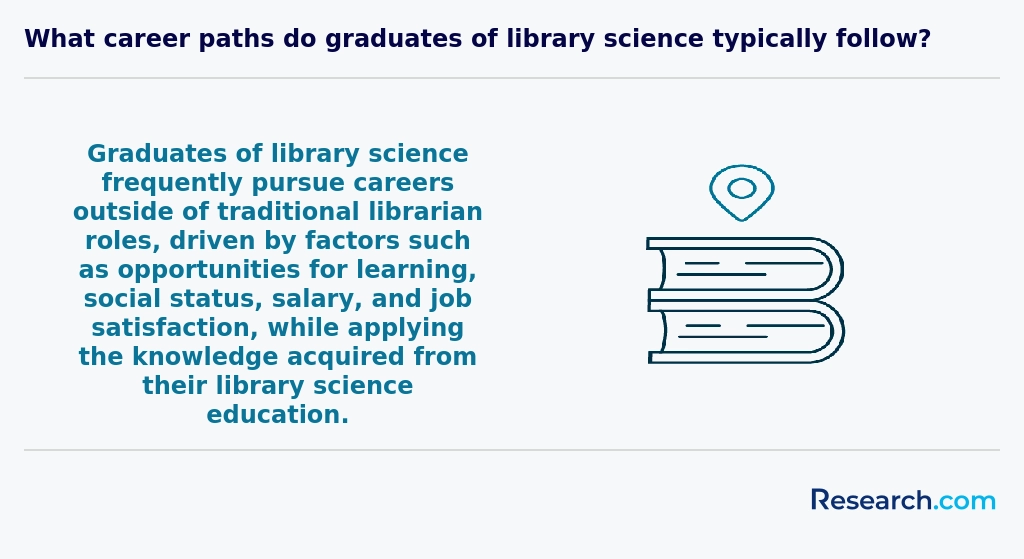
The landscape of information management is rapidly evolving, and graduates of online library science programs in the Northeast must stay ahead of key developments shaping the profession. One significant trend is the integration of artificial intelligence and machine learning to enhance cataloging, metadata generation, and user-driven search experiences. Libraries are increasingly leveraging AI-powered chatbots and recommendation engines to deliver personalized research assistance, underscoring the importance of technical fluency alongside traditional cataloging expertise. Digital preservation and data curation remain central to the role of modern librarians. As institutions digitize rare manuscripts and community archives, proficiency in digital repository platforms, metadata standards like Dublin Core and Schema.org, and linked data principles will be in high demand. This shift not only safeguards cultural heritage but also expands access for global audiences, reinforcing the value of specialized training offered by accredited online programs. User experience (UX) design is becoming a cornerstone of library services, with mobile-friendly interfaces, virtual reality exhibits, and immersive learning spaces offering new ways to engage patrons. Professionals adept at conducting usability studies, designing intuitive discovery layers, and managing remote reference services will lead innovation in public, academic, and corporate libraries alike. To explore long-term employment projections and skill requirements, consult our detailed library science career outlook. Finally, the rise of diversity, equity, and inclusion (DEI) initiatives is reshaping collection development and community outreach. Librarians are championing inclusive cataloging practices, multilingual resource curation, and partnerships with underserved populations to ensure equitable information access. Embracing these trends not only enhances employability but also positions graduates to become agents of positive social impact in the ever-dynamic field of library science.
Students pursuing online library science degrees in the Northeast often find valuable financial aid options that ease the financial burden. Tuition for these programs generally ranges from $15,000 to $40,000, yet many graduates at institutions like Syracuse University and Pratt Institute report securing federal aid that substantially lowers out-of-pocket costs.
Completing the FAFSA is a critical step, unlocking access to Pell Grants up to $7,395 annually, Direct Loans with relatively low interest rates, and sometimes Federal Supplemental Educational Opportunity Grants. These federal resources form the financial backbone for many learners balancing work and study.
State aid complements federal funding; New York's Tuition Assistance Program (TAP) and Massachusetts' workforce-focused grants specifically support graduate students in library science. Graduates often mention how TAP helped them reduce expenses significantly when attending local programs.
Beyond government aid, many graduates benefit from scholarships offered by professional groups like the American Library Association, including the Spectrum Scholarship and Emerging Leaders Program. Additionally, employer tuition reimbursement programs are common among working librarians in the Northeast, enabling employed students to pursue degrees without financial strain.
Finally, payment plans and reduced tuition for in-state residents or veterans available at regional schools often give students flexible options to manage costs while advancing their careers.
Prospective students often weigh regional differences when selecting an online library science degree program. While Northeast institutions boast established reputations and extensive alumni networks, Western schools frequently offer competitive tuition rates and innovative digital resources. For example, the average total cost in the West can be up to 20% lower than in the Northeast, making it worthwhile to explore our Low Cost Library Science Degree Programs Ranking in the West. Curriculum emphasis also varies regionally. Northeastern programs may prioritize archival studies and academic librarianship, reflecting the concentration of historic collections and research universities. Western programs often lead with digital librarianship and multicultural information services, aligning with diverse populations and emerging technology hubs. Both regions share a commitment to ALA accreditation, ensuring quality and national recognition. From an ROI perspective, graduates in the Northeast report a median starting salary of $62,000, while Western alumni see an average of $59,500-differences that narrow when factoring in lower living costs out West. Networking opportunities differ as well: Northeast programs leverage proximity to major cultural institutions, whereas Western schools excel in virtual collaborations with tech partners and digital archives. Ultimately, comparing these regional strengths helps prospective students find a program that aligns with their career goals, budget, and preferred learning environment. Whether you value the historical depth of Northeast libraries or the technological innovation of Western institutions, understanding these distinctions empowers you to choose the best online library science degree program for your needs.
Applicants aiming to enroll in online library science degree programs in the Northeast generally must hold a bachelor's degree from a regionally accredited institution, with many programs favoring backgrounds in liberal arts, education, or related disciplines. Graduates from recognized universities in this region often recount that demonstrating strong research and writing skills was critical during admission, reflecting a baseline academic rigor.
A minimum undergraduate GPA of around 3.0 on a 4.0 scale is commonly required, ensuring students are prepared for graduate-level coursework. While GRE scores are less frequently mandated, some competitive programs at prominent Northeastern colleges may request them, adding another layer to the selection process.
Typical application requirements include official transcripts, two to three letters of recommendation from academic or professional sources, a personal statement articulating one's passion for library science, and a resume highlighting relevant experience. Graduates often share that these components helped showcase their motivation and readiness for the evolving demands of library and information technologies.

Understanding ROI helps weigh program costs against career benefits:
- Average tuition: $30,000–$50,000 for a 36-credit MLIS
- Median starting salary in the Northeast: approximately $68,570 annually
- Break-even period: typically 4–6 years based on salary uplift
- Long-term gains: advancement into senior or specialized roles with salaries over $90,000
Compare costs and outcomes when selecting your program, and explore options for a library science degree online to maximize value.
Online library science degree programs in the Northeast commonly include courses such as Information Organization and Retrieval, which trains students in metadata standards and classification systems like Dewey Decimal, crucial for organizing library collections effectively. Graduates from well-regarded institutions report feeling confident applying these skills in real library environments where accuracy and accessibility are paramount.
Other core courses include Research Methods in Library and Information Science, teaching students to conduct scholarly research, and Library Management and Administration, which covers budgeting and strategic planning-skills graduates find invaluable when stepping into leadership roles in public or university libraries.
Coursework in Collection Development and Technology and Digital Libraries equips students with knowledge about selecting resources and using modern digital platforms, aligning with the Northeast's emphasis on tech integration. Archival Science and Preservation is also highlighted, preparing students to safeguard historical materials as seen in projects at major colleges.
Electives provide specialization opportunities such as children's librarianship and health sciences information, reflecting emerging trends and enhancing graduates' enthusiasm for advancing community-focused services.
Online library science degree specializations Northeast programs commonly include Archival Studies, Digital Libraries and Information Technology, School Library Media, and Health Sciences Librarianship. For instance, graduates from the University of Massachusetts Amherst benefit from Archival Studies tracks focusing on preserving historical and digital records, preparing them for roles with salaries typically between $55,000 and $70,000 as reported by the Bureau of Labor Statistics.
Drexel University and Simmons University highlight Digital Libraries and Information Technology, where students gain skills in digital curation, databases, and AI applications, making them competitive candidates for technical librarian positions. Programs such as those at Syracuse University address Health Sciences Librarianship, targeting healthcare information management, a specialization in increasing demand within Northeastern medical centers.
Those interested in K-12 education appreciate School Library Media specializations, often coupled with state certification requirements, reflecting a practical approach to career readiness. Many students find that choosing specific library science career paths in Northeast online programs allows them to align their education with local job markets. For detailed insight, explore the library science career outlook.
To choose the best online library science degree in the Northeast, prioritize programs accredited by the American Library Association (ALA) to guarantee quality and employer recognition. Graduates from well-known Northeastern universities often highlight the value of ALA accreditation in securing positions at regional public and academic libraries. Consider curriculum flexibility; some programs offer fully online courses, while others require brief campus visits, which may impact your schedule if balancing work.
Cost-wise, public institutions usually charge $12,000 to $25,000 annually for in-state students, whereas private schools can exceed $30,000. Exploring financial aid is crucial, as many students successfully reduce expenses through scholarships tailored to Northeast learners pursuing affordable library science programs Northeast USA. Graduates frequently praise programs with strong local partnerships that enhance internship and job placement opportunities. Many also report that access to advanced digital libraries and faculty support significantly improves their experience.
For a detailed comparison, prospective students might examine the Low Cost Library Science Degree Programs Ranking in the West for reference on affordability and program value across regions.

Graduates with an online library science degree in the Northeast find a variety of career opportunities spanning public, academic, and specialized libraries. Many step into roles as librarians in urban public libraries or universities, where median salaries in states like New York and Massachusetts exceed $65,000 due to regional demand and institutional concentration. These positions commonly require an MLS from an ALA-accredited program, which is often fulfilled by online degrees from well-known universities in the region.
Others pursue careers as archivists or curators within museums and government agencies, benefiting from the Northeast's rich cultural heritage and increased digitization. These roles have shown steady employment growth, driven by the need to preserve historical and digital records. Graduates also report satisfaction working as digital librarians or information specialists, engaging with 8% projected job growth in IT-related library services.
Specialized roles in law, medical, or school libraries offer alternative paths, with entry salaries typically between $45,000 and $55,000. Many online learners from Northeastern colleges appreciate discovering highest paying certificates that complement their degrees and boost employment prospects in this evolving field.
The job market for online library science degree graduates in the Northeast remains robust, fueled by a dense network of universities, public libraries, and cultural institutions. Graduates from well-known programs at universities in New York and Massachusetts often find rewarding roles in major cities like Boston and Philadelphia. These positions include academic libraries, public library systems, and specialized libraries in corporations or hospitals. Many graduates report feeling optimistic about their prospects due to consistent hiring and the demand for managing both traditional and digital collections.
The job outlook for library science graduates Northeast indicates steady growth, roughly aligning with national employment projections of about 5% through 2031. Salaries in this region often exceed the national median, with entry-level positions starting between $65,000 and $70,000 in cities such as New York. Graduates appreciate that this compensates in part for the higher cost of living and reflects strong institutional support.
Students weighing the decision to pursue an online degree should consider program quality and career services alongside cost. Tuition typically ranges from $15,000 to $40,000, favoring in-state public options. Networking is key, and those looking for the easiest phd to earn that complements LIS credentials often focus on accessible programs with solid regional ties to the Northeastern job market.
2027 Most Valuable Online Library Science Degree Programs Ranking in the Northeast
Investing in your education is a significant decision that can shape your future, and the Research.com team understands the importance of making informed choices. To assist prospective students in the Northeast, we have meticulously developed the "2027 Most Valuable Online Library Science Degree Programs Ranking in the Northeast." Our commitment to quality, credibility, and accuracy is demonstrated through the extensive research and analysis undertaken to compile this ranking.
We utilized the following reputable data sources to ensure a comprehensive evaluation of online library science programs:
By exploring this ranking, readers will gain valuable insights into the most valuable online library science degree programs available in the Northeast, empowering them to make well-informed decisions about their educational investments. For more information on how this ranking was created, please visit our Research.com methodology page.



Frequently Asked Questions About library science
Students pursuing an online library science degree in the Northeast can enhance their learning by actively engaging with regional professional organizations such as the New England Library Association and the New York Library Association. These groups offer networking events, workshops, and access to localized resources that complement academic study.
Utilizing state and regional digital archives, like the Massachusetts Digital Library, provides practical experience with real-world information systems. In addition, many Northeastern universities offer virtual internships with local libraries, which improve practical skills and employment prospects.
According to the American Library Association, nearly 60% of library science roles require familiarity with digital databases-a focus online students should prioritize.
The library science field is evolving rapidly, especially in the Northeast, where digital transformation drives new career paths. One key emerging niche is data curation, focusing on organizing and preserving digital assets for research institutions. The rise of digital humanities projects at universities like Rutgers and Syracuse highlights increased demand for professionals in this area.
Another growing field is health information management, which supports medical libraries and healthcare providers. According to the American Library Association, employment in this specialty is expected to grow faster than average through 2030.
Additionally, privacy and digital rights management have gained importance as libraries adapt to cybersecurity concerns. These niches provide exciting opportunities for students pursuing online degrees in the region.
After completing an online library science degree in the Northeast, preparing for the job market involves several strategic steps. First, obtaining professional certification, such as the American Library Association's (ALA) accreditation, can significantly improve job prospects. Many Northeast libraries prefer candidates with ALA-accredited degrees. Networking plays a crucial role; joining local chapters of organizations like the New England Library Association helps graduates connect with employers and mentors.
Internships or volunteer positions in regional libraries provide practical experience and enhance resumes. According to the Bureau of Labor Statistics, librarians in the Northeast earn a median wage of about $60,000, so demonstrating relevant skills is vital. Familiarity with digital tools and cataloging software is also increasingly important.
Employers in the Northeast value several key skills when hiring graduates with online library science degrees. Strong information management abilities remain essential, as professionals must organize, catalog, and maintain diverse collections efficiently. Digital literacy is increasingly important due to the rise in electronic resources and databases. Communication skills are critical for interacting with diverse patrons and colleagues. According to the Bureau of Labor Statistics, the demand for librarians is growing by 9% nationally, reflecting a need for adaptable professionals in digital environments. Additionally, knowledge of metadata standards and emerging technologies often distinguishes candidates.
Finding internships relevant to a library science degree in the Northeast involves strategic use of regional resources and university partnerships. Many accredited programs in the area, such as those connected to the American Library Association (ALA), offer students access to internship listings and placement support.
Local public libraries, universities, and archives often provide internship opportunities, especially in New York, Massachusetts, and Pennsylvania, which house some of the largest library networks in the region. According to the New England Library Association, internships in the Northeast frequently focus on digital archiving, information management, and community engagement.
Students should also explore online job boards like the ALA Career Center and connect with professional associations to stay informed about openings. Networking through virtual career fairs and university alumni groups further enhances prospects, ensuring students gain practical experience alongside theoretical knowledge.
Obtaining an online library science degree significantly enhances career mobility and advancement opportunities in the Northeast. According to the American Library Association, the demand for skilled librarians and information professionals in this region is growing by approximately 7% annually through 2030. Online degrees allow working professionals to gain accredited credentials without relocating, making them especially valuable in densely populated Northeastern states like New York, Massachusetts, and Pennsylvania.
Graduates with such degrees often qualify for higher-level positions, including library management and specialized archives roles, which typically offer salaries 10-15% above entry-level jobs. Additionally, many employers in the Northeast recognize online degrees from accredited institutions, reflecting nationwide acceptance of remote learning in library science.
Studying for a library science degree in the Northeast offers distinct advantages in preparing students for interdisciplinary roles. Many programs emphasize digital literacy, information technology, and data management, which are critical in fields beyond traditional librarianship. According to the American Library Association, Northeastern schools often collaborate with archives, museums, and IT departments, enriching student experience.
Online programs also provide flexible access to diverse coursework in areas like health informatics, education, and digital curation. This interdisciplinary training equips graduates to work effectively in varied environments such as academic, public, and corporate settings.
Additionally, the Northeast's strong network of cultural institutions offers rich internship and networking opportunities, helping students build versatile skill sets applicable across sectors.
When choosing between thesis and non-thesis online library science programs in the Northeast, consider your career goals carefully. Thesis programs, typically research-focused, are ideal for students aiming at doctoral studies or academic roles. They require conducting original research and writing a substantial paper. Non-thesis options emphasize practical skills and coursework, appealing to those planning to work directly in libraries or information management.
According to the American Library Association, about 30% of LIS graduates in the Northeast pursue master's with a thesis. Many Northeastern schools, like the University of Pittsburgh and Drexel University, offer flexible paths to accommodate working professionals.
Students based in the Northeast interested in studying library science abroad face limited direct online options within U.S. higher education standards. Most accredited library science programs emphasize domestic institutions, especially through the American Library Association's (ALA) recognized schools. However, some Northeast universities offer study abroad opportunities or international internships as supplements to their online degrees.
For example, the University at Albany (SUNY) encourages global learning experiences tied to its online Master of Library and Information Science (MLIS), though the degree itself remains U.S.-accredited and delivered primarily from domestic faculties. According to the ALA, fewer than 5% of library science programs incorporate formal international study components. Students may consider combining online coursework with short-term overseas research visits or partnerships, but fully foreign-based online degrees accepted in the Northeast remain scarce.
Part-time job opportunities in the Northeast that complement library science degree education are varied and accessible. Many students find roles as library assistants or clerks in public, academic, or special libraries, gaining hands-on experience with cataloging, circulation, and patron services.
Internships or trainee positions in archives and historical societies offer experience in digital preservation and records management, skills highly valued in the field. Additionally, tutoring or information desk roles at local colleges can enhance research and communication skills.
According to the Bureau of Labor Statistics, library technician roles in the Northeast are growing steadily, presenting practical employment alongside studies.
Online library science students in the Northeast benefit from diverse networking opportunities through regional and national organizations. The New England Library Association (NELA) offers virtual events and local chapter meetings, connecting students with professionals across six states. Many online programs encourage participation in the American Library Association's (ALA) special interest groups, providing access to webinars and mentorship.
Additionally, Northeastern schools often host online career fairs and alumni mixers, facilitating direct contacts within the local industry. According to the Bureau of Labor Statistics, 85% of library science professionals in this region report networking as crucial for job placement and career growth.
Alumni networks play a significant role in supporting online library science degree students in the Northeast. These networks provide access to experienced professionals who understand regional job markets and local library systems. According to the American Library Association, strong alumni connections can enhance job placement rates by offering mentorship and internship opportunities.
Many Northeast institutions maintain active alumni groups that organize webinars, share exclusive job postings, and facilitate networking events. This support is crucial in a specialized field like library science, where professional relationships often lead to career advancement.
Moreover, participation in alumni networks helps students stay informed about evolving digital library technologies commonly adopted by Northeast libraries.
Many online library science degree programs in the Northeast offer customizable options to align with your career goals. You can often choose specialized tracks such as archives management, digital libraries, or school librarianship. These concentrations help tailor your expertise to specific job markets.
Additionally, some programs provide elective courses focused on emerging technologies, metadata standards, or community engagement. This flexibility prepares graduates for roles in diverse settings, from public libraries to academic institutions.
According to the American Library Association, Northeastern programs frequently integrate practicums or internships, allowing real-world experience in local libraries or cultural organizations. This hands-on learning supports career readiness.
Financial aid and flexible scheduling options further accommodate working professionals aiming to advance their credentials without disrupting employment.
Online library science students in the Northeast often encounter time management challenges, balancing coursework with work and family commitments. According to the American Library Association, many programs require internships or practicum experiences, which can be difficult to arrange remotely. Technical issues also pose challenges; reliable internet access and mastering learning management systems are essential. Additionally, some students report feeling isolated due to limited in-person interaction, which can affect motivation and networking opportunities. Financial concerns are significant, as tuition rates in the Northeast tend to be higher than the national average, with many students seeking scholarships or assistantships to offset costs.
With an online library science degree, especially from institutions in the Northeast, graduates can pursue several key professional certifications to advance their careers. The American Library Association (ALA) offers a widely recognized certification for librarians, requiring a master's degree from an ALA-accredited program, which many Northeastern schools provide.
Beyond the ALA certification, candidates can seek certifications in archival management or digital libraries, reflecting growing demands in the region's cultural and educational sectors. For example, the Northeast has seen a 12% increase in digital repository positions according to the Bureau of Labor Statistics (2023).
Additional certifications such as the Certified Public Library Administrator credential can enhance leadership opportunities, especially within state library systems in New York and Massachusetts.
Applying to an online library science program in the Northeast requires a clear, focused approach. Start by researching accredited programs recognized by the American Library Association (ALA), as many employers prefer graduates from ALA-accredited schools, especially in this region. Your application should highlight relevant experience, such as volunteer work, internships, or jobs in libraries or information centers.
Strong recommendation letters from professionals familiar with your skills can significantly boost your chances. Also, craft a concise personal statement explaining your career goals and why you are interested in library science. According to a 2023 report by the Northeastern Library Association, applicants who effectively connect their background to the program's strengths tend to have higher acceptance rates.
Make sure to meet all deadlines and submit required transcripts showing your academic readiness. Lastly, some programs may require GRE scores or writing samples, so verify specific requirements early to avoid last-minute issues.
The global perspectives on a library science career emphasize the evolving role of information professionals in an increasingly digital world. In the United States, particularly in the Northeast, library science remains a vital field, adapting to new technologies and expanding access to information. According to the Bureau of Labor Statistics, the demand for librarians is expected to grow by 9% nationwide from 2021 to 2031.
Professionals with online library science degrees gain skills applicable internationally, such as digital archiving and information management. Northeastern institutions frequently align their curricula with global standards, preparing graduates for diverse roles across libraries and information centers worldwide.
As digital resources become prominent, collaboration between global libraries increases, enhancing career opportunities. Data from the American Library Association highlights that many Northeast graduates participate in international projects and exchange programs, supporting broad career perspectives.
Gaining practical experience while studying for an online library science degree in the Northeast is crucial for career readiness. Many accredited programs in the region, such as those in New York and Massachusetts, require or encourage internships with local libraries or archives. These internships often take place in public, academic, or special libraries, providing hands-on skills with cataloging, digital resources, and user services.
The American Library Association reports that over 70% of Northeast library science programs include practicum components. Additionally, students can seek volunteer opportunities or part-time library assistant roles. Networking through regional library associations can also open doors for field experience during online studies.
Choosing the right concentration within an online library science degree program in the Northeast begins with examining your career goals in the evolving library field. Popular concentrations include archival studies, digital librarianship, and information management. According to the American Library Association, digital roles have grown by over 20% in the past five years, reflecting Northeast job market trends.
Consider local employment opportunities; states like New York and Massachusetts have substantial demand for digital archiving specialists. Reviewing curriculum details helps ensure alignment with industry standards, such as those from the ALA-accredited programs common in the region.
Assessing faculty expertise and internship possibilities at nearby institutions can also influence your choice, increasing chances for hands-on experience.
See What Experts Have To Say About Studying Library Science
Read our interview with Library Science experts

Edward Benoit III
Library Science Expert
Associate Director, School of Information Studies
Louisiana State University

Maura Madigan
Library Science Expert
School Librarian
Book Author
Book Author

Kay Anne Cassell
Library Science Expert
Professor Emerita of Library and Information Science
Rutgers University

- 7+ Illinois Library Science Degrees Online (Masters + PhD) https://librarysciencedegreesonline.org/illinois/
- Master in Library Information Science (Non-Thesis) https://mseuf.edu.ph/programs/lucena/mlis-non-thesis
- Admissions https://www.ualberta.ca/en/school-of-library-and-information-studies/admissions/index.html
- Know more about thesis vs non- thesis: what is the difference? https://studyfans.com/en/blogs/816
- 48 Institutions offering Library Studies Courses Abroad https://www.hotcoursesabroad.com/study/training-degrees/international/library-studies-courses/cgory/l7-3/sin/ct/programs.html
- The Next Chapter: Career Advice for Freshly Minted Library and Information Professionals - blog post https://librarianship.ca/blog/next-chapter/
- Our subjects: Library & information sciences https://www.emeraldgrouppublishing.com/our-subjects-library-information-sciences
- Best Online Library Science Degrees, Updated for 2025 https://www.librarysciencedegrees.org/programs/online
- 2025 Most Affordable Online Master's Degrees in Library Science https://www.onlineu.com/most-affordable-colleges/library-science-masters-degrees
- Global Perspectives on Library and Information Science https://www.routledge.com/Global-Perspectives-on-Library-and-Information-Science/book-series/GPLIS