
2027 Most Valuable Online Information Systems Degree Programs Ranking in the USA

Co-Founder and Chief Data Scientist
Choosing the right information systems degree program can shape your future career and opportunities. To help you make an informed decision, this article features the 2027 Most Valuable Online Information Systems Degree Programs Ranking in the USA, created by the Research.com team of data scientists.
By exploring this ranking, you'll discover programs that offer excellent value, quality education, and flexibility for online learners. Pursuing an information systems degree opens doors to exciting tech careers and growth in a rapidly evolving field. Let this guide support your journey toward a rewarding education and career path.
Key benefits of getting online information systems degree in America
- Information systems degree graduates in the US often enjoy strong earning potential, with many roles in the field offering median salaries ranging from $70,000 to $100,000 annually depending on specialization and experience.
- Graduates from well-known universities can pursue diverse careers such as IT management, systems analysis, and cybersecurity, providing exciting opportunities to work in various industries and grow professionally.
- Online degrees offer flexibility and convenience, allowing students from anywhere to balance work and study; graduates from top online programs report feeling confident and well-prepared to enter the competitive tech job market.
What can I expect from online information systems degree in America?
Imagine navigating the world of online information systems degrees in America, where the average cost floats between $15,000 and $30,000 for a bachelor's, with master's programs nudging higher, sometimes nearing $40,000. Graduates from well-known American universities often share stories of investing in courses that blend technology and business like a perfect recipe-mixing theory with hands-on projects. One student might describe the thrill of a virtual lab session at a university famous for its MIS program, where cloud computing simulations felt as tangible as a real-world tech startup challenge.
Working professionals juggling jobs and family appreciate flexible payment plans and scholarships that ease the sticker shock. The financial investment often feels worth it as alumni recall landing roles in growing fields with a 15% job growth horizon, knowing their degree from a respected program opened doors. Affordable tuition paired with accreditation helps ensure the certification trail-like CISSP or CISA-is well within reach, turning cost into a strategic career move rather than a burden.
Where can I work with online information systems degree in America?
Graduates from online information systems programs at top American universities often find themselves stepping into dynamic roles where technology and business dance together. Picture a freshly minted graduate from a renowned school in California managing a hospital's IT network, ensuring crucial data flows seamlessly while saving lives behind the scenes. Or imagine another, who studied remotely from a Midwestern college, transforming banking systems by analyzing data streams to spot trends and boost customer experiences.
These careers go beyond traditional desk jobs. Some graduates dive into the high-stakes world of cybersecurity, battling digital threats like modern-day guardians while working for government agencies or tech firms in the Northeast. Others adopt the analyst's lens in bustling retail headquarters, crafting smarter inventory systems or optimizing online sales strategies.
Many find joy in consulting roles, where they craft customized tech solutions for startups or massive corporations-whether they learned at a major public university or a private college. This kind of versatility means opportunities spill across sectors, cities, and industries, all fueled by the practical, cutting-edge skills honed in American online programs.
How much can I make with online information systems degree in America?
With an online information systems degree from a respected American university, the salary horizon looks bright and reachable. Graduates stepping into entry-level roles often find themselves earning between $55,000 and $75,000 annually-imagine starting your career with a paycheck that can comfortably cover city living or fund weekend adventures.
Picture a recent graduate from Arizona State University online, landing a position as an information systems analyst in Phoenix, earning close to that starting range while gaining hands-on experience and industry certifications. This blend of technical skills and business savvy makes them a valuable asset to every employer.
As experience piles up, so does the paycheck. Mid-career professionals-think systems architects or IT project managers-routinely earn between $90,000 and $140,000, especially in tech hubs like New York or San Francisco where salaries reflect the dynamic industry pulse and living costs.
Graduates from schools like the University of Florida's online program echo stories of salary growth fueled by advancing expertise and certifications. The thrill of moving from a solid start to a six-figure career feels not just possible but thrillingly tangible.
- Key benefits of getting online information systems degree in America
- What can I expect from online information systems degree in America?
- Where can I work with online information systems degree in America?
- How much can I make with online information systems degree in America?
- How do we rank schools?
- 2027 Most Valuable Online Information Systems Degree Programs Ranking in the USA
- What online information systems degree graduates have to say
- Key Findings
- How long does it take to complete online information systems degree in America?
- What's the difference between online and on-campus information systems degree?
- What is the average cost of online information systems degree in America?
- What financial aid is available to online information systems degree students in America?
- What are the prerequisites for enrolling in online information systems degree program in America?
- What courses are typically in online information systems degree programs in America?
- What types of specializations are available in online information systems degree programs in America?
- How do you choose the best online information systems degree in America?
- What career paths are available for online information systems degree students in America?
- What is the job market for online information systems degree in America?
- Frequently Asked Questions About information systems
- Top Trending Information Systems Rankings
How do we rank schools?
Investing in your education is a significant decision that can shape your future, and the Research.com team understands the importance of making informed choices. To assist prospective students, we have meticulously crafted the "2027 Most Valuable Online Information Systems Degree Programs Ranking in the USA." Our commitment to quality, credibility, and accuracy is reflected in the extensive research and analysis conducted to compile this ranking.
We utilized the following reputable data sources to ensure a comprehensive evaluation of online information systems programs:
By exploring this ranking, readers will gain valuable insights into the most valuable online information systems degree programs in the USA, helping them make confident and well-informed educational choices. For further information on how this ranking was created, please visit our Research.com methodology page.
2027 Most Valuable Online Information Systems Degree Programs Ranking in the USA
# 1 position

The University of Arizona offers a 24-month Master's program in Information Technology with an open admission acceptance rate of 86%. The program has a graduation rate of 68% and an average total cost of $22,980. It serves a large online student body of 13,864, with 96% of students receiving high levels of financial aid.
# 2 position

The University of Michigan-Flint offers a Master's degree program focused on Information Technology with a length of 24 months. The program has a graduation rate of 40% and costs an average total of $17,355. It enrolls 4,488 online students and has a less selective acceptance rate of 70%. Nearly all students receive financial aid, with 99% benefiting from high aid levels.
# 3 position
Seminole State College of Florida
Bachelor
Seminole State College of Florida offers a Bachelor's degree in Information Technology spanning 48 months. The program's graduation rate is 41%, indicating moderate completion success. Tuition averages $11,014, making it an affordable option. About 70% of students benefit from moderate financial aid. The college enrolls 17,850 online students, highlighting a strong remote learning presence.
# 4 position

The Florida Institute of Technology offers a Master's program focused on Business, with a graduation rate of 64%. The acceptance rate is 58%, indicating a less selective admission process. The average total cost is $19,800. Most students benefit from high financial aid availability, with 99% receiving support. The program also enrolls 815 online students, reflecting a significant distance learning presence.
# 5 position
Saint Louis University
Master
Saint Louis University offers a Master's program in Information Technology, designed to be completed in 24 months. The program has a graduation rate of 80% and an acceptance rate of 75%, categorizing it as less selective. The average total cost is $26,070, with 100% of students receiving financial aid, indicating high aid levels. Currently, 3,599 online students are enrolled in this program.
# 6 position

Eastern Illinois University offers a Master's program focused on MBA and Business with a 24-month duration. The program has a less selective acceptance rate of 65% and an average total cost of $19,800. It supports a high level of financial aid, available to 96% of students. About 1,000 students are enrolled online. The program's graduation rate is 47%, reflecting completion success among enrollees.
# 7 position
Penn State University Park
Master
Penn State University Park offers a Master's program in Information Technology with a graduation rate of 86%. The program has a less selective acceptance rate of 61%, making it accessible to many applicants. Approximately 14,000 students are enrolled online, and 67% of students receive moderate financial aid. The average total cost of the degree is $34,200, providing a comprehensive education in the IT field.
# 8 position
University of Cincinnati
Master
The University of Cincinnati offers a Master's program in Information Technology designed for a primarily online student body with 6,865 enrollees. The program spans 18 months and costs approximately $44,000 in total. With an acceptance rate of 85%, it has an open admission policy. The graduation rate stands at 75%, while 88% of students benefit from high levels of financial aid support.
# 9 position
Walden University
Master
Walden University offers a Master's program focused on Information Technology Management and Business. It enrolls 52,188 online students, providing high levels of financial aid, with 100% of students receiving assistance. The average total cost for the program is $23,700. Data regarding graduation and acceptance rates are not available for this degree.
# 10 position

Nova Southeastern University offers a Master's program in Information Technology designed to be completed in 18 months. The program has a graduation rate of 63% and is less selective, with an acceptance rate of 73%. It enrolls 527 online students and provides high levels of financial aid, with 100% of students receiving assistance. The average total cost for the program is $32,580.
# 11 position
East Carolina University
Bachelor
East Carolina University offers a Bachelor's degree program focused on Information Technology Management and Business. The program lasts 48 months with an average total cost of $22,260. It has an open admission policy with an 89% acceptance rate. About 77% of students receive moderate financial aid. The graduation rate is 63%, and the program enrolls 8,352 students online, providing ample opportunities for distance learning.
# 12 position

The New Jersey Institute of Technology offers a Master's program focused on Information Technology with a less selective acceptance rate of 65%. The program has a graduation rate of 73% and enrolls 3,064 online students. The average total cost is $36,330, and 95% of students receive high levels of financial aid, making education more accessible for many applicants.
# 13 position

The Master's program at Stevens Institute of Technology focuses on Information Technology and accepts students at a moderately selective rate of 48%. The graduation rate is notably high at 87%, reflecting strong student success. The average total cost for the program is $51,480. Financial aid availability is high, with 99% of students receiving some form of assistance.
# 14 position

Southeast Missouri State University offers a Bachelor program focused on Information Technology. The program has a graduation rate of 58%, indicating a moderate completion success. It is less selective with an acceptance rate of 74%. Approximately 1,300 online students are enrolled, reflecting its accessibility. The average total cost is USD 31,044. A high level of financial aid is available, with 96% of students receiving assistance.
# 15 position
Villanova University
Bachelor
Villanova University offers a Bachelor's degree in Information Technology with a selective acceptance rate of 27%. The program spans 12 months and has a high graduation rate of 92%. About 69% of students receive moderate financial aid. The average total cost of the program is $147,254. There are currently 2,823 online students enrolled, indicating strong interest and flexibility for remote learners.
# 16 position
Saint Louis University
BachelorSaint Louis University offers a Bachelor's program in Information Technology that lasts 24 months. The program has an 80% graduation rate and accepts 75% of applicants, indicating a less selective admission process. The average total cost is $78,000, with all students receiving high levels of financial aid. The online enrollment is 3,599 students, reflecting a significant distance learning presence.
# 17 position

The University of Massachusetts Dartmouth offers a Bachelor's degree focused on Business that can be completed in 24 months. The program has an open admission policy with a 91% acceptance rate. About 52% of students graduate. Nearly all students (99%) receive financial aid, indicating high support availability. The average total cost is $43,080. There are 1,855 online students currently enrolled in this program.
# 18 position

Washington State University - Pullman offers a Bachelor's degree focused on Information Technology Management and Business. The 48-month program has an open admission policy with an 87% acceptance rate. About 60% of students graduate, and 89% receive high levels of financial aid. The average total cost is $64,980. The program has a significant online student population, with 3,839 enrolled remotely, providing flexible options for learners.
# 19 position
University of the Incarnate Word
Bachelor
The University of the Incarnate Word offers a Bachelor program in Information Technology lasting 36 months. The school has an open admission policy with a 98% acceptance rate. The average total cost is $64,800, and every student receives financial aid, reflecting a high level of support. The program has a graduation rate of 51%, and there are currently 1,355 online students enrolled.
# 20 position
New Mexico State University
Bachelor
New Mexico State University offers a Bachelor's program in Information Technology designed to be completed in 48 months. It has an open admission policy with an acceptance rate of 89%. The program has a graduation rate of 55% and serves 6,250 online students. The average total cost is $45,624, with 96% of students receiving high levels of financial aid to support their education.
What online information systems degree graduates have to say
- "Studying Information Systems online at Arizona State University was a game changer for me. The flexible schedule allowed me to balance work and family while gaining in-depth knowledge. The interactive modules and supportive faculty made learning engaging and practical." - Jessica
- "Pursuing my online Information Systems degree at the University of Florida was an incredible journey. The curriculum was rigorous, combining theory with real-world applications. I appreciated the diverse student community and constant access to resources, which made me feel connected despite the distance." - Marcus
- "The University of Illinois' online Information Systems program impressed me with its cutting-edge content and excellent tech support. Learning from industry experts virtually broadened my perspective, and completing the degree boosted my confidence and career prospects significantly." - Emily
Key Findings
- Over 65% of information systems degrees in the U.S. offer an online option for flexibility and accessibility.
- Public universities charge between $15,000 and $30,000 for a full online bachelor's degree, while private schools can exceed $40,000.
- Graduate-level online degrees typically cost from $20,000 to $50,000, with financial aid often available.
- Entry-level salaries for bachelor's degree holders start around $60,000, rising to $90,000-$120,000 after five to ten years.
- The job market for computer and information systems managers is expected to grow 15% from 2022 to 2032, faster than average.
- Accreditation from agencies like ABET is important for program quality and employer recognition.
How long does it take to complete online information systems degree in America?
If you imagine yourself diving into an online information systems degree in America, picture a journey typically spanning about four years if you enroll full-time-just like many graduates from top schools such as Arizona State University or the University of Maryland have experienced. These students often begin with approximately 120 to 130 credit hours, stretching across semesters like chapters in a story.
But here's where the plot thickens: some online learners, driven by ambition and flexible program designs, accelerate this narrative, wrapping up in as little as three years by stacking summer classes or double-enrolling in terms.
Masters students from institutions like Northeastern University have shorter, more intense narratives-usually between 30 to 45 credits-completing their degrees in roughly 1.5 to 2 years if studying full-time. For the multitasking professionals balancing work and study, this extends to 3 or 4 years, though accelerated one-year tracks offer a whirlwind experience that's both challenging and rewarding.
Imagine asynchronous courses allowing you to learn when inspiration strikes, or transfer credits slicing away at your timeline like a plot twist. This blend of pace and personal circumstance shapes every graduate's unique story in America's vibrant online information systems landscape.
What's the difference between online and on-campus information systems degree?
Imagine juggling your day job and family dinner while logging into an information systems class from the comfort of your living room-this is the reality for many online students at universities like Arizona State or University of Florida. Their flexibility means no frantic campus runs, just clicking through cybersecurity modules or database management lessons when it suits them.
On the flip side, picture an on-campus student at University of Texas at Austin, walking through hallways buzzing with peers, diving into hands-on labs, and chatting face-to-face with professors about systems analysis projects. That tactile connection can spark spontaneous ideas and solid networking that online platforms strive to emulate but rarely replicate fully.
Both paths teach the essentials-cybersecurity, IT strategy, systems thinking-but the vibe shifts. Online learners often savor the autonomy and cost savings-sometimes up to 30% less tuition and no commuting costs-while on-campus students thrive in structured environments grounded by fixed schedules and real-world internship access through university partnerships.
This split showcases the evolving landscape of information systems education in America, balancing tech-driven freedom with vibrant campus energy.
What is the average cost of online information systems degree in America?
The average cost of an online information systems degree in America typically centers around $41,700, offering a realistic snapshot for students weighing their futures. Graduates from public universities often share stories of balancing in-state tuition near $19,800, which feels like a manageable investment when paired with their excitement about diving into tech careers. Out-of-state students might face tuition closer to $36,840, yet many find the broader educational access and networking opportunities worth the steeper price. This variation in cost reflects the diversity of schools and state residency statuses, shaping each student's unique path.
Private colleges, known for their higher tuition rates, often spark initial sticker shock but come with financial aid tools that ease the burden. Imagine a graduate from a well-known Midwestern university rejoicing over scholarship offers that cut costs dramatically, bringing the total closer to the median figure. Students find encouragement knowing the total tuition and fees for information systems degree USA are investments leading to promising careers in a digital-first world.
There's more than tuition - technology fees, course materials, and graduation expenses subtly add up, but these are manageable layers in the overall journey. Plus, many online learners experience savings from skipping room and board or a daily commute, keeping budgets flexible. For those still mapping their path, exploring options like the health information technology associate degree online can offer insights into cost-effective educational routes as they target their goals.
What financial aid is available to online information systems degree students in America?
Imagine embarking on your information systems degree journey at a well-known school like Arizona State University, where the financial aid landscape feels like a treasure map filled with golden keys. Federal Pell Grants, for instance, offer up to $7,495 in aid-like a welcome gift that lifts a hefty chunk off your tuition bill. Many graduates recount how this non-repayable boost let them breathe easier during intense coding marathons.
State-funded treasures, such as Texas' Grant Program, sparkle for in-state learners, transforming hefty price tags into manageable figures. At places like the University of Illinois Urbana-Champaign, institutional merit scholarships act like secret stairways, rewarding dedication and GPA mastery with thousands in tuition relief. The joy of winning these awards often renews students' motivation in the most grueling semesters.
For those balancing work and study, employer tuition reimbursement programs act as unseen allies, quietly investing in your future skills. Over 60% of US employers embrace this, turning day jobs into springboards for degree completion. And professional organizations like the Association for Information Systems unlock doors to scholarships reflecting your passion and career goals, further lighting your path forward.
- Federal Pell Grants, offering up to $7,495 for eligible students.
- State-specific grants and scholarships based on residency.
- Institutional aid including merit scholarships and need-based grants.
- Employer tuition reimbursement covering varying amounts.
- Private loans and scholarships from professional IT associations.
What are the prerequisites for enrolling in online information systems degree program in America?
Diving into an online information systems degree in America often starts with a few clear checkpoints that unlock the door. Imagine a graduate from a renowned California university recalling how their high school diploma, paired with a 3.0 GPA, paved their way into the digital classroom. This foundation reflects a blend of grit and readiness, signaling you're prepared to decode complex data systems.
For international students, proof of English proficiency, like TOEFL scores, becomes a passport to learning without language barriers. Picture a student in Texas who enhanced their application with strong math and computer science coursework from high school, impressing admissions with their early tech enthusiasm.
Graduate hopefuls eyeing programs at top New York institutions need more-a bachelor's degree in a related field or a commitment to bridge knowledge gaps with prerequisite courses. Many share stories of submitting heartfelt statements and recommendation letters that captured their passion, turning the application into a powerful narrative of ambition.
Some faced GMAT hurdles, while others celebrated its waiver, reflecting a welcome shift making education more accessible without sacrificing quality or challenge.

What courses are typically in online information systems degree programs in America?
Imagine diving into the world of database management at a well-known American university, where graduates recount building real company databases that hum with the pulse of live data. Courses like systems analysis transform abstract business problems into sleek, workable software blueprints, a skill alumni credit for snagging their first tech gigs. Network and telecommunications classes unfold like a behind-the-scenes tour of the internet, teaching you how communication highways keep companies connected.
Information security courses spark excitement too-given the US cybersecurity job market's sizzling 35% growth projection, students feel empowered defending against cyberattacks in simulated environments. Meanwhile, project management lessons bring classroom theories to life with deadlines, budgets, and team dynamics, preparing graduates to lead tech projects confidently.
Alongside these staples, electives like cloud computing and data analytics feed curiosity and future-proof careers. Many graduates from top American colleges praise how this blend of tech and business courses helped them step into roles where they're not just coders but innovators shaping organizational outcomes.
What types of specializations are available in online information systems degree programs in America?
Dive into online information systems specializations USA and you'll find a vibrant palette of paths to tailor your journey. Imagine mastering Cybersecurity, where graduates from universities like Arizona State revel in defending digital fortresses against an ever-rising tide of cyber threats. Or picture yourself unraveling mysteries in Data Analytics and Business Intelligence, a favorite of many at the University of Maryland, where turning big data into crystal-clear decisions feels like wielding a superpower.
Some become architects of the digital world via Systems Analysis and Design, crafting bespoke tech solutions that merge creativity with strategy, popular at Georgia Tech's robust programs. Others sail the clouds, literally, specializing in Cloud Computing and Network Administration, riding the wave of America's tech future.
Health Information Systems also spark passion, where students explore electronic health records and compliance, preparing for health information management jobs salary opportunities with real-world impact. These diverse tracks within information systems degree tracks America inspire students to connect learning with the pulse of modern industry, making every virtual lecture feel like a stepping stone to a thrilling career.
How do you choose the best online information systems degree in America?
Imagine unraveling your career path through the maze of the best online information systems degree programs USA has to offer. Graduates from top public universities often smile recalling how regional accreditation unlocked doors for them, turning their diplomas into trusted badges across industries. One alum from a renowned state university remembers juggling an asynchronous schedule that perfectly fit their day job, while soaking in a curriculum heavy on cybersecurity and project management.
Your wallet pays a starring role in this story, too. Many find solace in affordable online information systems degrees in America, where state schools offer a lifeline against sky-high tuition. Beyond tuition lies the treasure hunt for programs offering hands-on internships or capstone projects; these are the golden tickets that transform theory into marketable skills. Faculty seasoned with real-world projects amplify this experience, providing mentorship that feels less lecture, more collaboration.
Seeking a pathway that suits your ambitions? Consider exploring an online CS degree if your passion leans toward blending coding efficiency with systems insight. Ultimately, choose programs that excel in student support and boast strong graduate outcomes, so your investment blooms into a thriving career.

What career paths are available for online information systems degree students in America?
Graduates of online information systems degrees in America often find themselves stepping into dynamic roles where technology and creativity converge. Imagine a Systems Analyst at a bustling Chicago tech firm, transforming tangled IT frameworks into streamlined digital workflows that make business hum smoothly. Or consider a Database Administrator in a healthcare startup in Boston, safeguarding patient data with the precision of a digital locksmith. Many graduates from renowned universities relished the thrill of becoming Information Security Analysts, repelling cyber threats with strategies honed from their online studies.
In lively classrooms of popular American colleges, students often dream of leading projects as IT Project Managers, orchestrating teams like conductors shaping a symphony of innovation. Business Intelligence Analysts analyze datasets, turning raw numbers into compelling stories that guide Fortune 500 companies to smarter decisions. The demand for these roles continues to climb, fueled by the tangible job prospects America offers for online information systems degrees USA career options.
Those hungry for more challenge sometimes pair their degree with certifications or explore pathways into the accelerated cybersecurity degree realm to amplify their impact and salary prospects.
What is the job market for online information systems degree in America?
The job market for online information systems degree holders in America is a vibrant landscape of opportunity and growth. Graduates from well-known colleges often find themselves stepping into roles with confidence, knowing the demand stretches across finance, healthcare, and government sectors hungry for skilled professionals who can navigate the complex web of digital infrastructures. Imagine a graduate in Chicago leveraging their skills to secure a position managing cybersecurity projects for a major hospital system-this is the kind of real-world impact that fuels enthusiasm among students.
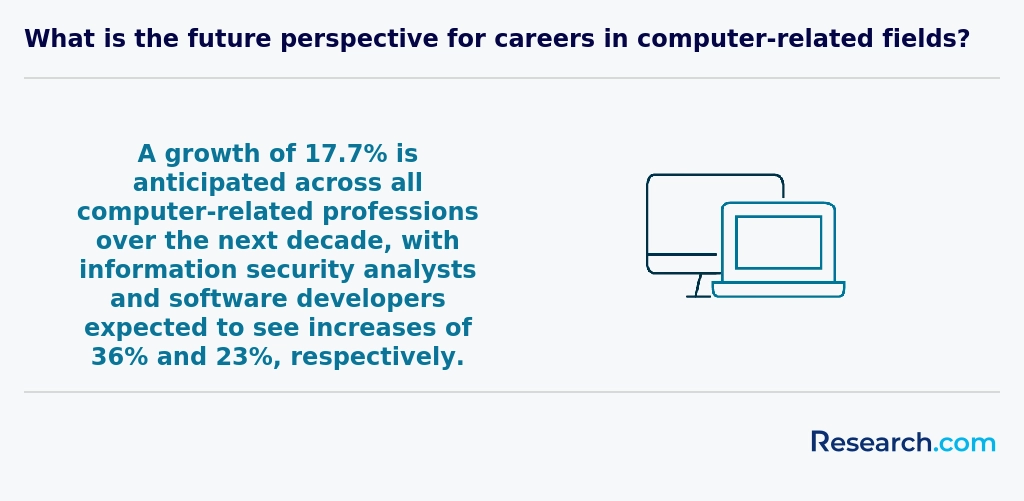
With information systems careers demand in America surging, many online learners appreciate the flexibility to balance studies with work, reshaping their futures without pausing life. Salaries starting near $60,000 quickly climb for those with experience and specialized talents, reflecting the market's hunger for expertise. For those looking to deepen their knowledge, exploring a masters data analytics program is a logical next step, sharpening skills that employers eagerly seek. The promise of growth at a 13% rate by 2031 gives graduates a thrilling outlook, making this an exhilarating time to enter the field.
Frequently Asked Questions About information systems
Students pursuing online information systems degrees in America can maximize their learning by actively engaging with interactive course materials and participating in virtual discussions. Research from the EDUCAUSE Center for Analysis and Research shows that 72% of successful online students regularly communicate with instructors and peers, boosting comprehension and retention. Practical application through internships or project-based assignments is also crucial, as the U.S. Bureau of Labor Statistics forecasts a 15% growth in computer and information systems occupations by 2031, highlighting industry relevance.
Time management and self-discipline enable students to balance studies with personal commitments effectively. Utilizing university resources like tutoring centers and career services further enhances learning, while joining professional groups such as the Association for Information Systems can provide networking opportunities and industry insights.
Emerging niches within the information systems field reflect the rapid technological changes in the U.S. and offer promising career paths. One notable area is cybersecurity, where demand is projected to grow 35% from 2021 to 2031, according to the U.S. Bureau of Labor Statistics. Specializing in protecting systems from cyber threats is increasingly critical for organizations across industries.
Data analytics and big data management also continue to expand, driven by companies' need to interpret vast amounts of information for strategic decisions. Cloud computing expertise is another key niche, with many firms shifting to cloud-based infrastructures, increasing the need for skilled professionals.
Additionally, health informatics integrates information systems with healthcare, improving patient care through data management, which has gained importance due to recent public health challenges. These niches demonstrate the diverse opportunities within online information systems degree programs in America.
After completing an online information systems degree in America, preparing effectively for the job market is crucial. Start by gaining relevant certifications such as CompTIA Security+ or Certified Information Systems Security Professional (CISSP), which are highly valued by employers. According to the U.S. Bureau of Labor Statistics, information systems jobs are projected to grow 15% from 2021 to 2031, underscoring strong demand.
Engage in internships or virtual cooperative education programs to build practical experience. Networking through platforms like LinkedIn and joining professional organizations, such as the Association for Information Systems (AIS), can open doors. Additionally, develop soft skills like communication and project management, which 85% of employers consider essential alongside technical expertise.
Employers in America highly value information systems graduates who possess strong technical skills like database management, systems analysis, and cybersecurity. According to the U.S. Bureau of Labor Statistics, demand for such skills is expected to grow 18% from 2020 to 2030, much faster than average.
Additionally, proficiency in programming languages such as SQL, Python, and Java is frequently requested, alongside experience with cloud computing platforms. Beyond technical expertise, employers seek candidates with solid problem-solving abilities and effective communication skills.
Leadership and teamwork capabilities are also critical, as many projects require collaboration across departments. The National Association of Colleges and Employers (NACE) underscores the importance of adaptability and critical thinking in this field.
Finding internships in America relevant to an information systems degree involves several strategic steps. Start by exploring your university's career services, which often have partnerships with tech companies and government agencies offering internships tailored to information systems students. According to the National Association of Colleges and Employers (NACE), approximately 60% of internships lead to job offers, emphasizing their importance.
Online job boards like Handshake and USAJOBS also list internships specifically for IT and information systems roles. Networking through professional organizations such as the Association for Information Systems (AIS) can further increase opportunities. Applying early and tailoring resumes to highlight technical skills improves chances of success.
An online information systems degree in America significantly enhances career mobility by equipping graduates with in-demand technical and managerial skills. According to the U.S. Bureau of Labor Statistics, employment in computer and information technology occupations is projected to grow 15% from 2021 to 2031, much faster than average. This growth creates numerous advancement opportunities for degree holders.
Graduates often move into roles such as systems analysts, IT managers, or cybersecurity experts, which offer higher salaries and leadership responsibilities. Institutions like Gartner report that professionals with information systems expertise have a competitive edge in tech-driven sectors, increasing their chances for promotion.
Additionally, online degrees provide flexibility for working adults, allowing continuous employment while studying, thereby minimizing career disruptions. This combination of practical skills and convenience positions graduates well for upward career movement in America's dynamic job market.
Studying for an information systems degree in America equips students with a unique blend of technical and business skills, preparing them for interdisciplinary roles across industries. Programs typically combine courses in computer science, management, and data analytics, reflecting the growing demand for professionals who can bridge technology and organizational strategy.
According to the U.S. Bureau of Labor Statistics, employment in computer and information systems management is projected to grow 15% from 2021 to 2031, highlighting the need for versatile graduates. Many universities emphasize teamwork and real-world projects, fostering collaboration with fields like marketing, finance, and healthcare.
This interdisciplinary training enables graduates to effectively communicate between technical teams and business units, a critical skill in today's data-driven economy.
Choosing between a thesis and a non-thesis online information systems degree in America depends on your career goals and learning preferences. Thesis programs emphasize research, requiring original work that can prepare students for doctoral studies or research roles. The non-thesis option typically involves more coursework and practical projects, designed for professionals aiming to enhance technical skills or advance in industry positions.
According to the National Center for Education Statistics, about 40% of information systems master's graduates pursue non-thesis tracks, reflecting demand for applied skills. Additionally, thesis programs usually take longer to complete, averaging 2-3 years.
Consider your future plans and time availability when choosing your path.
Students in America seeking information systems degrees with an international perspective can explore several study-abroad options. Many U.S. universities offer partnership programs allowing online students to take courses from foreign institutions without leaving the country. Additionally, some American schools provide dual-degree programs with overseas universities, combining domestic and international curricula.
For those willing to relocate temporarily, popular study-abroad destinations include countries in Europe and Asia where information systems education is growing rapidly. According to the National Center for Education Statistics, approximately 15% of U.S. information systems students participate in international exchange programs, gaining valuable global insights.
These options help U.S. students build cross-cultural skills while deepening their technical knowledge in a global market. Tuition rates and credit transferability vary widely, so consulting academic advisors early is crucial for planning.
Students pursuing online information systems degrees in America often find part-time jobs that reinforce their academic knowledge and skills. Common roles include IT support technicians, data entry specialists, and junior software developers. These positions help students apply concepts such as database management and network security in real-world settings. According to the U.S. Bureau of Labor Statistics, IT support jobs are expected to grow 8 percent from 2022 to 2032, providing ample opportunities for students.
Internships and freelance projects related to systems analysis or cybersecurity are also valuable. These roles not only enhance technical skills but improve problem-solving and project management abilities, which are critical in the information systems field.
Online information systems degrees in America offer numerous networking opportunities essential for career growth. Many universities provide virtual events, webinars, and online forums where students can connect with peers, faculty, and industry professionals. According to the National Center for Education Statistics (NCES), over 70% of American online students engage in some form of virtual networking during their studies.
Professional organizations, such as the Association for Information Systems (AIS), host conferences and local chapter meetings that welcome online students. These platforms facilitate valuable mentorship and job referrals. Additionally, LinkedIn groups tailored to information systems professionals in America allow students to expand their network beyond campus.
Alumni networks play a crucial role for students pursuing online information systems degrees in America by providing valuable professional connections. These networks often include graduates working in influential tech companies, government agencies, and consulting firms. According to the National Association of Colleges and Employers, 70% of jobs are found through networking, highlighting its importance for career advancement.
Through alumni events, online forums, and mentorship programs, students gain access to industry insights, internship opportunities, and job referrals. Many universities also offer exclusive webinars and workshops via alumni groups to keep students updated on emerging information systems trends.
Strong alumni connections can help bridge the gap between online education and real-world application in the US tech landscape, benefiting career growth significantly.
Customizing an online information systems degree in America often begins with selecting a concentration aligned with your career goals. Many programs offer specializations such as cybersecurity, data analytics, or IT management. According to the U.S. Bureau of Labor Statistics, roles in information systems and cybersecurity are expected to grow by 15% and 35%, respectively, through 2031, highlighting key areas to focus on.
Students can also choose elective courses that develop specific technical skills or soft skills like project management. Many universities allow internships or capstone projects tailored to industry needs, enhancing practical experience. Additionally, some programs provide flexible pacing to accommodate working professionals, allowing you to balance education and career advancement effectively.
Online information systems students in America often face challenges related to self-discipline and time management. According to the National Center for Education Statistics (NCES), nearly 40% of online students interrupt their studies due to balancing work, family, and academic responsibilities. This juggling act can diminish focus and prolong degree completion.
Another major challenge is the limited opportunity for hands-on experience with complex software and hardware. Employers increasingly seek practical skills, yet some online programs struggle to provide sufficient labs or simulations.
Technical issues such as unreliable internet access can disrupt learning, impacting 15% of students nationwide as reported by Pew Research Center.
Graduates with an online information systems degree in America have several professional certification options to enhance their careers. Popular certifications include the Certified Information Systems Security Professional (CISSP), which is highly regarded in cybersecurity roles. Additionally, the Certified Information Systems Auditor (CISA) certification focuses on auditing, control, and assurance in IT environments, valued by many employers.
The CompTIA Security+ certification provides a solid foundation in cybersecurity fundamentals and is often considered an entry-level credential. For those interested in project management, the Project Management Professional (PMP) remains a widely respected certification. According to the U.S. Bureau of Labor Statistics, demand for information security analysts, a field aligned with many of these certifications, is expected to grow 35% through 2031, underscoring the value of such credentials.
To write a winning application for an online information systems program in America, start by clearly demonstrating your interest and experience in the field. Highlight relevant coursework, professional experience, or technical skills such as database management, programming, or cybersecurity, which are in high demand according to the U.S. Bureau of Labor Statistics. Admissions committees value applicants who show a strong understanding of information systems' role in business and technology.
Craft a concise personal statement that explains your career goals and how the program aligns with them. Be sure to tailor each application to the specific school's curriculum and values.
Secure strong letters of recommendation from academic professors or employers who can attest to your abilities and work ethic. Some programs may require standardized test scores; check each school's requirements carefully to ensure all materials are submitted on time.
Finally, emphasize any certifications (like CompTIA or Cisco) that reflect your commitment to the IT field. According to the Computing Technology Industry Association, certified professionals have higher employment rates and earnings, which can strengthen your case.
The information systems field is increasingly global, with professionals in the US collaborating on projects worldwide. According to the U.S. Bureau of Labor Statistics, employment for computer and information systems managers is projected to grow 15% from 2021 to 2031, reflecting strong demand domestically and internationally.
Many American universities align their online information systems programs with global industry standards, ensuring graduates can work beyond US borders. Certifications and skills in emerging technologies such as cloud computing and cybersecurity add value across multinational companies.
US-based students benefit from access to global networks through internships and partnerships, enhancing career prospects in diverse markets. According to the National Center for Education Statistics, enrollment in information systems programs has grown steadily, showing a robust interest in this career path.
Gaining practical experience while studying for an online information systems degree in America is essential for career readiness. Many programs offer internships or cooperative education opportunities, allowing students to work with real companies. According to the National Association of Colleges and Employers (NACE), over 60% of employers prefer candidates with internship experience.
Students can also participate in virtual labs and simulation projects embedded in coursework to develop hands-on skills. Additionally, joining professional organizations like the Association for Information Systems (AIS) can help with networking and career development. Some universities partner with tech companies to provide capstone projects that address real-world problems, enhancing applied learning.
Choosing the right concentration within an online information systems degree in America depends on your career goals and interests. Common concentrations include cybersecurity, data analytics, systems management, and software development. According to the U.S. Bureau of Labor Statistics, fields like cybersecurity are growing rapidly, with a projected 35% job growth from 2021 to 2031.
Consider your strengths and the industry demand. For instance, data analytics focuses on interpreting large sets of data, which is crucial as companies increasingly rely on data-driven decisions. Research school curricula carefully to see which concentrations align with evolving technology trends.
Look for programs accredited by bodies such as ABET or regional accreditors to ensure quality education. Also, review alumni career outcomes, which can indicate the strength of specific concentrations. Access resources like the National Center for Education Statistics for updated program data.
Top Trending Information Systems Rankings
References
- Online Degree vs. Traditional: Choosing the Right Path https://beal.edu/online-degree-vs-traditional/
- Alumni Network Management & Community Engagement Software https://hivebrite.io/alumni-management-software/
- How to Maximize the Impact of Alumni Networks https://www.careeros.com/resources/how-to-maximize-the-impact-of-alumni-networks
- Online Bachelor's Degree: Computer Information Systems https://www.umgc.edu/online-degrees/bachelors/computer-information-systems
- Information Systems https://www.wits.ac.za/course-finder/undergraduate/clm/information-systems/
- Graduate Programs https://program.metu.edu.tr/en/ms-without-thesis-information-systems
- Online Degree vs. Traditional | University of Arkansas Grantham https://www.uagrantham.edu/blog/pros-cons-online-degree-vs-traditional-university/
- A Guide to Starting a Career in Computer Networking https://www.csinow.edu/blog/a-guide-to-starting-a-career-in-computer-networking/
- 5 Essential IT Skills Employers Want to See in Candidates https://www.umassglobal.edu/blog-news/5-essential-skills-employers-want-see-candidates
- Online IT Degrees https://www.aiuniv.edu/degrees/information-technology


