2027 Most Valuable Online Master's in Human Services Degree Programs Ranking in Minnesota

Co-Founder and Chief Data Scientist
Choosing the right online master's program in Human Services is a big step toward a fulfilling career in Minnesota. This article introduces the 2027 Most Valuable Online Master's in Human Services Degree Programs Ranking in Minnesota, developed by the Research.com team of data scientists to guide you in making an informed decision.
By exploring this ranking, you'll discover programs that offer real value and can help you grow professionally and personally. A human services degree opens doors to meaningful work that positively impacts communities. Dive in to find the path that's right for you.
Key benefits of getting online human services degree in Minnesota
- Human services degree graduates in Minnesota can expect starting salaries typically ranging from $35,000 to $45,000 annually, reflecting the demand for compassionate professionals in social work and community support roles.
- A graduate from the University of Minnesota with a human services degree often finds diverse career paths, including counseling, case management, and nonprofit leadership, allowing for meaningful work that impacts lives positively.
- Completing a human services degree online through institutions like Minnesota State University offers flexible scheduling and the ability to balance work or family commitments while gaining practical skills valued by employers.
- 2027 Most Valuable Online Master's in Human Services Degree Programs Ranking in Minnesota
- What can I expect from online human services degree in Minnesota?
- Where can I work with online human services degree in Minnesota?
What can I expect from online human services degree in Minnesota?
When exploring the cost of an online human services degree in Minnesota, you'll typically find tuition ranging between $300 and $500 per credit hour, depending on the institution. For example, graduates from well-known programs at universities like Metropolitan State University or Saint Cloud State University often reflect on how their investment translated into valuable skills and career advancement. Completing a master's degree requiring 30 to 40 credits can thus total around $9,000 to $20,000, a cost-effective alternative to traditional on-campus options.
Many students appreciate the flexible payment plans and potential financial aid offered, which makes balancing family and work life much less stressful. One graduate shared how being able to pay tuition incrementally allowed her to focus more on absorbing course material like crisis intervention and ethics, rather than worrying about finances. This affordability paired with Minnesota's strong job growth in social services creates an encouraging pathway to fulfilling, community-centered careers.
Where can I work with online human services degree in Minnesota?
If you earn your online human services degree in Minnesota, you'll discover a wide range of rewarding career paths waiting for you. Graduates from institutions like Metropolitan State University and Bemidji State University often move into social and community service agencies, where they become case managers or outreach coordinators, helping vulnerable populations such as children or individuals recovering from trauma.
Healthcare organizations in Minnesota are another thriving area. Many grads find meaningful work supporting patients at places connected to Mayo Clinic or Fairview Health Systems, taking on roles like patient advocates or medical social workers. These positions frequently allow you to make a direct impact on people's health journeys.
Education is also a strong path, with openings in student support services or program coordination in schools and universities. Graduates often emphasize how fulfilling it feels to help remove barriers to learning and assist students through difficult times.
Nonprofits and government agencies round out the opportunities, offering positions in program administration, mental health, housing assistance, and child protection. Many grads mention how rewarding it is to work directly in communities across Minnesota, knowing their efforts truly matter.
Graduates from online human services programs in Minnesota often start in roles like social and human service assistants, with an annual mean wage around $38,800, slightly above the national average. Many students from well-known institutions such as Metropolitan State University and St. Catherine University find this entry-level salary encouraging as they begin their careers helping individuals and families improve their lives. These wages reflect real opportunities to support communities, especially in urban areas like Minneapolis, where demand is strong.
For those pursuing further education, especially at schools offering master's degrees, earning potential grows substantially. Master's-level social workers employed in Minnesota can expect salaries near $58,000 annually. Graduates often share how this boost empowers them to take on leadership roles in healthcare programs or nonprofit agencies, making a deeper impact through program development and client advocacy.
Experience matters greatly. Specialized fields such as mental health counseling or substance abuse treatment, which universities like Bethel and Augsburg emphasize, reward skilled professionals with salaries that can surpass $65,000 after several years. This progression fuels both financial stability and personal fulfillment, proving that dedication to human services in Minnesota can lead to meaningful, well-compensated careers.
- The average tuition for an online bachelor's degree in human services in Minnesota ranges from $12,000 to $20,000, with public universities offering lower rates for in-state students.
- Minnesota expects a 7% growth rate in community and social service jobs over the next decade, which is higher than the national average.
- Entry-level salaries for human services graduates typically range from $38,000 to $45,000, increasing to $50,000 to $65,000 or more with experience or advanced degrees.
- Many programs offer flexible schedules and part-time options, with a focus on regional and specialized accreditation for quality assurance.
- Job opportunities are strong in urban areas like Minneapolis and St. Paul, especially within government, healthcare, nonprofit, and community service sectors.
- Some specialized positions may require state licensure or additional training beyond the degree, though many entry-level roles do not require certification.
Completing an online human services degree in Minnesota typically takes around four years for full-time bachelor's students, mirroring the journey many graduates from the University of Minnesota and St. Cloud State University have shared. These students often balance studies with work or family, appreciating the flexibility these programs provide. Part-time learners, common among busy adults at institutions like Metropolitan State University, usually take five to six years, spreading their coursework to fit life's demands without losing momentum.
For those pursuing a master's degree online, the timeline usually ranges from 1.5 to 3 years. Many graduates from colleges like Bethel University find this flexibility essential, especially when balancing careers. Accelerated options can shorten this path, allowing motivated students to dive deeper into human services quickly.
Remember, credit transfers, internship placements, and program structure significantly influence your personal timeline. The Minnesota Private College Council highlights this adaptability, reassuring you that your pace can honor both ambitions and real-life commitments.
Choosing between online and on-campus human services degrees in Minnesota comes down to how you want to balance life and learning. Graduates from Metropolitan State University recall the energy of classroom debates and immediate access to campus resources, which fostered deep connections and hands-on experiences. Meanwhile, those who pursued their degree online appreciated the freedom to study at their own pace-fitting coursework between work shifts or family time without missing a beat.
For many, the online format means you can engage with Saint Mary's University's curriculum digitally, thriving through virtual discussions and video lectures. This flexibility lets you continue supporting your community or job while gaining skills that matter.
Costs also reflect choices: in-state tuition averages about $10,000 yearly, but online learners often save on commuting and housing, freeing up resources for other priorities. Whether face-to-face or digital, both paths maintain strong accreditation, ensuring your degree opens doors.
The average cost of an online human services degree in Minnesota is around $18,670, a figure that reflects the balance between quality education and affordability in the state. Many graduates from programs at well-known schools like Minnesota State University or the University of Minnesota express how this investment felt manageable given the valuable skills and career opportunities they gained. These programs often charge tuition that aligns well with in-state pricing ranging roughly between $7,000 and $12,000 per year for bachelor's degrees, while graduate programs might cost between $600 and $900 per credit hour.
When considering the online human services degree program tuition Minnesota offers, it's important to keep in mind additional costs such as technology fees and textbooks, which several graduates found to be worthwhile expenses supporting their learning experience. Public universities often provide more affordable tuition rates for residents, making them desirable choices for students seeking strong educational programs without overwhelming financial burden. Out-of-state tuition can be considerably higher, encouraging students to explore residency options or financial aid.
Many students have also leveraged grants, scholarships, and employer tuition assistance to further ease the financial commitment. For those curious about the career impact, it's helpful to learn about jobs you can get with a social service degree, which attests to how this degree paves the way to meaningful and rewarding professions in human services.

When pursuing an online human services degree in Minnesota, numerous financial aid options can make your educational journey more affordable and less stressful. Many graduates from institutions like Metropolitan State University or Bemidji State University found that federal aid, such as Pell Grants and Federal Supplemental Educational Opportunity Grants (FSEOG), provided vital, no-repayment help to cover tuition costs. One graduate shared how the maximum Pell Grant of $7,395 in the 2023-2024 year covered a significant portion of their fees.
In addition, the Minnesota State Grant Program offers targeted support that can average around $4,500 annually for eligible students. This state aid, combined with scholarships from university foundations or the Minnesota Private College Fund, often significantly lowers the price of your degree. Many graduates recall how these scholarships rewarded their dedication either academically or through community service.
Supplementing these options, employer tuition reimbursement is a common resource in Minnesota's social service and healthcare sectors, easing financial burdens while you work and study. The key is applying early with FAFSA to unlock this layered support and confidently focus on your passion for helping others.
To enroll in an online human services degree program in Minnesota, you'll need to meet specific prerequisites that set the foundation for your success. Most undergraduate programs, including those at widely respected schools like Metropolitan State University or St. Cloud State University, expect a high school diploma or GED, often with a minimum GPA around 2.5. Graduate programs, such as online master's pathways offered by the University of Minnesota, expect applicants to hold a bachelor's degree-though not always in human services, related fields like psychology or social work work well-with a GPA typically above 3.0.
Graduates from Minnesota's programs often recall how submitting official transcripts and crafting a thoughtful personal statement helped them stand out. Letters of recommendation and relevant volunteer experience further demonstrate your passion for making a difference in communities. These steps aren't just hurdles; they're your chance to show admissions teams the unique perspective you'll bring to human services.
While standardized tests like the GRE are less frequently required, some programs still ask for them. Don't let this intimidate you; focus on highlighting your real-world experience and commitment to helping others, which Minnesota schools deeply value.

Online human services degree programs in Minnesota offer courses that build a strong foundation and practical skills essential for making a real difference in people's lives. For example, many graduates from universities like Metropolitan State and St. Cloud State highlight how courses such as Case Management and Client Advocacy helped them confidently navigate client needs and resources in their local communities.
Students dive deep into Human Behavior and Social Environment, gaining insight into how diverse backgrounds shape experiences, which is vital when working alongside Minnesota's multicultural populations. Social Welfare Policy and Services courses make the often-complex state and federal regulations approachable, equipping students to advocate effectively for systemic change.
Counseling Techniques and Crisis Intervention classes prepare students to remain calm and resourceful during emergencies, whether assisting a family in crisis or supporting mental health initiatives. Plus, Research Methods and Program Evaluation teach you to analyze and improve human services programs, a skill praised by recent graduates who work in community agencies around the Twin Cities.
When exploring online human services degree specializations in Minnesota, you'll find focused paths that truly prepare you to make a difference. Graduates from renowned colleges often highlight how choosing Addiction and Chemical Dependency Counseling helped them support individuals battling the opioid crisis, an urgent issue in our state. Others found fulfillment in Mental Health and Counseling Services, gaining skills to serve both urban and rural communities through proven therapeutic techniques.
Imagine working with Minnesota's growing senior population after studying Gerontology and Aging Services at a well-regarded university, where graduates say hands-on projects provide deep insights into elder care. Child and Family Services is another impactful area, perfect for those passionate about helping families navigate foster care or adoption challenges with empathy and professionalism. Community and Social Services Management opens doors to leadership roles, guiding nonprofits and public agencies dedicated to bettering social programs.
Students interested in these Minnesota online human services program concentrations often balance work and study, seeing firsthand how their education empowers them to uplift communities. To explore career paths connected with the degree, check out human services degree careers.
When choosing the best online human services degree in Minnesota, start by verifying program accreditation and reputation. Graduates from well-known institutions in the state often share how accreditation from groups like the Council for Standards in Human Service Education (CSHSE) provided them confidence that their degree held real value with employers. This is especially important for those seeking licensure or certification after graduation. Considering affordable human services master's programs Minnesota has to offer means balancing tuition costs with quality. Many students appreciate that online programs at Minnesota colleges reduce commuting costs while offering flexible schedules to fit work and family life.
Look closely at the curriculum and the opportunities for internships or practicum experiences, as these real-world connections made during the program are invaluable. Graduates frequently describe how hands-on learning helped them feel ready to tackle challenges in communities across the state. Don't forget to explore support services that assist you academically and professionally throughout your studies.
Understanding the growing demand in Minnesota's human services field can motivate you to choose wisely. For those interested in advancing their career, exploring jobs for masters degree in human services can clarify how different programs can open doors to meaningful work.
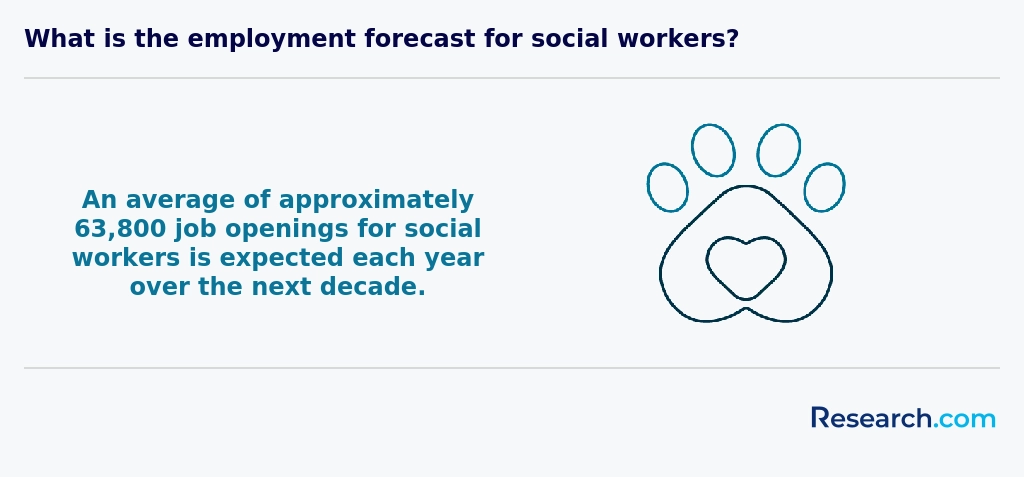
Graduates with an online human services degree in Minnesota find themselves stepping into rewarding roles that genuinely transform lives. Many alumni from popular colleges in Minnesota share how their education prepared them to become case managers or community outreach coordinators, guiding individuals through challenges like securing housing or accessing healthcare. The ability to work in diverse settings-from nonprofit agencies to government offices-opens doors to positions like behavioral health technicians or residential counselors, where compassion meets practical support every day. If you seek to build meaningful connections in your career, opportunities abound in program administration roles where you can shape services impacting entire communities.
For those exploring online human services careers Minnesota offers a unique environment with strong demand and steady growth in social and community service fields. Many graduates from Minnesota institutions feel encouraged by the state's supportive licensing paths, enabling advancement to roles such as Licensed Social Workers. To accelerate your journey, consider exploring accelerated human services online programs that bring education within reach, blending flexibility and quality.
The job market for graduates with an online human services degree in Minnesota is vibrant and growing, making it an excellent choice for those wanting to make a real difference. Many graduates from popular institutions like the University of Minnesota or St. Cloud State University share how their degrees opened doors to rewarding roles in community outreach organizations and healthcare facilities. With Minnesota's steadily increasing demand for social and human service assistants, you can find fulfilling positions in non-profits, government agencies, and rehabilitation centers, especially as the state emphasizes mental health and social support programs.
Based on the human services degree employment opportunities Minnesota offers, the projected growth of about 11% through 2031 signals strong job security. Those who pursue a human services online degree here often experience not just competitive wages but also the satisfaction of helping vulnerable populations thrive within their own communities.
2027 Most Valuable Online Master's in Human Services Degree Programs Ranking in Minnesota
Investing in your education is a significant decision that can shape your future, and the Research.com team understands the importance of making informed choices. To assist prospective students, we have meticulously crafted the "2027 Most Valuable Online Master's in Human Services Degree Programs Ranking in Minnesota." Our commitment to quality, credibility, and accuracy is reflected in the extensive research and analysis conducted to compile this ranking.
We utilized the following reputable data sources to ensure a comprehensive evaluation of human services programs:
By exploring this ranking, readers will gain valuable insights into the most valuable online master's programs in human services available in Minnesota, helping them make well-informed decisions about their educational investments. For more details on our methodology, please visit our Research.com methodology page.

# 2 position
Walden University
Master of Human Services


Frequently Asked Questions About human services
Online human services degree students in Minnesota can maximize their learning by actively engaging with course materials and participating in virtual discussions. Building connections with classmates and instructors helps create a supportive learning community, which is crucial for success in an online format. Minnesota's Department of Human Services reports a growing demand for qualified professionals, making practical experience through internships or volunteer opportunities essential.
Students should also take advantage of Minnesota's local resources, such as online workshops and networking events offered by organizations like the Minnesota Association for Children's Mental Health. Utilizing these opportunities enhances both academic knowledge and professional skills.
Staying organized and disciplined with time management tools is vital, as research shows students who create structured study schedules perform better in online programs nationwide. Finally, seeking academic support early, including tutoring or career advising services provided by many Minnesota universities, can improve outcomes and prepare students for the evolving human services field.
The human services field is evolving rapidly, with several emerging niches gaining prominence. In Minnesota, growing demand is noted in areas like gerontology, driven by the increasing senior population. According to the Minnesota Department of Human Services, professionals trained in elder care coordination are essential to support aging residents effectively.
Another rising niche is mental health counseling, especially online support and crisis intervention, fueled by heightened awareness of mental wellness. Substance abuse recovery services are also expanding, backed by state initiatives to address opioid misuse.
Additionally, social services focused on underserved communities, including immigrant and refugee support programs, are critical areas of growth, reflecting Minnesota's diverse population and policy emphasis.
Graduates with online human services degrees in Minnesota should start preparing for the job market by gaining relevant experience through internships or volunteer work. Many employers in Minnesota value hands-on experience working with diverse populations, which aligns with the state's growing demand for social and community service managers. According to the U.S. Bureau of Labor Statistics, Minnesota's human services sector is expected to grow 7% through 2031, indicating steady job opportunities.
Networking is also essential. Joining local professional organizations such as the Minnesota Human Services Coalition can provide connections and job leads. Additionally, obtaining certification, like the Certified Human Services Professional (CHSP) credential, can improve employability. Finally, tailoring your resume to highlight skills in case management, crisis intervention, and cultural competence helps meet Minnesota employers' expectations.
Employers in Minnesota seek human services graduates with strong interpersonal and communication skills. These abilities are essential for effectively supporting diverse populations and facilitating client interactions. According to the Minnesota Department of Employment and Economic Development (DEED), teamwork and problem-solving are also highly valued, as human services professionals often collaborate with community organizations.
Critical thinking and cultural competence are increasingly important due to Minnesota's diverse demographic makeup. Additionally, proficiency in case management software and data tracking is desired to meet agency reporting requirements. Ethical decision-making and empathy remain foundational skills across all human services roles in the state.
Finding internships in Minnesota relevant to a human services degree involves leveraging local resources and educational partnerships. Many universities in Minnesota have agreements with social service agencies, nonprofits, and healthcare providers to place students in practical settings.
The Minnesota Department of Employment and Economic Development (DEED) offers listings and guidance for internships in human services fields statewide. Additionally, searching through platforms like the Minnesota Nonprofit Association's job board can reveal local internship opportunities focused on social work, counseling, and community outreach.
Networking is critical; engaging with alumni groups and professional associations such as the National Organization for Human Services (NOHS) Minnesota chapter can provide leads. Students should also contact career services offices of their online program for tailored internship placement support.
Obtaining an online human services degree in Minnesota can significantly enhance career mobility and advancement opportunities. The Minnesota Department of Employment and Economic Development (DEED) reports steady growth in social service roles, projecting a 7% increase by 2028. An accredited degree helps professionals meet educational requirements for licensure and certifications, often necessary for higher-level positions.
Online degrees offer flexible access to education while maintaining employment, allowing for skill development without career interruption. Employers in Minnesota increasingly value candidates with master's credentials in human services for leadership and specialized roles.
Furthermore, graduates with an online human services degree can access broader job markets statewide, improving prospects in healthcare, social work, counseling, and nonprofit management.
Studying for a human services degree in Minnesota equips students with skills to work in interdisciplinary roles by emphasizing collaboration across social work, healthcare, education, and community organizations. Programs often include coursework in psychology, counseling, and public policy, which fosters a holistic understanding of client needs. According to the Minnesota Department of Employment and Economic Development, human services professionals in the state often partner with mental health counselors and social workers to provide comprehensive support.
Many online programs incorporate case studies and practical training that highlight teamwork in diverse settings. This prepares graduates to navigate complex systems and advocate effectively for clients in various environments, from healthcare facilities to government agencies.
Additionally, Minnesota's regulations for human services emphasize ethics and cultural competence, both critical in interdisciplinary practice.
When choosing between a thesis and a non-thesis online human services degree program in Minnesota, consider your career goals first. Thesis programs typically emphasize research skills, preparing students for roles in policy development or doctoral studies. Non-thesis options focus more on practical training and fieldwork, ideal for immediate employment in community agencies.
The Minnesota Department of Employment and Economic Development reports a 12% growth in social and human services jobs through 2030, highlighting the demand for practice-ready professionals. Thesis tracks may also take longer to complete, often 2-3 semesters more than non-thesis.
Additionally, thesis programs require strong writing and independent research skills, which should be considered before enrolling.
Students based in Minnesota who seek to study human services abroad through online programs have limited direct options since most international degrees require some on-campus presence. However, many U.S. universities offer online human services degrees with global perspectives, which can supplement international learning without relocating.
Some Minnesota schools partner with foreign institutions for study-abroad programs or virtual exchanges, allowing students to gain cross-cultural experience while completing credits online. According to the Minnesota Office of Higher Education, about 12% of public university students participate in study abroad or international learning experiences.
For fully online master's degrees, students should ensure programs meet Minnesota licensure requirements and accreditation standards recognized in the U.S., as foreign credentials can complicate professional certification in human services fields.
Part-time job opportunities in Minnesota that complement human services degree education often involve roles in social support, mental health, and community outreach. Positions such as case aide, peer support specialist, or community health worker provide practical experience aligned with coursework. According to the Minnesota Department of Employment and Economic Development (DEED), these entry-level roles frequently require strong communication and organizational skills, enhancing students' professional development while studying.
Many organizations, including local nonprofits and health agencies, offer flexible work schedules suited for students enrolling in online programs. These roles help build client interaction skills and deepen understanding of social service systems in Minnesota's diverse communities.
Online human services students in Minnesota have several networking opportunities despite studying remotely. Many universities offer virtual career fairs and alumni networking platforms that connect students with professionals in the field. The Minnesota Human Services Statewide Workforce Development Plan highlights partnerships between educational institutions and local agencies, increasing internship and mentorship options for students.
Professional organizations like the Minnesota Human Services Network provide online events and regional meetups, facilitating connections with peers and employers. According to the Minnesota Department of Employment and Economic Development, the human services sector is expected to grow 6% through 2030, making these networks valuable for career advancement.
Students can also engage in community volunteer projects virtually, gaining practical experience while expanding their contacts.
Alumni networks offer significant benefits to students pursuing online human services degrees in Minnesota. These networks connect current students with graduates who have real-world experience in the state's human services sector, enhancing professional development opportunities. According to the Minnesota Department of Human Services, employment in this field is projected to grow by 12% through 2030, making professional connections increasingly valuable.
Through alumni events, mentorship programs, and online platforms, students gain access to job leads and industry insights. Networking between peers and experienced professionals helps graduates navigate Minnesota's diverse social service agencies more effectively. This support often leads to higher job placement rates and career advancement.
Customizing an online human services degree program in Minnesota begins with selecting electives that align with your career goals. Many institutions offer options in areas like substance abuse, mental health, or nonprofit management, allowing you to gain specialized skills.
Internships and fieldwork placements can also be tailored to local Minnesota communities, helping you build relevant experience. For example, Minnesota's demand for mental health professionals is growing, supported by the Department of Employment and Economic Development's data showing a 10% increase in related job openings through 2028.
Additionally, some programs provide opportunities for certificate add-ons or dual degrees, enhancing your qualifications.
Online human services students in Minnesota often face challenges with balancing coursework and personal responsibilities. Many students are working adults with families, making time management essential yet difficult. Additionally, limited face-to-face interaction can lead to feelings of isolation, which may impact motivation and engagement. Access to reliable technology and stable internet can also be a barrier, particularly in rural areas where connectivity is less consistent.
Another challenge involves securing local field placements required for practical experience. Minnesota's growing demand for qualified human services professionals means competition for quality placements can be high. According to the Minnesota Department of Employment and Economic Development, the state expects an 11% growth in social and human service assistant jobs by 2030, increasing pressure on students to gain relevant hands-on experience.
With an online human services degree in Minnesota, graduates can pursue several professional certifications to enhance their careers. One of the most recognized is the Certified Human Services Professional (CHSP) credential, offered by the National Organization for Human Services. This certification validates expertise in working with diverse populations and meets a growing demand within Minnesota's social service sector.
Additionally, Minnesota supports certifications such as the Licensed Alcohol and Drug Counselor (LADC) and the Social Service Specialist licenses, which align well with human services degrees. These credentials are vital for roles in mental health and addiction counseling.
The Minnesota Department of Human Services provides detailed guidance on licensure requirements, emphasizing continuing education and supervised experience.
When applying for an online human services program in Minnesota, start by carefully reviewing the program's admission requirements. Most programs expect a completed application form, official transcripts, and a personal statement. Emphasize your motivation for pursuing human services and your understanding of local community needs.
Your personal statement should highlight any relevant experience, especially if it involves Minnesota's public health or social services sectors. Citing Minnesota-specific data, such as the state's demand for social workers growing by 8% through 2030 (BLS), can demonstrate awareness of regional employment trends.
Include strong letters of recommendation, ideally from professionals familiar with human services or academic work related to that field. Finally, proofread all materials carefully to maintain professionalism and clarity.
The human services field is recognized worldwide for its commitment to improving individual and community well-being. Globally, human services professionals focus on addressing social issues such as poverty, mental health, and access to education. In the United States, including Minnesota, there is a growing emphasis on culturally competent care and collaboration across sectors.
According to the U.S. Bureau of Labor Statistics, Minnesota's demand for social and human service assistants is expected to grow by 10% from 2022 to 2032, highlighting strong local career prospects. This aligns with global trends emphasizing sustainable development and social equity.
Internationally, human services careers often involve advocacy and policy work, which is increasingly important as communities become more diverse. For prospective students in Minnesota, understanding these global perspectives enhances the value of an online human services degree by preparing them to engage with wide-ranging social challenges.
Students pursuing an online human services degree in Minnesota can gain practical experience through local internships and field placements. Many Minnesota programs partner with community organizations, health agencies, and social service providers to offer hands-on opportunities. These placements often fulfill state licensure or certification requirements, which is crucial for advanced practice roles.
The Minnesota Department of Human Services lists over 1,000 licensed human services agencies statewide, providing numerous sites for experiential learning. Additionally, virtual simulations and supervised remote practicums are becoming common, allowing distance learners to build skills alongside coursework.
Engaging in local volunteer work related to human services can also deepen practical knowledge and expand professional networks in Minnesota's diverse social service landscape.
Choosing the right concentration within an online human services degree in Minnesota depends on your career goals and local workforce needs. Minnesota's Department of Employment and Economic Development highlights growing demand in mental health, substance abuse counseling, and social work fields. Researching these trends can help you select a specialization aligned with job opportunities.
Consider your personal interests and strengths; for example, if you have a passion for supporting families, a focus on family services might suit you. Look into program curricula to ensure they offer practical skills and internships that meet Minnesota's certification requirements.
Additionally, consulting with academic advisors and reviewing data from the National Center for Education Statistics can guide your decision effectively.
- 2027 Most Valuable Online Master's in Human Services Degree Programs Ranking in Iowa
- 2027 Most Valuable Online Master's in Human Services Degree Programs Ranking in North Dakota
- 2027 Most Valuable Online Master's in Human Services Degree Programs Ranking in Illinois
- 2027 Most Valuable Online Master's in Human Services Degree Programs Ranking in Missouri
- 2027 Most Valuable Online Master's in Human Services Degree Programs Ranking in Michigan
- 2027 Most Valuable Online Master's in Human Services Degree Programs Ranking in Kansas
- 2027 Most Valuable Online Master's in Human Services Degree Programs Ranking in Ohio
- 2027 Most Valuable Online Master's in Human Services Degree Programs Ranking in Colorado
- 2027 Most Valuable Online Master's in Human Services Degree Programs Ranking in Kentucky
- 2027 Most Valuable Online Master's in Human Services Degree Programs Ranking in Arkansas
- Guide to bachelor's in human services | edX https://www.edx.org/bachelors/human-services
- Best undergraduate courses in Human Services to study abroad - Edvoy https://edvoy.com/courses/undergraduate-human-services/
- Behavioral Health & Human Services https://www.anokatech.edu/programs/behavioral-health-human-services/
- Professional Networking in Social Work: 2025 Complete Guide https://www.socialworkdegrees.org/professional-networking-in-social-work
- Human Services https://minneapolis.edu/academics/school-education-and-public-and-human-service/human-services
- 10 Effective Ways to Build Networking Skills in Community Services https://tsa.edu.au/ways-to-build-networking-skills-in-community-services/
- Key Trends for Social Work and Human Services in 2026 https://nctinc.com/blog/key-trends-for-social-work-and-human-services-in-2026/
- How to Maximize the Impact of Alumni Networks https://www.careeros.com/resources/how-to-maximize-the-impact-of-alumni-networks
- Online Bachelor’s Degree in Human Services https://www.monroeu.edu/academics/undergraduate-programs/school-criminal-justice/online-bachelors-degree-human-services
- How to Overcome the Top Challenges Social Workers Face https://www.pacificoaks.edu/voices/social-work/social-work-challenges/