2027 Easiest Online Human Services Degree Programs Ranking in Columbia, MO

Co-Founder and Chief Data Scientist
Exploring your options for an online human services degree in Columbia, MO can feel overwhelming. To make this easier, the Research.com team of data scientists has created the 2027 Easiest Online Human Services Degree Programs Ranking in Columbia, MO. This ranking helps you find programs that fit your goals and lifestyle.
Getting a human services degree opens doors to meaningful careers focused on helping others. By reading this article, you'll gain valuable insights to choose the program that's right for you and take confident steps toward a rewarding future.
Key benefits of getting online human services degree in Columbia
- Human services degree graduates in Columbia can expect competitive salaries, with U.S. median hourly wages for related jobs often around $20 to $25, providing a stable financial foundation.
- Graduates from local universities in Columbia often find rewarding careers in counseling, social work, and community outreach, opening doors to meaningful work helping others.
- Completing a human services degree online offers flexibility for busy lives, allowing students to balance work and family while gaining valuable skills from reputable programs.
- 2027 Easiest Online Human Services Degree Programs Ranking in Columbia, MO
- What can I expect from online human services degree in Columbia?
- Where can I work with online human services degree in Columbia?
What can I expect from online human services degree in Columbia?
The average cost of pursuing an online human services degree in Columbia varies depending on the level of study and the institution. Graduates from popular local schools like the University of Missouri often recall managing tuition fees that typically range from $8,000 to $15,000 per year for in-state students. This investment feels worthwhile as programs emphasize practical skills such as crisis intervention and case management, which graduates use to confidently support Columbia's diverse community.
Many students balance their studies with work or family, appreciating the flexibility of online courses combined with affordable tuition. Financial aid and scholarships specific to Missouri's social work and human services fields frequently ease the financial burden, making the pursuit feel accessible rather than overwhelming.
Graduates often remember how integral the internships and practicum experiences were-placed within Columbia's hospitals or community centers-adding real-world context to their education and reassuring them about their career paths. These hands-on elements justify the cost and bring a meaningful connection to local social services.
Where can I work with online human services degree in Columbia?
Graduates with an online human services degree from institutions like the University of Missouri often find themselves drawn to nonprofit organizations in Columbia, where their work directly impacts community well-being. Many share how rewarding it feels to coordinate youth programs or advocate for mental health support, roles that deepen their connection to local families and inspire ongoing commitment.
Others step into government positions within Boone County's health and human services departments, embracing opportunities to influence public assistance programs. These roles provide a stable yet dynamic environment where graduates witness firsthand the growing demand for social services.
Healthcare settings also attract human services professionals, where graduates assist with rehabilitation or counseling support, often recounting their pride in helping individuals navigate healing and recovery at places like University of Missouri Health Care.
Additionally, educational institutions in Columbia employ graduates as student support aides or program coordinators, roles that foster personal satisfaction through uplifting vulnerable populations.
With the steady expansion of social service sectors in Columbia, human services graduates feel hopeful and empowered, knowing their careers truly make a difference.
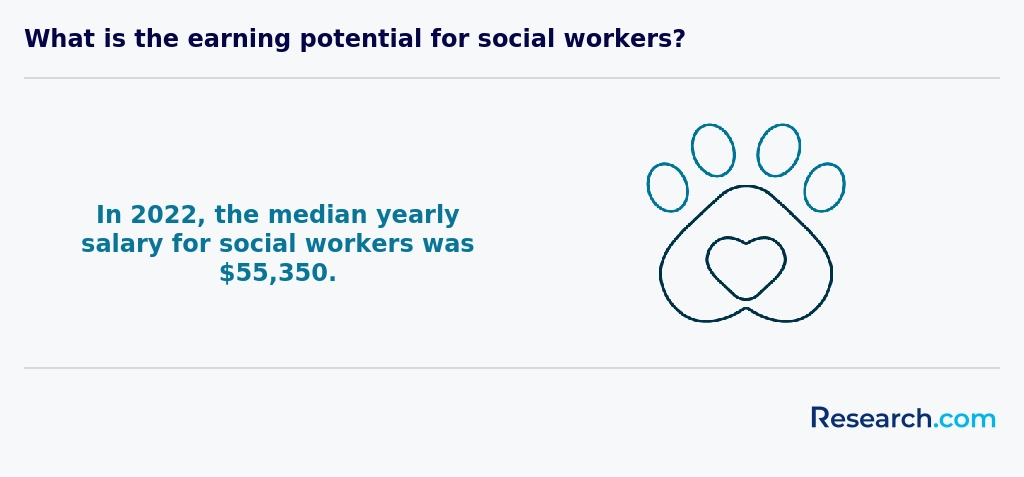
Graduates with an online human services degree in Columbia often find entry-level roles in social and human service assistance paying around $30,000 annually, with many steadily progressing to earn about $34,000 based on local BLS data. Those from well-known institutions like the University of Missouri or Columbia College have shared how practical skill-building and internship experiences opened doors to these positions, making the degree feel like a true investment in their future.
For those seeking advanced roles, such as community service managers, salaries can approach $60,000, reflecting the responsibility involved. Graduates often describe the satisfaction of managing programs that make a real difference locally, especially within Columbia's growing healthcare and educational sectors.
Holding an online degree here not only aligns with steady regional demand but also delivers the flexibility students appreciate. Many find their education empowering, enabling tangible community impact while building rewarding careers with promising pay prospects.
- Tuition for an online human services bachelor's degree in Columbia ranges from $10,000 to $30,000 depending on the institution type.
- Entry-level salaries for graduates typically range from $30,000 to $40,000 annually, with experienced professionals earning $50,000 to $60,000 or more.
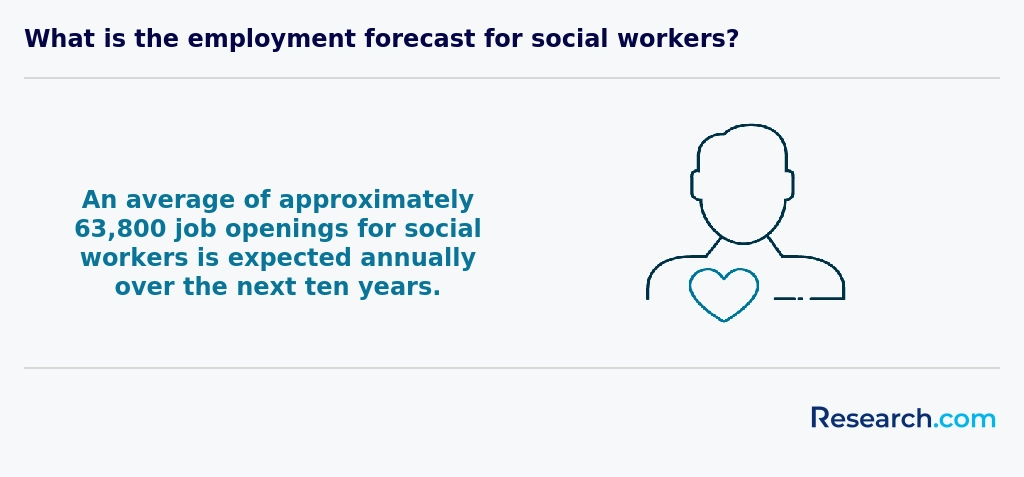
- The job market in Columbia for social and community service roles is expected to grow by about 10% over the next decade, higher than the national average.
- Employers in Columbia often value accredited online degrees the same as traditional ones for employment opportunities.
- Students can gain practical experience through internships and practicum placements at local agencies despite studying online.
- Financial aid, including scholarships and grants, is available to help manage tuition costs for online human services students.
Completing an online human services degree in Columbia usually takes around two years for an associate degree and about four years for a bachelor's degree when studying full-time. Many graduates from popular institutions like the University of Missouri or Columbia College reflect on how balancing work and family while studying online made the flexible pacing options invaluable. Some found accelerated tracks especially helpful, finishing a bachelor's degree in as little as three years by leveraging prior credits and focused course loads.
One common experience among these students is managing practical components such as internships remotely, which can slightly extend the timeline but deepen professional skills. The ability to tailor study intensity each term means some finish faster, while others take a bit longer to juggle life's demands - a reality many adult learners face.
This balance of structure and flexibility in Columbia's online programs makes earning a human services degree both attainable and rewarding, fostering a sense of accomplishment as students progress at a pace that fits their unique circumstances.
Graduates from universities in Columbia often reflect on the contrasting experiences between online and on-campus human services degrees. Those who chose the traditional route cherish the vibrant classroom interactions and spontaneous discussions with professors, which deepened their understanding and helped build a supportive peer network. Attending scheduled classes on campus, like at the University of Missouri, also meant easier access to local agencies for meaningful internships-an invaluable step toward real-world application and licensure.
Conversely, online graduates appreciate the flexibility to tailor their study around work and family commitments. They often describe the freedom of accessing lectures anytime, which suited their busy lives in Columbia. While they needed to proactively seek internship placements, completing fieldwork in their own communities brought a unique, personal connection to their learning journey. Some found virtual academic support varied but valued the convenience of remote counseling and library access.
The average cost of an online human services degree in Columbia typically centers around $29,800, reflecting a balance between quality education and financial investment. Many graduates from well-known institutions in the area recall navigating tuition rates that align closely with this figure, appreciating the value of flexible, accredited online programs that support their personal and professional growth. Those exploring online human services degree tuition and fees Columbia MO encounter a range of expenses influenced by whether the school is public or private, as well as credit hour requirements.
Public universities often provide a more affordable pathway, with per-credit costs that remain accessible for residents, making it easier to manage budget concerns while pursuing education remotely. Graduates frequently mention how additional costs like technology fees or books were anticipated and incorporated into their planning, helping avoid surprises that could affect their academic progress. Meanwhile, private colleges tend to charge higher tuition, typically reflecting enhanced resources or specialized program features.
Prospective students in Columbia are encouraged to examine all costs carefully, considering not only tuition but also fees that contribute to a comprehensive learning experience. Finding an affordable human services degree online accredited helps many feel confident in their choice, knowing they have invested wisely in a degree that opens doors to meaningful careers.
Many students pursuing an online human services degree in Columbia find that financial aid is a crucial support on their educational journey. Federal aid, accessed through FAFSA, often becomes the cornerstone, offering Pell Grants up to $7,395 that feel like a breath of fresh air when tuition arrives. Graduates from the University of Missouri frequently recall how these grants eased their financial concerns, allowing them to focus more on learning and less on debt.
State aid through programs like Access Missouri also shines as a reliable resource, especially for residents attending Missouri institutions. Its need-based nature means students balancing work and study can catch a break, making the pursuit feel manageable rather than overwhelming.
Institutional scholarships at Columbia's universities provide another hopeful avenue. Many online learners have shared how university-specific scholarships rewarded their dedication and academic commitment, fostering a sense of belonging and encouragement.
Employers in Columbia often stepping in with tuition reimbursement add a personal touch to funding, demonstrating local support for career growth in human services. For working professionals, this makes continuing education not only attainable but also rewarding.
Enrolling in an online human services degree program in Columbia typically begins with a high school diploma or GED, setting the foundation for future success. Graduates from institutions like the University of Missouri - Columbia often reflect on how meeting this basic requirement gave them confidence to pursue further studies. For bachelor's programs, the expectation of a minimum 2.5 GPA on prior transcripts ensures students are ready for the academic journey ahead. Many find submitting official transcripts and personal statements adds a meaningful layer, enabling admissions to understand their genuine commitment to helping others.
Applicants may also provide letters of recommendation, which some students have described as a chance to showcase their passion and character beyond test scores. While background checks can feel intimidating, they help protect vulnerable populations, a value many graduates deeply appreciate. Even though SAT or ACT requirements are fading, checking each program's details is wise. The ability to transfer prior credits often brings relief to adult learners, shortening the path to their goals while balancing life's demands in Columbia.
Graduates from well-known Columbia institutions often reflect on how foundational courses, such as Introduction to Human Services, deeply shaped their understanding of the profession's core values and history. These classes framed real-life challenges they faced working within diverse communities, helping them develop empathy and clarity about their purpose.
Courses like Case Management proved indispensable, teaching students to assess individual needs and coordinate appropriate services-skills they applied while volunteering or during internships at local health and social service agencies. These experiences prepared them for the nuanced realities of helping others.
Psychology and Counseling Techniques offered graduates vital tools for engaging with clients in crisis, equipping them with compassion and practical strategies. Meanwhile, Ethics and Professionalism courses grounded their decisions in integrity, especially when handling sensitive cases prevalent in Missouri's social landscape.
Programs also emphasize Social Welfare Policy and Research Methods and Statistics to help students understand systemic issues and assess program effectiveness. This blend of theory and application, common in Columbia's online offerings, inspires confidence and readiness among students entering the human services field.
Online human services degree specializations Columbia MO often include focused areas that align with community needs and personal passion. Graduates from local institutions frequently emphasize how concentrations like Substance Abuse and Addiction Counseling equip them to meet rising addiction challenges in Missouri's healthcare settings. Similarly, Mental Health and Counseling specializations are popular for those eager to provide support in a society increasingly aware of psychological well-being, reflecting a strong regional demand.
Other notable options include Gerontology, which resonates deeply with students mindful of Missouri's aging demographics, as they prepare for roles advocating for older adults. Youth and Family Services provides practical approaches for working with young people and their families, bringing hope and resilience to local social programs. Community Outreach and Advocacy appeals to those driven by policy change, enhancing skills essential for effective program development within Columbia's nonprofit sphere. Students at well-known universities choose these paths because they reflect real-world impact, blending flexible online learning with tangible community service.
Exploring these Columbia Missouri online human services concentration options allows students to refine their careers thoughtfully. For those seeking advanced education, many turn to the best online masters in human services degree programs that further deepen their expertise and broaden their professional horizons.
Choosing the best online human services degree Columbia MO demands a sharp focus on programs that offer not only solid academic credentials but also practical, hands-on learning opportunities. Graduates from universities in Columbia often share how courses combining theory with community engagement, such as case management and ethics, helped them feel confident stepping into real-world roles. A well-accredited program, ideally recognized by bodies like the Higher Learning Commission, ensures your education holds value well beyond graduation.
Affordability is another key factor. Many students appreciate programs at local institutions like the University of Missouri, which balance competitive tuition rates with quality education. This is especially important when seeking affordable online human services programs Columbia, where cost savings from reduced commuting and housing can make a real difference.
Flexibility also plays a major role for those juggling work and study. Asynchronous courses, combined with reliable support services, create a smoother path to completion, as many graduates have experienced. Considering employment outcomes linked to these degrees, you may want to explore careers with a degree in social services to see how your education can translate into meaningful jobs.

Graduates with an online human services degree in Columbia often find themselves drawn to roles that deeply impact individual lives and communities. Many secure positions as case managers or community outreach coordinators, where they engage directly with clients, helping to connect them with vital resources. Others become mental health technicians or rehabilitation specialists, applying their knowledge to support vulnerable populations like seniors and children. Students from popular local institutions, such as those at Columbia College or the University of Missouri, often share how their experiences in these roles foster a rewarding sense of purpose and connection.
Beyond frontline positions, many graduates explore human services degree career options Columbia Missouri offers in program management or policy development. These paths allow one to shape community initiatives or oversee grants within nonprofits or local government, tapping into Columbia's expanding social service network. For those seeking further advancement, certifications or graduate studies open doors to counseling or social work.
With strong growth projected in online human services jobs in Columbia MO, it's encouraging to know that an online degree can provide both flexibility and meaningful career opportunities. For a broader understanding, consider exploring careers with human services degree that highlight diverse possibilities.
The job market for graduates with an online human services degree in Columbia is encouraging, with steady opportunities emerging from local government agencies, nonprofits, and healthcare facilities. Graduates from popular institutions such as the University of Missouri describe finding rewarding roles that involve client advocacy, resource coordination, and mental health support. These roles are often fulfilling and align with the region's emphasis on community welfare and social assistance.
Those pursuing online human services jobs Columbia can expect the local economy to support growth in this sector, driven by a demand for compassionate, skilled professionals who can navigate the complexities of social services. The flexibility of online programs allows students to gain practical experience while managing other commitments, which many graduates have found essential to their success.
With median wages around $33,000 and the possibility of higher earnings for specialized roles, the investment in an online degree is reasonable, especially given local tuition rates. Students looking to deepen their knowledge might explore best human services master's degree careers, which can further expand job prospects and career growth.
2027 Easiest Online Human Services Degree Programs Ranking in Columbia, MO
Investing in your education is a significant decision that can shape your future, and the Research.com team understands the importance of making informed choices. To support prospective students exploring human services degrees in Columbia, MO, we have carefully developed the "2027 Easiest Online Human Services Degree Programs Ranking in Columbia, MO." Our dedication to quality, credibility, and accuracy is demonstrated through rigorous research and detailed analysis applied in creating this ranking.
We utilized the following reputable data sources to ensure a comprehensive evaluation of human services programs:
By exploring this ranking, readers will gain valuable insights into the most accessible online human services degree programs in Columbia, MO, helping them make well-informed decisions that align with their educational goals. For more information on how this ranking was created, please visit our Research.com methodology page.

Frequently Asked Questions About human services
Online human services degree students in Columbia can maximize their learning by actively engaging with course materials and participating in virtual discussions. Many programs incorporate interactive elements such as case studies and role-playing that enhance practical skills essential for this field. Utilizing Columbia's local resources, like internships with social service agencies, can provide valuable hands-on experience.
Time management is crucial; setting a consistent study schedule helps balance coursework with personal responsibilities. According to the Missouri Department of Higher Education, students who allocate dedicated weekly study hours improve retention by 25%.
Additionally, connecting with faculty and peers through online forums fosters a supportive learning community, helping students stay motivated and informed about recent developments in human services.
The human services field is expanding with several emerging niches that address evolving community needs. One growing area is gerontology, focusing on aging populations, which is important as Columbia's senior demographic steadily increases, reflecting national trends. According to the Missouri Economic Research and Information Center, demand for professionals skilled in elder care and advocacy is rising.
Another niche is trauma-informed care, which emphasizes understanding trauma's impact on individuals. This approach is gaining traction in social services, driven by increasing awareness of mental health. Additionally, roles specializing in substance abuse recovery and behavioral health integration are expanding, responding to the opioid crisis affecting Missouri.
Human services careers now often require cross-disciplinary knowledge, including technology use for remote client support. These niches offer diverse opportunities for students pursuing online degrees in Columbia.
After finishing an online human services degree in Columbia, preparation for the job market is essential. Start by gaining practical experience through internships or volunteer positions, which many programs encourage. Employers in Columbia often value real-world skills alongside academic credentials.
Networking is crucial; connect with local organizations like the Columbia Public Health Department or nonprofit groups. The Missouri Economic Research and Information Center reports a steady increase in demand for human services professionals in the state, emphasizing a competitive job market. Consider professional certifications, such as the Certified Human Services Practitioner (CHSP), to strengthen your resume.
Additionally, refine your communication and organizational skills, as these are key in this field. Job seekers should utilize Columbia's career services and attend local job fairs to explore opportunities effectively.
Employers in Columbia, MO, increasingly value human services degree graduates who demonstrate strong communication skills, critical thinking, and cultural competence. These skills enable professionals to effectively assist diverse populations and navigate complex social systems. According to the Missouri Department of Higher Education, graduates with proficiency in case management and crisis intervention are especially sought after, reflecting local community needs.
Additionally, understanding ethical standards and confidentiality is critical for human services workers, ensuring trust and professionalism. Data from the Bureau of Labor Statistics highlights that adaptability and problem-solving abilities also improve job prospects in this sector. Mastery of these skills prepares graduates for roles in agencies supporting mental health, housing, and family services in Columbia.
Finding internships in Columbia relevant to a human services degree involves exploring local agencies and organizations that provide community support. Many students connect with providers like the Columbia Housing Authority or the Boone County Department of Health and Human Services, which frequently offer internship opportunities. The University of Missouri's Human Development and Family Science department also posts listings for nearby internships.
Students should use the Missouri Career Center, which offers resources and guidance specifically for internships and jobs in human services. Networking through professional groups like the Missouri Human Services Council can also be valuable.
Online degree students can often complete internships locally, gaining hands-on experience required for licensing in social work or counseling fields.
Obtaining an online human services degree in Columbia, MO, significantly enhances career mobility and advancement opportunities within the local social services sector. Columbia is home to numerous organizations that employ human services professionals, including community centers and healthcare agencies. According to the Missouri Economic Research and Information Center (MERIC), the demand for social and community service managers in the region is projected to grow by 10% through 2030, faster than the average for all occupations.
Online degrees provide flexible access to accredited programs, allowing working professionals in Columbia to develop specialized skills without interrupting their careers. This flexibility contributes to quicker promotions and salary increases. Additionally, many employers in the area recognize online human services degrees as equivalent to traditional degrees, particularly when earned from regional accredited institutions.
Professional certifications, often attainable through online degree programs, also play a key role in career advancement. Certifications such as Certified Human Services Professional (CHSP) can improve competitive standing in Columbia's job market and lead to roles with greater responsibility and higher pay. Overall, an online degree in human services equips Columbia residents with the credentials and expertise sought by local employers, facilitating upward career trajectories.
Studying for an online human services degree in Columbia, Missouri, equips students with skills that span multiple disciplines, preparing them for diverse roles in social work, psychology, public health, and community outreach. Programs typically emphasize collaboration, critical thinking, and ethical decision-making, which are essential for interdisciplinary teamwork.
Columbia's proximity to major research institutions like the University of Missouri provides access to resources and updated curriculum aligned with current workforce needs. According to local workforce data, over 30% of human services roles in Columbia require knowledge in allied fields such as counseling and healthcare administration.
This interdisciplinary training ensures graduates can effectively address complex social challenges by integrating approaches from various sectors.
When choosing between a thesis and a non-thesis online human services degree program in Columbia, consider your career goals first. Thesis programs typically focus on research, preparing students for graduate studies or roles requiring strong analytical skills. Non-thesis options emphasize practical experience and coursework, which may suit those aiming for direct service positions. According to the Council for Standards in Human Service Education, thesis programs often require about 6-9 credit hours dedicated to research projects. In Columbia, where community agencies value applied skills, a non-thesis degree may offer quicker entry into the workforce. Assess your personal interests and time commitment before deciding.
Students based in Columbia, Missouri, interested in human services degrees have multiple online options offered by U.S. institutions. Many accredited universities nationwide provide fully online bachelor's and master's programs in human services, allowing flexibility for those living in Columbia. Students should prioritize programs recognized by the Council for Standards in Human Service Education (CSHSE) for quality assurance.
Popular online programs often feature coursework in social welfare, counseling, and community outreach, equipping graduates for roles in human services agencies within Missouri and beyond. According to the Missouri Department of Higher Education & Workforce Development, demand for social work and human services specialists in Columbia is projected to grow by 8% through 2030, highlighting career prospects for graduates.
While students cannot enroll in foreign university programs directly in Columbia, U.S.-based online degrees with international perspectives are accessible. These programs may include global case studies or partnerships with overseas organizations to broaden student exposure.
Columbia, Missouri offers various part-time job opportunities that can complement an online human services degree. Roles such as case aides, community outreach assistants, and administrative support in local nonprofit organizations provide valuable hands-on experience. These positions often align with coursework in counseling, social work, and program coordination.
According to the Missouri Economic Research and Information Center, social and human service assistant roles in Columbia have seen steady demand, with an average salary around $32,000 annually. Part-time involvement in these roles can enhance practical skills and support networking within the community.
Additionally, universities and healthcare providers in Columbia frequently offer part-time openings in support services, which are beneficial for students pursuing human services degrees.
Online human services students in Columbia, MO, have multiple networking opportunities that can enhance their educational experience. Many universities with online programs encourage participation in virtual student groups focused on human services, allowing students to connect with peers statewide and nationally. Additionally, Columbia's local professional organizations, such as the Missouri Chapter of the National Association of Social Workers (NASW), offer membership and events accessible to online students.
Internships and fieldwork placements are commonly coordinated with local agencies in Columbia, providing in-person networking with professionals in the field. This hands-on experience is crucial for building regional connections and finding future job opportunities.
Moreover, several online degrees include access to alumni networks and career resources that support ongoing professional relationships. According to the University of Missouri System, 65% of human services graduates find employment through networking during or shortly after their studies.
Alumni networks offer significant advantages to students pursuing online human services degrees in Columbia, Missouri. These networks connect current students with graduates who understand the local workforce and community needs. According to the University of Missouri System, strong alumni ties can improve job placement rates by providing mentorship and insider advice on local employers.
In Columbia, which boasts several social service organizations, alumni often share job openings and internship opportunities that might not be publicly advertised. Networking events and online platforms sponsored by universities help students build professional relationships crucial for career advancement.
Additionally, alumni connections provide emotional support and career guidance, important for navigating the human services field which demands interpersonal skills and resilience. Overall, leveraging alumni networks allows online students to gain practical insights and improve their chances of employment within the Columbia community.
Students in Columbia can customize their online human services degree programs by selecting elective courses aligned with their career interests, such as addiction counseling, social work, or nonprofit management. Many programs offer internship opportunities with local agencies, enabling practical experience tailored to specific fields. Columbia's proximity to organizations like the Missouri Department of Mental Health provides valuable placement options.
Additionally, some universities allow students to choose between research-focused or practice-oriented tracks to better suit their professional goals. Coursework flexibility and access to faculty advisors help students design a path that matches Columbia's growing demand for human services professionals in social assistance and public health sectors.
Online human services students in Columbia, MO, often face challenges related to balancing studies with personal and professional responsibilities. According to the National Center for Education Statistics, many adult learners juggle work and family while pursuing degrees.
Technological issues can also hinder progress; reliable internet and familiarity with online platforms are essential but not always guaranteed. Columbia's local internet access statistics indicate some households still experience connectivity problems.
Another common challenge is limited hands-on experience. Human services education emphasizes practical skills, which can be harder to develop remotely without supervised internships or fieldwork.
Lastly, staying motivated in an online environment requires strong self-discipline, as students miss the in-person support typical on traditional campuses.
Graduates with an online human services degree in Columbia can pursue several professional certifications to enhance their career prospects. Popular certifications include the Certified Human Services Professional (CHSP) and the National Certified Counselor (NCC), both recognized nationally in the US.
These certifications often require a combination of education, supervised experience, and passing an exam, which aligns well with knowledge gained in accredited online programs. Local organizations, like the Missouri Department of Social Services, value these credentials for frontline social work and counseling roles.
Additional certifications such as Certified Addictions Counselor (CAC) or Certified Case Manager (CCM) provide further specialization for those focused on substance abuse or care coordination. Completing these may increase job opportunities in Columbia's growing social service sector, supported by data from the Bureau of Labor Statistics showing steady demand growth in these fields.
To write a winning application for an online human services program in Columbia, MO, start by clearly demonstrating your passion for helping others. Admissions committees value applicants who show genuine commitment to human services careers. Highlight relevant volunteer or work experience, especially within the local community or social service agencies.
Next, tailor your personal statement to reflect the unique aspects of Columbia's needs, such as addressing rural and urban service challenges. Incorporate data from sources like the Missouri Department of Social Services to illustrate your understanding of local issues.
Strong letters of recommendation from professionals familiar with your skills in human services can greatly enhance your application. Lastly, ensure you meet all application requirements by carefully reviewing guidelines provided by schools in Columbia to avoid common errors.
The human services career is increasingly viewed through a global lens, emphasizing cross-cultural understanding and collaboration. Professionals in this field address diverse social challenges, often informed by international standards from organizations such as the United Nations and the World Health Organization. In the United States, including places like Columbia, MO, human services professionals focus on community welfare, mental health, and social justice.
According to the U.S. Bureau of Labor Statistics, employment in human services is expected to grow 13% from 2021 to 2031, reflecting a rising global demand for support roles. This growth aligns with worldwide efforts to improve health and social services.
Columbia's online degree programs offer students the flexibility to gain knowledge that is relevant both locally and globally, preparing graduates to contribute effectively in diverse settings.
Gaining practical experience while pursuing an online human services degree in Columbia is crucial for career readiness. Many programs encourage students to complete internships or practicums at local agencies, such as mental health centers or social service organizations. Columbia, MO, has a growing network of nonprofits and government programs offering such opportunities.
The Missouri Department of Mental Health reports that hands-on training helps students apply classroom knowledge to real-world challenges, enhancing skills like client interaction and case management. Some schools also facilitate partnerships with Columbia's community services to place students in supervised roles.
Flexible scheduling and virtual supervision accommodate online learners, making practical experience feasible alongside coursework.
Choosing the right concentration within an online human services degree program in Columbia involves understanding local workforce needs and your career goals. Columbia, MO, has a growing demand for professionals in mental health, substance abuse counseling, and social work, according to data from the Missouri Department of Higher Education and Workforce Development.
Consider concentrations like mental health services, aging services, or community outreach that align with these demands. Research job growth projections, which indicate a 10% increase in human services roles statewide through 2030, to select a path with strong employment prospects.
Evaluate programs based on course flexibility and fieldwork options relevant to Columbia's service agencies to ensure practical experience. Accreditation and faculty expertise are also key for quality education.
- Human Services Pathway - Love Columbia https://lovecolumbia.org/human-services-pathway
- Human Service Week - List of ideas for topics for student groups https://www.human-service-week.org/past-human-service-weeks/human-service-week-2024/list-of-ideas-for-topics-for-student-groups
- 2025 Most Affordable Online Human Services Degrees https://www.onlineu.com/most-affordable-colleges/human-services-degrees
- What can you do with a bachelor's in human services? | edX https://www.edx.org/resources/what-can-you-do-with-a-bachelors-in-human-services
- 25 Best Online Human Services Degree Programs - Social Work Degree Center https://www.socialworkdegreecenter.com/best-online-human-services-bachelors/
- What is Human Services https://www.nationalhumanservices.org/what-is-human-services/
- Social Work & Human Services https://gocolumbia.edu/academics/programsofstudy/area_social_behavioral_sciences/social_work_and_human_services.html
- How To Navigate Human Services Challenges in 2026 https://nctinc.com/blog/how-to-navigate-human-services-challenges-in-2026/
- Utilize Your Alumni Networks https://www.keg.com/news/ways-to-use-your-alumni-networks-for-the-better
- 10 Effective Ways to Build Networking Skills in Community Services https://tsa.edu.au/ways-to-build-networking-skills-in-community-services/