
2027 Fastest Online Master's in Forensic Psychology Degree Programs Ranking in the USA

Co-Founder and Chief Data Scientist
Exploring a career in forensic psychology can open doors to impactful and rewarding opportunities. If you're considering advancing your education, finding the right program is key.
This article introduces the 2027 Fastest Online Master's in Forensic Psychology Degree Programs Ranking in the USA, developed by the Research.com team of data scientists. It's designed to help you identify programs that combine quality with speed, so you can achieve your goals efficiently.
Whether you want to deepen your expertise or start a new journey, this ranking offers valuable insights to guide your decision. Get ready to find a program that fits your ambitions and lifestyle.
Key benefits of getting online forensic psychology degree in America
- Graduates with a forensic psychology degree often find rewarding careers in fields like criminal psychology or counseling, where salaries typically range around $60,000 to $90,000 annually, reflecting solid earning potential.
- Forensic psychology graduates from well-known universities, such as the University of California, have diverse career options including law enforcement consulting, legal advocacy, and mental health assessment, offering exciting professional opportunities.
- Obtaining a forensic psychology degree online, like through Arizona State University, provides flexibility and accessibility, allowing students to balance work and study while gaining quality education without relocating.
What can I expect from online forensic psychology degree in America?
The average cost of an online forensic psychology degree in America typically ranges between $15,000 and $40,000, depending on the institution and program length. For example, graduates from well-known state universities often find their total tuition falls near the lower end, especially if they qualify for in-state rates or financial aid. Private colleges may charge more, but students appreciate the smaller class sizes and personalized support.
Many students report that breaking down payments semester by semester makes managing expenses less stressful. One common approach is enrolling part-time initially, as some programs allow, which spreads out tuition costs while balancing work or family commitments. Others share how budgeting carefully for additional fees, such as textbooks and practicum placements, made a big difference in their overall experience.
While scholarships and employer tuition reimbursement can reduce out-of-pocket costs, researching these options early is essential. Graduates often recommend starting by exploring schools like Arizona State University or Walden University, as their forensic psychology degrees combine affordability with solid reputations and flexible pacing.
Where can I work with online forensic psychology degree in America?
Graduates with an online forensic psychology degree in America frequently find work within the criminal justice system, collaborating with law enforcement agencies to evaluate suspects or support court cases. For example, alumni from universities like Arizona State often share how their training prepared them to assist in competency assessments and provide expert testimony.
Many apply their skills in correctional facilities or rehab centers, working directly with inmates on mental health plans and risk assessments. This hands-on experience, common among graduates from institutions such as John Jay College, offers rewarding opportunities to reduce recidivism and support rehabilitation.
Other graduates pursue roles at federal agencies like the FBI or DEA, where clearance and certifications are crucial. These positions involve profiling and threat assessment, applying forensic psychology principles to high-stakes real-world investigations.
Private practice is also popular, especially for those wanting flexibility. Graduates often consult for attorneys or insurance firms, tackling custody disputes or injury claims. This route offers autonomy and the chance to specialize, as reported by former students from Florida State University.
Finally, some use their degree to enter academia or research, often continuing to doctoral studies. Universities known for their forensic programs provide stepping stones toward these careers, combining intellectual engagement with practical impact.
How much can I make with online forensic psychology degree in America?
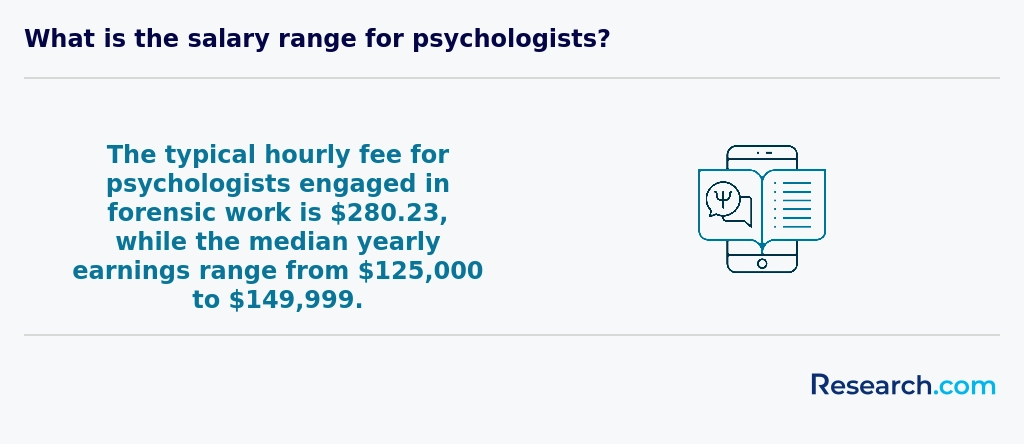
Graduates with an online forensic psychology degree in America can expect starting salaries between $50,000 and $60,000, especially if entering entry-level roles or assistant positions. Those who completed programs at well-known institutions like John Jay College of Criminal Justice or University of Florida have reported landing jobs in corrections or local law enforcement agencies, where salaries tend to range from $70,000 to $100,000 annually. Mid-career professionals typically earn between $80,000 and $110,000, particularly when working in government or private sectors that value forensic expertise.
Some graduates pursuing advanced certifications or doctoral degrees see their earnings climb to $120,000 or more. For example, board-certified forensic psychologists often secure positions providing expert testimony or consulting for legal cases, leading to higher pay.
Location plays a key role: those in states like California or New York often earn more due to demand and higher living costs. Graduates starting their careers in these areas report feeling encouraged by the competitive salaries, which support both professional growth and personal stability.
- Key benefits of getting online forensic psychology degree in America
- What can I expect from online forensic psychology degree in America?
- Where can I work with online forensic psychology degree in America?
- How much can I make with online forensic psychology degree in America?
- How do we rank schools?
- 2027 Fastest Online Master's in Forensic Psychology Degree Programs Ranking in the USA
- What online forensic psychology degree graduates have to say
- Key Findings
- How long does it take to complete online forensic psychology degree in America?
- What's the difference between online and on-campus forensic psychology degree?
- What is the average cost of online forensic psychology degree in America?
- What financial aid is available to online forensic psychology degree students in America?
- What are the prerequisites for enrolling in online forensic psychology degree program in America?
- What courses are typically in online forensic psychology degree programs in America?
- What types of specializations are available in online forensic psychology degree programs in America?
- How do you choose the best online forensic psychology degree in America?
- What career paths are available for online forensic psychology degree students in America?
- What is the job market for online forensic psychology degree in America?
- Frequently Asked Questions About forensic psychology
- Top Trending Forensic Psychology Rankings
How do we rank schools?
Investing in your education is a significant decision that can shape your future, and the Research.com team understands the importance of making informed choices. To assist prospective students interested in forensic psychology, we have meticulously developed the "2027 Fastest Online Master's in Forensic Psychology Degree Programs Ranking in the USA." Our dedication to quality, credibility, and accuracy is demonstrated through the thorough research and analysis that underpin this ranking.
We utilized the following reputable data sources to ensure a comprehensive evaluation of forensic psychology programs:
By exploring this ranking, readers will gain valuable insights into the fastest online forensic psychology programs, enabling them to make well-informed educational decisions aligned with their career goals. For more information on how this ranking was created, please visit our Research.com methodology page.
2027 Fastest Online Master's in Forensic Psychology Degree Programs Ranking in the USA
# 1 position

Nova Southeastern University offers a Master's program focused on Forensic Psychology and Psychology, designed to be completed in 24 months. With a graduation rate of 63%, the program admits students at a less selective rate of 73%. About 1,736 students are enrolled online, and all students benefit from high levels of financial aid. The average total cost of the program is $32,220.
# 2 position

The University of North Dakota offers a Master's program focused on Forensic Psychology and Psychology. The 24-month program has an open admission policy with a 77% acceptance rate. It enrolls 3,333 online students and has a 60% graduation rate. A high level of financial aid is available, with 95% of students receiving support.
# 3 position
Walden University
Master
Walden University offers a Master's program focused on Forensic Psychology and Psychology, serving a large online student body of 52,188. The average total cost for the program is $23,030, with 100% of students receiving financial aid, indicating high support for students. While data on graduation and acceptance rates is not available, the program's accessibility and financial aid make it a viable option for prospective students interested in these psychology fields.
# 4 position
Trine University
Master
Trine University offers a Master's degree program focused on Forensic Psychology and Psychology with an open admission acceptance rate of 85%. Approximately 96% of students receive financial aid, reflecting a high level of support. The program has a graduation rate of 64%, indicating a majority of students complete their studies successfully. With 2,090 online students enrolled, it provides accessible education at an average total cost of $20,340.
What online forensic psychology degree graduates have to say
- "Studying online at John Jay College gave me the flexibility to balance work and family while pursuing my degree in forensic psychology. The professors were incredibly supportive, and the coursework was engaging and practical. This program truly prepared me for a meaningful career in criminal justice." - Emily
- "The University of California's online forensic psychology program provided cutting-edge research opportunities and interactive learning tools. I loved how the curriculum integrated real-world cases. It boosted my confidence and deepened my understanding of criminal behavior, which has been invaluable in my career." - Marcus
- "Arizona State University's forensic psychology program offered a dynamic online experience that felt just as rigorous as on-campus studies. The collaborative projects helped me connect with peers nationwide, creating a strong network. This degree was a perfect fit for my busy schedule and career goals." - Isabella
Key Findings
- Tuition for online forensic psychology master's degrees ranges from $15,000 to $35,000, varying by school and program format.
- Some programs charge per credit hour, typically between $500 and $900, while others use a flat-rate tuition model.
- Entry-level salaries for forensic psychology graduates usually start around $50,000 to $60,000 per year.
- Experienced professionals can earn $80,000 or more annually within five to ten years, depending on employer and location.
- The job market is expected to grow by about 14% from 2022 to 2032, reflecting increased demand in criminal justice and mental health fields.
- Licensure or certification may be required in some states, so verifying state-specific rules is important before enrolling.
How long does it take to complete online forensic psychology degree in America?
Completing an online forensic psychology degree in America typically depends on the level you choose and how you balance your time. For master's degrees, most students at universities like Arizona State University or University of North Dakota finish between 18 months to 3 years. Graduates often recall juggling work and family commitments, finding that part-time pacing eases stress but extends duration to about three years. Those in accelerated programs spend 12 to 18 months on an intensive schedule, appreciating the faster route despite its demanding pace.
Bachelor's degrees usually take 4 to 5 years, similar to traditional programs. Many students at schools like Walden University find this timeline fits well with online formats, allowing steady progress without overwhelming pressure.
Doctoral programs stretch from 4 to 7 years, including clinical internships that require in-person attendance, which graduates agree adds valuable hands-on experience despite the longer timeline. Understanding these typical durations helps you plan a realistic and motivating path toward your forensic psychology goals.
What's the difference between online and on-campus forensic psychology degree?
Choosing between online and on-campus forensic psychology degrees in America means weighing flexibility against hands-on experience. Graduates from popular schools like John Jay College highlight how online programs offer unmatched freedom to study late at night or during work breaks-perfect for those balancing jobs or family. However, they also share that on-campus students at institutions like Loyola University Chicago enjoy easier access to internships directly connected to local forensic labs, which enhances practical skills.
Cost plays a big role too. Online students often save on housing and commuting, with tuition sometimes ranging closer to $12,000 annually, compared to on-campus costs that can push $30,000 plus living expenses. Yet, online learners must proactively secure their own practicum placements, which can require extra research and initiative.
Networking differs notably. On-campus attendees naturally build relationships through daily interactions, while online students rely on virtual forums and periodic residencies, needing a proactive mindset to connect with peers and faculty effectively.
Always confirm that your chosen program, online or on-campus, holds regional and professional accreditation to ensure your degree opens doors in America's competitive forensic psychology job market.
What is the average cost of online forensic psychology degree in America?
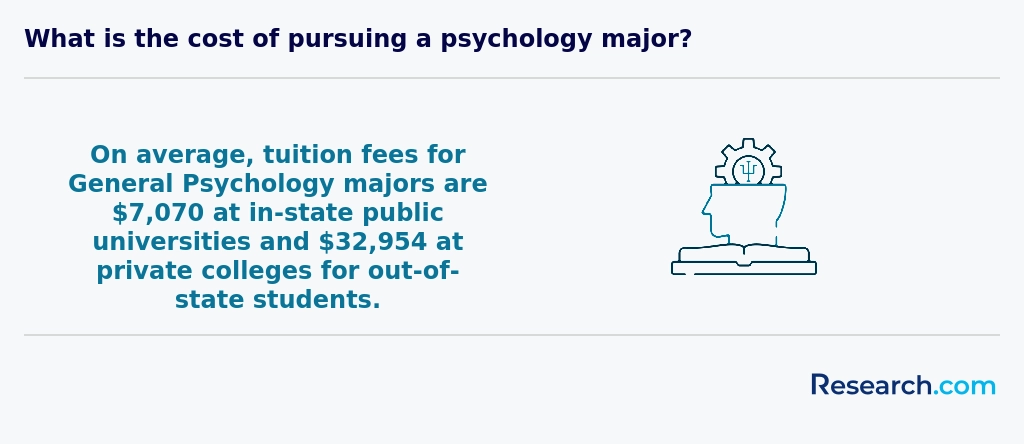
The average cost of an online forensic psychology degree in America centers around a median total of about $23,940. Many graduates recall balancing tuition with their daily lives, attending well-regarded state universities that offer online programs with per-credit tuition ranging from $300 to $600. This cost efficiency is attractive for students who are managing expenses and aiming to complete 30 to 40 credit hours required for their degree. For instance, a graduate from a popular state university found that paying in-state tuition significantly eased their financial burden while pursuing specialized courses.
On the other hand, private universities with renowned forensic psychology faculties may charge between $800 and $1,200 per credit hour, lifting total tuition closer to $40,000 or beyond. Graduates from these institutions often share that the premium pricing felt justified due to small class sizes, personalized mentorship, and networking opportunities critical for entering sectors like criminal justice. When budgeting, remember to include costs for textbooks, software, or occasional on-campus visits, though many programs aim to reduce these additional expenses.
Many prospective students assess total expenses for forensic psychology master's programs in the USA by exploring financial aid opportunities and scholarships offered by their chosen schools. It's practical to review if the program meets licensure or certification standards, as this impacts both cost and career trajectory. Those seeking guidance on affordable options may benefit from checking forensic psychology master's programs online, which list institutions balancing quality and cost efficiently.

What financial aid is available to online forensic psychology degree students in America?
For students pursuing an online forensic psychology degree in America, securing financial aid starts with completing the FAFSA form to unlock federal resources. Graduates from well-known programs at universities like John Jay College or Arizona State University often rely on Federal Direct Loans, which come with fixed interest rates and flexible repayment plans, easing the stress of tuition fees that can reach upwards of $60,000.
Many students share how federal Pell Grants and Work-Study jobs helped cover some expenses, especially when combined with scholarships from their schools. Institutions commonly offer merit- or need-based scholarships that don't require repayment, so checking the financial aid pages of your chosen university is key.
Some graduates also emphasize the value of professional grants from organizations like the American Psychological Association, which provide targeted support for forensic psychology students. Employers often offer tuition reimbursement programs, a practical benefit when working in related fields.
Lastly, state grants and loan repayment programs make a noticeable difference for residents studying online, providing additional relief based on locality.
What are the prerequisites for enrolling in online forensic psychology degree program in America?
To enroll in an online forensic psychology degree program in America, you must first have a bachelor's degree from an accredited U.S. institution or an equivalent. Graduates from well-known universities often recommend completing your undergraduate studies in psychology, criminal justice, or closely related fields. However, some colleges allow admission with diverse academic backgrounds if you've taken prerequisite courses in psychology or behavioral sciences.
A minimum GPA of 2.5 to 3.0 is generally required, though top-ranked programs may expect higher. One graduate from a respected university shared that aiming for a GPA above 3.0 helped strengthen their application and prepare them for the demanding curriculum.
Most programs require letters of recommendation and a personal statement. These help showcase your motivation and ability to handle forensic psychology's interdisciplinary challenges. Relevant work or volunteer experience related to psychology or criminal justice is a plus, adding practical insight-especially for those balancing studies with a job.
- A bachelor's degree from an accredited U.S. institution or its equivalent
- Minimum GPA usually between 2.5 and 3.0
- Prerequisite coursework in psychology or related areas
- Letters of recommendation and personal statement
- Relevant professional or volunteer experience, preferred but not always required
What courses are typically in online forensic psychology degree programs in America?
Online forensic psychology degrees in America typically include courses that blend psychology with the legal system to prepare you for real-world roles. Common classes like Introduction to Forensic Psychology help you understand how psychological principles apply to criminal cases, something graduates from well-known universities found particularly eye-opening when analyzing case studies.
Courses such as Psychopathology and Criminal Behavior dig into mental disorders and crime patterns, helping you grasp what drives offenders-crucial knowledge shared by students from popular programs like those at state universities. Legal and Ethical Issues in Forensic Psychology teach you the rules professionals must follow, a topic graduates recall as essential for passing certification exams.
Hands-on courses like Forensic Assessment and Evaluation train you to conduct psychological tests used in court, often through practical assignments or internships offered by accredited colleges. Research Methods and Statistics provide tools to analyze data critically, making your decisions evidence-based.
Many programs, especially at respected American colleges, also offer electives like Juvenile Justice or Substance Abuse and Crime, allowing you to tailor your learning to career goals. These courses, combined with interactive lectures and case studies, create an engaging, practical experience that students find both challenging and rewarding.
What types of specializations are available in online forensic psychology degree programs in America?
Online forensic psychology degree programs in America typically offer several practical specializations to tailor your learning and career path. Common tracks include criminal profiling, where graduates analyze behavior patterns to assist law enforcement in solving cases, and juvenile justice, focusing on rehabilitation and legal assessments of young offenders. For example, students at well-known universities find these areas engaging, as they prepare for roles in investigative or court settings.
Victimology specialization allows you to support crime victims through counseling and advocacy, a rewarding focus for those passionate about mental health within the justice system. Legal psychology, popular at many American colleges, explores eyewitness testimony and jury behavior, equipping graduates to work as expert witnesses or legal consultants.
Other concentrations cover substance abuse and mental health challenges among offenders, crucial for work in treatment or correctional facilities. When choosing your path, review curricula carefully at schools known for online forensic psychology specializations USA, to ensure the program matches your career goals.
Many students also explore related fields by considering a forensic science bachelor degree online, expanding their understanding of forensic applications across disciplines.
How do you choose the best online forensic psychology degree in America?
Start by confirming the program's accreditation, ideally from the American Psychological Association (APA) or a regional accreditor like the Higher Learning Commission (HLC). Graduates from accredited programs at popular American universities often emphasize how crucial this was for licensure and employer recognition. Next, consider curriculum relevance: choose forensic psychology degrees that cover criminology, psychological assessment, and legal ethics specifically tailored to the US legal system.
Budget and flexibility also matter. Many students balancing work and life appreciate affordable online forensic psychology master's America options with part-time or accelerated tracks available. Real-world practice opportunities, like internships or case study projects, help bridge theory and application - something graduates frequently highlight as boosting their confidence in forensic roles.
Look into faculty expertise and student support services for guidance throughout your studies. Finally, ensure the program aligns with your career goals by researching outcomes and considering programs commonly recommended alongside clinical psychology masters programs, which offer complementary skills for related careers.
What career paths are available for online forensic psychology degree students in America?
Graduates with an online forensic psychology degree in America often step into diverse roles that blend psychology with the justice system. Many find positions as forensic psychologists conducting assessments for courts, assisting with criminal profiling, and delivering expert testimony. This hands-on work in criminal justice settings appeals to those who want to make a real impact. Others transition into roles such as criminal profilers or consultants for law enforcement agencies, where analyzing offender behavior shapes ongoing investigations.
Popular programs at universities known for their strong forensic psychology offerings help graduates confidently enter careers focused on rehabilitation, like juvenile justice counselors or correctional facility treatment designers. These roles often require additional certification, so early planning around state licensure is key. Many graduates appreciate the practical value of combining a degree from such programs with certifications to open doors in victim advocacy or policy reform.
For students considering cost and flexibility, enrolling in an online psychology degree program offers a direct path to gaining credentials while managing expenses. Career advancement is promising, with federal data showing a positive forensic psychology job outlook United States-wide, making this a pragmatic choice for goal-oriented students.
What is the job market for online forensic psychology degree in America?
The job market for graduates with an online forensic psychology degree in America is growing steadily, with increasing demand in criminal justice, mental health services, and law enforcement agencies. Many graduates from popular universities find rewarding roles as forensic evaluators or correctional treatment specialists. These careers are often accessible with a master's degree, offering positions that support case assessments and rehabilitation programs. Graduates report feeling motivated by the direct impact they have on legal outcomes and offender rehabilitation.
For those aiming for licensed clinical positions or expert testimony work, pursuing online PsyD programs is a practical next step. Students often emphasize that the flexibility of online study helps them balance work and family, easing the financial burden compared to traditional settings.
Regional differences exist; urban areas and states with large criminal justice systems typically provide stronger job opportunities. Factors driving job growth include increased use of psychological evaluations for defendants and law enforcement personnel, along with government funding for mental health initiatives that support online forensic psychology careers USA.
Frequently Asked Questions About forensic psychology
Online forensic psychology students in America can maximize their learning by engaging actively with coursework and utilizing available resources. Pursuing programs accredited by the American Psychological Association or regional accreditors ensures quality education aligned with professional standards. Participating in virtual internships or field experiences can provide practical skills essential for careers that grew 14% from 2020 to 2030, according to the U.S. Bureau of Labor Statistics. Networking with peers and professionals through online forums and associations strengthens understanding of forensic psychology's legal and clinical nuances. Additionally, dedicating scheduled study time and seeking faculty mentorship enhance academic success and career readiness.
Emerging niches in forensic psychology reflect growing demands within the American criminal justice system. Cyberforensics is one notable area, addressing internet crimes and digital evidence interpretation. According to the Bureau of Labor Statistics (BLS), employment for psychologists specializing in legal settings is expected to grow 8% by 2032, emphasizing new roles. Another expanding niche is correctional psychology, focusing on inmate rehabilitation and mental health assessments. Additionally, juvenile forensic psychology addresses youth offenders, a field gaining importance as juvenile crime prevention programs increase nationwide. These niches highlight evolving opportunities for students pursuing online forensic psychology degrees, preparing them for specialized careers in a changing legal landscape.
After completing an online forensic psychology degree in America, preparing for the job market involves a combination of gaining practical experience and networking. Many graduates benefit from internships or volunteering in criminal justice settings, such as correctional facilities or mental health clinics, to build relevant skills and professional contacts. According to the Bureau of Labor Statistics, employment for psychologists, including forensic specialists, is projected to grow 8% from 2022 to 2032, indicating solid opportunities.
Obtaining state licensure is often essential, requiring supervised experience and passing the Examination for Professional Practice in Psychology (EPPP). Joining professional organizations like the American Psychology-Law Society can enhance career prospects through resources and connections. Staying current with research published in journals like "Law and Human Behavior" also supports ongoing professional development.
Employers in the United States value several key skills when hiring graduates with forensic psychology degrees. Strong analytical abilities are essential, as professionals must evaluate complex data from crime scenes, legal documents, and psychological assessments. Critical thinking helps in making evidence-based decisions while understanding legal standards.
Communication skills, both written and verbal, are crucial for producing clear reports and testifying in court. According to the Bureau of Labor Statistics, psychology professionals with forensic training often require proficiency in ethical judgment and cultural competence to work effectively within diverse populations and legal environments.
Additionally, familiarity with research methods and statistical analysis is important, as forensic psychologists frequently contribute to case studies and risk assessments. Technology skills, including experience with forensic software, are becoming increasingly valued in this evolving field.
Finding internships relevant to a forensic psychology degree in America often begins with leveraging university resources. Many online programs partner with local agencies, including law enforcement, mental health clinics, and correctional facilities, to offer practical internship placements. Students should reach out to their program's career services and academic advisors early to explore these connections.
Additionally, national organizations such as the American Psychological Association (APA) and the Society for Police and Criminal Psychology list internship opportunities and foster networking. According to the APA, forensic psychology internships typically require 400-600 practicum hours, emphasizing the importance of accredited programs.
Searching online job boards like those on the U.S. Department of Labor's website can also reveal paid and unpaid internships. Proactivity, combined with clear communication of one's forensic psychology interest, greatly improves chances of securing a valuable internship.
An online forensic psychology degree in America significantly enhances career mobility by providing access to specialized knowledge applicable in diverse fields such as criminal justice, law enforcement, and mental health services. According to the U.S. Bureau of Labor Statistics, employment for psychologists, including forensic specialists, is projected to grow 6% from 2021 to 2031, reflecting rising demand. Online programs allow professionals to gain credentials without relocating, which broadens geographic employment opportunities and supports work-life balance.
Advanced degrees often lead to higher salary potential and eligibility for leadership roles. Forensic psychologists with master's or doctoral degrees can pursue roles like criminal profilers, consultants, or expert witnesses in legal cases. Furthermore, American Psychological Association reports highlight that specialization in forensic psychology boosts professional networking and licensure options, facilitating career advancement in competitive markets.
Studying for an online forensic psychology degree in America equips students with knowledge bridging psychology, law, and criminal justice. Programs often include courses on criminal behavior, mental health assessments, and legal procedures, fostering collaboration skills essential in multidisciplinary teams.
The curriculum prepares graduates to work alongside law enforcement, lawyers, and social workers. According to the American Psychological Association, about 35% of forensic psychologists engage in roles requiring interdisciplinary communication. Such training enhances problem-solving by combining psychological insights with legal standards.
Additionally, students learn research methods critical for contributing to policy development and criminal investigations. These skills reflect the increasing demand for professionals able to navigate complex systems in the US justice environment.
When choosing between a thesis and a non-thesis online forensic psychology degree in America, consider your career goals. A thesis program typically involves conducting original research and writing a detailed paper. This path suits students aiming for research roles or doctoral studies. According to the American Psychological Association, about 60% of forensic psychology graduate programs offer thesis options emphasizing research skills.
Non-thesis programs usually focus on coursework and practical training, ideal for those pursuing applied positions such as criminal profiling or legal consulting. These programs often require a capstone project or internship instead of research.
Evaluating accreditation and faculty expertise is also important. Research-oriented degrees may take longer but provide deeper academic preparation.
American students interested in studying forensic psychology abroad through online programs have several avenues to explore. While the majority of forensic psychology degree programs are offered domestically, some international universities provide online master's degrees recognized in the U.S. These programs often focus on cross-cultural law enforcement, criminal behavior, and legal systems.
Students should verify accreditation, such as recognition by the American Psychological Association (APA) or regional U.S. accrediting bodies, to ensure credits transfer and degrees meet professional standards. According to the Bureau of Labor Statistics, forensic psychology employment in the U.S. is expected to grow 14% by 2032, highlighting the importance of a recognized credential.
Some universities partner with U.S. institutions to deliver blended or fully online degrees, allowing American students to gain international perspectives without relocating. Research on specific programs through official U.S. education resources is recommended to find credible and cost-effective options abroad.
Students pursuing online forensic psychology degrees in America can benefit from part-time jobs that provide relevant experience and complement their studies. Positions such as research assistants in university psychology departments allow students to develop skills in data collection and analysis, crucial in forensic settings. Additionally, working as victim advocates offers practical exposure to the criminal justice system while helping individuals affected by crime.
Other roles include behavioral health technicians or mental health aides in community clinics, providing hands-on experience with psychological evaluations. According to the Bureau of Labor Statistics, these positions often require only a high school diploma or some college, making them accessible for students balancing coursework. Such experience is valuable for future careers in forensic psychology.
Online forensic psychology students in America have several networking opportunities despite the distance learning format. Many accredited programs partner with professional organizations like the American Psychology-Law Society (AP-LS) and the Society for Police and Criminal Psychology (SPCP), allowing students to access conferences and webinars. These events provide a platform to connect with experts and peers nationwide.
Students also join virtual discussion groups and alumni networks hosted by their universities, which can be critical for internships and job placements. According to the Bureau of Labor Statistics, over 17,000 psychologists work in legal settings, a number expected to grow, underscoring the importance of networking for career advancement.
Participation in online forums, research collaborations, and mentorship programs further supports relationship building important for forensic psychology careers in the US.
Alumni networks provide crucial support to students pursuing online forensic psychology degrees in America. These networks connect current students with graduates who have navigated similar academic and career paths. Through mentorship and advice, alumni can offer insights into forensic psychology roles within criminal justice, mental health, and law enforcement sectors.
According to the American Psychological Association, forensic psychology is growing by 14% annually, increasing the value of professional connections for career advancement. Networking through alumni groups often leads to job referrals and internship opportunities, which are vital for gaining practical experience.
In addition, alumni events and online forums promote the sharing of the latest research and best practices in forensic psychology, keeping students informed and competitive in the field.
Customizing your online forensic psychology degree program in America allows you to align education with your career goals. Many accredited programs offer elective courses tailored to specific interests, such as criminal profiling, victimology, or juvenile justice. According to the American Psychological Association, choosing electives relevant to your career can enhance job readiness in various fields like correctional facilities or legal consultation.
Additionally, some universities provide opportunities for research projects or internships, which can be completed remotely or locally. These experiences deepen practical skills and professional networks, important for career development. Selecting programs with flexible formats helps balance studies with work commitments.
Consider programs that emphasize applied learning and offer access to faculty with expertise in forensic psychology specialties. This targeted approach prepares students for roles in forensic assessment, law enforcement, or mental health services within the US justice system.
Online forensic psychology students in America often face challenges related to practical experience requirements. While coursework can be completed remotely, gaining hands-on experience through internships or fieldwork remains essential.
Another common difficulty involves maintaining consistent interaction with faculty and peers, which is crucial for complex subjects like criminal behavior analysis. According to the American Psychological Association, students in online programs may report feelings of isolation impacting their learning process.
Additionally, some programs require navigating state licensing or certification regulations, which vary widely. This can complicate planning for graduates seeking careers in criminal justice or mental health sectors.
Time management also ranks highly as students balance coursework alongside professional or personal commitments.
Graduates with an online forensic psychology degree in America can pursue various professional certifications to enhance their career prospects. A key certification is the American Board of Forensic Psychology (ABFP) board certification, which recognizes expertise in forensic psychology, requiring a doctoral degree and supervised practice. Additionally, becoming a Licensed Clinical Psychologist through state licensing boards is essential for clinical practice; requirements typically include passing the Examination for Professional Practice in Psychology (EPPP).
Other certifications include the Certified Forensic Mental Health Evaluator (CFMHE) and certification in forensic assessment techniques. These certifications can improve job opportunities in legal and clinical settings. Sources like the American Psychological Association provide detailed guidance on these credentials.
Writing a winning application for an online forensic psychology program in America requires clear focus and preparation. Start by researching accredited programs recognized by the American Psychological Association or regional accrediting bodies. Highlight your academic background, relevant work experience, and motivation to pursue forensic psychology. Admissions committees value applicants who demonstrate understanding of the field's interdisciplinary nature, combining psychology and law.
Strong personal statements are crucial; emphasize your career goals and how the program fits them. Include any practical experience, such as internships or research involving criminal behavior or legal systems. Letters of recommendation should come from professionals familiar with your skills in psychology-related contexts.
Finally, meet all application deadlines and provide complete documentation, including transcripts and standardized test scores if required. According to the Bureau of Labor Statistics, forensic psychology is projected to grow 8% by 2030, signaling strong career prospects for qualified graduates.
A career in forensic psychology is increasingly recognized worldwide, though standards and opportunities vary by country. In the United States, forensic psychology is a well-established field integrated within the legal and mental health systems. According to the Bureau of Labor Statistics, employment of psychologists is expected to grow 8% from 2021 to 2031, with forensic psychology among the prominent specialties.
Globally, the role of forensic psychologists differs, often influenced by local laws and criminal justice practices. American online degree programs emphasize practical skills aligned with US court systems, giving graduates an advantage in domestic job markets.
International candidates often pursue US forensic psychology degrees for their established curriculum and recognized credentials. The American Psychological Association supports clear ethical guidelines, shaping the profession's global reputation. This structured approach makes US-trained professionals sought after in multinational legal and investigative settings.
Gaining practical experience is essential when pursuing an online forensic psychology degree in America. Many programs offer supervised internships or fieldwork opportunities, often arranged in partnership with local law enforcement agencies, correctional facilities, or mental health clinics. According to the American Psychological Association, hands-on experience improves job readiness and can be completed in students' communities to accommodate online study.
Additionally, some schools require practicum hours that can be fulfilled at approved sites near the student's location. Students also benefit from participating in research projects remotely, which provides critical exposure to forensic assessment and analysis.
Choosing the right concentration within an online forensic psychology degree program in America depends largely on your career goals and interests. Common concentrations include criminal profiling, juvenile justice, and victimology. According to the American Psychological Association, specializing in areas like forensic assessment or correctional psychology can increase job prospects in fields such as law enforcement, legal consulting, or mental health services within the criminal justice system.
Consider how each concentration aligns with your desired role. For example, if you aim to work with offenders, studying correctional psychology may be most relevant. Review program curricula to ensure they include practical skills, such as forensic report writing and ethical legal standards.
Top Trending Forensic Psychology Rankings
References
- Forensic Psychologist Cover Letter Examples + Guide Australia https://www.careerfaqs.com.au/careers/resumes-cover-letters/forensic-psychologist-cover-letter-example
- 83 Institutions offering Forensic Psychology Courses Abroad https://www.hotcoursesabroad.com/study/training-degrees/international/forensic-psychology-courses/cgory/pk.881-4/sin/ct/programs.html
- Forensic Psychology Bachelor's Degree Program https://www.baypath.edu/academics/undergraduate-programs/forensic-psychology/availability/online/
- Online Certificate Programs in Forensic Psychology https://www.forensicscolleges.com/online/certificate-in-forensic-psychology
- Forensic Psychology https://www.learndirect.com/course/forensic-psychology
- Study Forensic Psychology Abroad - Top Universities for Masters, MBA, PhD Degree Programs https://studee.com/degree/abroad/forensic-psychology
- Professional Networking For Psychologists | Psychology.org https://www.psychology.org/resources/professional-networking/
- "Forensic Psychology at the Crossroads: Emerging Trends and Future Directions" https://www.opastpublishers.com/open-access-articles/forensic-psychology-at-the-crossroads-emerging-trends-and-future-directions-10041.html
- How to become a forensic psychologist in South Africa | Dr. Gérard Labuschagne https://forensic-psychologist.co.za/how-to-become-a-forensic-psychologist/
- Advancing theVoice of Psychologyin Corrections https://www.myiacfp.org/


