
2027 Most Popular Fine Arts Degree Programs Ranking in the USA Territories

Co-Founder and Chief Data Scientist
For students in the USA Territories passionate about creativity, choosing the right fine arts degree program can shape a rewarding future. Our article presents the 2027 Most Popular Fine Arts Degree Programs Ranking in the USA Territories, developed by the Research.com team of data scientists.
This ranking helps you explore top programs that align with your artistic goals and career aspirations. Discover valuable insights to make an informed choice.
Embracing a fine arts degree opens doors to personal growth and exciting opportunities in the arts world. Start your journey with confidence and creativity.
Key benefits of getting fine arts degree in the USA Territories
- Salary for fine arts degree graduates: Graduates can expect competitive wages, such as Graphic Artists earning around $64,700 annually and Animators making up to $109,630, reflecting strong earning potential in creative careers.
- Career paths: A fine arts graduate from a popular university in the USA Territories often pursues roles like Illustrator or Art Therapist, showcasing diverse and rewarding opportunities in arts, education, and therapy fields.
- Online degree benefits: Earning a fine arts degree online from a respected university allows flexible scheduling and saves commuting time, making education more accessible and convenient for busy students in the territories.
- 2027 Most Popular Fine Arts Degree Programs Ranking in the USA Territories
- What can I expect from fine arts degree in the USA Territories?
- Where can I work with fine arts degree in the USA Territories?
What can I expect from fine arts degree in the USA Territories?
The average cost of getting a fine arts degree in the USA Territories can be pretty reasonable compared to many mainland schools. For example, attending the University of Puerto Rico for a Bachelor of Fine Arts typically costs less in tuition than a similar program on the mainland, making it a smart choice for local students who want quality education without crazy debt. Many graduates from there share how affordable tuition allowed them to focus more on their creativity and projects instead of stressing about finances.
In smaller places like Guam or the U.S. Virgin Islands, community colleges and regional universities offer programs that balance solid arts training with lower overall expenses. Students often mention that living closer to home and avoiding huge relocation costs adds to the budget-friendly side of studying here.
Financial aid is definitely available, but since resources are sometimes limited, it's key to check with your chosen school early on. Many grads say this effort paid off and helped them enjoy their fine arts journey without breaking the bank.
Where can I work with fine arts degree in the USA Territories?
With a fine arts degree in the USA Territories, you've got loads of cool places to work. Graduates from schools like the University of Puerto Rico or the University of Guam often find gigs as artists, illustrators, or graphic designers for local businesses and tourism boards. Imagine creating eye-catching posters for a Puerto Rico cultural festival or designing logos for a Virgin Islands arts event-that's exactly the kind of stuff new grads are doing!
Teaching art is another popular path. Many grads land jobs in public schools or community centers, sharing their passion with kids and adults alike. Since the territories follow U.S. education standards, your teaching credentials can easily transfer if you want to explore options elsewhere.
Plus, museums and galleries in the territories love having art grads around. Working at spots like the Museo de Arte de Puerto Rico means curating exhibits or helping preserve local art-really hands-on, meaningful work that makes you feel connected to your culture.
Overall, people who've studied fine arts here enjoy vibrant careers tied closely to their communities and local culture, making every day creatively fulfilling.
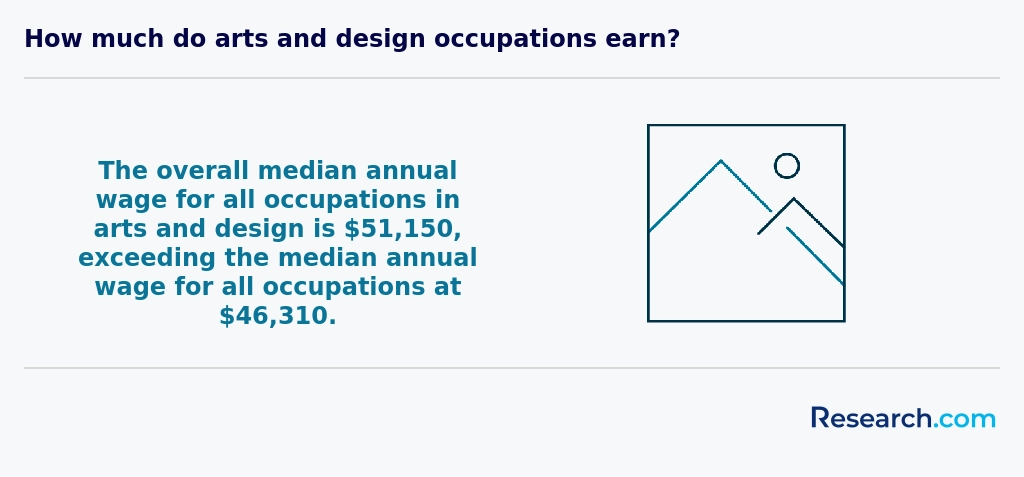
If you're dreaming about a fine arts degree in the USA Territories, you can expect to earn anywhere from modest to pretty solid pay, depending on your path. Graduates from places like the University of Puerto Rico or Guam Community College often find themselves stepping into jobs like graphic artists, who bring home around $64,700 a year, or illustrators with a mean wage of about $71,420. These figures sound quite encouraging compared to the general local art scene, where entry-level art roles might start closer to $28,000-$30,000.
Many grads are thrilled to land spots as animators, which is an exciting creative field averaging a nice $109,630 annually-definitely a game-changer if you're into digital arts. Art therapists also do well, with pay averaging around $75,660, blending passion with a rewarding career.
Real grads share how adding skills in digital media and animation at well-known programs in San Juan or Saipan really boosted their income potential, making the most out of the local market while breaking into bigger creative scenes.
- Fine arts degrees in USA Territories are offered at local universities with programs in visual arts, graphic design, and related fields.
- Tuition at public universities in territories like Puerto Rico ranges from $3,000 to $7,000 annually, making it more affordable than many mainland institutions.
- Starting salaries for fine arts graduates in the territories are typically between $30,000 and $35,000 per year.
- Experienced professionals in creative roles can earn between $45,000 and $55,000 annually depending on skills and career growth.
- Job opportunities are mostly in education, arts organizations, museums, cultural institutions, and digital media, but competition is high.
- Transfer agreements with mainland universities allow students to pursue advanced degrees or specialized training outside the territories.
If you're thinking about earning a fine arts degree in the USA Territories, you're probably wondering how long it'll actually take. Most students at popular schools like the University of Puerto Rico or Guam Community College find that the typical Bachelor of Fine Arts (BFA) program wraps up in about four years when you're studying full-time. That's a solid amount of time to dive deep into painting, sculpture, or whatever creative path you're passionate about, just like many recent grads who tell stories of late-night studio sessions and inspiring art history classes.
If you're looking for something quicker, some community colleges offer two-year Associate of Fine Arts (AFA) degrees that can jumpstart your journey or serve as a neat, focused credential.
For those ready to take it up a notch, Master of Fine Arts (MFA) programs usually take between two to three years beyond the bachelor's and really push your creativity to the next level with projects like final exhibitions or portfolios. It's a more intense ride, but many grads say it's totally worth it for the experience and skills gained.
Keep in mind, if you're juggling work or part-time classes, you might take longer, but many students appreciate the flexibility. The lower tuition in the territories also makes it easier to focus on creating your art without stressing too much about costs.
If you're thinking about diving into a fine arts degree in the USA Territories, one big question is whether to go online or on-campus. On-campus programs, like those at the University of Puerto Rico at Rio Piedras, really shine when it comes to hands-on studio time. Graduates often tell stories of late-night painting sessions and in-person critiques that helped sharpen their skills fast. Being in a physical space with studios, galleries, and workshops means you're soaking up the creative vibe daily, rubbing elbows with peers and mentors.
Online programs, maybe offered by schools like American Public University, give you way more flexibility, which is a lifesaver if you're juggling work or family on islands where travel is tricky. You'll be submitting digital portfolios and joining virtual critiques, which some grads find surprisingly effective. While it can feel less personal, many appreciate that online study slashes costs like transportation and housing-a major plus when you live far from the mainland or any big art hubs.
Both paths have their perks, but remember the vibe you want: Do you crave that buzzing campus energy or the freedom to study art your way from wherever you are?
When it comes to the average cost of a fine arts degree in the USA Territories, you can expect to see a big difference between in-state and out-of-state students. For residents looking to study at universities in Puerto Rico or Guam, the typical in-state total expense hovers around $5,945, which is quite reasonable compared to mainland schools. Many graduates from popular local colleges share how this affordability makes pursuing their passion for art much less stressful financially.
That said, total expenses-including tuition, supplies, and studio fees-can add up to just under $19,000 if you're an out-of-state student or attending private institutions. For example, some students found balancing the costs manageable by budgeting carefully for art materials and equipment, which are crucial but sometimes overlooked expenses.
One common story among fine arts students is the challenge of finding a program that fits both their artistic goals and budget, especially since the USA Territories tend to have fewer local options. Still, with strategic planning and taking advantage of financial aid, like scholarships designed specifically for area residents, many have found joy in completing their degrees without drowning in debt.
For anyone curious about studying arts without breaking the bank, checking out programs and aid offered in your territory is key. You might also want to explore the best accelerated associate degree options that can sometimes offer even more affordable pathways.
Considering these factors helps paint a clear picture of the average cost of fine arts degree USA territories students face, making it easier to build a smart financial plan for your creative journey.

If you're chasing a fine arts degree in places like the University of Guam or the University of Puerto Rico, there's good news: financial help is definitely out there. Many students feel the relief when they get federal aid like Pell Grants-these don't have to be paid back, and can cover up to $7,395 per year. One graduate from Guam mentioned how that grant made all the difference, letting them focus on their painting instead of stressing about tuition.
On top of that, you've got Federal Direct Loans if you need extra help-some with no interest while you're still hitting the books. It's a bit of a safety net for unexpected costs. Plus, locals often find scholarships from groups like the Guam Humanities Council or Puerto Rico Arts Alliance, which feel pretty personal since they're all about supporting artists from your own community.
Merit scholarships are also up for grabs at your school, rewarding hard work or a killer portfolio. Students who have rocked their art shows or aced classes often snag these, easing their money worries. Basically, mixing federal help, local grants, and school perks creates a great financial cushion while you dive into your art journey in the Territories.
If you're thinking about studying fine arts in the USA Territories, the first thing you'll need is a high school diploma or something similar, like a GED. It's the basic ticket to get started at popular schools like the University of Puerto Rico or the University of Guam, where graduates often say that having that solid foundation made all the difference. But it's not just about grades.
Art schools here really want to see your creativity upfront - that means preparing a portfolio filled with your best paintings, sculptures, or digital art. A recent graduate shared how submitting a diverse portfolio helped showcase their style and personality, making the whole process feel exciting rather than intimidating.
Some places might ask for SAT or ACT scores, but many are moving away from that to keep things easier and more open. Letters of recommendation or interviews can pop up too, and they're great chances to let your passion really shine through, just like lots of fine arts students have done across these islands.
If you're diving into a fine arts degree in the USA Territories, you'll find a cool mix of courses that really blend tradition with modern vibes. Picture yourself starting out with the basics like drawing, painting, and sculpture-these are the staples that everyone loves. Graduates from popular schools like the University of Puerto Rico often talk about how these courses helped them master essential skills while connecting with the island's rich culture and history.
Alongside that, you'll get exposed to art history and criticism, which opens your eyes to all kinds of artistic movements-super useful for understanding your own style and where it fits in. And if you're into digital stuff, classes in graphic design and multimedia let you experiment with photography, printing, and visual storytelling, just like many students at the University of the Virgin Islands have enjoyed doing.
Plus, lots of programs focus on hands-on studio work, so you're always creating and showcasing your ideas. It's a great way to boost confidence and get feedback from passionate professors who really want to see you shine.
If you're diving into fine arts degree specializations in USA Territories, there's a pretty cool mix to explore. Most programs, like the ones at the University of Puerto Rico, offer options from painting and drawing to sculpture, letting you get hands-on with everything from clay to metal. Some grads rave about how photography and digital media classes helped them blend classic techniques with modern tech, which feels super relevant today.
Many students also find graphic design and ceramics classes fun and practical, where they can really experiment with visual storytelling or craft beautiful pottery. And if you're into breaking the rules, mixed media and installation art give you freedom to try wild, interdisciplinary projects.
You'll also spot some programs including arts administration or art education - both great if you want to work behind the scenes or inspire future artists. If you want flexible options, check out online colleges with open admissions, which sometimes offer easy paths into these popular fine arts programs in USA Territories.
When picking the best fine arts degree programs in USA Territories, start by checking if the school is accredited, like those with NASAD recognition. Graduates from the University of Puerto Rico often share how having access to well-equipped studios and focused concentrations, such as graphic arts or theater, made their learning feel real and inspiring. It's all about finding a program that fits your vibe and artistic goals.
Think about the people teaching you too. Those who've studied in Guam or the Virgin Islands talk about how having mentors who actually work in the field brought valuable insights and networking chances they wouldn't get otherwise. Plus, facilities like digital labs can really boost your skills.
Cost is a big deal when choosing affordable fine arts colleges USA Territories have to offer. For example, tuition at public universities in Puerto Rico runs around $5,000 a year, way less than many places on the mainland. And if you're curious about how much does an associate's degree cost, that can help you plan your budget.
Lastly, check out how alumni are doing after graduation. Many students connect through social media or school events to share tips on job hunting and making a name in the art world locally or beyond.

Graduates with a fine arts degree in the USA Territories have plenty of exciting options to explore. Many start as professional artists, showcasing work in local galleries or festivals-something you'll see all over places like Puerto Rico and Guam. These artists often balance creative freedom with commissioned projects, turning their passion into a steady hustle. Others dive into art education, becoming teachers in public or private schools, helping young creatives connect with their cultural roots. It's a rewarding path that plenty of grads from popular fine arts programs in the Territories take pride in.
Then there's the growing field of digital arts-think graphic design, animation, and media. Local marketing agencies and tourism boards in the Territories love hiring grads who can craft visuals that tell the unique stories of their communities. Those from schools like the University of Puerto Rico are finding opportunities in these evolving roles. Curious about fastest high paying degree options related to this field? It's worth checking out.
Plus, some fine arts graduates pursue curatorship or arts administration, managing galleries and museums that celebrate indigenous art. These jobs blend creativity with management skills, offering a meaningful way to keep the Territories' art scenes vibrant. Overall, employment options for fine arts graduates USA territories are diverse and promising, making it a great time to jump into the creative world here.
The fine arts degree job opportunities in USA Territories are a bit different from what you might expect on the mainland. Graduates from schools like the University of Puerto Rico often find themselves working in community arts projects, local galleries, or cultural institutions rather than big commercial studios. It's common to wear many hats-freelancing, teaching art classes, or blending art with tourism and nonprofits.
One cool thing about studying in the territories is that tuition tends to be much more affordable than in mainland schools, which means less student debt while chasing creative gigs. Many grads appreciate the balance of lower salaries with a lower cost of living, making freelance or part-time work more doable. The employment outlook for fine arts graduates USA Territories is improving thanks to growing support for public murals and cultural tourism. If you're thinking about pursuing your passion locally, checking out programs that offer an affordable bachelor's degree might be a smart move.
2027 Most Popular Fine Arts Degree Programs Ranking in the USA Territories
Investing in your education is a significant decision that can shape your future, and the Research.com team understands the importance of making informed choices. To assist prospective students across the USA Territories, we have meticulously crafted the "2027 Most Popular Fine Arts Degree Programs Ranking in the USA Territories." Our commitment to quality, credibility, and accuracy is reflected in the extensive research and analysis conducted to compile this ranking.
We utilized the following reputable data sources to ensure a comprehensive evaluation of fine arts degree programs:
By exploring this ranking, readers will gain valuable insights into the most popular fine arts degree programs available in the USA Territories, helping them make well-informed decisions about their educational paths. For more details on our methodology, please visit our Research.com methodology page.


# 5 position
Pontifical Catholic University of Puerto Rico-Ponce
Bachelor of Fine Arts


# 12 position
EDP University of Puerto Rico Inc-San Juan
Bachelor of Fine Arts



# 15 position
Universidad Ana G. Mendez-Gurabo Campus
Bachelor of Fine Arts

# 18 position
Universidad Politecnica de Puerto Rico
Bachelor of Arts
# 19 position
University of Guam
Bachelor of Arts in Communication

# 20 position
NUC University
Bachelor of Fine Arts
Frequently Asked Questions About fine arts
Fine arts degree students in the USA Territories can maximize their learning by engaging deeply with the limited but valuable local arts communities. Participating in cultural events and art exhibitions allows them to gain practical experience and network with established artists. Many institutions in territories like Puerto Rico and Guam offer partnerships with cultural centers, providing hands-on workshops and internships.
Leveraging online resources from accredited U.S. institutions can expand the theoretical foundation beyond territorial offerings. According to the National Center for Education Statistics, students who combine local practice with online study report greater skill development and portfolio diversity. Additionally, joining regional artist associations helps students stay informed about grants and competitions specific to the territories, fostering professional growth.
The fine arts field is evolving with several emerging niches, especially relevant to students in the USA Territories. Digital media arts is rapidly growing as technology integrates with traditional artistic practices, offering new career paths in animation, virtual reality, and interactive design. According to the National Endowment for the Arts, arts-related jobs in digital fields have grown by over 15% nationwide, reflecting similar trends in territories.
Additionally, environmental and community arts are gaining traction, focusing on art's role in social issues and sustainability. Fine arts programs now increasingly include interdisciplinary approaches, combining cultural heritage and contemporary techniques.
Graduates with fine arts degrees in the USA Territories face a unique job market influenced by local culture and limited industry size. To prepare, students should develop a strong portfolio showcasing diverse skills and regional themes. Networking with local artists and participating in community exhibitions are crucial steps. According to the National Endowment for the Arts, involvement in local arts organizations improves employment prospects by up to 25%.
Internships and volunteer work at galleries or cultural centers provide practical experience and contacts. Additionally, exploring online platforms expands reach beyond territories. Understanding business skills like marketing and contract negotiation helps graduates navigate freelance opportunities that dominate the local fine arts economy.
Employers in the USA Territories value a range of skills when hiring graduates with fine arts degrees. Creativity remains essential, as it drives innovative thinking in various artistic processes. According to the U.S. Bureau of Labor Statistics, artistic talent combined with strong communication skills significantly increases employability.
Technical proficiency with digital tools like Adobe Creative Suite is highly sought after, reflecting the growing role of technology in art production. Employers also emphasize adaptability and collaboration, as many projects require working closely with diverse teams.
Finally, understanding cultural heritage and local artistic traditions of the territories often enhances job prospects by ensuring relevance in community-focused arts organizations, galleries, and educational institutions.
Finding internships related to fine arts degrees in the USA Territories involves combining local resources with broader U.S. educational networks. Many fine arts students begin by contacting their college career centers, which often have partnerships with local galleries, cultural centers, and public art projects.
Internships in the arts sector may be less frequent in territories than on the mainland. According to the National Endowment for the Arts, programs in places like Puerto Rico and Guam focus on community-based arts, which can offer practical experience.
Online platforms and statewide arts councils often list internships suitable for fine arts students. Networking with local professionals and utilizing social media groups dedicated to arts careers in the territories can also help.
Federal programs such as AmeriCorps or summer cultural initiatives sometimes provide paid internships for fine arts students, enhancing both experience and financial support.
A fine arts degree in the USA Territories can significantly enhance career mobility and advancement opportunities. Graduates often find diverse roles in education, local government, cultural institutions, and creative industries, where artistic skills are valued.
The territories have unique cultural landscapes, allowing fine arts professionals to engage directly with community-based projects that boost regional identity and tourism. According to the U.S. Bureau of Labor Statistics, demand for artists and designers is expected to grow by 4% nationally, with culturally rich territories experiencing steady interest in creative roles.
Moreover, holding a formal fine arts degree may improve eligibility for grants, public arts funding, and leadership positions within local arts councils, enhancing professional growth. Many employers in the territories recognize accredited degrees as a marker of expertise and commitment, aiding in career progression.
Studying for a fine arts degree in the USA Territories equips students with versatile skills applicable across various fields. Programs often emphasize collaboration with disciplines such as digital media, cultural studies, and entrepreneurship, reflecting the unique cultural diversity in these regions.
Fine arts curricula incorporate technology and traditional techniques, enabling graduates to engage in roles beyond conventional art careers. According to the National Center for Education Statistics, interdisciplinary coursework participation has increased by 15% in these territories over recent years.
This approach prepares students for careers in education, cultural preservation, design, and multimedia industries, where creative problem-solving and adaptability are essential. Local institutions also foster community partnerships, enhancing practical experience in interdisciplinary settings.
When choosing between a thesis and a non-thesis fine arts degree program in the USA Territories, it is crucial to consider your career goals. A thesis program typically involves developing a substantial project or research paper, which can enhance your critical thinking and research skills. This option is suited for those aiming to pursue advanced studies or academic careers.
Non-thesis programs usually focus more on practical artistic production and professional development. These programs often allow for quicker completion and may be ideal for students planning to enter the creative industry directly.
In the USA Territories, institutions like the University of Guam and the University of the Virgin Islands offer both options. According to the National Center for Education Statistics, over 60% of fine arts students in these regions choose non-thesis tracks, reflecting a preference for hands-on experience. Understanding these differences can help you select the path that aligns best with your aspirations.
Students in the USA Territories seeking to study fine arts abroad have several options within the US higher education system. Many are eligible to attend accredited mainland institutions offering fine arts degrees, benefiting from in-state tuition agreements or scholarship programs tailored for territorial residents.
Some territories, such as Puerto Rico and Guam, have partnerships with universities that facilitate student exchanges or remote learning opportunities, expanding access to diverse fine arts curricula. According to the National Center for Education Statistics (NCES), enrollment rates of territorial students in mainland fine arts programs have increased by 12% over the past five years.
Additionally, federal initiatives like the Pell Grant support territorial students financially when they study at mainland US colleges, easing the cost burden. While options to study internationally beyond the US remain limited by funding and visa considerations, dedicated programs for fine arts education in the territories and mainland US provide strong alternatives for aspiring artists.
Students pursuing fine arts degrees in the USA Territories can find valuable part-time job opportunities that complement their education. Common roles include working as gallery assistants, where students gain experience in curation and art handling. Additionally, teaching art classes or offering private lessons helps refine artistic skills and build a client base.
Local museums and cultural centers in territories like Puerto Rico and Guam often hire part-time staff for event coordination and art installation support. According to the National Endowment for the Arts, arts-related employment in these regions has shown modest growth, reflecting increasing cultural investment.
Freelance opportunities such as graphic design or commissioned artwork also allow flexible schedules suited to students' academic commitments.
Fine arts students in the USA Territories benefit from unique networking opportunities that connect them with local and regional artists, galleries, and cultural institutions. Universities such as the University of Guam and the University of the Virgin Islands host art exhibitions and workshops where students can showcase their work and meet established professionals. These events foster collaborations, mentorships, and internships essential for career growth.
Additionally, local arts councils and organizations frequently sponsor community projects and competitions, helping students build professional relationships. The National Endowment for the Arts also supports many programs in the territories, expanding access to national networks. According to the National Center for Education Statistics, participation in such programs is rising steadily, enhancing networking prospects.
Alumni networks play a significant role for fine arts degree students in the USA Territories by providing valuable connections within the local and regional art scenes. These networks often facilitate mentorship opportunities, allowing students to learn directly from experienced artists and professionals familiar with territory-specific cultural expressions.
Having access to an established group of graduates increases students' chances of finding internships, exhibitions, and freelance projects, boosting professional exposure in competitive markets such as Puerto Rico and Guam. According to a 2023 report by the National Endowment for the Arts, participation in alumni events corresponds with a 25% higher rate of employment among recent fine arts graduates in US Territories.
Furthermore, alumni contribute to career workshops and portfolio reviews tailored to the unique demands of art industries in these regions, helping students refine skills and navigate pathways effectively.
Customizing a fine arts degree program in the USA Territories allows students to target specific career goals by selecting specialized courses and practical experiences. Many institutions in territories like Puerto Rico and Guam offer electives in areas such as graphic design, painting, sculpture, or digital media, enabling students to fine-tune their skills.
Internships and community art projects are often integrated into programs, providing hands-on experience with local organizations or galleries. According to the National Center for Education Statistics, nearly 70% of fine arts students in US territories engage in internships, enhancing career readiness.
Students can also tailor their studies by choosing minor concentrations in related fields like art history or business to broaden their professional options.
Fine arts students in the USA Territories often face limited access to specialized resources compared to their mainland counterparts. Many institutions have smaller art departments, which can restrict exposure to diverse mediums and advanced technologies. According to the National Center for Education Statistics, fewer dedicated fine arts programs exist in these regions, limiting course variety.
Additionally, students encounter financial challenges, as scholarship opportunities related to fine arts are less prevalent locally. Travel expenses to attend mainland exhibitions or internships add to their burden. Connectivity issues and fewer networking platforms make professional exposure more difficult, impacting career advancement possibilities in the arts.
These factors collectively shape the educational experience of fine arts students in the USA Territories.
With a fine arts degree, students in the USA Territories can pursue several professional certifications to enhance their careers. Popular options include certification in teaching art, such as obtaining a state or territory-issued teaching license for K-12 education. This credential allows graduates to work as licensed art educators in public and private schools.
Other certifications relevant to fine arts graduates involve digital design, such as Adobe Certified Expert (ACE), which highlights proficiency in industry-standard software. Additionally, museum studies certifications can prepare graduates for curatorial or conservation roles.
According to the National Center for Education Statistics, art teacher certification remains a key credential for employment in the U.S. territories' education systems.
Applying for a fine arts program in the USA Territories requires a clear and focused approach. Start by researching accredited institutions recognized by the U.S. Department of Education or regional accreditors. Many programs in territories like Puerto Rico and Guam emphasize both technical skill and creative expression.
Prepare a strong portfolio showcasing your best work, as this often represents 50% or more of your application evaluation. Tailor your portfolio to match the program's specialties, whether painting, sculpture, or digital arts.
Include a concise personal statement that explains your passion for fine arts and career goals. Highlight any local exhibitions or community projects, as engagement in the territories' art scene can strengthen your application.
Lastly, maintain a competitive GPA; many programs require a minimum of 2.5 to 3.0. Meeting all deadlines and submitting letters of recommendation will complete your application effectively.
A fine arts career is valued differently around the world, but within the USA Territories, it holds growing importance linked to cultural heritage and tourism. Fine arts graduates here often blend traditional techniques with contemporary practices, reflecting local identities. Globally, careers in fine arts emphasize creativity, cultural exchange, and technology integration. According to the National Endowment for the Arts, employment in arts-related fields in U.S. territories shows steady growth, especially in Puerto Rico and Guam. This trend supports a broader recognition that fine arts contribute significantly to both economic development and community well-being in territorial regions.
Students pursuing fine arts degrees in the USA Territories can gain practical experience through multiple avenues embedded within their educational programs. Many institutions collaborate with local galleries, theaters, and community arts organizations to offer internships and practicum opportunities, allowing students to apply studio skills in real-world contexts.
Additionally, participation in exhibitions and performances is common, helping students build professional portfolios. According to the National Endowment for the Arts, community-based projects and internships significantly enhance students' career readiness in territories like Puerto Rico and Guam.
Students are encouraged to engage in service-learning projects and regional art festivals, which promote networking and hands-on experience while studying. Such approaches align with U.S. Department of Education guidelines for experiential learning in fine arts education across territories.
Choosing the right concentration within a fine arts degree program in the USA Territories involves careful reflection on your artistic interests and career goals. Popular concentrations include visual arts, graphic design, and performing arts, each with unique opportunities tied to regional culture and industry demands. According to the National Center for Education Statistics, programs in territories like Puerto Rico and Guam emphasize community-based and multicultural art practices, reflecting local heritage.
Consider the faculty expertise and facilities available at institutions, as these impact the quality of training. Assess how each concentration aligns with job prospects in the Territories' creative sectors, such as tourism or media. Seeking advice from academic advisors and reviewing course curricula can further clarify which concentration suits your aspirations best.
- Spotlight: Arts Degrees in the USA – EducationUSA Belgium and Luxembourg https://www.educationusa.be/spotlight-arts-degrees-in-the-usa/
- Studies in the U.S. https://lv.usembassy.gov/education/studies-in-the-u-s/
- Networking for Artists: Unlocking Opportunities in the Art World - Ceri Hand https://cerihand.com/networking-for-artists/
- How to Network as an Artist - AGI Fine Art Blog https://agifineart.com/advice/the-art-of-reputation-how-to-network-if-youre-an-emerging-artist/
- What Alumni Say https://www.cityandguildsartschool.ac.uk/ma-fine-art/student-and-alumni-case-studies/
- Alumni Network at Moore https://moore.edu/alumni/
- Create a Niche Market for Your Art in a Sea of Artists https://lorimcnee.com/create-a-niche-market-for-your-art-in-a-sea-of-artists/
- About Faculty of Design - Academy of Fine Arts https://en.asp.waw.pl/strona-glowna/faculties/faculty-of-design/about-faculty-of-design/
- Networking - Weaving Your Web as an Art Graduate - Visual Artists Association https://visual-artists.org/resources/networking-weaving-your-web-as-an-art-graduate/
- Fine Arts https://www.wits.ac.za/course-finder/undergraduate/humanities/fine-arts/


