
2027 Most Popular Finance Degree Programs Ranking in Louisiana

Co-Founder and Chief Data Scientist
Choosing the right finance degree program can shape your future career and open doors to exciting opportunities. In this article, you'll find the 2027 Most Popular Finance Degree Programs Ranking in Louisiana, created by the Research.com team of data scientists.
This ranking is designed to help you make an informed decision by highlighting programs that stand out in quality and popularity.
Exploring finance studies can lead to rewarding paths in banking, investment, and corporate finance, making this a great time to consider your options carefully.
Stay tuned to discover which programs fit your goals and dreams best.
Key benefits of getting finance degree in Louisiana
- Salary: Finance degree graduates in Louisiana can expect competitive earnings, such as a Financial Advisor making an average of $150,670 annually or a Financial Analyst earning around $112,950. These strong salary prospects make finance a rewarding career choice.
- Career paths: Graduates from Louisiana State University's finance program often secure roles in investment banking, credit analysis, or insurance underwriting, demonstrating the degree's versatility in local job markets. This range of opportunities supports long-term career growth and job satisfaction.
- Online degree benefits: Earning a finance degree online from institutions like the University of New Orleans offers flexibility, allowing students to balance work and study while accessing quality education. This modern approach opens doors to quicker entry into the finance field without sacrificing academic value.
- 2027 Most Popular Finance Degree Programs Ranking in Louisiana
- What can I expect from finance degree in Louisiana?
- Where can I work with finance degree in Louisiana?
What can I expect from finance degree in Louisiana?
The average cost of earning a finance degree in Louisiana varies depending on the institution but often falls within a range that many local students find manageable, especially with state aid. For example, graduates from Louisiana State University and the University of Louisiana at Lafayette frequently reflect on tuition expenses averaging between $10,000 and $15,000 annually for in-state students. This affordability contrasts with common fears about skyrocketing college prices, making it easier for students to focus on mastering complex concepts like investment strategies and corporate finance without overwhelming financial stress.
Many finance students recount how scholarships and financial aid programs available within Louisiana significantly softened the financial burden. These supports not only helped cover tuition but also fostered a sense of belonging and motivation to excel in programs accredited by the AACSB, recognized for maintaining rigorous standards. Their firsthand experience underscores that pursuing a finance degree locally can be both an academically rewarding and economically viable choice.
Where can I work with finance degree in Louisiana?
Graduates from universities like Louisiana State University and Tulane often find themselves stepping confidently into roles at New Orleans' thriving finance firms, where their education transforms into real-world impact. Imagine working as a financial analyst at a growing asset management company, interpreting market trends that shape investment strategies for local clients. This is a common reality for many finance students in Louisiana, who quickly realize their degree opens doors beyond traditional banking.
Banks in cities such as Baton Rouge and Shreveport eagerly recruit these graduates for positions in credit analysis and risk management, reflecting the state's strong banking sector reinforced by over 100 federally insured banks. Working in these roles offers a blend of challenge and stability, with opportunities to influence loan decisions affecting entire communities.
Others gravitate toward corporate finance within Louisiana's energy and manufacturing giants, like Entergy Corporation, where budget forecasting and financial planning drive key business decisions. Public sector jobs, from financial examiners to budget analysts, serve those who wish to contribute to the public good with steady career growth. These prospects reveal how a finance degree in Louisiana is not just a diploma, but a passport to diverse, rewarding careers.
Graduates from Louisiana's finance programs often enter the workforce eager to turn their education into tangible earnings. Recent data reveals that financial analysts, a common starting role, bring home an average of about $78,000 annually in Louisiana, slightly below the national mean of $112,950. Imagine a graduate from a local institution like Louisiana State University stepping into a financial analyst position in New Orleans, where salaries can rise 10-15% higher than the state average-this boost can make a noticeable difference in lifestyle and financial freedom.
For those venturing into financial advisory roles, the national mean salary climbs impressively to $150,670, setting a high benchmark that Louisiana graduates aim toward as they build experience and credentials. Meanwhile, credit analysts and insurance underwriters earn solid wages around $94,750 and $85,610 respectively, reflecting diverse finance career paths within the state.
Graduates often remark on the excitement of starting near $50,000-$60,000 and the motivating promise of surpassing six figures with dedication. These numbers turn abstract textbooks into achievable milestones, sparking ambition and affirming that a finance degree from Louisiana colleges can truly open doors to rewarding financial careers.
- In-state tuition for a finance bachelor's degree at public universities in Louisiana ranges from $9,000 to $12,000 per year.
- Private universities in Louisiana typically charge more than $20,000 annually for finance programs.
- Entry-level finance graduates in Louisiana earn about $52,000 per year on average.
- Experienced finance professionals in the state can earn between $75,000 and $90,000 annually within five to ten years after graduation.
- Finance-related jobs in Louisiana are expected to grow by approximately 5% over the next decade.
- Key finance roles in Louisiana include financial analysts, loan officers, and personal financial advisors supported by local industry partnerships and accredited curricula.
Completing a finance degree in Louisiana typically takes about four years of full-time study, a duration that many graduates from Louisiana State University and Tulane University find both challenging and rewarding. Imagine balancing core business courses with specialized finance classes while also fulfilling general education requirements-this is the reality for most finance students aiming to meet the roughly 120 to 130 credit hours needed.
Still, this four-year norm isn't set in stone. Some students juggling work and studies stretch their journey to five or six years, a pace that, while slower, often brings a sense of accomplishment and financial stability. Conversely, motivated students at these universities sometimes take accelerated paths, leveraging summer classes to graduate in as little as three years, sparking excitement about entering the finance world sooner.
Graduate finance degrees, like an MBA with a finance focus, typically wrap up in one to two years. This shorter timeline offers a sharper, more intense experience for those eager to deepen their expertise quickly and advance their careers within Louisiana's dynamic financial sector.
Understanding how Louisiana’s finance degree costs stack up against other states can help prospective students optimize their investment. On average, in-state tuition for a bachelor’s in finance at a Louisiana public university hovers around $9,500 per year, while out-of-state rates approach $27,000. In contrast, Massachusetts public institutions charge approximately $14,500 for residents and nearly $36,000 for non-residents-yet several schools maintain lower fees without compromising quality. To explore these budget-friendly options, consider the Affordable Finance Degree Programs Ranking in Massachusetts, which highlights programs offering competitive tuition, strong graduate outcomes, and robust financial aid packages. When evaluating cost, factor in living expenses: New Orleans’ average rent is about 20% lower than Boston’s, but Massachusetts students often benefit from state grants and extensive alumni networks that boost post-graduation earnings. Additionally, comparing scholarship opportunities, work-study availability, and institutional aid can narrow the gap further. By benchmarking Louisiana against Massachusetts, you can craft a strategic plan to minimize debt, maximize ROI, and select a finance program that aligns with both your career ambitions and your financial reality.
Graduates from Louisiana State University often reflect on how on-campus finance programs shaped their careers through face-to-face mentorship and networking events held in Baton Rouge's vibrant business community. This traditional setting fosters interpersonal skills critical in finance, where real-time discussions and group projects drive deeper understanding. In contrast, Tulane University graduates pursuing online finance degrees celebrate the flexibility that allows them to juggle work and family commitments while accessing course materials anytime, a crucial advantage for busy adults in New Orleans' dynamic financial sector.
Online programs usually boast 10-20% lower tuition than on-campus ones at Louisiana public institutions, making them appealing financially without sacrificing core curriculum quality. However, on-campus students benefit from immediate access to internships and job fairs on site, experiences that can be pivotal when breaking into competitive markets. The choice between synchronous campus classes and asynchronous online learning also reflects distinct approaches: one values scheduled immersion, the other self-paced mastery, each shaping personal growth differently.
The average cost of earning a finance degree in Louisiana varies significantly depending on whether you attend a public or private university, and whether you are an in-state or out-of-state student. Graduates from popular institutions like Louisiana State University often recall the manageable investment of around $9,900 in tuition and fees, a figure that feels reasonable when balanced with personal growth and career opportunities. However, for out-of-state students, the expense can climb sharply, with costs reaching over $33,000. This gap challenges many to carefully consider residency status and its impact on total expenses for finance degree Louisiana students.
Private universities, known for their specialized programs and networking advantages, can ask for $25,000 to $40,000 annually, which swells the total cost of a finance degree. Yet, many students describe the unique educational experience and connections made there as invaluable, highlighting the nuanced nature of what "cost" truly means beyond price tags. Adding to tuition, living costs and essential supplies typically add about $8,000 yearly, reminding prospective students that budgeting extends far beyond class fees.
Many Louisiana finance students find significant relief through scholarships or financial aid, sometimes tied directly to business-related programs. The journey is often eased by researching such opportunities early, helping students see not just sticker prices but the net cost that shapes their investment in education. Those interested in a career path can explore more through the business analyst development program, demonstrating how educational costs tie directly to future success.

Accessing financial aid as a finance student in Louisiana often feels like navigating a maze, yet for many, it becomes the key to unlocking their academic goals. Consider a graduate from Louisiana State University who relied on federal Pell Grants and Federal Direct Loans, accessed through FAFSA, to bridge the gap between tuition and daily expenses-this aid transformed daunting costs into manageable realities.
State programs like the Louisiana Go Grant provide substantial aid to those demonstrating financial need, reinforcing the idea that where you study and live matters deeply. TOPS scholarships, awarded for academic excellence at institutions such as the University of New Orleans, reward persistence and achievement, making it possible for students to focus on mastering finance rather than worrying about bills.
University merit scholarships further spotlight individual promise, recognizing leadership and financial acumen, while private local scholarships connect students to Louisiana's vibrant financial sector, creating a tangible link between education and future career paths. Together, these layers of support change lives, not just tuition statements.
Enrolling in a finance degree program in Louisiana demands more than just interest-it requires foundational preparation that shapes your entire academic experience. Graduates from popular schools like Louisiana State University and Tulane University often recall the importance of having at least a high school diploma with a GPA between 2.5 and 3.0. This baseline ensures you can keep pace with challenging coursework and absorb complex financial principles.
Many students remember their anxiety over SAT or ACT math sections, a critical hurdle since strong quantitative skills are essential for success in Louisiana's competitive programs. Some universities now offer test-optional admissions, reflecting a shift toward holistic review, yet strong scores still open doors, especially in finance-focused majors.
Completing preparatory classes in college algebra or economics at institutions such as the University of New Orleans solidifies your readiness and confidence. Transfer students emphasize maintaining at least a 2.0 GPA in prior college work, especially in math or economics, to seamlessly integrate into advanced finance courses.
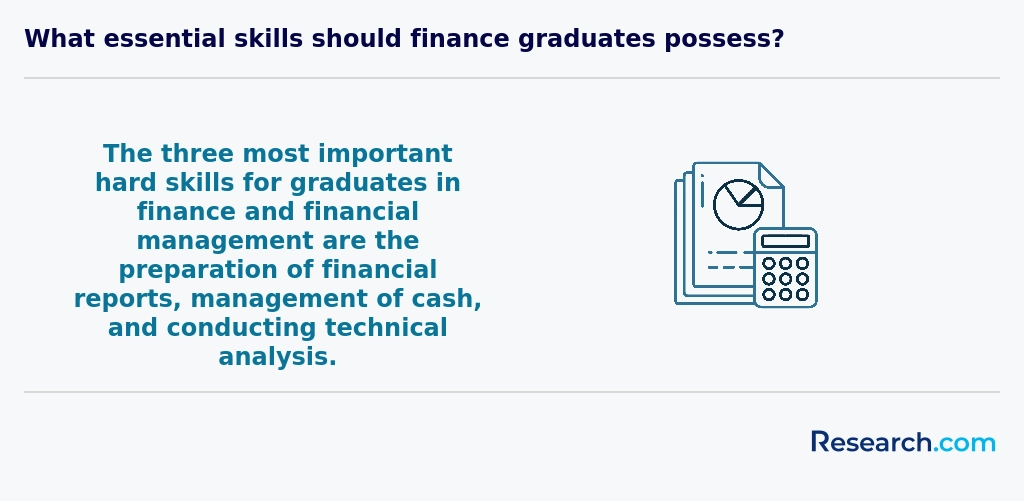
Earning a finance degree is just the first step toward a successful career; pursuing industry-recognized certifications and ongoing development programs can significantly enhance your marketability and expertise. Key certifications for Louisiana finance graduates include:
- Chartered Financial Analyst (CFA): Widely respected in investment management, the CFA program covers ethics, portfolio management, and advanced financial analysis. Graduates who pass all three CFA exams often see accelerated career progression in asset management and research roles.
- Certified Financial Planner (CFP): Ideal for those focused on personal financial advisory, the CFP credential demonstrates mastery in retirement planning, tax strategies, and estate planning, leading to greater client trust and higher earning potential.
- Financial Risk Manager (FRM): Offered by the Global Association of Risk Professionals, the FRM designation equips professionals to identify and mitigate market, credit, and operational risks-skills in high demand within banks and insurance companies. Beyond formal certifications, finance graduates should explore specialized development tracks to broaden their skill sets. Many institutions now offer targeted programs-such as a business analyst development program-that blend data analytics, process optimization, and stakeholder communication, providing a competitive edge in roles that bridge finance and technology. Continuing education through workshops, webinars, and industry conferences also keeps professionals abreast of regulatory changes, emerging fintech innovations, and best practices in sustainable finance. By combining a strong academic foundation with these certifications and learning opportunities, Louisiana finance graduates can position themselves as highly qualified, adaptable leaders in a rapidly evolving financial landscape.
Finance degrees in Louisiana often challenge students to move beyond rote memorization by immersing them in core courses like financial accounting and managerial finance, essential for mastering how businesses track and deploy money. Graduates from universities such as Louisiana State University share how learning these fundamentals transformed their view of everyday business decisions, turning once abstract numbers into vital strategies shaping company success.
Investment analysis courses, a staple in Louisiana's finance programs, equip students with the tools to decode the complexities of stocks and bonds-skills graduates find invaluable when navigating the bustling financial hubs of New Orleans and Baton Rouge. These vivid, real-world applications make theory come alive, inspiring students to envision themselves as future portfolio managers or financial advisors.
Additional courses like corporate finance principles and risk management push learners to confront unpredictable market forces directly. Graduates recount the confidence gained from applying quantitative methods and forecasting in classroom simulations that mirror actual economic fluctuations, fostering a deep sense of readiness for regional financial careers that thrive in Louisiana's unique economic landscape.
Finance degree specializations in Louisiana challenge the notion that all finance careers follow a single path. Graduates from institutions like Louisiana State University and the University of Louisiana at Lafayette experience distinct tracks such as Corporate Finance, which dives deep into budgeting and capital decisions, preparing them for dynamic roles in business management. Meanwhile, those focusing on Investment Banking and Portfolio Management often find themselves thriving in fast-paced investment firms, applying real-world strategies to manage diverse portfolios.
Another increasingly relevant option is Risk Management and Insurance-especially vital in Louisiana's disaster-prone environment-where students learn to mitigate financial losses through smart policy analysis. Financial Planning and Wealth Management graduates relish guiding clients toward retirement security, while Quantitative Finance and Financial Engineering cater to mathematically-inclined students eager to innovate in fintech. These Louisiana finance program concentration options resonate deeply with students seeking tangible impact in their communities.
In exploring degree costs and specialized electives, prospective students should consult resources like the Affordable Finance Degree Programs Ranking in Massachusetts for comparative insights.
Choosing the best finance degree programs in Louisiana demands more than scanning tuition costs or campus prestige. Graduates who thrived at Louisiana State University or Tulane often cite the real game-changer: curriculum strength paired with authentic local market exposure. Imagine sitting in a class learning corporate finance principles while knowing you can intern that summer at a Baton Rouge bank, applying lessons in real time. This direct connection between coursework and hands-on experience sharpens skills beyond textbooks.
Affordability is crucial but rethink how you measure value. Affordable finance degrees Louisiana 2027 may seem reasonable upfront, yet the long-term return hinges on internship access, faculty mentorship, and networking channels. Many find smaller class sizes foster genuine connections with professors whose industry ties lead to unexpected job offers. The cities themselves-New Orleans, Baton Rouge, Lafayette-are living classrooms where finance students build meaningful career paths.
Consider also program format and personal circumstances. Online or hybrid options cater to working students needing flexibility without sacrificing quality. If you're exploring accelerated pathways, check out the best 6 month programs that pay well to complement your degree journey, merging speed with earning potential.

Graduates of finance programs in Louisiana quickly realize that their degree is a key that unlocks diverse career doors rarely imagined before. Whether you studied at Tulane University or Louisiana State University, finance career opportunities in Louisiana stretch beyond traditional roles, inviting you to contribute strategically in corporate finance, where budgeting and investment decisions directly influence regional business growth.
Many graduates find themselves thriving as financial advisors, guiding families and local entrepreneurs through complex financial landscapes toward security and prosperity. For example, those who have attended well-known colleges often recount how roles in banking and insurance-especially in bustling cities like New Orleans-offer dynamic environments with competitive entry salaries, aligning well with jobs with finance degree in Louisiana.
Choosing a path in public service finance can surprise students who initially sought corporate roles, as it allows them to shape economic policies and community development across Louisiana. Reflecting on such experiences can inspire prospective students to explore alternatives, including the option of pursuing easy masters to deepen expertise without overextending themselves.
Many graduates from popular universities in Louisiana find the job market for finance degree holders both challenging and promising, reflecting the state's unique economic fabric. Employment opportunities for finance graduates Louisiana often arise in sectors like banking, government agencies, and energy companies, where real hands-on experience from internships in New Orleans or Baton Rouge can make a crucial difference. For instance, finance students working with regional banks gain practical insights that prepare them for roles in financial analysis and risk management.
While salaries may be lower than national averages, typically around $72,000 annually for financial analysts, the lower cost of living and affordable tuition at Louisiana public universities enhance the overall appeal. Students often express relief and satisfaction knowing their education cost, ranging from $8,000 to $12,000 per year, allows them to start careers without overwhelming debt. Those seeking a broader scope may explore cheap masters degrees online, which many graduates find an accessible way to advance.
The finance degree job outlook Louisiana paints a picture of steady growth, particularly in metropolitan hubs where sectors interlock-such as energy companies needing budget analysts and insurance firms requiring skilled underwriters. This mosaic of opportunity challenges students to consider not just traditional finance roles but also niche positions, encouraging adaptability and resilience in a dynamic state economy.
2027 Most Popular Finance Degree Programs Ranking in Louisiana
Investing in your education is a significant decision that can shape your future, and the Research.com team understands the importance of making informed choices. To assist prospective students in Louisiana, we have meticulously crafted the "2027 Most Popular Finance Degree Programs Ranking in Louisiana." Our commitment to quality, credibility, and accuracy is reflected in the extensive research and analysis conducted to compile this ranking.
We utilized the following reputable data sources to ensure a comprehensive evaluation of finance programs:
By exploring this ranking, readers will gain valuable insights into the most popular finance degree programs in Louisiana, helping them make well-informed decisions about their educational paths. For more details on our methodology, please visit our Research.com methodology page.
# 1 position
Louisiana State University and Agricultural & Mechanical College
Bachelor of Science in Finance

# 2 position
Louisiana State University and Agricultural & Mechanical College
Master of Science in Finance


# 6 position
University of Louisiana at Lafayette
Bachelor of Science in Business Administration in Finance


Frequently Asked Questions About finance
Finance degree students in Louisiana can maximize their learning experience by combining classroom studies with practical application. Engaging in internships with local financial institutions such as Louisiana's large banking sector or energy finance firms provides hands-on experience, crucial for career readiness. In addition, students should take advantage of networking opportunities through organizations like the Financial Management Association International, which hosts Louisiana chapters at several universities.
Utilizing resources from Louisiana Economic Development and studying regional market trends can deepen understanding of state-specific finance issues. Students may also benefit from leveraging online databases such as Bloomberg terminals often available on campus. According to the U.S. Bureau of Labor Statistics, finance roles in Louisiana show steady growth, underscoring the importance of practical skills aligned with local demand.
The finance field continues to evolve rapidly, presenting new opportunities for students pursuing degrees in Louisiana. Emerging niches include financial technology (fintech), which integrates finance with advanced technologies such as blockchain and artificial intelligence. Louisiana has seen growth in fintech startups, especially in New Orleans, supported by local innovation hubs.
Another expanding area is sustainable finance, where professionals focus on investments that consider environmental, social, and governance (ESG) factors. This aligns with national trends as reported by the U.S. Securities and Exchange Commission emphasizing ESG disclosures.
Additionally, risk management and cybersecurity in finance are critical growth sectors. With increasing data breaches, firms in Louisiana and nationwide prioritize safeguarding financial data, creating demand for specialists.
These niches reflect evolving market needs and can shape future career paths for finance graduates in the state.
Graduates with a finance degree in Louisiana should focus on building relevant skills to succeed in the dynamic job market. Internships with local banks and financial firms provide valuable hands-on experience and networking opportunities. According to the Louisiana Workforce Commission, finance-related jobs in the state are expected to grow 5% through 2030, emphasizing the importance of practical skills.
Students should also pursue certifications like the CFA or CFP to enhance their qualifications. Familiarity with financial software and data analysis tools is increasingly in demand by employers in Baton Rouge and New Orleans financial sectors.
Career services at universities often assist with resume building and interview preparation, which are critical steps when entering Louisiana's competitive job market.
Employers in Louisiana seek finance degree graduates who possess strong analytical skills. These skills allow graduates to interpret financial data accurately, which is critical in industries like banking, oil, and healthcare-key sectors in the state. According to the Louisiana Workforce Commission, proficiency in data analysis and financial modeling is particularly valued.
Communication skills are also crucial. Graduates must clearly explain complex financial concepts to clients or colleagues. In addition, problem-solving abilities are important, as employers expect graduates to develop strategic solutions that improve financial performance.
Technical competence with software such as Excel, SAP, and QuickBooks ranks high among sought-after skills. Many Louisiana businesses emphasize hands-on experience with these tools when hiring finance professionals.
Finding internships in Louisiana relevant to a finance degree involves a strategic approach combining local resources and industry contacts. Students should begin by leveraging career services at universities, which often have partnerships with regional banks, investment firms, and corporations in cities like New Orleans and Baton Rouge. According to the Louisiana Workforce Commission, financial services are a growing sector in the state, increasing internship opportunities.
Networking through professional organizations such as the CFA Society Baton Rouge or Louisiana Bankers Association can open doors. Additionally, online platforms like Handshake and local job boards list internships specifically for finance students in Louisiana. Early application and tailored resumes greatly improve chances of securing relevant positions.
A finance degree in Louisiana can significantly enhance career mobility and advancement opportunities. The state's growing financial sector, including banking, insurance, and investment firms, values candidates with formal finance education. According to the U.S. Bureau of Labor Statistics (BLS), finance-related jobs in Louisiana are projected to grow by about 5% from 2022 to 2032, supporting increased demand for qualified professionals.
Graduates with finance degrees typically qualify for roles such as financial analysts, advisors, and managers, which often offer clear paths to higher-level positions. Employers in Louisiana often prioritize candidates with strong quantitative and analytical skills that finance programs develop, improving promotion prospects.
Furthermore, networking opportunities through Louisiana universities, such as Tulane and LSU, provide access to local industry connections critical for career advancement in competitive financial markets.
Studying for a finance degree in Louisiana equips students with skills that extend beyond traditional finance roles, fostering interdisciplinary competencies. Many Louisiana universities incorporate coursework in economics, data analytics, and business law, enabling graduates to navigate complex financial landscapes. According to the Louisiana Board of Regents, programs emphasize collaboration with departments such as marketing and management, enriching students' problem-solving and strategic thinking abilities.
The state's diverse economy, featuring sectors like energy, manufacturing, and port operations, offers practical learning opportunities. Internships and partnerships with local firms enhance students' adaptability, preparing them for roles that intersect finance, technology, and policy.
When choosing between a thesis and a non-thesis finance degree program in Louisiana, consider your career goals and learning style. A thesis program involves original research and is ideal for students eyeing roles in academia, research, or pursuing a PhD. In contrast, a non-thesis option emphasizes coursework and practical skills, suited for those aiming to enter finance practice quickly.
Louisiana universities often align thesis programs with deeper analytical skill development, essential given the state's growing financial sectors in New Orleans and Baton Rouge, driven by energy and banking industries (U.S. Bureau of Labor Statistics, 2024).
Thesis students typically spend 6-12 months on research, enhancing critical thinking. Non-thesis students may complete internships or applied projects instead, which can lead to immediate job placement. Evaluate program flexibility, faculty expertise, and potential networking opportunities in Louisiana's finance market to make an informed decision.
Students in Louisiana pursuing finance degrees have several opportunities to study abroad through their universities' international programs. Many institutions, including Louisiana State University and Tulane University, offer exchange programs with partner schools worldwide, focusing on finance and economics courses. Such programs often last a semester, allowing students to gain global financial perspectives without extending their degree timelines.
Additionally, some Louisiana universities participate in faculty-led short-term study abroad trips centered on finance topics, combining academic learning with cultural exposure. According to the Institute of International Education, approximately 2% of U.S. finance students engage in study abroad, reflecting growing interest in global financial expertise.
Financial aid and scholarships may help offset costs, making these options more accessible to Louisiana students.
Students pursuing finance degrees in Louisiana can benefit from various part-time jobs that align with their academic goals. Roles such as bank teller, financial clerk, or accounting assistant offer practical experience while studying. Louisiana hosts several regional banks and credit unions, like Hancock Whitney and IberiaBank, providing local opportunities.
Interning at financial planning firms or insurance companies can also enhance understanding of investment and risk management concepts. According to the Louisiana Workforce Commission, finance-related jobs are expected to grow moderately, encouraging students to gain experience early.
Additionally, positions in data entry or bookkeeping within small businesses help develop analytical and organizational skills relevant to a finance career.
Finance students in Louisiana benefit from a variety of networking opportunities that connect them with professionals and potential employers. Many universities host finance clubs and chapters of national organizations like the Financial Management Association International (FMA) and Beta Alpha Psi, which offer regular meetings, guest speakers, and workshops.
Additionally, Louisiana's growing finance sector, including hubs in New Orleans and Baton Rouge, provides access to internships and local finance events. According to the Louisiana Workforce Commission, financial services jobs are expected to grow by 7% from 2022 to 2032, increasing networking chances.
Students can also attend regional conferences and job fairs, which are regularly held by institutions such as the Louisiana Association of Business Educators.
Alumni networks play a vital role in supporting finance degree students in Louisiana. These networks connect current students with graduates working across Louisiana's financial sector, including in cities like New Orleans and Baton Rouge. Such connections can lead to internships, job opportunities, and mentorships, which are crucial for entering the competitive finance job market.
According to the Louisiana Workforce Commission, finance-related jobs in the state are projected to grow by 7% through 2030, highlighting the importance of professional connections. Alumni often share insights on local industry trends and companies, giving students an edge in interviews and career planning.
Moreover, these networks frequently host workshops and networking events tailored to finance students, enhancing practical skills and expanding contacts.
Students in Louisiana can customize their finance degree programs by selecting electives and concentrations that align with specific career goals. Many universities offer specializations such as corporate finance, investment analysis, or financial planning. These options allow learners to tailor coursework toward industries like banking, insurance, or wealth management.
Internship opportunities within Louisiana's strong energy sector and financial services market provide practical experience essential for career development. Additionally, some institutions offer dual-degree paths or certificate programs in areas like data analytics or risk management, enhancing career flexibility.
Advisors can help shape a program aligned with job market trends based on data from the Louisiana Workforce Commission and industry reports.
Finance students in Louisiana often face several challenges related to the state's unique economic and educational landscape. One key issue is limited access to specialized internships in Louisiana's finance sector, which is smaller compared to larger markets. This can restrict practical experience opportunities that are crucial for career development. According to the Louisiana Workforce Commission, finance jobs are concentrated in urban areas like Baton Rouge and New Orleans, making it harder for students in rural regions to connect with employers.
Another challenge is balancing tuition costs and student debt. Louisiana ranks among states with lower average college tuition, but financial aid gaps still pose obstacles for many students. The quality and variety of finance courses can also vary between institutions, which impacts student preparedness for certifications like the CFA.
Lastly, evolving financial regulations and market volatility require students to continuously update their knowledge, which can be demanding alongside academic commitments.
With a finance degree in Louisiana, you can pursue several recognized professional certifications to enhance your career prospects. The Certified Financial Planner (CFP) certification is popular among graduates aiming for financial planning roles. Louisiana also has a growing demand for Certified Public Accountants (CPA), especially those working in finance-related accounting.
The Chartered Financial Analyst (CFA) designation is highly respected for investment management careers and is pursued by many Louisiana professionals.
Other valuable certifications include the Financial Risk Manager (FRM) and Certified Management Accountant (CMA). According to the Louisiana Workforce Commission, finance and insurance occupations are expected to grow steadily, increasing the value of such credentials statewide.
Applying to a finance program in Louisiana requires clear and focused preparation. Start by researching schools with strong finance departments, such as Louisiana State University or Tulane University. These institutions look for applicants with a solid academic record, especially in math and economics courses.
Clearly articulate your career goals related to finance. Admissions committees appreciate applicants who show an understanding of Louisiana's financial landscape-for example, the growing energy sector and regional banking institutions. Highlight any relevant internships or work experience.
Standardized test scores like the SAT or ACT remain important, though some schools have test-optional policies now. Also, obtain strong letters of recommendation from teachers or employers familiar with your quantitative skills.
A finance career offers broad global opportunities due to the interconnected nature of the world economy. Professionals with finance degrees often engage with international markets, investment banking, and risk management across borders. According to the U.S. Bureau of Labor Statistics, finance roles are expected to grow 17% nationally from 2022 to 2032, reflecting strong demand influenced by global financial trends.
Louisiana's growing energy and port industries also require finance experts who understand international trade and finance regulations. Local graduates can find roles in global companies operating in New Orleans and Baton Rouge, supporting economic ties with Latin America and Asia.
Studying finance in Louisiana prepares students for careers with a global outlook, blending U.S. financial principles with international business practices.
Gaining practical experience while studying for a finance degree in Louisiana can significantly enhance your career prospects. Many universities in the state offer internship opportunities with local financial institutions and businesses. For example, Louisiana's strong banking and energy sectors provide diverse settings for internships. According to the Louisiana Workforce Commission, internships often lead to valuable networking and job placement after graduation.
Students can also participate in finance clubs and business competitions on campus. These activities develop critical skills such as financial analysis and decision-making. Additionally, some programs include cooperative education (co-op) options where students alternate between coursework and paid work experience.
Choosing the right concentration within a finance degree program in Louisiana depends on your career goals and interests. Common specializations include corporate finance, investment analysis, financial planning, and risk management. According to the Louisiana Workforce Commission, financial services jobs are growing steadily in the state, especially in New Orleans and Baton Rouge.
Consider concentrations that align with thriving local industries such as energy, banking, and healthcare. For example, corporate finance is valuable in Louisiana's energy sector, while investment analysis suits those targeting financial institutions.
Visit program websites and review course offerings to ensure they cover skills employers demand. Networking with alumni or local professionals can also provide insight into which concentrations have strong job prospects in Louisiana.
- 2027 Most Popular Finance Degree Programs Ranking in Mississippi
- 2027 Most Popular Finance Degree Programs Ranking in Arkansas
- 2027 Most Popular Finance Degree Programs Ranking in Alabama
- 2027 Most Popular Finance Degree Programs Ranking in Missouri
- 2027 Most Popular Finance Degree Programs Ranking in Florida
- 2027 Most Popular Finance Degree Programs Ranking in Kentucky
- 2027 Most Popular Finance Degree Programs Ranking in Georgia
- 2027 Most Popular Finance Degree Programs Ranking in Illinois
- 2027 Most Popular Finance Degree Programs Ranking in Indiana
- 2027 Most Popular Finance Degree Programs Ranking in Kansas
See What Experts Have To Say About Studying Finance
Read our interview with Finance experts

Jason James Sandvik
Finance Expert
Assistant Professor of Finance
University of Arizona

Andrew Karolyi
Finance Expert
Dean of the Cornell SC Johnson College of Business
Cornell University

H. Kent Baker
Finance Expert
Professor at Department of Finance and Real Estate
American University

- Getting a Finance degree: All you need to know https://www.study.eu/article/getting-a-finance-degree-all-you-need-to-know
- UK Finance - Trackr (Formerly Bristol Tracker) https://app.the-trackr.com/uk-finance/events
- Upgrade to Global Finance Major: What It Is & Why It Matters https://pages.riley-eyewear.com/riley-eyewear/global-finance-major-what-it-is-and-why-it-matters-1767646948
- Are Cover Letters Important? | Morgan Stanley https://www.morganstanley.com/articles/are-cover-letters-important
- Must-Have Skills for Accounting & Finance Graduates Entering Singapore’s Competitive Job Market https://www.lsbf.edu.sg/blog/accountancy-and-finance/must-have-skills-for-accounting-finance-graduates-entering-singapores-competitive-job-market
- Finance Major https://www.xula.edu/division/division-of-business/business-fin-major.html
- Finance Internships: Find 248 Finance Intern Jobs https://internshala.com/internships/finance-internship/
- Top Accounting Skills to Land Finance and Accounting Jobs https://www.kbwfinancial.com/top-skills-for-accounting-and-finance/
- 10 Challenges of Financial Management & How to Overcome Them https://itservices.saglobal.com/blogs/10-challenges-finance-teams-face/
- International Finance (English) Master Programme (Thesis and Non-Thesis) - GRADUATE SCHOOL OF TRADE AND FINANCE https://ticaret.edu.tr/ticaret-ve-finans-enstitusu/en/ma-in-international-finance/


