2027 Best Online Finance Degree Programs Ranking in Florida

Co-Founder and Chief Data Scientist
Choosing the right online finance degree program can be challenging, especially with so many options available in Florida. This article presents the 2027 Best Online Finance Degree Programs Ranking in Florida, developed by the Research.com team of data scientists to help you make an informed decision.
Discover programs that balance quality, affordability, and flexibility, designed to fit your busy lifestyle. Whether you're starting fresh or advancing your career, earning a finance degree opens doors to exciting opportunities in today's economy.
Read on to find the program that suits your goals and sets you on a path to success.
Key benefits of getting online finance degree in Florida
- Salary for finance degree graduates: Graduates can expect strong earning potential with roles like Financial Advisor averaging $150,670 annually and Financial Analyst making about $112,950 per year.
- Career paths: A finance graduate from the University of Florida might explore diverse options such as Credit Analyst or Investment Banking Analyst, offering varied and rewarding opportunities in the finance sector.
- Online degree benefits: Earning a finance degree online from institutions like the University of Central Florida provides flexibility and accessibility while maintaining quality, helping students balance work and study effectively.
- 2027 Best Online Finance Degree Programs Ranking in Florida
- What can I expect from online finance degree in Florida?
- Where can I work with online finance degree in Florida?
What can I expect from online finance degree in Florida?
The average cost of an online finance degree in Florida can vary significantly, typically ranging from $15,000 to $40,000 depending on the institution. For instance, graduates from popular universities such as the University of Florida and Florida State University often report tuition fees that reflect this broad spectrum. These costs may seem substantial but are frequently offset by the flexibility online programs offer, allowing students to work while studying.
Many students appreciate how these programs integrate Florida's unique economic landscape into coursework, which adds practical value to their investment. One graduate mentioned that understanding real estate finance in Florida's booming market made the cost feel worthwhile, as it directly enhanced their career readiness. However, potential students should consider additional expenses like technology fees or study materials, which sometimes aren't clearly outlined upfront.
It's also important to note that some institutions offer financial aid or scholarships tailored to online learners, which can ease the financial burden. Therefore, while the sticker price might appear high, the overall value depends on individual circumstances and goals within Florida's finance sector.
Where can I work with online finance degree in Florida?
Graduates with an online finance degree in Florida often find employment in major cities like Miami, Tampa, Orlando, and Jacksonville, where financial sectors flourish. Many alumni from institutions such as the University of Florida and Florida State University share experiences of landing roles in commercial banks and credit unions, engaging in credit analysis or risk management. These positions often involve real-world challenges like navigating complex client portfolios or supporting local business growth.
Others highlight opportunities in the insurance industry, particularly in Tampa and Jacksonville, where underwriting and claims analysis are critical due to Florida's hurricane risks. Working in wealth management also appeals to those wanting to help Florida's large retiree community manage retirement funds or tax strategy-fields growing alongside the state's demographic changes.
Additionally, some graduates pursue careers in government or nonprofits, serving as budget analysts or financial managers. While these paths may offer less dynamic growth, they bring rewarding public service engagement. The diversity of Florida's economy means that students can tailor their employment journey to suit different strengths and preferences within the finance field.
Graduates with an online finance degree in Florida can anticipate median earnings that vary widely depending on their chosen career path in finance. For example, financial analysts typically earn a mean annual wage around $112,950 according to the Bureau of Labor Statistics, reflecting strong demand for analytical skills in cities like Miami and Tampa. Entry-level analysts in Florida often start near $55,000 to $65,000 but progress quickly with experience and certifications such as the CFA.
Financial advisors in the state enjoy some of the highest average earnings, with BLS data showing mean salaries of approximately $150,670 annually. This aligns with reports from finance graduates at well-known Florida institutions who have leveraged internships and networking opportunities to secure lucrative advisory roles.
Other careers such as credit analysts and insurance underwriters also offer solid prospects with mean wages of $94,750 and $85,610 respectively. Those attending universities like the University of Florida or Florida State University note their programs emphasize practical skills, which help graduates meet employer expectations and achieve these competitive salaries.
While metropolitan areas tend to offer higher pay, graduates should weigh the cost of living when evaluating salary offers. Overall, an online finance degree from a Florida school can open doors to financially rewarding careers across the state's diverse economy.
- The average total cost for a bachelor's degree in finance at a Florida public university ranges from $20,000 to $30,000 for in-state students.
- Entry-level finance graduates in Florida typically earn about $55,000 per year, with mid- to long-term salaries ranging from $75,000 to $100,000 annually.
- Finance jobs in Florida are expected to grow by approximately 7% over the next decade, slightly above the national average.
- Many Florida cities like Miami, Tampa, and Orlando have strong demand for finance professionals in various industries.
- Accreditation from bodies such as AACSB or ACBSP is important for employer recognition of online finance programs.
- Florida institutions often provide career services and internship opportunities to support online finance students in gaining practical experience.
The time to complete an online finance degree in Florida varies notably depending on individual circumstances and program choices. Many graduates from institutions like the University of Florida and Florida State University find that a full-time Bachelor of Science in Finance typically takes about four years, but flexibility in online programs allows some to finish earlier by leveraging transfer credits or accelerated courses.
For example, a student balancing work and family might extend their studies to five or six years by attending part-time, while others taking advantage of eight-week accelerated classes complete their degree faster, often feeling energized by the momentum. Graduate degrees such as an MS in Finance or an MBA with a finance focus generally require one to two years full time, but executive formats can stretch this timeline beyond three years for working professionals.
Graduates often express satisfaction with the adaptability of Florida's online programs, appreciating how flexible scheduling and course loads accommodate busy lives while maintaining strong academic standards.
Florida’s academic landscape increasingly features accelerated online finance degree tracks designed for motivated students and working professionals aiming to complete their studies in less time. These intensive programs often condense traditional 120-credit bachelor’s curricula into 8–12 semesters by offering year-round courses, overlapping terms, and credit for prior learning or relevant certifications. As a result, graduates can enter the workforce up to a year earlier while maintaining the rigor and accreditation standards of their standard-pace counterparts. Key benefits of accelerated formats: • Faster ROI: By reducing time to degree, students minimize tuition costs and opportunity costs, accelerating their path to higher earning potential. • Flexible Scheduling: Many accelerated cohorts are fully online and asynchronous, allowing professionals to seamlessly integrate coursework with full-time jobs or personal commitments. • Customized Learning Paths: Institutions often provide credit-for-work-experience assessments and stackable credentials, so experienced finance professionals can leverage existing skills toward degree completion. To explore top-ranked, high-quality accelerated options, consider our curated list of best online accelerated finance degree programs, which includes Florida-based offerings that balance speed, accreditation, and comprehensive finance curricula. When evaluating accelerated programs, confirm that they are regionally accredited, offer robust student support (academic advising, career services), and maintain the same faculty expertise as their traditional counterparts. This due diligence ensures that your accelerated finance degree delivers both credibility and competitive advantage in today’s fast-paced financial sector.
The key difference between online and on-campus finance degrees in Florida lies in the format and daily experience. Graduates from the University of Florida often highlight the value of face-to-face interactions with professors and peers, which fosters networking and mentorship opportunities. This structured environment appeals to students who thrive on routine and immediate feedback.
Conversely, online students appreciate the flexibility offered by programs at institutions like Florida State University, allowing them to balance work, family, and studies. One graduate mentioned how attending classes virtually eliminated commute time and reduced expenses, enabling her to focus more on coursework.
Cost-wise, both modes tend to have similar tuition fees-typically between $6,300 and $7,500 annually for Florida residents-but online learners save on housing and transportation costs. However, online study demands strong self-discipline since students must manage deadlines independently, a challenge some embrace as empowerment.
Employers in Florida's finance sector recognize both credentials, though traditional on-campus degrees still carry a certain prestige. Ultimately, the choice depends on personal learning style, life circumstances, and career ambitions within the state's unique educational landscape.
The average cost of an online finance degree in Florida varies significantly depending on whether a student attends a public or private institution. Based on recent data, the median total cost across programs hovers around $30,780, reflecting a mix of tuition and fees. Public universities in Florida, like the University of Florida or Florida State University, generally offer more affordable options, with tuition approximately $215 per credit hour for in-state students. This means students often face expenses near $25,800 for the full 120-credit finance program, though many graduates highlight the relief scholarships and financial aid bring to these costs.
Private institutions, by contrast, typically charge between $500 and $800 per credit hour, pushing total tuition costs to between $30,000 and $50,000. Although higher, some students appreciate the personalized attention and networking opportunities private schools provide, which often enhance their learning experience and confidence entering the finance field.
Aside from tuition, additional expenses such as mandatory fees, textbooks, or technology often factor into the total outlay. However, many graduates emphasize that pursuing an online degree reduces commuting and housing costs, which can be a substantial financial relief.
Prospective students should also explore federal and state aid options like the Florida Bright Futures Scholarship Program, which can significantly lower expenses. Those considering finance might also investigate fastest accounting MBA programs to complement their education and boost career prospects.
Clearly, examining the total Florida online finance degree tuition and fees alongside available aid can help students make informed investments in their futures.

One of the most valuable aspects of an online finance degree in Florida is the integration of internships and hands-on projects designed to bridge theory and practice. Many programs collaborate with leading financial institutions, such as regional banks and investment firms, to offer virtual and in-person internships that allow students to apply classroom lessons to real-world scenarios. For example, students may analyze live market data, construct investment portfolios under faculty supervision, or assist with financial modeling for nonprofit organizations. These experiences not only build practical skills in risk assessment, financial planning, and corporate reporting, but also expand professional networks essential for career advancement. To further enhance experiential learning, top Florida institutions often incorporate capstone projects requiring teams to solve complex finance challenges for local businesses. In one case, a group of students partnered with a Miami startup to develop a capital budgeting strategy, resulting in a measurable increase in the company’s funding efficiency. Such collaborative projects mirror industry workflows and reinforce competencies in communication, teamwork, and ethical decision-making-qualities recruiters prioritize when hiring graduates. Prospective students concerned about balancing internships with coursework will appreciate programs offering flexible scheduling and credit-bearing virtual practicums. Some schools provide integrated mentoring, pairing students with alumni who guide their progress, review deliverables, and offer career advice. This mentorship model complements formal internships and accelerates professional development by delivering feedback on both technical analyses and soft skills. For those exploring affordability and value across regions, it’s helpful to compare program costs alongside experiential offerings. You can also evaluate how hands-on learning is prioritized in other states by reviewing the Affordable Finance Degree Programs Ranking in Utah, which highlights institutions that pair cost-effective tuition with robust internship networks. By selecting a program that emphasizes experiential learning, students ensure they graduate not only with theoretical knowledge, but also the real-world experience that employers demand.
Students pursuing an online finance degree in Florida often rely on a combination of federal, state, institutional, and private financial aid to manage tuition costs, which can range from $15,000 to $40,000 annually. Many graduates from Florida International University and the University of Central Florida recount starting with the FAFSA, unlocking access to Pell Grants that provide up to $7,395 annually without repayment obligations. Federal student loans also appeal to online learners given their flexible terms and relatively low interest rates.
State-based aid, particularly the Florida Bright Futures Scholarship, benefits some online finance undergraduates, though eligibility criteria can limit access. Graduates frequently share stories of securing institutional scholarships from their schools, often awarded based on merit or financial need, which significantly eased their financial burden.
For working students in Miami or Tampa, employer tuition reimbursement programs are a practical alternative, allowing them to advance their careers while studying part-time. Additionally, private scholarships from organizations like the CFA Institute provide targeted support but usually require clear demonstration of academic and professional goals.
While financial aid options are varied, potential students should proactively explore each avenue early, as availability and eligibility vary widely across institutions and programs.
Enrolling in an online finance degree program in Florida typically means meeting certain academic benchmarks, though the specifics can vary depending on the institution. Most undergraduate programs, like those offered at the University of Florida or Florida State University, expect applicants to have completed a high school diploma with solid math coursework-algebra and geometry at minimum, sometimes calculus. Graduates from these programs often recall how this foundation boosted their confidence with finance concepts.
For master's degrees, such as an MBA with a finance focus, applicants usually must hold a bachelor's degree, ideally with prior exposure to economics, business, or statistics. Some students from nontraditional backgrounds found they needed to take prerequisite courses, which initially felt challenging but ultimately enriched their understanding. This flexibility is important to consider, especially if your undergraduate degree was in a different field.
Test requirements are also evolving. While some Florida schools still ask for SAT or ACT scores for undergrads, many adopt test-optional policies, easing access. Graduate programs may require GRE or GMAT scores but have been relaxing these due to recent trends. International candidates should demonstrate English proficiency, commonly via TOEFL or IELTS.
Reliability in technology is crucial. Students sharing experiences from institutions like the University of South Florida emphasize that having steady internet and specific finance software helps them actively engage with coursework. These pragmatic prerequisites shape the overall experience and success of Florida's online finance students.

Online finance degree programs in Florida typically include core courses like financial accounting, corporate finance, and investment analysis, which graduates often describe as both challenging and rewarding. For instance, a graduate from a well-known Florida university reflected on how the corporate finance course helped them understand how businesses allocate capital, an essential skill in Florida's competitive markets.
Courses in economics-covering both microeconomics and macroeconomics-equip students with a clearer perspective on market behaviors and economic policies affecting the state's diverse economy. Many students appreciate the real-world relevance they find in these topics, especially when studying Florida's tourism-driven and real estate-heavy industries.
Statistics and business law are also commonly included, providing analytical tools and legal knowledge vital for interpreting financial data and navigating regulatory environments. Electives such as risk management and international finance reflect Florida's role in global commerce, giving graduates a broader outlook.
Students often highlight how courses related to real estate finance resonate personally, considering Florida's booming housing market. This practical connection helps maintain motivation and engagement throughout the program.
Students pursuing an online finance degree in Florida often face a variety of specialization options that reflect the state's dynamic financial landscape. Typical concentrations include Corporate Finance, where graduates from institutions like the University of Central Florida have expressed satisfaction in learning skills such as capital structuring and investment decision-making that directly apply to real-world business scenarios.
Other specializations emphasize personal wealth management and financial planning, popular among those who appreciate the tangible impact of retirement and estate planning on families. Investment Analysis and Portfolio Management appeals to students eager to engage with asset management and respond to market trends, as reported by graduates from Florida State University who value the practical portfolio exercises offered.
Risk Management and Insurance is another strong focus area, especially relevant in Florida's diverse business and regulatory environment. Many programs in the state incorporate fintech topics, ensuring learners grasp emerging technologies shaping finance today. For students exploring related fields, considering accounting master's degrees might complement their financial expertise and career ambitions.
By weighing these finance degree concentration options Florida offers, future students can more thoughtfully align their education with evolving industry demands.
Choosing the best online finance degree programs Florida offers requires more than just checking rankings. Graduates from well-known universities in Miami and Tampa often highlight the value of accreditation, such as ACBSP or AACSB, which ensures their diploma holds weight with employers across Florida's growing financial sector. However, it's equally important to examine tuition costs in context. Many affordable online finance degrees in Florida, especially those that charge in-state tuition for remote learners, can ease financial pressures without sacrificing quality. For example, some graduates share how balancing work and studies was possible thanks to asynchronous course formats offered by their institutions, enabling better time management. Curriculum variety matters too; programs featuring investment analysis, corporate finance, and fintech specializations provide practical knowledge applicable in networking hubs like Tampa Bay or Miami. Prospective students should also explore career services and connect with alumni to gain genuine insights, while comparing options such as those found in the most affordable business degree programs.
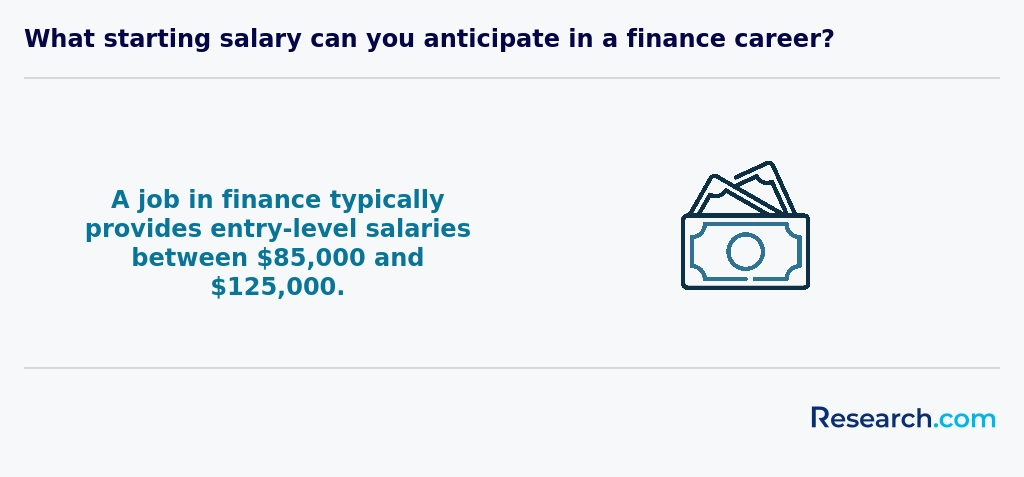
Graduates with an online finance degree in Florida frequently find themselves exploring diverse career opportunities, although the outcomes depend greatly on individual goals and local industry demands. Many start as financial analysts, particularly appealing for those eager to dive into investment assessment and data evaluation; graduates from popular universities like the University of Florida often recount how competitive entry-level salaries around $78,000 encouraged their initial job pursuits. However, some alumni caution that the field requires continuous learning and adaptation to remain competitive.
Other career opportunities with online finance degree in Florida include financial management roles, which tend to offer higher median salaries near $130,000. These positions in hospitality, real estate, or healthcare sectors attract graduates who appreciate overseeing financial operations and strategic decision-making. Indeed, some Florida students remark positively about how practical internships during their online programs prepared them for these demanding roles, though they emphasize the importance of gaining relevant certifications for advancement.
Jobs after online finance degree Florida are not limited to traditional paths; many graduates also enter banking, insurance, or fintech industries. For instance, exploring combinations of finance and technology in Miami's fintech scene offers dynamic careers that some find highly rewarding. Others pursuing credentials like CFA or CFP find these enhance their prospects in wealth management. Those considering broader educational options might also explore a master's degree in public relations to complement their skillset and expand career flexibility.
The job market for those holding an online finance degree in Florida shows promising growth, supported by the state's diverse economy, especially in banking, insurance, and real estate sectors. Graduates from universities like the University of Florida and Florida State University often share positive experiences about securing roles as financial analysts or budget analysts within local firms. These positions frequently benefit from Florida's booming tourism economy, adding unique opportunities unavailable elsewhere. However, market competition can be intense, particularly in larger cities such as Miami and Tampa where fintech startups attract fresh talent.
Florida's financial hubs provide strong networking and internship opportunities, which many graduates highlight as critical to landing their first jobs. While median salaries for financial roles in Florida hover around $70,000 to $85,000, these figures may vary significantly depending on specific areas and experience levels. Students considering affordability and career outcomes often explore online programs, which can be more cost-effective and flexible. Exploring the best online accelerated finance degree programs can be a strategic step toward entering this competitive market. Overall, online finance degree jobs Florida market benefits from steady demand, but success often hinges on leveraging local connections and practical experience.
2027 Best Online Finance Degree Programs Ranking in Florida
Investing in your education is a significant decision that can shape your future, and the Research.com team understands the importance of making informed choices. To assist prospective students in Florida, we have meticulously crafted the "2027 Best Online Finance Degree Programs Ranking in Florida." Our commitment to quality, credibility, and accuracy is reflected in the extensive research and analysis conducted to compile this ranking.
We utilized the following reputable data sources to ensure a comprehensive evaluation of online finance degree programs:
By exploring this ranking, readers will gain valuable insights into the top online finance degree programs in Florida, helping them make well-informed decisions about their educational future. For more details on our methodology, please visit our Research.com methodology page.


Frequently Asked Questions About finance
Students pursuing online finance degrees in Florida can enhance their learning by actively engaging with digital resources and university support services. Utilizing virtual libraries and financial databases offered by Florida universities broadens access to up-to-date market data and research. Participating in online discussion forums and study groups helps clarify complex financial concepts and fosters networking.
Florida's growing financial sector presents opportunities for virtual internships and mentorship with local firms, valuable for practical experience. According to the Florida Department of Economic Opportunity, finance jobs in Florida are expected to grow by 7% through 2030, highlighting the importance of practical skills.
Setting a consistent study schedule and leveraging tools like finance simulation software also supports deeper understanding of investment and risk management theories.
The finance field continues to diversify as new technologies and market demands reshape its landscape. Emerging niches include fintech, which combines finance with technology to improve services like mobile payments and blockchain applications. According to the Florida Department of Economic Opportunity, fintech-related jobs are growing faster than average, reflecting strong regional demand.
Another niche gaining prominence is sustainable finance, focusing on investments that support environmental, social, and governance (ESG) goals. Florida's growing green economy encourages professionals skilled in assessing sustainable investment opportunities. Additionally, risk management and data analytics are crucial as companies seek to navigate increasingly complex financial environments by leveraging big data.
After completing an online finance degree in Florida, graduates should focus on building practical skills and professional connections to enter the job market successfully. The state's finance sector includes major hubs like Miami and Tampa, where networking through local events and online platforms such as LinkedIn can be valuable. According to the Florida Department of Economic Opportunity, employment for financial analysts in Florida is projected to grow 7% by 2030, faster than the national average.
Internships and certifications like CFA or CFP enhance employability by demonstrating expertise. Florida has several professional finance organizations offering resources and mentorship programs. Staying updated on finance regulations relevant to Florida's market will also give candidates a competitive edge.
Employers in Florida value finance degree graduates who demonstrate strong analytical and quantitative skills. Proficiency in financial modeling, data analysis, and familiarity with tools like Excel and Bloomberg Terminal are especially important. According to the Florida Department of Economic Opportunity, roles in finance require clear critical thinking and problem-solving abilities.
Communication skills are also crucial because finance professionals often collaborate with diverse teams and explain complex financial information to non-experts. Florida's growing financial sector, including hubs in Miami and Tampa, places emphasis on adaptability and technology fluency. Knowledge of regulatory compliance and ethical standards is an asset, reflecting Florida's dynamic business environment.
Overall, practical experience through internships combined with these core skills enhances job prospects for graduates across Florida's finance industry.
Finding internships in Florida relevant to a finance degree involves a combination of targeted research and networking. Begin by exploring internship programs offered by financial institutions in major Florida cities such as Miami, Tampa, and Orlando. According to the Florida Department of Economic Opportunity, the finance and insurance sector employs over 200,000 people statewide, indicating strong internship opportunities.
Utilize university career centers and online portals like Handshake or Indeed to locate internships specifically designed for finance students. Connecting with professional organizations such as the Florida CFA Society can also provide valuable networking opportunities. Many internships require strong academic performance and relevant coursework, so maintaining a good GPA is essential.
Obtaining an online finance degree in Florida can significantly enhance career mobility and advancement. The state's growing financial sector, particularly in cities like Miami and Tampa, offers diverse opportunities for finance professionals. According to the U.S. Bureau of Labor Statistics, Florida's finance and insurance employment is projected to grow by about 8% from 2022 to 2032, higher than the national average.
Online programs provide flexible learning schedules, enabling working adults to gain relevant skills without interrupting their careers. Graduates often qualify for roles in financial analysis, planning, and management, which typically offer higher salaries and leadership potential.
Industry certifications and networking opportunities linked to accredited Florida institutions further boost employability. Employers increasingly value candidates with up-to-date financial knowledge and technological competencies, both commonly emphasized in online curricula.
Studying for an online finance degree in Florida offers students a strong foundation to excel in interdisciplinary roles. Florida's universities often integrate courses in economics, business law, data analytics, and information technology alongside core finance subjects. This multidisciplinary approach prepares graduates to navigate complex financial environments and work collaboratively across departments.
Florida's diverse economy, including tourism, healthcare, and international trade sectors, demands professionals who understand both finance and industry-specific challenges. According to the Florida Department of Economic Opportunity, finance-related positions are expected to grow by 8% through 2030, highlighting the need for versatile skills.
Many programs also emphasize communication and ethical decision-making, essential for leadership roles spanning multiple fields.
When deciding between a thesis and a non-thesis online finance degree program in Florida, consider your career goals and learning preferences. A thesis option often suits students interested in research or planning to pursue a PhD, as it involves independent study and producing original work. In contrast, a non-thesis program typically emphasizes practical skills through coursework and may include internships or capstone projects, ideal for those aiming to enter Florida's financial sector quickly.
According to the Florida Board of Governors, finance professionals in the state see a steady job growth of about 7% through 2030. Practical experience can be highly valued by local employers, including Miami's growing banking and investment industries.
Cost, program length, and flexibility also matter. Thesis programs might take longer to complete due to research demands, while non-thesis tracks often offer more structured schedules. Checking school accreditation and faculty expertise can also guide a well-informed choice.
Students in Florida who want to study finance abroad while earning an online degree have several options through U.S. institutions with international partnerships. Many Florida schools offer online finance programs with study-abroad components or exchanges, allowing students to gain global experience without relocating permanently.
According to the Florida Department of Education, such programs often include summer study tours or virtual internships with international firms. This approach helps students develop cross-cultural skills vital in global finance careers.
Florida's universities also participate in consortium agreements that facilitate credit transfer from foreign partner institutions. This enables students to spend a semester abroad in countries like the UK or Canada while completing their degree requirements.
Overall, these blended models provide flexibility and international exposure for Florida-based finance students through accredited, U.S.-recognized online programs.
Students pursuing online finance degrees in Florida can benefit from various part-time jobs that reinforce their academic learning. Positions such as financial analyst interns, bookkeeping assistants, and bank tellers offer hands-on experience with real-world financial operations. According to the Florida Department of Economic Opportunity, the finance and insurance sector is projected to grow by over 6% through 2030, increasing demand for entry-level roles.
Many financial firms in cities like Miami and Tampa provide flexible part-time internships tailored to students. Roles in tax preparation during tax season also offer practical understanding of finance principles.
Such jobs build skills in data analysis, financial reporting, and customer service, enhancing a graduate's marketability in Florida's competitive finance job market.
Online finance students in Florida benefit from several networking opportunities designed to connect them with professionals and peers. Many universities offer virtual career fairs and online alumni networks, enabling students to build relationships across the state. Additionally, Florida's strong finance sector, especially in cities like Miami and Tampa, supports numerous professional associations such as the Florida Finance Association and CFA Society Florida.
These groups often host webinars, workshops, and events accessible to online learners. According to the Florida Department of Economic Opportunity, the financial activities sector employs over 400,000 people statewide, providing ample potential contacts. Leveraging these resources can enhance students' career prospects while studying remotely.
Alumni networks offer significant advantages for online finance degree students in Florida by providing access to a broad community of professionals with shared educational backgrounds.
These networks facilitate valuable connections that can lead to internships, mentorships, and job opportunities in Florida's competitive finance sector, which includes hubs like Miami and Tampa.
According to the Florida Department of Economic Opportunity, the finance and insurance industry employs over 250,000 individuals statewide, emphasizing the importance of a well-connected professional network.
Through alumni events and online platforms, students can engage with experienced graduates who understand local market trends and regulatory environments, fostering career growth and practical insight.
Customizing your online finance degree in Florida begins with selecting programs that offer specialized tracks or electives aligned with your career goals. Many Florida institutions provide options such as corporate finance, investment management, or financial planning.
Additionally, you can choose courses focusing on Florida's unique economic sectors like tourism, real estate, and banking, which are vital contributors to the state's $1 trillion economy (Florida Chamber of Commerce, 2023). Internships and experiential learning through virtual projects also enhance career readiness.
Some programs offer professional certification preparation, such as CFA or CFP exam prep, adding value for targeted careers. Advisors and faculty guidance help tailor a course pathway that fits your ambitions in finance fields specific to Florida's market.
Online finance students in Florida often face challenges related to time management due to balancing work, family, and study commitments. Many finance programs require a solid understanding of complex quantitative skills, which can be difficult to master without in-person support. Additionally, access to Florida-specific financial markets or internship opportunities may be limited for remote learners, affecting practical experience.
Connectivity issues and inconsistent internet access remain concerns in some rural areas of Florida, impacting student engagement with real-time online lectures. According to the Florida Department of Education, about 18% of households in certain regions lack reliable broadband. Lastly, some students encounter difficulties navigating financial aid options tailored for online programs, as these vary widely across Florida institutions.
With an online finance degree, you can pursue several professional certifications that enhance career prospects in Florida's finance sector. Popular certifications include the Chartered Financial Analyst (CFA), Certified Financial Planner (CFP), and Certified Public Accountant (CPA) for those focusing on accounting and auditing.
The CFA is highly regarded for investment management roles, while the CFP is ideal for financial planning professionals. To obtain the CPA, candidates must meet Florida Board of Accountancy education and experience requirements, often supported by a finance degree.
Additionally, certifications like Financial Risk Manager (FRM) and Chartered Alternative Investment Analyst (CAIA) are valuable for specialized areas.
According to the Florida Department of Economic Opportunity, demand for finance-related positions is projected to grow by 7% through 2030, highlighting the importance of certifications.
To write a winning application for an online finance program in Florida, start by clearly demonstrating your interest and understanding of finance. Highlight any relevant experience, such as internships or jobs in financial sectors, especially within Florida's growing financial services industry. Emphasize your familiarity with local economic trends, like Florida's strong banking and real estate markets, supported by data from the Florida Department of Economic Opportunity.
Ensure your statement of purpose is concise and tailored to the specific program's strengths. Include your career goals and how the degree aligns with Florida's finance employment opportunities. Also, submit all required documents, like transcripts and test scores, punctually.
Strong letters of recommendation from professionals or professors who know your quantitative and analytical skills can enhance your application's credibility.
The global finance industry is increasingly interconnected, influencing careers worldwide, including in Florida. Professionals with a finance degree often engage with international markets, requiring knowledge of global regulations and economic trends. According to the U.S. Bureau of Labor Statistics, Florida's finance sector is growing faster than the national average, reflecting global business activities in this region.
Financial hubs like Miami serve as gateways to Latin American markets, enhancing career opportunities for graduates. Online finance programs in Florida prepare students to understand global financial systems, risk management, and cross-border investments. This international perspective is vital as companies seek talent that can navigate diverse economic environments.
Gaining practical experience while studying for an online finance degree in Florida is essential to enhance career readiness. Many Florida universities offer virtual internships and cooperative education programs with local financial firms, allowing students to apply classroom knowledge in real-world scenarios. According to the Florida Department of Economic Opportunity, the finance sector in Florida is projected to grow by 7% through 2030, increasing demand for skilled professionals.
Students can also engage in case competitions, financial modeling workshops, and online simulation tools offered by schools or professional organizations.
Additionally, joining Florida-based finance clubs or networking events online can help build valuable industry connections.
Choosing the right concentration within an online finance degree program in Florida begins with understanding your career goals and interests. Popular concentrations include financial planning, investment analysis, risk management, and corporate finance. According to the Florida Department of Economic Opportunity, demand for financial analysts in Florida is expected to grow 11% from 2022 to 2032, indicating strong job prospects in investment and risk management fields.
Consider your strengths and the specific skills each concentration develops. For example, financial planning focuses on personal wealth management, while corporate finance emphasizes business financial strategies. Research program curricula closely to see if they align with emerging Florida industries such as tourism, real estate, and banking, which are key employers for finance graduates in the state.
- 2027 Best Online Finance Degree Programs Ranking in Missouri
- 2027 Best Online Finance Degree Programs Ranking in Pennsylvania
- 2027 Best Online Finance Degree Programs Ranking in Texas
- 2027 Best Finance Degree Programs Ranking in Alabama
- 2027 Best Finance Degree Programs Ranking in Mississippi
- 2027 Best Finance Degree Programs Ranking in North Carolina
- 2027 Best Finance Degree Programs Ranking in Louisiana
- 2027 Best Finance Degree Programs Ranking in Missouri
- 2027 Best Finance Degree Programs Ranking in Indiana
- 2027 Best Finance Degree Programs Ranking in Ohio
See What Experts Have To Say About Studying Finance
Read our interview with Finance experts

Andrew Karolyi
Finance Expert
Dean of the Cornell SC Johnson College of Business
Cornell University

H. Kent Baker
Finance Expert
Professor at Department of Finance and Real Estate
American University

Jason James Sandvik
Finance Expert
Assistant Professor of Finance
University of Arizona

- Online Degree vs. Traditional | University of Arkansas Grantham https://www.uagrantham.edu/blog/pros-cons-online-degree-vs-traditional-university/
- Master of Business Administration with a Concentration in Finance Online https://www.floridacoastaluniversity.com/program/master-of-business-administration-finance/
- Navigating financial challenges in higher education - Office for Students https://www.officeforstudents.org.uk/publications/navigating-financial-challenges-in-higher-education/
- 2024 Best Business Schools | How Alumni Rate Their Undergraduate Business Degrees https://poetsandquantsforundergrads.com/news/best-business-schools-alumni-rate-undergraduate-business-degrees/5/
- Your Guide to Getting a Job in Finance https://www.mountunion.edu/academics/undergraduate-degrees/finance/your-guide-to-getting-a-job-in-finance
- What Major is Best for Finance? Top 10 Picks https://zoetalentsolutions.com/what-major-is-best-for-finance/
- What studies are needed to work in finance? https://www.monaco.edu/en/everything-you-need-to-know-about-the-role-of-an-hse-manager-duties-studies-and-salary-2-2-3-2/
- 2025 Most Affordable Online Finance Degrees https://www.onlineu.com/most-affordable-colleges/finance-degrees
- Finance Degrees | Florida College | Academics https://floridacollege.edu/degrees/finance/
- Banking & Financial Management BAS Track | EFSC https://www.easternflorida.edu/academics/bachelor-degrees/organizational-management/banking-finance/index.php