2027 Best Finance Degree Programs Ranking in Manhattan

Co-Founder and Chief Data Scientist
Choosing the right finance degree program in Manhattan can be overwhelming. This article will guide you through the 2027 Best Finance Degree Programs Ranking in Manhattan, crafted by the Research.com team of data scientists. It offers clear insights to help you make an informed decision about your education.
Finance degrees open doors to exciting career opportunities and financial growth. Exploring programs that match your goals is key.
By reading this article, you'll gain valuable knowledge to confidently select a program that fits your ambitions and lifestyle.
Key benefits of getting finance degree in Manhattan
- Finance degree graduates in Manhattan can earn competitive salaries, with positions like Financial Advisor averaging $150,670 annually and Financial Analyst roles around $112,950, offering strong financial stability.
- Graduates often explore diverse career paths, including investment banking and credit analysis, building rewarding roles in Manhattan's dynamic financial sector that match their skills and ambitions.
- Online finance degrees offer flexibility for busy students, allowing them to balance work and study while accessing quality education from top Manhattan schools, helping accelerate career growth efficiently.
- 2027 Best Finance Degree Programs Ranking in Manhattan
- What can I expect from finance degree in Manhattan?
- Where can I work with finance degree in Manhattan?
What can I expect from finance degree in Manhattan?
The average cost of pursuing a finance degree in Manhattan reflects the city's premium status as a global financial hub, often ranging higher than similar programs in other regions. Tuition and living expenses combined can amount to a significant investment, yet many students from renowned institutions experience this as a pathway to unparalleled opportunities. Graduates recall managing costs through scholarships and assistantships offered by schools known for their finance programs, such as those near Wall Street. These financial aids turn the high cost into a manageable stepping stone toward a bright future.
Living in Manhattan means immersing yourself in a vibrant environment where academic rigor meets real-world experience. Students find themselves walking to internships in top financial firms just minutes away from campus. This access, combined with strong university ties to the industry, justifies the expense by boosting career prospects and salary potential.
Many Manhattan finance graduates emphasize how this investment not only provided first-rate education but also unlocked access to valuable networking events, internships, and mentorships-resources essential in today's competitive job market.
Where can I work with finance degree in Manhattan?
Graduates with a finance degree in Manhattan step into a vibrant job market bursting with exciting opportunities. Many find themselves thriving at renowned institutions like JPMorgan Chase or Goldman Sachs, where they shape careers in investment banking, asset management, or risk advising. Finance students from schools such as Baruch College often share how networking events and internships opened doors to roles as financial analysts or portfolio managers in these world-class firms.
Others pursue paths in financial consulting, helping top companies navigate mergers and acquisitions or master tax planning. Imagine working in a sleek office downtown, collaborating with experts to solve real-world financial puzzles, a common experience for graduates at NYU's Stern School of Business.
Manhattan's dynamic environment also offers countless roles in the fintech sector, where technology meets finance. Graduates bring fresh energy to startups developing blockchain and digital banking innovations, often recalling their transformative campus workshops as the spark that propelled them into these cutting-edge careers.
Additionally, many finance graduates find fulfilling opportunities in corporate finance teams, government agencies, and nonprofits, where their skills directly impact budgeting and economic programs that shape the city's future.
Graduates with a finance degree from renowned Manhattan institutions often find themselves stepping into well-paying roles that reflect the city's vibrant financial scene. For example, entry-level financial analysts can anticipate mean annual wages around $112,950, according to the U.S. Bureau of Labor Statistics. This figure often grows swiftly as graduates gain experience and demonstrate their skills.
Many financial advisors, a career path popular among Manhattan graduates, enjoy impressive earnings with mean salaries near $150,670 annually. This rewarding income reflects not just technical expertise but also strong client relationships built in the city's competitive environment.
Those focusing on credit analysis or investment banking in Manhattan see mean wages of about $94,750 and $112,950 respectively. Insurance underwriters also benefit with mean salaries around $85,610. Graduates from top Manhattan universities eagerly share how internships and networking in this financial hub accelerate career growth and compensation.
Living and working in Manhattan means your high earnings go hand-in-hand with the city's energetic atmosphere, ensuring your finance degree unlocks powerful opportunities to thrive and achieve financial goals.
- Manhattan is a leading global financial center, offering strong internship and job opportunities in top financial firms.
- Public university tuition ranges from $7,000 to $15,000 per year for in-state students, while private schools charge $40,000 to $60,000 annually.
- Additional living expenses can be high due to Manhattan's costly housing and lifestyle.
- Entry-level finance salaries average about $70,000 per year, with mid-career professionals earning $120,000 or more.
- The city has many financial services employers, including investment banks, hedge funds, and asset management firms.
- Networking events, recruiting fairs, alumni connections, and internships are widely available for finance students in Manhattan.
Completing a finance degree in Manhattan is an exciting journey that usually takes about four years for a traditional bachelor's program at renowned schools such as Baruch College or Fordham University. Many graduates share how immersing themselves in the city's dynamic financial environment during those four years fueled their passion and practical understanding. For ambitious students, accelerated bachelor's programs allow finishing in roughly three years, providing a fast-paced but rewarding path that challenges and sharpens time management skills amid Manhattan's vibrant energy.
Graduate degrees, like a Master of Science in Finance or an MBA from local institutions, typically require one to two years of full-time study. The flexibility of part-time options, often extending to two or three years, lets students balance demanding careers while deepening their expertise. Many graduates appreciate this balance, finding inspiration in networking opportunities on Wall Street or internship experiences that enrich their classroom learning and open doors.
Living and studying finance in Manhattan brings unmatched excitement, and the program lengths align perfectly with the city's rhythm, empowering students to thrive personally and professionally.
Choosing between an online and on-campus finance degree in Manhattan means embracing two unique paths to success. On-campus programs at renowned schools like Baruch College or NYU allow students to immerse themselves in vibrant classrooms, where direct interaction with professors sparks insightful discussions and instant feedback. Graduates often recall the energy of networking events and campus career fairs that opened doors to internships at leading financial firms right in the heart of Manhattan.
In contrast, online programs empower driven individuals to balance their studies with busy schedules-perfect for those already working in Manhattan's fast-paced finance sector. Graduates praise the flexibility of learning from home, which lets them absorb complex concepts through dynamic digital platforms while maintaining their career momentum. Though less frequent, virtual internships offer unique ways to connect with industry professionals across the city.
- On-campus students thrive with structured schedules and face-to-face collaboration that build lasting professional relationships.
- Online learners develop strong self-discipline and time management skills, tailoring education to their lifestyle.
One of the most critical questions for prospective students is whether the long-term benefits of a finance degree outweigh the upfront costs. In Manhattan, KS, the average total tuition for a bachelor’s in finance ranges from $40,000 to $120,000 (in-state vs. out-of-state), while graduates report an average starting salary of $64,239 and mid-career earnings exceeding $95,570. When you factor in average student debt of $30,030, the typical payback period is approximately 4–6 years, assuming full-time employment in the financial sector. Key metrics for evaluating ROI include:
- Total Cost of Attendance (TCA): Tuition, fees, textbooks, and living expenses typically sum to $60,000–$140,000 over four years.
- Average Starting Salary: $64,239, rising to $85,000–$125,000 within 3–5 years.
- Debt-to-Income Ratio: Graduates often maintain a ratio below 0.5 by leveraging internships and employer-sponsored tuition assistance.
- Payback Period: With average net earnings of $50,000–$70,000 post-tax, most students recoup their investment within six years. For students seeking a lower-cost pathway or who need to build foundational skills, exploring the best online associates degrees in finance can reduce debt and accelerate entry into the job market. Many community colleges in Manhattan offer transferable credits, allowing a seamless transition to a four-year institution while maintaining a strong ROI. Overall, the financial and career upside of a finance degree in Manhattan, KS, is substantial. By carefully comparing program costs, leveraging scholarships, and targeting high-growth specializations-such as risk management or investment analysis-students can maximize their return on investment and secure a financially rewarding career.
The average cost of a finance degree in Manhattan blends both aspiration and smart investment, with median total expenses around $38,816. For many students attending renowned institutions like New York University or Columbia University, this figure represents not just tuition but the vibrant experiences and career-launching opportunities unique to Manhattan's financial hub. Graduates often recall balancing academic rigor with the energy of the city, knowing their education is worth the cost.
Public colleges in Manhattan provide more accessible options, especially for in-state students, whose median total cost is approximately $11,221. This affordability allows talented individuals to pursue their dreams without overwhelming financial burden, opening doors in the competitive finance field found in this dynamic city. Many students find that managing living expenses, while challenging, is more feasible with scholarships or part-time work, making the total expenses for finance degree programs Manhattan more manageable.
Living in Manhattan means budgeting for more than tuition-housing, transportation, and daily life add to the experience of studying finance amidst the city's energy and opportunity. Graduates often highlight how these expenses shaped their independence and resilience. For those wondering specifically about graduate studies, exploring resources on how much does an executive mba cost can add clarity to planning for an advanced finance education.
Financing a finance degree in Manhattan is entirely achievable thanks to a wide range of financial aid options tailored to support ambitious students. Graduates from renowned institutions like Baruch College often share how federal Pell Grants and student loans accessed through FAFSA provided a vital foundation, allowing them to focus fully on their studies without overwhelming debt concerns.
New York State's Tuition Assistance Program (TAP) is another incredible resource, offering thousands of dollars in aid to eligible Manhattan residents attending universities such as NYU. This state support can dramatically lighten the financial load, making the dream of a top-tier finance education more accessible than ever.
Merit-based scholarships offered by city colleges recognize excellence and leadership, rewarding hardworking students who demonstrate their passion for finance. Many also benefit from external scholarships awarded by finance organizations, further enriching their educational journey.
Work-study programs, especially internships with local finance firms, allow students to earn while gaining invaluable real-world experience in Manhattan's vibrant financial district. These opportunities enable many to build confidence, connections, and financial independence simultaneously.
To step confidently into a finance degree program in Manhattan, students typically begin with a strong high school foundation, including a diploma or equivalent like a GED. Imagine walking through bustling campuses like Baruch College or NYU, where graduates often recall that maintaining a minimum GPA of around 3.0 was key to unlocking their potential in competitive programs.
Many found their passion deepened by solid skills in math and economics, subjects essential to the financial landscape of New York City. Admissions often look for SAT or ACT scores in the 1200 to 1400 range, but students appreciate how personal statements and recommendation letters provide a chance to share their unique stories beyond numbers.
For those aspiring to graduate programs, previous degrees and strong GRE or GMAT scores become stepping stones to advanced finance careers. These milestones aren't just hurdles-they're exciting markers on a rewarding journey toward becoming part of Manhattan's vibrant financial world.
- High school diploma or equivalent for undergraduate admissions
- Minimum GPA around 3.0, potentially higher for top programs
- SAT or ACT scores, typically 1200-1400 range
- Letters of recommendation and personal essays
- Undergraduate degree for graduate finance programs
- GRE or GMAT scores for graduate admissions
- Prerequisite coursework in math, economics, or related fields

Navigating the application process for a finance degree in Manhattan, KS requires careful planning and adherence to key deadlines to maximize your chances of admission. Whether you’re pursuing an undergraduate or graduate program, the timeline typically follows these steps: 1. Research and Campus Visits – Start by reviewing program prerequisites, curriculum offerings, and faculty expertise. – Attend virtual or on-campus information sessions and tours during September–November to gain firsthand insights. 2. Prepare Application Materials – Request official high school or college transcripts at least two months before the deadline. – If required, register for the ACT or SAT by early October for fall admission; many programs now offer test-optional policies-verify with your chosen institution. – Draft a compelling personal statement highlighting your career goals, relevant experience, and why Manhattan, KS is the ideal setting for your finance studies. – Secure two to three letters of recommendation from teachers, employers, or mentors who can attest to your analytical skills and academic readiness. 3. Submit Applications and Fees – Undergraduate applications for fall typically open August 1 and close November 1; spring admission deadlines often fall around October 15. – Graduate finance programs usually have a December 1 deadline for spring and April 15 for fall entry-check each department’s website for variations. – Complete the FAFSA by March 1 to access federal aid and state scholarships, and explore institutional fellowships simultaneously. 4. Follow Up and Interviews – After submitting, confirm receipt of materials via your applicant portal and schedule any required interviews by January. – Attend admitted-student events in March–April to connect with faculty, current students, and alumni. 5. Decision and Enrollment – Admission decisions for fall are generally released by mid-February; spring decisions arrive by late November. – Submit your enrollment deposit by April 15 for fall or November 15 for spring to secure your spot. For those considering a graduate alternative or hybrid online pathway, be sure to compare costs and outcomes by exploring the Affordable Online Master's in Finance Degree Programs Ranking in Lincoln, NE, which offers a curated list of cost-effective master’s options that align with your career aspirations.
Finance degree programs in Manhattan offer an inspiring blend of courses that equip students with both practical skills and deep financial insight. Graduates from top Manhattan colleges frequently share how foundational classes such as financial accounting and economics gave them the confidence to understand real-world market movements and company financial results from day one.
Core subjects like Corporate Finance teach students to expertly manage financial resources and plan capital budgets, skills immediately applicable in dynamic roles across Wall Street firms. Investment Analysis courses empower learners to assess asset values and construct portfolios, fostering a proactive mindset essential for thriving in Manhattan's fast-paced investment environment.
Students also benefit from Financial Markets and Institutions classes that reveal the inner workings of the city's global financial hubs, while Quantitative Methods sharpen analytical abilities with statistics and modeling-tools vital for innovative problem-solving. Many graduates highlight how Ethics in Finance shaped their sense of responsibility in an industry that demands integrity alongside ambition.
These courses, combined with specialized electives on derivatives, international finance, and fintech, prepare students not just to enter but to lead in Manhattan's vibrant financial scene, inspiring confidence and opening doors to rewarding careers.
Finance degree specializations in Manhattan are designed to inspire and equip students for the city's vibrant financial ecosystem. Graduates from top institutions in Manhattan often choose Corporate Finance, immersing themselves in real-world challenges like capital budgeting and risk strategy that power local businesses. Many find this path fulfilling as it sharpens their ability to drive financial decisions in high-stakes environments.
Others are drawn to the excitement of Investment Banking and Asset Management. With Wall Street just steps away, students gain firsthand insights into portfolio management and securities analysis, preparing them to thrive as equity researchers or traders. This specialization opens doors to dynamic careers pulsating with energy and opportunity.
Emerging fields in Financial Technology (FinTech) attract ambitious learners eager to innovate with blockchain and data analytics at leading Manhattan colleges. This blend of finance and technology excites students ready to shape the future of digital finance. Additional options like Risk Management and Quantitative Finance provide analytical rigor, perfect for those aiming to excel in hedge funds or insurance firms.
Prospective students exploring Manhattan finance degree concentration options can explore diverse opportunities that align with their passions, whether through hands-on projects or internships. For those balancing finance with healthcare, exploring best MSN-MBA programs online can be a strategic choice to expand career horizons.
Choosing the best finance degree programs Manhattan offers means diving into opportunities at renowned institutions like NYU Stern and Baruch College, where graduates often credit their success to the city's unparalleled access to internships and networking on Wall Street. Imagine yourself attending classes by day and connecting with industry leaders by evening, all while building a professional circle that opens doors to top firms.
Consider the value of AACSB accreditation, which assures a high-quality education recognized nationwide. Many students find motivation knowing their degree stands out in Manhattan's competitive finance market. Career support services are invaluable-graduates frequently share how the strong alumni network and job placement resources helped them secure roles with impressive starting salaries.
Balancing cost and practicality is crucial. With Manhattan's living expenses, looking into affordable finance degrees in Manhattan can ease financial stress. Some find great flexibility with part-time or evening classes, blending work and study seamlessly. For specialized pathways, exploring options like a top affordable MBA healthcare management online can offer unexpected benefits and tailored knowledge.
Graduates with a finance degree in Manhattan unlock a world of exciting career paths in one of the globe's premier financial centers. Many find themselves thriving as financial analysts, portfolio managers, or risk managers at renowned firms headquartered in the city. Graduates from popular Manhattan colleges often share stories of internships turning into full-time roles within prestigious banks or private equity companies, reflecting the vibrant Manhattan finance job opportunities.
Others are drawn to the fast-paced fintech scene, joining startups that innovate in blockchain, algorithmic trading, or mobile payments. These roles blend finance expertise with cutting-edge technology, perfect for those eager to shape the future of finance. Public sector roles in financial policy and economic analysis also offer meaningful pathways, especially for those motivated to impact the community or government. For students eyeing a broader horizon, exploring options like California online MBA programs can complement Manhattan's dynamic environment and enhance career prospects in finance degree careers in Manhattan.

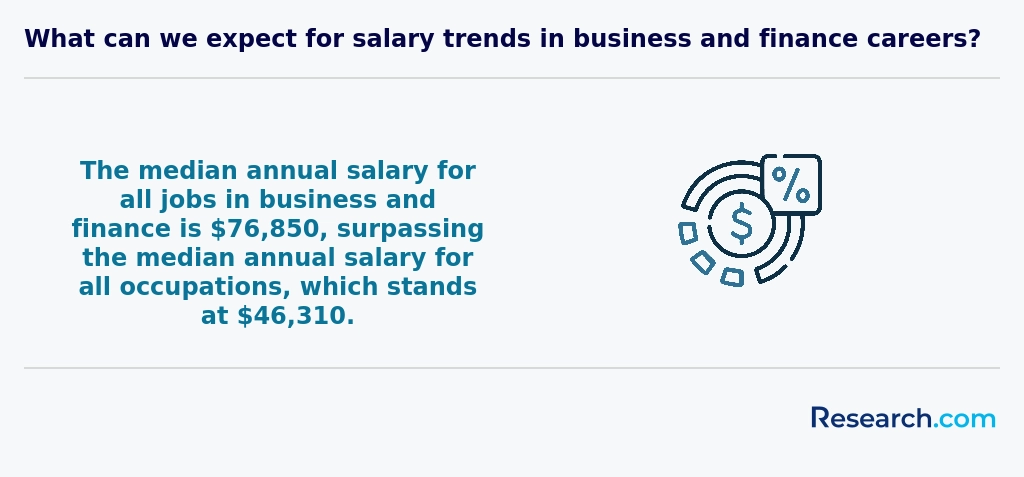
Manhattan's finance degree job outlook Manhattan graduates is exceptionally promising due to the city's status as a global financial center. Many students from top universities in Manhattan report securing roles quickly after graduation in sectors like investment banking, asset management, and risk management. The close proximity to major banks and financial firms allows graduates to access vibrant networking events and internships that open doors to rewarding careers. Finance graduates benefit from entry-level salaries typically between $65,000 and $80,000, with mid-career positions reaching beyond $130,000 in annual pay, fostering a motivated and optimistic atmosphere among students.
Manhattan finance career opportunities continue to expand, especially as fintech startups seek graduates who combine financial expertise with tech skills. Students at popular local colleges often share the excitement of internships and new roles in these innovative environments, fueling their professional growth. While tuition can range from $30,000 to $60,000 yearly, the investment aligns with the strong career potential offered. Finance students also explore options like the best online associates degrees in finance to complement their studies and maximize opportunities.
2027 Best Finance Degree Programs Ranking in Manhattan
Investing in your education is a significant decision that can greatly impact your future, and the Research.com team is dedicated to helping you make well-informed choices. To support prospective students seeking finance degree programs in Manhattan, we have carefully developed the "2027 Best Finance Degree Programs Ranking in Manhattan." Our commitment to quality, credibility, and accuracy is demonstrated through thorough research and analysis performed during the creation of this ranking. We utilized the following reputable data sources to ensure a comprehensive evaluation of finance programs:
By reviewing this ranking, readers will gain valuable insights into the top finance degree programs available in Manhattan, empowering them to make confident and informed decisions about their educational futures. For more details on how this ranking was created, please visit our Research.com methodology page.

Frequently Asked Questions About finance
Finance degree students in Manhattan can maximize their learning by taking full advantage of the city's unique financial ecosystem. Manhattan hosts the headquarters of major banks, hedge funds, and investment firms, offering students unparalleled internship and networking opportunities. According to the New York City Economic Development Corporation, internships in finance firms located in Manhattan can increase employment chances by over 30% after graduation.
Many Manhattan universities also encourage participation in student-run investment clubs and competitions, where hands-on experience complements classroom learning. Utilizing resources such as the New York Public Library's business collections and attending industry seminars helps deepen practical knowledge. Students benefit from engaging with real-time market data through partnerships with financial institutions in the city.
Moreover, Manhattan's strong alumni networks provide mentoring and job placement assistance, which research has shown can improve graduate outcomes significantly. Finally, combining coursework with certifications like CFA Level 1 aligns academic progress with professional standards widely recognized in Manhattan's finance sector.
Emerging niches in finance reflect growing demands in technology and sustainability. In Manhattan, where financial innovation is vital, areas like fintech have expanded rapidly, incorporating blockchain, digital currencies, and AI-driven analytics. According to the New York State Department of Labor, fintech jobs in the city increased by 25% over the past three years.
Another key niche is sustainable finance, which focuses on investments supporting environmental, social, and governance (ESG) criteria. The rise of green bonds and socially responsible investing in Manhattan firms is driving demand for specialists who combine finance expertise with ethical practices.
Data analytics and quantitative finance remain critical, as companies seek to leverage big data for smarter investment decisions. Graduates with skills in coding and financial modeling are highly sought after in Manhattan's competitive job market.
Preparing for the job market after earning a finance degree in Manhattan involves several strategic steps. First, gaining practical experience through internships is crucial; Manhattan hosts over 30% of the nation's financial services jobs, making internships widely available and highly competitive. According to the Bureau of Labor Statistics, finance occupations in New York City are projected to grow by 8% through 2030.
Networking is vital in Manhattan's finance sector. Joining local finance associations and attending industry events can open doors to top firms. Additionally, obtaining relevant certifications like the CFA or CPA can enhance credibility and job prospects. Lastly, honing technical skills such as Excel, financial modeling, and data analysis is essential to meet employer expectations.
Employers seeking finance degree graduates in Manhattan prioritize a blend of technical expertise and interpersonal skills. Strong analytical abilities rank high, as graduates must interpret complex financial data accurately. Proficiency in software such as Excel, SQL, and Bloomberg Terminal is essential, reflecting Manhattan's status as a global financial hub.
Communication skills are equally important because finance professionals regularly present findings and collaborate within diverse teams. According to the New York State Department of Labor, job postings in Manhattan emphasize problem-solving and critical thinking.
Additionally, understanding regulatory frameworks and maintaining ethical standards remain vital, given the city's stringent financial oversight.
Finding internships in Manhattan relevant to a finance degree requires a strategic approach. Manhattan is a global financial hub, hosting Wall Street, major banks, and numerous investment firms, making it rich in opportunities. According to the U.S. Bureau of Labor Statistics, finance internships in New York City have grown steadily, reflecting industry demand. Students should leverage university career centers, many of which have partnerships with local firms offering finance internships.
Networking is crucial; attending finance-related events, joining student finance clubs, and using platforms like LinkedIn can open doors. Additionally, many firms post internships on websites such as Handshake and Indeed, which are regularly updated with Manhattan-specific roles.
A finance degree significantly enhances career mobility and advancement opportunities in Manhattan, a global financial hub. Manhattan hosts premier institutions and is home to major firms on Wall Street, offering graduates direct access to networking and internships. According to the Bureau of Labor Statistics, financial analysts in New York City earn a median annual wage of $95,000, higher than the national average, reflecting the value of specialized education.
Employers often prefer candidates with degrees in finance due to their strong foundation in financial principles, analytics, and market understanding. This qualification opens doors to roles in investment banking, corporate finance, and asset management, fields thriving in Manhattan's economy. Additionally, graduates benefit from continual professional development in the city's dynamic environment, increasing promotion potential and salary growth over time.
Studying for a finance degree in Manhattan offers a unique opportunity to engage with the city's diverse economic landscape. Many programs incorporate coursework from economics, data analytics, and business management, enabling students to develop a broad skill set suited for interdisciplinary roles. According to the U.S. Bureau of Labor Statistics, Manhattan hosts a high concentration of financial services firms, which increasingly seek graduates with expertise in technology and regulatory knowledge.
Students also benefit from proximity to Wall Street and access to internships at leading firms, fostering practical experience across disciplines. Schools emphasize collaboration with industries such as tech start-ups, marketing, and law, preparing graduates for versatile careers. This integration aligns with Manhattan's evolving financial sector demands.
Choosing between a thesis and a non-thesis finance degree program in Manhattan depends largely on your career goals and learning preferences. Thesis programs typically suit students who aim for research roles or plan to pursue a PhD. They demand independent study and original research, which can take 6-12 months to complete. Non-thesis programs usually focus on coursework and practical skills, preparing students for immediate employment in finance sectors such as investment banking or asset management.
In Manhattan, home to the financial district and numerous top business schools, many programs emphasize real-world experience. According to the National Center for Education Statistics, most local programs offer non-thesis options catering to professionals seeking quick entry or advancement in finance careers.
Consider program flexibility, faculty expertise, and internship opportunities before deciding. A thesis can deepen analytical skills, but non-thesis tracks often provide industry connections essential in New York's competitive market.
Students in Manhattan seeking finance degrees abroad have several options through established study abroad programs offered by local universities. Schools such as Baruch College and New York University partner with European and Asian institutions, enabling students to complete part of their coursework overseas. These programs often focus on global finance markets, providing valuable international exposure.
Manhattan finance students can also participate in exchange programs that allow credit transfer back to their home institutions. According to the Institute of International Education, over 14% of U.S. study abroad participants in business fields choose finance-related courses, reflecting growing demand.
In addition, some programs offer internships in global financial centers, enhancing practical experience. Tuition and financial aid varies, but many universities provide dedicated scholarships for study abroad in finance.
Manhattan offers diverse part-time job opportunities that complement a finance degree education. Many students find roles in financial firms, including internships or assistant positions in investment banks, asset management companies, and accounting offices. These jobs provide practical exposure to market analysis and portfolio management.
Retail banking positions also help develop customer service skills and deepen understanding of financial products. According to the New York State Department of Labor, finance-related roles in Manhattan have a 5% annual growth, reflecting strong local demand.
Additionally, part-time work as research assistants at universities or financial consulting firms strengthens analytical abilities crucial for finance careers.
Finance students in Manhattan benefit from exceptional networking opportunities given the city's role as a global financial hub. Many universities, such as Baruch College and NYU Stern, have strong connections with Wall Street firms and financial institutions. These schools often organize career fairs and alumni events that attract top recruiters from the finance sector.
Additionally, students can join finance-focused clubs and professional organizations like the Financial Management Association or local CFA Society events. These provide valuable chances to engage with industry professionals and expand one's network.
Manhattan's proximity to leading financial firms facilitates internships and mentorships, critical for career development. According to the Bureau of Labor Statistics, Manhattan hosts nearly 30% of the nation's financial services jobs, underscoring the density of potential contacts.
Alumni networks are a vital resource for finance degree students in Manhattan. Graduates from these programs often join strong professional communities, which can open doors to internships and job opportunities in the city's competitive finance sector. According to the Manhattan Chamber of Commerce, alumni connections increase employment rates by up to 20% for recent finance graduates in the area.
These networks provide mentorship, industry insights, and direct access to finance leaders headquartered in Manhattan. Networking events, often hosted by universities and finance organizations, help students build relationships that may lead to job referrals or collaborative projects.
In a city where 65% of financial firms consider alumni referrals during hiring, these connections give students a strategic advantage in their career launch and growth.
Customizing a finance degree program in Manhattan allows students to target their specific career goals within the city's dynamic financial sector. Many institutions offer elective courses in areas such as investment banking, risk management, financial technology, and corporate finance to deepen expertise.
Additionally, students can often choose internships or cooperative education placements at New York City financial firms, capitalizing on Manhattan's status as a leading financial hub. According to the New York State Department of Labor, the metropolitan area employs over 180,000 finance professionals, underscoring ample opportunities for practical experience.
Some programs also provide options for dual degrees or certificates in related fields like data analytics, which align with the growing demand for quantitative skills in finance roles.
Tailoring your program through specializations and experiential learning helps you build relevant skills, network locally, and prepare for roles in Manhattan's competitive finance industry.
Finance students in Manhattan often face intense competition due to the city's position as a global financial hub. With many prestigious universities and professional programs located nearby, students frequently encounter high academic standards combined with demanding internship and job markets. According to the National Association of Colleges and Employers (NACE), finance internships in Manhattan can receive thousands of applicants for a limited number of opportunities, increasing pressure on students to excel academically and professionally.
Additionally, the cost of living in Manhattan is one of the highest in the US, which can strain students financially. Tuition fees, housing expenses, and daily costs add up quickly, requiring many students to balance part-time work with their studies. This challenge is supported by a 2023 report from the College Board highlighting that over 70% of finance students in New York City seek some form of financial aid or employment.
Time management is another critical challenge. Students must juggle rigorous coursework, networking events, and practical experiences to develop the skills needed for success in finance. Many also feel pressure to obtain relevant certifications like the CFA, adding to their workload.
A finance degree from a Manhattan institution opens doors to several professional certifications highly valued in the finance industry. Popular options include the Chartered Financial Analyst (CFA) designation, which covers investment management, portfolio analysis, and ethics. The CFA credential is widely recognized, with New York City hosting over 20% of all CFA charterholders in the United States, reflecting Manhattan's financial hub status (CFA Institute, 2023).
Another notable certification is the Certified Financial Planner (CFP), ideal for those interested in personal financial advising. The Financial Risk Manager (FRM) credential focuses on risk assessment and is offered through the Global Association of Risk Professionals, whose headquarters are nearby in NYC.
These certifications typically require passing multiple exams and meeting work experience criteria, often giving graduates a competitive edge in Manhattan's demanding finance job market. Obtaining such credentials can significantly increase earning potential and job opportunities in the city's finance sector.
To write a winning application for a finance program in Manhattan, it is essential to highlight strong quantitative skills, such as proficiency in mathematics and statistics. Many top programs seek candidates with a solid foundation in economics, accounting, and analytical reasoning.
Applicants should clearly demonstrate their interest in Manhattan's financial sector, home to Wall Street and major investment firms, which can be an asset in personal statements. According to the U.S. Bureau of Labor Statistics, the finance industry in New York City is projected to grow by 6% from 2022 to 2032, showing promising career opportunities.
Including internships or work experience in local financial institutions can greatly strengthen your profile. Letters of recommendation from professionals who can vouch for your skills and dedication also play a crucial role.
A finance career offers a global outlook, shaped by interconnected markets and diverse financial systems. For students in Manhattan, a major financial hub, understanding international finance is crucial. According to the New York State Department of Labor, Manhattan's finance sector employs over 300,000 professionals, many of whom engage in cross-border transactions and global investments.
Finance degrees here often include courses on international economics, risk management, and global financial regulations. The U.S. Bureau of Labor Statistics projects a 9% growth in financial analyst jobs nationally from 2022 to 2032, reflecting steady demand worldwide. Notably, Manhattan's proximity to global banks and multinational firms provides unique internship and networking opportunities, essential for building a globally focused finance career.
Gaining practical experience while studying for a finance degree in Manhattan is crucial given the city's role as a global financial center. Many universities in Manhattan have partnerships with investment banks, hedge funds, and consulting firms that offer internships specifically for finance students. According to the National Association of Colleges and Employers (NACE), over 60% of finance students secure internships by their junior year, which significantly improves job prospects.
Students can also participate in on-campus finance clubs, competitions, and simulations that replicate real-world trading and portfolio management. Programs often include networking events and mentorship from industry professionals.
Additionally, Manhattan's proximity to Wall Street offers students unique access to part-time roles and shadowing opportunities, enhancing their applied knowledge alongside academic theory.
Choosing the right concentration within a finance degree program in Manhattan begins with understanding your career goals. Manhattan hosts some of the nation's top financial hubs, making areas like investment banking, risk management, and financial analytics particularly relevant. According to the New York State Department of Labor, industries such as securities and asset management offer competitive salaries, often exceeding $90,000 annually for entry-level roles.
Students should also consider program strengths. Many Manhattan schools offer specialized tracks aligned with local market demands, such as fintech or corporate finance. Researching alumni outcomes and internship opportunities in Wall Street firms can guide your focus.
Finally, seek concentrations that build technical skills, like data analysis and financial modeling, which are highly valued by employers in Manhattan's dynamic finance sector.
- 2027 Best Finance Degree Programs Ranking in Omaha
- 2027 Best Finance Degree Programs Ranking in Springfield
- 2027 Best Finance Degree Programs Ranking in Columbia
- 2027 Best Finance Degree Programs Ranking in Edmond
- 2027 Best Finance Degree Programs Ranking in Saint Louis
- 2027 Best Finance Degree Programs Ranking in Minneapolis
- 2027 Best Finance Degree Programs Ranking in Saint Paul
- 2027 Best Finance Degree Programs Ranking in Dallas
- 2027 Best Finance Degree Programs Ranking in Denver
- 2027 Best Finance Degree Programs Ranking in Lubbock
See What Experts Have To Say About Studying Finance
Read our interview with Finance experts

Andrew Karolyi
Finance Expert
Dean of the Cornell SC Johnson College of Business
Cornell University

Jason James Sandvik
Finance Expert
Assistant Professor of Finance
University of Arizona

Ekaterina Potemkina
Finance Expert
Assistant Professor of Finance
Indiana University

- Wall Street Master Class® | Finance Program for Liberal Arts Students https://theacademyoffinance.org/finance-program-in-new-york-for-liberal-arts-college-students/
- What studies are needed to work in finance? https://www.monaco.edu/en/everything-you-need-to-know-about-the-role-of-an-hse-manager-duties-studies-and-salary-2-2-3-2/
- Apply for Financial Aid - Manhattan School of Music https://www.msmnyc.edu/admission/scholarships-financial-aid/apply-for-financial-aid/
- propel your career with our MBA in Financial Management! https://www.daad.pl/pl/university-ad/coburg-hs-fm-260414/
- How to write a cover letter for a finance job | Standard Chartered https://www.sc.com/en/news/careers-about-standard-chartered/cover-letter-for-a-finance-job/
- How Long Does It Take to Learn Financial Modeling Completely? https://blog.nobledesktop.com/learn/financial-modeling/how-long-do-financial-modeling-courses-take
- Online BBA in FinTech vs Traditional Finance - Which Is Better? https://www.onlinecu.in/blog/cu/online-bba-fintech-vs-traditional-finance
- Are Cover Letters Important? | Morgan Stanley https://www.morganstanley.com/articles/are-cover-letters-important
- How to Get a Finance Internship with No Experience https://365financialanalyst.com/career-advice/how-to-get-a-finance-internship-with-no-experience/
- Finance Work Experience Reviews | Higherin https://higherin.com/search-reviews/work-experience/finance