2027 Most Affordable Engineering Degree Programs Ranking in Hoboken

Co-Founder and Chief Data Scientist
Choosing the right engineering degree program in Hoboken can feel overwhelming. To make this easier, the 2027 Most Affordable Engineering Degree Programs Ranking in Hoboken was created by the Research.com team of data scientists. This ranking helps students discover quality programs that balance cost and value.
Reading this article will give you clear insights to find programs that suit your goals and budget. An engineering degree opens doors to exciting careers and personal growth. Exploring affordable options puts you one step closer to your future success.
Key benefits of getting engineering degree in Hoboken
- Engineering graduates in Hoboken can earn competitive salaries, such as Mechanical Engineers averaging $105,220 annually and Electrical Engineers around $117,680, providing strong financial stability.
- A graduate from Stevens Institute of Technology in Hoboken may explore diverse careers including civil, industrial, or electrical engineering, allowing for flexibility and growth in various industries.
- Completing an engineering degree online, like through Stevens' online programs, offers convenience and the ability to balance work and study, making education more accessible and adaptable to your lifestyle.
- 2027 Most Affordable Engineering Degree Programs Ranking in Hoboken
- What can I expect from engineering degree in Hoboken?
- Where can I work with engineering degree in Hoboken?
What can I expect from engineering degree in Hoboken?
Students pursuing engineering degrees in Hoboken typically face annual tuition costs around $58,000 at prominent institutions like Stevens Institute of Technology. Graduates often reflect on this investment as a gateway to exciting prospects in New York City's vast engineering and technology sectors, where internships and research opportunities greatly enrich their learning journey.
While the sticker price might feel daunting, many students experience relief when financial aid, scholarships, and grants come into play, making these world-class programs more accessible. The combination of rigorous academics and hands-on co-op placements offers a practical payoff that feels worthwhile to those eager to launch ambitious careers.
From the perspective of recent graduates, the cost ties directly to the quality of education and industry connections, fostering confidence as they enter fields like software development and infrastructure. This balance between investment and opportunity highlights the unique value of obtaining an engineering degree in Hoboken's dynamic environment.
Where can I work with engineering degree in Hoboken?
Graduates from engineering programs at Hoboken's colleges often find themselves entering dynamic career paths, thanks to the city's strategic location near New York City and its thriving industries. Many secure positions in civil and environmental engineering by working on real projects, such as the waterfront resiliency initiatives or urban infrastructure upgrades that actively shape Hoboken's future. This hands-on experience fuels a sense of pride and purpose.
Electrical and computer engineering students frequently connect with tech startups or established firms nearby, developing software or designing network infrastructure critical to the region's growing telecommunications sector. These roles often allow graduates to witness the impact of their work on everyday life, from smarter urban systems to advanced electronics.
Mechanical engineers benefit from local manufacturing hubs where innovation and product design meet. Some find rewarding opportunities collaborating on machinery that supports both local industries and broader markets, enhancing their skills in vibrant, forward-focused environments.
With easy access to New York City and Newark, students envision diverse futures in research institutions or large corporations, feeling optimistic about contributing to evolving infrastructure and sustainable technology projects for years to come.
Graduates with engineering degrees in Hoboken can anticipate competitive salaries influenced by both their field and experience. For instance, mechanical engineers typically earn a mean annual wage of about $105,220, while electrical engineers earn around $117,680, according to recent BLS data. Civil engineers earn an average of $101,160 yearly, and industrial engineers about $103,150.
Many Hoboken graduates from local institutions have shared that entry-level roles often start near $65,000 to $75,000, aligning with area job market reports. As they gain experience, it is common to see salaries rise beyond $100,000, especially for specialized roles in software or environmental engineering. The city's proximity to major New York metropolitan companies provides ample internship opportunities, enabling students to build connections that help secure these higher-paying positions.
One graduate described how hands-on projects at a Hoboken college and networking events in nearby NYC directly contributed to landing a job with a salary above the regional average. This vibrant ecosystem of education and industry creates an encouraging environment where earning potential feels both attainable and promising for new engineers.
- Undergraduate engineering tuition in Hoboken ranges from $15,000 to $40,000 per year, excluding housing and fees.
- Entry-level engineering graduates in Hoboken earn around $70,000 to $80,000 annually.
- Mid-career engineers typically make between $100,000 and $130,000 depending on their specialization.
- Key engineering sectors in Hoboken include civil, mechanical, electrical, and software engineering.
- Hoboken's proximity to New York City and strong public transportation expand job opportunities in technology, finance, manufacturing, and transportation.
- Local universities support internships and networking to connect students with employers in the engineering field.
Completing an engineering degree in Hoboken typically takes about four years for full-time students, mirroring the experience of those enrolled at Stevens Institute of Technology. Graduates often describe balancing intense coursework in math, physics, and engineering with hands-on labs and projects as both challenging and rewarding. Many take pride in how this timeframe allows them to build solid technical skills while engaging in cooperative education programs that add valuable real-world work experience, even if it means extending their studies slightly.
Looking ahead, some Hoboken students envision more flexible degree paths. For instance, part-time options and credit transfers could enable motivated learners to accelerate graduation or distribute their workload to better fit personal and financial needs. Others anticipate hybrid models that blend online learning with in-person labs, potentially shortening timeframes without sacrificing experience.
Ultimately, the typical four-year completion plan in Hoboken reflects a balance between rigorous academics and practical exposure, something graduates consistently cherish as they step into engineering careers with confidence and enthusiasm.
Pursuing a master’s or doctoral degree in engineering can significantly enhance your technical expertise, broaden career prospects, and increase earning potential. In Hoboken, NJ, institutions such as Stevens Institute of Technology and New Jersey Institute of Technology offer advanced programs in fields like mechanical, electrical, civil, and industrial engineering. Research-focused master’s (M.S.) and professional master’s (M.Eng.) degrees typically require 30–36 credit hours and can be completed in 1–2 years of full-time study, while Ph.D. programs demand a deeper commitment of 4–6 years, combining coursework with original research and dissertation work. For working professionals seeking flexibility, online graduate programs deliver rigorous curricula without relocating. Many students balance paid internships or full-time roles while earning specialized credentials in areas such as supply chain optimization, renewable energy systems, or biomedical technologies. To explore options tailored for engineers aiming to advance in the industrial sector, consider reviewing our curated list of best online masters in industrial engineering programs, which highlights accredited degrees designed for maximum career impact. Graduates with a master’s degree often report a 15–25% salary increase over bachelor’s holders and gain access to leadership roles in R&D, systems design, and project management. Doctoral recipients frequently transition into academia, national laboratories, or executive positions in global firms, driving innovation and influencing policy. By carefully selecting a program that aligns with your specialization goals, research interests, and lifestyle needs, you can ensure a transformative educational journey that positions you at the forefront of engineering advancements.
Graduates from Hoboken's Stevens Institute of Technology often recall the energizing pace of hands-on labs and face-to-face collaboration that defined their on-campus engineering experience. Imagine designing circuits in a high-tech lab with peers brainstorming side-by-side or getting immediate feedback from professors during project critiques. This immersive, tactile learning shapes confidence and deepens understanding in ways that virtual settings strive to replicate.
On the other hand, online engineering students appreciate the freedom to balance work, family, and studies without the commute, accessing lectures anytime from home or a cozy café in Hoboken. They often share how flexible schedules empower them to tackle real-world problems through virtual simulations and occasional on-campus workshops, blending convenience with practical exposure.
Looking ahead, Hoboken's engineering programs might increasingly merge these experiences, offering hybrid models that connect virtual flexibility with in-person innovation spaces. This evolution could allow future engineers to enjoy personalized learning while benefiting from Hoboken's vibrant industry connections and internship opportunities.
The average cost of an engineering degree in Hoboken currently centers around $83,786, reflecting both in-state and out-of-state expenses. Students attending Stevens Institute of Technology, Hoboken's most prominent engineering school, often experience tuition rates combined with living costs that align closely with this median. Many graduates recall balancing the rigorous academic demands alongside the financial commitments, which, although substantial, were viewed as an investment in an advanced future.
For those exploring affordable engineering programs Hoboken 2027 and beyond, the financial landscape may evolve with increased availability of scholarships and innovative funding methods. Some students have shared how merit-based aid at Stevens and surrounding institutions dramatically reduced their initial cost concerns, prompting them to pursue ambitious projects and internships without the constant burden of finances. Their stories underline the potential for a blend of quality education and manageable expenses for motivated individuals.
The total cost often includes materials and housing, which can push annual expenses closer to $75,000 to $85,000. However, students focused on maximizing their investment find value in the rich networking opportunities and career pathways Hoboken's engineering programs offer. This context is crucial when considering the computer science degree return on investment or other technical disciplines, emphasizing not just cost but long-term benefit as well.
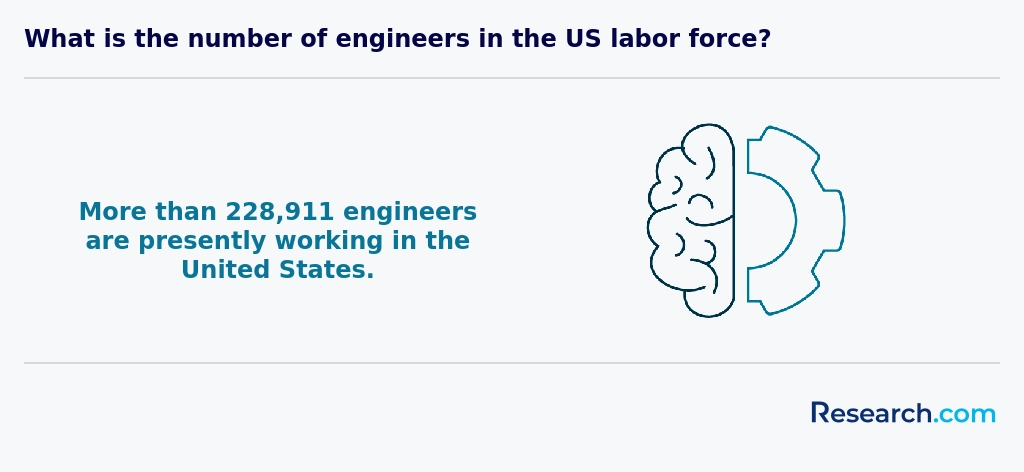
Students embarking on their engineering journey in Hoboken benefit not only from a rigorous academic curriculum but also from a vibrant community and a unique urban campus experience. Beyond the classroom, Hoboken offers a blend of cultural diversity, accessible public transportation, and ample networking opportunities that enhance personal growth. Many programs integrate campus resources such as career counseling, mentorship initiatives, and industry-sponsored events, which are pivotal in preparing students for real-world challenges. Living in Hoboken means enjoying close proximity to New York City-a hub for innovation and industry connections-while also taking advantage of a tight-knit college community that encourages collaboration and peer support. For example, campus clubs, engineering societies, and community projects foster an environment where academic learning is seamlessly blended with hands-on experiences and social engagement. Additionally, local amenities ranging from affordable housing options to cultural events help create an enriching lifestyle that supports both academic and personal success. For prospective students looking for cost-effective programs with a strong community focus, exploring resources on affordable engineering schools in new jersey can provide valuable insights and guidance on making the most of both academic and local opportunities.
Engineering students in Hoboken often navigate a landscape rich with evolving financial aid opportunities that can significantly reduce the burden of tuition costs. Imagine a Stevens Institute of Technology graduate who leveraged federal Pell Grants to cover a portion of their expenses, feeling relieved and motivated as they focused more on innovation than finances. Pell Grants currently provide up to $7,395 annually, a substantial boost for many.
State-specific programs like New Jersey's Tuition Aid Grant (TAG) also play a crucial role, especially for in-state students eager to pursue engineering without massive debt. Merit-based scholarships at Hoboken schools further reward academic excellence and leadership, offering hopeful engineering students tangible encouragement on their path.
Looking ahead, many expect employer tuition assistance to grow, enabling working professionals to earn degrees while advancing careers seamlessly. Graduates often share stories of employer partnerships covering tuition, which made their engineering education feel like an investment supported by their community.
Private scholarships from organizations such as the Society of Women Engineers (SWE) add another hopeful dimension, creating powerful networks and funding future innovators within Hoboken's engineering sphere.
To enroll in an engineering degree in Hoboken, future students typically need a high school diploma with strong STEM coursework, especially in math through precalculus or calculus, chemistry, and physics. Graduates from popular Hoboken universities often recall how mastering these subjects early on boosted their confidence when tackling complex engineering problems later.
Standardized test scores like the SAT or ACT still hold weight in competitive programs, emphasizing math proficiency. Many students find that excelling in these tests not only opens doors but also prepares them mentally for the rigors ahead. For instance, successful applicants from Stevens Institute of Technology often share how high quantitative scores gave them a sense of readiness and accomplishment.
Applicants should also craft compelling personal statements and gather letters of recommendation that highlight their passion and perseverance. Real-world experiences-such as involvement in robotics clubs or internships-frequently make applications stand out and help students envision their future roles as innovators.
Given tuition costs exceeding $50,000 at private institutions, savvy applicants are advised to explore scholarships and financial aid early. Many graduates express relief and motivation after securing funding, freeing them to focus fully on their studies and projects.
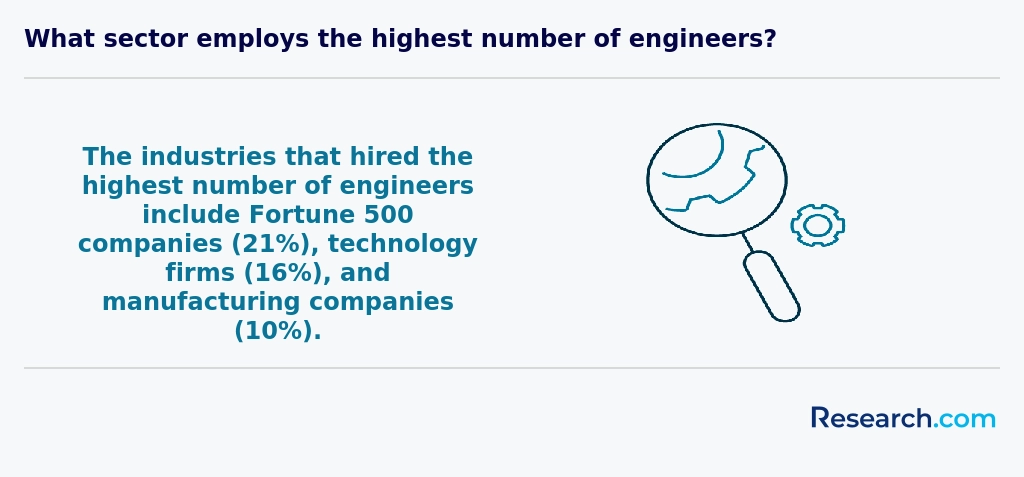
Prospective students should plan ahead to secure a spot in Hoboken’s most affordable engineering degree programs. Below is a step-by-step guide to the application process, along with key deadlines and tips to strengthen your candidacy. 1. Application Timeline
- Early Action (recommended): Submit by November 1, 2023 – ideal for merit scholarships.
- Regular Decision: Submit by January 15, 2024 – final deadline for most programs.
- Rolling Admissions: Some community colleges accept applications until May 1, 2024; confirm dates on each school’s website. 2. Required Materials
- Official High School or College Transcripts: Request electronic delivery at least four weeks before deadlines.
- Test Scores (if applicable): SAT or ACT scores; note many NJ institutions have adopted test-optional policies.
- Personal Statement: 500–700 words highlighting your engineering interests and how Hoboken’s community and resources align with your goals.
- Letters of Recommendation: Two academic or industry references who can attest to your problem-solving skills and teamwork. 3. Tips for a Competitive Application
- Showcase Hands-On Experience: Describe any lab projects, internships, or robotics club involvement.
- Emphasize Affordability Goals: Outline your budgeting plan or scholarship research to demonstrate financial preparedness.
- Highlight Community Engagement: Detail volunteer work or leadership in STEM outreach programs. 4. Exploring Online Alternatives If you need maximum flexibility or are considering out-of-state options, you may also explore our Most Affordable Online Engineering Degree Programs Ranking in Michigan for a broader perspective on cost-effective, fully online pathways. By adhering to deadlines, preparing strong recommendations, and tailoring your essays to reflect both your technical passion and financial strategy, you’ll maximize your chances of admission to a quality, affordable engineering program in Hoboken, NJ.
Engineering degrees in Hoboken typically start with core courses like Calculus I, II, and III, Physics with lab work, General Chemistry, and introductory classes centered on engineering principles and computer programming. Graduates from local universities often recall the challenge and excitement of hands-on labs that bridged theory with real-world engineering problems, making abstract concepts tangible.
As students progress, they dive into specialized subjects such as Thermodynamics, Fluid Mechanics, Circuits and Electronics, and Materials Science. Many find themselves energized by project-based courses in Engineering Design and Systems Dynamics, which hone teamwork and problem-solving skills vital for thriving in New York City's fast-paced tech scene.
Emerging fields like renewable energy and biomedical engineering are increasingly integrated as electives, reflecting latest industry trends. Graduates often share how these courses sparked curiosity and confidence, enabling them to envision sustainable innovations or breakthroughs in healthcare technology right from their Hoboken classrooms.

Engineering degree specializations in Hoboken typically include Civil, Mechanical, Electrical, and Computer Engineering, each offering unique opportunities that reflect the city's dynamic industrial landscape. Graduates from popular local colleges often share how Civil Engineering programs prepare them to contribute to vital infrastructure projects near New York City, fostering a strong sense of community impact. Mechanical Engineering students praise hands-on experiences with manufacturing technologies and energy systems that resonate with Hoboken's industrial roots.
Emerging trends are also shaping the curriculum, with environmental and biomedical engineering gaining traction as students and faculty respond to the growing emphasis on sustainability and healthcare innovation. These fields open up promising career trajectories aligned with national priorities but grounded in local realities. Graduates appreciate how Hoboken's accredited programs balance traditional disciplines with these innovative paths, supporting future-ready skills and professional success.
For those curious about integrating technology further, Hoboken's tech ecosystem offers fertile ground for computer engineering students, especially in cybersecurity and software development. Many alumni have found rewarding jobs in information systems that combine hardware and software expertise seamlessly, emphasizing the city's role as a tech hub.
Choosing an engineering degree in Hoboken means anticipating the evolving demands of industries centered around the NYC metro area. Graduates from local colleges often highlight the advantage of immersive internship experiences with nearby tech startups and engineering firms, which help transform theoretical knowledge into practical skills. Exploring the most affordable engineering degrees in Hoboken can open doors to quality education without excessive debt, particularly at public universities or community colleges offering accredited programs recognized by employers nationwide.
Emerging trends point to growth in computer and electrical engineering fields, but it's essential to align your choice with interests that inspire you daily. For example, graduates who pursued degrees near Hoboken often emphasize how hands-on projects and cooperative education fueled their confidence and job readiness. Being close to vibrant urban tech hubs uniquely positions you for access to networking and mentorship opportunities that can shape your future career path.
Assess programs based on how well they blend academic rigor with real-world exposure, and delve into details like graduation rates and employment outcomes. To better understand long-term prospects, consider researching career paths in computer science, which is tightly linked to many engineering disciplines today. Keeping an eye on industry connections will guide you toward the best engineering programs Hoboken 2027 and beyond.

Graduates with an engineering degree in Hoboken can embark on diverse career paths reflecting the city's dynamic industrial landscape. Many find rewarding roles in civil, mechanical, electrical, and software engineering sectors, benefiting from Hoboken's proximity to New York's innovation hub and growing infrastructure projects. Engineering students from popular institutions like Stevens Institute of Technology often share how hands-on internships with local firms bolstered their confidence and opened doors to top engineering jobs for Hoboken graduates.
Beyond traditional roles, emerging trends point toward integrating technology with urban planning and sustainability efforts-fields that resonate deeply with graduates eager to impact Hoboken's evolving cityscape positively. Some graduates transition into project management or consulting roles, combining technical expertise with strategic vision. Others thrive in research and development, pushing boundaries in transportation or environmental engineering.
Those interested in further specialization can explore positions in systems analysis or software with financial and tech companies nearby, and many students discover rewarding opportunities by investigating positions in computer science, blending coding skills with engineering fundamentals.
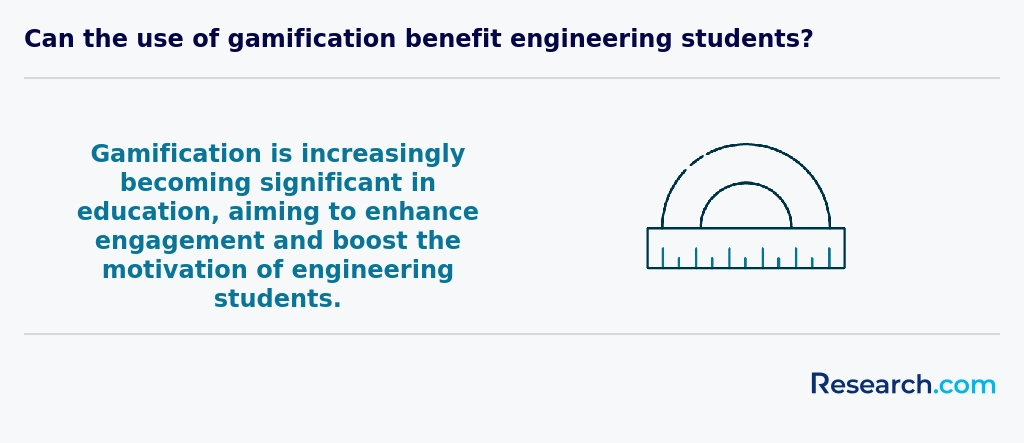
The engineering job market in Hoboken is rapidly evolving, offering graduates access to a vibrant blend of opportunities thanks to the city's proximity to New York City and its dynamic local industries. Graduates from popular colleges in Hoboken often share a sense of excitement about the range of roles available, from civil engineering positions involved in ongoing infrastructure projects to innovative roles in renewable energy firms. Networking through local universities enhances their prospects, as internships and cooperative programs connect students directly to employers.
Graduates pursuing an engineering degree in Hoboken find that the expanding tech startups and urban planning initiatives provide fertile ground for growth, particularly for those specializing in environmental and software engineering. Many students consider pursuing an online MS in software engineering to boost their competitiveness in this flourishing market. The Hoboken engineering degree employment outlook remains bright as demand grows alongside a competitive median wage, motivating students to engage actively with local industry trends.
2027 Most Affordable Engineering Degree Programs Ranking in Hoboken
Investing in your education is a significant decision that can shape your future, and the Research.com team understands the importance of making informed choices. To assist prospective students in Hoboken, we have meticulously crafted the "2027 Most Affordable Engineering Degree Programs Ranking in Hoboken." Our commitment to quality, credibility, and accuracy is reflected in the extensive research and analysis conducted to compile this ranking.
We utilized the following reputable data sources to ensure a comprehensive evaluation of engineering degree programs:
By exploring this ranking, readers will gain valuable insights into the most affordable engineering degree programs available in Hoboken, empowering them to make well-informed decisions about their educational investments. For more details on our methodology, please visit our Research.com methodology page.

Frequently Asked Questions About engineering
Engineering students in Hoboken can maximize their learning experience by actively engaging with local industry and academic resources. Stevens Institute of Technology, located in Hoboken, offers a variety of hands-on projects and research opportunities in fields like mechanical, civil, and electrical engineering. Participating in internships with nearby companies in New York City and Jersey City provides real-world experience that complements classroom learning.
Networking through engineering student organizations and attending workshops can enhance soft skills and technical knowledge simultaneously. According to the National Society of Professional Engineers, 85% of graduates who intern while studying secure employment within six months of graduation.
Utilizing Hoboken's proximity to major tech and manufacturing hubs helps students access mentors, career fairs, and advanced laboratories essential for skill development.
The engineering field is rapidly evolving, with emerging niches gaining prominence in Hoboken and across the US. One key area is renewable energy engineering, as New Jersey commits to increasing clean energy production. This creates growing demand for engineers skilled in solar, wind, and battery technologies.
Another rising niche is biomedical engineering, driven by advances in healthcare technology. Hoboken's proximity to leading medical centers supports research and innovation here. Data from the Bureau of Labor Statistics projects biomedical engineering jobs to grow 11% by 2032 nationwide.
Additionally, software engineering with a focus on artificial intelligence and cybersecurity is expanding due to increased reliance on digital systems and data protection. Local tech firms in Hoboken are actively recruiting graduates in these specialties.
After completing an engineering degree in Hoboken, preparing for the job market involves developing both technical skills and professional connections. Hoboken's proximity to New York City offers access to numerous engineering firms and tech startups, making internships and cooperative education programs essential. Participating in local networking events and industry meetups can increase job opportunities in competitive fields such as civil, mechanical, and electrical engineering.
Graduates should also focus on building a strong portfolio and gaining certifications relevant to their specialization. According to the U.S. Bureau of Labor Statistics, engineers with internships or practical experience have a 20% higher chance of employment within six months after graduation.
Employers in Hoboken highly value engineering graduates who possess strong technical skills, including proficiency in computer-aided design (CAD), programming languages, and data analysis. According to the National Association of Colleges and Employers (NACE), 72% of engineering employers seek candidates with practical experience in software relevant to their field.
In addition to technical know-how, effective communication and teamwork skills are crucial. Hoboken's growing tech and manufacturing sectors often require engineers to collaborate across departments and present complex ideas clearly.
Problem-solving and critical thinking are also top priorities. The New Jersey Economic Development Authority reports that innovation-driven companies in Hoboken prefer graduates who demonstrate adaptability and creative approaches to challenges.
Finding internships in Hoboken relevant to an engineering degree involves leveraging local industry connections and academic resources. Hoboken's proximity to New York City increases opportunities in fields like civil, mechanical, and electrical engineering.
Many Hoboken-area universities, such as Stevens Institute of Technology, provide dedicated career centers that help students connect with internships. According to the National Association of Colleges and Employers (NACE) 2023 report, nearly 60% of engineering internships are secured through university programs and partnerships.
Students should also explore local engineering firms and startups, which often advertise internships on platforms like Handshake or LinkedIn. Attending job fairs and networking events hosted in Hoboken or nearby NYC enhances chances of finding relevant internships.
Moreover, applying early and tailoring your resume to engineering roles is critical in a competitive market.
An engineering degree significantly enhances career mobility and advancement opportunities in Hoboken. The city's proximity to the New York metropolitan area provides access to a diverse range of engineering sectors, including civil, mechanical, and electrical. According to the U.S. Bureau of Labor Statistics, engineers in the New York-Newark-Jersey City area earn a median annual wage of approximately $93,000, above the national average. This salary premium reflects strong demand for skilled engineers in the region.
Employers in Hoboken value formal engineering education, often requiring accredited degrees for advancement beyond entry-level roles. A degree from an ABET-accredited program supports eligibility for professional licensure, which can be essential for senior positions. Additionally, ongoing professional development, combined with an engineering degree, contributes to upward mobility in managerial or specialized technical roles.
Studying for an engineering degree in Hoboken offers strong preparation for interdisciplinary roles by combining technical expertise with real-world applications. Many Hoboken institutions emphasize collaboration between engineering, business, and design programs, reflecting industry demands for versatile professionals. According to the National Center for Education Statistics, programs in the area frequently incorporate project-based learning, enabling students to develop skills across various fields.
Hoboken's proximity to New York City allows engineering students to engage with diverse industries such as technology, architecture, and healthcare, fostering interdisciplinary experience. Curriculums often include courses in systems engineering and data analysis, crucial for teamwork across specialties. This practical, cross-disciplinary focus helps graduates adapt to complex problem-solving environments.
Choosing between a thesis and a non-thesis engineering degree in Hoboken depends largely on your career goals and learning preferences. A thesis program typically requires original research and a formal document, which is ideal if you aim for a PhD or a research-oriented role. Non-thesis options focus more on coursework and practical skills, suiting those targeting industry jobs or professional certifications.
In Hoboken, institutions like Stevens Institute of Technology offer both formats, with thesis students often taking an extra semester. According to the National Center for Education Statistics, about 60% of US engineering graduate students opt for non-thesis programs, reflecting a trend toward applied skills.
Cost and duration also matter; thesis degrees may be longer and slightly more expensive due to research resources. Evaluate your professional aspirations and consult academic advisors to make an informed choice.
Students based in Hoboken looking to study engineering abroad have several pathways through U.S. universities with strong international exchange programs. Many engineering schools maintain partnerships with universities worldwide, enabling semester-long exchanges or dual-degree opportunities. Programs often focus on Europe, Asia, and Canada, providing varied cultural and technical experiences.
New Jersey Institute of Technology (NJIT), accessible to Hoboken students, offers study abroad options that include engineering disciplines. According to the Institute of International Education, engineering students represent about 30% of U.S. participants in study abroad programs, highlighting the field's growing global engagement.
Financial aids and scholarships for study abroad available through U.S. institutions can help reduce costs, making international engineering education more accessible. Overall, Hoboken students have expanding opportunities within the U.S. higher education system to gain engineering experience abroad.
Hoboken offers several part-time job opportunities that complement engineering degree education, especially for students seeking practical experience alongside their studies. Many local technology firms and startups provide internships or junior engineering roles in fields such as software development, mechanical design, and civil engineering. According to the New Jersey Department of Labor, demand for engineering-related roles in Hudson County has grown by approximately 5% annually.
Additionally, part-time research assistant positions at Stevens Institute of Technology allow students to engage with cutting-edge projects. Roles in quality assurance and technical support in manufacturing companies around Hoboken also help build relevant skills. These jobs provide valuable hands-on experience while maintaining flexible schedules suited to student life.
Engineering students in Hoboken benefit from various networking opportunities due to the city's proximity to New York City and several prestigious universities. Stevens Institute of Technology, located in Hoboken, offers robust industry connections through its Career Center, hosting over 200 employers annually, many from engineering fields. Students often attend networking events, job fairs, and company info sessions on campus to build professional contacts.
Local professional organizations such as the American Society of Mechanical Engineers (ASME) and the Institute of Electrical and Electronics Engineers (IEEE) have regional chapters accessible to students. These groups provide workshops, conferences, and mentoring programs that facilitate networking and career growth.
Additionally, Hoboken's location allows easy access to major tech and engineering hubs in NYC, enhancing internship and job opportunities. According to the National Association of Colleges and Employers (NACE), 79% of engineering graduates secure employment through networking and internships, underscoring the importance of these connections for students in Hoboken.
Alumni networks offer significant advantages to engineering degree students in Hoboken. Graduates often gain access to industry connections, job opportunities, and mentorship through these networks. Given Hoboken's proximity to New York City and its expanding tech sector, alumni relationships can be crucial for internships and career placements. According to a 2023 report by the National Association of Colleges and Employers, 65% of engineering students secure jobs through alumni referrals.
Networking events and workshops hosted by alumni groups also provide students with practical knowledge and exposure to current industry trends. These connections can ease the transition from education to employment in a competitive market.
In Hoboken, customizing your engineering degree program to fit career goals involves selecting concentrations or electives aligned with industry demands. Many local institutions offer specialized tracks such as civil, mechanical, or computer engineering, allowing you to tailor coursework to your interests. You can also pursue internships or cooperative education opportunities with nearby companies like those in Jersey City's growing tech sector, enhancing practical experience.
Students may incorporate interdisciplinary studies by combining engineering with business or environmental science to broaden skill sets. According to the New Jersey Department of Labor, fields such as software development and renewable energy show steady job growth in the region, guiding program focus choices.
Engineering students in Hoboken often face several common challenges related to both academics and local living conditions. The rigorous coursework typical of engineering programs requires strong time management, as students must balance demanding classes, labs, and projects. According to the U.S. Bureau of Labor Statistics, engineering fields require consistent development of technical skills, which can be stressful for many.
Additionally, Hoboken's proximity to New York City means higher living expenses. Students often struggle to find affordable housing, with rents reported to be above the national average for college towns, which can impact financial planning. Access to internships is a plus, but competition is high.
Finally, the limited number of local engineering schools means fewer networking opportunities compared to larger metropolitan areas, affecting professional growth early on.
With an engineering degree, graduates can pursue several professional certifications to enhance their credentials and career prospects. The most recognized is the Professional Engineer (PE) license, which requires passing the Fundamentals of Engineering (FE) exam, gaining work experience, and then passing the PE exam. This license is valuable in New Jersey, including Hoboken, for advancing in fields like civil, mechanical, and electrical engineering.
Other certifications include the Certified Manufacturing Engineer (CMfgE) and Project Management Professional (PMP), which can complement engineering skills.
Local data from the New Jersey Society of Professional Engineers notes that certified engineers in Hoboken see improved job opportunities and salary potential.
Writing a winning application for an engineering program in Hoboken requires careful planning and attention to detail. Admissions committees in this region value strong academic records, especially in math and science courses, as well as relevant extracurricular activities such as robotics clubs or internships. Highlighting your hands-on experience with engineering projects can set you apart.
Including a well-crafted personal statement that clearly explains your interest in engineering and why Hoboken's programs appeal to you is essential. Schools like Stevens Institute of Technology recommend demonstrating problem-solving skills and teamwork experiences in your essay.
Preparing for and scoring well on the SAT or ACT strengthens your application, as many Hoboken schools still prioritize standardized test results.
Letters of recommendation should come from teachers familiar with your technical abilities and work ethic to provide credible endorsements.
Engineering careers are viewed globally as essential to innovation and economic growth. In the United States, including areas near Hoboken, engineers enjoy strong demand, with the U.S. Bureau of Labor Statistics projecting a 7% job growth in engineering fields from 2021 to 2031. This reflects a steady need for skills in technology, infrastructure, and sustainability. Globally, engineers must adapt to cross-cultural collaboration and evolving technologies, increasing the value of degrees from U.S. institutions recognized worldwide. Hoboken's proximity to New York City offers students exposure to diverse industries and potential international networks, enhancing career prospects.
Gaining practical experience while pursuing an engineering degree in Hoboken is essential for career readiness. Many local institutions encourage students to participate in cooperative education (co-op) programs, which alternate semesters of academic study with paid work experience. This allows students to apply classroom knowledge directly in engineering roles.
Internships are another valuable option. Hoboken's proximity to New York City provides access to numerous engineering firms and tech companies offering summer and part-time internships. According to the National Association of Colleges and Employers (NACE), 60% of engineering students secure internships before graduation, enhancing employability.
Additionally, students can join engineering clubs and participate in hands-on projects or competitions, which develop teamwork and technical skills.
Choosing the right concentration within an engineering degree program in Hoboken starts with understanding your interests and career goals. Engineering fields such as civil, mechanical, electrical, and computer engineering offer distinct paths with varied job markets. According to the U.S. Bureau of Labor Statistics, employment in engineering related to technology and infrastructure is growing by about 4% annually.
Look into the programs offered by Hoboken-area institutions, noting which concentrations align with local industry demand. For example, civil engineering is in demand due to ongoing urban development projects near New York City. Additionally, consider the availability of internships and cooperative education opportunities to gain practical experience.
Advisors and career counselors at Hoboken colleges can also provide insights into alumni outcomes and job placement rates, helping you make an informed decision.
- 2027 Most Affordable Engineering Degree Programs Ranking in New York
- 2027 Most Affordable Engineering Degree Programs Ranking in Philadelphia
- 2027 Most Affordable Engineering Degree Programs Ranking in Storrs
- 2027 Most Affordable Engineering Degree Programs Ranking in Baltimore
- 2027 Most Affordable Engineering Degree Programs Ranking in Boston
- 2027 Most Affordable Engineering Degree Programs Ranking in Syracuse
- 2027 Most Affordable Engineering Degree Programs Ranking in Washington
- 2027 Most Affordable Engineering Degree Programs Ranking in Rochester
- 2027 Most Affordable Engineering Degree Programs Ranking in Norfolk
- 2027 Most Affordable Engineering Degree Programs Ranking in Pittsburgh
See What Experts Have To Say About Studying Engineering
Read our interview with Engineering experts

Bohdan W. Oppenheim
Engineering Expert
Professor Emeritus of Healthcare Systems Engineering
Loyola Marymount University


Jasna Jankovic
Engineering Expert
Associate Professor
University of Connecticut

- The engineering career mobility report: Who gets promoted? https://www.signalfire.com/blog/engineering-career-trends-pt1
- Get experience in engineering with an internship https://gradireland.com/careers-advice/engineering/get-experience-engineering-internship
- Engineering work experience | This is Engineering https://thisisengineering.org.uk/become-an-engineer/work-experience/
- Engineering https://www.hobokennj.gov/departments/engineering
- Top Certification Courses for Advancing Engineering Careers - IJOER Engineering Journal Blog https://ijoer.com/blog/top-certification-courses-for-advancing-engineering-careers
- Thesis vs Course Based Masters... https://talk.collegeconfidential.com/t/thesis-vs-course-based-masters/1709151
- Engineering https://www.ciee.org/go-abroad/college-study-abroad/programs/subjects-disciplines/engineering
- Quick Links https://www.alfabetaglobal.com/schools/stevens-institute-of-technology/programs/bachelor-of-engineering-in-engineering-management-ea33bc11-9787-42b4-9be6-f27eccca4a60
- Executive Search and Outplacement Services for the Engineering, Architecture, Construction, and Manufacturing Industries https://www.davron.net/stand-out-niche-engineering-job-market/
- Arya College | Best B.Tech College in Jaipur, Rajasthan, India https://www.aryacollege.org/resources/common-challenges-faced-by-engineering-students/