2027 Fastest Online Educational Technology Degree Programs Ranking in the West

Co-Founder and Chief Data Scientist
Choosing the right educational technology degree can shape your future success. To help, this article presents the 2027 Fastest Online Educational Technology Degree Programs Ranking in the West, created by the Research.com team of data scientists.
Explore carefully analyzed programs designed to fit busy lifestyles and fast-track your learning. Whether you seek career growth or a fresh start, these online degrees offer flexibility and valuable skills.
Reading this guide will empower you to make informed decisions and confidently pursue a field that blends education with cutting-edge technology.
Key benefits of getting online educational technology degree in the West
- Graduates with an educational technology degree in the US can often expect starting salaries around $50,000 to $70,000 annually, reflecting competitive pay in roles like instructional design and e-learning coordination.
- Career paths include roles such as instructional designers, education technology specialists, and training coordinators, as exemplified by graduates from well-known Western universities who successfully enter these dynamic fields.
- Online degrees offer flexibility and convenience, allowing students from diverse backgrounds to balance work and study, as demonstrated by online graduates from prominent universities who advance their careers without relocating.
- Key benefits of getting online educational technology degree in the West
- What can I expect from online educational technology degree in the West?
- Where can I work with online educational technology degree in the West?
- How much can I make with online educational technology degree in the West?
- 2027 Fastest Online Educational Technology Degree Programs Ranking in the West
- Key Findings
- How long does it take to complete online educational technology degree in the West?
- What's the difference between online and on-campus educational technology degree?
- What is the average cost of online educational technology degree in the West?
- What financial aid is available to online educational technology degree students in the West?
- What are the prerequisites for enrolling in online educational technology degree program in the West?
- What courses are typically in online educational technology degree programs in the West?
- What types of specializations are available in online educational technology degree programs in the West?
- How do you choose the best online educational technology degree in the West?
- What career paths are available for online educational technology degree students in the West?
- What is the job market for online educational technology degree in the West?
- Top Trending Educational Technology Rankings
What can I expect from online educational technology degree in the West?
The average cost of an online educational technology degree in the Western United States typically ranges between $15,000 and $40,000 for a bachelor's program, while master's degrees can cost from $20,000 to $50,000. Graduates from institutions like the University of Southern California and the University of Washington report that these costs reflect not only tuition but access to specialized resources and technology integration training. These students often emphasize the value of flexible scheduling and the ability to balance work with studies, which justifies the investment.
Financial aid, including federal grants and employer tuition reimbursement, frequently reduces the net expense. One graduate described using employer support to cover nearly half of the tuition, making advanced credentials more affordable. This financing flexibility, combined with regional accreditation by bodies such as the Western Association of Schools and Colleges (WASC), ensures graduates receive quality education recognized by employers throughout the West and beyond.
Practical internships facilitated by the Western region's strong tech sector add real-world experience without significant additional costs, enhancing both learning and job placement opportunities. Thus, while costs vary, many students find the financial and career benefits outweigh the expenses.
Where can I work with online educational technology degree in the West?
Graduates with an online educational technology degree in the Western US frequently find employment in K-12 school districts, higher education, corporations, and government agencies. For instance, many graduates from popular programs at institutions like the University of Washington or California State University secure roles as instructional coordinators or technology integration specialists in districts such as Los Angeles Unified. These positions often involve training teachers on digital tools and managing educational software, with median salaries around $85,000 in California, illustrating strong financial prospects.
In higher education, graduates support the expansion of online learning by designing e-learning courses and managing learning systems at universities across Washington, Colorado, and Oregon. Several alumni report rewarding experiences collaborating with faculty to enhance digital curricula, reflecting a growing demand in this sector.
Corporate employers in tech hubs like Silicon Valley increasingly hire educational technology professionals to develop employee training and digital learning content. Reports show a 12% rise in e-learning specialist demand over two years, signaling vibrant career growth.
Government roles often involve statewide online education initiatives and ensuring digital equity, offering graduates meaningful work that impacts public education technology across the West.
How much can I make with online educational technology degree in the West?
Graduates with an online educational technology degree in the Western U.S. can anticipate strong earning potential, with salaries influenced by job role, experience, and location. For example, instructional coordinators in California and Washington often earn above the national median of $66,970, reaching over $75,000 annually in districts and tech firms. Graduates from universities like the University of Washington and University of California report positive outcomes securing roles where salaries typically range from $65,000 to $90,000, reflecting advanced skills in instructional design or technology integration.
Many specialists working in large Western K-12 districts, such as Los Angeles Unified, see salaries at the higher end of the $60,000-$80,000 range. Others in more moderate-sized districts in Oregon or Washington earn closer to the national median. These figures demonstrate a real, achievable financial path for students completing their degrees online, especially given the growing demand in metropolitan technology hubs like Silicon Valley and Seattle.
Graduates pursuing corporate training or e-learning roles in Western tech sectors can expect $85,000 to $100,000 annually, benefiting from the region's vibrant economy. This diverse salary landscape inspires many students, offering clear, optimistic prospects tied to solid, data-backed job growth forecasts.
2027 Fastest Online Educational Technology Degree Programs Ranking in the West
How do we rank schools?
Investing in your education is a significant decision that can shape your future, and the Research.com team understands the importance of making informed choices. To assist students seeking the fastest online educational technology degrees in the West, we have carefully developed the "2027 Fastest Online Educational Technology Degree Programs Ranking." Our dedication to quality, credibility, and accuracy is evident through the rigorous research and analysis behind this ranking.
We utilized the following reputable data sources to ensure a comprehensive evaluation of these programs:
By exploring this ranking, readers will gain valuable insights into accelerated online educational technology programs, enabling them to make well-informed decisions about their academic journeys. For more details on how this ranking was created, please visit our Research.com methodology page.

# 2 position
University of New Mexico
Master of Organization, Information, and Learning Sciences Design for Online Learning


# 4 position
Western Governors University
Master of Education Technology and Instructional Design

# 5 position
California State University, San Bernardino
Master of Education, Instructional Technology (ETEC)

Key Findings
- Online educational technology degrees in the Western US typically cost between $15,000 and $40,000 for a full master's program, with public universities offering lower tuition than private ones.
- Programs are available fully online or as hybrid formats, often designed for working professionals and recent graduates.
- Job growth for instructional coordinators and educational technologists in the West is projected at about 8% over the next decade, faster than the average for all occupations.
- Starting salaries range from $55,000 to $65,000 annually, while experienced professionals can earn between $75,000 and $95,000 per year.
- Many programs focus on practical skills with software tools, learning management systems, and multimedia content creation to enhance employability.
How long does it take to complete online educational technology degree in the West?
Completing an online educational technology degree in the Western United States typically varies by level and enrollment status. For bachelor's degrees, students attending full-time usually finish within 4 to 5 years, as seen in programs from California State University and the University of Washington. Many graduates appreciate the flexibility of part-time options, which can extend completion to 6 years or more while balancing work and personal commitments.
At the graduate level, online master's programs tend to take between 1.5 to 3 years, with the average around 2 years for full-time students. Students at Western Oregon University report completing their master's in about 24 months, benefiting from the program's structure designed for working professionals. Accelerated options exist, enabling completion within 12 to 18 months, which appeals to those eager to quickly advance their careers.
Doctoral degrees in educational technology generally require 3 to 5 years, involving in-depth research and dissertation work, often blending online and on-campus elements. Factors like credit load, prerequisites, and program format significantly influence these timelines.
What's the difference between online and on-campus educational technology degree?
Online and on-campus educational technology degrees in the Western US differ primarily in delivery and student experience. Graduates from online programs at institutions like the University of Washington express appreciation for the flexibility to study remotely, balancing coursework with jobs or family life. These programs often use learning management systems where lectures and assignments are accessed asynchronously, with occasional live discussions to maintain engagement.
In contrast, on-campus students at places such as California State University, Fullerton highlight direct interaction with professors and peers, benefiting from scheduled classes and hands-on practicum opportunities in campus labs. This face-to-face dynamic can enhance networking and immediate feedback, valued by many traditional learners.
Cost-wise, public universities in the West charge between $8,500 and $12,000 annually for residents, but online students may avoid additional living expenses. Both formats meet accreditation standards, and employers accept online degrees equally, making the choice dependent on personal circumstances and learning style.
What is the average cost of online educational technology degree in the West?
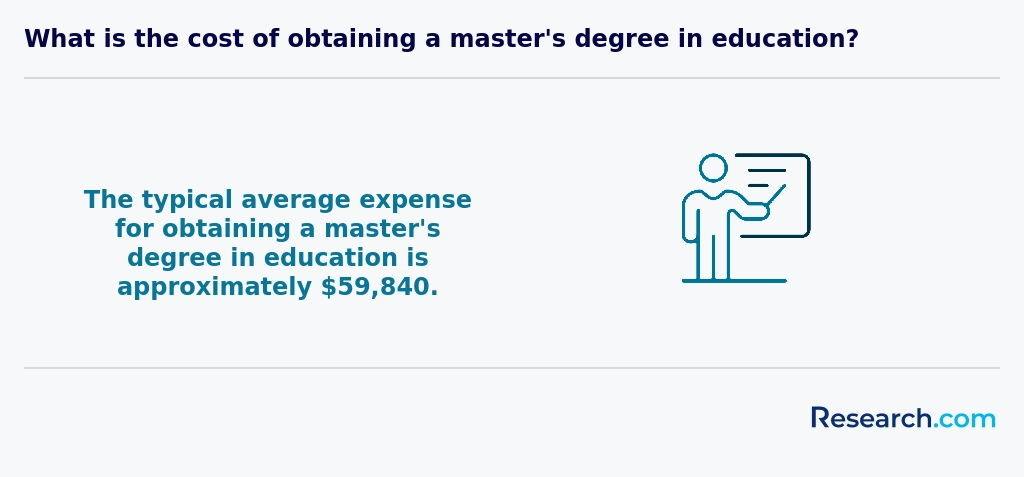
The average cost of an online educational technology degree in the West is approximately $16,200 for the total tuition and fees. This median figure reflects a blend of programs from public and private institutions, where graduates from popular universities in California, Oregon, Washington, and Colorado report tuition fees generally falling within this range. Many public universities offer especially affordable rates for in-state students, helping to keep expenses manageable.
Students pursuing such degrees typically handle tuition costs influenced by credit hour requirements, which often range from 30 to 40 credit hours. With per-credit tuition varying substantially-from $300 to $800 depending on residency and institution type-there is clear flexibility. Graduates often find that selecting a public university in their state benefits them with lower rates, sometimes as low as $11,000 to $15,000 for the entire program. This makes the average cost of online educational technology degree in the West notably competitive when compared to other regions.
Additional charges come into play, including technology fees, study materials, and administrative costs, but many students emphasize how financial aid options and payment plans reduce financial pressure. Several affirm that pursuing this degree online allows them to balance work and study while gaining valuable skills. Prospective students interested in what is technology in education may find this path rewarding and accessible with the current cost structures.
What financial aid is available to online educational technology degree students in the West?
Students pursuing online educational technology degrees in Western states frequently access multiple financial aid avenues to ease tuition costs, which typically range from $8,000 to $15,000 annually at public universities. Federal aid remains a primary resource; for instance, Pell Grants provide up to $7,395 for eligible students in the 2024-2025 year without repayment requirements, while Direct Subsidized and Unsubsidized Loans offer flexible terms after completing the FAFSA.
State-specific grants also play a crucial role. Graduates from California's online programs often benefit from the Cal Grant, lowering their expenses substantially. Similarly, Oregon Opportunity Grant and Washington College Grant recipients report significant tuition reductions, enhancing their ability to focus on coursework rather than finances.
Institutional scholarships and assistantships offered by Western universities frequently support students with merit-based or need-based awards. Many graduates describe these opportunities as pivotal, allowing them to engage in teaching or research roles that include stipends or tuition waivers.
Employer tuition assistance further supplements funding, with about 56% of companies reimbursing partial or full educational expenses, a relief praised by many working students balancing careers and studies.
Additionally, scholarships from organizations like ISTE and AECT, though competitive, offer valuable relief for students committed to advancing educational technology.
What are the prerequisites for enrolling in online educational technology degree program in the West?
To enroll in an online educational technology degree in the Western United States, applicants typically need a bachelor's degree from an accredited institution, often in education, instructional design, computer science, or related fields. Graduates of programs at well-known Western universities often report that maintaining a cumulative GPA of around 3.0 is essential, though some programs may show flexibility for slightly lower scores if other credentials are strong.
Applicants must submit official transcripts verifying prior academic achievement, alongside letters of recommendation from academic or professional contacts. These letters are especially vital for students without direct experience in education or technology, reflecting the applicant's readiness and motivation.
Many programs also require a personal statement where candidates express their goals and enthusiasm for educational technology. Some students recall how submitting a detailed resume that highlights relevant work experience helped strengthen their applications, especially in institutions like those in California and Washington.
Technical readiness is mandatory, with reliable internet and proficiency in common platforms like Canvas or Blackboard proving crucial for student success in online courses offered by Western schools. This combination of academic and technical prerequisites ensures candidates can confidently navigate and succeed in advancing educational technology studies.

What courses are typically in online educational technology degree programs in the West?
Online educational technology degrees in the Western United States typically include courses designed to build both theoretical knowledge and practical skills. Core classes often cover Instructional Design and Development, teaching students how to craft digital learning materials grounded in pedagogical theory. Graduates from prominent Western institutions frequently note how this course prepares them to develop engaging content for diverse learning environments.
Educational Technology Foundations courses provide context on how technology has evolved within education, which helps students understand current trends at universities like the University of Washington and Arizona State University.
Learning Theories and Psychology classes dive into cognitive processes, enabling future educators to tailor technology-enhanced lessons effectively. Multimedia Learning and Digital Content Creation labs further allow students to apply skills in video and graphic design, mimicking real-world projects from colleges such as San Diego State University.
Other vital courses include Assessment and Evaluation Techniques, Emerging Technologies in Education-including AR and VR-and Data Analytics combined with Learning Management Systems (LMS). These prepare students to measure learning outcomes and optimize course delivery, a strength highlighted by alumni who've transitioned seamlessly into remote teaching roles in the West's evolving educational landscape.
What types of specializations are available in online educational technology degree programs in the West?
Online educational technology degree specializations in the West commonly include instructional design, e-learning development, educational leadership and administration, and technology integration. Graduates from well-known Western institutions report that focusing on instructional design equips them to craft engaging digital curricula for K-12 and higher education settings, blending creativity with technical skill.
Many students also choose e-learning development, where they develop practical expertise in multimedia production and managing learning management systems, making courses accessible and interactive. This specialization is particularly valued at universities known for their cutting-edge tech programs in the West region educational technology program concentrations.
Educational leadership prepares graduates to manage technology initiatives and budgets within institutions, ensuring smooth implementation of digital tools. Meanwhile, technology integration specialization trains professionals to support educators in adopting tech solutions effectively, improving student outcomes across diverse classrooms.
Those seeking accelerated paths might explore the fastest online master's degree instructional design options, which combine theoretical and hands-on learning favored by many Western online educational technology degree specializations West students.
How do you choose the best online educational technology degree in the West?
Choosing the best online educational technology degrees in the West involves evaluating several critical factors grounded in data. Graduates from well-regarded public universities in California and Washington often highlight the value of programs regionally accredited by WSCUC, which ensures transferable credits and respected credentials. Tuition typically ranges from $8,000 to $12,000 annually for in-state students, making affordability a primary concern. Many students report that affordable online educational technology programs Western US institutions offer include scholarships and financial aid that significantly reduce net costs.
Beyond cost, a curriculum rich in instructional design, learning management systems, and hands-on projects is vital. Graduates frequently praise programs with internships or project-based courses, citing these as crucial for career readiness. Popular schools in the region provide asynchronous coursework and robust technical support, enhancing flexibility for working professionals. To identify top-performing programs, students may find benefit in reviewing employment outcomes and alumni connections at institutions notably recognized for educational technology.
For those seeking comprehensive guidance, resources such as top ranked online education master's lists can assist in comparing program reputations and features.
What career paths are available for online educational technology degree students in the West?
Graduates with an online educational technology degree in the West find strong opportunities in roles such as Instructional Designer and Educational Technology Specialist. Instructional Designers develop digital learning materials, with average salaries in states like California, Washington, and Oregon ranging from $70,000 to $90,000 annually, showing promising returns for those entering this field. Educational Technology Specialists often work within schools to integrate technology effectively, especially in California where ed-tech innovation is thriving. The West region educational technology job opportunities also include Corporate Trainer positions, favored by major tech firms in Silicon Valley and Seattle, highlighting the integration of education and technology in corporate training environments.
Graduates from popular universities in the West report positive experiences applying their skills as E-learning Developers, Technology Integration Coaches, and Learning Management System Administrators. These roles involve creating courses, supporting educators, and managing digital platforms respectively. For students considering these careers, exploring easy online education degrees can further streamline entering this dynamic industry.
What is the job market for online educational technology degree in the West?
The job market for online educational technology degree graduates in the Western US shows steady growth, driven by expanding digital learning initiatives in public schools and universities. States like California and Washington offer promising opportunities as educational institutions increasingly seek professionals skilled in instructional design and technology integration. Graduates from well-regarded programs at institutions such as Oregon State University often report positive career trajectories, finding roles in curriculum development, training, and e-learning coordination.
According to the U.S. Bureau of Labor Statistics, employment for instructional coordinators is projected to grow about 6% nationally through 2031, with even stronger demand expected in Western states thanks to robust education and tech sectors. These opportunities translate into competitive salaries, especially in metropolitan areas like San Francisco and Seattle, where wages can surpass $80,000 annually.
Cost-effectiveness is a key consideration for Western students, as many public online programs in the region charge between $400 and $600 per credit hour. Affordable options like Oregon State's online degree make pursuing an educational technology career feasible. For those interested in accelerating their studies, several universities offer one year online masters in education.
The expanding landscape of educational technology career opportunities Western US widens as schools adopt hybrid learning models and digital tools, creating a thriving market for new graduates ready to innovate in education.
Frequently Asked Questions About educational technology
Students pursuing online educational technology degrees in the Western US can maximize their learning by actively engaging with interactive course materials and virtual labs. According to the Western Interstate Commission for Higher Education, leveraging synchronous sessions promotes collaboration and deeper understanding. Time management plays a critical role; setting a consistent study schedule helps balance professional and academic responsibilities.
Utilizing university library databases and open educational resources enriches coursework with current research and practical case studies. Joining relevant online forums or professional networks, such as the Society for Learning Analytics Research, can provide valuable peer support and industry insights. These strategies collectively enhance comprehension and career readiness in educational technology.
Emerging niches within the educational technology field in the United States include adaptive learning systems, which use artificial intelligence (AI) to customize educational content based on individual student needs. According to the National Center for Education Statistics, adaptive technologies have seen a 25% increase in integration across K-12 and higher education between 2020 and 2023.
Another growing area is virtual and augmented reality (VR/AR) applications that create immersive learning experiences. The Western states, particularly California and Washington, host several startups developing VR educational tools.
Additionally, data analytics in edtech supports institutions in tracking student performance and retention more effectively, with usage increasing by nearly 30% in western universities since 2021, as reported by the EDUCAUSE Horizon Report.
Graduates with an online educational technology degree in the West should focus on building practical skills to enter the job market successfully. Employers value experience with learning management systems such as Canvas or Blackboard, so gaining certifications or internships using these platforms can be advantageous. According to the U.S. Bureau of Labor Statistics, employment for instructional coordinators, a common role in this field, is projected to grow 7% from 2021 to 2031 in Western states.
Networking through professional organizations like the International Society for Technology in Education (ISTE) helps expand connections and access job openings. Additionally, familiarity with data analysis tools enhances your ability to measure educational outcomes, a growing priority in school districts west of the Rockies. Tailoring resumes to highlight technology integration and instructional design experience can improve hiring prospects in this competitive market.
Employers in the Western US highly value graduates of educational technology programs who demonstrate strong technical skills, including proficiency with learning management systems (LMS) and multimedia design tools. According to the Western Interstate Commission for Higher Education (WICHE), 68% of employers seek candidates who can develop and implement online course content effectively.
Additionally, employers look for graduates with solid instructional design knowledge and the ability to apply data analytics for improving student outcomes. Communication and project management skills are also crucial, as many roles require collaboration across departments.
Lastly, adaptability to new technologies and ongoing professional development remain top priorities, reflecting the fast-paced nature of educational tech in the region.
Finding internships in the Western United States relevant to an educational technology degree involves targeted research and networking. Start by exploring university career centers, many of which partner with local tech companies, schools, and nonprofits to offer internships.
Use platforms like Handshake or LinkedIn to filter opportunities by region and field. The Western region, including states such as California, Washington, and Oregon, hosts a growing edtech industry, with hubs like Silicon Valley and Seattle offering numerous internship positions.
According to the California Employment Development Department, the educational technology sector there grew by 8% annually between 2020 and 2023. This growth translates to increased internship availability.
Professional organizations, such as the International Society for Technology in Education (ISTE), often post internship openings or offer mentorship programs to connect students with employers.
Additionally, contacting faculty members in your program for recommendations can uncover unadvertised opportunities. Tailoring your resume to highlight relevant skills and projects increases your chances of securing an internship that aligns with educational technology career goals.
An online educational technology degree significantly enhances career mobility and advancement for professionals in the Western US. According to the Western Interstate Commission for Higher Education (WICHE), demand for skilled educational technologists in California, Washington, and Oregon is projected to grow by 12% through 2030. Graduates equipped with digital learning design, instructional technology expertise, and data analytics are competitive for roles in K-12, higher education, and corporate training.
Moreover, salaries for educational technology specialists in the West average around $70,000 annually, higher than the national average. Earning an online degree often leads to promotions or transitions into leadership, instructional design, or technology coordination positions. Employers value the flexibility and updated tech skills gained from accredited online programs, which facilitate continuous professional development.
Studying for an educational technology degree in the West equips students with skills that cross traditional academic boundaries. Programs typically blend knowledge from education, computer science, psychology, and design. This interdisciplinary approach prepares graduates to work in diverse roles such as curriculum developers, instructional designers, and technology coordinators.
Western universities often emphasize project-based learning and collaboration, fostering adaptability and problem-solving abilities. According to the Western Interstate Commission for Higher Education, over 60% of online educational technology degrees include coursework that integrates digital media, learning theory, and data analysis.
This comprehensive training ensures graduates can design effective learning experiences tailored to various contexts and audiences.
Choosing between a thesis and a non-thesis educational technology degree program in the West depends on your career goals and learning preferences. Thesis programs require conducting original research and writing a formal paper, which suits students interested in research or pursuing a PhD later. According to the Western Interstate Commission for Higher Education (WICHE), around 40% of educational technology master's students in Western states opt for thesis tracks.
Non-thesis programs focus on coursework and practical projects, ideal for those aiming to work directly in schools or corporate training settings. They typically finish faster-often within two years-and are preferred by working professionals seeking flexible schedules.
Consider program length, faculty expertise, and how each option aligns with your future plans when deciding.
Students based in the Western United States seeking online degrees in educational technology have several solid options. Many accredited universities in California, Washington, and Colorado offer fully online master's programs tailored to this field. For example, Boise State University provides a well-regarded online Master of Educational Technology that can be completed in as little as two years.
The Western region benefits from strong state university systems that focus on technology integration in education. Enrollment in online educational technology degrees in this region has grown by over 15% since 2020, according to data from the Western Interstate Commission for Higher Education (WICHE).
Students can access flexible schedules and affordable tuition while studying from home. Many programs emphasize practical skills in instructional design, learning analytics, and emerging technology trends.
Additionally, Western schools often collaborate with local K-12 districts and tech companies, enriching student experiences with real-world projects and internships.
Part-time job opportunities in the Western US that complement an educational technology degree often include roles such as instructional design assistant, e-learning content developer, and technology support specialist. These positions provide hands-on experience with digital curriculum tools and learning management systems commonly used in schools and universities.
According to the Bureau of Labor Statistics, employment in instructional coordination, which includes many educational technology roles, is projected to grow 10% in Western states through 2031, faster than the average for all occupations. Working part-time in these roles can enhance practical skills while studying.
Many university programs in California, Oregon, and Washington also offer on-campus tech support roles, ideal for students balancing work and study.
Online educational technology students in the Western United States have access to a variety of networking opportunities. Many universities offer virtual meetups, webinars, and discussion forums specifically for their online cohorts. These platforms allow students to connect with peers and faculty across the region. Additionally, professional organizations like the Western Educational Technology Consortium provide regional events and online communities aimed at networking and professional growth.
California, Oregon, and Washington host annual educational technology conferences that welcome online students, fostering connections with industry leaders. According to the EDUCAUSE 2023 report, over 60% of online students in education programs found networking through virtual events helpful for career development.
Alumni networks offer significant benefits to students pursuing online educational technology degrees in the Western United States. These networks provide a platform for professional connections, mentorship opportunities, and career advancement. According to a 2023 study by EDUCAUSE Review, 68% of educational technology graduates in the West reported gaining job referrals through alumni associations.
Students can access exclusive job boards and attend virtual alumni events, expanding their professional circles beyond geographical limits.
Additionally, successful alumni often share insights on emerging educational technologies, helping current students stay updated on industry trends.
This continued engagement strengthens practical knowledge and fosters long-term career growth.
Customizing an online educational technology degree in the Western US allows students to align their studies with specific career goals. Many universities offer flexible curricula where learners can choose electives in areas such as instructional design, e-learning development, or administration. For example, the University of Washington provides a range of specializations tailored to industry demands, supported by recent regional employment data showing a 12% growth in educational technology jobs through 2029 (Bureau of Labor Statistics, 2023).
Students can also engage in practical projects and internships with local education agencies or tech companies, enhancing real-world skills. Additionally, some programs offer certificate options alongside a degree for focused expertise, boosting employability in competitive Western markets.
Online educational technology students in the Western US often face connectivity and technical issues, which can disrupt learning. According to the Western Interstate Commission for Higher Education (WICHE), about 15% of rural students report limited internet access, impacting their ability to participate in live sessions. Time management is another major challenge, as many students balance jobs and family responsibilities alongside coursework.
Students also struggle with limited access to hands-on experiences and networking opportunities compared to on-campus programs. Furthermore, adapting to new educational software and platforms can create initial learning curves, particularly for those less familiar with technology.
With an online educational technology degree, you can pursue several professional certifications that enhance your career opportunities. Popular options include the Certified Educational Technology Leader (CETL) credential offered by the Consortium for School Networking (CoSN), widely recognized in Western US school districts.
Another valuable certification is the Google Certified Educator or Trainer, which focuses on integrating Google tools in education. This is especially relevant given that over 70% of Western schools use Google Workspace for Education, according to regional education reports.
The International Society for Technology in Education (ISTE) offers endorsements like the ISTE Certified Educator, supporting educators in mastering technology integration. These certificates align well with job roles in K-12 and higher education institutions in states like California and Washington.
Writing a winning application for an online educational technology program in the West requires clear demonstration of your knowledge and passion for the field. Start by highlighting relevant experience with digital tools and learning management systems, which are central to this discipline. According to the Western Interstate Commission for Higher Education, programs increasingly seek candidates skilled in multimedia, instructional design, and technology integration.
Strong recommendations from educators or employers familiar with your technology skills can boost your application. Additionally, emphasize your career goals and how the degree will help achieve them. Tailor your personal statement to align with the program's focus, showcasing your commitment to advancing education through technology innovation.
Educational technology careers are increasingly valued worldwide, with particular growth in the United States and Western countries. In the US, the Bureau of Labor Statistics projects a 13% growth rate for instructional coordinators, which includes educational technology specialists, from 2022 to 2032. This growth reflects global trends emphasizing digital learning tools and remote education solutions. Western institutions often lead in research and implementation of ed-tech innovations, making degrees in this field highly relevant for global educational development. According to EDUCAUSE, 70% of US higher education institutions prioritize online learning technologies, boosting demand for skilled professionals.
Opportunities in educational technology extend beyond traditional classrooms into corporate training, e-learning design, and mobile education applications. The field's adaptability to global educational needs underscores its international appeal and supports a steady career trajectory for graduates from Western online programs.
Gaining practical experience while pursuing an online educational technology degree in the West is essential for career readiness. Many programs encourage internships or practicum placements with local schools or educational organizations. These opportunities allow students to apply theoretical knowledge in real-world settings. According to the Western Interstate Commission for Higher Education, about 65% of online ed-tech students participate in field placements during their studies.
Students can also engage in project-based assignments involving instructional design or educational software development. Participating in webinars and virtual workshops organized by professional bodies like the International Society for Technology in Education can further enhance practical skills.
Choosing the right concentration within an online educational technology degree in the Western US involves assessing your career goals and local market demands. Popular options include instructional design, learning analytics, and educational software development. According to the Western Interstate Commission for Higher Education (WICHE), demand for instructional designers in California and Washington is growing by over 15% annually.
Consider programs that align with industry standards and certifications, such as those recognized by the International Society for Technology in Education (ISTE). Checking regional employment trends and average salaries can also help; for example, Oregon reports an average instructional design salary of $75,000 per year.
Lastly, evaluate your prior experience and interests, which can guide you toward concentrations offering better job placement rates and professional growth in your state.
Top Trending Educational Technology Rankings
References
- How Educational Technologies Impact Student Success and Equitable Learning Experiences - Every Learner Everywhere® https://www.everylearnereverywhere.org/blog/how-educational-technologies-impact-student-success-and-equitable-learning-experiences/
- Global Education Technology Market Overview https://edutech.global/education-technology-market/
- How Technology Has Improved Education - ACS https://www.acs-college.com/how-technology-has-improved-education
- Technology in the Classroom | Importance & Challenges | GoGuardian https://www.goguardian.com/blog/technology-in-the-classroom-importance-challenges
- Events https://edtechhub.org/events/
- EdTech HUB https://www.edtechhub.com/contents/event.php
- Edtech.com - The #1 Education Technology job board. https://www.edtech.com/
- Know more about thesis vs non- thesis: what is the difference? https://studyfans.com/en/blogs/816
- How to Pick Your Concentration for Your M.Ed. Degree | ACE Blog https://ace.edu/blog/how-to-pick-your-med-concentration/
- 10 Key Benefits of Education Technology for Students & Teachers https://www.sotatek.com/blogs/software-development/benefits-of-education-technology/